News Media Contact: Sam Watson/Director of University Relations/swatson2@scsu.edu/803-747-1223


Sept. 18, 2023

For Immediate Release


Two SC State engineering programs earn initial national accreditation

ORANGEBURG, S.C. – South Carolina State University’s Industrial Engineering (IE) and Civil Engineering (CE) programs have been awarded initial accreditation from the Accreditation Board for Engineering and Technology (ABET).


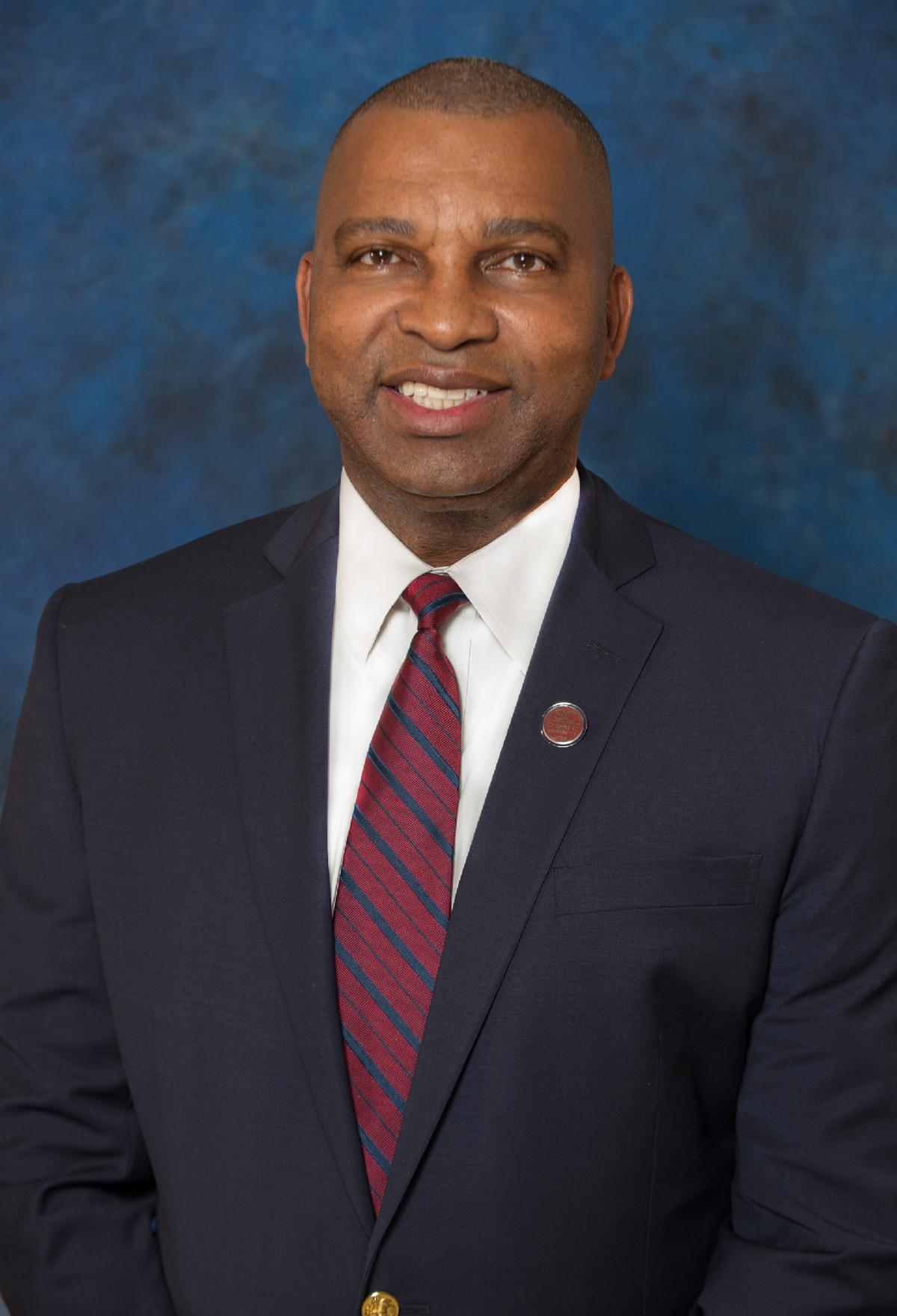
“This is a major milestone for South Carolina State University, the Department of Engineering, and our future industrial and civil engineering graduates,” SC State President Alexander Conyers said. “Earning a degree from an accredited engineering program is a significant boost to our graduates as they enter the job market and graduate school.”

SC State President Alexander Conyers

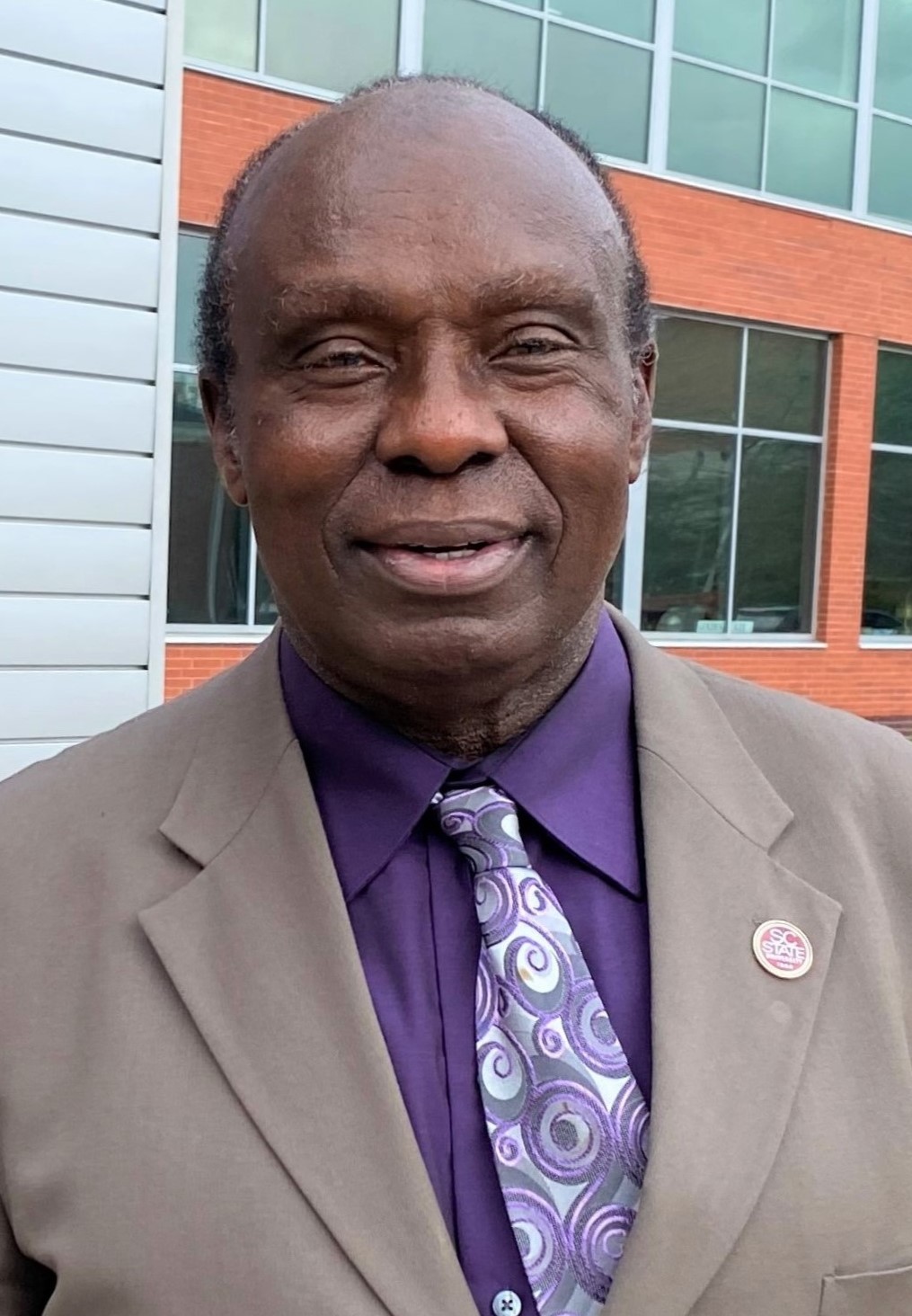
Dr. Stanley Ihekweazu

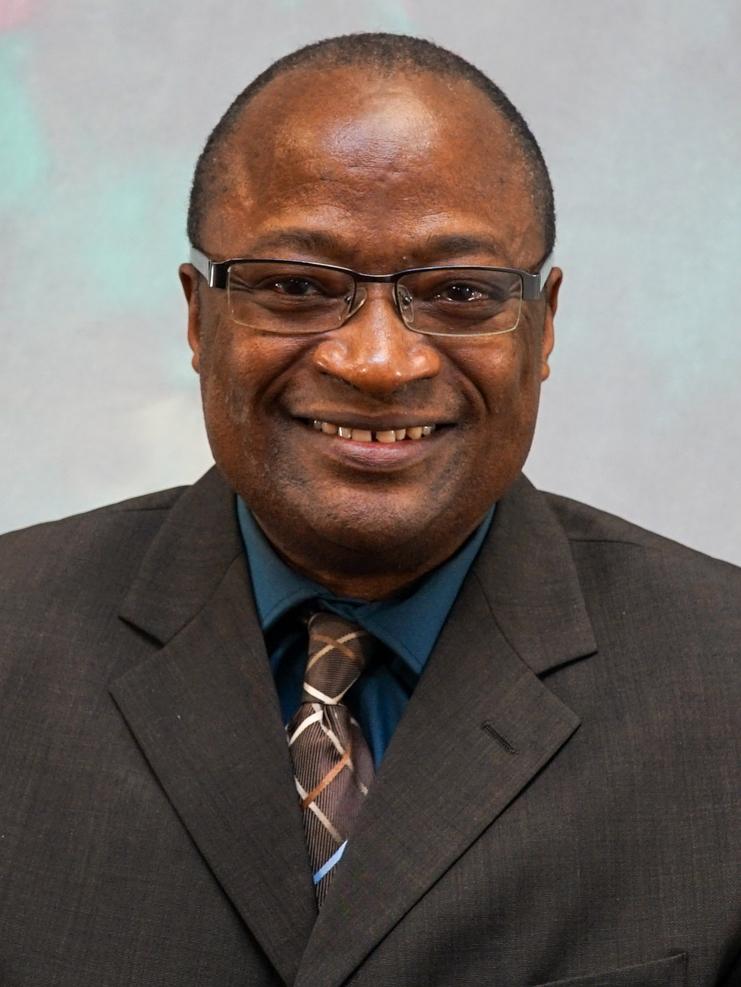
Dr. Musa Danjaji

With the IE and CE additions, SC State now offers three nationally accredited engineering degrees. SC State’s Nuclear Engineering Program also has ABET’s stamp of approval. While the latter always has been a full engineering degree, the IE and CE programs made the transition from engineering technology programs.


“Moving these two programs from engineering technology to full engineering degrees was an essential step in SC State’s evolution, as it makes our students eligible to sit for engineering licensure exams,” Conyers said. “Knowing that this achievement resulted from a rigorous process, I extend my congratulations to the Department of Engineering’s leadership and faculty.”


ABET visited SC State in November to evaluate SC State’s IE and CE programs. In May, SC State responded to ABET’s initial report before receiving notice of approval from ABET this month.


Dr. Stanley Ihekweazu, dean of SC State’s College of Science, Technology, Engineering, Mathematics and Transportation (STEMT), said the ABET achievement was due to the hard work and dedication of our faculty, staff, students, alumni and the Industrial Advisory Council (IAC).


“This accreditation means that those students who seek to become civil or industrial engineers can now come to SC State University to pursue their dreams,” Ihekweazu said.


This accreditation will position the university to offer engineering degrees sought by companies and agencies alike. Both programs’ accreditation is retroactive to Jan. 1, 2023, meaning that Spring 2023 graduates have nationally accredited degrees.


"Our industrial and civil engineering students will benefit from this as employers will value their degrees and be willing to hire them,” said Dr. Musa Danjaji, Engineering Department chair and professor. “I appreciate the dedication of my colleagues of the IE faculty and the CE faculty with whom I had the distinction of collaborating to accredit the programs.


“Congratulations to two distinguished programs,” he said. “I am really happy that the three engineering programs – nuclear, civil and industrial – in the Department of Engineering are all accredited.”

The IE faculty includes Drs. Jae Dong Hong, Samuel Littlejohn, and  Seeung Oh. The CE faculty includes Drs.  Ismail Farajpour,  Saidi Siuhi, and Jai Hong Lee.


Hong, IE Program coordinator, recalled that the Industrial Engineering Technology (IET) program was accredited for a maximum six-year period as an initial

accreditation in 1992 and continued to be accredited for the maximum period until 2015.


"I cannot thank enough the many IET/IE graduates and students who showed such strong support and actively participated in the accreditation processes, let alone our great IAC members,” Hong said.


Hong also recognized Janice Guinyard, administrative specialist, for her work on the accreditation process, and former STEMT Dean Kenneth D. Lewis for paving the way for transforming the two engineering technology programs into ABET-accredited engineering programs.


SC State’s journey to accredit the Civil Engineering and Industrial Engineering Programs began in 2014 when the South Carolina Commission on Higher Education (CHE) authorized the transition of the two programs from engineering technology to full engineering programs.


This led to the development of engineering curricula and courses to meet ABET standards. As SC State had graduated students in both programs, Conyers directed the dean to seek accreditation of the programs in January 2022.


Ihekweazu said ABET accreditation is usually an 18-month process or longer. Accreditation is usually a collective universitywide process beginning with the president, vice president, dean, chairs, faculty, staff, students, alumni and the Industrial Advisory Council -- everyone plays a role.


By January 31, 2025, SC State must ask ABET for a reaccreditation evaluation visit toward retaining the IE and CE accreditation. In preparation for the visit, SC State must submit a self-study report by July 1, 2025.


SC State also holds ABET accreditation for its degrees in computer science, electrical engineering technology, mechanical engineering technology and civil engineering technology. The civil engineering technology degree will be phased out by December 2024.


ABET accredits degree programs rather than institutions. SC State as a whole is fully accredited by the Southern Association of Colleges and Schools’ Commission on Colleges (SACSCOC).


###


About South Carolina State University

Founded in 1896 as a land grant institution with a mission of providing service to the citizens of the state, South Carolina State University has evolved from a small teachers’ college into a major University center of learning and research. Located in Orangeburg, S.C., South Carolina State offers more than 50 different fields of study on the undergraduate and graduate levels. South Carolina State University is accredited by the Southern Association of Colleges and Schools and is a member of the Council of Graduate Schools.