| |
|
Greetings!,
Happy May!
Read on to explore how the Southwestern Medical District Transformation team is shaping a greener, healthier future as we highlight recent progress, ways to get involved, and share things that are inspiring us.
| | | | |
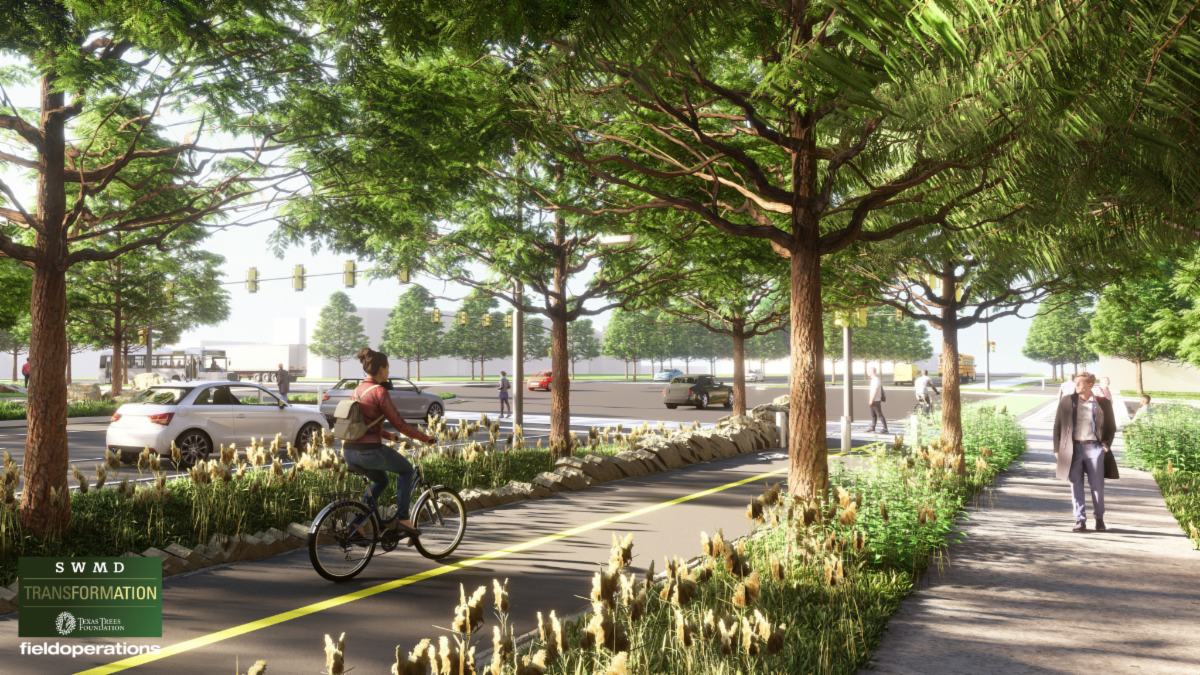
Pictured: May is National Bike Month! The two-way cycle track along the Green Spine will enhance the Medical District's connectivity to the broader regional bicycle network and provide a scencic, safe, and shaded route for cyclists - promoting active commutes and improving accessibility to medical services for all modes of travel. | | |
We are currently focused on implementing Phase I: the Green Spine. Harry Hines is the backbone of the Medical District, yet today it is an unwelcoming, unsafe, and unpleasant gateway to the hope, healing, and medical innovation avaliable in the District. The Green Spine reimagines the Harry Hines streetscape through the Medical District into a greener, cleaner, cooler, safer, and active linear parkway.
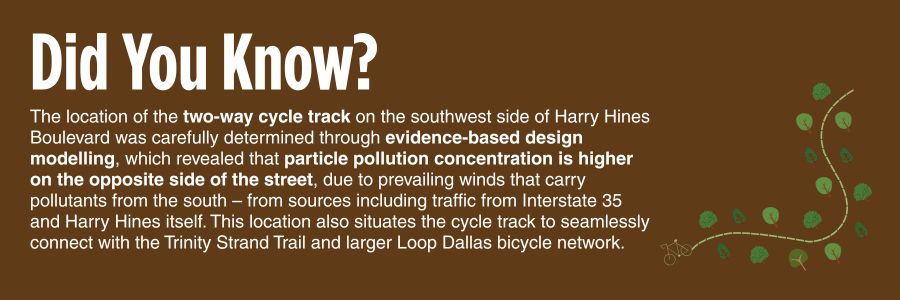
Over the past month, we've had several productive design coordination sessions with our Landscape Architects, Field Operations, as we advance this project. We are currently in the Design Development stage for the Green Spine. This stage includes more detailed design refinement and allows our team to gain a clearer picture of elements such as hardscape, plant materials, and site conditions, including planting layouts, drainage, and soil depths. Many of our recent design conversations have centered on maintaining the vision that we have established: to create a public asset for the Medical District where people and nature thrive in a safe, healthy, and vibrant environment. These discussions have also reaffirmed our commitment to a data-driven design approach – for example, evaluating design decisions such as tree placement and planting layouts for their effectiveness at reducing urban heat and air pollution.
Ever committed to designing ecologically rich, culturally appropriate, and people-first spaces, as demonstrated by their global portfolio, we are beyond grateful to have Field Operations on our team.
| | | | |
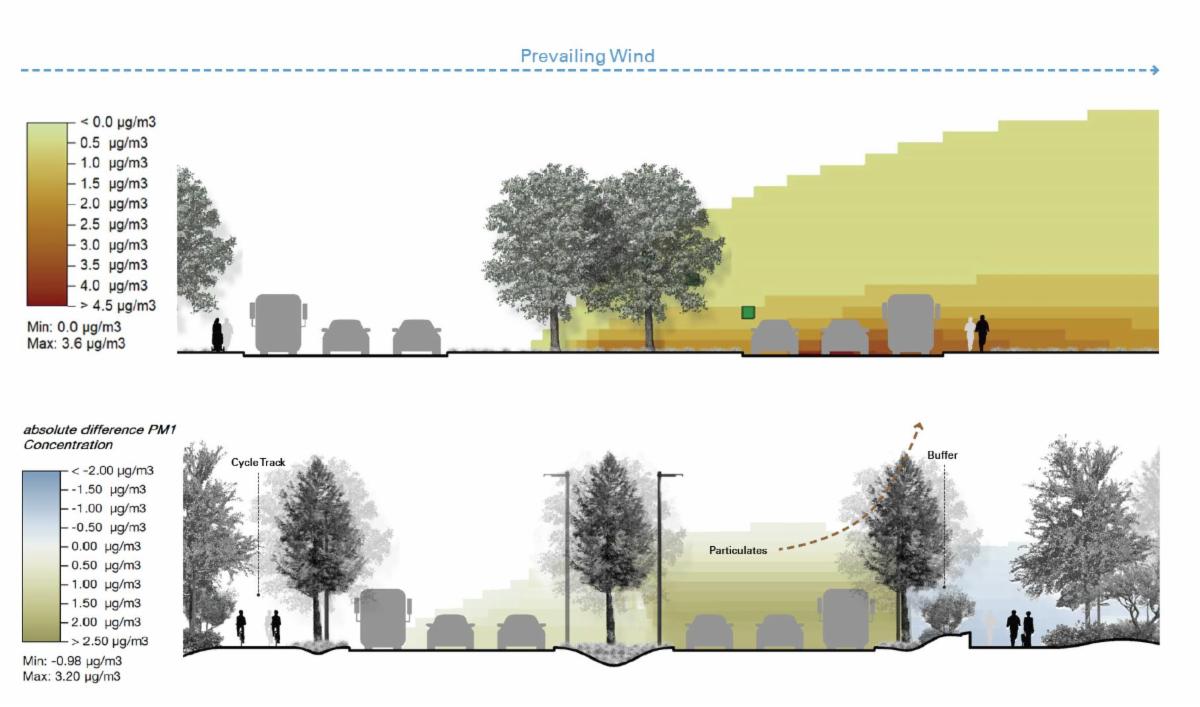
Pictured: Not to worry, the downwind sidewalk on the southeast side of Harry Hines will be protected by a heavily planted berm, a raised mound of soil that acts as a buffer to 'ramp' pollutants up and over, and away from the pedestrians, creating healthier, cleaner air in even the most environmentally-challenged areas of the District. | | | | |
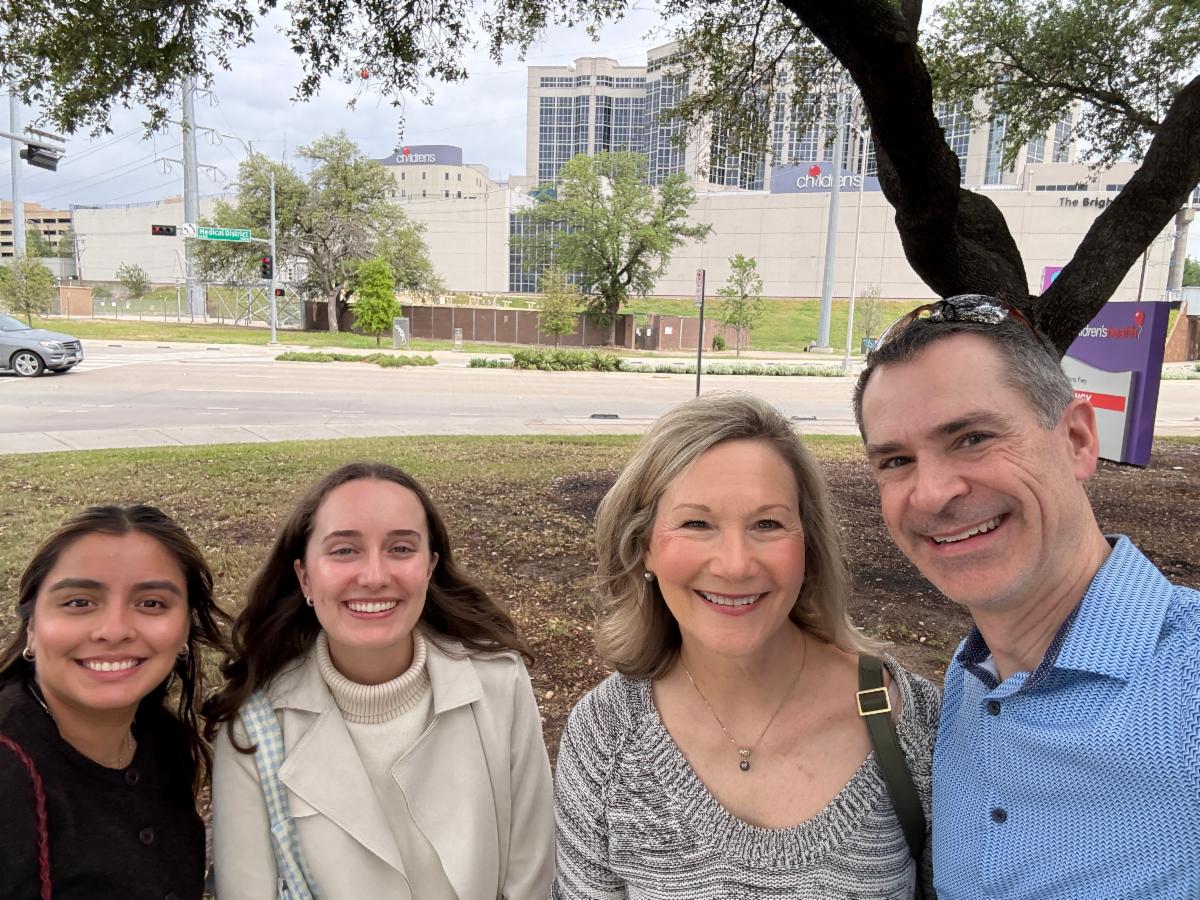
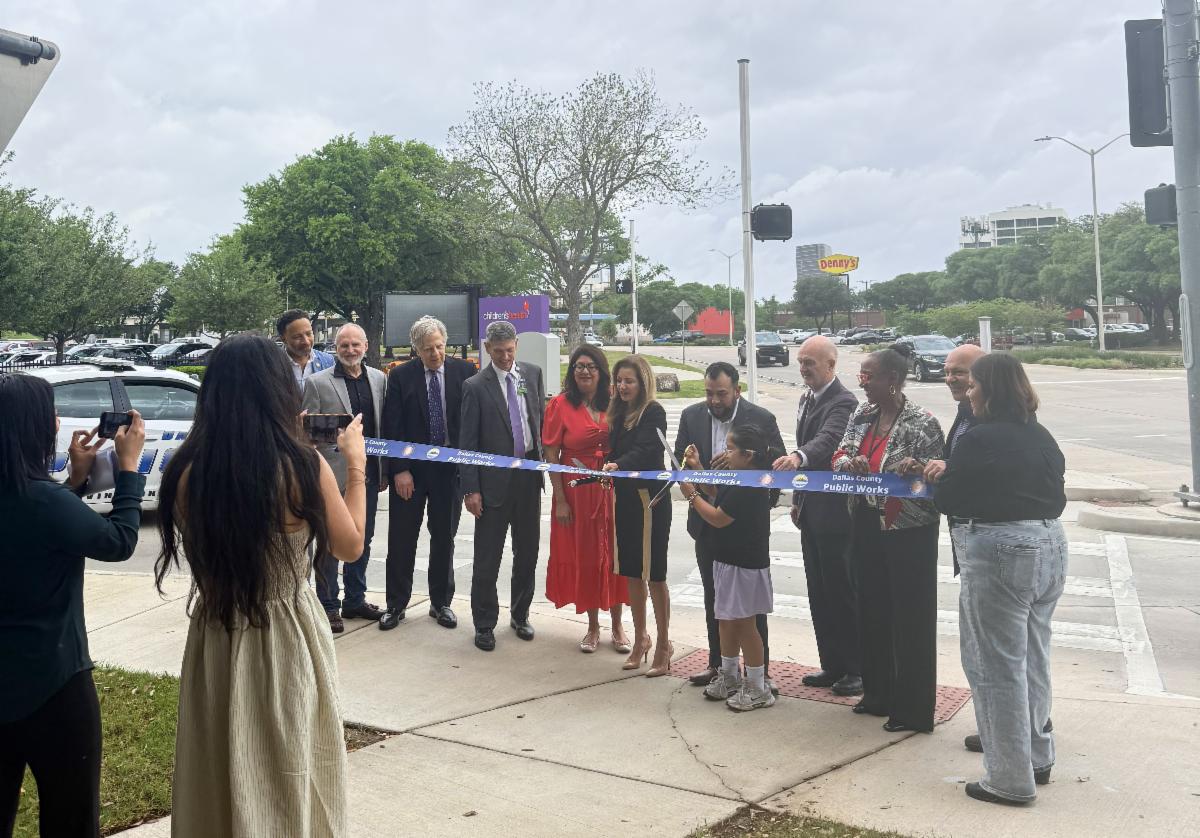
Pictured (Left): Members of the Texas Trees Foundation and Kimley-Horn teams captured the Medical District Drive ribbon cutting event with a fun selfie. Right: The collaborators who brought this project to life make things official as they cut the ribbon to celebrate the completion of the Medical District Drive roadway improvements. Local leaders including Robert Prejean, Southwestern Medical District Manager, Dr. Fredrick Cerise, President & CEO, Parkland Health, Dr. Elba Garcia, Dallas County Commissioner, District 4, Mayor Pro Tem Jesse Moreno, City of Dallas Council District 2, and Alberta Blair, Director of Public Works, Dallas are County are pictured among other project team members. | | |
This past month, our team also greatly enjoyed taking part in the ribbon-cutting celebration for the Medical District Drive roadway improvements. Hosted by Dallas County and the City of Dallas, this event represented a culmination of 18 years of hard work, 20 partners, and a shared legacy of collaboration and vision. A tenacious team of visionary leaders, including local public agencies, the Medical District, and industry experts, such as the Southwestern Medical District Transformation team’s very own Jacobs Engineering Group and Kimley-Horn & Associates, worked tirelessly to turn the street formerly called ‘Motor’ – a name that reflected an earlier era of car-focused planning, into Medical District Drive, an accessible gateway more reflective of the community it serves.
Each party involved recognized a dire need for the roadway upgrades, for both patients and families, who are often navigating the District under stressful circumstances, and the employees who serve them. From modernized roadway and underground utilities infrastructure and beautified landscaping to the separate bicycle lanes and continuous sidewalks that now better connect this road to a larger Dallas trail network, this project represents the exciting new chapter on the horizon for the Medical District: where infrastructure functions as part of the care team.
Projects such as these remind us that journeys don’t begin inside the four walls of a hospital, and clear and safe infrastructure in the public right-of-way can help minimize confusion, ease stress, and improve access.
We truly appreciate how the event leaders also celebrated this accomplishment in connection with the broader green and pedestrian network that the Harry Hines Green Spine and Green Park will soon create. We are incredibly proud to be a part of a broad coalition investing in the health, safety, and vibrancy of our Medical District community.
| | | | |
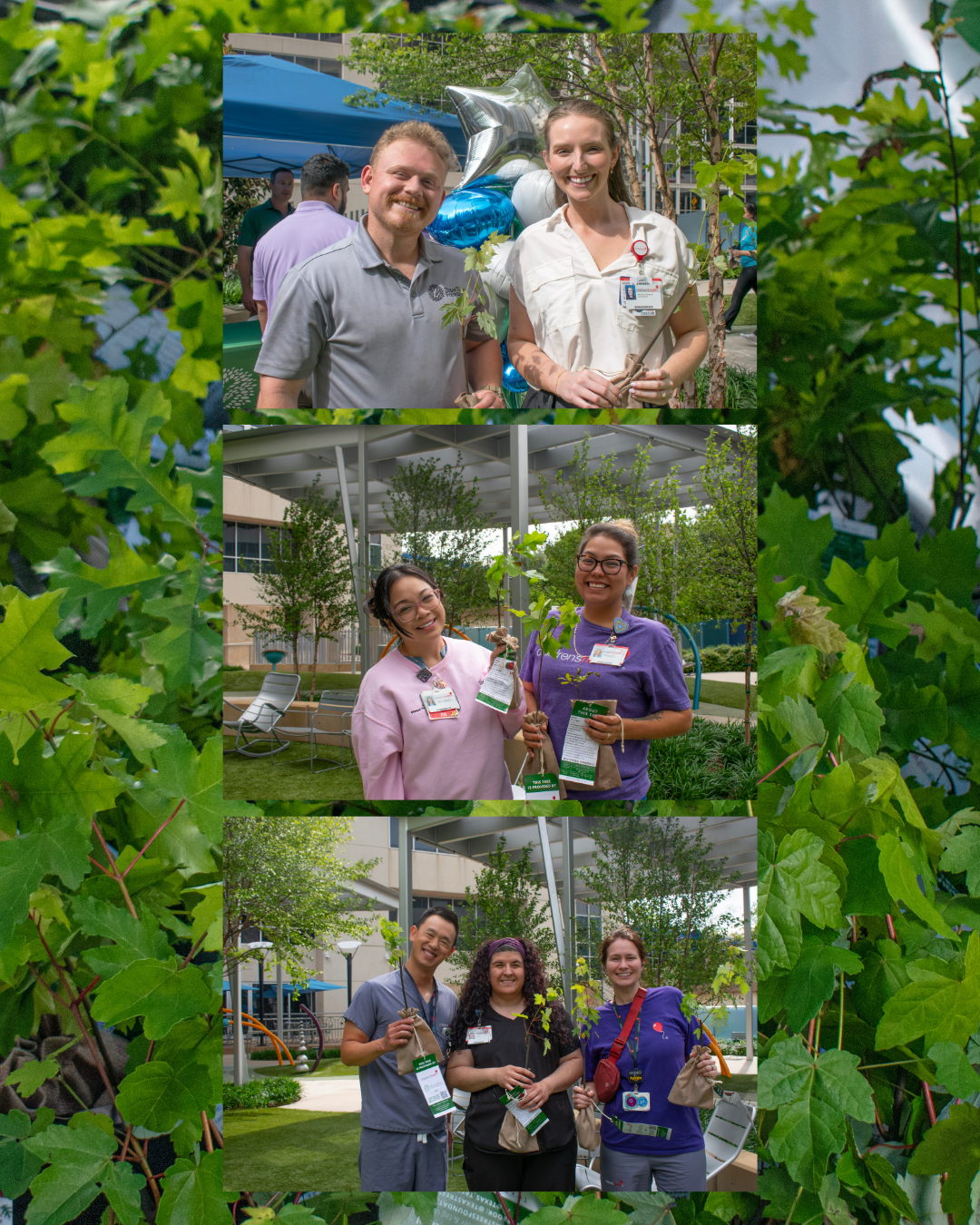
Pictured: Texas Trees Foundation and Children’s Health team members proudly show off their new tree saplings. | | |
To celebrate Earth Month each year, we have the joy of partnering with Children’s Health to give away tree seedlings for staff and patient families to take home to plant in their own communities! This year, we gave away 750 Shumard, Pecan, Red Maple, and River Birch seedlings.
At this high-impact event, we also had the chance to share educational material that delved into the benefits of trees – from environmental resiliency to social cohesion, and more. Finally, this was a wonderful opportunity to share awareness and anticipation for the Southwestern Medical District Transformation! Whether this was their first time learning about the Green Spine and Green Park, or they were already familiar with the project, hearing that a vibrant network of green space and pedestrian paths will soon surround the Medical District campuses sparked pure joy among the Children’s Community. Year after year, this event plants many seeds – ones that will continue to grow in how we steward the important role that nature plays in the places where we live, work, and heal. We are grateful to count Children’s Health as our partner, and we can’t wait to keep growing together in the Southwestern Medical District!
| | | | |
|
Please join our team and partners for a close glimpse into the project at Leadership Briefing: Southwestern Medical District Transformation Project Update on Tuesday, June 10th, hosted by the North Dallas Chamber of Commerce.
Learn more about how our project team is approaching health from every angle to promote flourishing in one of Dallas’s most important neighborhoods. Covering topics ranging from evidence-based design strategies that improve environmental conditions, such as urban heat and air quality, to collaborative leadership to enhance mobility, connectivity, safety, and economic growth, it is sure to be a fascinating conversation.
Lannie McClelen, Director of Policy, Planning, & Impact at Texas Trees, will provide a project presentation, followed by a moderated panel discussion, with contributions from:
- David Biegler, Chairman of the Board, Southwestern Medical District
- Janette Monear, President and CEO, Texas Trees Foundation
We’re also thrilled to be speaking at City Parks Alliance’s Greater & Greener 2026 in June, the only conference dedicated to exploring the full potential of parks as city-building tools. The conference brings together doers from government, nonprofits, and communities who are using parks and green spaces to create more sustainable, vibrant, and equitable cities.
We’ll be joined by other incredible projects across Texas for our session, ranging from long-term master plans to iconic green spaces already being enjoyed today. In this session, our team is excited to share insights into how public-private partnerships and innovative design strategies are contributing to the reimagination of the District’s public spaces along Harry Hines Blvd. into the Green Spine and Green Park.
We are also looking forward to immersing ourselves in the “learning lab” that Greater & Greener will foster both in the conference center and out in nature– from field trips to local parks to a wide range of sessions from parks & green space professionals from all over the country. We hope to see you in Austin this summer!
| | | | |
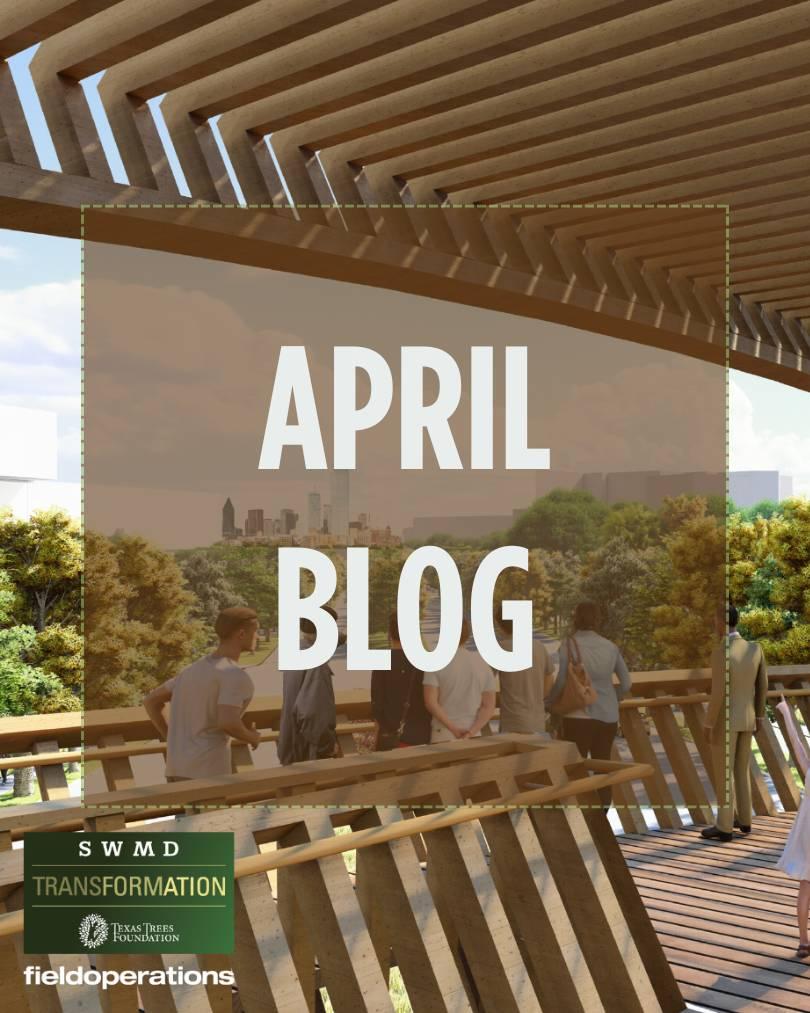
Check out our latest blog, Health Begins Outside Hospital Walls: Why the Future of Healthcare Must Be Built Into Our Cities, to learn more about how our built environment can better serve the full spectrum of health and well-being – from accessibility to care, to promoting daily health lifestyles and lowering disease prevalence, and accelerating healing. | | |
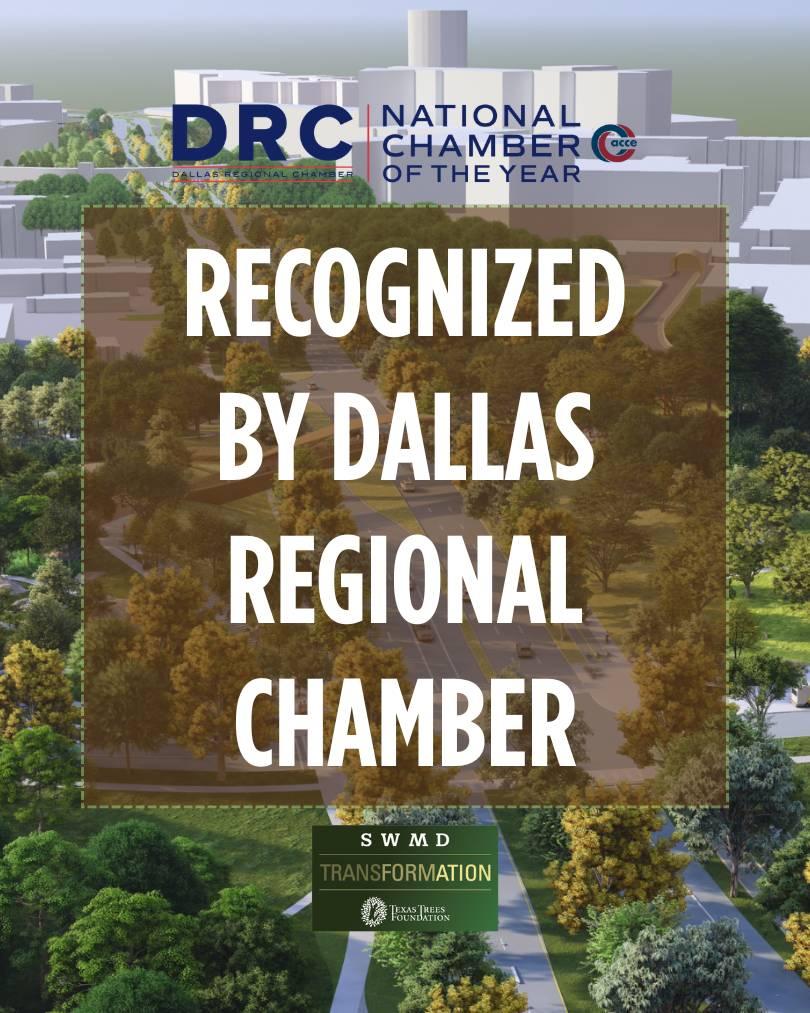
We were honored to be featured in Dallas Regional Chamber’s Dallas-Fort Worth Economic Development Guide. The SWMD Transformation was featured in the Project Pipeline | Significant Projects section, recognizing initiatives that are driving meaningful investment, advancing innovation, and shaping the future of the DFW region.
This recognition highlights the power of design to influence health and well-being. Through forward-thinking strategies, such as evidence-based design, the project is expanding access to green space and tree canopy where they are needed most, creating lasting benefits for the Southwestern Medical District community and its outdoor environment. We were also honored to be recognized alongside the incredible projects that our partners at Children’s Health and UT Southwestern are undertaking.
| | | | |
|
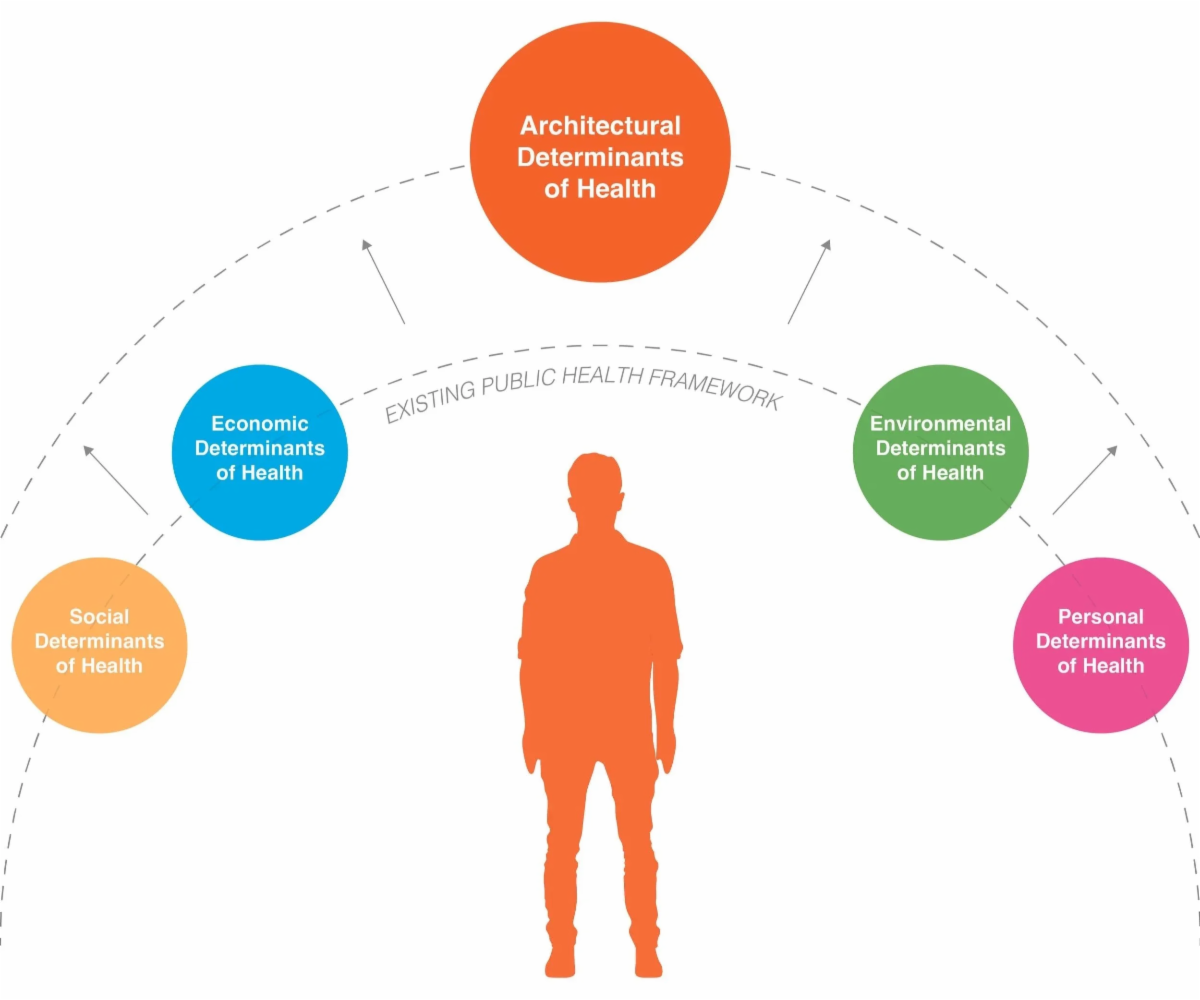
Farrow Partners highlights what we know to be especially meaningful in a Medical District, where people often find themselves under stressful circumstances: “Our surroundings constantly send measurable signals that shape how we feel and function.”
Image Credits: Farrow Partners
| | |
Check out the “The Architectural Determinants of Health (ADoH) model” from Canadian-based architectural firm, Farrow Partners, which rolls up existing public health frameworks into a framework that clearly asserts the role of our environments in our health: “explain[ing] how the places we live, work, and gather actively shape our health”.
We love the comparison often drawn between designers and choreographers, as Farrow Partners similarly does in their framework. It raises the question of whether a space encourages experiences with nature, energizes us, supports socialization, and feels comfortable and intuitive to navigate — or whether it is better experienced by car than on foot, lacks shade or refuge, fails to draw us in, or feels confusing to move through.
| | | | | |
Thanks so much for reading! Have an idea, question, or want to connect further in the meantime? To reach our team, drop us a line at swmdproject@texastrees.org.
| | | | |
| |
| |