View as Webpage


SciStarter Newsletter − January 2026

Facebook  Instagram  X  YouTube

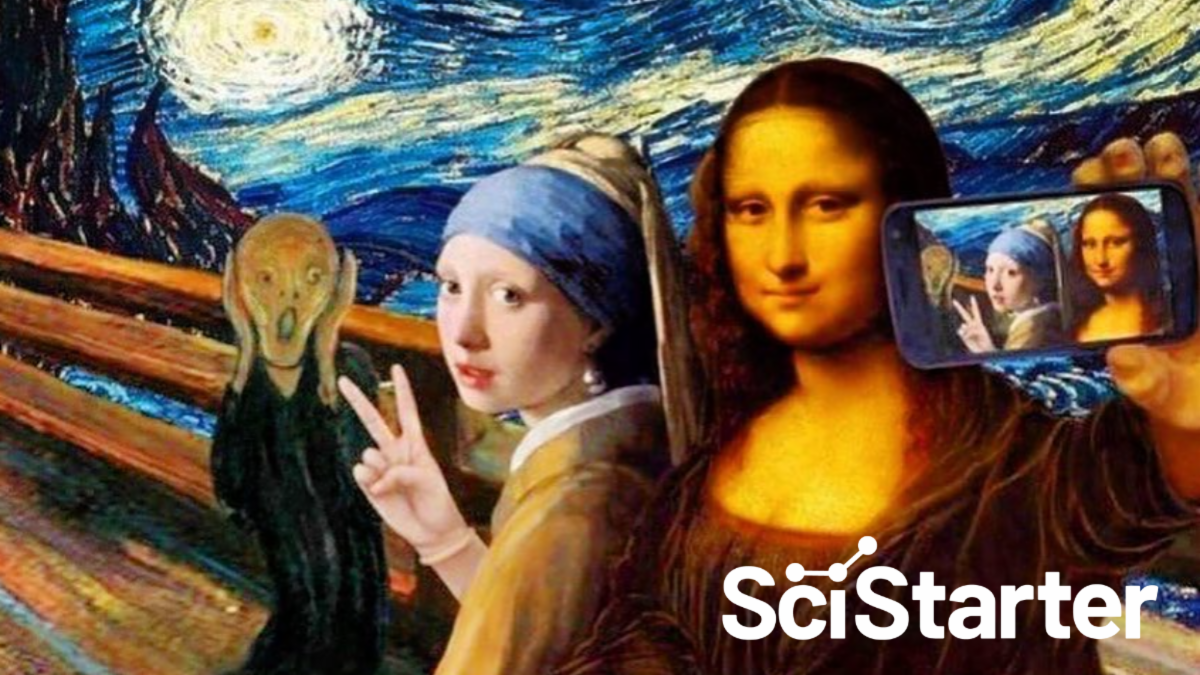
The third Wednesday in January marks the iconic #MuseumSelfie Day each year, and in 2026, it falls on January 21. Created by Mar Dixon, a visionary in cultural engagement (and sister of SciStarter founder Darlene Cavalier), #MuseumSelfie Day began in 2014 as a playful rebellion against traditional museum etiquette. At a time when institutions were hesitant to embrace photography and certainly scoffed at selfies, Mar flipped the script, encouraging people to take and post selfies in museums to create personal connections with culture.


Now, people and institutions worldwide embrace #MuseumSelfie Day, reinforcing Mar’s vision that museums should belong to everyone. Even after her passing in March 2024, Mar’s influence continues to ripple across the cultural world. We encourage people worldwide to join the fun this #MuseumSelfie Day (tag @SciStarter in your fabulous social media photos!), and below, we spotlight some of our favorite art, natural history, and museum-centric citizen science projects to align with the theme.


Cheers!

The SciStarter Team

X Share
LinkedIn Share

ArtSpots

Help build a community art atlas by using the ArtSpots app to log observations of street art, historical or contemporary art, photography, architecture, and more.


Location: Global

Smithsonian Transcription Center

The Smithsonian is “America’s Attic,” packed with historical artifacts, and someone has to catalog all the items and transcribe all the documents. Little wonder that they’ve turned to an army of online “volunpeers” to join the Smithsonian Transcription Center to help them! There are projects in science, art, culture, and history that need you.


Location: Global

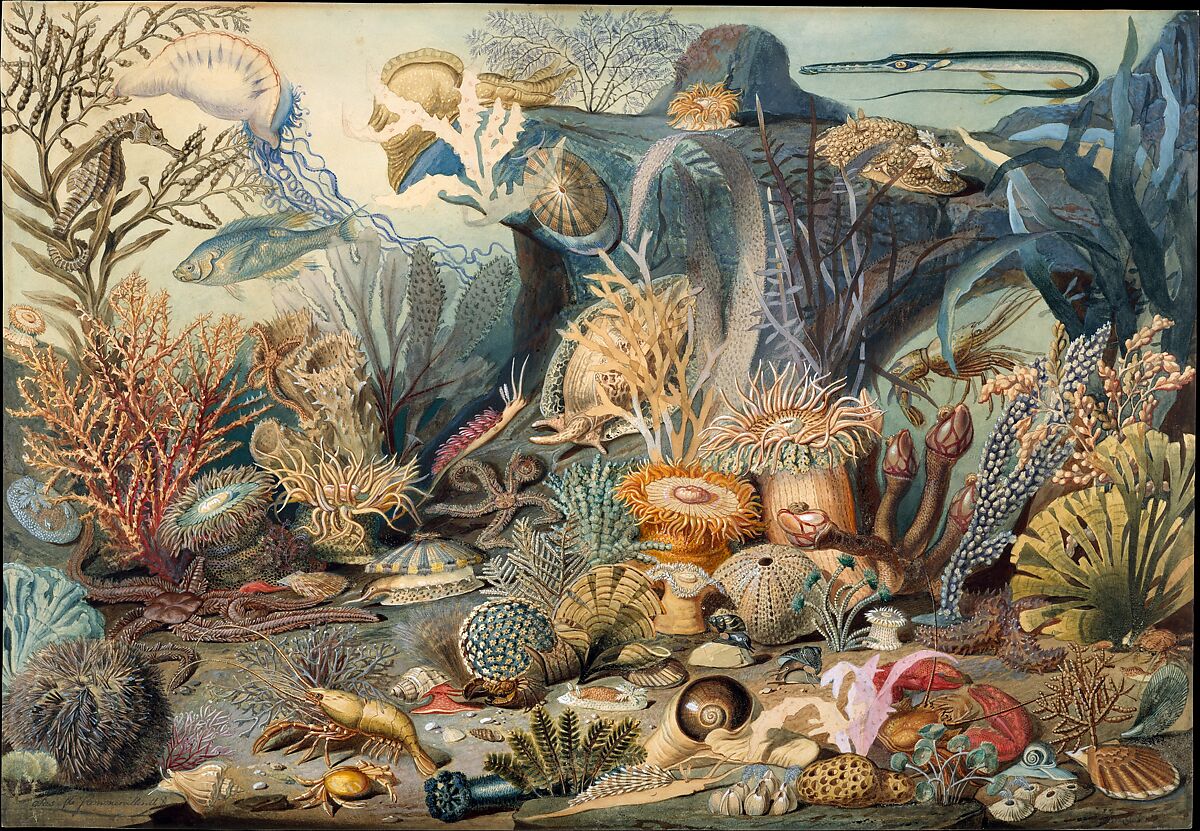
"Ocean Life" by Sommerville & Schussele. Credit: The Met

BiodivAquArt

Help researchers at Aix-Marseille Université study how marine ecosystems have changed over time — by sending them images of aquatic animals you find in art! Whether it’s a painting, sculpture, or mosaic, your discoveries can help trace humanity’s relationship with ocean life.


Location: Global

Notes from Nature

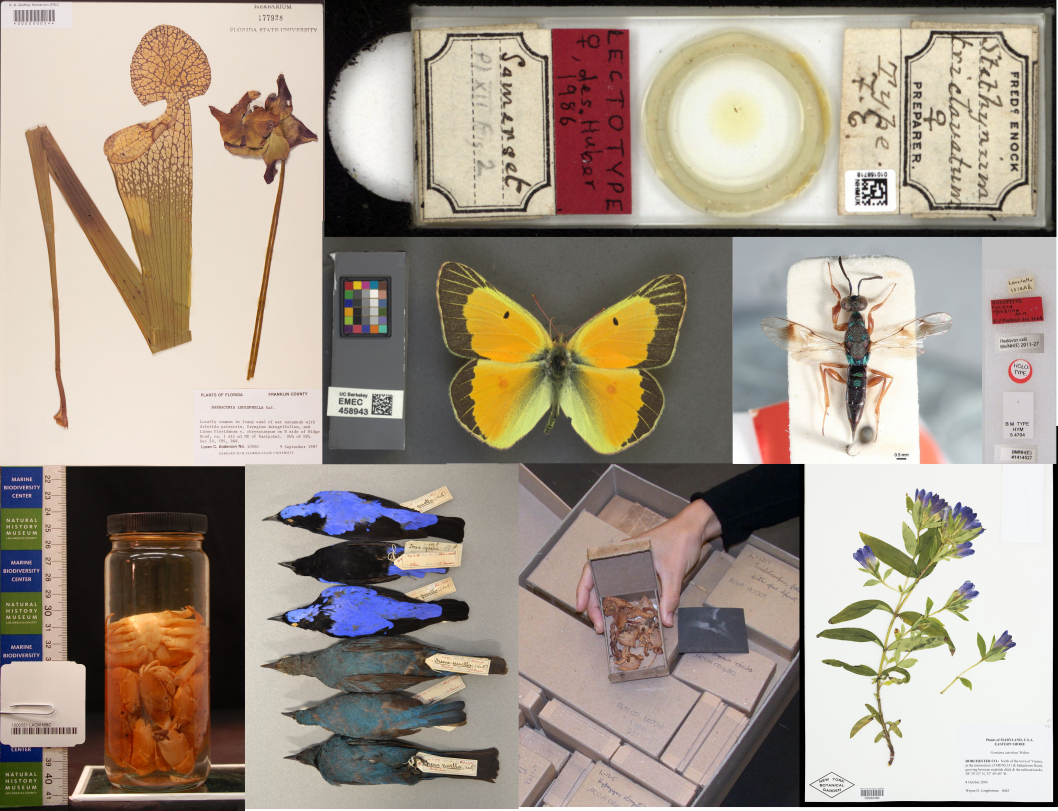
Museums and herbaria around the world invite you to help digitize the documents in their historic biological collections. By transcribing the labels and ledgers, participants unearth natural history and unlock how species have changed over time.


Location: Global

FossilFinder

Fossils are preserved remains of the natural world, and some of the most interesting ones in museums today have been discovered by citizen scientists like you. Share your fossil discoveries with the FossilFinder app.


Location: Global

National Squirrel Day: January 21


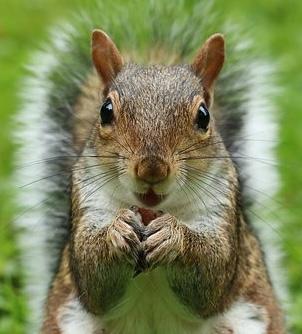
It's no secret that we at SciStarter love squirrels! Squirrel Day on January 21 is a great excuse to join Project Squirrel, a project asking for your observations of any type of squirrel to better understand tree squirrel ecology, as well as SquirrelMapper, a project focused on Eastern Gray Squirrels where you can log data about them in the wild and then play an online game to classify submissions by other citizen scientists.


Location: Global


Lunch and Learn for Project Leaders: How can SciStarter help your project reach more people?


Register to join from anywhere! Want tips for boosting volunteer engagement? SciStarter has tools to help your project thrive!


Join Emma Giles, SciStarter Director of Programs and Operations, to explore the benefits of SciStarter for project leaders. From promoting your project and connecting with new volunteers to maximizing participation during Citizen Science Month, we will give you practical ideas and inspiration for how to make the most of SciStarter to find and engage the right volunteers for your project. This event is co-hosted with the Association for Advancing Participatory Sciences.


January 21 at 2 PM ET on Zoom

Cosmic Pioneers: Discovering Distant Galaxies Together


Join virtually on the live Zoom event or join in-person at a local livestream gathering.


We’ll meet the scientist behind Dark Energy Explorers, a project designed to look deep into space for galaxies and black holes. Your participation will help scientists make the largest map of the universe yet and better understand dark energy.


February 11 at 6:30 PM ET on Zoom

🎉 Special Announcement:

Celebrate Citizen Science Month: 2.50 Million Acts of Science!


This April, join the global celebration of Citizen Science Month as we work toward 2.50 Million Acts of Science for America’s 250th birthday.


Through Acts of Science: Connected, libraries, museums, schools, cafés, and community spaces can host satellite events featuring weekly, interactive livestreams led by project scientists. Participants everywhere can join hands-on activities in real time, uniting communities through science.


SciStarter and Arizona State University will provide all materials, livestream access, and trained volunteer Ambassadors — you bring the space, people, and creativity!


Learn how to apply for a limited number of $500 grants to support your Acts of Science: Connected event!


👉 Register for the info session →

January 20 at 2 PM ET


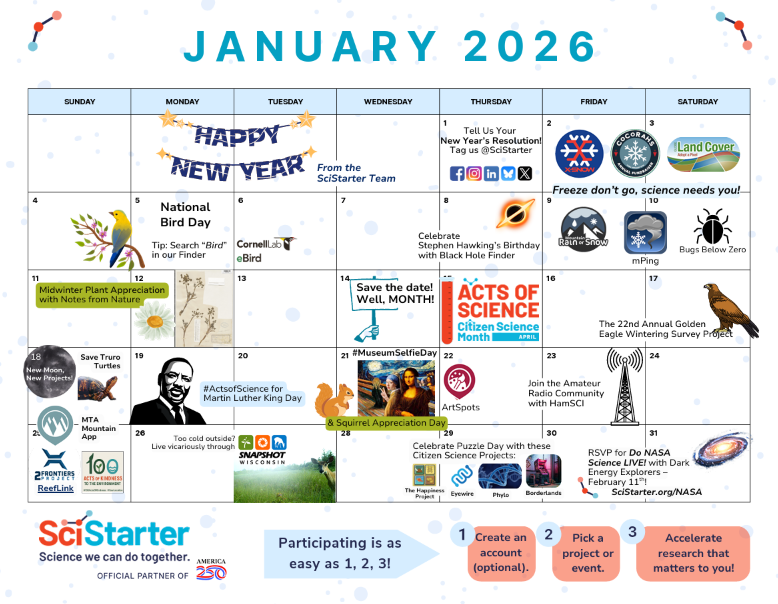
January is packed with events and programs!

Click here to explore and print the calendar.

New projects & events featured on SciStarter