MARCH 2026

Why Play IS Therapy- Even When It Doesn't Look Like It


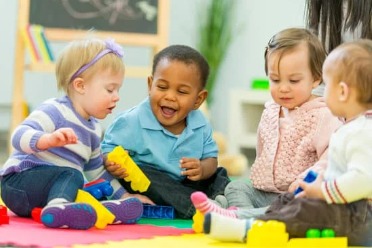
If your child is in Early Intervention, you might notice that therapy often doesn’t look like “traditional therapy.” You may notice therapy often looking like play - rolling cars, stacking blocks, spinning wheels, singing and dancing or chasing bubbles across the room. That’s intentional.


Play is one of the most powerful ways young children learn and grow. Every giggle, tumble, or repeated action is practice for essential skills:

  • Motor skills: Crawling, climbing, grasping, and reaching strengthen muscles and coordination.
  • Language and communication: Babbling, pointing, and responding to sounds help build speech and understanding.
  • Social-emotional development: Taking turns, sharing toys, and interacting with you teaches children how to engage with others.
  • Problem-solving and thinking: Figuring out how blocks stack or puzzles fit encourages persistence and critical thinking.


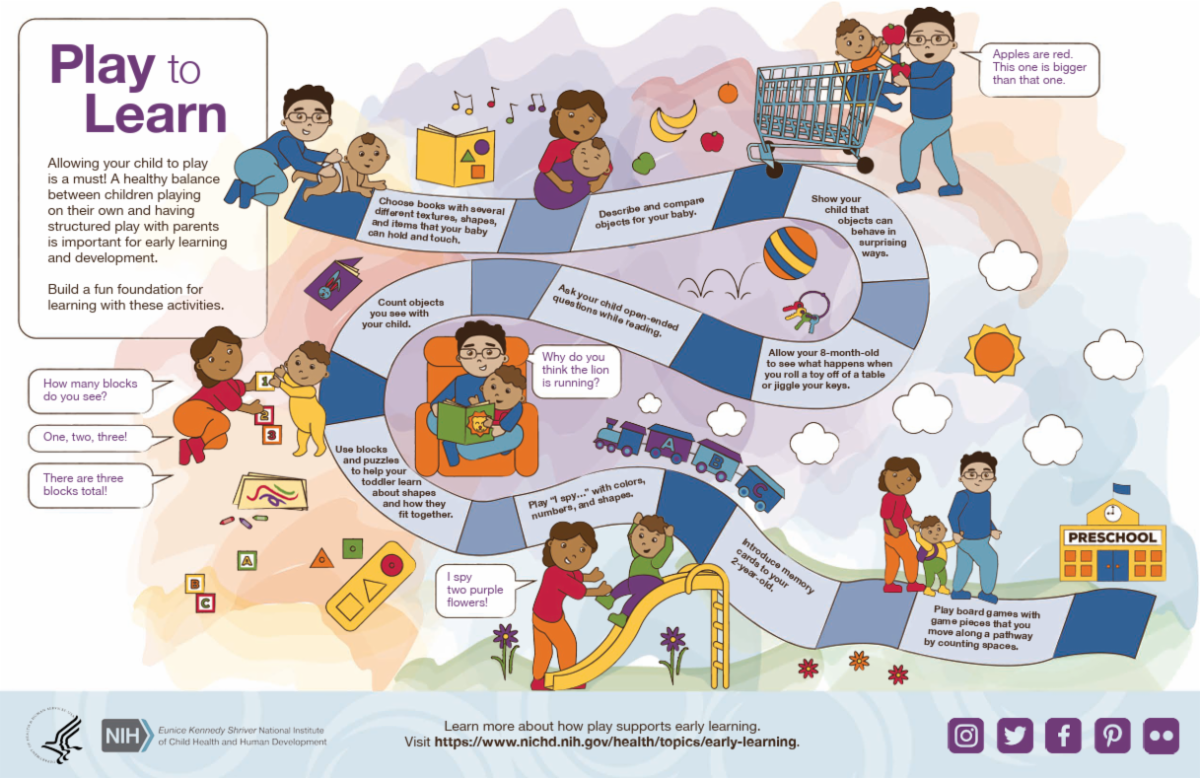
Even when play looks repetitive or silly — like throwing the same ball over and over — it’s building neural connections that lay the foundation for future skills. Therapists often guide play so that learning is happening naturally, without the child even realizing it. That means the therapy feels like fun — but it’s actually structured, intentional growth.


Parents are essential partners in play therapy. You can:

  • Follow your child’s interests and lead.
  • Make everyday routines playful: bath time, snack time, walks, or errands.
  • Add language naturally by narrating actions or modeling new words.
  • Celebrate small wins — every movement, sound, or interaction counts.


The key takeaway: play may not look like therapy, but it IS therapy. When your child is “just playing,” they’re learning, practicing, and growing in meaningful ways. Every playful moment is helping them develop the skills they’ll use for a lifetime.


“Play is the work of childhood.”

— Jean Piaget


“Play is our brain’s favorite way of learning.”

— Diane Ackerman


“Play gives children a chance to practice what they are learning.”

— Mr. Rogers


Resource Spotlight

!Exciting News!


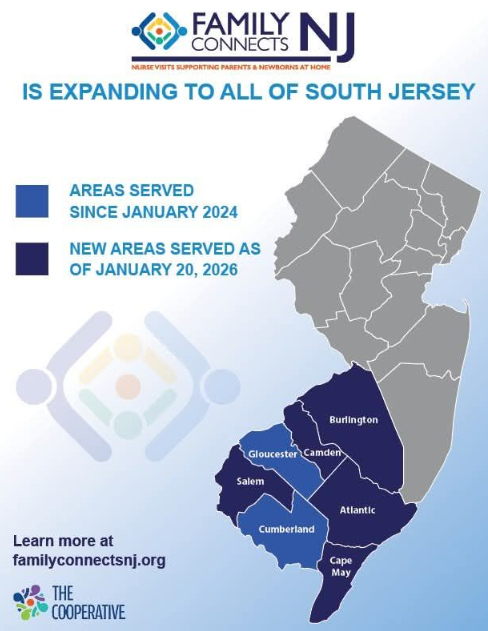
New Jersey’s universal home visiting program, Family Connects NJ, expanded nurse home visits in Atlantic, Burlington, Camden, Cape May and Salem Counties!

This expansion means Family Connects NJ is available in ALL seven South Jersey counties —and eventually, all 21 counties statewide.


Family Connects NJ offers families the opportunity to receive a free, personalized home visit from a specially trained nurse within the first two weeks after their child’s birth. These visits are available to all families, regardless of income, insurance coverage, immigration status or family structure. This includes adoptive families, resource parents, kinship caregivers and families experiencing stillbirth or neonatal loss.

The immediate postpartum period—often called the fourth trimester—is an exciting yet challenging time for families. New Jersey is committed to supporting families during this transition through Family Connects NJ.


During each visit, nurses conduct a comprehensive assessment of the family's health and wellbeing, serving as an important touchpoint for anticipatory guidance and help fostering stronger communication between families and their medical homes. By making these services universally available, Family Connects NJ aims to improve health outcomes for families across New Jersey.

Family Connects NJ --30-Second Explainer

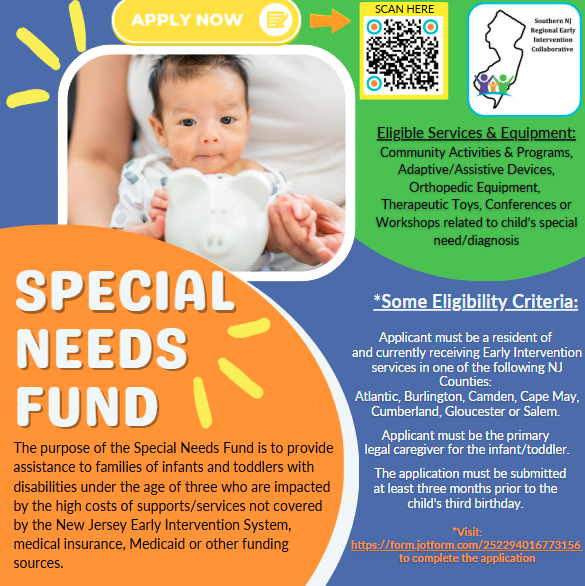
*Please Note: there is a NEW electronic application! 

Click the flyer above to view the NEW application.

What topic would you like to be included in future newsletters?
 
Facebook  Instagram  TikTok  LinkedIn  YouTube  Web