Winter Programs and Events
|
|
2019 Open Hearth Cooking Classes
February 2, 9, 16, 23, March 2, 9, 16
Visitor Center at Hall Tavern Kitchen
|
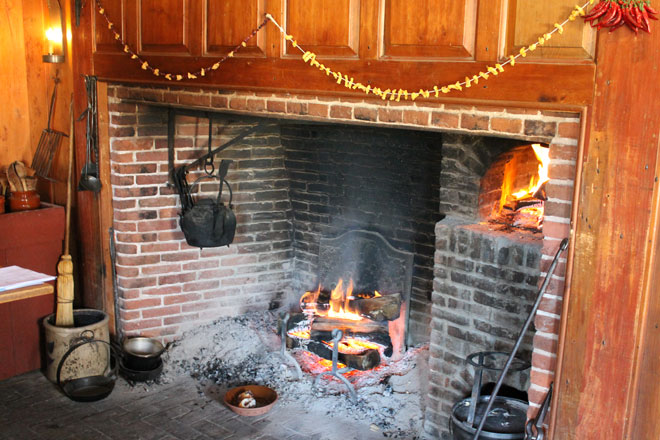
Join us this winter to prepare and eat savory and sweet dishes of the past under the guidance of our experienced Open Hearth Cooks. The menus this year are inspired by the recollections of Epaphras Hoyt (born 1765 in Deerfield) whose 1839 journal recounts daily life of his childhood, including food and cookery.
|
|
Winter Lecture Series: "Native Voices: Recovering American Histories"
January 27, February 24, March 24
2 p.m., Garonzik Auditorium, Deerfield Academy
|
This winter’s free lecture series is devoted to re-centering indigenous peoples’ experience and perspectives within broader American narratives and histories. Each presenter will share new scholarship and insights that bring to light Native men and women as active participants and autonomous history makers. Join us as we consider George Washington through the lens of great Native leaders, William Apess as a voice of and for indigenous survival and identity in the nineteenth century, and how “reverse fieldwork” can be deployed to reveal new insights into the relations between collectors and informants during the era of salvage anthropology.
January 27: “The Indian World of George Washington,” Presented by Colin Calloway, Darmouth College.
February 24: “Fictive Kin: Frank Speck, Gladys Tantaquidgeon and Other Native Informants,” Presented by Margaret Bruchac, University of Pennsylvania.
March 24: “ Through an Indian’s Looking Glass: William Apess, Pequot,” Presented by Drew Lopenzina, Old Dominion University.
|
|
Chocolate Detectives: An Historic Deerfield Learning Adventure
February 11-14
|
|
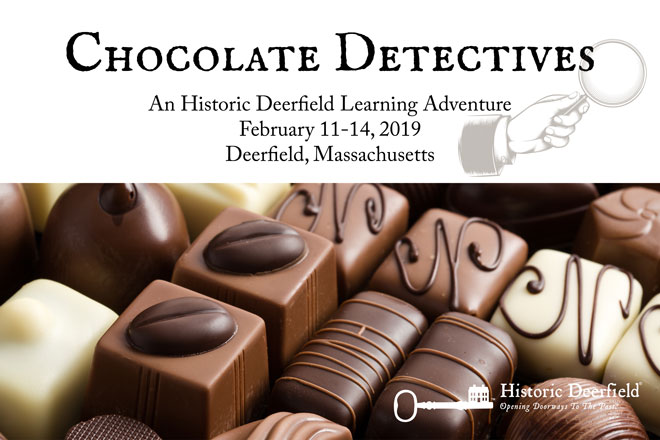
Put on your detective hat and delve into the fascinating history of chocolate in early America through a series of demonstrations, lectures, tours, and tastings. You will learn how chocolate got its start as a breakfast beverage and how technology and invention helped to transform it into candy bars and desserts. Discover how we have come to associate chocolate with Valentine’s Day and learn about the origins of the Toll House Cookie. See special equipment such as chocolate pots and cups from the 18th and 19th centuries, used by elite society to drink hot chocolate. You’ll even get the opportunity to participate in a Victorian valentine workshop and enjoy a chocolate themed dinner!
Featuring the following partners:
- Bob Heiss of Tea Trekkers, who will present The Connoisseurship of Chocolate
- Dede Wilson, chef and cookbook author, who will discuss The Original Tollhouse Cookie
- Wistariahurst Museum, Holyoke, MA, a Victorian Valentine Workshop
- Educator Erin Wederbrook Yuskaitis of The Old North Church, Boston, who will talk about Boston's Captain Jackson's Chocolate Shop
- The Lyman Plant House at Smith College: a visit to view the Cacao Tree in the Jungle Room
|
|
Museum Course: Chinese Export Porcelain and Its Global Impact
March 13, 20, 27
7 p.m. - 9 p.m., Flynt Center of Early New England Life
|
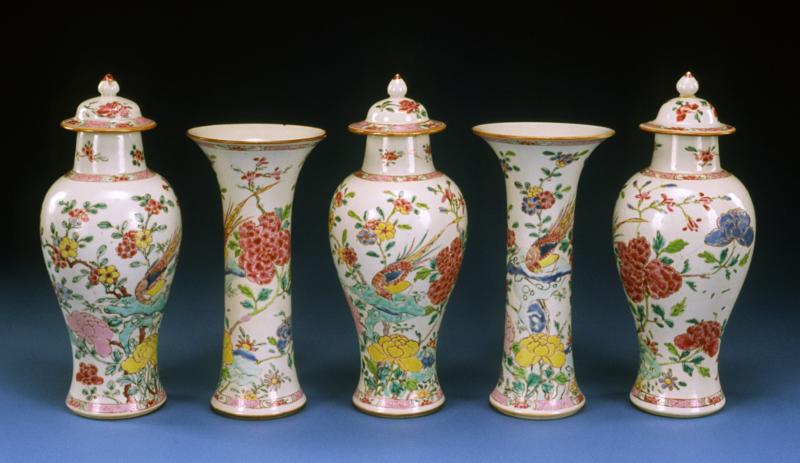
Join us for this three-session course that takes an in-depth look at Chinese porcelain exported to the West. Each insightful class will be divided into a lecture and a study session. Participants will have the rare opportunity to see objects from the museum's collection up close.
|
|
Deerfield- Wellesley Symposium: New England Travels
March 16
9 a.m. - 5 p.m., Deerfield Community Center, Free
|
Sponsored by Historic Deerfield and the Grace Slack McNeil Program for Studies in American Art at Wellesley College.
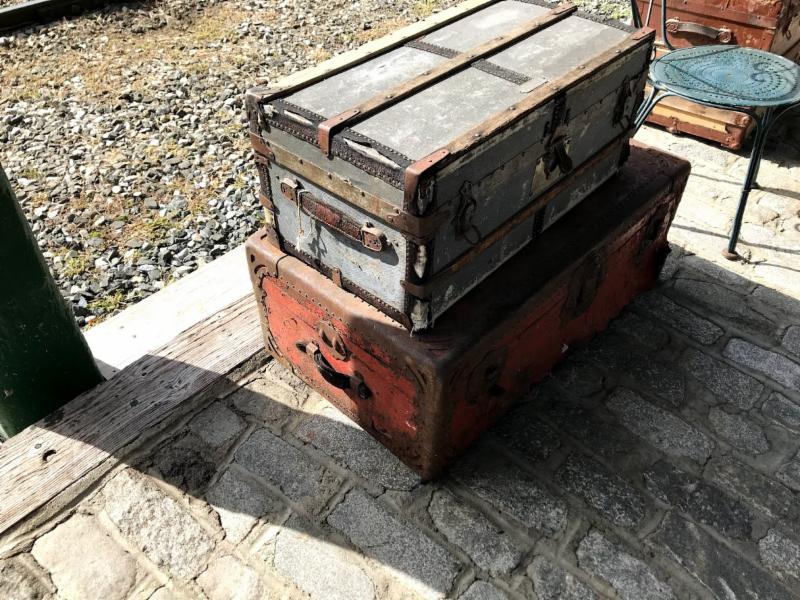
This day-long symposium will explore the art and material culture of New England travel from 1700-1950. As early as the 18th century, Americans and foreign observers alike remarked upon the restlessness of a population on the move despite the hardships, expense, and logistical challenges of long-distance travel. After the Revolution, a growing network of roads, canals, railroads, and steamships connected Americans to destinations both near and far. Whether journeying for business, pleasure, health reasons, or to visit kin, many travelers recorded their impressions in works of art as well as writing. Nineteenth-century New Englanders seemed especially prone to journey far from their homes as they succumbed to what one observer described as "Yankee roam-all-over-the-world-itiveness."
|
|
|
|
|
|
|