A partner ministry of The General Commission on Religion and Race
| |
|
December 2023
Volume 13, No. 2
| |
Automatic door openers communicate welcome! | |
TheVOICE
of the
United Methodist
Disability Connection
| |
|
Greetings in Christ!
Did you know that the Disability Ministries Committee (DMC) receives no general church apportionment support? While we are grateful for in-kind support from our host agency and small gifts from several other UM boards, this is not enough to sustain us and so we offer information on what we do and why we must ask for donations.
We have had a busy year! In this issue we share some of our 2023 activities and let you know how you can help support our ministries.
Grants: We believe so strongly in promoting church accessibility that we use nearly all of the money you donate for accessibility and program grants.
Resources: Our website, newsletter, and media posts aim to inspire you and provide the practical information you need to become become accessible and inclusive congregations. Our resources are grounded in Wesleyan theology and informed and vetted by disabled UMC pastors and DMC members.
Consultation: From answering queries about use of service animals to requests for training, we are available to support UMC members, churches, boards, agencies, and conferences. Some consultation is provided by our volunteers, but you help support reimbursement of their expenses and stipends for our part-time disability and communications consultants.
As noted below, the easiest way to contribute is through our Advance #3021054.
Please prayerfully consider a year-end donation to support this work!
Blessings,
Deaconess Lynn Swedberg, editor
| | |
DMC Grants
DMC Resources
DMC Consultation
How to Support the DMC
| |
DMC Grant Funding = Helping churches become more welcoming and accessible | |
|
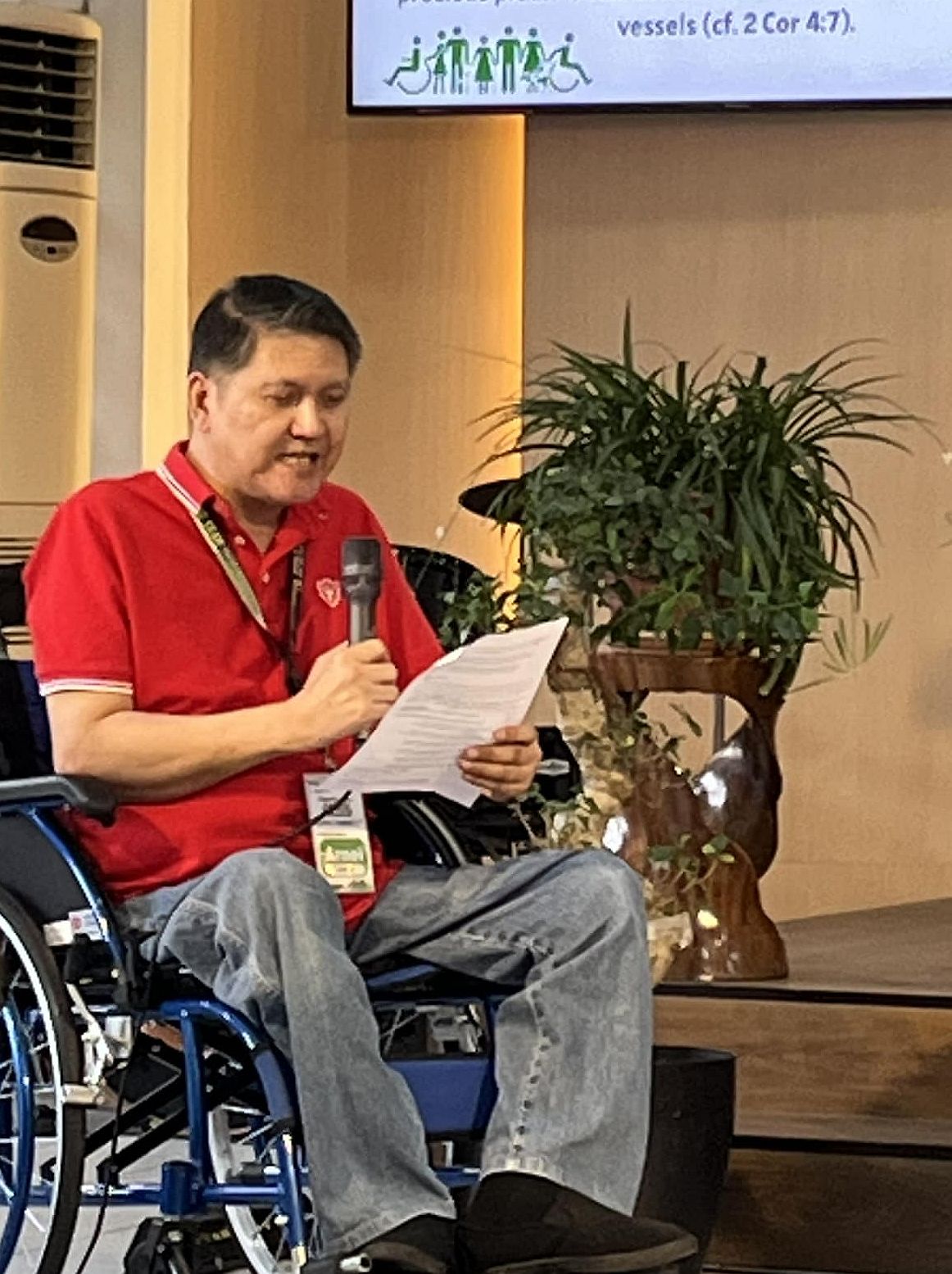
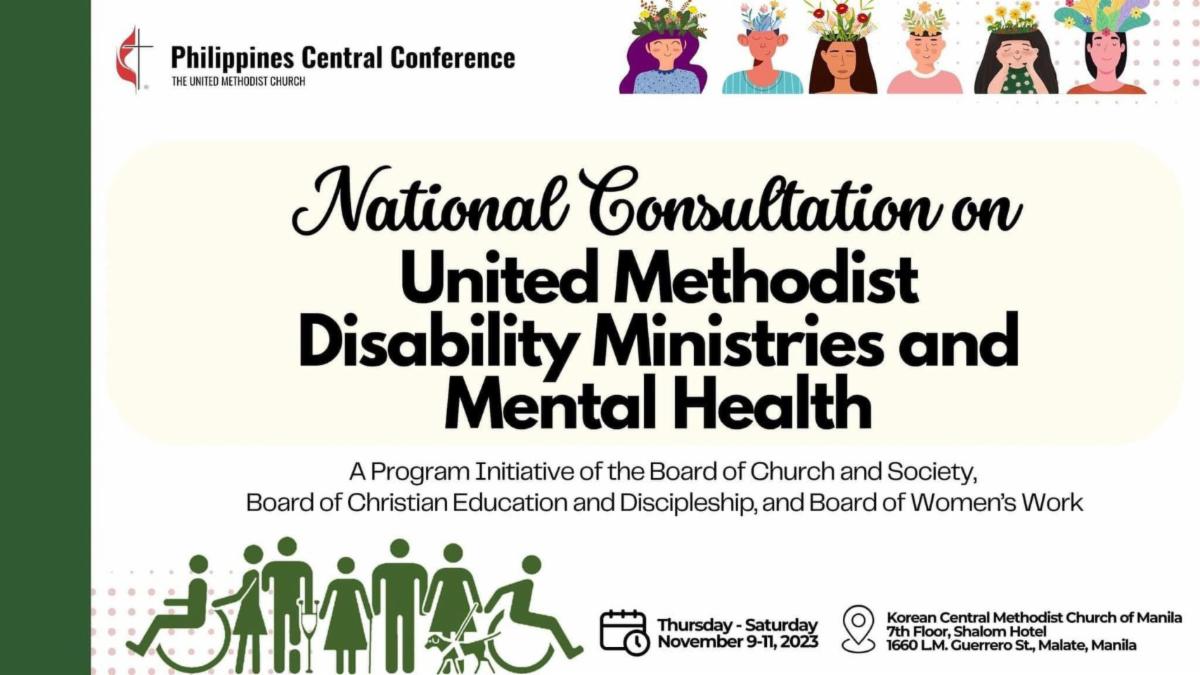
An event - unprecedented in any country - took place in The Philippines in November: the first ever National Consultation on Disability and Mental Health. The Philippines Central Conference Boards of Women’s Work, Church and Society, and Christian Education and Discipleship from all three episcopal areas came together to sponsor the disability training event. Disabled clergy and lay persons helped plan the consultation and lead sessions. Seeds for the Consultation were planted in 2019 when the Board of Women’s Work held their first disability summit, supported by past DMC chairperson Deaconess Sharon McCart.
La Crescent United Methodist Church in Minnesota worked hard during the same period to make their narthex more accessible and welcoming for people with disabilities. Based on input from members who struggled to use the space, they replaced carpet with laminate flooring, improved directional signage, created accessible seating spaces, and designed a welcome center for in-person assistance and obtaining assistive hearing devices, large print bulletins, and other worship aids.
What connects these two projects? Both were funded in part by seed grants awarded by the Disability Ministries Committee of the United Methodist Church (DMC), a ministry partner with GCORR. We receive no direct apportioned funds. Without support from people just like you, these grants and the resources and services provided by the DMC would not be possible.
When asked what the grant meant to the Consultation in the Philippines, Sharon said “The grant provided 25% of the funding needed to hold the event. Without this funding, it would have gone forward, but scaled way back and its reach would have been much more limited”. This gathering was just the beginning. On the last day, participants worked to plan how best to continue the momentum. They strategized next steps in educating and training church leaders to do a better job of creating welcoming places of belonging for all people. Possibilities include establishing a national help desk, making curriculum more accessible, and developing a resource list to refer people to professional help.
|  | |
|
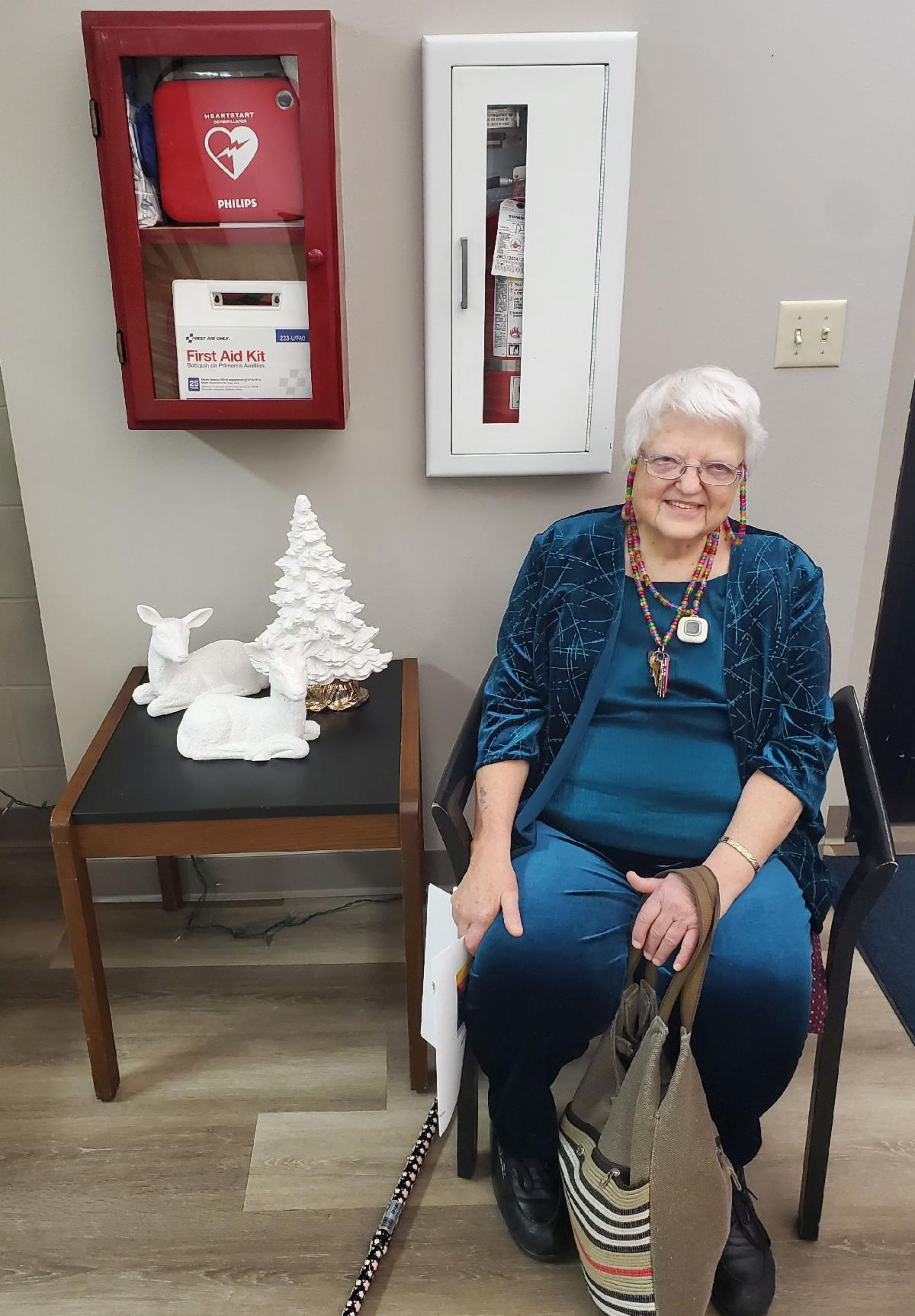
At La Crescent, Trustees chair Cheri Olson explained the role the grant played in making the needed changes. “We are always looking for grants that can help us do the ministry we feel God is calling us to do and when I saw there was help available from the DMC, we applied. The financial support was needed, but even more important was the affirmation that what we wanted to do was important and valued by the larger Church community.” This affirmation propelled them forward to create a welcoming space for people with disabilities in their congregation and for the whole community.
Cheri shared how these modifications impacted one member’s life: Rachel lives at a retirement home, but her ministry gift of reaching out to anyone she meets is a vital part of the church community. The new chairs in the narthex are higher and have armrests. Before and after the service or church activities you can find Rachel sitting in one of the chairs, greeting people as they come and go. She is always ready to have a conversation with anyone needing some Christian love and fellowship. Before the renovations she was unable to stand long enough to put her gifts and graces to work.
Contributed by Rev. Debbie Hills, DMC Chairperson, Western PA Conference
| |
Other DMC grants make local news and expand congregational outreach to their communities | |
|
You might ask how $1000 can possibly make a difference for a church. These stories about some of the additional grants awarded in 2023 will help you understand that small amounts matter. They may also give you new ideas for your congregation. Statements in quotation marks come from the reports sent by the churches.
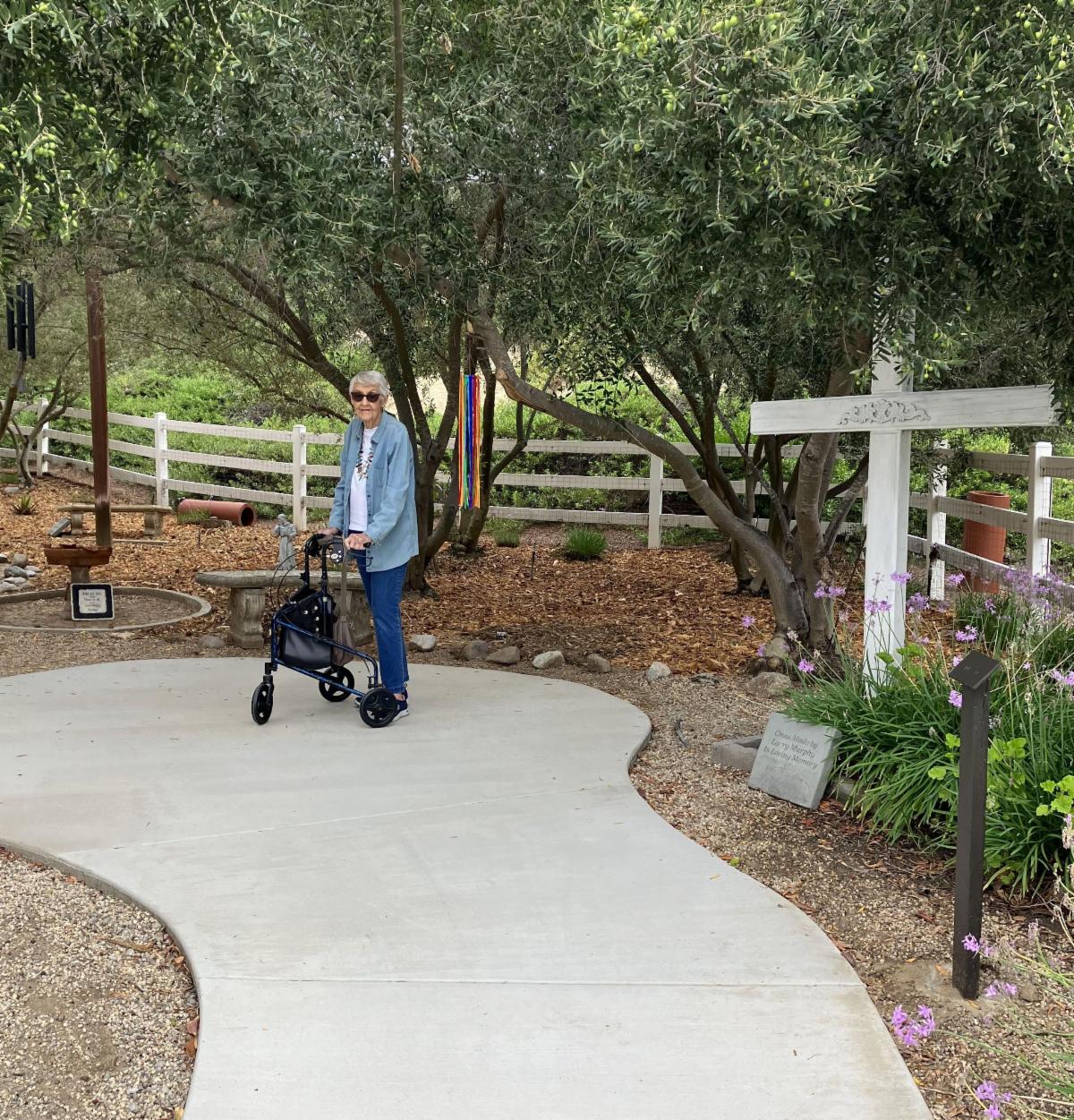
Accessible outdoor meditation garden - Temecula UMC (California-Pacific conference) modified an existing garden for use by all.
“Over the years, the garden became a haven for people seeking comfort, contemplation, and refuge, whether members of our church or of the general public. The garden has hosted memorial services, Bible studies, and walking meditation events. The problem was that one needed to step over a curb to enter the garden, and its crushed-gravel pathways were uneven. It was inaccessible to people using wheelchairs or walkers.”
| |
“It’s very difficult to assess how many people use the garden, as it’s open to the public 24/7. We estimate that perhaps 150 people have visited the garden in recent months. Our church hosts a Reformed Jewish congregation, and members spent time praying and meditating in the garden over the high holy days. Also, since we’ve planted lots of milkweed, we’ve hosted Monarch educational sessions. The garden’s re-dedication was covered in our local newspaper, the Press Enterprise"
"Like churches everywhere, ours was challenged by the isolation that came with COVID – and, more recently, our larger community has been sharply divided on a number of social, educational, and political issues. It’s hard to convey in words just how uplifting this project has been for us all, and, especially, for its continuing potential to draw people of all persuasions seeking a moment’s peace. We’re so very thankful to UMC’s Disability Ministries for this wonderful support!”
| |
|
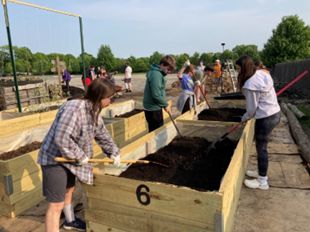
Raised garden beds – “In our very active First United Methodist Church of Arlington Heights (Northern Illinois conference) pre-school and youth programs, we teach the next generation how to be good stewards of the earth and it is a focus of our faith in action team. Within our congregation and preschool we have people with limited mobility.“
“Our project idea was to build multiple accessible raised garden beds so these children and members could learn the whole cycle of life: planting seeds, caring for the seedlings, transplanting the seedlings into the garden beds, tending the garden, then harvesting the vegetables, of which a portion was donated to a community food pantry. Everyone involved learned so many aspects of environmentally friendly practices, what it means to be part of a community by sharing their vegetables with people in need, and taking care of the earth.”
For photos and more information, check the church Raised Garden Beds webpage. Disclaimer – the video shows images only with no narration.
| |
|
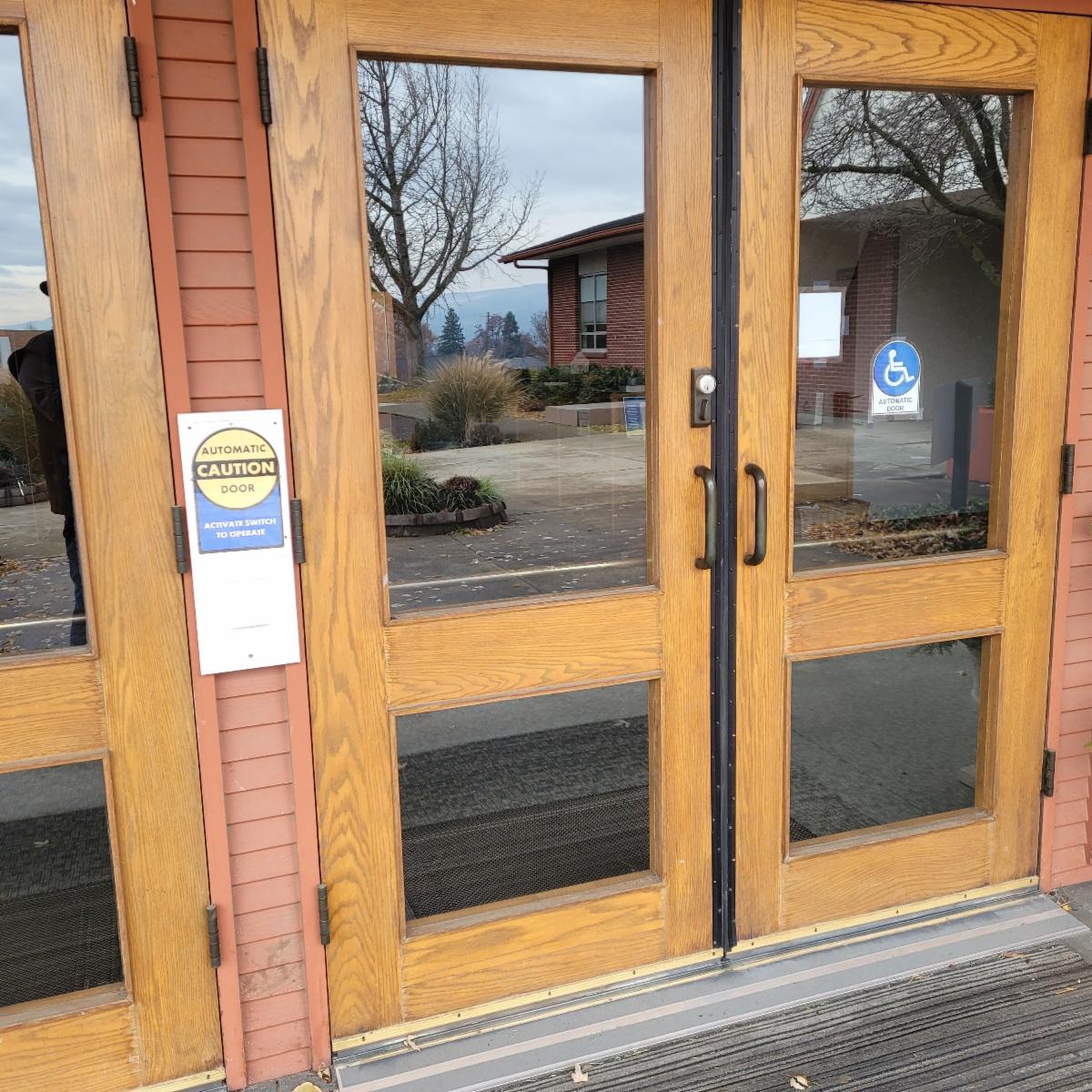
Automatic door openers were installed by several congregations. Lewiston 1st (Pacific Northwest conference) provided the photo of their door shown above. These churches find that, in addition to being crucial for people who use wheelchairs and other mobility devices, such doors benefit most people who enter through them carrying objects, escorting children, pushing a stroller, etc. Remember to make sure the power door is turned on and operational, and that there is a back-up method in case of a power outage.
Pittman Park UMC (South Georgia conference) installed an automatic door opener for their main Fellowship Hall entrance. "It was nice to be able to tell our congregation and community that the project was made possible by the United Methodist Church because they can feel supported beyond the local community and know the larger church values creating a welcoming space for everyone. A local news outlet picked up the story about our door opener, inspiring others to look into modifying their own space to make it more welcoming for those with mobility challenges."
| |
|
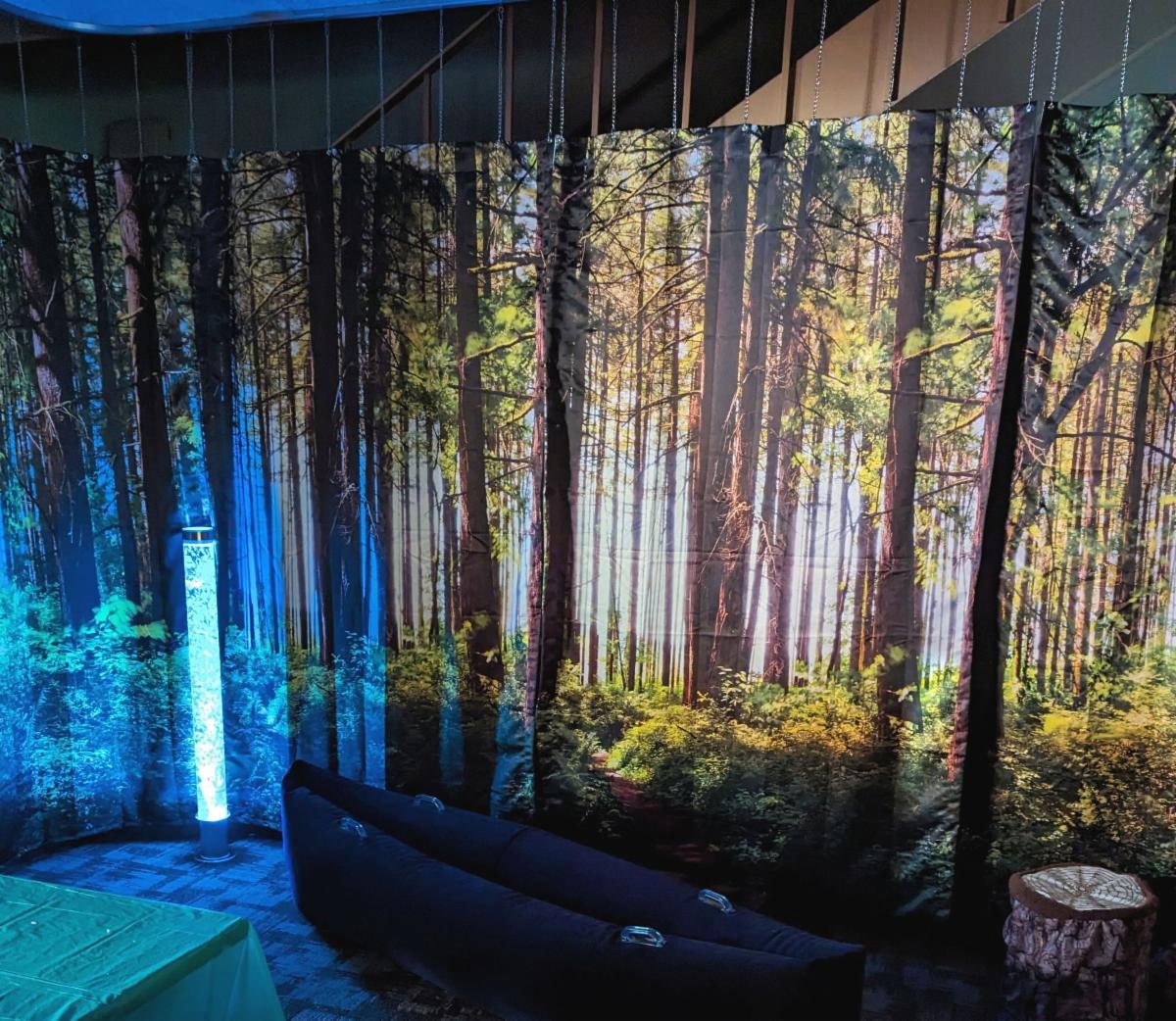
Sensory space – Fowler UMC (Pacific Northwest conference) used their grant to purchase a bubble tube and other objects for the sensory area they have developed in the narthex. Children (with a parent) or adults who need a break from the sanctuary service can still see and hear from this area. The newspaper article title highlighted that they created a welcoming worship experience.
| |
DMC Resources = Collaborating with boards and agencies to provide disability training and information | |
|
We began creating a new and improved website with easier access to our resources to better equip our churches and agencies. We still need for help with resource development and editing and would appreciate feedback regarding additions you would like to see. Our mental health task force met regularly and published several newsletters. Please visit our Get Involved webpage to download and complete a Resource Person application if you want to be actively engaged with our efforts. We especially need persons with fundraising expertise.
Our work intersects with every agency, program, and aspect of ministry within the UMC. We value the partnerships we have developed with various church agencies, and we know that we can only make progress if we combine forces and work together.
Council of Bishops and annual conferences – Bishop Peggy Johnson, our liaison, reached out to other bishops on our behalf and introduced incoming bishops to our work and resources. We sent out a digital packet of new materials to each conference prior to annual conference season. We conducted online training sessions on the annual conference, district, and local church level.
| |
|
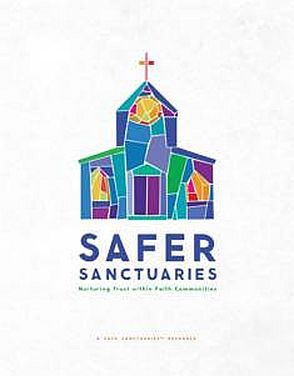
Discipleship Ministries – we partnered with this agency when we staffed a booth at Youth 2023 and when we led workshops and set up a sensory room at the Camp and Retreat Ministries biennial event. We contributed the chapter on “Safer Sanctuaries for People with Disabilities” (see flier) to the new Safer Sanctuaries: Nurturing Trust within Faith Communities handbook and we participated in the initial gathering of the Dementia Care Ministry Network. We appreciate the donations from DM, which help sustain us.
| |
|
General Board of Church and Society – we collaborated in two interactive Zoom webinars to launch our shared work:
1) Being a Disability Advocate in Church and Society
Accompanying Disability Rights and Justice Advocacy Toolkit handout
2) Addressing Ableism in Our Churches and in Society
General Commission on Religion and Race, Association of Ministers with Disabilities, and the UM Committee on Deaf and Hard of Hearing Ministries – we jointly reviewed legislation from 2019 (see GCORR's General Conference webpage) and developed and submitted a new resolution on “Overcoming Ableism and Audism” for General Conference 2024. Look for us in the Exhibit Hall and support our resolutions if you are a voting delegate.
General Board on Higher Education and Ministry – we are discussing how to expand across the denomination the work we have started with the Western Pennsylvania and New England conference Boards of Ordained Ministry. The goal of the disability training we provided is to increase opportunities for candidates with disabilities who are seeking to enter vocational ministry.
Global Ministries - we provided online interactive training and follow-up information to Volunteers in Mission coordinators and to Abundant Health coordinators.
United Women in Faith – we appreciate the support they have provided and continue to benefit from the exposure and connections we gained during Assembly 2022.
| |
DMC Consultation = Updates to the Disability-friendly and Accessible Church badge program | |
|
The Find-A-Church program through United Methodist Communications now offers congregations a way to communicate their accessibility.
See this Find-A-Church Guidance handout for directions on how to update your church site to list features such as accessible parking and restrooms, large print options, assisted listening devices, and ASL interpretation.
| |
|
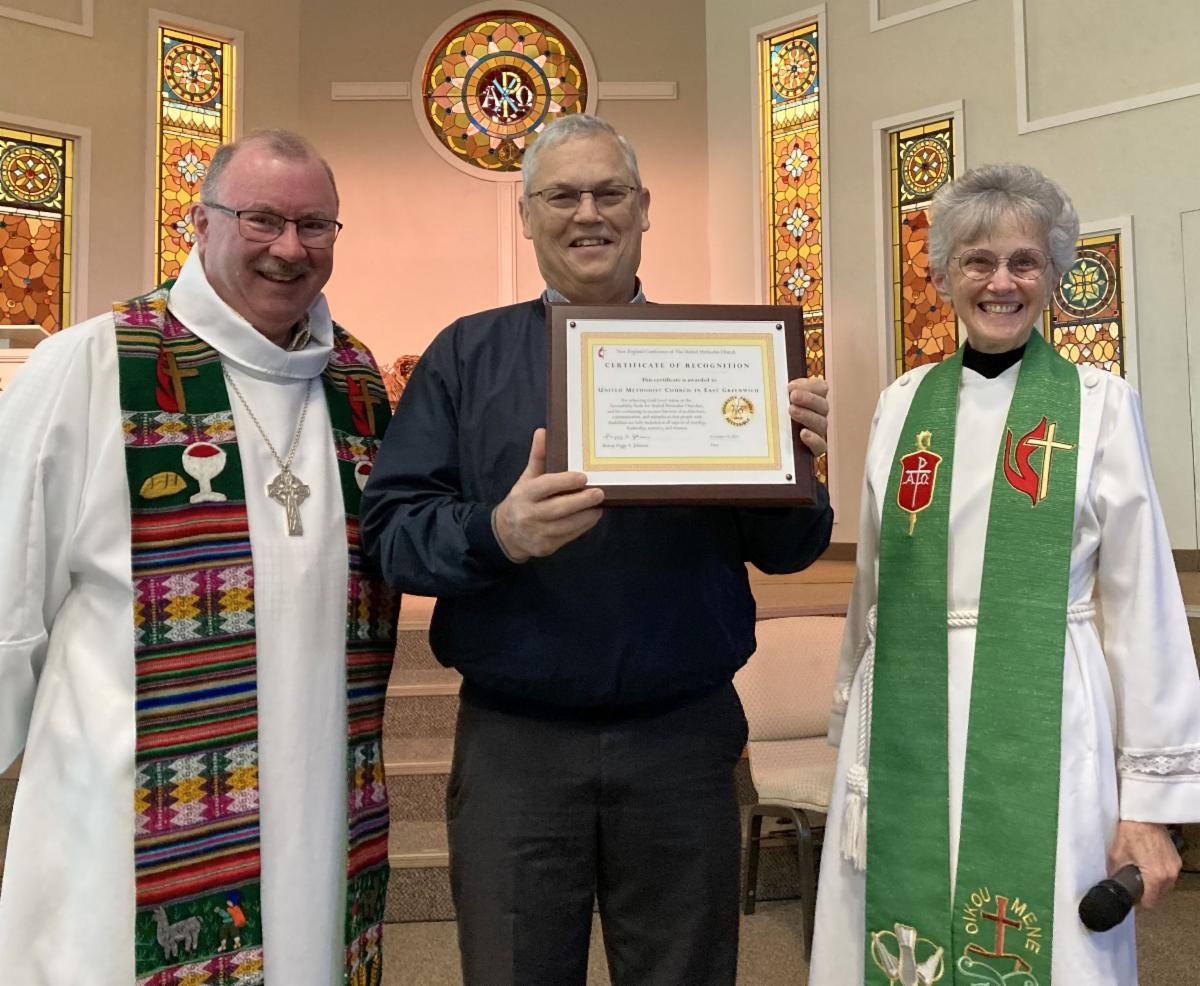
The New England conference Disabilities Committee received training and materials to begin administering their badge program. They also honored the first gold badge church, East Greenwich UMC in Rhode Island. Bishop Peggy Johnson presented this award to the congregation at their morning worship services. The photo shows Rev. Thom Blackstone (left) and lay member to conference and trustee Mr. John Vitko (center) receiving the certificate on behalf of the congregation.
| |
Every church that completes the annual accessibility audit is eligible for a bronze, silver, or gold badge, depending on their level of accessibility. Each numbered item on the audit form has a letter next to it. “B” stands for bronze, “S” stands for silver and “G” stands for gold. Bronze and silver certificates can be self-scored. A gold designation requires a site visit from a member of the disability committee or a virtual visit from a trained DMC member. Every church can improve their score by striving to accomplish more of the items on the audit each year. It is a way to become a more welcoming congregation. | |
|
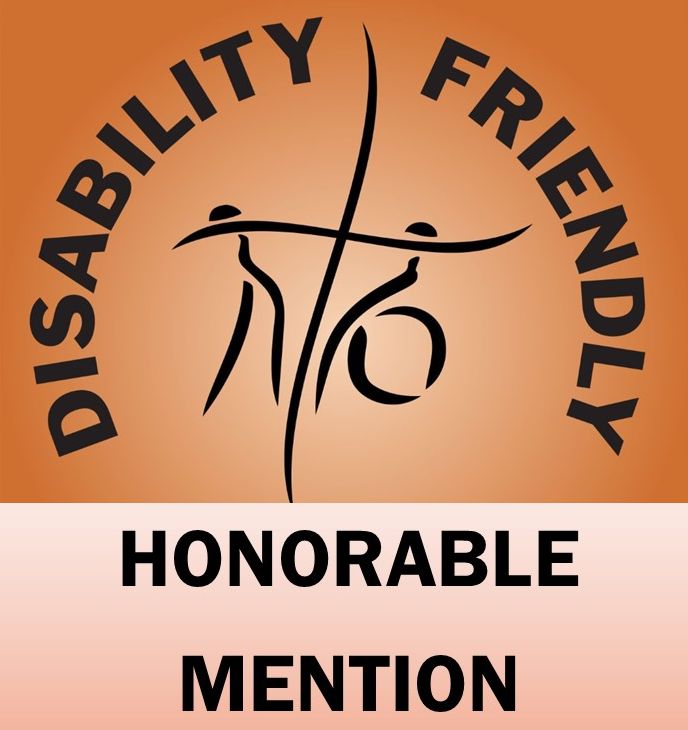
We expanded the badge program this year to recognize those churches that are not technically accessible but are working hard to implement as many accessibility and disability-friendly measures as they can in a less than ideal structure. Churches that score at least 50% across all three categories and set annual goals are eligible for Copper “Honorable Mention” recognition.
Upload the latest version of the Annual Accessibility Audit for Churches which includes the honorable mention level.
| |
Your financial support = The Disability Ministries Committee continues to provide vital resources | |
|
Our work impacts the lives of all of us as more disabled people are able to fully participate in all aspects of congregational ministries. This is only possible because you support our efforts.
Won’t you please help us help more churches become accessible places of welcome with a year-end gift to the Disability Ministries Committee of the United Methodist Church? There are several easy ways to give:
A. Go to the DMC Donate web page. There you will find a link to give online through the Advance project #3021054 or via GCORR through PayPal or a credit/ debit card.
The DMC uses The Advance as one way to receive your donations. This is an accountable, designated giving arm of The United Methodist Church that ensures that 100% of each gift is used for its intended mission or ministry.
B. Send a check to: The General Commission on Religion and Race
Attn: Christina Yates/ DMC
100 Maryland Ave NE, Ste 315
Washington, DC 20002
Be sure to write “DMC Donation” on the memo line.
| |
|
Thank you for your support! We pray God’s richest blessings for you this Christmas and always.
Disability Ministries Committee of The United Methodist Church
| | | | |