Volume 28 | No.6| June 2026 | | |
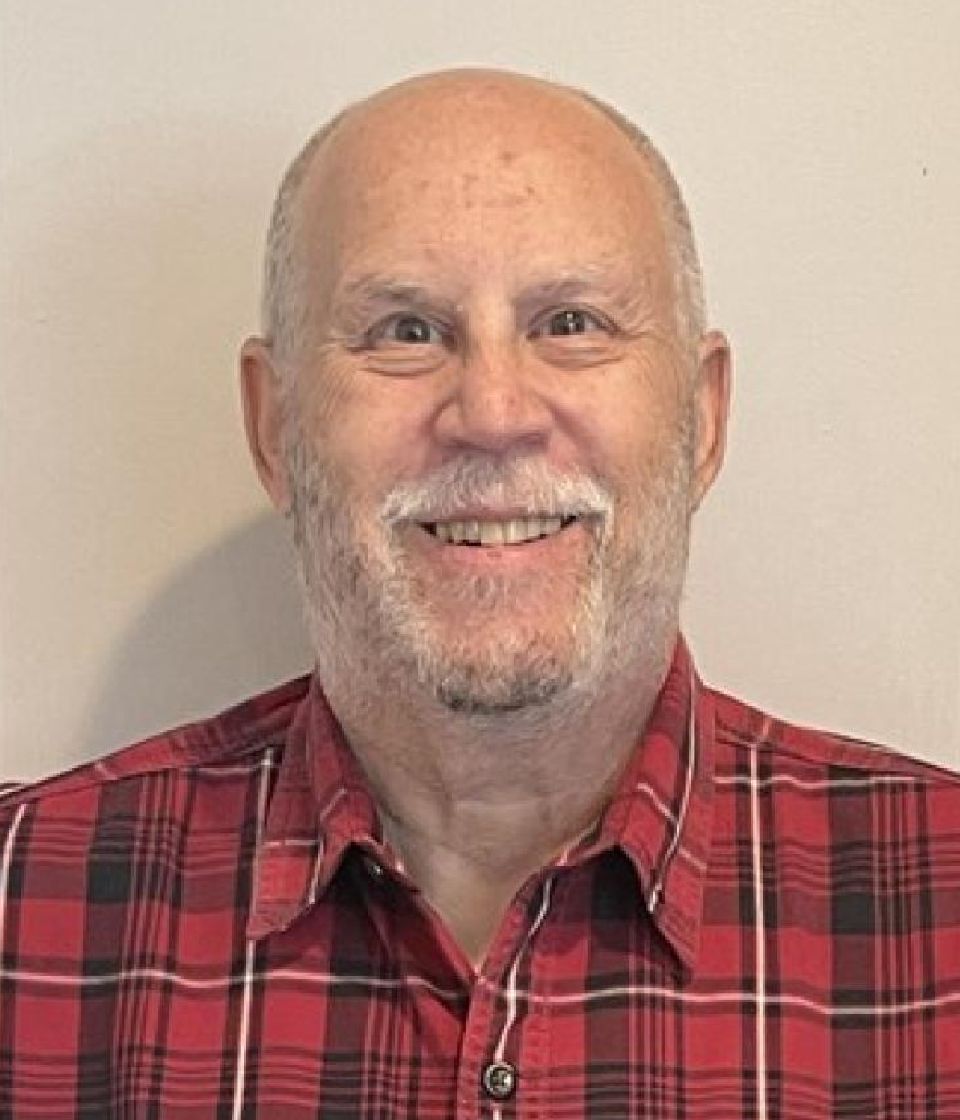
From Barry Goldspiel, ISOPP President
Dear
As summer approaches, we start thinking of vacations, or holidays, as referred to in some countries and spending time with our families. If there is one thing I have learned over the years, you can never spend enough time with your family and achieving work-balance is important. I found an interesting article from the Cleveland Clinic (8 Tips for Work-Life Balance) and also remind you of a past ISOPP Webinar (Resilience In Cancer Services | ISOPP). I really appreciate that you can find some time in your work-life balance to participate in ISOPP activities.
I have started sending my “3 Things” messages from the President. I will be sending these regularly on the first and third Mondays of the month. Our Newsletter should start to be distributed on the last Monday of the month. If there is a specific topic you would like to see addressed in either, please let me know.
ISOPP wants to celebrate and recognize your accomplishments. Please remember to send the information about what you would like to be recognized for to the ISOPP Newsletter Editor (newsletter@isopp.org) and copy president@isopp.org.
The ISOPP Secretariat has approved the formation of a Recognition Task Force. This task force will work in conjunction with the Engagement and Communications Committee with a focus on continued celebration of our 30th Anniversary and plans for celebrating World Cancer Pharmacy Day (May 6) which was recently approved by the Secretariat. Until the task force composition is finalized, please send your thoughts and willingness to volunteer for this task to president@isopp.org.
Regarding the recent call for volunteers and Chair for the volunteer task force, please be patient as we work through the applications. My goal is to place everyone who completed an application on a committee or task force. Please recognize though that leadership of committees or task forces requires prior experience in ISOPP and leadership roles.
As mentioned in the first President’s message, I will start to have open webinar sessions, “Tuesday with Barry (& Others)" this month. These sessions will be on the last Tuesday of the month. These are ‘open-door’ sessions. Pop-in if you are available and we can chat about whatever you like. The sessions this month are scheduled for June 30th, 2026, at 9am and 9pm Eastern Time [Find your time zone here] and the Zoom session links are:
-
Tuesday, June 30th, 9:00 - 10:00 (Eastern Time): Join Here
-
Tuesday, June 30th, 21:00 - 22:00 (Eastern Time): Join Here
Finally, we are working with the SOBRAFO group in Brazil to finalize the plans for the ISOPP International Symposium 2027. Put a placeholder on your calendars (but don’t book flights, just yet) for May 12 – 16, 2027, in Rio De Janeiro. I will let you know when everything is finalized.
Warmly,
Barry
| | HOPA: Pharmacy Peer Network | | New Members Meeting with ISOPP Management | | |
Have you just recently joined ISOPP?
Here’s an exciting opportunity to meet the President, past President and other top leadership members of ISOPP.
Next Meeting:
Wednesday, November 11, 2026, at 10:00 PST
Click here for the local time of the meeting for you.
| |
| Celebrating Member Achievements | | |
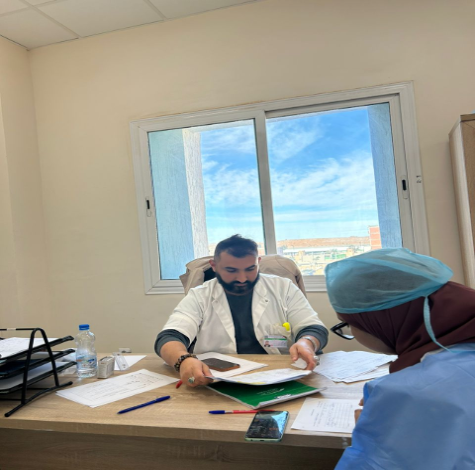
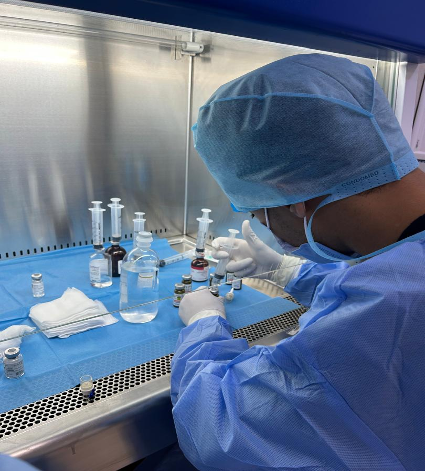
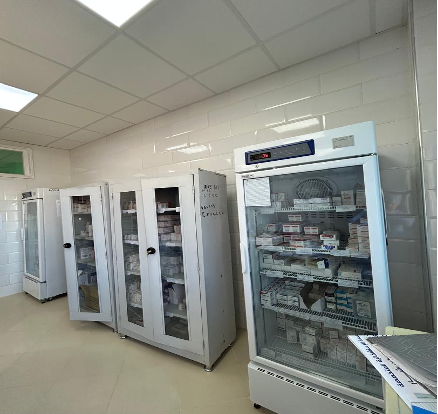
Advancing Oncology Pharmacy Practice in Southwestern Algeria: Establishment of the Centralized Chemotherapy Reconstitution Unit (URCC) at the CLCC (Centre de Lute Contre le Cancer) of Bechar, Algeria.
By
Dr. Ali BELHACHEM
Head of URCC Department, CLCC Bechar
| | |
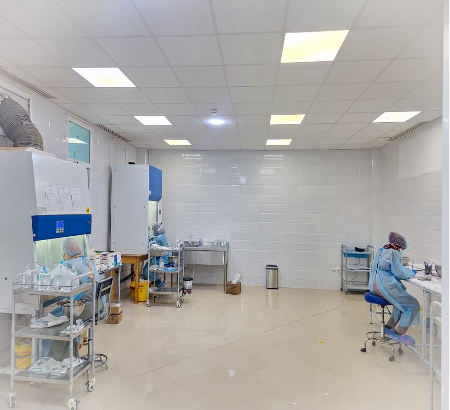
The establishment of the Centralized Chemotherapy Reconstitution Unit (URCC) at the Cancer Control Center (CLCC) of Béchar marks a significant advancement in oncology pharmacy practice in southwestern Algeria. This project was developed with the objective of improving the quality, safety, traceability, and pharmaceutical management of anticancer drug preparation for patients living in remote southern regions, where access to specialized oncology pharmaceutical services remains limited.
The CLCC of Béchar serves a large geographical area in the southwest of Algeria and provides care for patients requiring complex oncology treatments. Prior to the implementation of the URCC, the need for a centralized and standardized chemotherapy compounding structure represented a major institutional and public health challenge. The realization of this department reflects a growing commitment to strengthening safe handling practices for hazardous drugs and improving oncology pharmaceutical care within the national healthcare system.
Notably, this project became the first department in Algeria to receive official authorization for realization, together with dedicated financial support from the Ministry of Health, specifically for the development of a centralized chemotherapy compounding unit. This achievement represents an important milestone in the evolution of oncology pharmacy services in the country. The URCC was designed to support four major oncology-related activities within the institution:
- Adult medical oncology
- Pediatric oncology
- Hematology
- Radiation oncology
The Pharmacotechny Unit is responsible for pharmaceutical validation of chemotherapy prescriptions and centralized preparation of anticancer therapies and other high-risk injectable medications. The unit supervises the management of isolators and laminar airflow systems, secures the reconstitution process, ensures traceability of preparations, and oversees the management of specialized consumables and medical devices. In addition, the unit contributes to the optimization of residual volumes and rationalization of healthcare expenditures through improved management of chemotherapy leftovers and consumables.
The Oncovigilance and Therapeutic Drug Monitoring Unit plays a central role in monitoring the safety and tolerability of anticancer treatments. Its activities include surveillance and analysis of adverse drug reactions, participation in institutional pharmacovigilance and oncovigilance programs, and monitoring of hematological, renal, hepatic, and neurological toxicities associated with chemotherapy. The unit also contributes to individualized therapeutic management through pharmacological monitoring of selected anticancer agents and assessment of treatment adherence and tolerance.
The Clinical Pharmacy Unit promotes pharmaceutical care in oncology through comprehensive pharmaceutical analysis of chemotherapy protocols and individualized therapeutic optimization according to clinical and biological patient characteristics. The unit participates in multidisciplinary discussions, medication reconciliation processes, prevention of drug interactions and incompatibilities, and therapeutic patient education. These activities reinforce the integration of clinical pharmacy into oncology care pathways and strengthen the pharmacist’s role within the multidisciplinary oncology team.
The Quality Control and Quality Assurance Unit is dedicated to implementing and maintaining quality management systems within the compounding area. Its responsibilities include the drafting and validation of standard operating procedures (SOPs), environmental monitoring of preparation areas, and qualification of equipment through installation qualification (IQ), operational qualification (OQ), and performance qualification (PQ) procedures. These measures aim to ensure compliance with international standards for sterile hazardous drug preparation and continuous improvement of compounding quality and safety.
One of the major strengths of the department is its multidisciplinary organization. The URCC relies on a medical and paramedical team specialized in oncology pharmaceutical care and hazardous drug management. Pharmaceutical supervision is ensured by pharmacists from several complementary disciplines, including inorganic pharmaceutical chemistry, clinical pharmacy, analytical chemistry, pharmacology and galenic pharmacy. This multidisciplinary collaboration contributes to both the scientific rigor and operational quality of the department. Beyond its institutional mission, the URCC represents a major healthcare advancement for populations living in southwestern Algeria. The geographical distance between southern regions and specialized healthcare infrastructures often represents a challenge for oncology patients requiring continuous and complex therapeutic management. By centralizing chemotherapy preparation under controlled conditions, the department contributes to improving access to safe oncology treatments while enhancing traceability, quality assurance, and occupational safety for healthcare professionals handling hazardous drugs.
The creation of the URCC at the CLCC of Béchar illustrates the progressive development of oncology pharmacy practice in Algeria and highlights the essential contribution of pharmacists in ensuring the safe management of anticancer therapies. This initiative also opens new perspectives for the development of clinical oncology pharmacy, pharmacovigilance, quality assurance systems, and specialized pharmaceutical training in the region. As oncology pharmacy practice continues to evolve internationally, projects such as the URCC demonstrate the importance of multidisciplinary collaboration, institutional support, and pharmaceutical leadership in improving the quality and safety of cancer care, particularly in geographically underserved regions.
| | ISOPP at SOBRAFO 2026: Strengthening Global Connections in Oncology Pharmacy | | |
It was a tremendous honour to represent the International Society of Oncology Pharmacy Practitioners (ISOPP) at the Congresso SOBRAFO 2026 in Salvador, Bahia, Brazil, where I was invited to serve as an international keynote presenter.
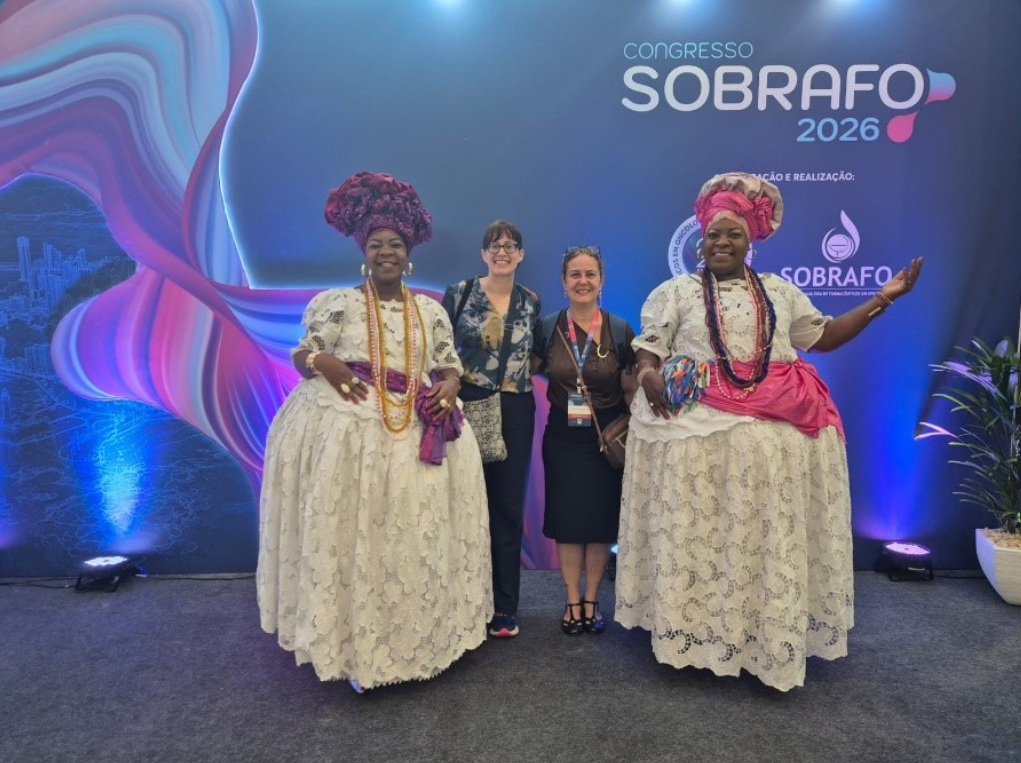
Set against the vibrant backdrop of Salvador — a city renowned for its Afro-Brazilian heritage, music, colour, and warmth — the conference was an unforgettable experience. From the moment delegates arrived, the hospitality and enthusiasm of the Brazilian oncology pharmacy community created an atmosphere that was both welcoming and inspiring. The photograph captures a moment with Elaine, President of SOBRAFO, alongside local women dressed in traditional Bahian attire. Their vibrant clothing and warm smiles beautifully reflected the rich culture and spirit of Bahia, adding to the distinctive and joyful atmosphere of the conference.
| | |
During the congress, I delivered keynote presentations on Global Challenges in Oncology Pharmacy and Clinical Pharmacy Practice and Connecting Clinical Expertise and Strategies to Shape the Future of Oncology Pharmacy. Beyond the presentations, one of the most rewarding aspects of the meeting was the opportunity to exchange knowledge and share experiences with colleagues from across Brazil who are leading innovation and advancing oncology pharmacy practice within their healthcare systems.
What made SOBRAFO 2026 particularly memorable was the remarkable sense of community that infused the entire meeting. In addition to an excellent scientific programme, there was a real spirit of friendship, collaboration, and shared commitment to improving cancer care. Looking ahead, we are excited to continue discussions surrounding the upcoming joint ISOPP/SOBRAFO conference, which will be held in Rio de Janeiro in 2027. Following such an inspiring experience in Salvador, ISOPP looks forward with great enthusiasm to welcoming colleagues from around the world to Rio for what promises to be an exceptional international collaboration and celebration of global oncology pharmacy practice.
Netty Cracknell, MPharm, PGDip, MSc, fBOPA, FRPharmS (IP)
ISOPP Past President (2026-2027)
UK SACT Board Member (Previous co-chair 2021, 2025)
BOPA Credentialling SAG Co-chair
Principal Pharmacist Cancer Services LGT
| | 2026 Virtual Meeting Session Recordings | | |
The recordings from the 2026 ISOPP Virtual Meeting are now available on the ISOPP website.
You can access them through ISOPP Symposium 2026 webpage.
The recordings are also available in the library.
| |
Volunteer with ISOPP
Volunteer recruitment for the 2026-27 year is open.
Volunteer Process:
Complete the volunteer form on the website at here
Email your CV to volunteer@isopp.org
Eligible members will be contacted via email to sign up for a meeting time to discuss opportunities.
| | Call for JOPP Reviewers and Featured JOPP Articles | | |
If you are interested in serving as a reviewer for JOPP submissions, please send an email to Barry Goldspiel (joppeditor@isopp.org) with a short description of your reviewer experience and a copy of your curriculum vitae.
If you have published a paper in JOPP and would like that paper featured in the ISOPP Newsletter, please send the citation and a 1 to 3 sentence description of the importance of your paper to joppeditor@isopp.org.
| | |
Barry Goldspiel
JOPP Editor/ISOPP President
| | |
A Day in the Life of a Pediatric Oncology
Pharmacist in Malawi
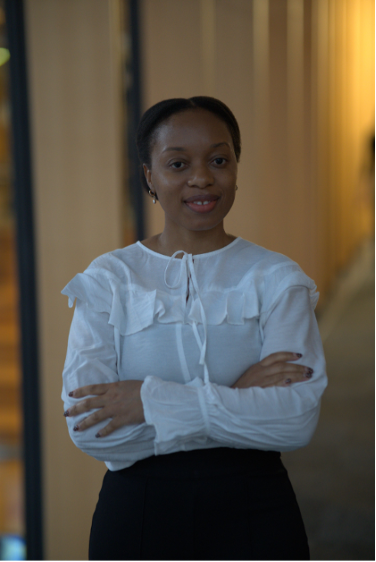
| | By Pharm. Agness Chitedze | | |
Working as one of the first two female pediatric oncology pharmacists in Malawi, a small beautiful, landlocked country in East-Africa commonly known as “the warm heart of Africa” was one of the most fulfilling, challenging but also emotional periods of my career. I still recall the first day I joined Baylor College of Medicine Children’s Foundation in Malawi (within Kamuzu Central Hospital-KCH) as a pediatric oncology pharmacist.
It was the start of the rainy season, when I was welcomed by the hospital team in the “Children’s ward B” at Kamuzu Central Hospital, one of the largest referral hospitals in Malawi. It was the first children’s ward I had ever worked in, before the pediatric oncology patients later moved to the National Cancer Centre wards at KCH. Attending ward rounds was one of my first responsibilities upon my arrival at KCH. During one of our wards round sessions, I met a child less than three years old, diagnosed with Burkitt’s lymphoma who was struggling for her life due to a resistant infection that most antibiotics failed to treat. The continuous cycles of chemotherapy made her journey to recovery even more difficult. A few days later, she died. From that moment, I knew I wanted to dedicate my life to serving children with cancer and help to minimize such heartbreaking outcomes.
The pharmacy, a small room located opposite the breakroom, functioned as the drug storage area, dispensing room, chemotherapy reconstitution space all at once. Like many hospitals in low-and-middle income countries (LMICs), we had to compromise space. Drugs were shelved on the left side of the pharmacy, while the reconstitution area was located at the far end of the room, with the reconstituting “compounding aseptic isolator” positioned beside the window. Honestly, I considered us “fortunate” to even have a dedicated chemotherapy reconstituting “compounding aseptic isolator” something many similar settings still lack today. To me, it represented a major step towards the safe and aseptic care for our patients.
Balancing drug management needs, attending daily ward rounds, training pharmacy interns, dispensing medications, reconstituting chemotherapy and participating in weekly pharmacy check in meetings with my team became my everyday routine. The pharmacist-to-patient ratio in Malawi is extremely low, and my institution was no exception. Rotating through these responsibilities while ensuring patients receive the best possible care was incredibly demanding.
The persistent scarcity of pediatric oncology drugs, coupled with the challenges of finding suitable pediatric formulations for even a month old newly diagnosed patient was a daily struggle. Obtaining common chemotherapy drugs such as cyclophosphamide, methotrexate and vincristine- what I often called “the backbone of pediatric cancer chemotherapy”- was difficult. Ensuring that essential medications remained available for patients became a constant “battle” involving supplier shortages, limited funding, and the growing number of children desperately needing treatment to survive.
Whenever a drug became unavailable, chemotherapy reconstitution was delayed, ward rounds were centered around discussing alternatives, meetings were largely dominated by the same question: “pharmacy team, when will we have this drug available?”, workflow was disrupted but most importantly one thought constantly stayed in my mind: “how can I help my patients?”.
It was not easy navigating through these challenges, especially when there was little else we could possibly do. Yet, overcoming obstacles in a setting where resources were often inconsistent and witnessing survival rates gradually improve, made every difficult day worthwhile. Common pediatric cancers treated at KCH include Wilms tumor, retinoblastoma, acute lymphoblastic leukemia, osteosarcoma, and Burkitt's lymphoma among others.
My day usually began with walking to the ward to collect the chemotherapy prescriptions of the day. This was also the time I met with the physicians and specialists to briefly discuss patients' progress and review chemotherapy charts in preparation for reconstitution and ward rounds. Maintaining aseptic techniques during chemotherapy reconstitution was essential. As a pharmacist, keeping the reconstitution environment clean was my highest priority to avoid exposing already vulnerable patients to unnecessary infections.
Preparing drug orders was another important part of my responsibilities. I made sure that medications and supplies were delivered to the ward and properly accounted for to prevent stock outs. Stock cards quickly became my “best friend” helping me track medication quantities and movements within the pharmacy and wards. I also participated in ward rounds, reviewed medication charts, counselled patients and caregivers, and dedicated part of my time to research and contributing to evidence-based medicine care within the hospital.
Although 80% of my career has now transitioned into research through my global oncology fellowship with The Hospital of Sick Children, the lessons from these clinical days remain deeply rooted in who I am today. Behind every chemotherapy order, every stock card, every ward round, and every daily discussion was a child fighting for another chance at life. Being a pediatric oncology pharmacist in Malawi was never just about medication dispensing; it was about hope, resilience and standing beside children and families during the most difficult moments of their lives. While the work was challenging, emotional and at times heartbreaking, it taught me that even in resource-limited settings, compassion, dedication and teamwork can change the story of childhood cancer, one child at a time.
| | |
In cooperation with the Commonwealth Pharmacists Association (commonwealthpharmacy.org)
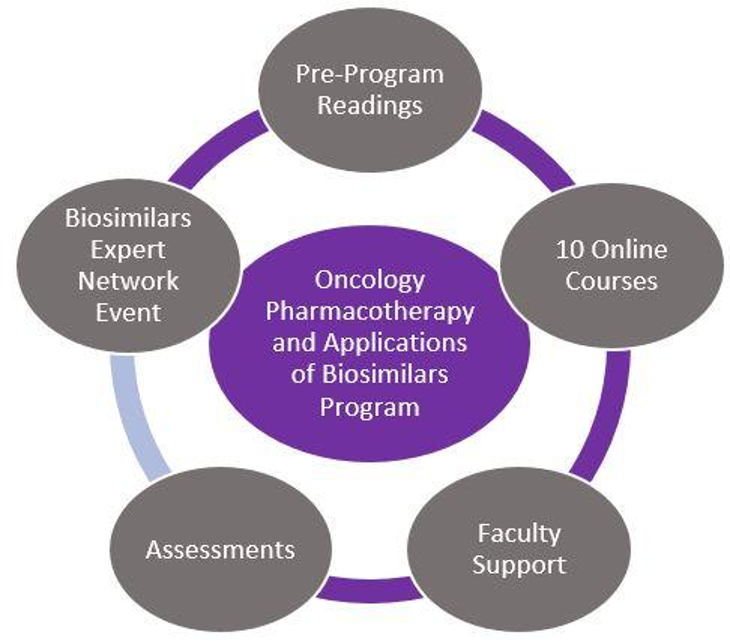
The Oncology Pharmacotherapy and Applications of Biosimilars (OPAB) Online Education Program
| | |
For learners completing the Breast Cancer Education Bundle, we are delighted to announce that the Oncology Pharmacotherapy and Applications of Biosimilars (OPAB) course is now available.
The OPAB course represents one of the most detailed components of the Bundle, providing an in-depth overview of:
- Pharmacotherapy of various cancers
- Implementation of biosimilars in oncology practice
- Interpretation of available scientific and regulatory data and pharmacists’ recommendations for using biosimilars in different cancers
Click the button below to access the Bundle now. And if you haven't started the Bundle yet, don't worry - it's available on the Academy platform until October, so there's still time to complete it all!
| | |
Thank you for reading this edition of the ISOPP Newsletter.
Kind Regards
| | |
Busayo Abolarin
ISOPP Engagement and Communications Committee
Newsletter Editor
newsletter@isopp.org
| | |
ISOPP's Society and Symposium Management Office
Sea to Sky, an MCI Company is ISOPP's Society and Symposium Management Office. We support ISOPP’s volunteer leadership (Secretariat, its Committees, Task Forces and Work Groups), its members and other stakeholders to help achieve ISOPP’s mission to advance oncology pharmacy care for patients around the world. If you have any questions about membership, services, Symposium or the Society, please contact the ISOPP Office directly as follows:
Email: membership@isopp.org
Direct: +1-604-984-6455
MCI Canada, 555 Burrard Street, 1st Floor
Vancouver, BC, Canada V7X 1M8
www.seatoskymeetings.com
| | | | |