Happy new year to all!
It’s a new era in the USA. We hope the needs of children become a priority in the new administration. Please sign this petition, if you would like to support the call to the administration for child and family-friendly initiatives: Babies Build America. (Photo is of Darcia with her husband, Dan Lapsley)
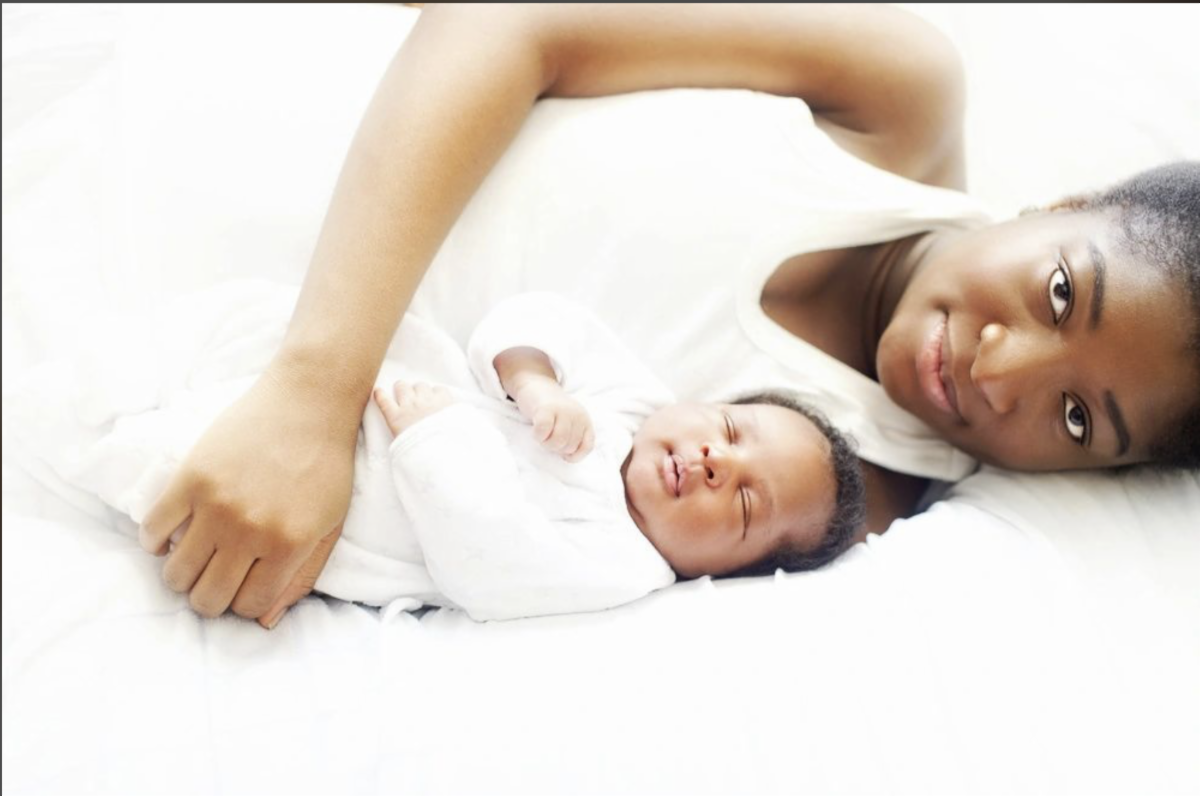
January is the time of new beginnings on the calendar, with lengthening days and a longing for spring. Birth is a transformative event in the lives of mothers, children and their families. So birth is a topic in this newsletter. Below, note the link to my interview with Suzanne Arms, a pioneer in bringing awareness to childbirth and founder of the nonprofit Birthing The Future organization. She was among the first to open our eyes to the harmful, monetary-driven and not-evidenced-based procedures in medialized birth that undermine the otherwise sacred bonding experience of naturalistic birth. She considers birth and perinatal period as the initiation period for the many problems of our times whether psychosocial, ecological, economic, health, or spiritual.
May new beginnings fill you with peace,
Darcia Narvaez, PhD
Evolved Nest, Founder
|
|
|
"For children, initially, mothering is about unilateral gift-receiving. The mother is the first conveyer of attention and support from the community. This gift economy is built into natural nurturing and child raising: The child is a “product of gift-work” (Vaughan 2015 39). A supported mother (from her own supported mother and back through the generations, from her childhood and thereafter) will give the gifts of love, kindness, and compassion, giving them unilaterally to the child until the child is able to reciprocate (Vaughan 2015)."
Darcia Narvaez, Angela Kurth and Mary Tarsha (2020). The Centrality of Mothering for Human Flourishing. In E. Shadmi & K. Kailo (Eds.), Matriarchal Values, Free Maternal Gift-giving and Child-rearing. Essays in Honor of Genevieve Vaughan
|
|
The Evolved Nest's Child Care Checklist |
|
|
|
The Evolved Nest's Child Care Checklist |
We are excited to unveil Evolved Nest’s Child Care Center Checklist. The Checklist has been created to help parents and guardians determine how well a child care center matches up with the components of the Evolved Nest. The checklist is intended to be supplemental to the other protocols a center has (e.g., infection prevention, abuse prevention, diaper change frequency).
NOTE: This updated version contains music and arts sections!
Please share widely.
|
|
|
|
The Evolved Nest Explained |
|
|
|
The Evolved Nest Explained: Birth |
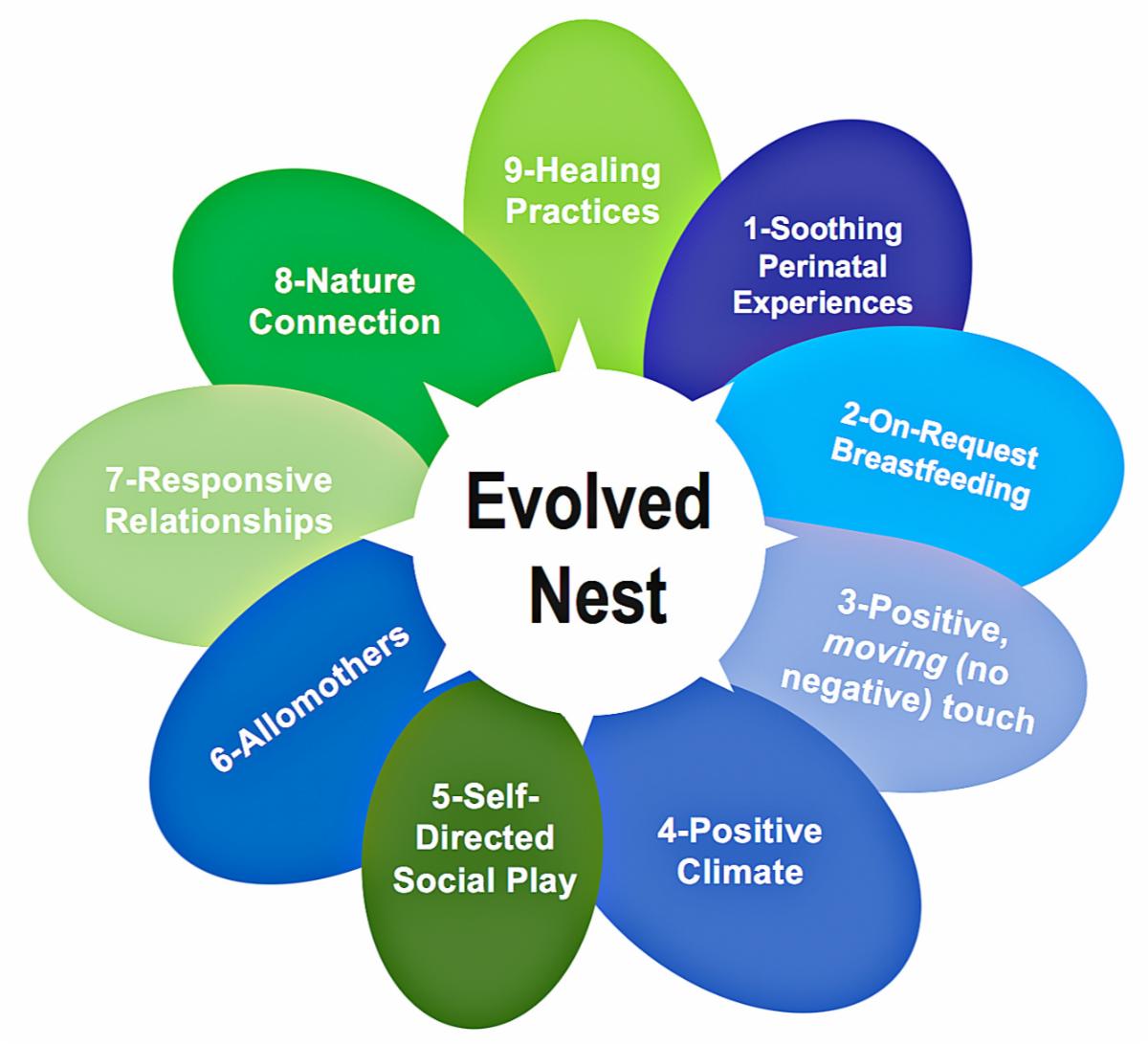
Learn more about the components of the Evolved Nest here.
|
|
|
|
|
|
Wenda R. Trevathan on Birth |
From the 2010 Notre Dame Symposium to Address Early Human Experience
|
|
|
|
Moral education in a time of human ecological devastation |
Darcia Narvaez (2021) Moral education in a time of human ecological devastation, Journal of Moral Education, 50:1, 55-67, DOI: 10.1080/03057240.2020.1781067
Abstract: Stories of civilization and progress tell us that humans cannot help being destructive, selfish, and aggressive, which are side effects of progress requiring sanctions and engineering. It can be argued that this approach has brought about the ecological collapse we face today. The older, more widespread view—that human personality and behavior are shaped by social support—respects the dignity of the individual and of other than humans, disallows coercion and expects high autonomy and communalism. The latter we can call the indigenous worldview and is apparent among sustainable societies. To ensure the development of human beings who live cooperatively with one another and in concert with ecological systems, moral education approaches should restore the non-civilized, ancient practices of raising good children. This paper examines what moral education should look like in light of children’s basic needs and the degraded developmental systems children often experience today.
|
|
|
|
Early Partnership Childhood Care: What Should Centers Provide? |
The Evolved Nest is a proud partner of the Center for Partnership Studies. The mission of the Center for Partnership Studies is to catalyze movement towards partnership systems on all levels of society through research, education, grassroots empowerment, and policy initiatives. CPS’s programs focus on promoting human rights and nonviolence, gender and racial equity, childhood development, and new metrics that demonstrate the financial contribution of the work of caregiving.
CPS was founded in 1987 in response to the demand of readers of Riane Eisler’s The Chalice and The Blade: Our History, Our Future, hailed by Princeton anthropologist Ashley Montagu as "the most important book since Darwin's Origin of Species." A U.S. bestseller, The Chalice and The Blade is now in 26 foreign editions (including Chinese, Japanese, Korean, Hebrew, Arabic, Urdu, and most European languages), and used in universities worldwide.
We've shared our new Child Care Checklist and blog post on CPS' website this month.
|
|
|
|
FRESH EYES: Young People's Take On The Nest |
|
Want a Better Birth? Go Back to the Basics |
By Janey Almaraz
Bringing back some simple practices can lead to better outcomes during childbirth---especially in a country with high infant and maternal mortality rates like the USA. When birth is a positive experience it sets the stage for bonding and positive attachment between the mother and baby. There are several other practices which could also be easily integrated into modern births but changing birthing positions and recommending that all women have doulas are two great examples of how small changes can lead to less painful births with fewer medical interventions. The ways our bodies have evolved might not be ideal for birthing babies, but thanks to some tips from our past we can strive for better births!
|
|
|
|
Why Learn Self-Calming?
Why is it important to be calm and learning self-calming away from fear, panic, anxiety or anger? Fear, panic, anxiety and anger are survival-oriented emotions that we are born with but can take over our personality, making it hard to get along with others or even feel well. They are distressing emotions and can put us in mindsets that leave us vulnerable to harmful attitudes and behaviors toward ourselves or others. They are also not good for physical health as they promote inflammation, an underlying cause of many diseases.
These daily practices are intended to give you ways to calm yourself down. You may find that some work better than others. These are ones that you should continue to do.
|
|
|
|
|
|
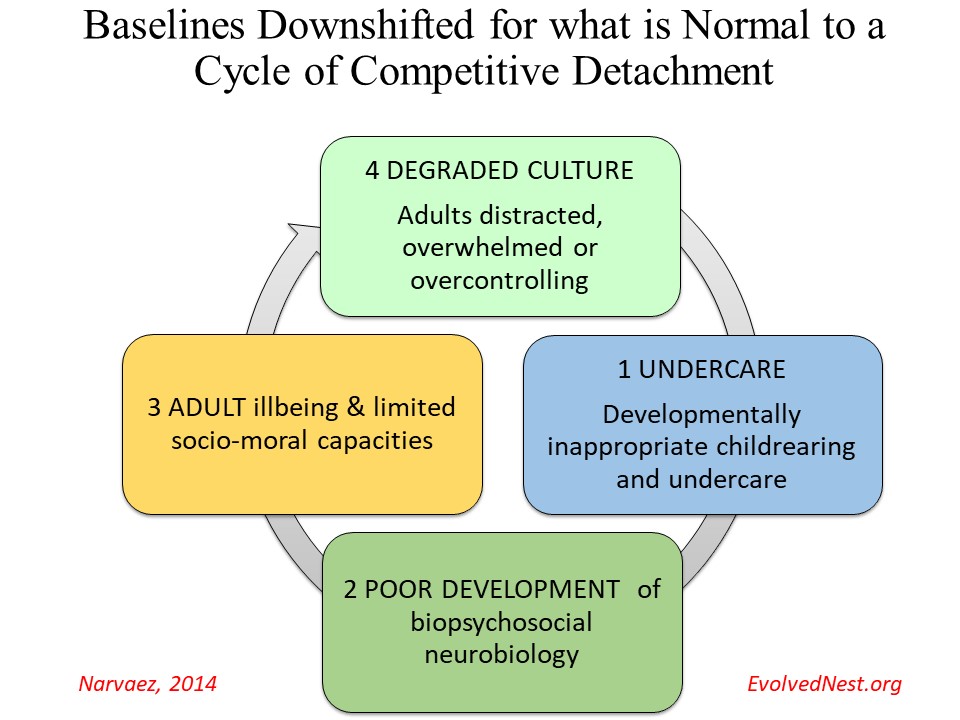
Cycle of Competitive Detachment |
When we don’t provide the Evolved Nest to our young, we can end up with a cycle of stress, self-centeredness and detachment, from baby to culture.
This podcast is part two of the 24-part Evolved Nest Introduction and Podcast Series. Read a review of the series in the adjacent graphic.
Listen to the podcast here.
|
|
|
|
|
|
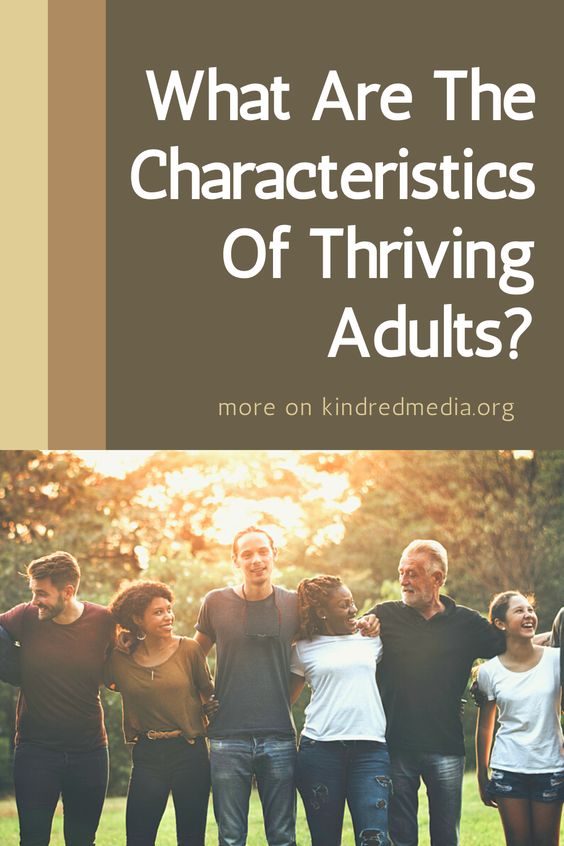
What Are The Characteristics Of Thriving Adults? |
Indigenous Worldview offers a wider view of human potential.
Uncovering species-normal baselines for thriving is a transdisciplinary endeavor, integrating evolutionary systems theory and ethology to understand how species grow and thrive, attending to the glimpses and summaries of Indigenous peoples who raise children in our species-normal way (evolved nest) (Narvaez, 2014)
The characteristics of Indigenous thriving offer us a more holistic, detailed, and evolutionarily-grounded picture of species-normal thriving that is relationally- and earth-centered
|
|
|
|
Moral Landscapes Blog from Psychology Today |
I write typically about research findings related to moral functioning and living a good life. Sometimes I muse on things that I puzzle about (politics). I am very concerned about how much our society doesn't seem to know about how to raise good, healthy and happy children, so I spend a great deal of time on parenting. I also write about things that I am working on myself--the endless quest for virtue! This is an opinion blog, not a set of research articles, intended for the public not scientists. For more nuanced and highly referenced work, look at my academic work.
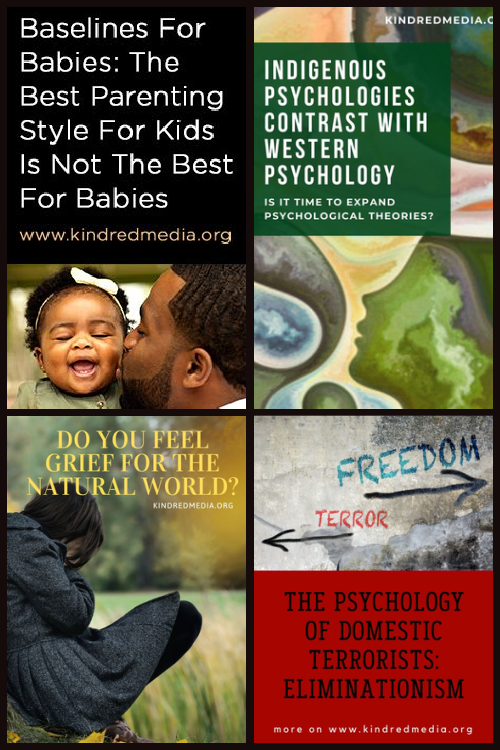
What would America be like if its people's basic needs were met? Checking out the list of needs beyond money—by an economist.
Adult attachment matters for social and cognitive life. Insecure attachment can be a risk to a well-functioning society.
A new book discusses the importance of holistic brain integration for healthy functioning—the aim of psychotherapy.
Children's health depends on frequent social play. Parent-child social play can also be therapeutic for both parties. Here are suggestions for playing together.
Humanistic and positive psychology have delved into the upside of personality. But Indigenous perspectives are wider and deeper.
|
|
|
|
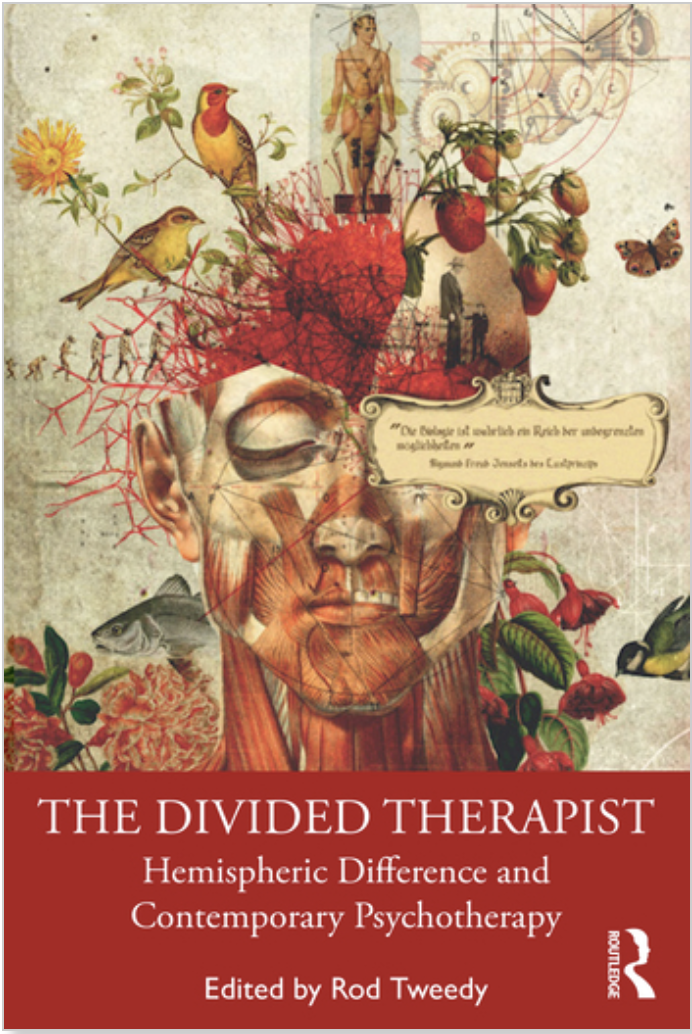
By Rod Tweedy
This important new book explores the nature of the divided brain and its relevance for contemporary psychotherapy. Citing the latest neuroscientific research, it shows how the relationship between the two hemispheres of the brain is central to our mental health, and examines both the practical and theoretical implications for therapy.
Disconnections, dissociations, and imbalances between our two hemispheres underlie many of our most prevalent forms of mental distress and disturbance. These include issues of addiction, autism, schizophrenia, depression, anorexia, relational trauma, borderline and personality disorders, psychopathy, anxiety, derealisation and devitalisation, and alexithymia. A contemporary understanding of the nature of the divided brain is therefore of importance in engaging with and treating these disturbances.
The Chapter, Growing and Being Lightly, is written by Darcia Narvaez.
|
|
|
|
|
|
Find The Evolved Nest on Kindred |
Kindred has served as the platform international New Story of Childhood, Parenthood, and the Human Family since 2002.
You can now find all of the Evolved Nest's posts on Kindred on its own dedicated page. Many of these posts, podcasts, and interviews are not found elsewhere.
See the Evolved Nest's reviews and support our nonprofit work with your tax-deductible donation below.
|
|
|
|
We Won Great Nonprofit's Top-Rated Award, Again! |
Thank you to everyone who has supported The Evolved Nest's work over these past two years. Read our reviews and support our ongoing nonprofit work with your tax-deductible donation at our Great Nonprofits page.
"Kindred World helps bridge the vast gap between scientific research and practice, what is happening within the culture that often cuts against scientific evidence regarding ways to promote human thriving and flourishing. Parents and families deserve to know the best ways to raise healthy, happy, socio-emotionally developed, loving children and this is exactly what Kindred provides!" - Mary Tarsha
|
|
|
The Evolved Nest - www.EvolvedNest.org |
|
|
|
|
|
|
|