| View in Browser | |||||||||||||||||||||||||

|
|||||||||||||||||||||||||
|
Daily Transportation News |
|||||||||||||||||||||||||
| Editorial and legal note: This briefing is provided for general information and professional awareness. It summarizes publicly available materials from government agencies, legislatures, transportation providers, companies, and news organizations. Inclusion does not constitute IATR endorsement, legal advice, a finding of fact, or a recommendation that any regulator adopt a particular policy. Readers should consult the original source and applicable law before relying on any item for regulatory, procurement, enforcement, or operational decisions. “Why it matters” boxes are editorial analysis. Proposals, studies and implementation guidance are identified separately. | |||||||||||||||||||||||||
|
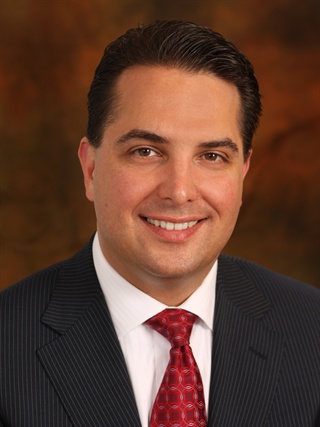
Special Feature | A Conversation With John Rossant
Founder and CEO, CoMotion |
|||||||||||||||||||||||||
|
Interview | Mobility, Regulation & LA’s Future Building LA’s Mobility LegacyMatthew W. Daus, IATR President, interviews John Rossant, Founder and CEO of CoMotion.

From public–private collaboration and LA28 to AI, autonomy and a lasting transit legacy, this conversation explores what cities and mobility innovators can accomplish together.
CoMotion LA returns November 18-19. Join us there.
Related UTRC report: The NYC Taxi & For-Hire Vehicle Insurance Crisis → |
|||||||||||||||||||||||||

IATR sponsored gathering CoMotion on the Ocean, Spring 2026 CoMotion Miami at The Shorely |
|||||||||||||||||||||||||
| CoMotion LA | Cities on the Move | |||||||||||||||||||||||||
A Global Forum for Mobility’s Next ChapterCoMotion LA returns November 18–19 in Los Angeles, bringing together public officials, transportation operators, innovators and investors to explore the future of mobility. This year’s theme, “Cities on the Move: Mega-Events, AI & Shaping What’s Next,” offers timely discussions for IATR members on public–private collaboration, emerging technologies and the transportation legacy of major events.
|
|||||||||||||||||||||||||
| Featured IATR Participation | Matthew W. Daus | |||||||||||||||||||||||||
IATR President to Lead “Ferries and the Future of Urban Water Transit”
Matthew W. Daus, IATR President, will lead a discussion with operators and vessel builders on improving passenger ferry service, advancing sustainable fleets and addressing the regulatory, funding and infrastructure hurdles facing urban water transit. The conversation will examine electrification, hydrogen and hydrofoils, along with how early coordination among public agencies and private partners can support better service.
Wednesday, November 18 |
|||||||||||||||||||||||||
|
IATR AUDIENCE REGISTRATION BENEFIT SAVE 20% Use the IATR registration code
Enter the code when registering for CoMotion LA.
|
|||||||||||||||||||||||||
|
Public-sector readers: CoMotion also offers complimentary access for eligible public-sector leaders through an application process. Review pass options and eligibility . |
|||||||||||||||||||||||||
| Top U.S. Highlight | New York City | |||||||||||||||||||||||||
|
New York City | Event mobility & transit operations | Official ridership announcement Marathon Weekend Shows How NYC Scales Transit for Major EventsNew York State reports that the MTA subway carried 3.14 million riders on Marathon Sunday, the highest Sunday total in its recorded history. Across the Friday–Sunday weekend, the system carried 11.24 million riders, a post-pandemic weekend record and 8.4% above the comparable weekend a year earlier. The governor’s announcement attributes the response to additional subway service and extra personnel at stations near the finish line and other high-priority viewing locations.
Why it matters to regulators:
The operational lesson connects directly to the LA28
interview: service planning, station staffing,
crowd management and passenger information
must work together. Reported ridership demonstrates
demand and system use; it does not by itself establish
faster trips, fewer incidents or a permanent service
improvement. Agencies planning major events can examine
how surge arrangements support accessible transfers and
licensed first-/last-mile services.
Source: New York State Governor’s Office |
|||||||||||||||||||||||||

|
|||||||||||||||||||||||||
|
Texas | Autonomous passenger services | Reported service expansion Tesla Adds Fort Worth to Its Texas Robotaxi FootprintThe Austin American-Statesman reports that Tesla has expanded robotaxi service to Fort Worth, adding another North Texas market. The report describes an operating geofence covering downtown and nearby communities. This is a reported service expansion—not evidence that every proposed geofence, vehicle configuration or future market has been separately approved.
Why it matters to regulators:
As service areas expand, track operating
boundaries, emergency-response coordination, incident
reporting, insurance and accessibility.
Geographic growth is not a substitute for evidence of
safety performance or a finding that all vehicle types
meet every applicable requirement.
Source: Austin American-Statesman / Yahoo |
|||||||||||||||||||||||||
|
United States | NEMT technology & care access | Company announcement—not a new mandate NEMT Portals Put Booking, Tracking and Verification in One WorkflowSafeRide Health announced a Silver award for its care-facility Care Portal and patient-facing MySafeRide tools. The company says the platforms let members, caregivers and care teams schedule, modify, track and verify covered non-emergency medical transportation, drawing on eligibility data. This is recognition of existing technology—not proof of a new product launch, independent certification of outcomes or a change to Medicaid requirements.
Why it matters to regulators:
For NEMT procurement and oversight, assess
accessible booking, caregiver permissions,
eligibility accuracy, trip verification, privacy and
non-digital alternatives. Company-reported
satisfaction and service metrics should be evaluated
separately from independently audited performance.
Source: SafeRide Health / Business Wire |
|||||||||||||||||||||||||
|
California | Transit finance | Ballot proposal—not an approved tax Bay Area Voters Decide Regional Transit Funding; Outcome PendingVoters in five Bay Area counties are deciding on the Regional Transit Measure. CBS reports proposed sales-tax increases of 0.5% in Alameda, Contra Costa, San Mateo and Santa Clara counties and 1% in San Francisco, with projected revenue of about $1 billion annually for transit. Supporters emphasize service continuity; opponents question additional taxation and agency spending. No result is asserted at this edition’s cutoff.
Why it matters to regulators:
Distinguish preliminary returns, certified
results and implementing decisions. Funding
contingency plans also need clear communication about
service continuity and accessible alternatives.
Source: CBS San Francisco |
|||||||||||||||||||||||||

|
|||||||||||||||||||||||||
|
Canada | Fleet electrification | Open funding call Canada Supports Zero-Emission Transit Planning Before Capital DeploymentCanada has opened a Zero Emission Transit Fund call making up to C$15 million available for one or more nonprofit organizations and academic institutions to provide planning and advisory services to municipalities and transit agencies. Applications close January 14, 2027. Supported work includes fleet transitions, utilities, infrastructure, procurement and workforce readiness. This call is not a bus-purchase award.
Why it matters to regulators:
Connect vehicle procurement with charging
capacity, reliability and workforce preparation.
Keep advisory-service eligibility separate from future
capital funding.
Source: Housing, Infrastructure and Communities Canada |
|||||||||||||||||||||||||
|
Ontario | Microtransit & procurement | Company-announced master agreement Metrolinx Framework Opens a Route to On-Demand Transit SoftwarePredictiv AI says its Shift Technologies Canada subsidiary has executed a Metrolinx master agreement for on-demand transit software and related services following competitive procurement. Eligible agencies may enter separate purchase agreements. The initial term is one year with four one-year extension options. The announcement does not establish deployments in every municipality or guaranteed revenue.
Why it matters to regulators:
A common procurement framework does not replace
agency-specific review of accessible booking,
data security, interoperability, performance standards
and contract exit arrangements.
Source: Predictiv AI / ACCESS Newswire, carried by
Morningstar |
|||||||||||||||||||||||||
|
Alberta | Bus rapid transit | Options for council consideration Calgary Weighs Four Rapid-Bus Expansion OptionsCTV reports that Calgary council is to hear four options for expanding MAX Green rapid-bus service, with estimated costs from C$511 million to C$2.1 billion. These are options entering council consideration—not an approved project budget, funding agreement or construction authorization.
Why it matters to regulators:
Compare service reach, accessibility, operating
costs and network integration, not capital
costs alone. Confirm any preferred option and funding
decision in subsequent council records.
Source: CTV News Calgary |
|||||||||||||||||||||||||

|
|||||||||||||||||||||||||
|
Spain | Taxi & private-hire regulation | Draft regulation—consultation Asturias Opens Consultation on Taxi and Interurban VTC RulesAsturias has opened a one-month public-comment period on its first regional regulation establishing a common taxi framework and specific rules for strictly interurban chauffeur-driven vehicle services, known as VTCs. Europa Press reports that technical review, an advisory opinion and government approval must follow. The draft responds to digital booking and market changes.
Why it matters to regulators:
Define the boundary between regional interurban
authority and other licensing powers.
Consultation can test service availability and operator
obligations before draft provisions become binding.
Source: Europa Press, citing the Asturias government |
|||||||||||||||||||||||||
|
Portugal | Taxi accreditation & curb access | Reported operational implementation Lisbon Adds Database-Linked Taxi-Rank Access ControlsLisbon’s Humberto Delgado Airport taxi rank has introduced barrier controls that admit accredited vehicles listed in an authorization database, The Portugal News reports. Accreditation remains open, with weekly submissions taking effect the following Tuesday. The controls support an existing fixed-fare arrangement; they are not a new citywide taxi licence.
Why it matters to regulators:
Physical access systems need accurate records,
clear onboarding and denied-entry review.
Fare guidance should distinguish fixed-price
destinations from metered journeys.
Source: The Portugal News, citing Executive Digest
and taxi associations |
|||||||||||||||||||||||||
|
Portugal | Public transport fares | Reported regulatory reference rate Portugal Sets a Fare-Adjustment Ceiling, Not an Automatic IncreaseThe Portugal News reports that the Mobility and Transport Authority has set a 2.66% maximum reference rate for covered regular public-transport fare adjustments next year. The ceiling does not require every operator to raise ticket or pass prices. Actual tariffs depend on decisions by the responsible authorities and operators.
Why it matters to regulators:
Communicate the distinction between an allowable
maximum and an adopted fare. Use the final
applicable tariff in passenger notices and budget
assumptions.
Source: The Portugal News, citing Jornal de Negócios
and AMT |
|||||||||||||||||||||||||

|
|||||||||||||||||||||||||
|
Philippines | Platform oversight | Penalty under reconsideration—not final Philippine Motorcycle-Taxi Cap Dispute Puts Counting Rules Under ReviewMove It has asked the LTFRB to reconsider a reported P555.75 million penalty for exceeding its authorized rider allocation. BusinessMirror reports that the platform disputes how riders are counted and argues for a measure based on live online supply. The regulator says the decision is not final while reconsideration is pending.
Why it matters to regulators:
Caps need precise definitions: registered
accounts, active riders and simultaneously online
supply are different measures. Enforcement
also requires auditable records, review rights and a
clear approach to affected drivers.
Source: BusinessMirror; LTFRB and company statements |
|||||||||||||||||||||||||
|
New South Wales, Australia | Regulatory data | Published data watch—not a new rule NSW Statistics Offer a Point-to-Point Oversight BenchmarkThe NSW Point to Point Transport Commissioner lists September reporting for authorized providers, taxi licences and notifiable occurrences, alongside compliance and penalty-notice series. These are monitoring resources, not evidence of a new requirement. Read the original reporting periods and tables before drawing trend comparisons.
Why it matters to regulators:
Separate market size, incidents, inspections,
penalties and prohibitions. Publishing data
does not alone establish a change in safety outcomes
or enforcement intensity.
Source: NSW Point to Point Transport Commissioner |
|||||||||||||||||||||||||
|
Singapore | Network integration & event mobility | Official operational notices Singapore Coordinates Hub Changes and Event OperationsLTA lists the return of bus services 80, 86, 87, 372 and 374 to Sengkang Integrated Transport Hub, alongside temporary changes for the Singapore Criterium and extended operating hours for Deepavali eve. These are specific service notices—not a new national mobility regulation.
Why it matters to regulators:
Coordinate route information, passenger
wayfinding and operator instructions.
Explain which changes are temporary and which become
part of the regular network.
Source: Singapore Land Transport Authority |
|||||||||||||||||||||||||
A Message From the IATR President
At the International Association of Transportation Regulators (IATR), our regulators are at the forefront of addressing both the challenges and opportunities facing the mobility paradigm. Our IATR members, partner organizations, and regulated industries will continue on our shared quest to fulfill the mission of our non-profit educational organization: to bring about Multi-Modal Mobility Innovation for All! This mission can best be accomplished through information sharing, collaboration, identifying and promoting best practices, and educating our membership. These educational updates and electronic media clips are affectionately known as “IATR snips” and endeavor to cover all aspects of mobility around the globe, especially news and developments involving safety, technology innovation, multi-modal integration, automation, sustainability, electrification, accessibility, regulatory modernization, and equity. If you would like more information about the IATR, please visit IATR.Global . Current members can renew their memberships by logging in through the IATR portal at the top right-hand side of the website. If you forgot your membership password, please email info@iatr.global. |
|||||||||||||||||||||||||
INTERNATIONAL ASSOCIATION OF TRANSPORTATION REGULATORSAdvancing safe, equitable, innovative, and effective transportation regulation worldwide. |