|
|
Because Digestive Health Matters |
International Foundation for Gastrointestinal Disorders July 2023 eNewsletter |
|
|
At IFFGD, we are committed to promoting awareness, education, and support for individuals dealing with GI disorders. Our mission is to empower you with the knowledge and resources necessary to lead a healthy and fulfilling life, despite the challenges that GI conditions may present.
In this newsletter, we have curated an array of informative articles to help you navigate the complexities of GI health. We will cover a range of topics, including confusing GI symptoms, emerging treatment options, and the latest research breakthroughs.
We encourage you to actively engage with our newsletter by sharing your feedback, suggestions, and personal stories. Your contributions help us tailor our content to better serve your needs and address the topics that matter most to you.
|
|
|
|
Despite advances in the field of GI research, there are still few effective treatments for many Functional Gastrointestinal Disorders (FGIDs).
FGIDs are a group of disorders characterized by chronic or recurrent symptoms related to the gastrointestinal tract without any known structural abnormalities. These disorders often lead to discomfort, pain, and a reduced quality of life for those affected.
|
|
Hypnotherapy is a therapeutic technique that combines relaxation, suggestion, and focused attention. It has gained recognition as a potentially effective approach for alleviating symptoms associated with FGIDs.
Research has indicated that hypnotherapy can effectively reduce abdominal pain, bloating, bowel movement disturbances, and other symptoms associated with FGIDs. It works by calming the gut-brain axis, reducing visceral hypersensitivity, and promoting a state of deep relaxation that helps alleviate stress and anxiety often linked to these disorders.
To learn more about the use of hypnotherapy, click the button below.
|
|
The Department of Veterans Affairs (VA) and the National Institutes of Health (NIH) have launched a study on Gulf War Illness (GWI), aiming to better understand and address the health challenges faced by veterans of the Gulf War.
This new study seeks to unravel the underlying causes of GWI and develop more effective treatments for affected veterans. It will focus on potential contributing genetic, epigenetic, and environmental factors with the aim of improving the lives of veterans through alleviated symptoms and enhanced support.
To learn more about this study, click the button below:
|
|
Food poisoning is an illness most of us are all too familiar with. It can cause diarrhea, vomiting, abdominal pain, fever, headache, and more. Symptoms can range from mild to severe and can last anywhere from a few hours to a few days.
Food poisoning can be caused by harmful chemicals, but the most common cause are microbial infections by viruses, bacteria, or parasites. These can be found in foods like fresh produce, raw or undercooked meat or eggs, unpasteurized dairy products, deli foods, processed meats, or foods that are stored or sealed improperly.
Use the button below to learn more about food poisoning.
|
|
|
|
This year's NES presentation is a complimentary 1-day event that features live educational presentations for patients, families, and caregivers looking to learn more about the microbiome and its relation to the GI system.
The meeting will include activities, such as lectures, Q&A panels, and networking opportunities during the lunch break and the post-program reception. All attendees are welcome.
You do not want to miss this year's Norton Education Series that will be held at the Beverly Hills Marriott (1150 South Beverly Drive, Los Angeles, CA 90035) in Los Angeles, California on Saturday, October 7th, 2023 starting at 8:30 AM PT.
|
|
This year's complimentary 1-day event will feature live educational presentations for patients, families, and caregivers looking to learn more about the microbiome and its relation to the GI system.
Topics to Discuss:
- How Does Your Digestive System Work?
- The Gut Microbiome: What is it and Where do We Stand?
- Post infectious IBS: Road to Cure
- Small Intestinal Bacterial Overgrowth: Diagnosis and Treatment
- Helicobacter pylori: Diagnosis and Treatment
- Speaker Panel Discussion and Q & A
Registration is now open. Click here to register and learn more about this event.
|
|
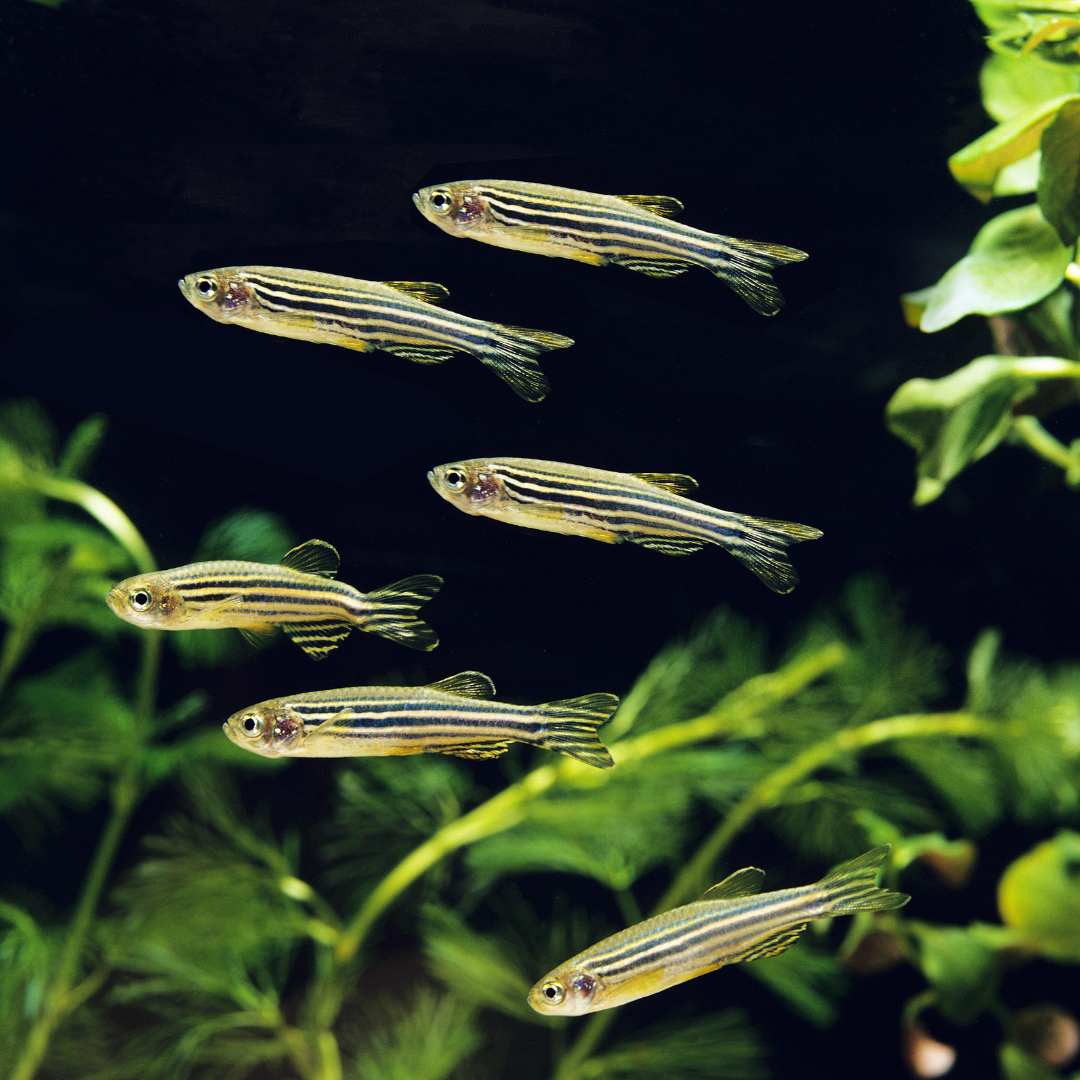
Scientists at the NIH have been studying an unlikely organism in the hopes of learning more about human health: Zebrafish. Even though these 1-2 inch long creatures seem very distant from humans, researchers believe we could learn a thing or two from them.
Recent studies on zebrafish have led to insights on everything from cancer, heart disease, and strokes to anxiety and autism. The similarity of genes have given researchers a new way to approach looking at human health. We share more than 70% of the same genes as zebrafish as well as a variety of different processes from eating to fighting germs.
To learn more about this interesting research, click the button below:
|
|
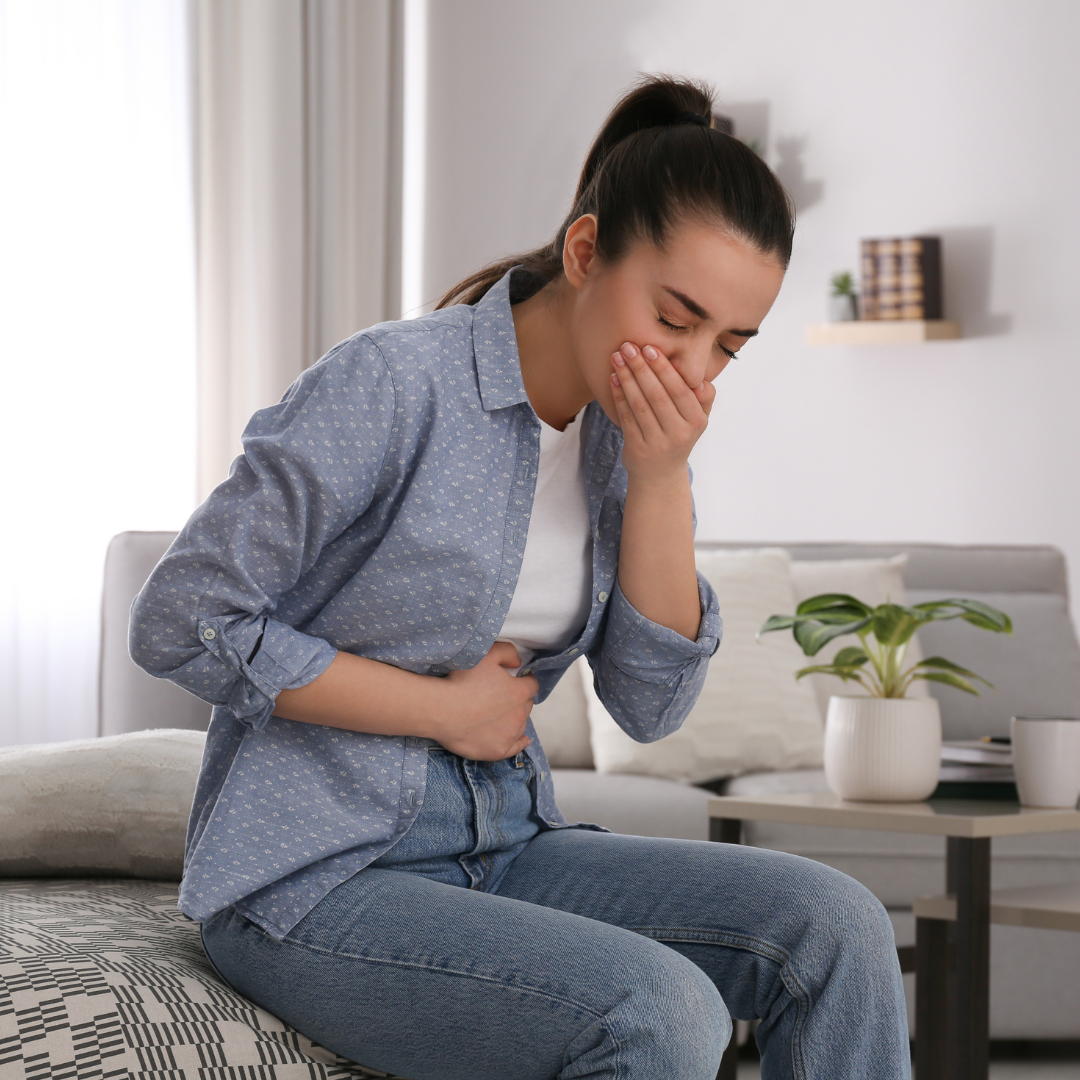
Experiencing GI symptoms can often be confusing, with individuals experiencing a wide range of discomfort, pain, and digestive issues. Various factors can contribute to challenging symptoms, such as overlapping conditions, individual variations in symptom perception, and the mind-body connection.
With the overlap of many GI symptoms, it is always important to consult a healthcare provider when diagnosing the problem.
If you or a loved one is struggling with GI symptoms, click the button below to learn more:
|
|
Clinical trials and research studies help to improve our understanding of the underlying mechanisms of diseases and advance the development of new and better treatment options. By participating in a study, you can help further the advancement of research and learn more about your condition.
Here are 3 studies currently recruiting participants:
|
|
Factors Influencing Severity in IBS |
|
A Phase IIb, Double Blind, Randomized, Placebo-Controlled Trial to Evaluate the Efficacy and Tolerability of ZED1227 in Celiac Disease Subjects Experiencing Symptoms Despite Gluten-free diet |
|
|
Patient Advocate: Melodie Narain-Blackwell |
Melodie Narain-Blackwell is a health advocate, educator, mobilizer, and the founder of Color of Crohn's & Chronic Illness, a nonprofit dedicated to health equity and BIPOC communities that are challenged with digestive diseases and chronic illnesses.
After suffering with stomach pain since the age of 6 and rectal bleeding since the age of 13, Ms. Narain-Blackwell was diagnosed with Crohn's disease in 2018, at the age of 36 after numerous incorrect evaluations from physicians and surgeons.
|
|
|
Ms. Narain-Blackwell's personal mission is to support the development of tools and opportunities to prevent anyone from having to endure the journey that was set before her. A Black and Indian woman and entrepreneur, she has been sharing her health journey since 2013 with the community.
Ms. Narain-Blackwell graduated from Berkeley College in Manhattan, NY, with an Associate in Applied Science degree in Fashion Marketing and Management and a BA in Business Administration. She is currently pursuing a Master of Science in Health Education and Behavior.
|
|
IFFGD is a nonprofit organization. We rely on donor support to fund research and to provide reliable information and support to those affected by chronic gastrointestinal disorders.
|
|
|
|
|
|
|