Monthly News & Updates from DFFM's Specialized Forestry Programs | | In this edition, we're sharing tips to prevent the spread of invasive plants, celebrating trees through our annual K-12 poster contest, and sharing various grants and learning opportunities. | | Simple actions with a big impact: Protecting outdoor spaces from invasive plants this spring | | Image: PlayCleanGo graphic of hikers in a grassy area. | | |
Written by Jessi Szopinski, Invasive Plant Program Coordinator
With more than 60 plants currently listed on the Arizona Noxious Weed List, it can feel daunting to know where to begin when tackling invasive species.
The encouraging news: you don’t need to be an expert in plant identification to make a meaningful difference.
Invasive plant species are primarily spread through human activities, so you can make a big difference by incorporating small, mindful changes into your travel routines.
| | | |
When spending time outdoors, always clean your footwear, gear, and vehicles before entering and leaving a site. Stay on designated roads and trails to avoid unknowingly transporting invasive plant seeds. Once transported to new areas, these “hitchhikers” can establish quickly, outcompeting native plants and disrupting local ecosystems. Steven Dewey, an Extension Weed Specialist from Utah State University, has aptly likened the spread of invasive species to a wildfire, “Weed seeds, like embers, can be carried long distances…new spot infestations grow and merge, much like spot fires ahead of an advancing fire front”. By preventing the spread of invasive plant seeds, we can stop infestations before they take hold—especially in remote, wildland areas where they’re difficult to detect and costly to control once established.
For more information on how you can take action while recreating outdoors, visit https://playcleango.org/take-action/ for tips tailored to your specific adventure.
If you have questions or need support, contact us at invasiveplants@dffm.az.gov. Together we can protect Arizona’s landscapes for generations to come!
| | |
National Invasive Species Awareness Week 2026 is February 23-27! Participate in the international event dedicated to raising awareness about invasive species, the threats they pose, and the actions we can take to prevent their spread.
| | New Reads, Resources, and Engagement | | |
Happening now:
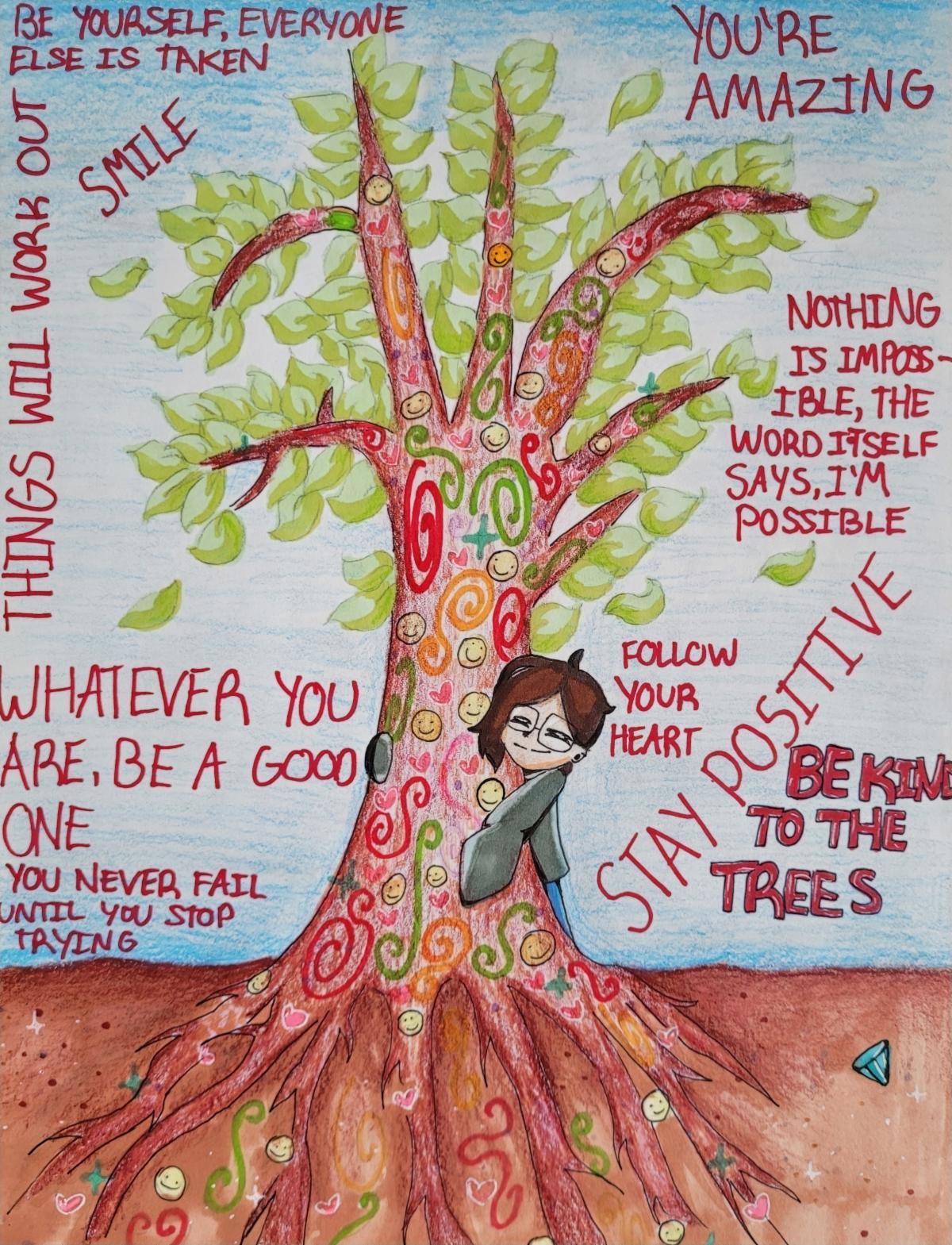
Arizona's K-12 Arbor Day Poster Contest!
| | | This year, the theme is "A Tree Near Me" - encouraging students to go outside, observe, and appreciate the trees around them. Please share this friendly competition with the youth, families, and educators in your life! |
Mail in Submissions by March 6th!
- Prizes for top 3 winners in each grade category
- Prizes for Teachers of 1st place winners
- One poster selected for Southwest Horticulture Magazine cover!
- Top submissions displayed at the Arizona Capitol Museum for the month of April to celebrate Arbor Day!
| | Image: Previous poster contest submission featuring positive affirmations and someone hugging a tree. | Did you know? It's easy to connect trees to curriculum using resources like Project Learning Tree and our Neighborhood Forests Southwest Learning Guide (available in Spanish here). | | | Read: History in the Rings | |
The Nature Conservancy
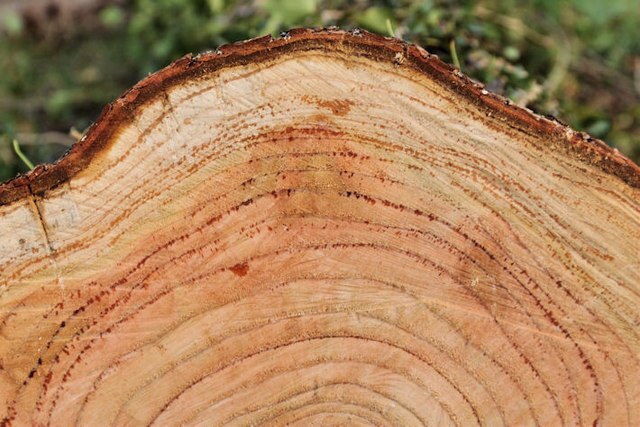
Learn what tree rings tell us about changes in fire frequency over time, impacts of past management, and the consequences for forest health.
| Image: Close-up of tree rings. | Study: Forest Pest and Pathogen Short Course | |
North American Invasive Species Management Association
A self-paced course designed to strengthen understanding of invasive forest pests and pathogens and how they move, establish, and are managed across North America.
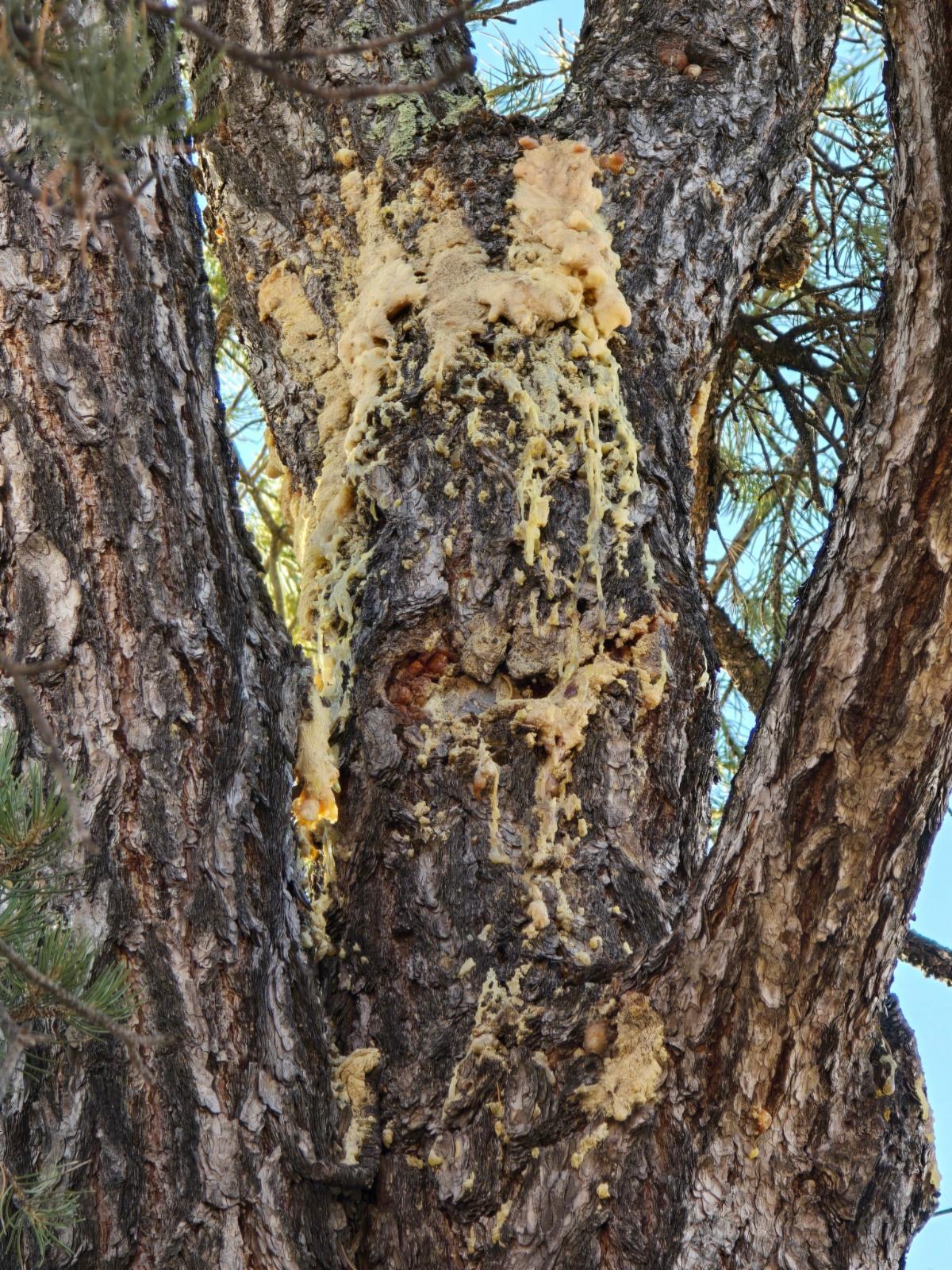
| Image: Large, dripping pitch masses are evidence of pitch moth. | |  | Share: City of Tucson announces first-ever Request for Proposal for Tree Work Services | |
The City of Tucson
The City of Tucson will be opening it's first-ever Request for Proposals (RFP) for Tree Work Services on February 23rd, 2026. The RFP encompasses traditional tree work services, tree planting and early care, and education and outreach services open to all city departments as a Qualified Vendor List. The goal is to help remove barriers that may have kept smaller or less represented companies from their vendor list, and two information sessions are being held to help spread the word, answer questions, and broaden the applicant pool. View the flyer below for more details and share this opportunity with your networks!
| Reflect: 2025 Southern Arizona Heat Summit Report | |
The City of Tucson
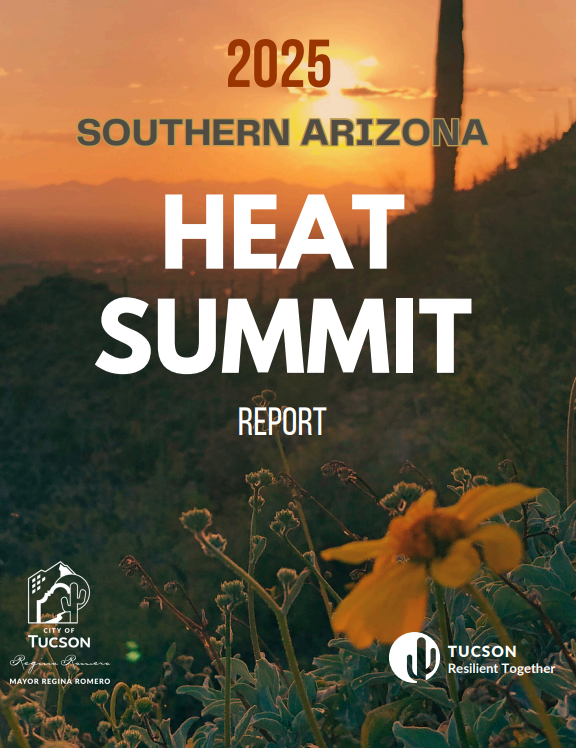
As rising temperatures, prolonged heat waves, and growing energy demands continue to impact communities, heat resilience has become a critical public health and infrastructure priority for the region. Dive into this report to see how this connects to your work.
| Image: Report cover featuring the Southern AZ sunset. | | | Ongoing: Landowner Listening Sessions! | | |
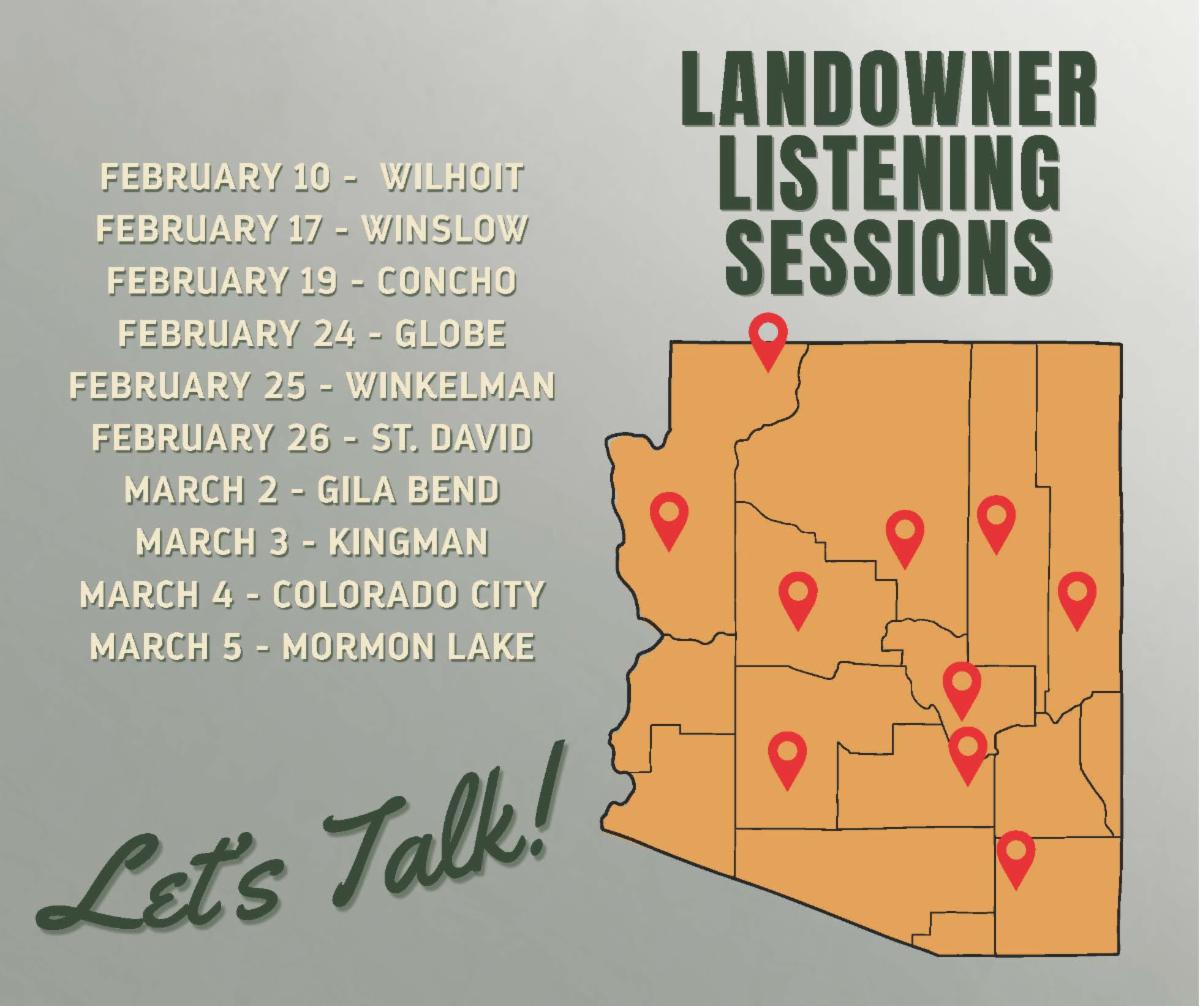
Private landowners in Arizona face unique challenges when maintaining and managing the vegetation on their properties. The DFFM Forest Stewardship Program would like to hear directly from landowners about how they navigate these challenges, and what resources they may need to maintain and improve the vegetation on their properties.
We invite private landowners to attend a nearby listening session to share concerns, needs, and goals for the trees and vegetation on their properties. In turn, our agency will use the information landowners provide at the sessions to develop new strategies to help local landowners achieve their vegetation goals.
More information regarding the listening sessions is included here. Spanish interpreters will be present at all sessions. Reach out to Community Engagement Specialist, Max Benning, with any questions at mbenning@dffm.az.gov.
| | |
Webinars & Professional Courses
February 17, 19, 24, 26 - Pima County Smartscape Advanced: Urban Forest Management - in-depth training for landscape professionals on best management and maintenance practices from industry experts.
February 19 - Futureproof the Workforce - join this session from American Forests' Coaching Network to learn how working for tree equity and utilizing your talents can help support, educate, recruit, train, and retain the urban foresters of the future.
February 20 - Native Pollinators and the Plants They Love - learn how to create a pollinator-friendly backyard in AZ's diverse southwestern landscape with Pima County Master Gardeners.
February 21 - Tree Health and Visual Inspection - take a walk through the park in Tempe, AZ and learn how to assess a tree for potential pests or disease, next steps, and mitigation strategies with DFFM's Forest Health Program Manager, Aly McAlexander.
February 23 - USGS Invasive Species Science: Innovation for a Healthy Nation - explore the role of invasion biology within a One Health framework, emerging environmental DNA tools for invasive species, parasite, and pathogen surveillance, and the use of molecular techniques to understand wildlife and fish health.
February 26 - Mana in the Drylands: Exploring the ecological, climatic and cultural dimensions of mast seeding in arid landscapes - explore how mast fruiting functions and creates ripple effects in the American Southwest ecosystems.
March 10 - Fuels Treatments in Non-Forested Systems: Considerations for rangelands, grasslands, and shrublands - a panel discussion intended for fire, fuels, and land managers on critical topics related to fuels and fire management.
| | | |
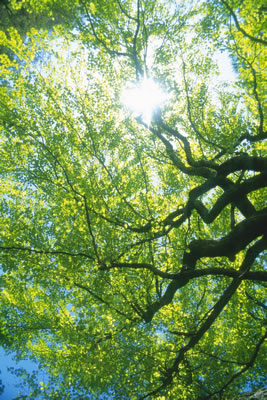
Image: Sun shining through tree branches. | | | | Our Forest Health Program will share the 2025 Forest Health Conditions Report, featuring findings from the most recent Aerial Detection Surveys conducted in partnership with the USDA Forest Service. | | | |
Major funding for the Specialized Forestry Programs is provided by the Arizona Department of Forestry and Fire Management and USDA Forest Service. These institutions are equal opportunity providers and employers.
Suggestions or comments? Contact Megan Lasley, Forestry Outreach Coordinator at mlasley@dffm.az.gov
| | |
John Richardson, Assistant State Forester - Forestry Programs
jrichardson@dffm.az.gov
(602) 771-1420
Cori Dolan, Deputy Assistant State Forester
cdolan@dffm.az.gov
(520) 262-5519
LoriAnne Barnett Warren, Specialized Forestry Program Administrator
lwarren@dffm.az.gov
(602) 399-9447
Madeline Burton, Urban and Community Forestry Program Manager
mburton@dffm.az.gov
(480) 769-4184
Alison Faller, Urban and Community Forestry Specialist
afaller@dffm.az.gov
(602) 739-9763
Timara Crichlow, Urban and Community Forestry Specialist
tcrichlow@dffm.az.gov
(480) 978-6551
Amanda Webb, Forestry Planning Program Manager
awebb@dffm.az.gov
(602) 309-0046
Max Benning, Community Engagement Specialist
mbenning@dffm.az.gov
(480) 647-5689
| | | |
Aly McAlexander, Forest Health Program Manager
amcalexander@dffm.az.gov
(602) 290-9644
Viri Quinonez, Forest Health Specialist
vquinonez@dffm.az.gov
(480) 349-7585
Mike Juarez, Forest Health Technician
mjuarez@dffm.az.gov
(623-606-2624)
Jessi Szopinski, Invasive Plant Program Coordinator
jszopinski@dffm.az.gov
(602) 291-4167
Jacob Draper, Invasive Plant Program Specialist
jdraper@dffm.az.gov
(480) 647-4736
Matthew Jewell, Forest Legacy Program Manager
mjewell@dffm.az.gov
(520) 260-0476
Megan Lasley, Forestry Outreach Coordinator
mlasley@dffm.az.gov
(602) 206-9830
Wolfgang Grunberg, GIS & Data Supervisor
wgrunberg@dffm.az.gov
(602) 399-1886
| | | | |