|
October at CCC: Empowering Patients Through Self-Advocacy
This October, we’re focusing on the power of self-advocacy in cancer care. Being informed, asking questions and speaking up about what matters to you can help ensure your needs, concerns and preferences are heard throughout your cancer journey.
Self-advocacy looks different for everyone. It might mean learning more about your diagnosis and treatment options, seeking emotional support, understanding your rights, building a support network or asking for a second opinion. Whatever it looks like for you, you don’t have to navigate it alone.
Advocacy also means speaking up for change. Through our Screen at 45 campaign, we continue to call for earlier colorectal cancer screening across Canada. With Prince Edward Island and Ontario now offering average-risk screening starting at 45, we’re building on this progress and working toward broader access across the country.
October also brings important reminders about emotional well-being and quality of life, including World Mental Health Day and World Hospice and Palliative Care Day. Cancer care is about more than treating the disease. Supportive and palliative care can help manage symptoms, improve quality of life and support patients and families through every stage.
At Colorectal Cancer Canada, we’re here to help. Through one-on-one support, our six monthly support groups, Tush Talks and other resources, our patient support team is here to provide information, connection and support.
If you or someone you care about could use support, reach out anytime at support@colorectalcancercanada.com. We’re here to listen, help and stand by you.
| | | | In this past session, Barry the late Dr. Robin, Pierre and Manna, all patient advocates, to discuss what it means to know your rights as a patient. They explore standards of care, best practices and what you can expect from your cancer care, helping patients feel more informed and prepared to advocate for themselves. | | |
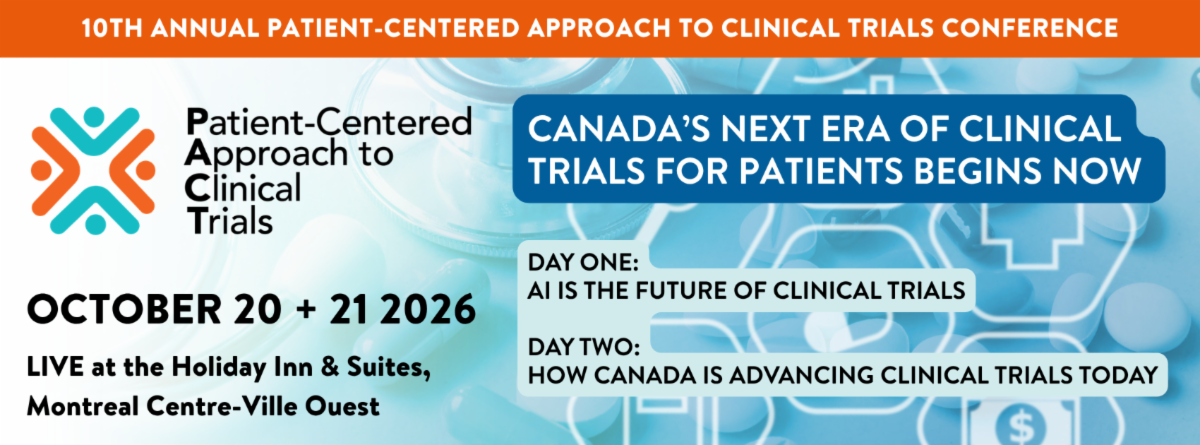
2 WEEKS REMAIN until the 10th Annual Patient-Centered Approach to Clinical Trials Conference!
“Canada’s Next Era of Clinical Trials for Patients Begins Now”
Canada has the expertise to become a global leader in clinical trials, but patients are still waiting too long for access to innovative treatments. This year's conference will bring together patients, healthcare professionals, researchers, policymakers, and industry leaders to explore how we can build a faster, more competitive, and patient-centered clinical trials ecosystem.
DAY ONE: AI is the Future of Clinical Trials
DAY TWO: How Canada is Advancing Clinical Trials Today
Join the conversation as we tackle the challenges, opportunities, and innovations shaping the future of clinical trials in Canada.
October 20–21, 2026
LIVE at the Holiday Inn & Suites Montreal Centre - Ville Ouest
| | |
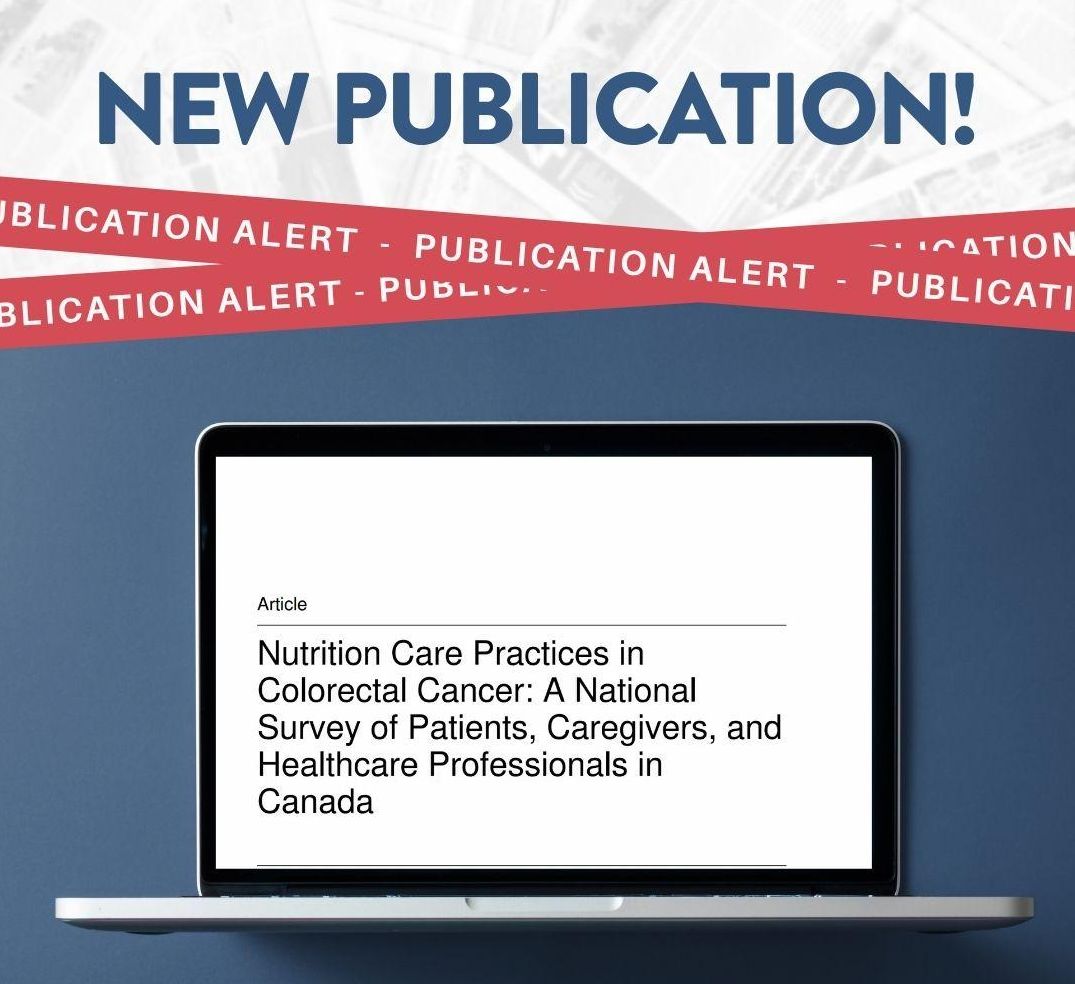
NEW PUBLICATION!
Nutrition Care Practices in Colorectal Cancer: A National Survey of Patients, Caregivers, and Healthcare Professionals in Canada
| | |
We are pleased to share our recent publication in Current Oncology about nutrition care practices in colorectal cancer (CRC). Nutrition is integral to cancer care, affecting patients’ ability to tolerate treatment, maintain function, and preserve quality of life.
In this study, we surveyed patients, caregivers, and healthcare professionals to learn about their experiences of nutrition management and their perceptions of the availability, accessibility, and adequacy of nutrition care resources during CRC treatment in Canada.
| | | |
Participants’ experiences suggest that although nutrition care may be available, it is often not actioned early and consistently enough throughout the CRC care continuum.
The study findings highlight the need for standardized processes to support earlier malnutrition screening, clear referral pathways to connect patients promptly with dietitians and other healthcare professionals, and integrated, patient-centered nutrition care throughout the CRC continuum.
| | NEW : BOTTOM LINE EPISODE | | |
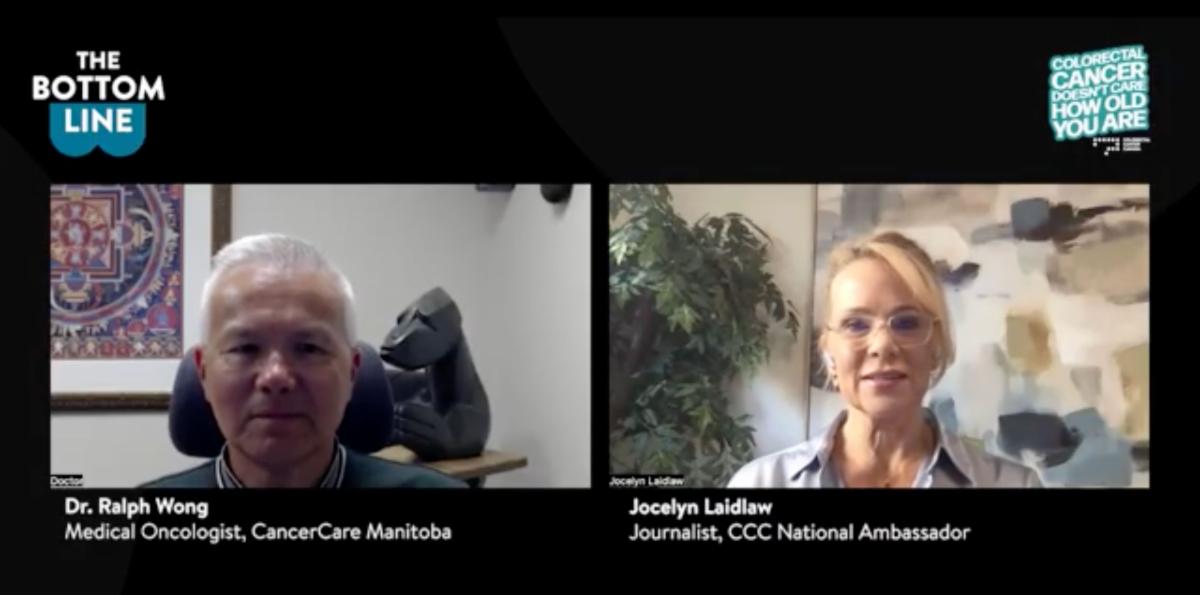
In this episode of Bottom Line, Jocelyn Laidlaw speaks with Manitoba oncologist Dr. Ralph Wong about the rise of colorectal cancer in younger Canadians.
They discuss the symptoms younger adults should not ignore, why colorectal cancer is often diagnosed at a more advanced stage in younger patients, and why routine screening should start at age 45.
A conversation about early detection, listening to your body, and improving access to screening.
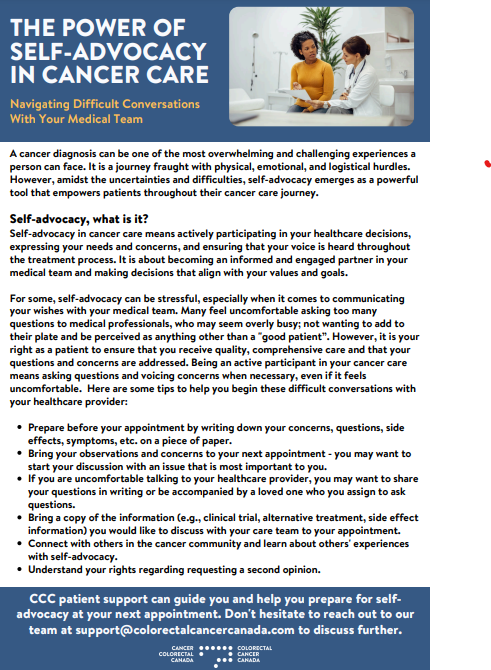
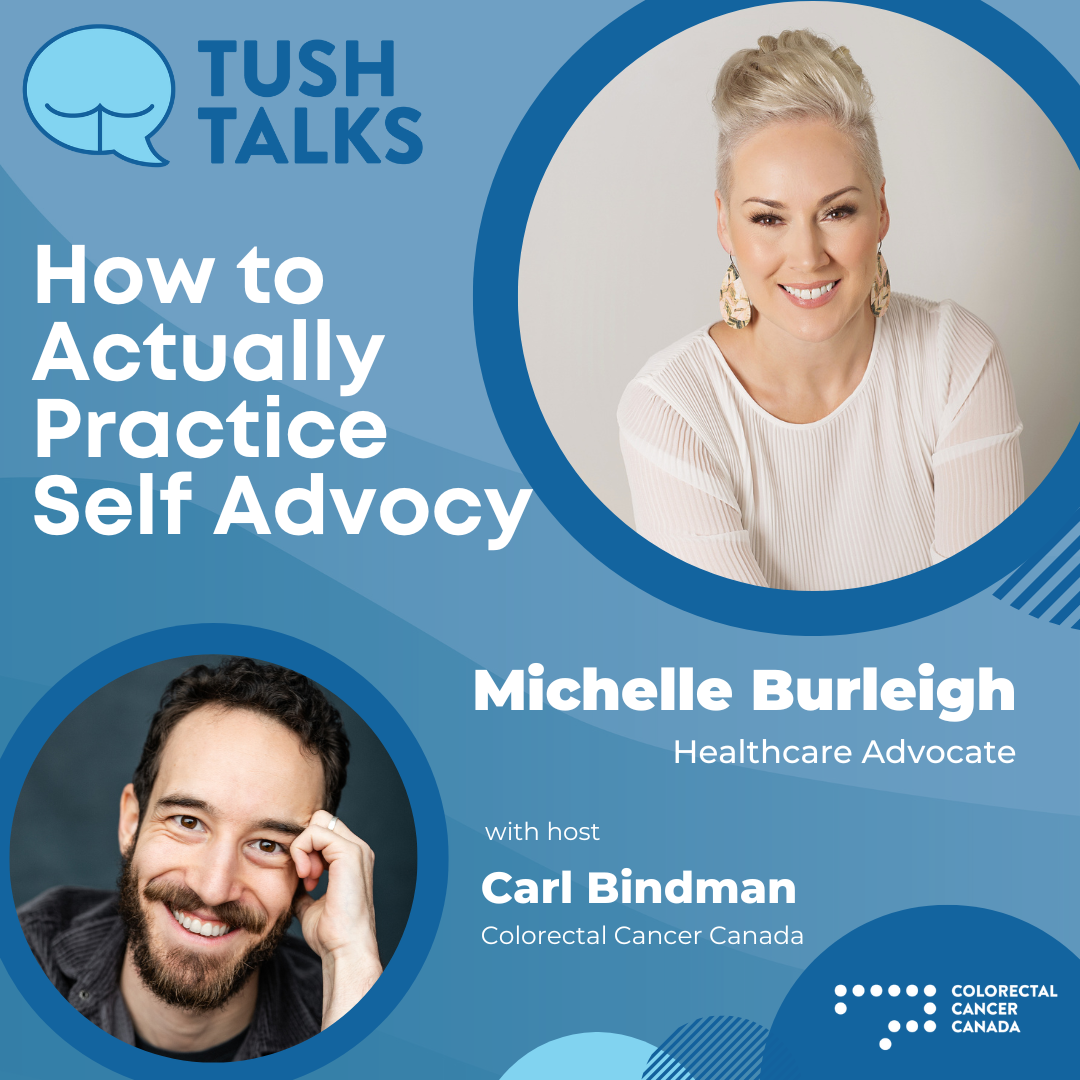
| | This resource shares information about the importance of self-advocacy and tips on how to become an active participant in your cancer care. | | | How to Actually Practice Self-Advocacy | | | | |
In this past Tush Talk, host Carl Bindman was joined by healthcare advocate and cancer survivor Michelle Burleigh for an honest conversation about the practical realities of self-advocacy in medical care.
Drawing from Michelle’s personal experience, they explored ways patients can express their needs, ask questions, find their voice and feel more empowered in their healthcare journey.
| | |
The INCA33890-303 (NEXERA) Clinical Trial: A New Trial for Microsatellite Stable mCRC Patients
Hôtel-Dieu de Lévis in Lévis, Québec has recently begun recruiting participants for the INCA33890-303 (NEXERA) clinical trial, which is evaluating an investigational treatment for people with microsatellite stable (MSS) metastatic colorectal cancer (mCRC).
Participating clinical trial sites include:
- Cross Cancer Institute – Edmonton, Alberta
- Saskatoon Cancer Centre – Saskatoon, Saskatchewan
-
Princess Margaret Cancer Centre – Toronto, Ontario (currently recruiting)
-
Principal Investigator: Dr. Eric Chen, eric.chen@uhn.ca
- Sunnybrook Research Institute – Toronto, Ontario
- Juravinski Cancer Centre – Hamilton, Ontario
-
Hôtel-Dieu de Lévis – Lévis, Québec (currently recruiting)
-
Principal Investigator: Dr. Vincent Barrette, vincent.barrette.med@ssss.gouv.qc.ca
- Hôpital Charles-LeMoyne – Greenfield Park, Québec
- Hôpital de Saint-Jérôme – Saint-Jérôme, Québec
Additional sites are scheduled to begin recruiting over the next few months.
Talk to your doctor to learn more about the trial and whether you may be eligible to participate.
Additional information about the trial is available below:
The recording of The INCA33890-303 (NEXERA) Trial: Expert Discussion and Clinical Insights webinar is now available.
Hear from clinical experts about the trial, including its rationale and the investigational treatment being evaluated for patients with MSS mCRC.
| | Participate in Health Research | | |
YOUR EXPERIENCE CAN HELP SHAPE CANCER TREATMENT DECISIONS IN CANADA
Have you or someone you care for been diagnosed with Stage III microsatellite-high/mismatch repair deficient (MSI-H/dMMR) colon cancer and received atezolizumab (Tecentriq)?
We’re inviting patients and caregivers to participate in a 45–60 minute Zoom interview about their experience with colon cancer and this treatment.
Your perspective will help inform Colorectal Cancer Canada’s patient input submission to Canada’s Drug Agency (CDA-AMC) as part of its reimbursement review of atezolizumab (Tecentriq) in combination with FOLFOX chemotherapy.
Your experience can make a difference for other patients and help improve access to new treatments in Canada.
| | | |  | |
National Support Group (50+ at diagnosis)
Monday, October 5, 2026, 7 PM EST via Zoom
Early Age Onset Group (Under 50 at diagnosis)
Monday, October 12, 2026, 7 PM EST via Zoom
Caregiver and Loved Ones Support Group
Tuesday, October 13, 2026, 3 PM EST via Zoom
In-Treatment Support Group
Wednesday, October 14, 2026, 1 PM EST via Zoom
National Support Group in French
Tuesday, October 27, 2026, 3 PM EST via Zoom
NED Support Group
Thursday, October 29, 2026, 6:30 PM EST via Zoom
| | | | A new study looked at the genetic characteristics of metastatic colorectal cancer diagnosed before age 50 and compared them with colorectal cancer diagnosed at older ages. | | |
Have You Had Surgery in the Past 3 Months?
We invite you to participate in a short survey about nutrition before surgery. This anonymous survey will take approximately 15-20 minutes to complete.
The goal of this survey is to better understand patients’ experiences and perspectives on nutrition before surgery, including nutrition counseling and different types of nutrition support (such as nutritional drinks, feeding through the tube, or intravenous nutrition when needed). Your responses will help researchers and healthcare teams improve nutrition care and recovery for future surgical patients.
If you are an adult who has undergone surgery within the past 3 months, we invite you to consider completing this survey.
Participation is voluntary and anonymous.
For more info, email Dr. Chelsea Gillis at chelsea.gillis@mcgill.ca
Ethics ID: 26-03-020
This study has been approved by the McGill University
Research Ethics Board
| | | | |