60 Years Ago: Landmark Civil Rights Act of 1964
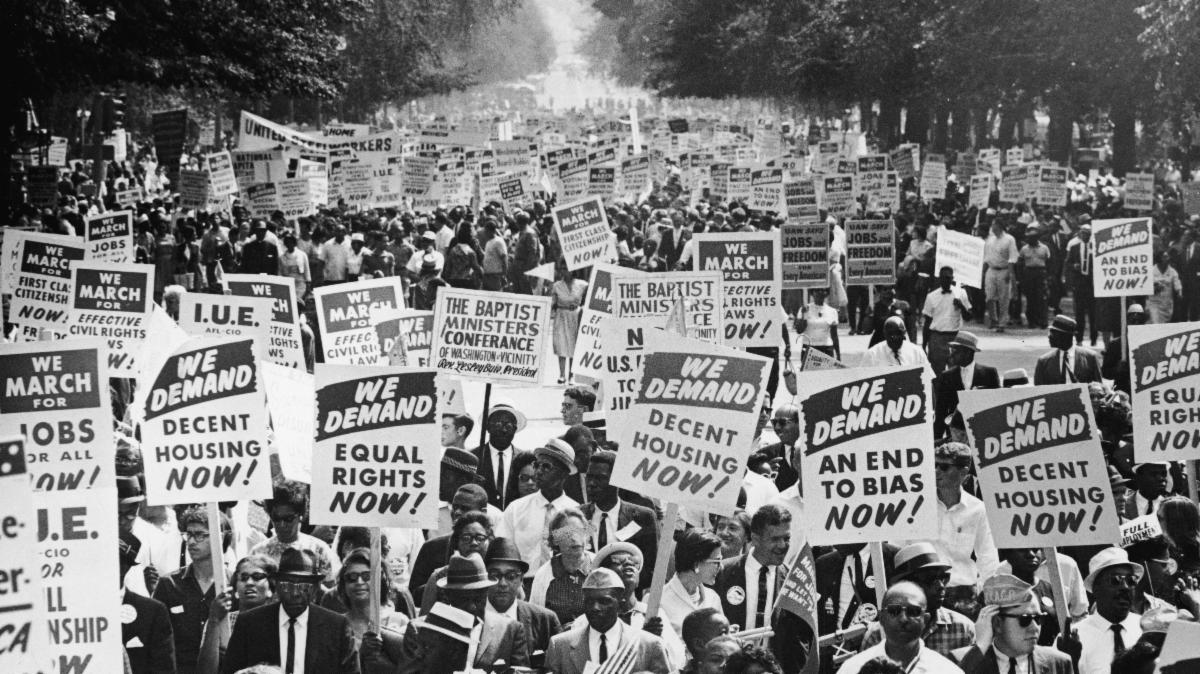
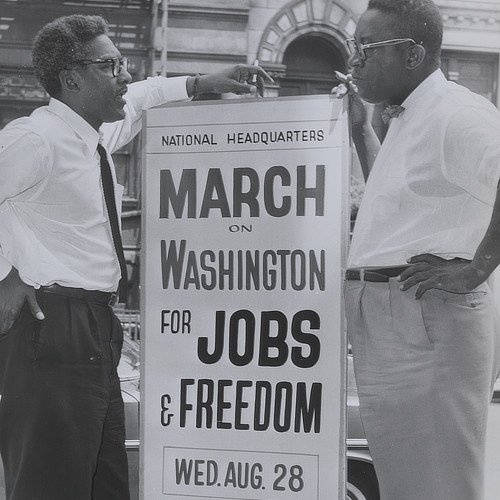
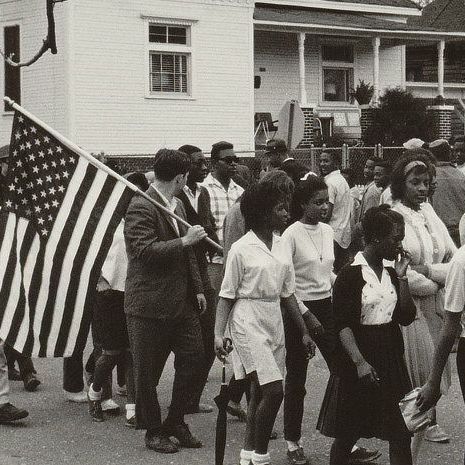
The Civil Rights Act of 1964, signed into law in July 1964, is considered a landmark piece of legislation in the fight for racial equality in the United States. The tireless work of leaders like Dr. Martin Luther King Jr., Rosa Parks, and countless others paved the way for this landmark legislation. This July makes 60 years of the Civil Rights ACT.
The Act outlawed discrimination based on race, color, religion, sex, or national origin in various aspects of life. It prohibited discriminatory practices in employment (Title III), ensured equal access to public accommodations (Title II), and strengthened voting rights by eliminating discriminatory practices like literacy tests and poll taxes (Title I). The Act also authorized the Attorney General to desegregate public schools (Title IV) and prohibited discrimination on the basis of race, color, or national origin in programs receiving federal financial assistance (Title VI).
The Civil Rights Act significantly altered the social fabric of the United States. It led to increased opportunities for Black Americans in education, employment, and public life.
Despite its achievements, the fight for racial equality continues. For instance, racial disparities in education persist in part because the Civil Rights Act did not directly address funding inequities between schools. Students of color often have access to fewer resources and lower-quality schools compared to their white counterparts.
Standardized test scores and graduation rates consistently show a gap between white students and students of color. In a 2011 study done by the National Assessment of Educational Progress on test scores of 8th grades, they found Black students in schools with 40-60% Black students score lower than those in schools with 0-20% Black students.
According to the National Center for Education Statistics for the 2019-2020 school year, the graduation rate for white students was 89%, while the rate for black students was 79%.
To address this achievement gap, increased funding for schools in underserved communities is crucial. Additionally, programs like those offered by GlobalMindED, which connect students with mentors and provide internship opportunities, can help bridge the gap by offering academic support, career guidance, and exposure to different backgrounds.
|