Possibilities today...Treatments Tomorrow | | |
If you know someone who might benefit from this newsletter, please forward it to them! If someone forwarded it to you, click here to sign up!
Greetings friends,
It’s very exciting to be conducting clinical trials studying the GLP-1s and other similar compounds for weight loss that are revolutionizing the ways we approach treatment of obesity, overweight, pre-diabetes, diabetes, cardiovascular disease (CVD) and other conditions. The amount of weight lost, the reversal of prediabetes and the improvements in A1C in persons with Type 2 diabetes are unprecedented! Further clinical trials testing new combinations of these compounds to improve efficacy and tolerance are more important than ever.
Our current weight loss study is for individuals who are overweight and also have type 2 diabetes with an A1C >7%.
This study will test if an investigational medication which is a combination of tirzepatide (Mounjaro) and another long-acting receptor agonist amylin will help overweight people with type 2 diabetes to achieve weight loss and improve their A1C. See below for details. A subsequent very similar study this summer will test an oral medication.
This fall we anticipate a number of clinical trials testing some new weight loss medications in overweight individuals who do not have diabetes but are at risk for diabetes, cardiovascular disease and other conditions. If that sounds like you, call us!
A robust body of research has already proven the incredible efficacy of the GLP1s. The New England Journal of Medicine recently reported results of a three year trial on safety outcomes and efficacy of tirzepatide (Mounjaro). It showed up to 20% weight loss and a significant reduction in progression to type 2 diabetes in persons with both obesity and prediabetes. For details scroll down to NorCal Knowledge Nuggets.
We are also still seeking patients with hypothyroidism for our thyroid study which compares animal derived thyroid supplement, Armour (combination of T3/T4), to synthetic thyroid hormone, levothyroxine (T4 only), in individuals who need thyroid supplement. Results may provide data so that patients may have safe options for their replacement regimens in the future. If you are on stable T4 (levothyroxine) for hypothyroidism, call us to find out if this study may be right for you.
There are many reasons why individuals choose to participate in a clinical trial including personal benefit, earlier availability of new treatments, and contributing importantly to medical knowledge. There is no cost to participants in our clinical trials; study medications, lab, clinical monitoring and education are all free. There are also small stipends to participants for time and travel, and we work with your own physicians and share data if you give permission. (See “What you Give, What You Get”).
Lastly find a great update on the current status and availability of compounded GLP-1s in NorCal Nuggets below.
Get to know us better at NorCalMedicalResearch.com, contact us at 415-461-1585 (Jesse) or at info@norcalmedicalresearch.com. Follow us on Facebook, LinkedIn and NextDoor!
NorCal’s mission is to contribute to a healthier future by advancing innovation, improving patient opportunities and pursuing excellence in healthcare through clinical research.
| | | | |
Best in health,
Dr. G
Linda Gaudiani MD FACE FACP
NORCAL Medical Director
| | WEIGHT LOSS STUDY FOR OVERWEIGHT PERSONS WITH TYPE 2 DIABETES AND BASELINE A1C OVER 7% | | |
The current diabetes/weight loss study is evaluating a once weekly injectable which is a combination of Tirzepatide (Mounjaro) and LAARA (Long-Acting Amylin Receptor Agonist) to assess changes in A1C and body weight compared to placebo (inactive drug). The study will enroll persons with type 2 diabetes and an elevated A1C over 7%. 90% of participants will receive active investigational drug; only 10% will receive placebo.
You may be eligible to join these studies if you:
- Have an A1C over 7%.
- Have been diagnosed with Type 2 Diabetes for at least 6 months.
- Are aged 18 to 75 years.
- Are on either no diabetes meds or are on Metformin, with or without an SGLT2 inhibitor.
- Have not taken part in a clinical research study for obesity or overweight in the past year.
Please call us if interested at 415-461-1585. This could be a great way to improve your diabetes management, glucose levels and reduce risks of cardiovascular complications and FEEL BETTER!
| | |
This Study compares purified naturally derived thyroid replacement therapy as Armour thyroid LT3/T4 to synthetic levothyroxine LT4 for individuals with hypothyroidism. Armour is made from purified porcine thyroid and contains both T4 and T3 thyroid hormones.
The study will help determine equivalent doses of LT4 (levothyroxine) and Armour extract. All participants start on Armour thyroid for two months and then will be randomized to receive either LT4 synthetic or Armour T3/T4. Thyroid levels are very closely monitored and thyroid hormone replacement doses are adjusted in all groups to keep thyroid levels (TSH) optimal throughout the entire study in everyone.
You may be eligible to participate if you:
- Are 18 to 75 years of age.
- Are diagnosed with hypothyroidism for at least one year.
- Have had no thyroid surgery within past 12 months.
- Have been on continuous thyroid replacement therapy with LT4 (levothyroxine) for the last 6 months.
- Have had a normal TSH documented in the past year.
Please contact us at 415-461-1585 or info@norcalmedicalresearch.com with questions.
| | |
Click here to get acquainted with our physicians
and here to meet the rest of our staff.
| | From left to right: Dr. Elizabeth Lowe, Dr. Linda Gaudiani, Dr. Irene Teper | | OBESITY AS A CHRONIC DISEASE AND THE EFFICACY OF THE NEW WEIGHT LOSS DRUGS | | |
The 23rd European Congress of Internal Medicine, on March 5 to 8, 2025 in Florence, Italy, highlighted a shift in how obesity is perceived and treated, emphasizing an individualized approach that may include lifestyle changes, pharmacological interventions, surgical options, combating stigma and improving education.
Key Takeaways:
- Obesity is a complex, chronic medical condition, not a lifestyle choice.
- Obesity requires comprehensive management free from stigma, blame and bias.
- Obesity is a causal precursor to many other conditions including type 2 diabetes and cardiovascular disease.
Lifestyle Interventions:
- Physical exercise and nutrition are essential to long-term success.
- There is a current gap between the proven benefits of lifestyle interventions and their practical implementation.
- Growing need for specialists in obesity and weight management.
Pharmacological Treatments:
- Newer hormone-based anti-obesity medications (e.g., tirzepatide, semaglutide) are proving more effective than former weight loss drugs and are yielding previously unseen results in weight loss and reduction in comorbidities.
- Obesity is often overlooked in treatment plans with focus placed on comorbidities (such as type 2 diabetes, hypertension).
- Barriers to prescribing these drugs include prejudice, lack of knowledge, and concerns about side effects, cost and insurance coverage and availability.
- It is critical to have open conversations about side effects of weight loss medications and to manage them effectively.
- Most studies are showing significant regain of body weight when GLP-1 medications are discontinued.
- Obesity needs lifelong management.
Bariatric Surgery:
- Bariatric surgery remains a vital treatment option especially for patients who discontinue medication use.
- Surgical techniques are evolving with a focus on minimally invasive procedures.
- Future of obesity treatment may lie in the integration of pharmacological treatments and endoscopic procedures for some individuals.
Stigma and Education:
- Persistent stigma surrounding obesity hinders effective treatment.
- Education is crucial for healthcare professionals, patients, and the general public to understand the health risks of obesity and the options for treatment.
In summary obesity should be recognized and treated as a complex, usually chronic condition for which there is currently no single cure and often necessitates lifelong management and attention. When treating obesity, it is important to achieve both significant weight loss and sustained weight loss. Discontinuing GLP-1s has resulted in substantial weight regain in most patients, so long term medication frequently represents the most effective strategy for sustained metabolic health. However, for some, switching to different strategies over time may be needed, depending on the situation. Potential transition points include insurance limitations, financial constraints, supply challenges, and side effects.
The cornerstone of successful treatment is collaborative healthcare, working closely with patients to develop an adaptive strategy that monitors benefits, assesses responses and supports long term overall wellness.
The good news is that recent studies have highlighted the impressive effectiveness of the new GLP-1 medications in safely reducing weight and mitigating other significant risk factors, such as cardiovascular, renal and metabolic issues.
| FOCUS ON IMPRESSIVE RESULTS OF RECENT TIRZEPATIDE CLINICAL TRIAL - DETAILS | | |
The recent clinical trial in the New England Journal of Medicine showed three years of treatment with tirzepatide (Mounjaro) in persons with obesity and prediabetes resulted in substantial and sustained weight reduction and a markedly reduced risk of progression to type 2 diabetes compared to placebo.
Study design:
- Phase 3, double-blind, randomized, controlled trial.
- 2,359 participants with obesity, of whom 1,032 also had prediabetes.
- Participants were assigned in a 1:1:1:1 ratio to receive tirzepatide at a once-weekly dose of 5 mg, 10 mg, 15 mg or placebo.
- Participants received their assigned dose of tirzepatide or placebo for a total of 176 weeks, followed by a 17-week off-treatment period.
Weight Loss Results:
Tirzepatide led to significant and sustained weight loss compared to placebo.
At 176 weeks, the mean percent change in body weight among the participants who received tirzepatide was:
- -12.3% with the 5-mg dose
- -18.7% with the 10-mg dose
- -19.7% with the 15-mg dose
- -1.3% with placebo
Diabetes Prevention:
- Tirzepatide significantly reduced the risk of developing type 2 diabetes.
- Fewer participants in the tirzepatide groups developed diabetes (1.3%) compared to the placebo group (13.3%), both during and after the treatment period.
- The hazard ratios showed a dramatic reduction in the risk of diabetes for those taking tirzepatide.
Safety:
- The most common side effects were gastrointestinal, typically mild to moderate, and mainly occurred during the initial dose-escalation phase.
- No new safety concerns were identified during the 3-year study.
Our currently enrolling obesity study contains an investigational medication (a combination of tirzepatide and another long-acting receptor agonist) that may help treat overweight people with type 2 diabetes and an elevated A1C over 7%. Please contact us if you think you may qualify.
| | COMPOUNDED DRUGS: WHERE ARE WE NOW? | | |
For the last 2 years, compounded versions of GLP-1s medications have been big business. Nearly 137 million American adults are eligible to use these costly drugs to treat diabetes, obesity, or for secondary prevention of cardiovascular disease. That’s more than half of our adult population, so it’s no surprise the drugs have been in short supply! Compounding pharmacies stepped in to fill the gaps, as permitted by law during shortages, and millions of Americans turned to them for affordable, "copycat" drugs. Recently the US Food and Drug Administration (FDA) has now declared the shortages of GLP-1s are over. Compounding pharmacies will soon have to stop selling their mass-produced versions — at least, in theory.
Here's what you need to know about the End of Mass Compounding:
- The FDA has declared GLP-1 drugs shortages are over, meaning compounding pharmacies will have to cease mass production.
- This aims to address safety and quality concerns associated with compounded versions of the popular drugs.
- This shift in GLP-1 medication availability increases the need for physicians to navigate further changes, prioritize safety, maintain open communication and for patients to exercise extreme caution when purchasing online drugs.
Concerns with Compounded GLP-1s:
- Compounded versions lack the same rigorous FDA approval as brand-name drugs (Ozempic, Mounjaro, Zepbound, etc.)
-
There are concerns about potential safety issues and adverse events have been reported.
-
Variability in preparations and administration may pose the greatest risks to patients. Brand-name GLP-1s generally come in prefilled injection pens but the compounded versions do not! Patients must learn to fill and empty syringes from a medication vial and user error is common.
- Patients do not always disclose they are taking compounded drugs to their physicians who don't have a complete medical record as a result. That creates challenges and potential safety issues because these products may have side effects and have interactions with other drugs and the management of other conditions, emergencies and surgeries.
| | |
Accessibility and Affordability:
- Brand-name GLP-1s are still expensive, leading many to seek cheaper compounded alternatives.
- Insurance coverage for brand-name drugs is becoming increasingly restrictive for some.
- Compounded drugs may still be available as some compounders may continue producing, believing that the FDA enforcement manpower is so weak that they won't be enforcing the prohibition closely.
- Meanwhile, the drug companies behind brand-name GLP-1s have started selling direct-to-consumers well below list price. Eli Lilly is offering a month's supply of Zepbound for between $350 and $500 without insurance and Novo Nordisk announced they will be dispensing Wegovy for $499 per month.
- While even at these lower prices these brand-name medications remain out of reach for many, they probably offer a safer option than compounded versions.
| | |
Contact us at (415) 461-1585 or Info@NorCalMedicalResearch.com with any questions or feedback. We'd love to hear from you. Please share this newsletter with anyone you think might benefit from receiving it and finding out about our work.
If you or someone you know would like to receive this newsletter IN SPANISH, please reach out to Info@NorCalMedicalResearch.com or call our office.
| | |
Thank you for being a subscriber.
Please forward and share this newsletter with friends and family.
Did you receive it from a friend? Click HERE to subscribe and find us in your inbox every month.
Read past editions of the newsletter HERE.
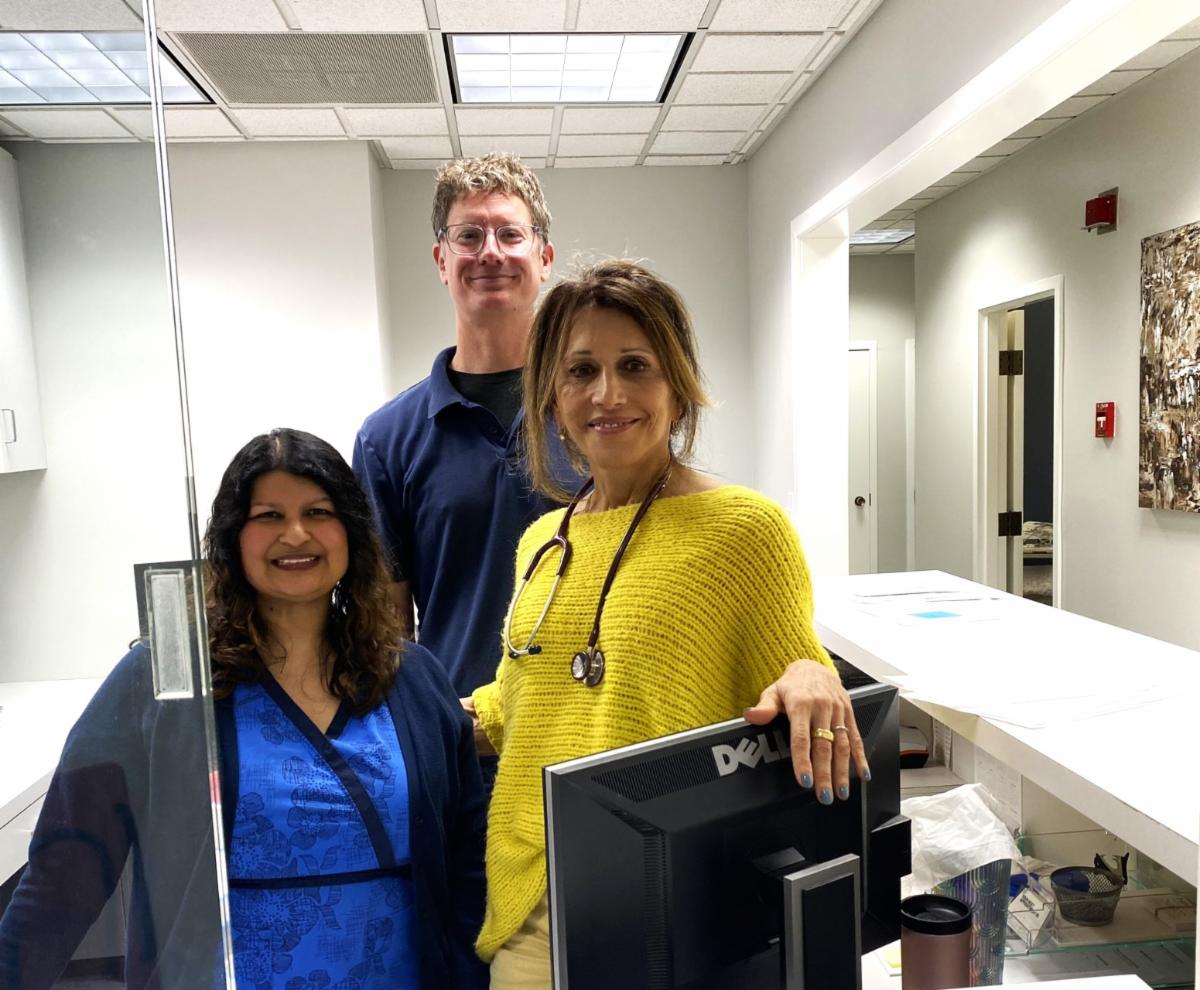
| | From left to right: Carol Singh, Jesse Cardozo and Dr. Linda Gaudiani | | Follow us on our new Social Media pages, including NextDoor! | | | | |