Brain Brief

Safe Living Space

Brain injury awareness where we live, work, and play.

Brain Fact of the Week

Traumatic brain injury (TBI) and concussion can occur through three mechanisms, two of which do not involve direct impact to the head:

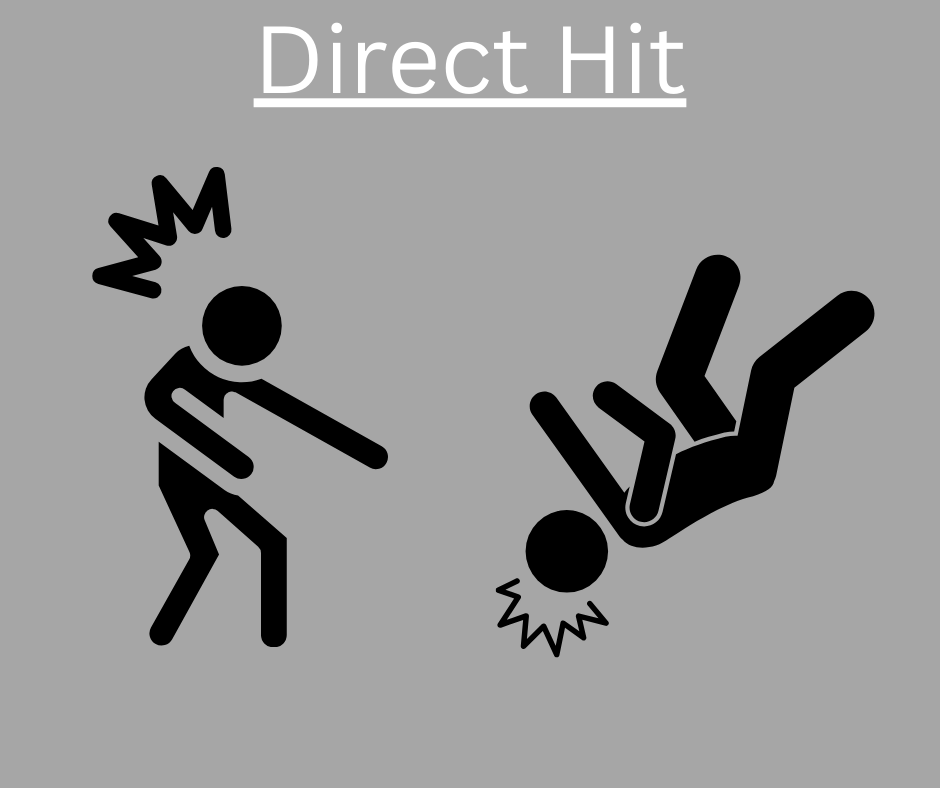
  1. Blow to the head and/or head hitting an object.
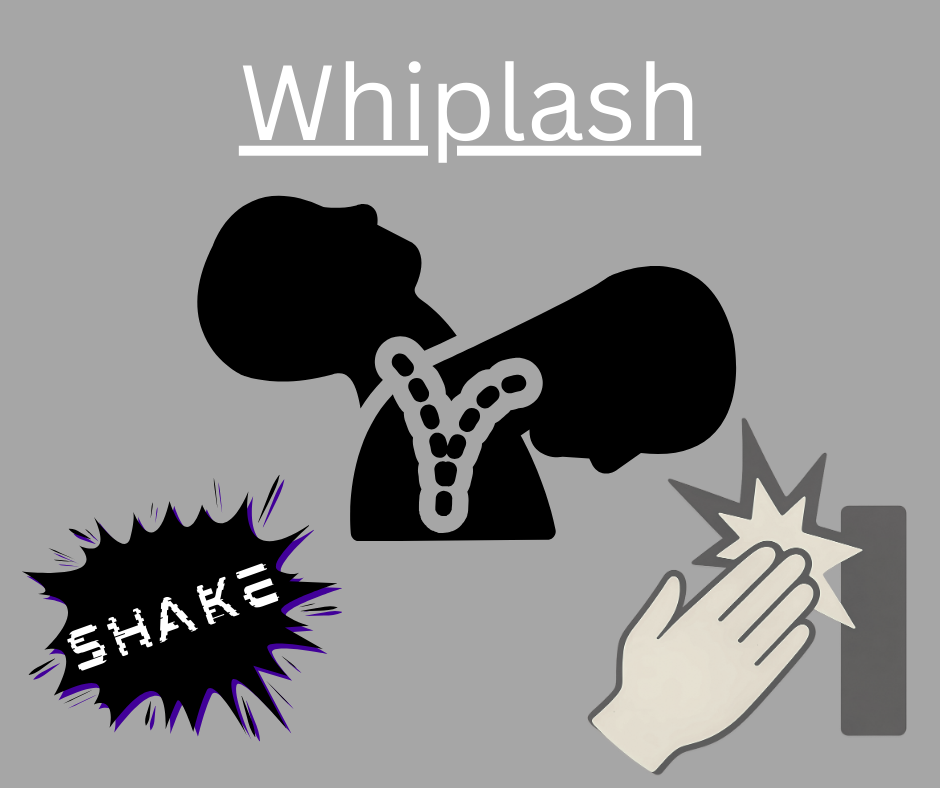
  2. Whiplash mechanisms including jerking, shaking, slapping can occur in a fall, auto accident or altercation.
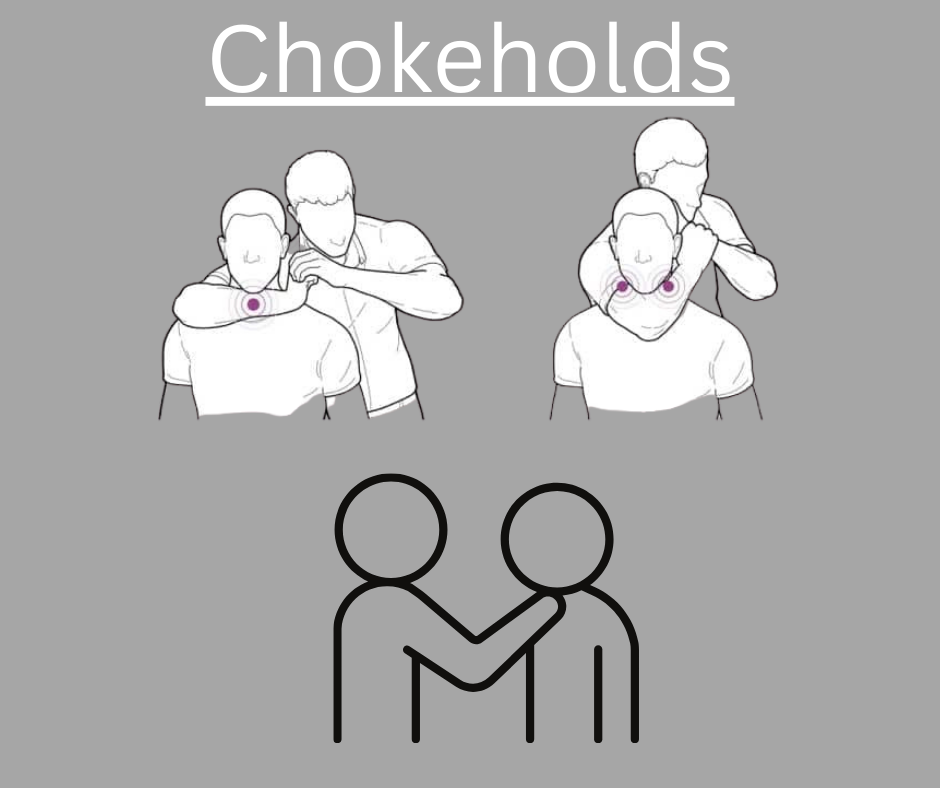
  3. Chokeholds including strangulation and/or suffocation.

Recognition of all three mechanisms is critical for accurate assessment, diagnosis, and early intervention.

Recognizing the 3 Causes of Brain Injury

Traumatic brain injury (TBI) and concussions are often assumed to result from a direct blow to the head—but the science tells a more complex story. In reality, there are three primary mechanisms of brain injury, and two of them do not require any head impact at all.

Direct hit: A force to the head or when the head strikes an object. This is the classic image of concussion—but it’s only one pathway and sometimes one doesn't recognize the impact.


A direct impact can be as simple as hitting ones head a kitchen cabinet, a low hanging light, fall or more intense such as in sports or an altercation.

Whiplash or rapid acceleration–deceleration: Sudden jerking, shaking, or slapping can cause the brain to move within the skull.


These forces commonly occur in auto collisions, falls, sports injuries, and physical altercations. Even without a visible head injury, the brain can sustain significant stress and microscopic damage.

Chokeholds, strangulation, or suffocation: When oxygen flow to the brain is interrupted, even briefly, the result can be a hypoxic or ischemic brain injury.


These events often leave no external marks yet can lead to serious cognitive, emotional, and neurological consequences.


Safe Living Space is conducting research across all three mechanisms to improve screening, education, and clinical understanding—especially for high-risk populations where these injuries are under-recognized and often missed.


Recognizing all three mechanisms is essential for accurate assessment, diagnosis, and early intervention. When we understand how an injury occurs, we can uncover hidden harm and connect people to the care they need.


How many brain injuries remain unseen? Please share this email with a friend, colleague, or loved one and be a part of seeing the brain injuries hiding in plain sight.

LinkedIn Share This Email

💬 Stay Connected

This story is part of Brain Brief, our new series raising awareness of brain injury research and advocacy where we live, work, and play.


👉 Follow Safe Living Space on LinkedIn and Instagram, or visit www.safelivingspace.org to learn how you can support this vital work.


Facebook  Instagram  LinkedIn