Faulkner County Agriculture Update
December 5, 2025
| | |
Weather
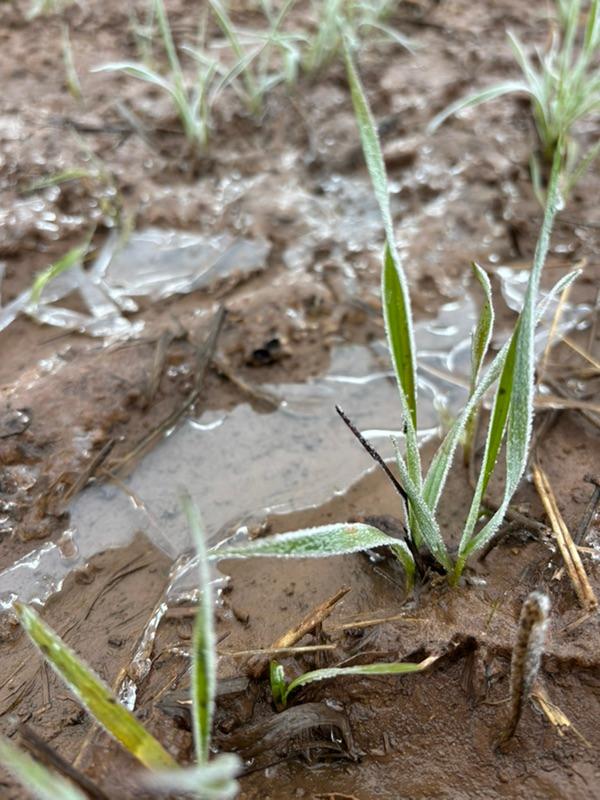
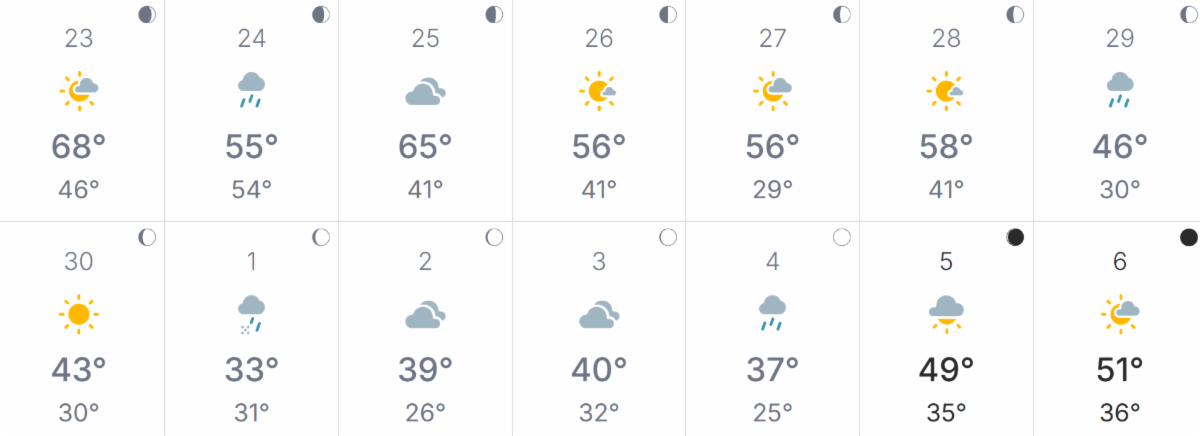
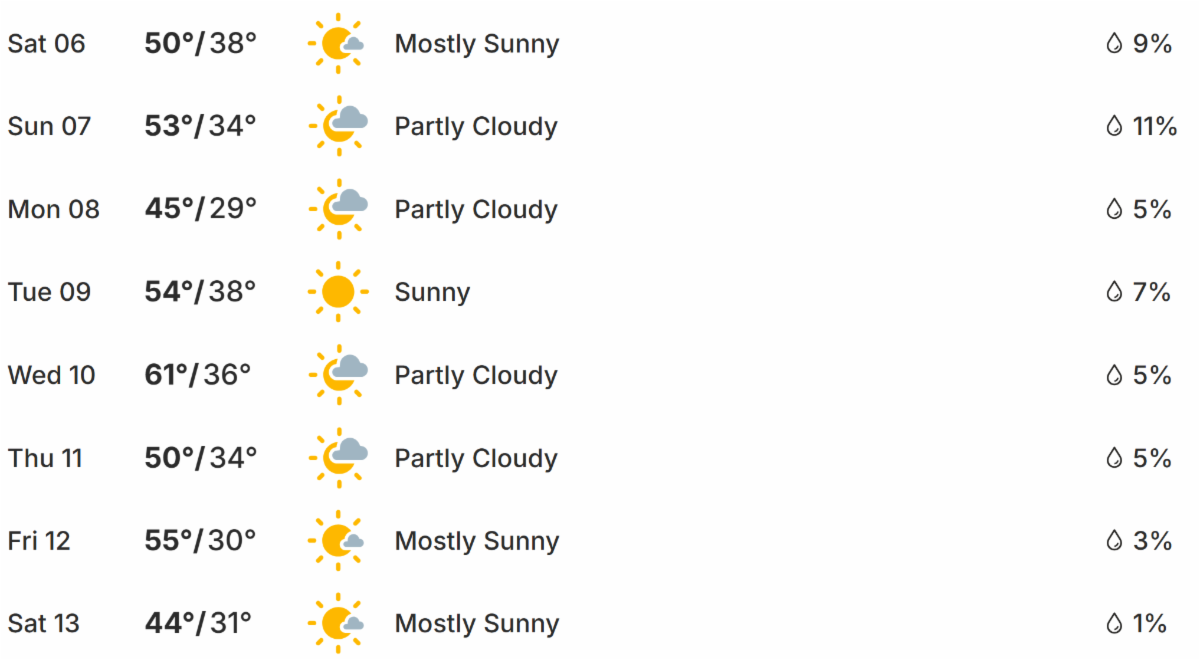
Winter has made it's way into Faulkner County. We had a few days of frost this week and nighttime temperatures where in the low 30's and high 20's. We got a little bit of rain and nasty weather, but nothing really significant. Looks like next week continues the cold temperatures with little to no chance of rain.
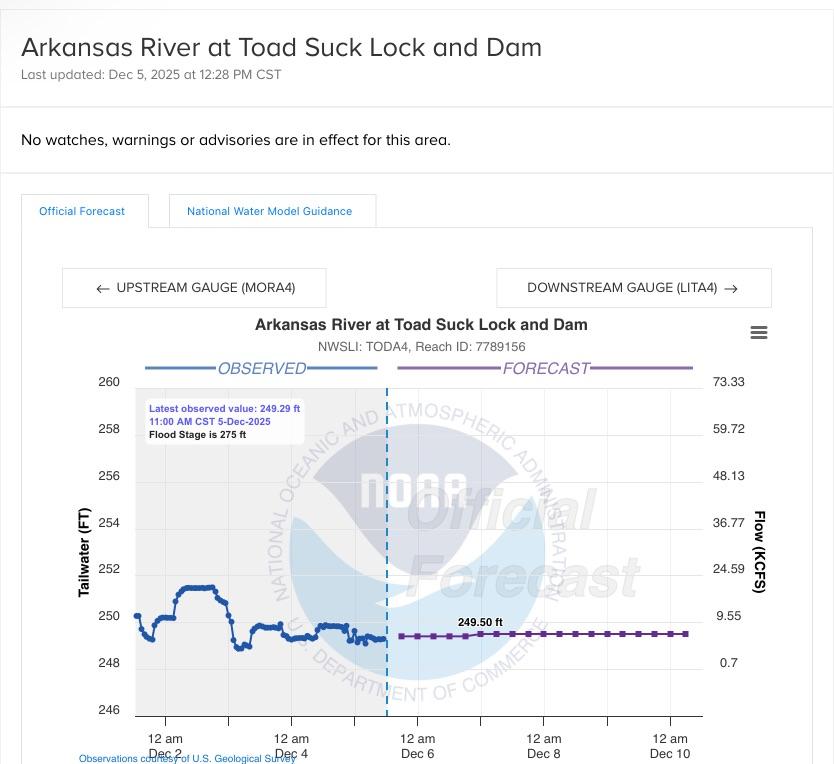
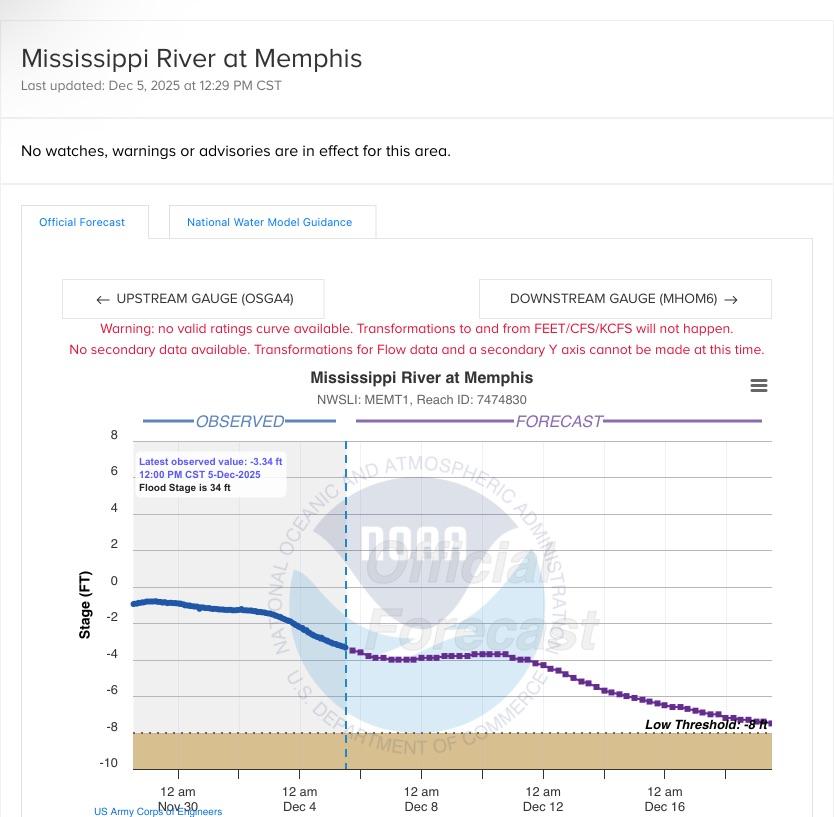
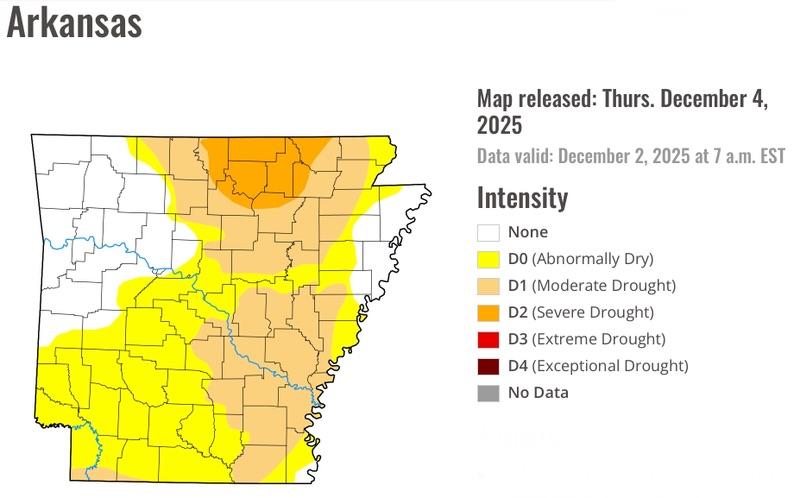
| | Arkansas and Mississippi River | |
Wheat
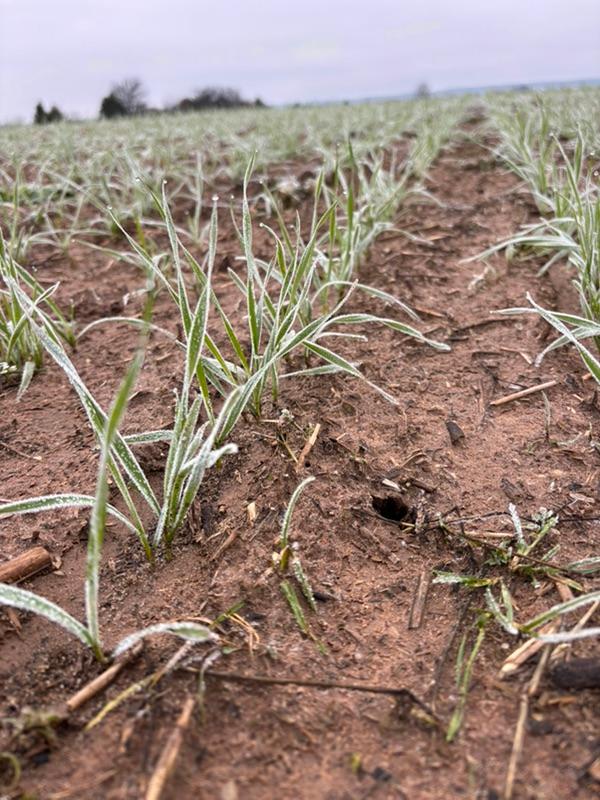
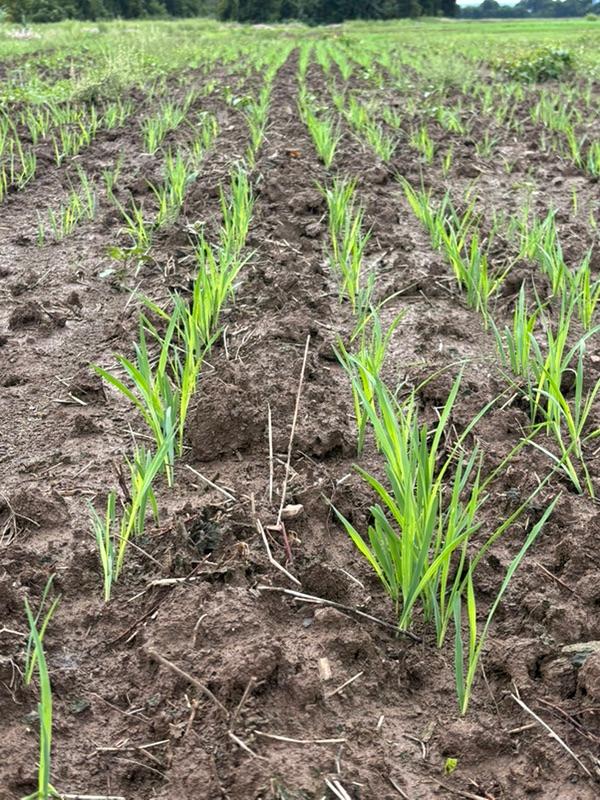
Wheat got frosty this week. Growth has slowed down for now with the cold temperatures. There isn't much to do now but wait until February and apply nitrogen.
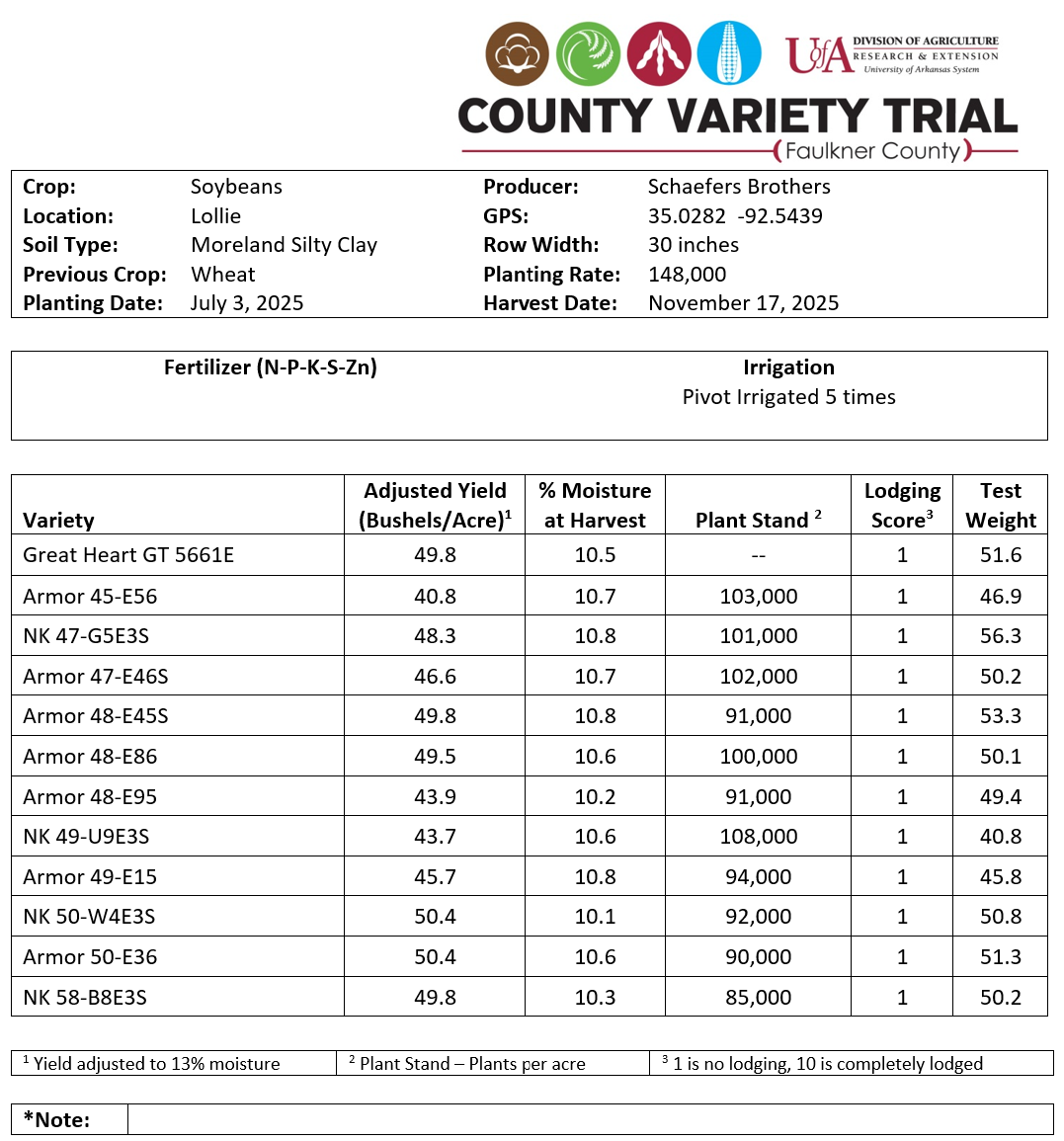
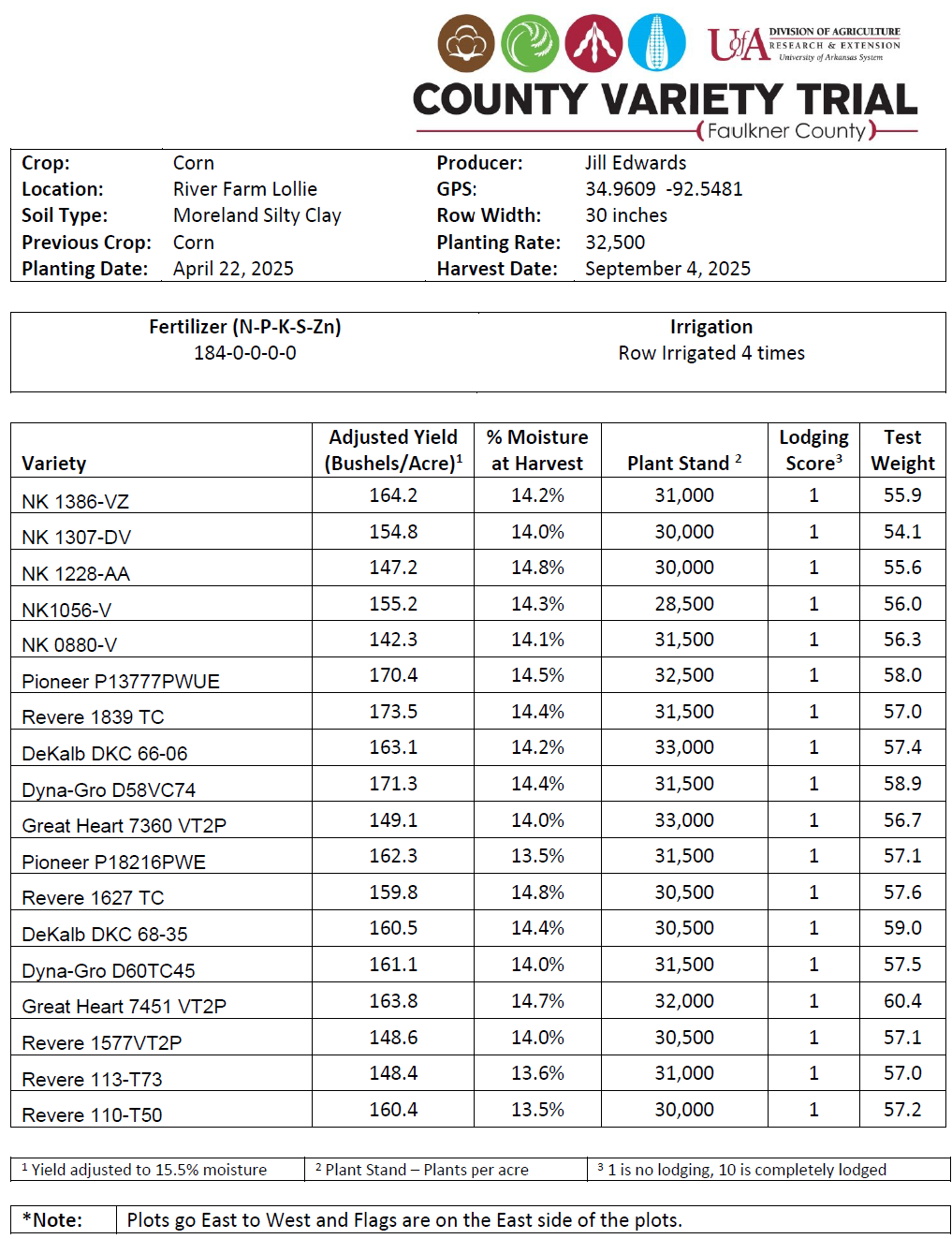
| | 2025 Faulkner County Variety Trials | |
2025 Arkansas Rice Performance Trials
Jarrod Hardke, Rice Extension Agronomist
The link to Rice Information Sheet No. 185 Arkansas Rice Performance Trials 2025 is provided below. This contains the final results of the Arkansas Rice Performance Trials (ARPT) and DD50 Planting Date studies, as well as updated cultivar descriptions and disease ratings.
| | |
Row Crop Production Meetings
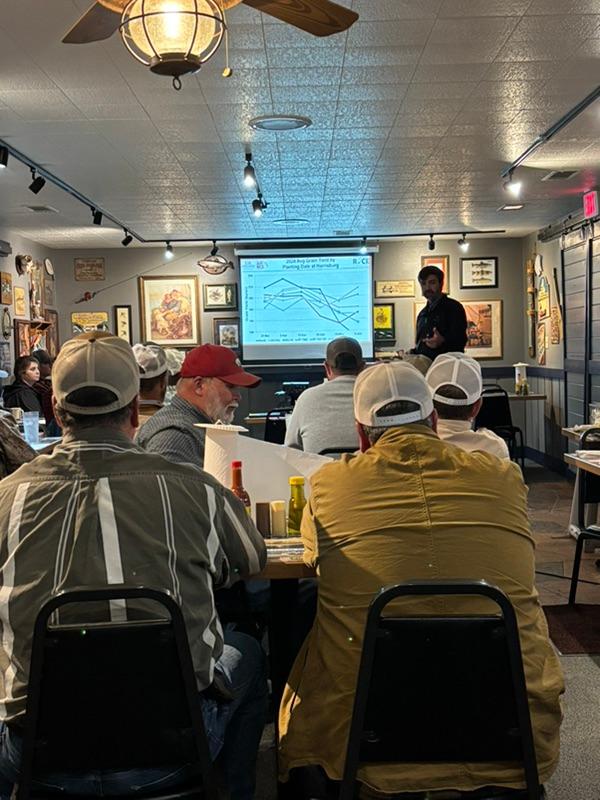
Our annual row crop production meetings will be coming up in early 2026. Save theses dates and I will share more information as we get it.
Corn and Soybean Production Meeting - January 22, 2026 - Morrilton (Place TBA)
Rice Production Meeting - February 24, 2026 - The Barn at Lollie
| |
Crop Enterprise Budgets
Below is a link to the 2026 Crop Enterprise Budgets. If anyone needs assistance with these budgets please let me know.
| |
Morning Coffee And Ag Markets Podcast
This is a great podcast interview with U.S. Senator John Boozman to discuss the major federal policy issues shaping American agriculture. They cover how Congress has approached farm policy this year, including reconciliation packages, appropriations work, and efforts to advance USDA nominees. Senator Boozman also shares insight on the state of farm economic assistance, the rollout of recent disaster and commodity support programs, and how trade and new markets fit into long-term farm profitability.
| | |
November 2025 WASDE report is relatively quiet despite surprises in production and exports
Dr. Hunter D. Biram, Assistant Professor and Extension Agricultural Economist, University of Arkansas
Mr. H. Scott Stiles, Program Associate, University of Arkansas
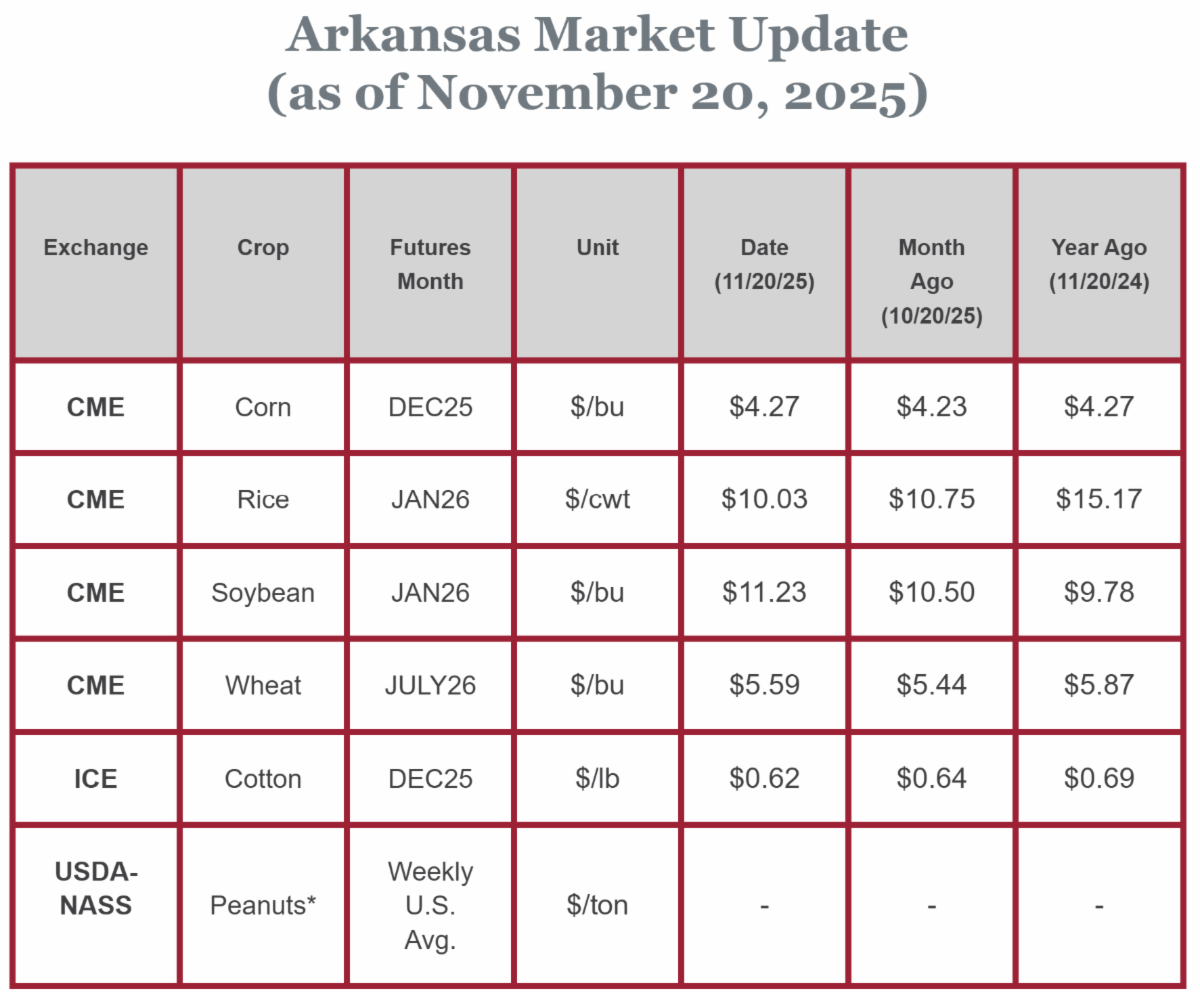
The November 2025 WASDE report is the first since September to be released due to the government shutdown taking place from October 1, 2025 to November 12, 2025. This month’s report was a relatively quiet one with few significant changes to the balance sheets for southern crops. Season-average farm prices for corn and soybeans were revised upward from the September report while the prices for rice and cotton were revised downward. Despite the increases to corn and soybeans, futures markets responded with sharp declines in the nearby futures contracts. This was likely driven by production being higher than industry expectations in corn and soybean exports falling short of expectations. We provide a detailed breakdown of the changes to each crop’s respective balance sheet below.
Long-Grain Rice:
This month’s 2025/26 outlook for U.S. long-grain rice includes lower supplies, unchanged domestic use and exports, and decreased ending stocks. Long-grain production was reduced by 1 million hundredweight (cwt.) this month to 152.7 million. Yields were lowered in all Midsouth states with Louisiana, Mississippi and Missouri all seeing average yields reduced 100 pounds per acre this month. Arkansas’ average yield was lowered by 50 pounds per acre. With no adjustments to demand, long-grain ending stocks were lowered by 1.1 million to 36 million cwt., down 3.5 percent from last year. The 2025/26 season-average farm price (SAFP) was lowered by 50 cents this month to $11.50 per cwt.—the lowest since 2018. This further increases the outlook for sizeable 2025/26 PLC payments, with the current projected payment rate for long-grain at $2.44 per bushel—up 23 cents from September.
Cotton:
The November outlook for 2025/26 U.S. cotton supply and demand included higher production, exports and ending stocks compared to September. There were no changes to domestic mill use and imports. USDA projected the 2025/26 U.S. crop to reach 14.12 million bales, up roughly 897,000 bales from the September report. The national average yield per acre was increased by 58 pounds this month to 919 pounds. This would be the second highest yield on record behind 2022’s 953 pounds.
U.S. exports were raised 200,000 bales to 12.2 million bales while mill use was unchanged from September at 1.70 million bales. This generates a total 2025/26 offtake of 13.90 million bales. Ending stocks for 2025/26 are projected at 4.30 million bales for an ending stocks-to-use ratio of 30.9%. This month’s projected average farm price for 2025/26 is 62.00 cents/lb, down 2 cents/lb from September.
Corn:
The November report for 2025/25 U.S. corn showed increase in total supply, exports, and carryover. Production was revised downward 62 million bushels from 16.814 to 16.752 billion bushels based on a reduction of 0.7 bushels per acre in the national yield. On the demand side of the balance sheet, total use is increased 100 million bushels based on an increase in exports of the same amount. Beginning stocks were increased by 207 million bushels from 1.325 to 1.532 billion bushels. Taken together, these changes represent an increase in total supply of 144 million bushels which is larger than the 44 million bushel increase in total use. Interestingly, this results in a 10-cent increase in the 2025/26 projected season-average price to $4.00/bushel likely driven by the reduction in national yield and a record large export forecast of 3.075 billion bushels.
Soybeans:
The November report for 2025/25 U.S. soybeans showed decreases across the board. Production was revised downward 48 million bushels from 4.301 to 4.253 billion bushels based on a reduction of 0.5 bushels per acre in the national yield. On the demand side of the balance sheet, total use is decreased 51 million bushels based on a decrease in exports of the same amount driven by lower domestic supplies and increased exports by Brazil and Argentina. Beginning stocks decreased by 14 million bushels from 330 to 316 million bushels. Taken together, these changes represent a decrease in total supply of 61 million bushels which is larger than the 51 million bushel decrease in total use. This 10-million-bushel net reduction in ending stocks results in a 50-cent increase in the 2025/26 projected season-average price to $10.50/bushel.
Thoughts on USDA’s November Reporting
Ahead of USDA’s November WASDE and Crop Production reports, concerns arose that NASS might not have sufficient time to conduct an adequate survey of fields and producers given the recent government shutdown. The November 2025 Crop Production survey had 6,692 participants compared to 5,838 last year. Regarding the field surveys, NASS enumerators visited the fields in October and early November, despite the shutdown. NASS provided the objective corn and soy yield data for November. One might argue there is no reason to believe that the November yield estimates are any less (or more) reliable than in previous years.
The next WASDE is scheduled for December 9th. USDA normally makes no crop production adjustments until the NASS Crop Production Annual Summary is released in January. In the near term, the major crop markets will be focused on actual Chinese demand for US soybeans and cotton as well as South American weather. These will be primary drivers of price discovery for the balance of 2025.
| | Beef, Small Ruminants, & Forages | | |
Faulkner County Cattlemen's Meeting
The next Faulkner County Cattlemen's Meeting will be on December 11, 2025 starting at 6:30 pm. Please note the time, I put the wrong time in the last newsletter.
The meeting will be held at the Faulkner County Extension office located at 844 Faulkner Street. There is a road closed sign on Caldwell street, but the road closure is at the intersection, you can go around that sign and park behind the office. If the parking lot behind the office is full, participants can park at the Faulkner County Courthouse and walk over to the meeting. If anyone has questions about the office or parking please feel free to give me a call, email, or text.
| | |
Analyzing Your System
Build Back Better – Replacement Heifers Series – Article 3
Mark Z. Johnson, Oklahoma State University Extension Beef Cattle Breeding Specialist
How do you develop breeding objectives and identify economically important traits on which to apply selection pressure in your cow-calf operation? The answer lies in understanding that your cattle (and their underlying genotype) are just one component of a much larger system. Your production system is a group interdependent components. Animal-related systems vary from large, extremely complex systems such as the beef industry as a whole, to smaller (but still complex) systems like an individual farm or ranch.
To analyze your own unique cow-calf production system, consider the following:
- Your cattle – specifically their genotypes
- Your production environment
- Your fixed resources and management
- Economics
Your cow inventory and bulls used are the means to produce the calves marketed. How would you describe the genetic potential and phenotype of your cowherd, bull battery and calves produced? Is this description a good fit with the other components of your system?
Your production environment refers to all the elements involved in your cow-calf operation over which you have little influence. Examples would include altitude, soils, climate conditions like rainfall, wind and temperature, as well as the quantity and quality of your forage base. Cow-calf production takes place in an extremely wide variety of production environments. A cowherd of the correct genotype to fit their production environment will more efficiently convert grazed forage into pounds of calf raised.
Fixed resources include factors such as the amount of pasture you have for grazing, your ability to grow (or have access to) supplemental feeds, and available labor. Management involves all the practices implemented by you. Examples include vaccination protocols, supplemental feeding, how long will mature cows remain in production and (very importantly), how and when will calves be marketed. Management also involves the selection and mating decisions you make to optimize genotypes in your production system in order to create profit potential.
Economics encompasses all the financial factors unique to your operation. The cost of inputs and value of outputs. Feed, fuel, fertilizer, equipment and labor are input cost. Input expenses are significantly influenced by the cost of maintaining your breeding herd. Furthermore, interest rates on debt and the equity you have in your land and cattle are very important economic factors which often influence marketing plans.
Considering all the components of your production system and how they interact with each other should determine breeding objectives and where selection pressure should be applied. This can result in genotypes that are an environmental fit, are aligned with marketing plans and optimize the use of your resources.
| | |
Building Better Genotypes – Selection and Mating
Build Back Better – Replacement Heifers Series – Article 4
Mark Z. Johnson, Oklahoma State University Extension Beef Cattle Breeding Specialist
The equation: Phenotype = Genotype + Environment, represents how the level of performance of a trait (Phenotype), is the result of genetic makeup of the animal and all environmental (non-genetic) influences. Genotype can be thought of as the underlying genetic potential of animals to reach a level of performance for a given trait. Genotypes are established at conception, inherited from parents. Selection and mating decisions made by cattle producers impact genotypes. Thereby, wise selection and mating decisions, informed by analyzing the components of your production system, have the potential to create better genotypes.
Genotype has two components, these are:
Breeding Value (BV), which is based on the additive effect of individual genes. BV is the sum total of these additive effects of individual genes, across an animals entire genome, which influence any specific trait of interest. BV is the best indicator of a bull or heifers genetic value as a parent. Expected Progeny Differences (EPDs) are estimates of an animal’s BV. Selection of breeding stock based on EPDs is a powerful tool to improve the additive genetic merit of cowherds and calf crops. EPDs are available for reproductive traits, growth traits and carcass traits. Since BV is based on the additive effect of individual genes, it is transmittable from generation to generation. Additive genetic change is cumulative and permanent in selected populations of cattle.
Gene Combination Value (GCV), also commonly referred to as the non-additive component of genotype, is the effect of gene pairs at loci across the genome. Mating decisions, involving the choices we make to crossbreed or inbreed, determine GCV. For example, if we make the mating decision to use an Angus bull on our Hereford cows, we are crossbreeding for the sake of creating hybrid vigor (heterosis). The resulting F1 generation of black-baldy calves will have a maximum level of individual heterosis based on GCV, as an Angus gene will be paired with a Hereford gene across all loci. Since GCV is based on the pair of alleles at a given locus, and since genes from a specific locus can’t be transmitted in pairs, GCV can’t be passed from parent to offspring.
Tips for Building Better Genotypes:
- Each selection and mating decision should be intentional, deliberate and made for a purpose. Selection decisions impact BV. Mating decisions impact GCV.
- Choose breeds (and breeding stock within those breeds) with high breeding value for traits of economic importance to your operation.
- Crossbreeding (to increase GCV/hybrid vigor) does not replace additive genetic merit, it builds off of it.
- Purebred animals are an essential component for effective crossbreeding programs.
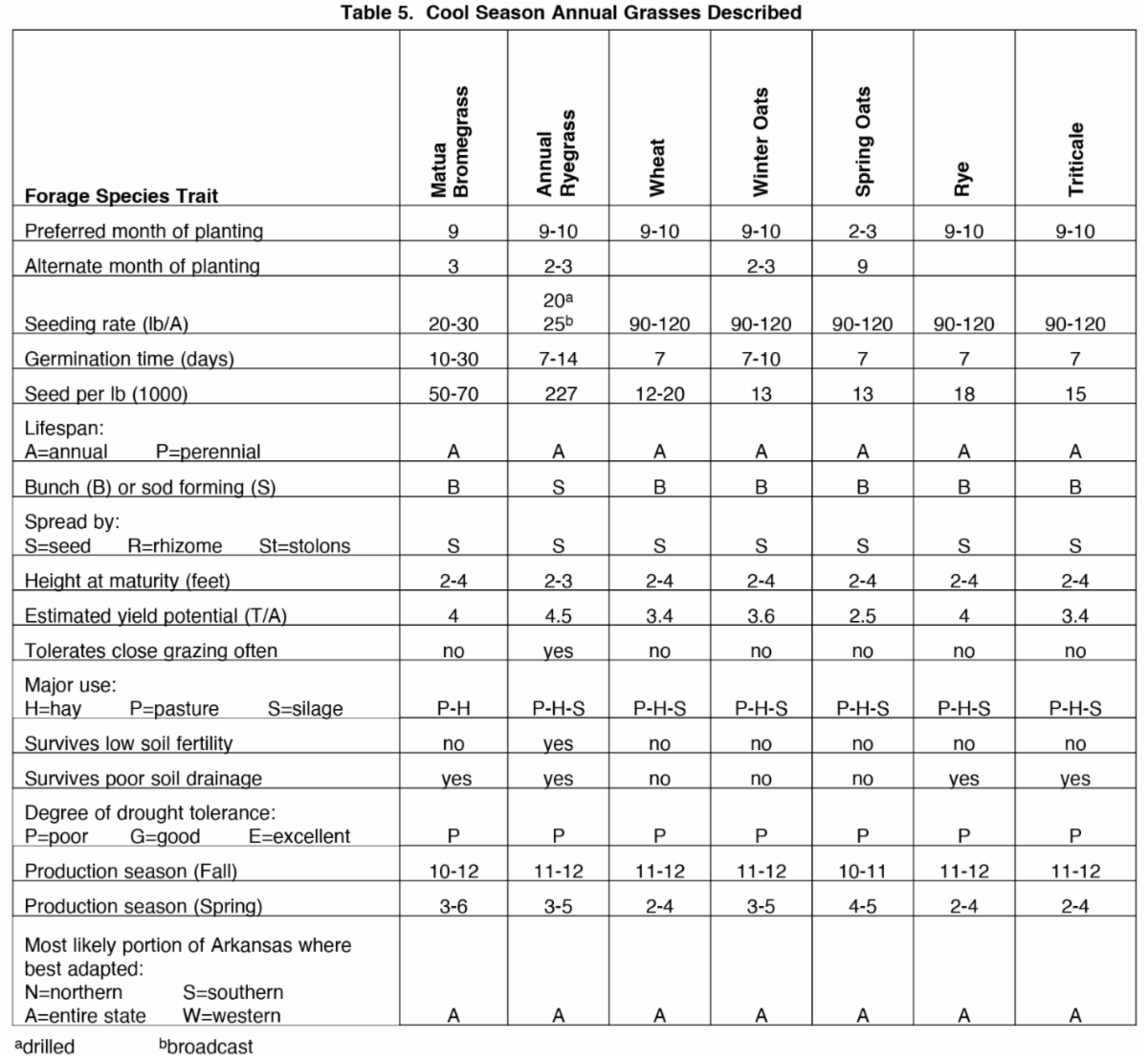
| | Cool Season Annual Resources | | |
Pesticide Applicator Trainings
In order to purchase restricted use pesticides (herbicides, insecticides, fungicides, etc) you must have a private applicators license. The license is good for 5 years.
To obtain a license you must first attend a certification training. Certification trainings are done in person by a County Extension Agent or you can go online and be certified. Below is a link to the online training.
In person trainings this year will all be at the Faulkner County Extension Office and will be on:
December 11 - 2:00 PM
January 29 - 6:00 PM
March 12 - 6:00 PM
April 30 - 2:00 PM
A certification training costs $20 and is due the day of the training.
Once a producer is certified, they will go through the Arkansas Department of Agriculture to obtain the license which is $45.
Please call the Extension office at 501-329-8344 to sign up for one of these dates.
There will be other opportunities for trainings in Perry and Conway County and I will post those as soon as those dates are available.
If you have a question about your license, please follow the License Search and Verification link below to find your license.
| | |
Livestock Market Report
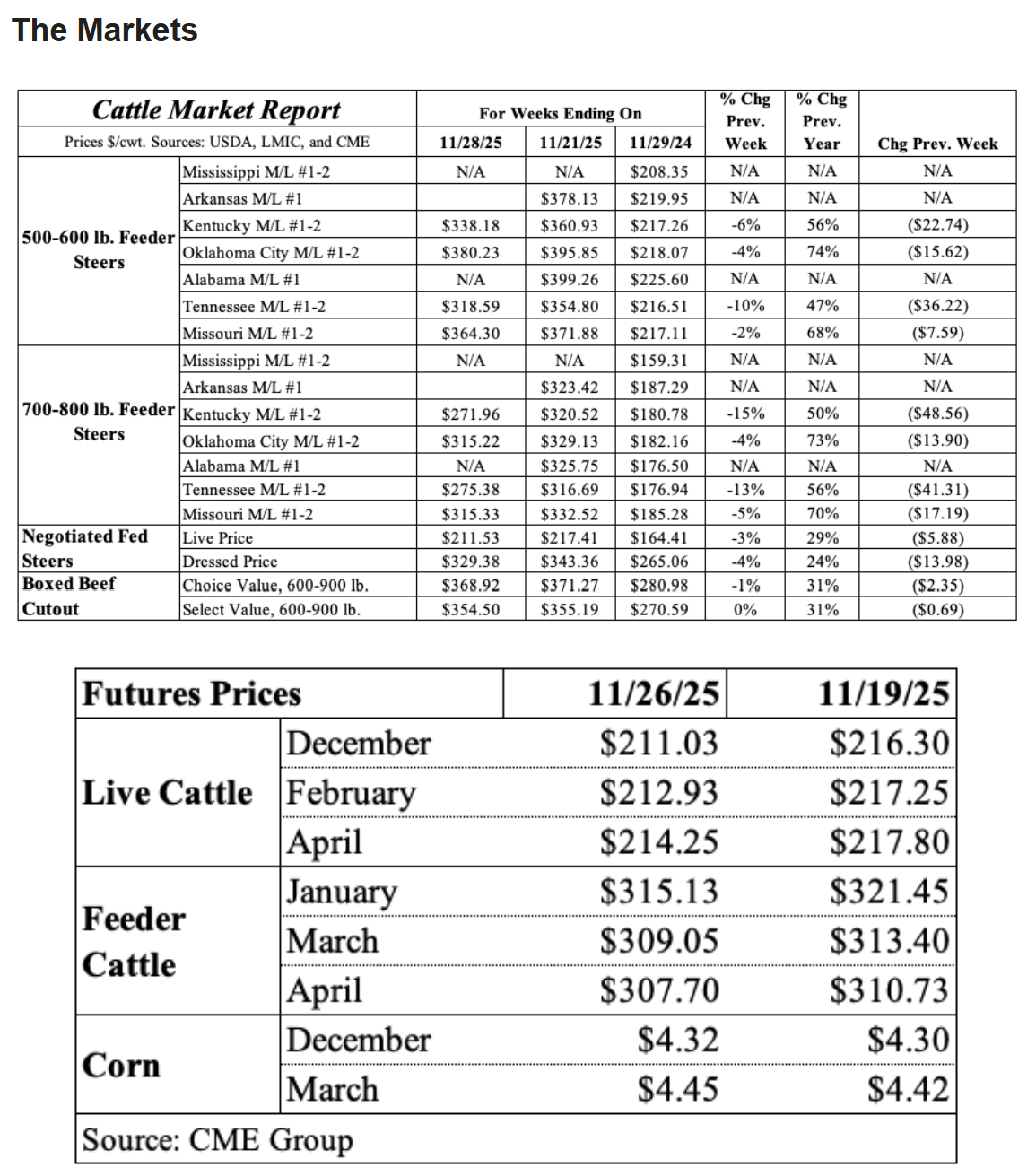
The weekly livestock market report is available on the Arkansas Department of Agriculture website.
| | |
Sign up for Text Alerts
You can now sign up for text alerts from me throughout the year. I have two areas you can sign up for which includes Faulkner Livestock or Faulkner Ag (Row Crop Updates). To sign up you can follow one of these links or use the QR Codes below.
| | Pursuant to 7 CFR § 15.3, the University of Arkansas System Division of Agriculture offers all its Extension and Research programs and services (including employment) without regard to race, color, sex, national origin, religion, age, disability, marital or veteran status, genetic information, sexual preference, pregnancy or any other legally protected status, and is an equal opportunity institution. | | | | |