|
Dear CHEAR Alumni,
Even after making meaningful progress, it’s completely normal for old patterns—or even new challenges around food—to show up again, especially during times of stress, transition, or change in routine.
Food anxiety doesn’t always look the same, and it can shift over time. What once felt manageable might feel harder in a new season, and that doesn’t mean you’ve taken a step backward. It simply means you’re human, navigating new circumstances with the tools you have.
What matters most is how we respond in those moments—with awareness, not judgment. A gentle check-in. A pause. A return to what you know works.
In this month's blog, we’re sharing a reminder of what food anxiety can look like, along with ways to reconnect with the tools you’ve already learned—like Regulation of Cues—and continue building a relationship with food that feels more steady, flexible, and supportive.
And if you find yourself needing a little extra support along the way, please know—we’re always here for you.
With care,
Dr. Kerri Boutelle
Director, CHEAR
| | We encourage you to stay connected with CHEAR on social media, and share your progress with us, call us 855-827-3498! | | When Old Patterns Start to Reappear | | |
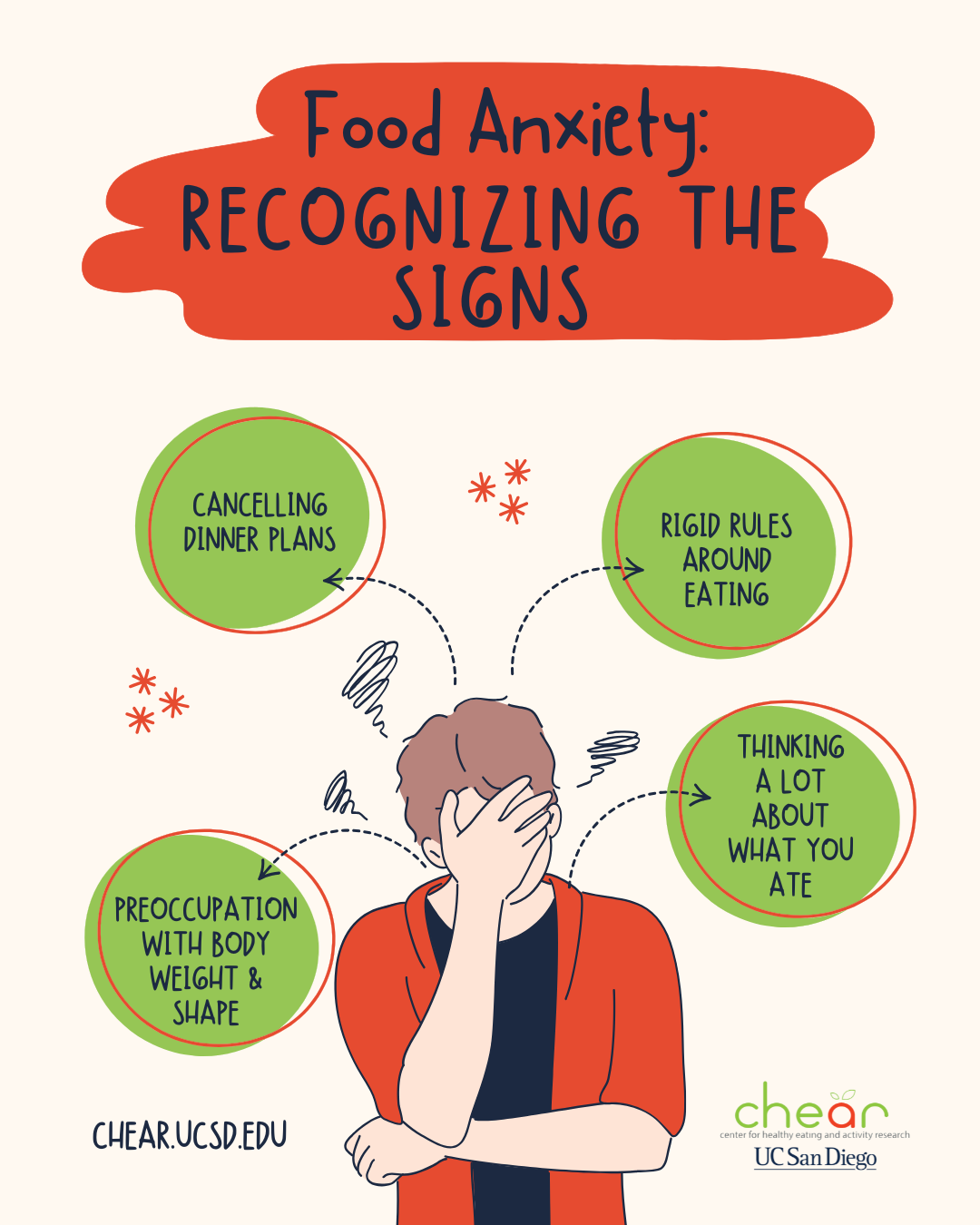
Even after building new skills and making meaningful progress, it’s not uncommon to notice familiar patterns around food showing up again from time to time. These moments can feel frustrating—but they’re also an opportunity to reconnect with awareness and respond with the tools you already have.
Food-related challenges don’t always return in obvious ways. Sometimes, they show up subtly—woven into thoughts, habits, or emotional responses that are easy to overlook at first.
Here are a few signs worth gently noticing:
-
Increased thoughts about food: Spending more time thinking about what, when, or how much to eat—sometimes feeling distracted or preoccupied
-
Avoidance or restriction: Skipping meals, limiting certain foods, or feeling hesitant around situations that involve eating
-
Emotional responses after eating: Experiencing guilt, stress, or discomfort after meals, even when nothing has “gone wrong”
Noticing these patterns isn’t about labeling or judging—it’s about staying connected to yourself. Awareness is often the first step back toward balance.
If any of these feel familiar, it may be a helpful time to revisit supportive tools like Regulation of Cues or simply check in with how you’re feeling—physically and emotionally.
To explore these patterns more deeply and reconnect with strategies that can help, we invite you to click on the link below.
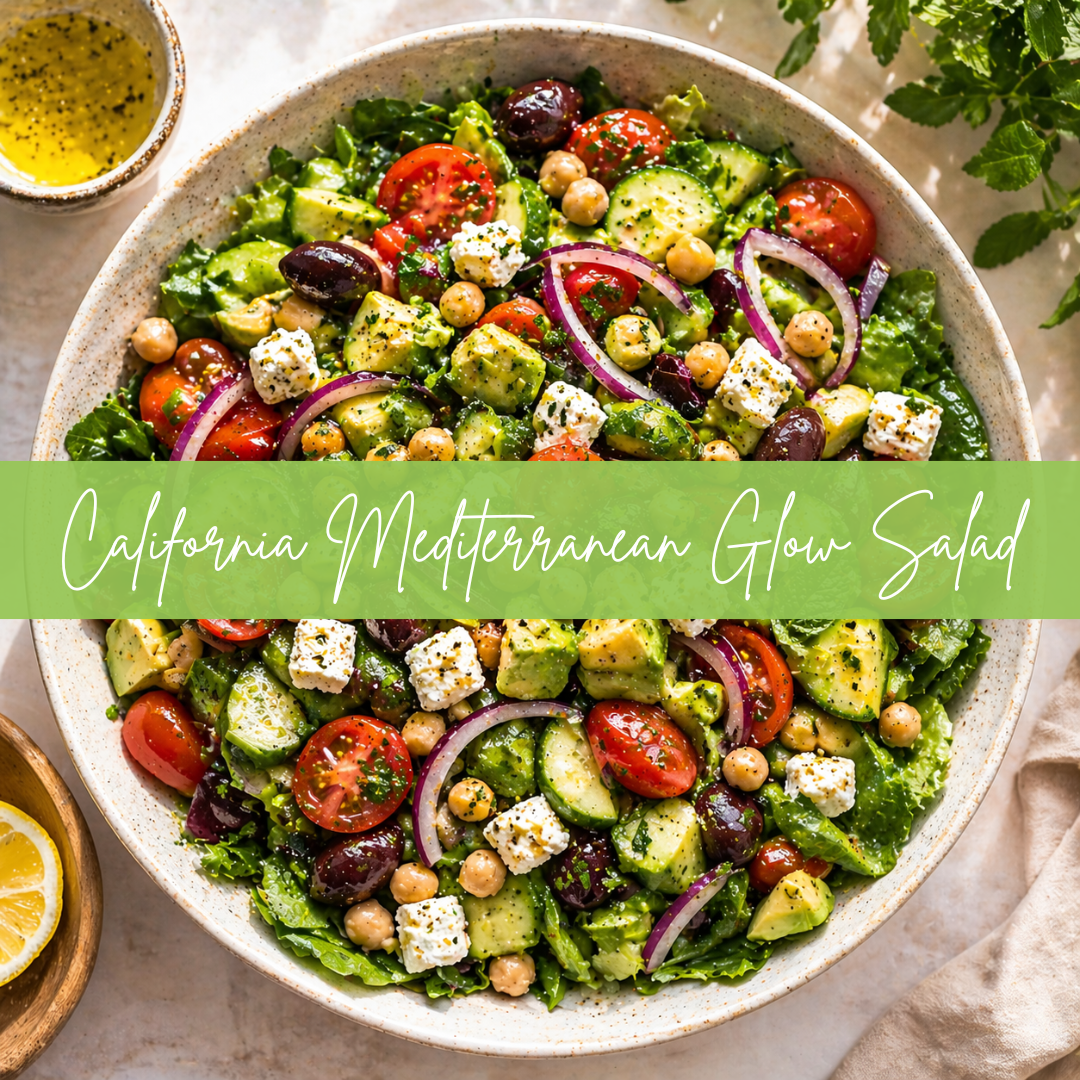
| | California Mediterranean Glow Salad | | |
As the seasons shift and fresh ingredients become more abundant, meals can be an opportunity to slow down, reconnect, and nourish both body and mind. This California Mediterranean Glow Salad brings together vibrant flavors, satisfying textures, and balanced nutrition—without the need for rigid rules or restrictions.
It’s a simple, flexible dish designed to support steady energy and a more easeful relationship with food.
Ingredients
For the salad:
- 2 cups chopped romaine or arugula
- 1 cup cherry tomatoes, halved
- 1 cucumber, diced
- 1 avocado, cubed
- ½ cup chickpeas (drained and rinsed)
- ¼ cup red onion, thinly sliced
- ¼ cup crumbled feta cheese (optional)
- 2 tbsp fresh parsley, chopped
- 1 tbsp fresh mint, chopped (optional but amazing)
Optional add-ins (for protein & staying power):
- Grilled chicken or salmon
- Quinoa (½–1 cup cooked)
- Kalamata olives
For the Dressing:
- 3 tbsp olive oil
- 1 tbsp fresh lemon juice
- 1 tsp Dijon mustard
- 1 small garlic clove, minced
- Salt and pepper to taste
Instructions
- In a large bowl, combine all salad ingredients.
- Whisk together dressing ingredients until well combined.
- Drizzle dressing over salad and toss gently.
- Top with additional herbs or protein if desired. Serve immediately.
Why We Love It
- Balanced with fiber, healthy fats, and protein for steady energy
- Flexible—can be customized without rigid “rules”
- Encourages mindful eating with fresh textures and flavors
A Gentle Mindful Moment
As you enjoy this salad, take a moment to notice:
- What flavors stand out?
- How does your body feel as you eat?
- Small moments of awareness can help build a more supportive relationship with food—one meal at a time.
There’s no “perfect” way to eat—just what feels supportive and sustainable for you. Whether enjoyed as a light lunch, a shared meal, or a base you build on, this salad is a reminder that food can be both nourishing and enjoyable. Small, intentional moments like this can help create a more balanced and positive connection with eating over time.
| | |
GET INSPIRED!
Follow Us On Social Media
| |
Reconnecting with Regulation of Cues (ROC) | |
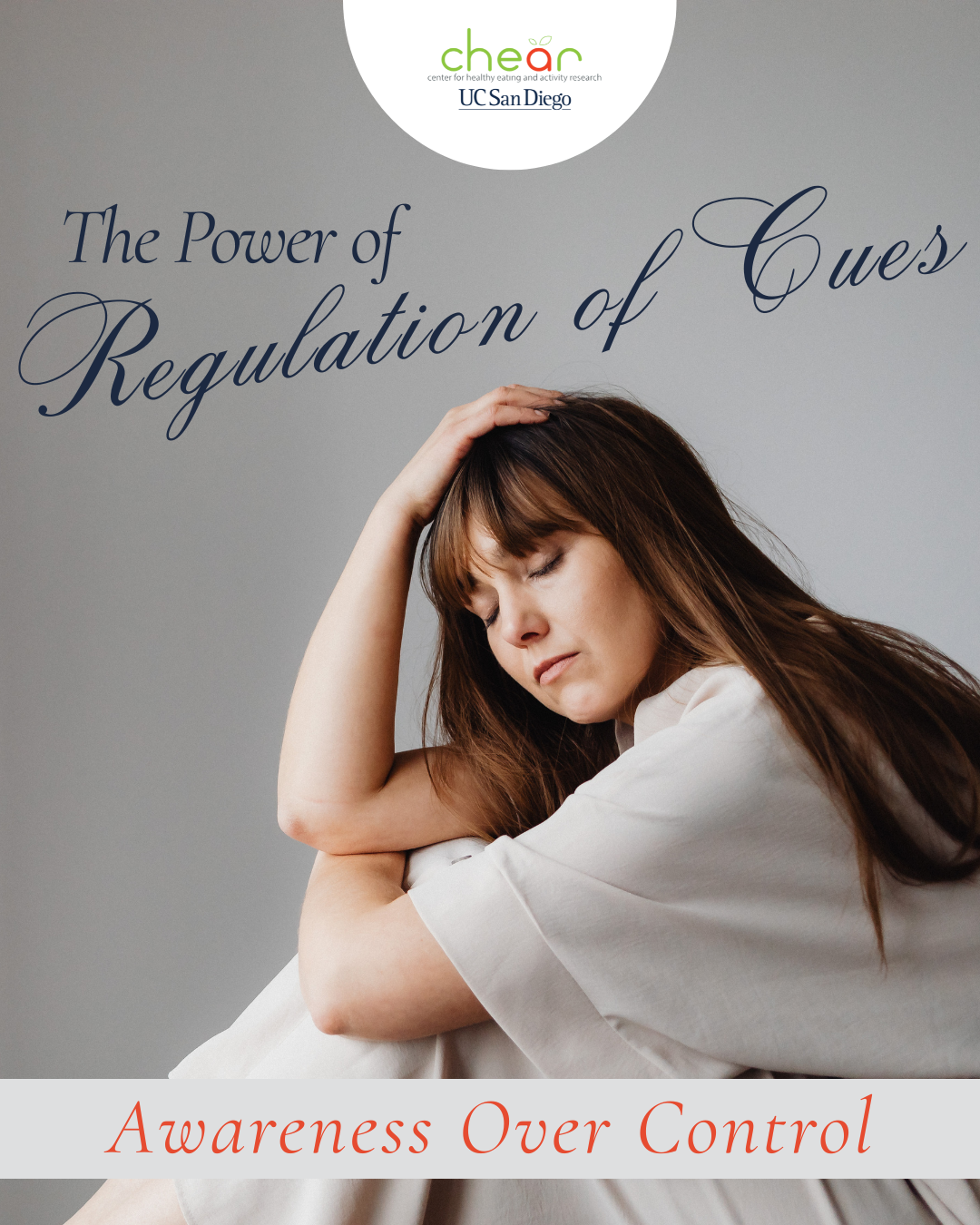
As life shifts and routines change, it’s natural to feel a little disconnected from the tools that once felt second nature. The good news is—you don’t have to start over. Regulation of Cues (ROC) is something you can return to at any time, in any season, as a steady and supportive guide.
ROC isn’t about getting it “perfect.” It’s about building awareness—learning to notice what’s happening in your body, your environment, and your emotions, and responding with curiosity instead of control.
Here’s a simple refresher:
-
Internal cues (hunger, fullness, emotions): ROC invites you to tune into your body’s signals—recognizing when you’re physically hungry, comfortably full, or eating in response to emotions rather than physical need
-
External cues (environment, habits): It also helps you notice the outside influences that shape eating—like routines, availability of food, social settings, or even time of day
-
Awareness over control: The goal isn’t to restrict or manage every bite—it’s to increase awareness so you can make more flexible, supportive choices without pressure or judgment
Returning to ROC can be as simple as pausing before or after a meal and asking, "What am I noticing right now?" That small moment of awareness can gently guide your next step.
You don’t have to do this alone. If you’d like a deeper refresher or additional support, we invite you to read this month’s blog at the link below and explore the CHEAR website for tools, resources, and guidance whenever you need it.
| | |
May is Mental Health Awareness Month—a meaningful reminder that caring for your mental health is an ongoing journey, not just a moment in time.
While conversations often center around anxiety and depression, food-related stress is another important part of overall well-being. Many people experience worry, guilt, or overwhelm around food at different points in their lives—even if it’s not something they’ve always talked about openly.
This month offers an opportunity to:
- Recognize that challenges around food are more common than we think
- Reflect on your own relationship with food and how it may be evolving
- Create space for more compassionate, judgment-free conversations
- Remember that support is available—at any stage, not just during difficult moments
Even small moments of awareness—pausing to notice how you feel around meals, or giving yourself a little more flexibility and understanding—can make a meaningful difference over time.
As awareness grows, so does the ability to reduce stigma and reconnect with tools and support that can help you feel more grounded and at ease.
If you’re curious to learn more or revisit helpful strategies, we invite you to explore this month’s blog and CHEAR’s resources for continued support.
| | | | |