Summer Reflections & Smart Planning | | |
As summer continues, it offers an opportunity to reflect, reconnect, and plan thoughtfully for the future. At Roth|Escher Art Group, we remain committed to helping collectors and their trusted advisors make informed decisions that protect and preserve the collections they value most.
In this issue, we explore one of the most meaningful ways collectors can create a lasting legacy: charitable donations of artwork. We examine five common and often costly mistakes that can arise when gifting art to museums and charitable institutions, along with practical planning strategies to help ensure philanthropic intentions are successfully realized.
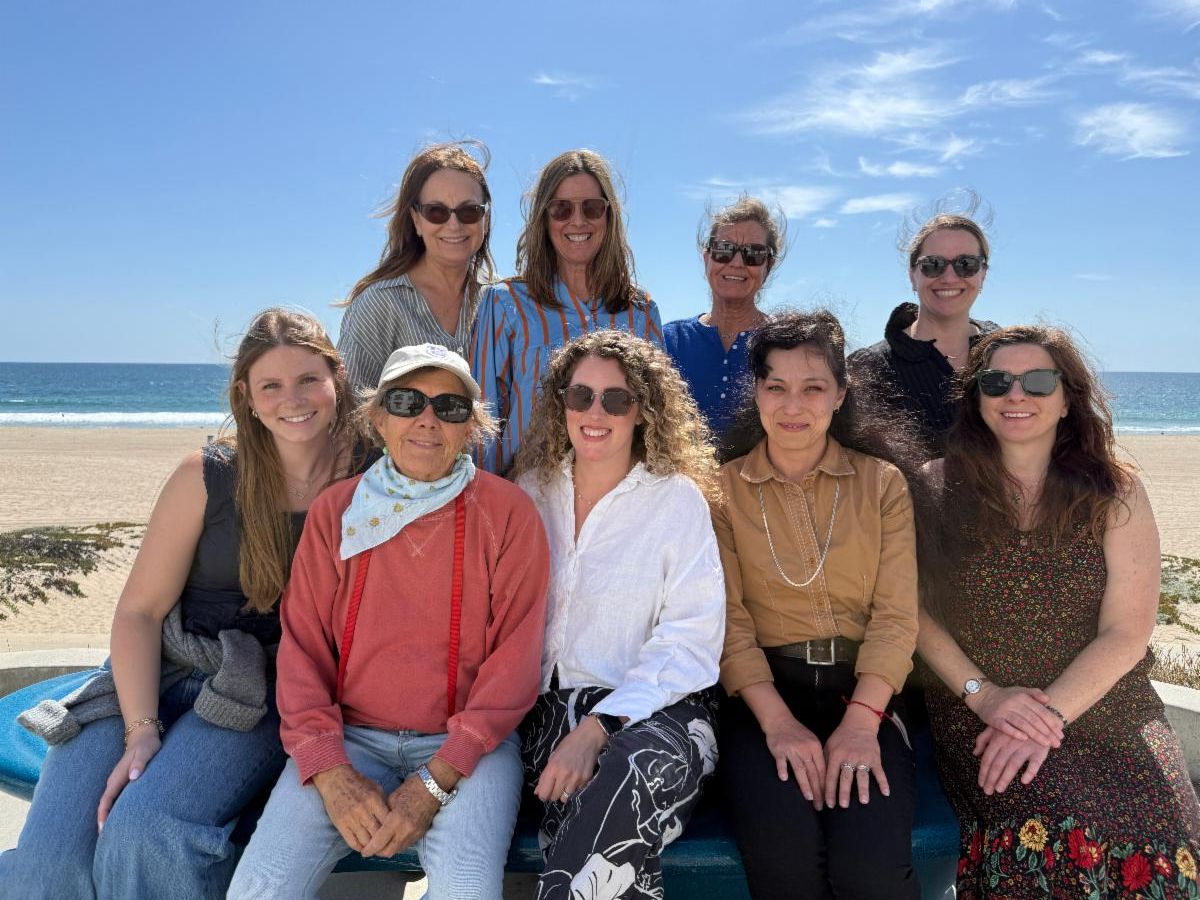
We also celebrate an exciting milestone as Roth|Escher Art Group marks one year since the joining of our two firms. Thank you to our clients, colleagues, and professional partners for your continued trust and support throughout this first year together.
As always, you'll also find our "Ask the Appraiser" feature, a book recommendation from our team, and a selection of museum exhibitions and gallery shows that have captured our attention this season.
We are deeply grateful for the confidence you place in our appraisal and collection management services. It is a privilege to work alongside collectors, families, attorneys, accountants, fiduciaries, and institutions, and we look forward to continuing to serve as a trusted resource.
Warmly,
The Roth|Escher Art Group Team
| | The 5 Most Expensive Mistakes Collectors Make When Donating Art to Charity | | Thoughtful planning before a gift is made can save time, reduce costs, and help ensure a collector’s philanthropic intentions are ultimately fulfilled. | | |
Donating artwork to a museum or charitable institution can be one of the most rewarding ways to preserve a collector’s legacy. It can also provide meaningful tax benefits while supporting organizations whose missions reflect the donor’s values.
Unlike cash or marketable securities; however, charitable gifts of art require two parties to agree that the donation makes sense. The donor may wish to give, but the institution must also determine that accepting the work advances its mission and justifies the long-term commitment of resources.
For that reason, planning should begin well before an appraisal is commissioned or estate documents are finalized. An appraisal professional can often provide value long before a report is prepared, helping collectors evaluate which works may be appropriate donation candidates, identify potential obstacles, coordinate with tax and legal advisors, and encourage conversations with prospective recipient institutions before plans become difficult to change.
| | |
Here are five of the most common
(and costly) mistakes to avoid:
| | |
1. Waiting Until the Estate Is Being Administered
Many collectors assume that naming a museum in a trust or will is enough. Unfortunately, that is often not the case. Museums evaluate every proposed gift based on their collecting mission, existing holdings, conservation needs, storage capacity, provenance, condition, and available resources. A gift that seems like a perfect fit to the donor may not be accepted by the institution.
Planning Tip: Begin conversations with prospective recipient institutions during your lifetime whenever possible, not after your estate is being settled.
| |
2. Assuming Every Artwork Will Be Accepted
Collectors understandably value the works they have spent years acquiring. Museums, however, make decisions through a different lens.
A work may be declined because it duplicates objects already in the collection, falls outside the institution’s collecting priorities, requires significant conservation, or creates long-term storage obligations.
Planning Tip: Focus on finding the institution that is the best fit for the artwork - not simply the most prestigious one.
| |
3. Underestimating the True Cost of a "Gift"
A charitable donation can involve significant expenses before the artwork ever reaches the receiving institution.
These costs may include:
- Qualified appraisal fees
- Conservation or restoration
- Packing, transportation, and insurance
- Framing or installation preparation
- Collection management and documentation
Understanding these costs early allows donors to make informed decisions and avoid unexpected financial burdens.
| |
4. Creating Too Many Restrictions
Collectors often wish to require permanent display, prohibit future sale, or dictate exactly how a work will be exhibited or used.
While these requests are understandable, extensive restrictions can make a gift less attractive, or even unacceptable, to the receiving institution. Museums need flexibility to manage collections responsibly as exhibitions, facilities, and collecting priorities evolve over time.
Planning Tip: Clearly communicate your philanthropic goals while allowing the institution reasonable flexibility to steward the artwork over the long term.
| |
5. Treating the Appraisal as the Final Step
For charitable contributions of artwork valued at more than $5,000, the IRS generally requires a qualified appraisal prepared by a qualified appraiser. Depending on the value and circumstances of the gift, additional documentation, including IRS Form 8283, may also be required.
But compliance is only one part of the process. An appraisal should be viewed as a planning tool, not simply a tax requirement. Engaging an appraiser early allows donors and their advisors to identify appropriate donation candidates, understand market value, anticipate IRS requirements, and coordinate timing with estate planning attorneys, tax professionals, and recipient institutions.
Planning Tip: The best charitable gifts are planned collaboratively. Bringing your appraisal professional into the conversation early often leads to better philanthropic and tax outcomes.
| | |
When Good Intentions Aren't Enough
A collector directed several important paintings to a museum through a testamentary trust but never confirmed the museum’s willingness to accept them.
After the donor’s death, the museum declined several works because they duplicated existing holdings and would have imposed significant storage and conservation obligations.
Unfortunately, the trust contained no contingency plan if the gift was refused. The result was months of delay, additional legal and storage expenses, and difficult decisions for the trustee and beneficiaries while an alternative disposition was negotiated.
The Lesson: A charitable gift should never come as a surprise to the receiving institution. Early conversations, flexible estate planning language, and thoughtful coordination among the donor’s advisors can help ensure that philanthropic intentions become a successful legacy rather than an administrative challenge.
| | |
Successful charitable art donations do not happen by accident. They result from early planning, realistic expectations, and collaboration among collectors, estate planning attorneys, tax advisors, appraisers, and charitable institutions.
By asking the right questions early in the process, collectors can avoid costly mistakes and help ensure that their artwork fulfills the philanthropic purpose they intended.
Planning a charitable gift?
If you or your clients are considering donating artwork to a museum or charitable institution, involving an appraisal professional early in the process can help identify potential issues before they become costly obstacles. We are always happy to discuss planning strategies, even before a formal appraisal is needed.
| | |
Ask the Appraiser
How can the same print have different values?
| | |
What appears to be the same print is often not the same print at all. An image may exist as an original fine art print such as an etching, lithograph, woodcut, or screenprint and also as a poster or reproduction. Original fine art prints are created using traditional printmaking techniques and are typically produced in limited editions, while posters and reproductions are mass-produced and generally have much lower values. Even among original prints, value can vary depending on whether the artist personally signed the print or the signature is simply printed in the image ("signed in the plate"), the size of the edition, rarity, condition, provenance and overall quality. Two prints that look nearly identical at first glance can differ in value by thousands of dollars because of these important distinctions.
Have a question for the appraiser? Send it our way, we may feature it in an upcoming newsletter.
| | What our Team is reading: | | |
Liza Hickey Recommends:
Empty Mansions: The Mysterious Life of Huguette Clark and the Spending of a Great American Fortune, by Bill Dedman and Paul Clark Newell Jr.
This book is a rich mystery of wealth and loss, connecting the Gilded Age opulence of the nineteenth century with a twenty-first-century battle over a $300 million inheritance.
| | |
Celebrating One Year as Roth | Escher Art Group
In May we celebrated the one-year anniversary of Roth|Escher Art Group! This milestone marks an exciting year of growth, collaboration, and expanded capabilities as we continue to bring together the experience and expertise of two respected appraisal firms.
We are grateful to our clients and colleagues for their continued trust and support, and we look forward to the next chapter of serving collectors and their advisors.
| | Upcoming Exhibits and Gallery Shows Not to be Missed | | |
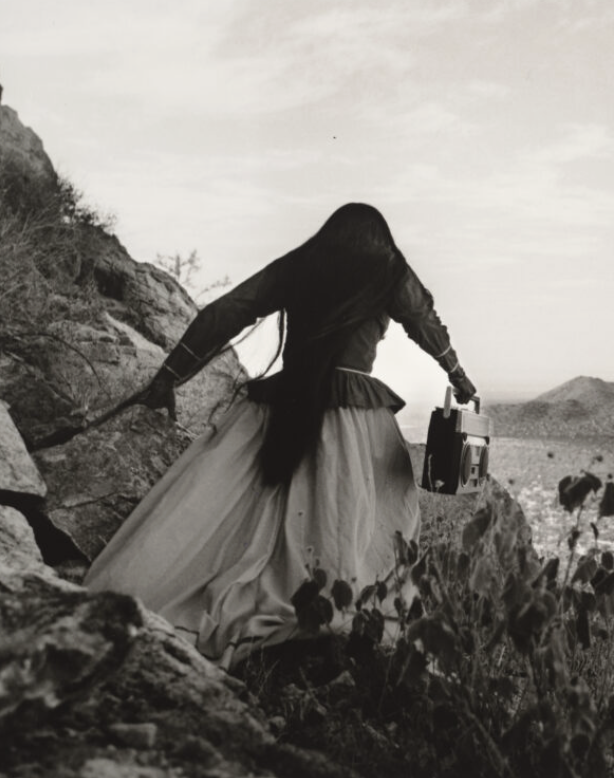
Graciela Iturbide, Mujer ángel, Desierto de Sonora, México, 1979.
Photo © sfmoma.org
| | |
Graciela Iturbide: Between Two Worlds
SFMOMA: July 16 - Nov 29, 2026
Spanning more than five decades of works by photographer Graciela Iturbide, the exhibit explores her poetic commitment to capturing everyday life in her home country of Mexico. Her photographs reflect the spectrum of life in Mexico from markets and festivals to gardens and self-portraits.
| | |
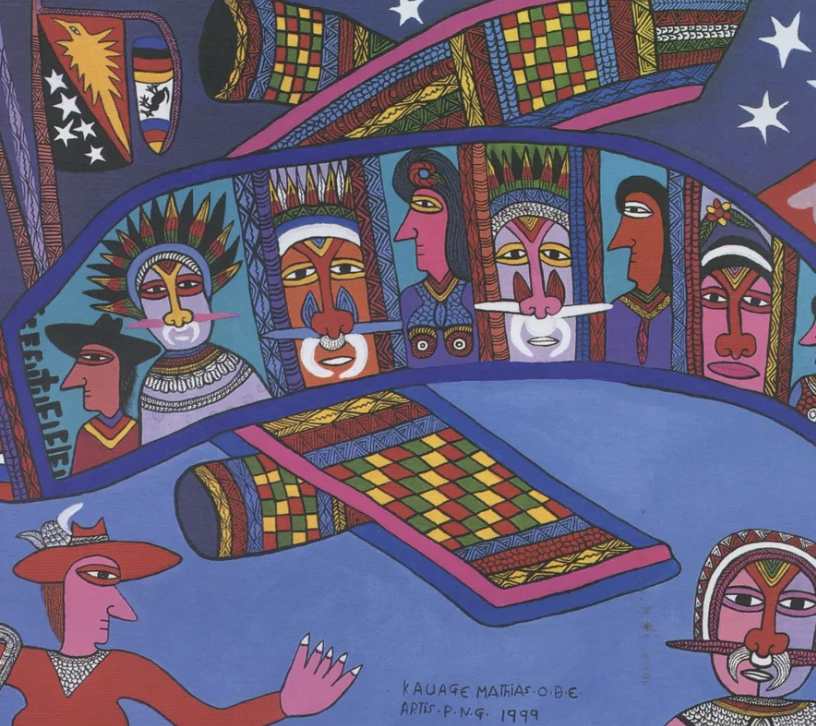
Contemporary Painting in Papua New Guinea: Mathias and His Family
de Young: Now - Dec 6, 2026
Mathias Kauage is known for his colorful paintings depicting the societal changes around him during his lifetime. This exhibition features his works that address these moments in time, such as Papua New Guinea's independence and the HIV/AIDS epidemic.
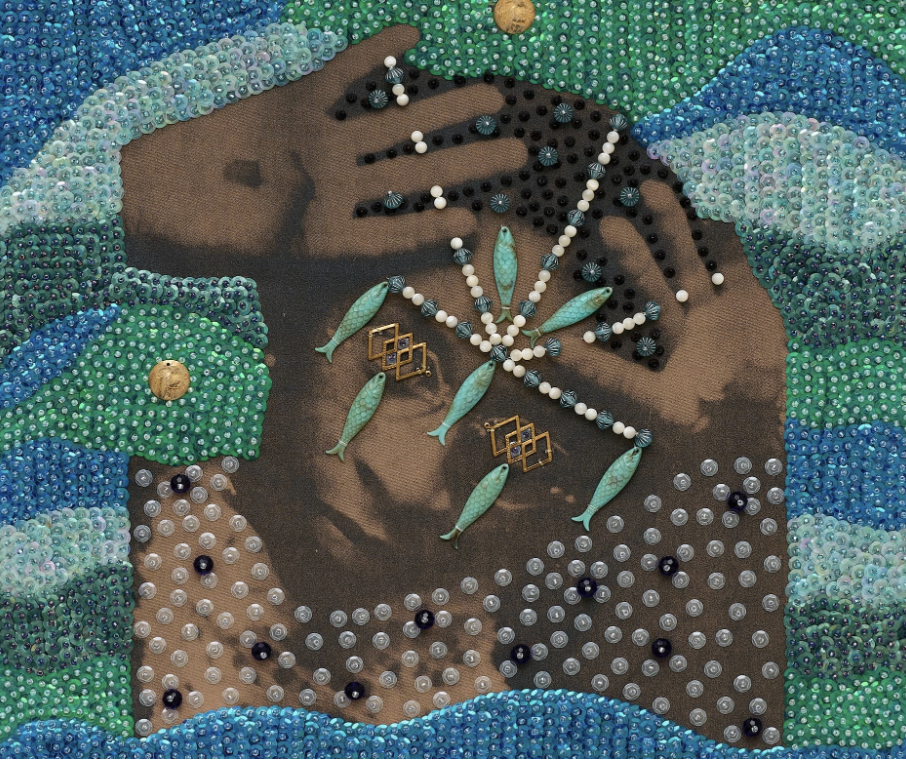
| | Mathias Kauage, Mingu Village, Kundiawa-Gembogl District, Chimbu [Simbu] Province, now in the independent country of Papua New Guinea, ca. 1944–2003 | | |
Demetri Broxton Ancestral Echoes
Photo © moadsf.org
| | |
Demetri Broxton: Ancestral Echoes
MOAD: Now - Aug 16 2026
This ongoing body of work explores ancestry through screen-printed textiles, beadwork, cowrie shells, sequins, and other materials. Broxton places his ancestors in new visual contexts to honor and explore their pasts.
| | |
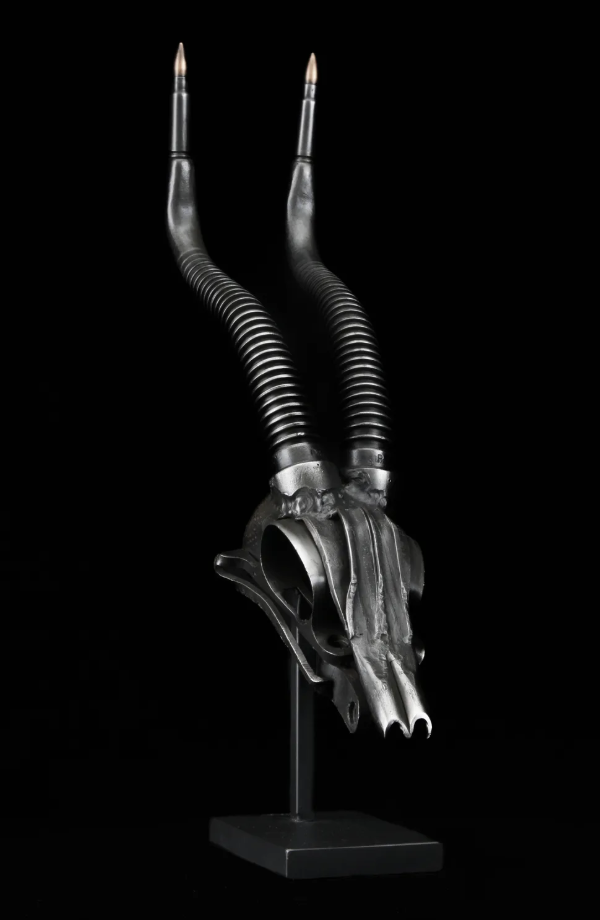
Al Farrow: It's Not Dark Yet
Catharine Clark Gallery
Now - Aug 15 2026
This exhibit features a variety of different animal skulls created from weapons that resemble wall mounts and/or hunting trophies but with a darker edge. Farrow created these pieces using leftover materials from his previous series.
| | |
Al Farroe Gazrlle Skull, 2025
Photo © cclarkgallery.com
| | | | |
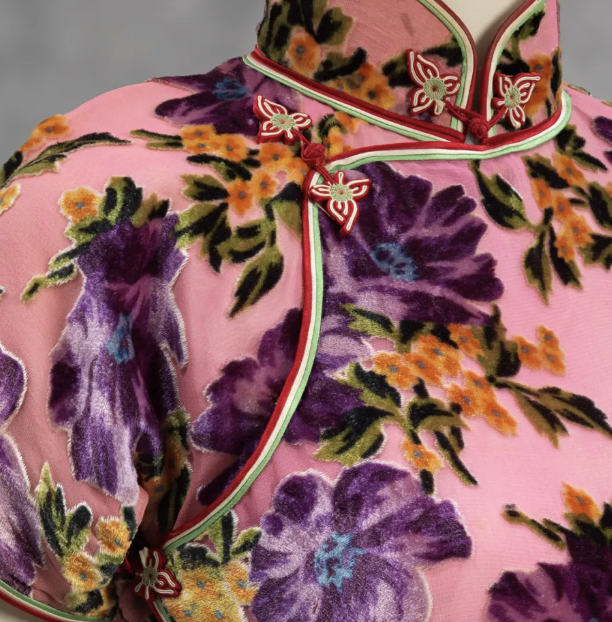
Fashioning Chinese Women: Empire to Modernity
LACMA: Now - Oct 12, 2026
This exhibit traces an entire century of fashion transformations through more than 70 ensembles from Shanghai, Hong Kong, and America. It captures the evolution of Chinese women's fashion from looser-fitting robes in the 1930s to cheongsams in the 60s.
| | |
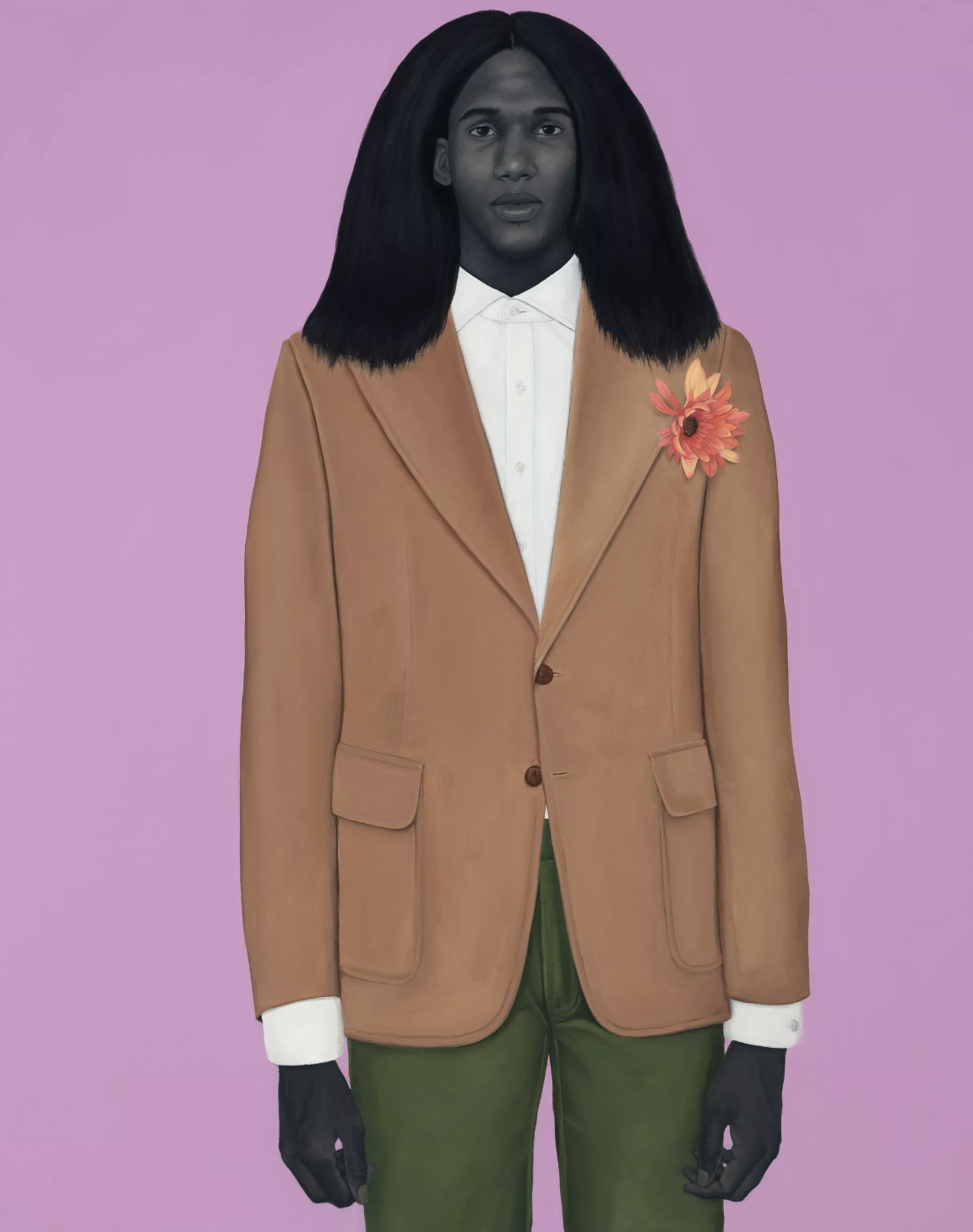
Destiny is a Rose: The Eileen Harris Norton Collection
Hauser & Wirth, DTLA Now - Aug 16, 2026
This exhibit features paintings, sculptures, and works on paper from Harris Norton's holdings meant to celebrate the connoisseurship and commitment to social justice that she embodies. She holds a legacy for focusing on female artist, artists of color, and native to California.
| | |
Amy Sherald, When I let go of what I am, I become what I might be (Self-Imagined Atlas) 2018
Photo © hauserwirth.co
| | |
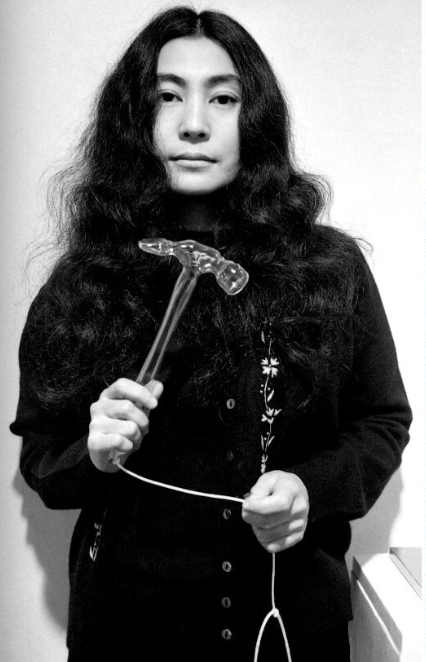
Yoko Ono holding Glass Hammer, 1967
Photo © thebroad.org
| | |
Yoko Ono: Music of the Mind
The Broad: Now - Oct 1, 2026
This is a multimedia exhibition that features visual, audio, video, and even interactive artworks. Visitors are invited to participate in many of Ono's works that transform simple acts into artistic expressions of peace and connection. The exhibit highlights Ono's impact on society and includes her personal stories which shaped the art she created.
| | Thank you for your support and partnership. Please visit our website for more information or to request a consult. | | Roth | Escher Art Group | 925-299-6850; 310-633-5047 | P.O. Box 545 Lafayette, CA 94549 | Website | | | | |