| |
|
"A dead thing can go with the stream, but only a living thing can go against it" — from The Everlasting Man (1925) G.K. Chesterton.
The Takeaway: Going with the current takes nothing. No effort, no risk, no argument. It is what happens to you when you stop.
This District has never once been carried anywhere it wanted to go. Everything we hold, we hold because somebody upstream of us swam for it.
| |
Sowing the Seeds of Liberty:
250 Years of American Resilience
| | |
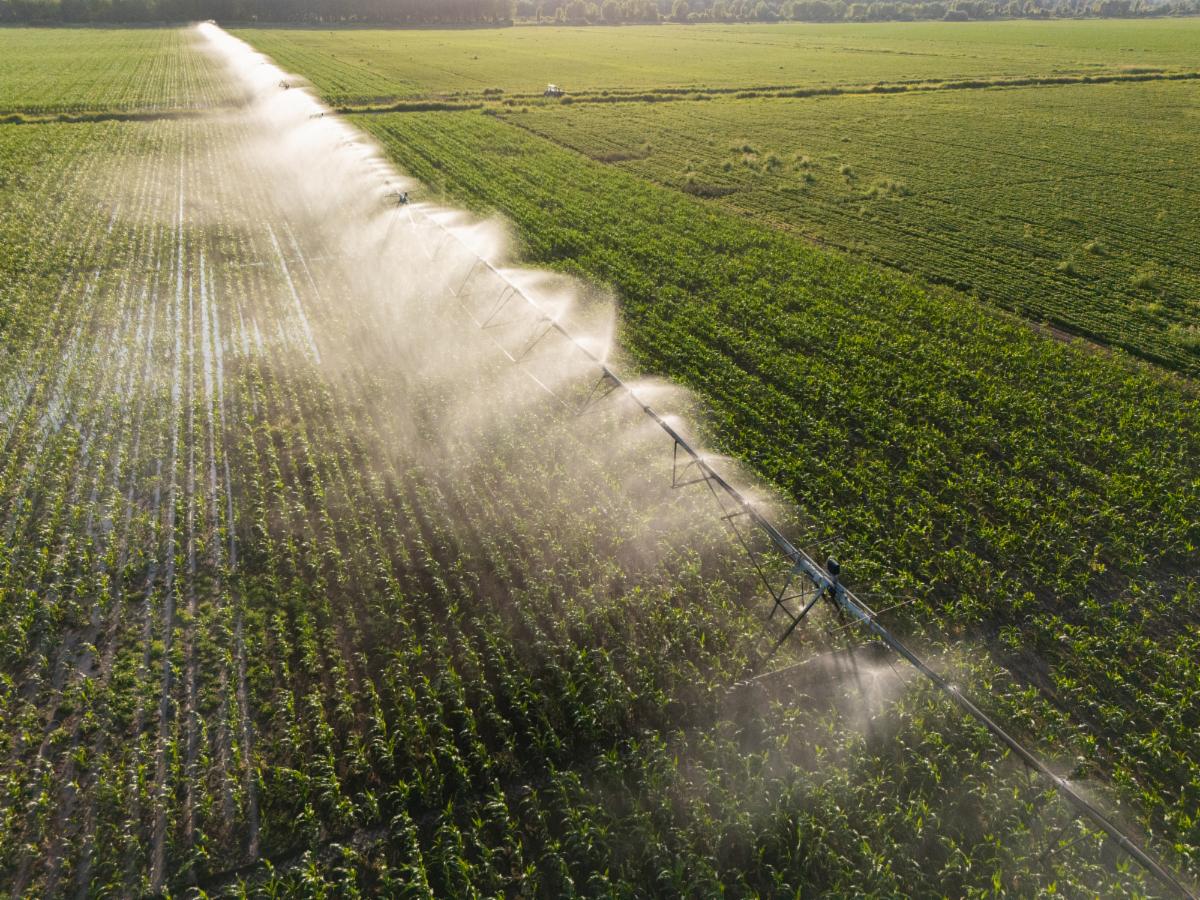
As America celebrates 250 years of independence, we recognize that the nation’s strength still begins with the land, water, and people who produce its food. The Klamath Project’s farmers and communities carry that legacy forward—conserving vital resources, sustaining rural economies, and helping ensure that American families can depend on a secure, abundant, and domestically produced food supply.
Food security is national security, and the Klamath Project remains essential to both.
| |
Two hundred fifty years in, this country still eats because somebody gets up and does the work. It has never once been automatic.
| | |
- July Water Supply & Operations: What Farmers Need to Know
- K.I.D. Board of Directors Update
- Sign our Title Transfer Petition
- Klamath County Grasshopper Infestation Update
- Klamath River Juvenile Salmon Health: What Is Known and What Remains Under Review
- Klamath Project Refuge & Wetland Conditions
- Worth Your Time: Research, Policy & Partner Updates
- Opportunities
| |
July Water Supply & Operations:
What Farmers Need to Know
| |
|
Key projection
At the summer diversion rates now projected, the Project is on track to divert the full 221,000 acre-feet Reclamation has made available under its 2026 Operations Plan at the end of September.
Getting there still depends on everyone's help — using less water and helping stretch the season.
1. The Clock is Ticking: Only 46% of Our Water Supply Remains as of 17 July
2. September 30 is the Goal: We are Taking Action to Stretch the Supply
3. Wildlife Health: Monitoring Avian Botulism at Tule Lake
Avian botulism has appeared at Tule Lake National Wildlife Refuge and is so far contained. Water managers and tribal and federal personnel are working to improve conditions before it escalates
For the complete details on these stories, district updates, and upcoming board meeting agendas, please read the full newsletter below or visit us at www.KlamathID.org.
| | | |
Weather Seasonal Climate Forecast for August - October 2026
| |
Drought Vulnerability Assessment is now available on OWRD website | The Oregon Water Resources Department contracted with Oregon State University, University of Oregon, and the National Drought Mitigation Center at the University of Nebraska-Lincoln, to undertake a Drought Vulnerability Assessment that examines drought frequency, intensity, and impacts across the state, along with policy and water justice considerations. The Assessment consists of four reports authored by researchers from the three universities. You can access the Assessment on the OWRD website. | | | |
K.I.D. Board Of Directors July Update - Klamath Irrigation District | |
Your Board of Directors met on June 11 and July 9 to navigate one of the most challenging water years in recent memory. We want to be entirely transparent: this season is incredibly tough. Managing a tight supply while fighting systemic regulatory pressure requires constant adaptation.
This link provides an overview of the critical issues, legal battles, and operational updates your Board addressed over the last two months
| | | 13 August @ 1p.m. - K.I.D. Board of Directors Meeting - Klamath Irrigation District | |
Next Board of Directors Meeting - 13 August at 1pm
The mission of Klamath Irrigation District is to acquire, maintain, assure, and deliver an adequate water supply for beneficial use on qualified land with the Klamath Project.
We represent our Patrons before government agencies, the legislature, Congress, and in such forms as appropriate for the perfection and protection of their water rights. We defend the District from actions which would diminish our effectiveness and function. We further promote the conservation of water, soil, and other natural resources.
Click "Read More" for more information and our standing agenda.
| | | | Sign our Title Transfer Petition | |
Title Transfer - Klamath Irrigation District |
Think of it like a house
Most people in this Basin have already made this deal. It just had a different name on it.
You buy a house. The bank puts up the money. You move in — and from that first day the house is yours to look after. You fix the roof. You clear the gutters. You pay the taxes and carry the insurance. If the porch step gives way under the mail carrier, that is on you, not on the bank. The bank has never once mowed the lawn.
You make the payments for thirty years. And on the day the last one clears, the lender signs the release and the deed is yours. Not as a favor. Not because someone at the bank felt generous. Because that was the arrangement from the very first signature.
That is the Klamath Project.
The District has carried the roof and the gutters since 1955. It has carried the liability too — under Article 25 of the same contract, the District holds the United States harmless for anything that happens on these works. Seventy-one years of repairs, replacements, payroll and risk, every dollar of it paid by the people who farm behind these ditches.
The last payment cleared on May 4, 1965. The government wrote back and confirmed it in 1966. Confirmed it again in 1980. And again in 1985.
The deed never came.
Here in Oregon, when you pay off a trust deed the trustee signs a reconveyance and title comes home to you. Article 5 is the District's reconveyance clause. It has been sitting unsigned since the debt cleared.
| | | |
Great American Fair - Klamath Irrigation District | |
Representing Klamath
When the State of Oregon officially decided to sit out the National Mall's historic 250th "Great American State Fair," our allies in D.C. saw an opportunity. Instead of letting the Oregon pavilion sit empty, they stepped in!
Our friends set up shop in the unoccupied space, handing out literature to thousands of national visitors, explaining the vital role of the Klamath Reclamation Project, and proving why K.I.D. is absolutely essential to American food security.
We want to extend a massive thank you to our advocates in Washington, D.C., as well as our critical partners within the USDA Natural Resources Conservation Service (NRCS) and the U.S. Department of Agriculture. They ensure the voice of the Klamath Basin farmer is always heard!
| | | | Klamath County Grasshopper Infestation Update | |
Grasshoppers and Mormon Cricket Reporting - Klamath Irrigation District | |
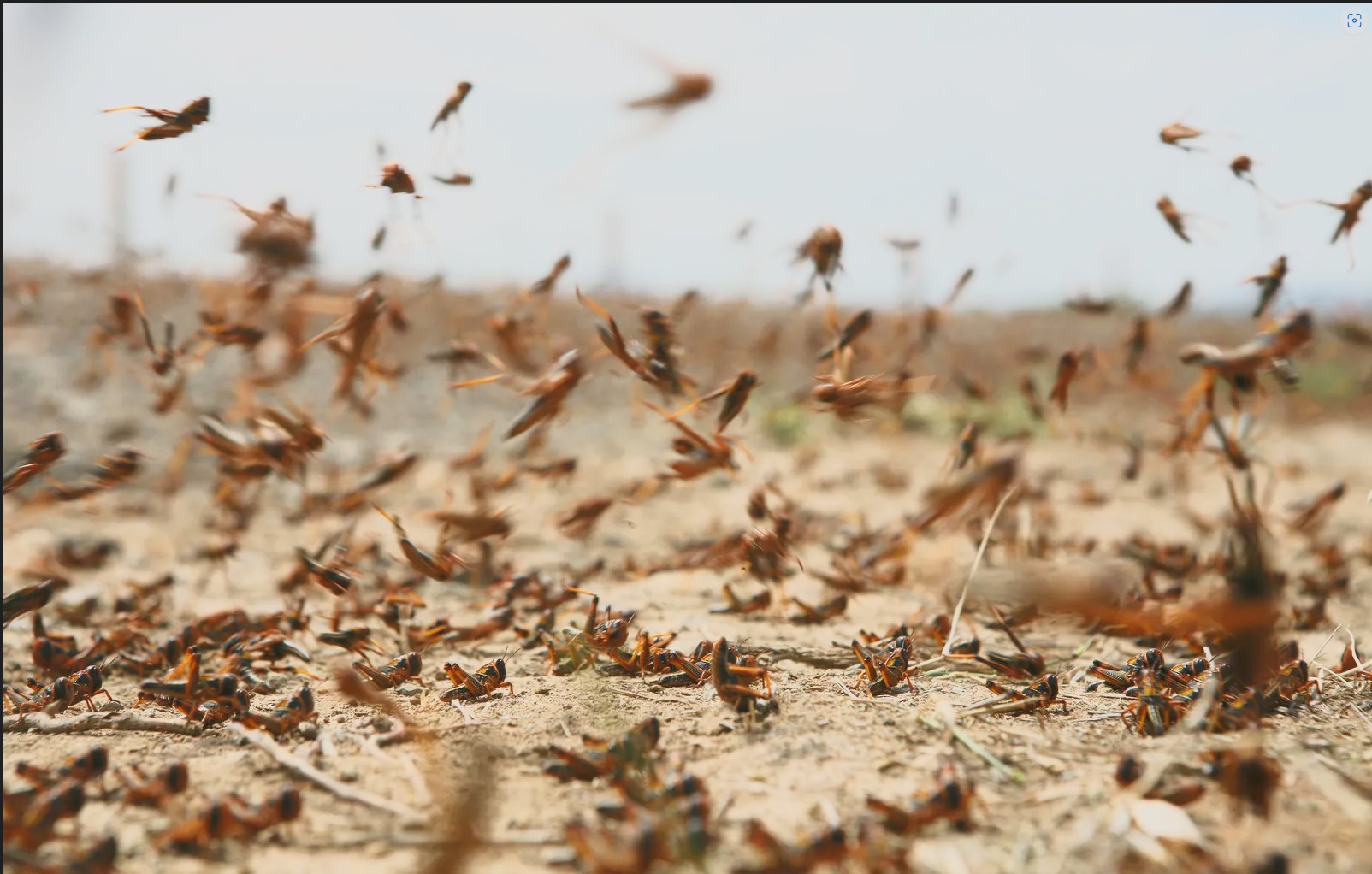
Field Notice: Grasshoppers and Mormon crickets are active across the Basin this year. If you see them on your ground, tell us where. Your reports help the District and partner agencies map where the insects are building and respond before they reach standing crops.
The Oregon Department of Agriculture has opened its reporting portal for the season, but nothing is coming back out of it — no weekly reports, no updates. Growers are submitting observations into silence.
In June, the Klamath County Grasshopper Grant Committee met to discuss the remaining funds and recommended that Klamath County develop its own database and reporting system, separate from ODA. The purpose is threefold: to gain direct access to the data, to get updates back to growers and to those working to mitigate the problem, and to support ongoing multi-year efforts rather than starting over each season.
Klamath Irrigation District reopened its reporting portal effective July 15, 2026. Send your reports here. We'll cross-pollinate with ODA so your observations still reach the state's picture — but you'll also get something back, from us, that you can actually use.
| | | | |
These videos are from the 2023 grasshopper infestation.
Please send any additional videos you would like to add to the official record to Klamath Irrigation District.
| | |
The state's portal takes reports and gives nothing back. Rather than shrug, the District built its own and reopened it July 15
| |
2026 Grasshopper Funding - Klamath County Grasshopper Committee |
Standing Together: A Sincere Thank You to Our Neighbors and Leaders
As we navigate the challenges of the 2026 season, agricultural stewardship and community resilience remain at the heart of everything we do. This month, our basin has been blessed with an incredible demonstration of regional solidarity, collaborative leadership, and neighborly support.
We are thrilled to announce that both Malheur County and Harney County have generously stepped forward, agreeing to contribute $50,000 each to support Klamath County's Grasshopper 2026 Mitigation Program.
| | | |
Klamath River Juvenile Salmon Health:
What Is Known and What Remains Under Review
| |
2026 C.shasta and Klamath Water Temps | |
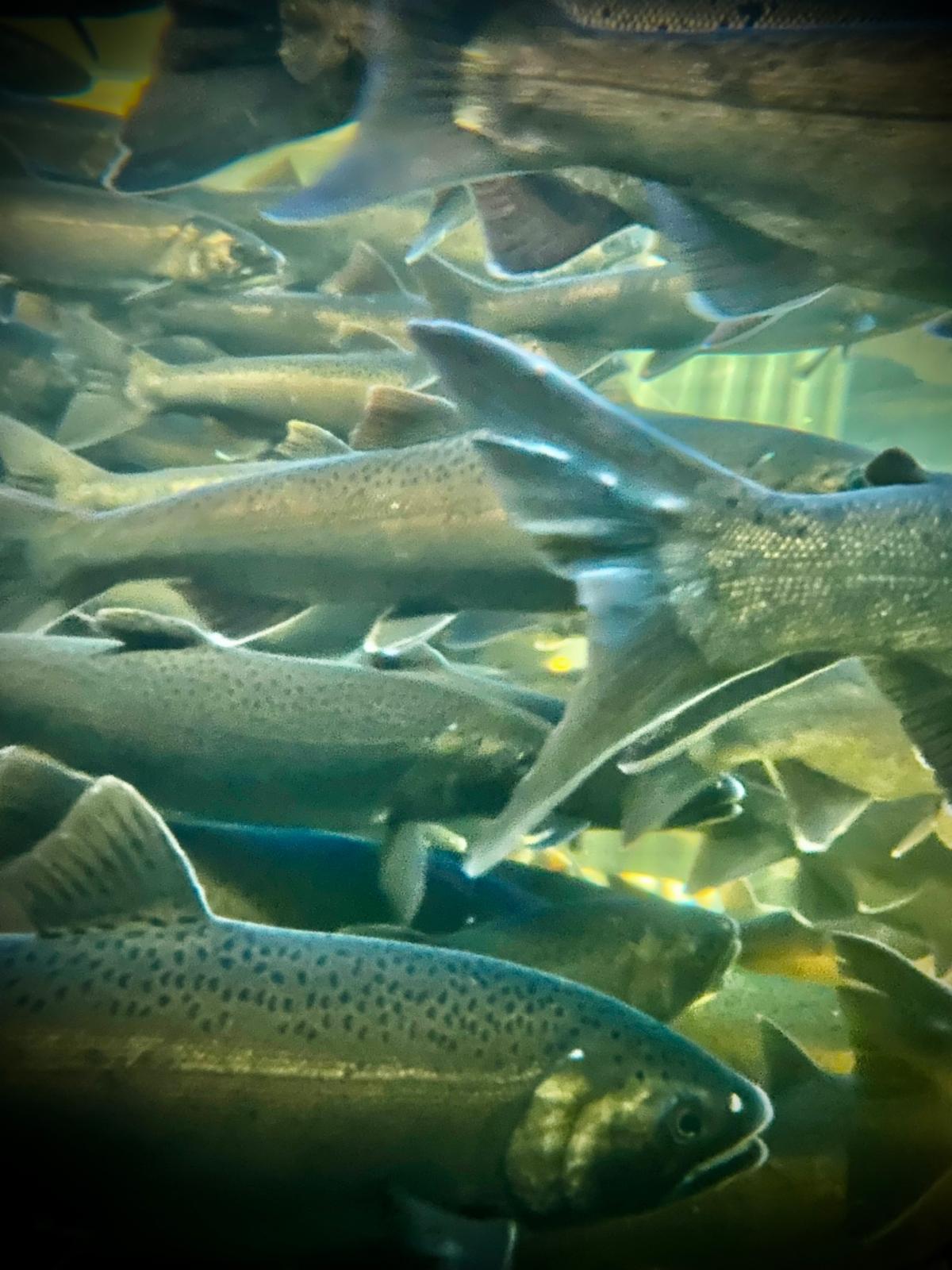
The short version. In early June, large numbers of young Chinook turned up dead in the upper Klamath. They were almost entirely hatchery fish — part of the 675,000 juvenile Chinook released by California on May 14 from Fall Creek Hatchery, about 7 miles above the old Iron Gate Dam site and roughly 200 miles from the ocean.
What is known. Instead of moving for the ocean, many lingered for weeks in the reach where the parasite C. shasta concentrates. As the water warmed and parasite levels climbed, sitting in that reach is what made them sick. Fish that keep moving to cooler water and reach the sea can shed the infection.
What remains under review. Why they lingered. Whether release timing, release location, or river conditions did the most work. How much of this the parasite explains and how much is something else.
What is worth noticing. The wild run had largely passed through weeks earlier, in cold water, and mostly escaped it. And 675,000 fish were placed in that reach, at that time of year, on purpose. Those were decisions. Decisions can be reviewed.
| | | |
The easy version of a fish kill has one cause and one villain. This one has release timing, release location, water temperature, and a parasite — and 675,000 fish put in that reach on purpose
| | Klamath Project Refuge & Wetland Conditions | |
Refuge Conditions & Botulism Update
-
Botulism Status | Manageable: The current situation remains stable and controlled.
- On 13 July, USFWS team members collected 65 dead and infected birds. Finding such a low number on a Monday is a positive sign, indicating that we are well below any "point of no return" thresholds (which can reach upwards of 1,000 birds a day during severe outbreaks).
-
Critical Water Needs: Water remains the primary tool for both disease control and wildlife survival:
-
Disease Management: A flow-through pilot is needed to raise sump levels, keep water moving, and stop botulism from escalating.
- The District proposed exactly this in 2023, when it asked to take part as a Section 7(a)(3) applicant in the consultation on the 2024 Proposed Action. The flow-through action K.I.D. brought to the Agencies was refused. The pilot was not adopted.
- Three years on, the conditions it was designed to prevent are developing at Tule Lake — and the District is watching from outside the room where the decision gets made.
| | |
Historic Success | Largest Hatch in a Decade:
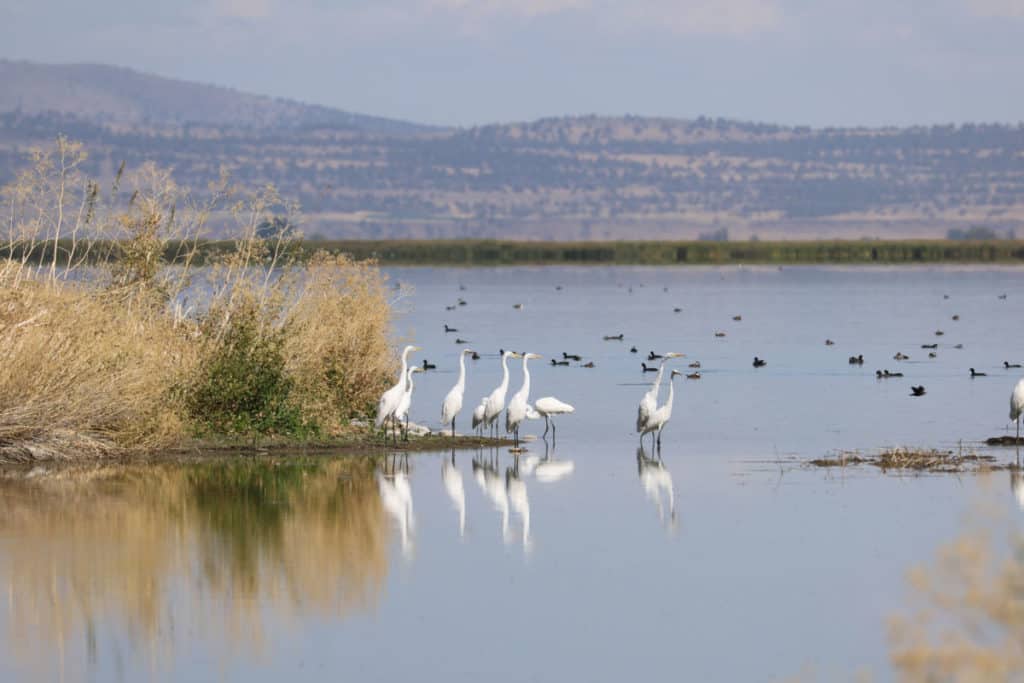
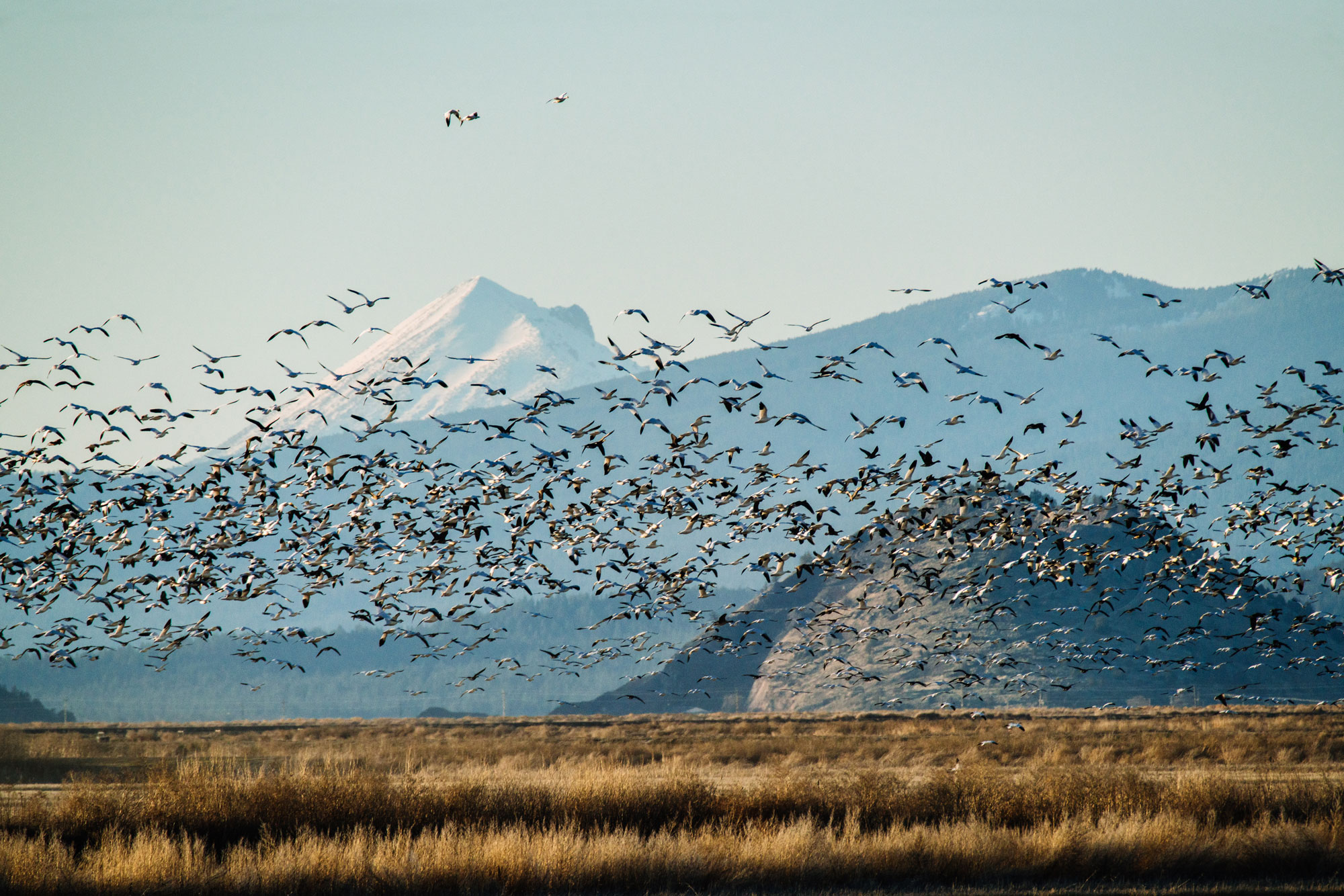
The Lower Klamath National Wildlife Refuge is currently hosting the largest waterbird hatch our basin has witnessed in over ten years. Thousands of young birds are on the water, but we are in a critical race against time to support them.
The Goal | Habitat Support Until Fledging: USFWS' immediate priority is securing and keeping enough water on the ground to sustain these nesting areas and ensure this historic generation of birds can successfully fledge.
The Deficit | Thomas Transfer vs. Evaporation:
-
Incoming: The Refuge is currently receiving about 24 acre-feet per day via the Thomas Water Transfer.
-
Outgoing: Summer heat is taking a heavy toll. Evapotranspiration (ET) losses on Unit 2 alone are draining approximately 300 acre-feet of water per day.
-
The Bottom Line: While the incoming transfer is a helpful tool, it is vastly insufficient to offset these massive daily evaporation losses, highlighting the ongoing, urgent need for more robust water solutions.
| | |
KID proposed a flow-through action as part of the ESA process in 2023 and the Agencies refused. We are proposing it again, and they are listening.
| |
Worth Your Time:
Research, Policy & Partner Updates
| |
|
Klamath Basin Improvement District Board of Directors
August 11 Meeting at 10am
| |
The KBID Board of Directors will hold its quarterly meeting on Tuesday, August 11, 2026 at 10:00 a.m. at the KID Headquarters Office. The meeting is open to the public, and the public may attend in person or by telephone.
| | | Klamath Water Users Association: Representing Farmers | |
The Klamath Water Users Association is a non-profit private corporation.
Learn about our work and service by visiting us today.
| | | |
Rescinding the Definition of "Harm" Under the ESA | |
On April 17, 2025, the U.S. Fish and Wildlife Service (FWS) and the National Marine Fisheries Service (NMFS), the two Services that share responsibility for administering the Endangered Species Act (ESA), jointly proposed rescinding the ESA's long-established regulatory definition of "harm."
The agencies characterized the proposal as a technical clarification, and it reflects recent priorities issued by the Trump administration.
| | | |
Rescinding the Definition of "Harm" Under the Endangered Species Act | |
The U.S. Fish and Wildlife Service (FWS) and the National Marine Fisheries Service (NMFS; collectively referred to as the “Services”) rescind the regulatory definition of “harm” in our Endangered Species Act (ESA or the Act) regulations. This rescission removes the regulatory definition of “harm” from the Code of Federal Regulations (CFR) in Title 50 parts 17 and 222.
This final rule is effective September 14, 2026.
| | | |
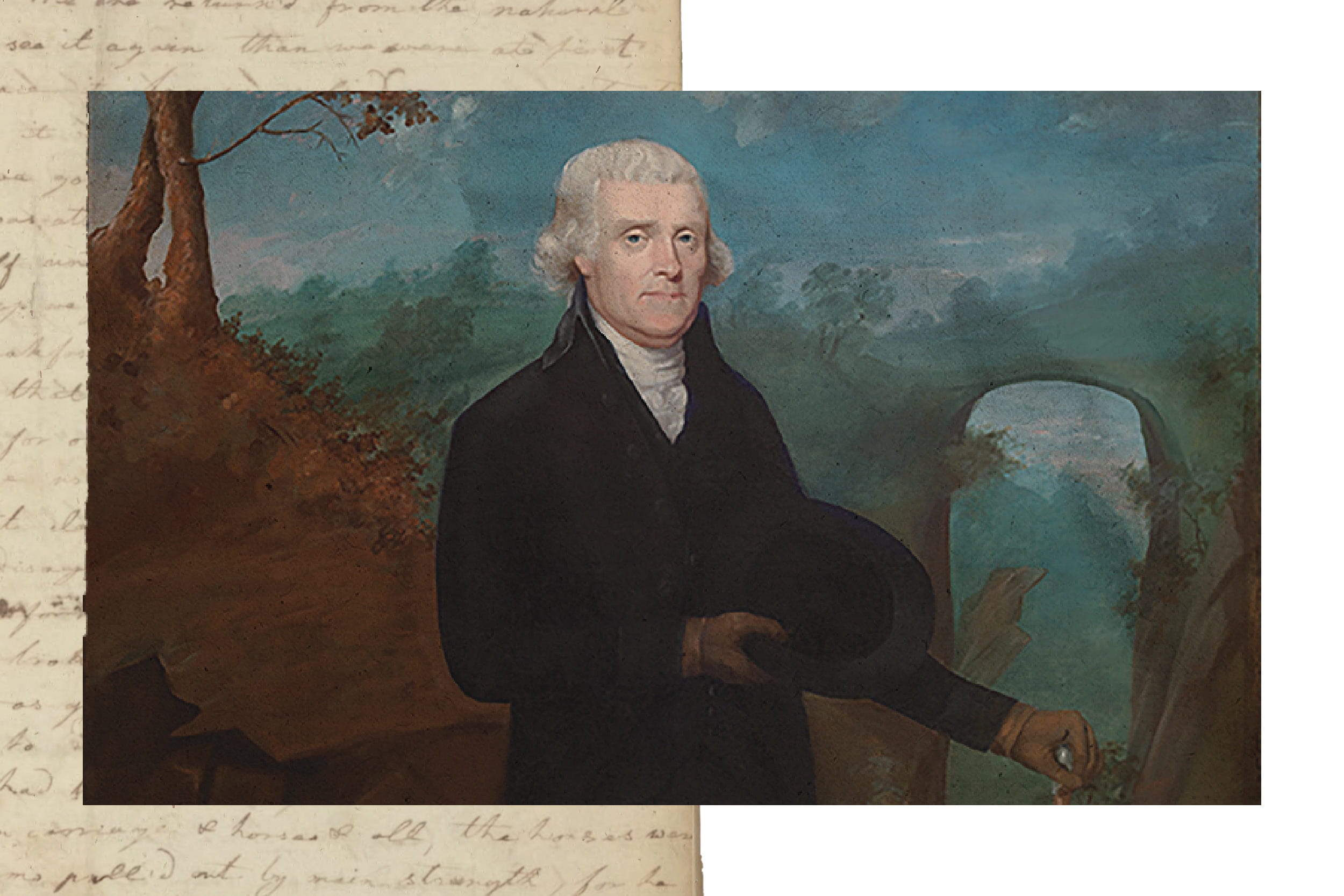
Thomas Jefferson: The Lost Founding Father of American Conservation | PERC | Two years before he authored the Declaration of Independence, Thomas Jefferson set out on the lifelong project of conserving Virginia's Natural Bridge. Michaelle Browers has described the effort as "perhaps the first major act of nature preservation in the new republic." | | | |
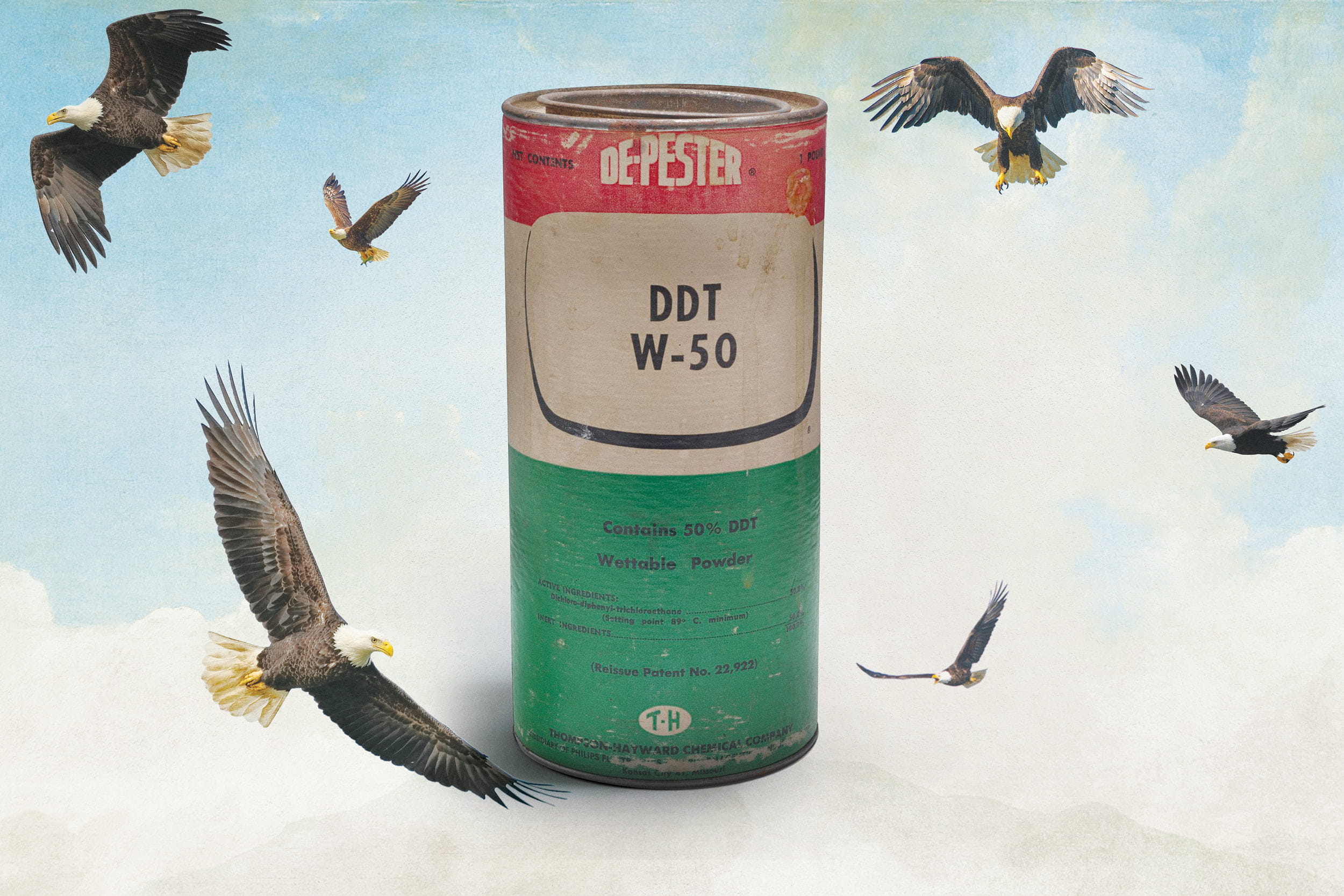
How the Eagle Came Back | PERC | As we celebrate the nation's 250th anniversary, it is heartening that America's national symbol, the bald eagle, is no longer imperiled. Although once at risk of extinction throughout much of its historical range, this majestic species rebounded in the late 20th century, and populations are now in good health. | | | |
|
Aubrey Bettencourt
Principal Deputy Commissioner, Exercising the Delegated Authority of the Commissioner
| |
Aubrey J.D. Bettencourt is the Principal Deputy Commissioner for the Bureau of Reclamation. Aubrey is a prominent leader in agriculture, water, and sustainability.
Prior to joining Reclamation, she was the Chief of the Natural Resources Conservation Service (NRCS), the primary private lands conservation agency at the U.S. Department of Agriculture (USDA). NRCS helps producers, soil and water conservation districts, and other partners protect and conserve natural resources on private working lands while supporting American agricultural productivity throughout the United States.
| | | |
Water Conservation Innovation | PERC | |
The American West is gripped in a historic drought. As populations continue to grow, so too does the need to remove water from streams, rivers, and other waterways to meet urban and agricultural demands. Traditionally, the response to drought has been to divert more water, build dams, or pump groundwater. With many of these options no longer politically or economically feasible, a more innovative approach is needed.
One solution: water markets. Markets are a proven way to effectively allocate scarce resources among competing users through voluntary negotiation instead of legal or political conflict. Where water markets are allowed to function, prices provide incentives to conserve, and markets enable water to be moved from lower-valued to higher-valued uses.
Water markets have expanded significantly over the past two decades. Yet in many states, cumbersome regulations as well as other legal and political barriers hinder more widespread use of water markets. Expanding the use of water markets can allow competing users to cooperate rather than fight, encourage conservation, and help alleviate the economic and environmental effects of water scarcity now and in the future.
| | | |
Oregon forest relies on 11 guzzlers to provide water for wildlife in dry summers | With only an average yearly rainfall of 10 inches, wildlife in the Gilchrist State Forest can get easily stressed during the hot dry summers of central Oregon. | | | Congressman Bentz Introduces "Hydropower Licensing Affordability Act" to Modernize Hydro-Electric Re-Licensing and to Protect Existing Energy Generation | |
WASHINGTON, D.C.- Electricity generated by water is clean, renewable, highly reliable, and once built, extremely cost-effective. In the United States, there are 181 federal hydroelectric projects, and 2,221 non-federal hydroelectric projects. These non-federal hydro-projects generate about 55 gigawatts of reliable power (enough electricity for 40-50 million people).
| | | |
Meet the engineer turned cattle rancher, now producing sturgeon and caviar in Oregon | Darryl Goodson is an engineer who didn't plan to become a fish farmer. But he now owns a sustainable fish sturgeon farm in Fort Klamath, Oregon. | | | |
Scientists Just Explained How a Wildfire Killed Thousands of Fish on the Klamath River - Active NorCal | For five hours in 2022, a stretch of the Klamath River held no oxygen at all. Zero. Now scientists know exactly why. | | | |
Director of Conservation - Klamath Irrigation District | The Klamath Basin sits at the crossroads of agriculture, endangered species, tribal rights, and federal water policy — and the decisions made here ripple across the West. As our Director of Conservation, you’d lead Klamath Irrigation District’s stewardship of water, soil, and habitat: building the science, programs, partnerships, and modernized infrastructure that let working farms and a healthy basin share the same landscape. It’s a director’s seat with real autonomy, real stakes, and a District with the will to act. Right now that work includes coordinating the District’s future Habitat Conservation Plan if needed— a multi-year effort under the Endangered Species Act that this role would help research, shape, and carry forward. | | | | |
We could leave this seat empty and save the salary. Instead, we're hiring someone to do the hardest conservation job in the West
| | | | |