Weekly Newsletter:

September 23, 2026


Handling Caregiver Burnout: Tips for Family Caregivers Supporting a Loved One with Dementia


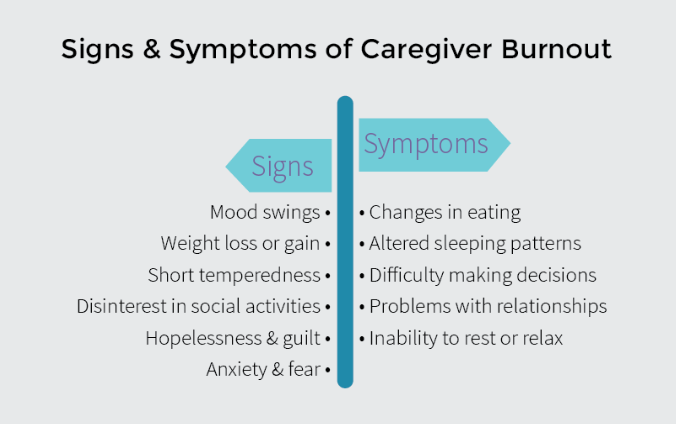
Caring for a loved one with dementia can be both a deeply rewarding and emotionally taxing experience. As a family caregiver, it’s easy to feel overwhelmed by the demands of providing constant support, especially when dealing with the emotional and physical toll that comes with the condition. It's not uncommon for caregivers to experience burnout—a state of emotional, physical, and mental exhaustion caused by prolonged caregiving responsibilities. Recognizing the signs of burnout and taking proactive steps to care for yourself is crucial. Here are some strategies to help you manage caregiver burnout and maintain your own well-being while supporting your loved one.

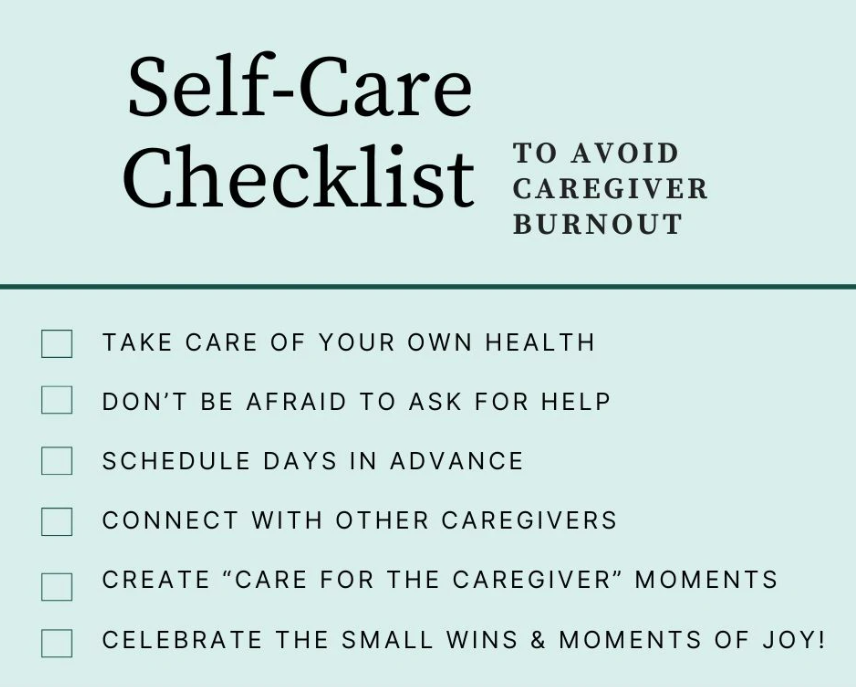
Tips for Managing Caregiver Burnout:

  • Acknowledge Your Feelings: It's important to recognize that feeling stressed, frustrated, or exhausted is normal. Allow yourself to experience those emotions without guilt. Acknowledging them is the first step in addressing burnout.
  • Take Breaks Regularly: Short breaks throughout the day can make a huge difference. Even if it’s just stepping outside for a walk or taking a few minutes to meditate, these moments allow you to recharge and approach caregiving with more patience and clarity.
  • Set Realistic Expectations: Caring for someone with dementia can be unpredictable. It’s okay to set boundaries and recognize that not everything will go according to plan. Adjusting your expectations can reduce frustration and feelings of inadequacy.
  • Ask for Help: Don’t hesitate to reach out to other family members, friends, or professional caregivers. It can be difficult to ask for help, but delegating tasks can lighten your load and give you the time you need to rest and recharge.
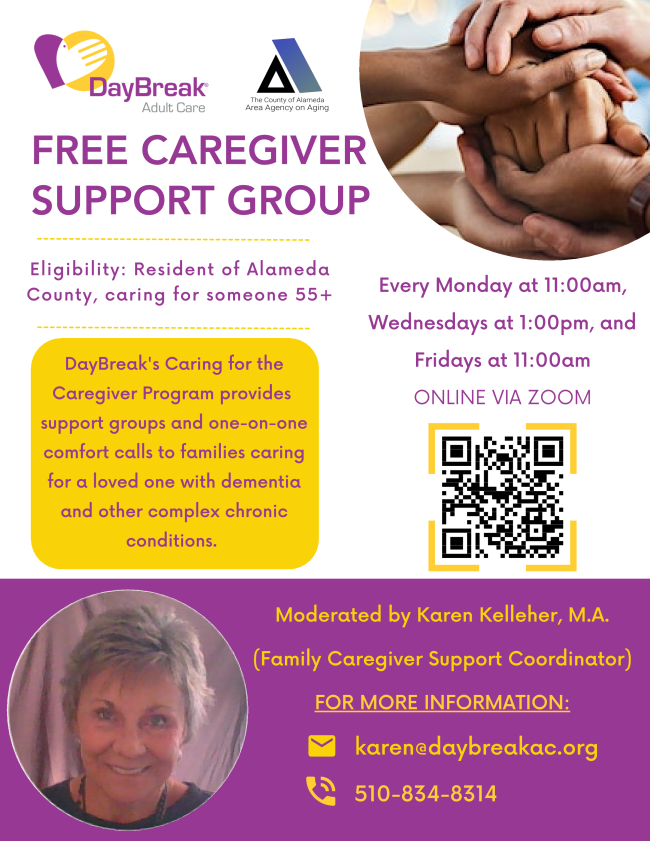
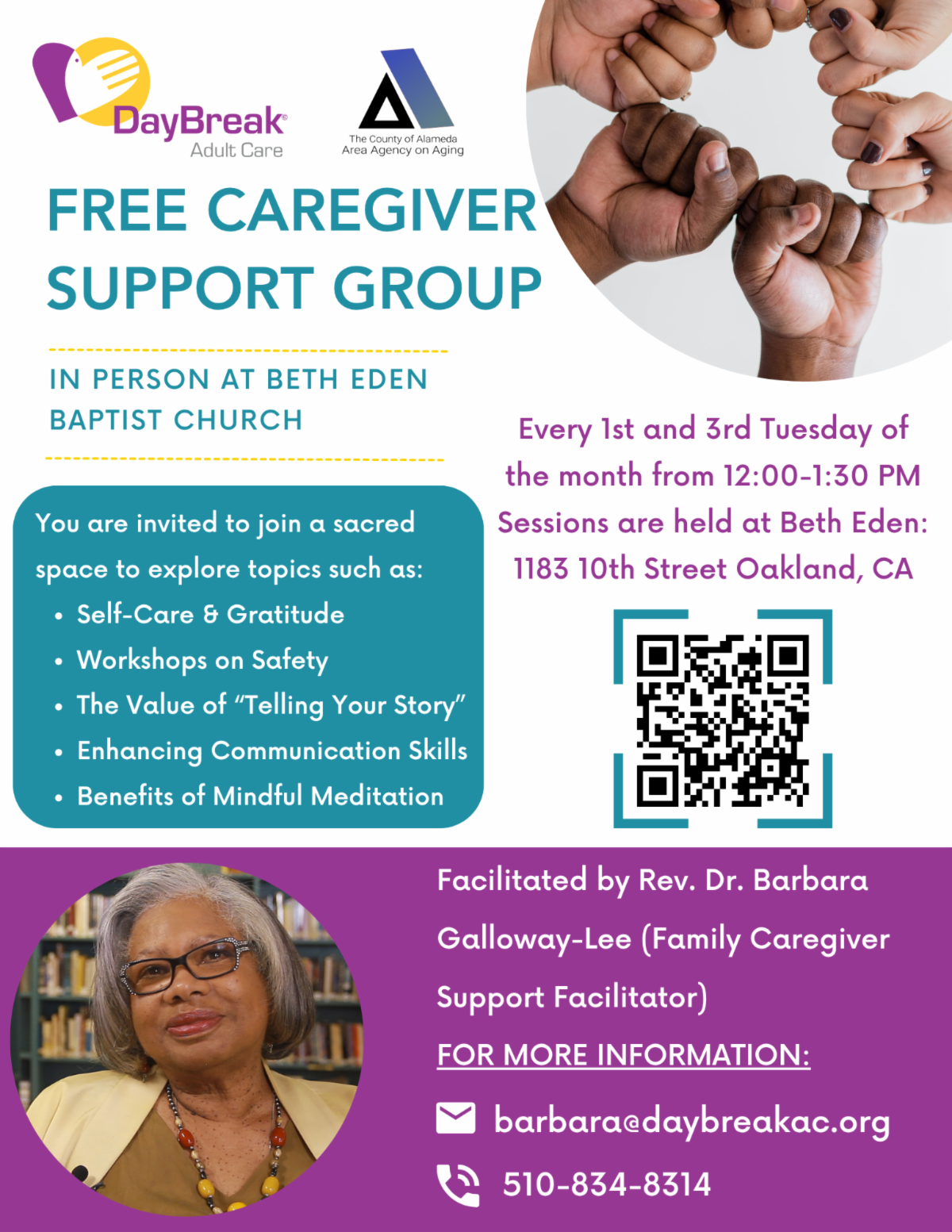
  • Join a Support Group: Connecting with others who understand your challenges can provide comfort and perspective. Support groups offer emotional support, practical advice, and a safe space to share experiences.
  • Practice Self-Care: Prioritize your own health and well-being. Whether it’s getting enough sleep, eating nutritious meals, exercising, or engaging in hobbies, taking care of yourself is essential for maintaining the energy and mental clarity needed for caregiving.
  • Learn About Dementia: Understanding the progression of dementia and its effects can help you manage your expectations and handle challenging situations. Educating yourself empowers you to make informed decisions and reduces feelings of helplessness.
  • Stay Organized: Keeping a daily schedule can help you manage caregiving tasks and reduce stress. Having a clear routine for both you and your loved one can bring structure to your day, making it easier to stay on track.
  • Respite Care Services: Consider utilizing respite care services to give yourself a longer break. These services offer temporary relief by providing professional caregivers who step in for a short period, allowing you to take a vacation or simply rest.
  • Seek Professional Help: If the stress becomes overwhelming, don’t hesitate to speak to a therapist or counselor. Professional guidance can help you cope with emotional challenges and prevent burnout from escalating.

Remember, caregiving is a journey, and it's okay to take time for yourself. By taking care of your own physical and emotional needs, you’ll be in a better position to care for your loved one with dementia.

— Roger Skillin, M.S.

Operations Manager at DayBreak


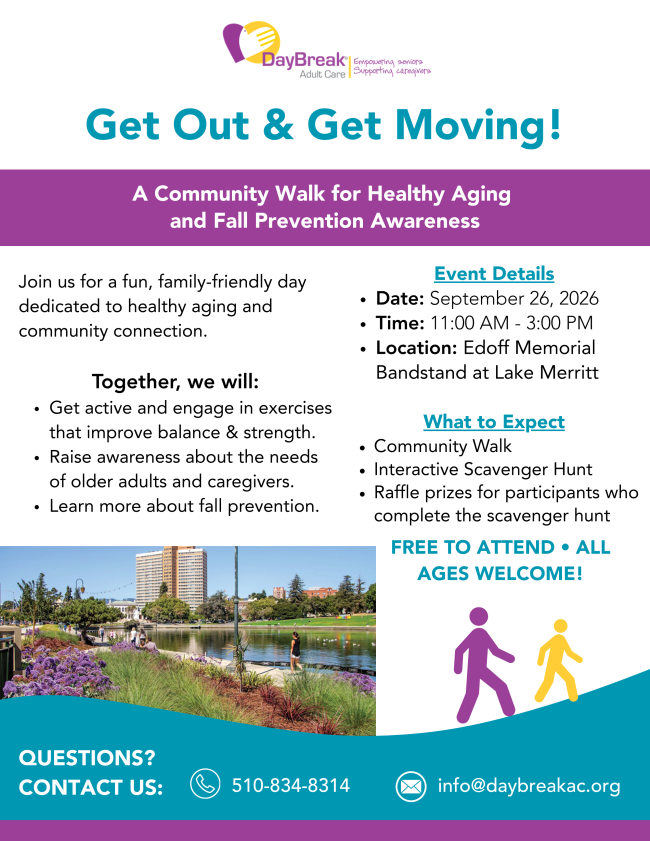
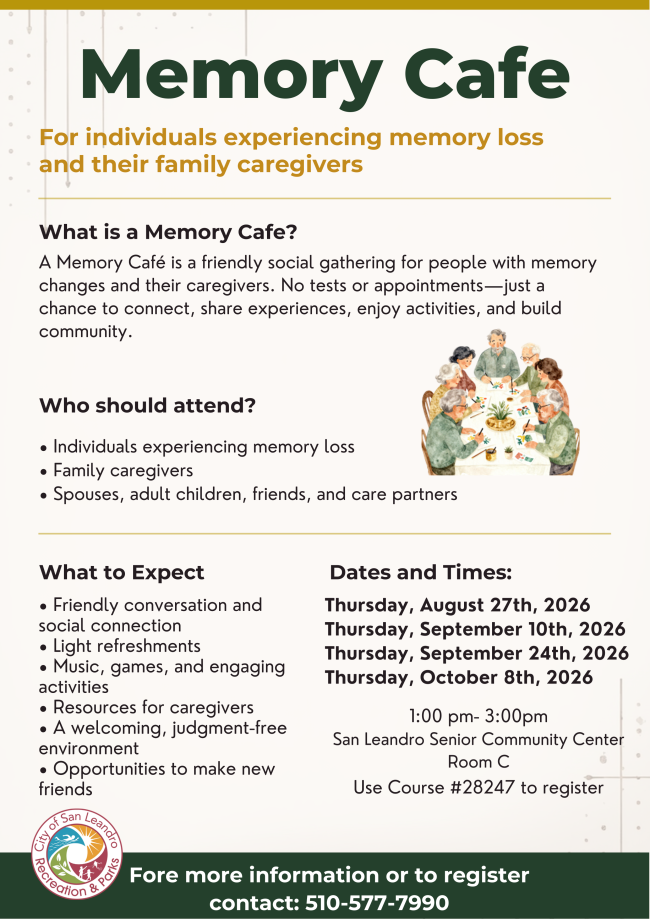
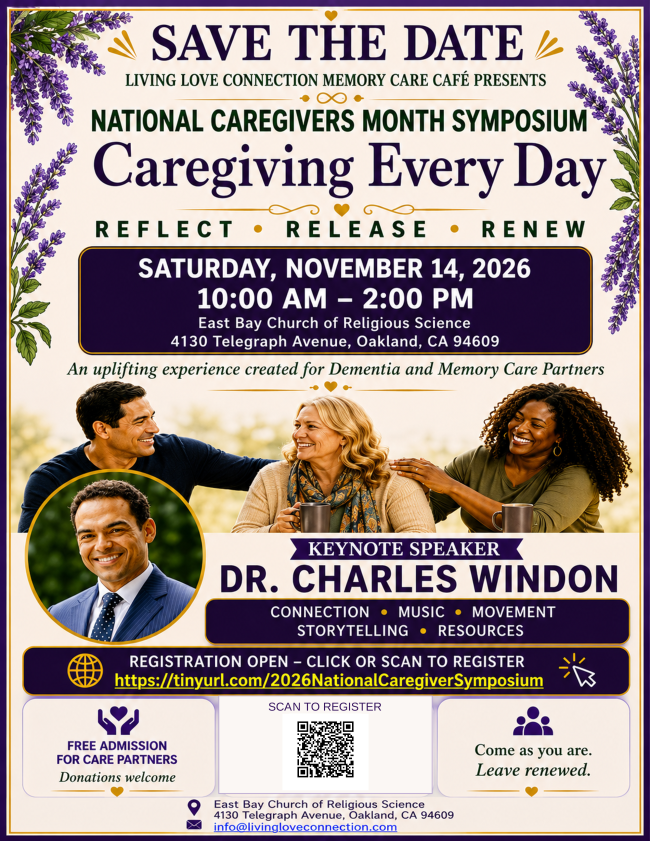
Upcoming Events & Workshops 📣


Join Our Community of Care ❤️


Your gift helps keep older adults and individuals with disabilities safe and supported. Join us in spreading love, hope, and care throughout our community!


If you know an elder in need of our care and coordination services, or a caregiver seeking support, please encourage them to reach out to us at: 

510-834-8314

Web  LinkedIn  YouTube  Facebook  Instagram