|
Here we are at the end of another year! This marks the 12th year for our Tennessee Valley Chapter of Wild Ones, and we're proud to say that we remain one of the largest Wild Ones chapters in the U.S. With over 235 members, we offer both programs that are open to the public, as well as special events for our members only.
We are 100% volunteer-led, and our programs and events are scheduled throughout the year. At our Annual Meeting in November, we elected a new slate of board members and officers, and we've named chairpersons for our various committees for 2025. We welcome new volunteers, so if you're interested in being more involved, please email us at tnvalleywildones@gmail.com.
We look forward to seeing you in 2025, and in the meantime wish you happy holidays and a peaceful (and verdant!) new year.
| |
|
The Certificate in Native Plants program is designed to expand students' knowledge of botany, ecology, conservation and uses of native flora in the southeastern United States. The CNP offers a blend of classroom instruction, hands-on learning and guided hikes. Discounted class fees are available for members of Wild Ones, the Tennessee Native Plant Society or Reflection Riding. Classes are open to all, including interested individuals who may not be working toward the Certificate.
Those working toward the Certificate are asked to volunteer in various capacities to support approved native plant projects in our region. Volunteer requirements will change slightly on January 1, 2025. More information and a downloadable volunteer form are available on our website.
For more info about the Certificate in Native Plants program, click here.
| |
|
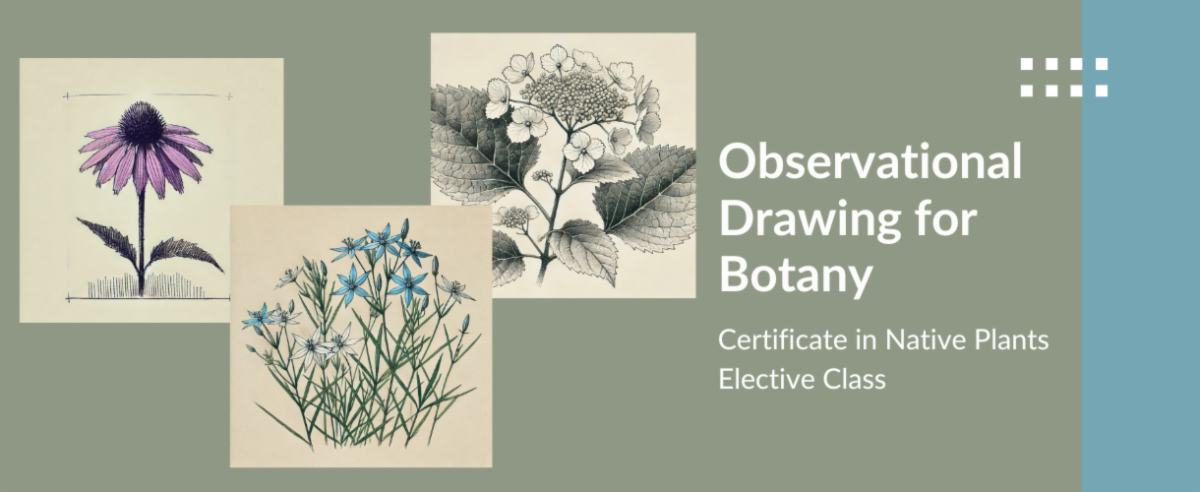
Saturday, January 11, 2025
9:00 a.m. – 12:30 p.m (Eastern Time)
Instructor: Angela Dittmar
Reflection Riding Arboretum & Nature Center
400 Garden Rd, Chattanooga, TN 37419
Certificate in Native Plants ELECTIVE Class
| |
|
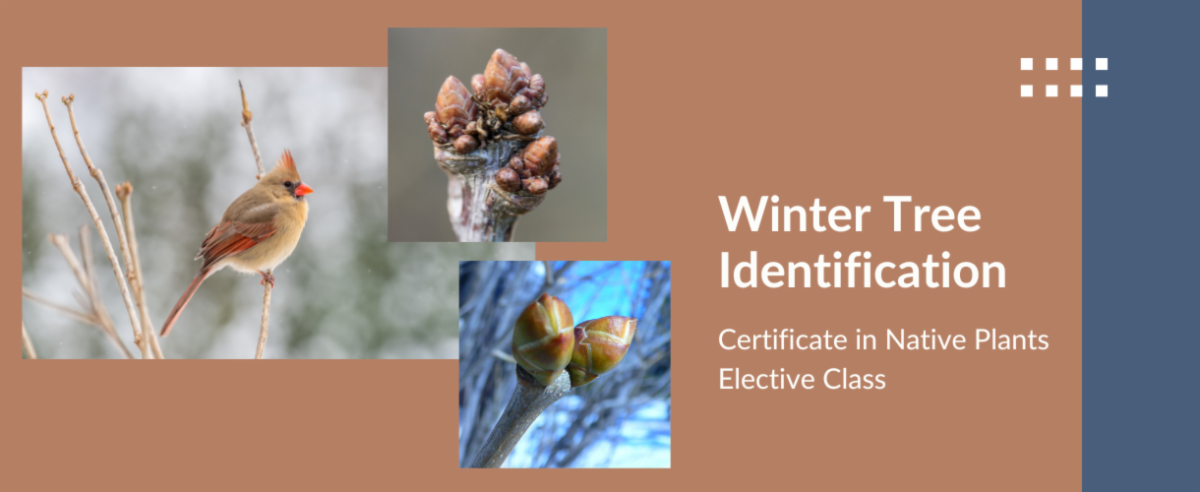
Saturday, February 8, 2025
9:00 a.m. – 12:30 p.m. (Eastern Time)
Instructor: Pete Stewart
Reflection Riding Arboretum & Nature Center
400 Garden Rd, Chattanooga, TN 37419
Certificate in Native Plants ELECTIVE Class
| |
|
Designing & Reinventing a Community Garden
March 8, 2025
9 a.m. - 12:30 p.m. (Eastern time)
Orange Grove Center
615 Derby Street, Chattanooga, TN
Certificate in Native Plants ELECTIVE class.
Learn with a designer(s) how to bring in native plants to revitalize a tired space serving both the students and families of Orange Grove and the patients and families of Memorial Hospital.
Save the date! Further details coming soon!
| |
|
Save the Dates!
Free Public Programs
Ephemeral Flowers: The Joy of Spring Awakening
with Mitchell Kent
Monday, January 13, 2025
6:00 pm (Eastern time)
Joseph Glasscock Center, Red Bank TN
More information coming soon
Thriving Gardens
with Rhett Bentley
Monday, February 10, 2025
6:00 pm (Eastern time)
Joseph Glasscock Center, Red Bank TN
More information coming soon
Edible Plants & Making a More Abundant Landscape
with Gabe LePage
6:00 pm (Eastern time)
Joseph Glasscock Center, Red Bank TN
More information coming soon
Book Discussion Group
This year, Wild Ones book discussions are returning!
The book for this spring will be The Serviceberry: Abundance and Reciprocity in the Natural World by Robin Wall Kimmerer.
The third Monday date is TBD, but start reading now!
Spring Native Plant Sale
March 29, 2025
First Horizon Pavilion, Chattanooga TN
Fall Native Plant Sale
October 4, 2025
Grace Episcopal Church, Chattanooga TN
| |
|
The Tennessee Valley Chapter of Wild Ones offers a full schedule of special programs and events for members throughout the year.
Guided hikes to see native plants in natural settings are great opportunities to learn about new plants and to see the habitats where different plants thrive. Information about springtime hikes will be available soon.
Landscapes in Progress programs feature visits to other members' gardens. These visits give members a way to learn from each other. Gardens are never expected to be perfect. In fact, native plant gardens are ALWAYS in progress!
We're also planning a Volunteer Appreciation event this spring, so look for details soon.
| |
To access information and registration links for all upcoming programs, classes, hikes and members-only events presented by the Tennessee Valley Chapter of Wild Ones and Wild Ones national, click below: | |
|
Do you want to receive a reminder email
in advance of our free public programs?
If so, join our Meetup group.
| |
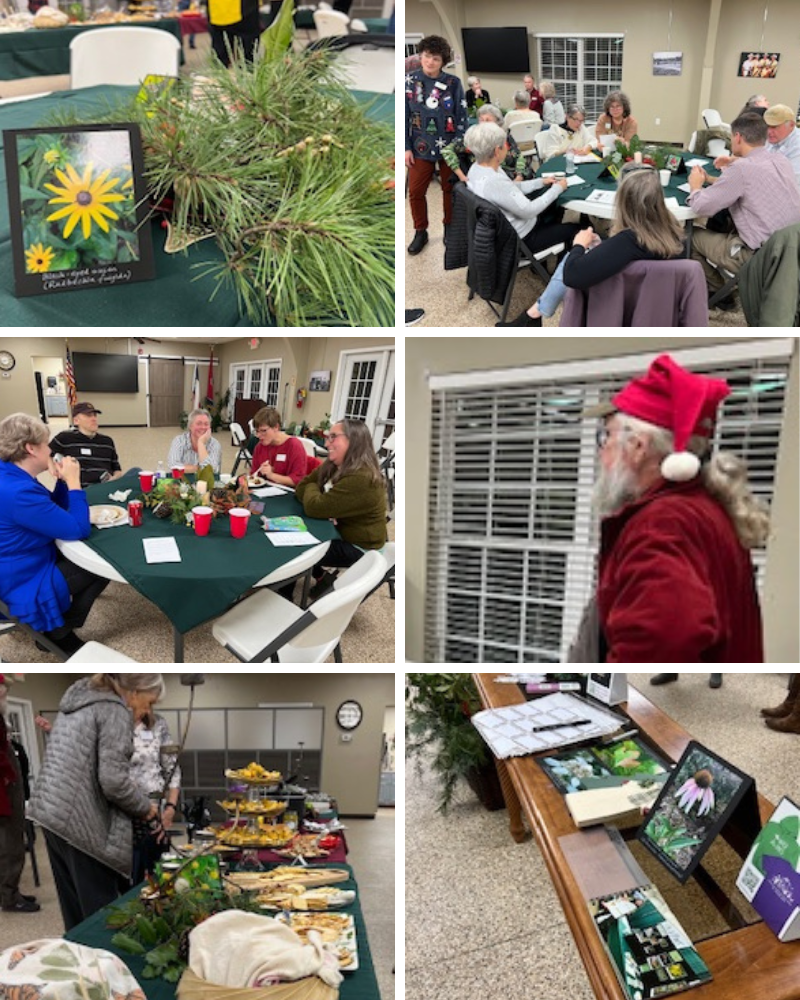
Tennessee Valley Wild Ones members had a fun time at our Holiday Social on December 9th at the Joseph Glasscock Community Center in Red Bank. Everyone brought an appetizer or dessert to share. The tables were decorated beautifully; everything looked so festive. There was hot cider, trivia games and solo cup toss fun. We even had a few prizes! Everyone seemed to enjoy each other's company. | |
|
More information about 2025 activities will be coming soon!
Look for future newsletters to learn more.
| |
|
Urban Ecology
Volunteer Certificate Opportunities
Become a Certified Volunteer Urban Ecologist
with the City of Chattanooga Parks:
(Receive an official certificate upon completion)
- Attend 1 tree planting workshop
- Attend 1 invasive species removal workshop
- Attend 1 riparian buffer restoration workshop
- Participate in the invasive species monitoring and reporting citizen science program
Become an Urban Ecology Community Leader
with the City of Chattanooga Parks:
(Receive an official certificate upon completion and become eligible to assist in leading volunteers in proper planting techniques and assisting with tree inventory)
- Attend 3 tree planting workshops
- Attend 2 invasive species removal workshops
- Attend 1 riparian buffer restoration workshop
- Participate in the invasive species monitoring and reporting citizen science program
Funded by the USDA Forest Service. The goal of this grant is to increase urban tree canopy in areas of Chattanooga that have been historically underserved. Read more about the grant HERE.
Signups for workshops begin in January. For more information: https://chattanooga.gov/things-to-do/volunteer-parks
Note that these activities WILL qualify for volunteer hours for the Tennessee Valley Chapter of Wild One Certificate in Native Plants.
| |
|
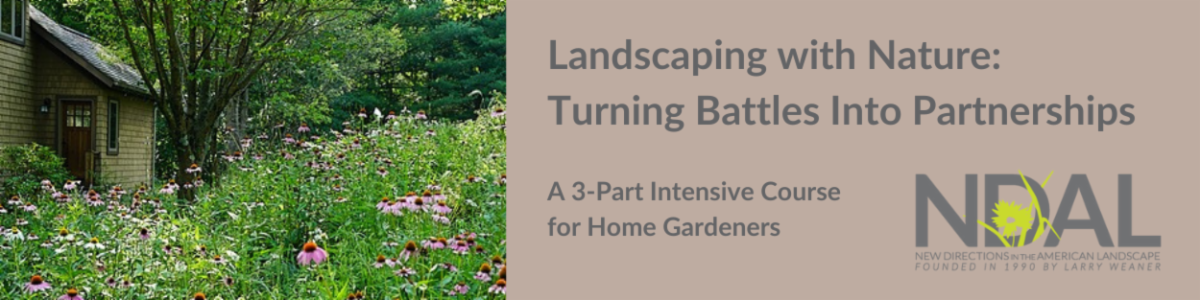
Landscaping with Nature: Turning Battles into Partnerships
A 3-Part Virtual Course for Home Gardners
This home gardener-oriented series, presented by New Directions in the American Landscape (NDAL), will examine ecology-based landscape practice through the eyes of one of its most highly respected and influential practitioners. Larry Weaner will provide an in-depth guide for creating wildlife-inclusive, ecologically productive, and highly manageable residential landscapes. Throughout the program Larry will interweave garden aesthetics with garden ecology, demonstrating how home environments can be both ecologically productive and experientially rich.
Attendees will receive a login-protected 50+ paged course manual including chapters on meadows, shrublands, woods, fine gardens, weed control, and wildlife. Recordings will be viewable for 3 months after each live-session date.
Wild Ones members receive 10% off sessions with code:
WildOnesFall-Winter2024.
| |
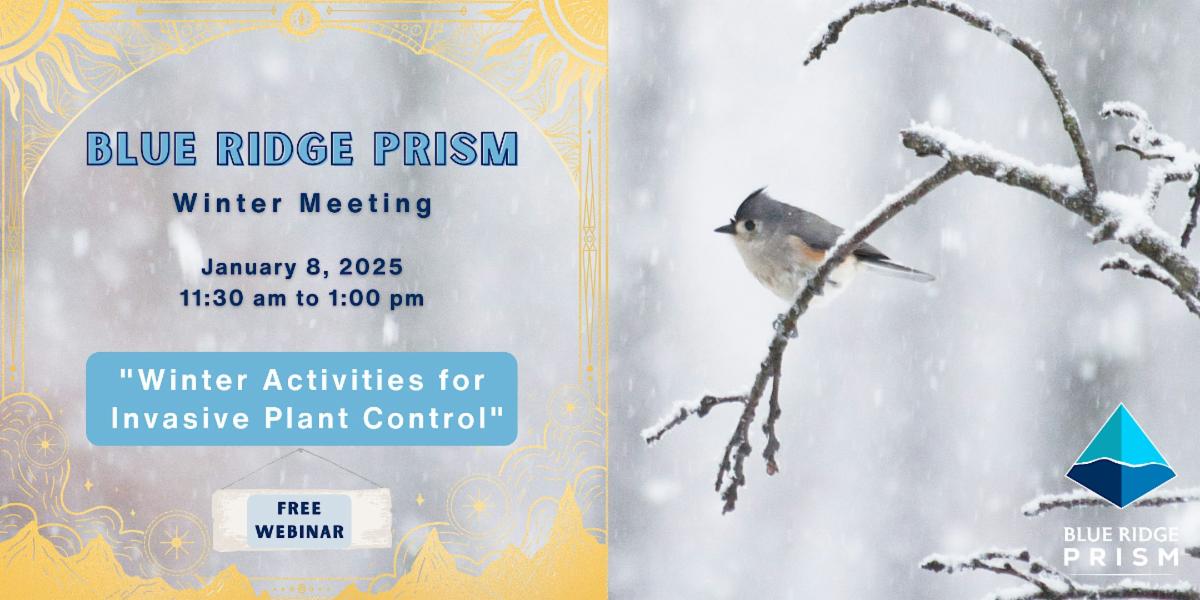
Register for online webinar to learn practical and effective ways to control invasive plants during the winter season! | |
|
Tennessee Native Plant Society Seminars
The Tennessee Native Plant Society hosts monthly Native Plant Seminars via Zoom on the third Tuesday of each month at 6:30 p.m. Central (7:30 p.m. Eastern) and lasting about one hour. All members, and potential members, are welcome to attend the seminars. Videos of previous seminars are available via the link below.
| |
|
Wild Ones is growing in Tennessee and the Southeast!
Check out the events at nearby chapters!
| |
Nature can get it out of your mind:
The rumination reducing effects of contact with nature and the mediating role of awe and mood
In this study published in the Journal of Environmental Psychology, the following findings were reported:
- We replicated previous findings that contact with nature can reduce rumination.
- A walk as short as 30 min in an urban park was sufficient for effects to be observed.
- Awe and mood were identified as mediators in the path linking nature to rumination.
- The elicitation of awe might not be essential for rumination to be reduced.
| |
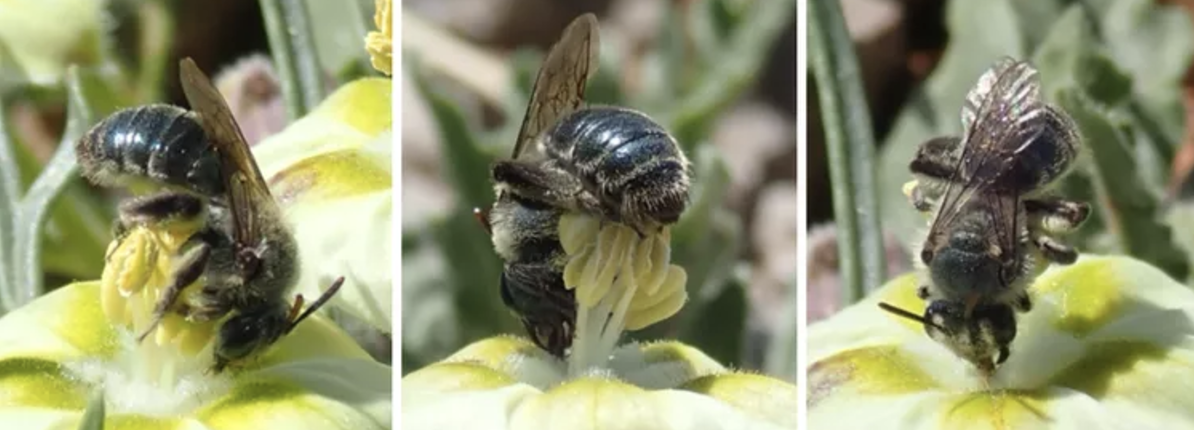
A New Species Of Bee Was Discovered In Two Southern States
Take a closer look the next time you water your flowers if you live in Texas or Oklahoma, because you just might find a newly identified bee species. Scientists have announced the discovery of a new mining bee in those states and given it the name Andrena androfovea.
| |
One of the greatest conservation success stories:
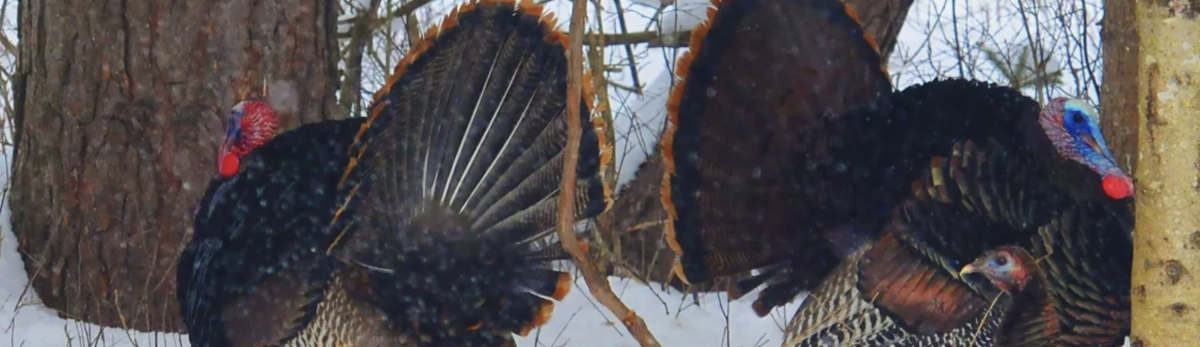
The 1969 mission to save Vermont's wild turkey
Thanks to an ideal habitat and weather and a focused restoration effort, Vermont's turkey population is now estimated at 45,000 to 50,000 birds. The turkeys were the first major restoration effort, followed by ospreys, peregrine falcons, bald eagles, American marten, common loons, and muskellunge.
| |
|
Denmark's Back-to-Nature Plan
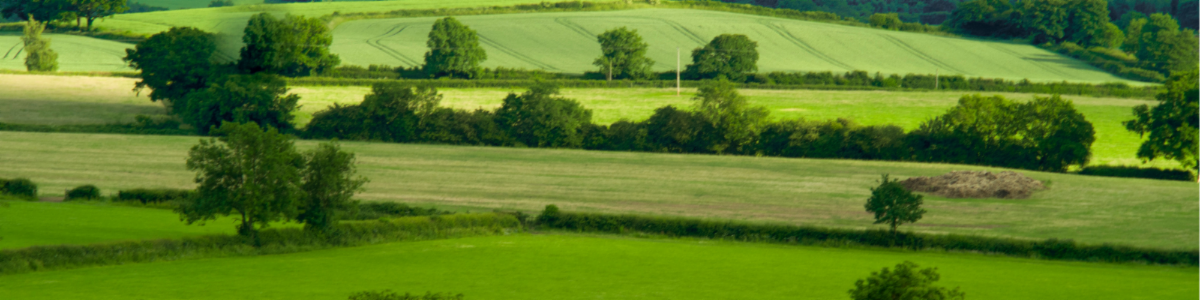
Denmark has embarked on an ambitious environmental plan to transform 10% of its farmland into forests and natural habitats over the next two decades, aiming to plant 1 billion trees, reduce fertilizer usage, and implement a groundbreaking carbon tax on livestock to combat climate change and promote biodiversity.
| |
|
A survey of "remarkable migrants:"
17 million insects flying through a Pyrenean mountain pass
In 1950, ornithologists Elizabeth and David Lack were watching birds migrate through a Pyrenean mountain pass on the border between France and Spain when they stumbled across something extraordinary – uncountable numbers of migrating insects. A new study highlights that, across the autumn field season throughout September and October, more than 17 million insects migrate through this pass.
| |
Hummingbirds Enter Torpor to Conserve Energy
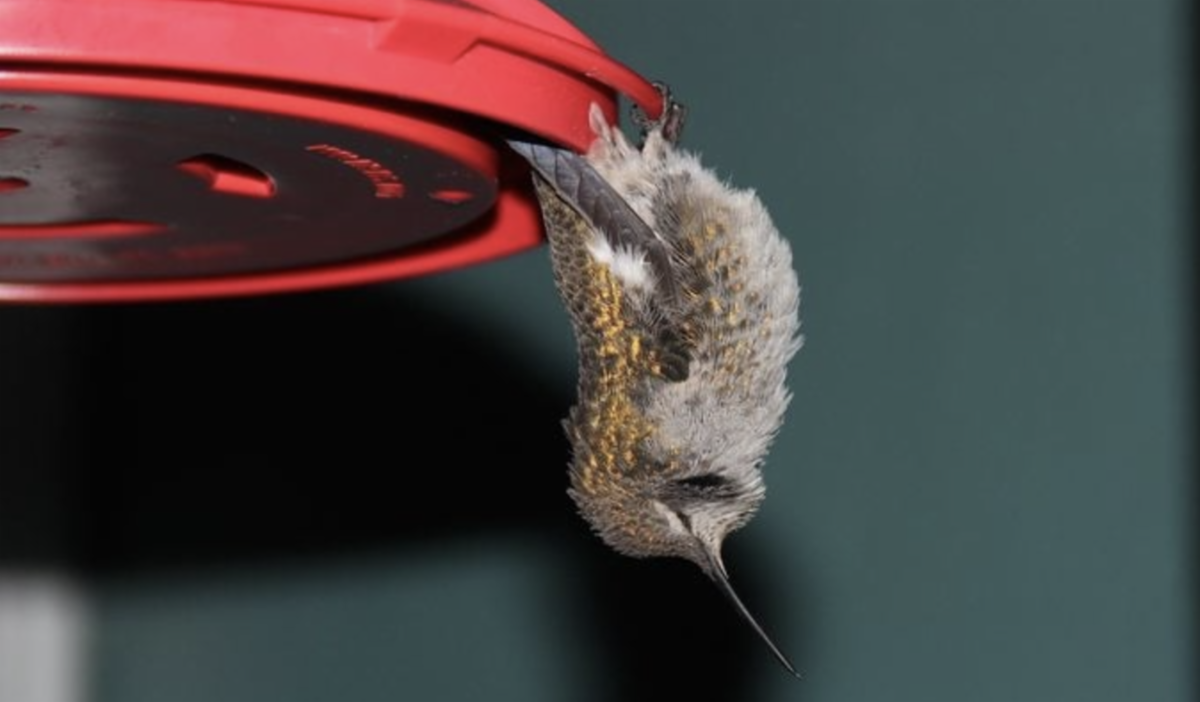
Hummingbirds have a bizarre way of conserving energy. Usually at night, during periods of cold and sometimes when they’re perched at a feeder, hummingbirds can enter a deep, sleep-like state known as torpor, when all body functions slow dramatically. Metabolism slows by as much as 95 percent, and heart rate and body temperature drop significantly. Torpor allows them to conserve precious energy and survive surprisingly low temperatures.
| |
|
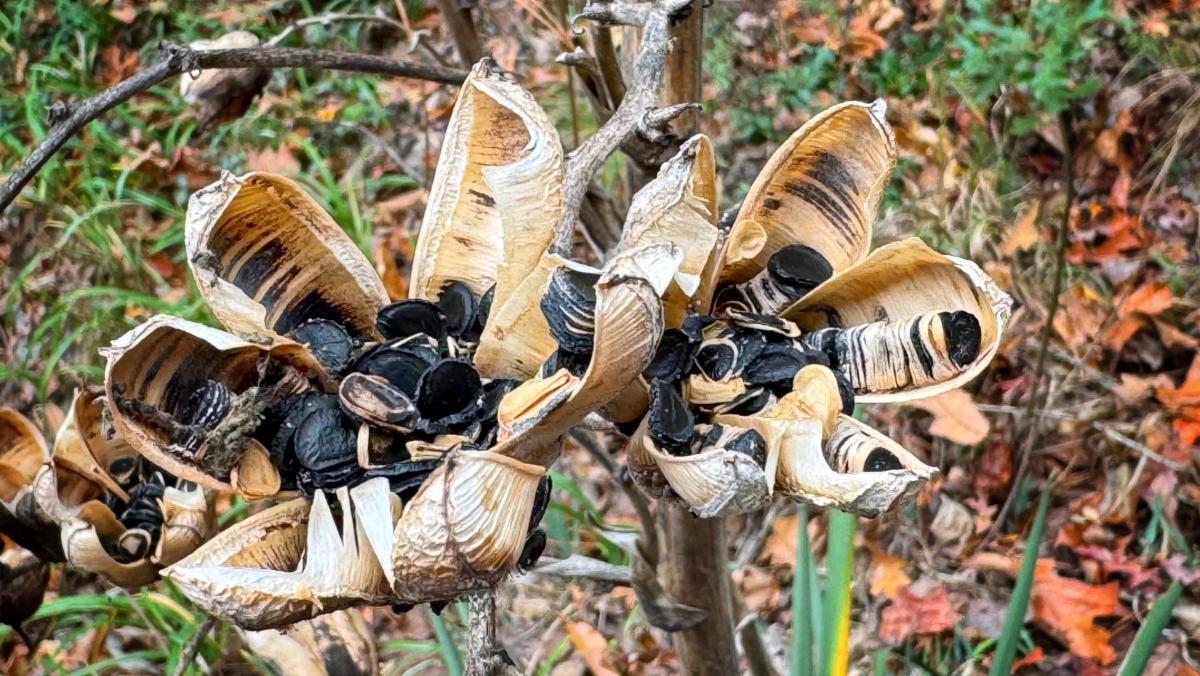
Yucca filamentosa seed pods opened with the typical black and white seeds.
Photo by Mike O'Brien.
| |
|
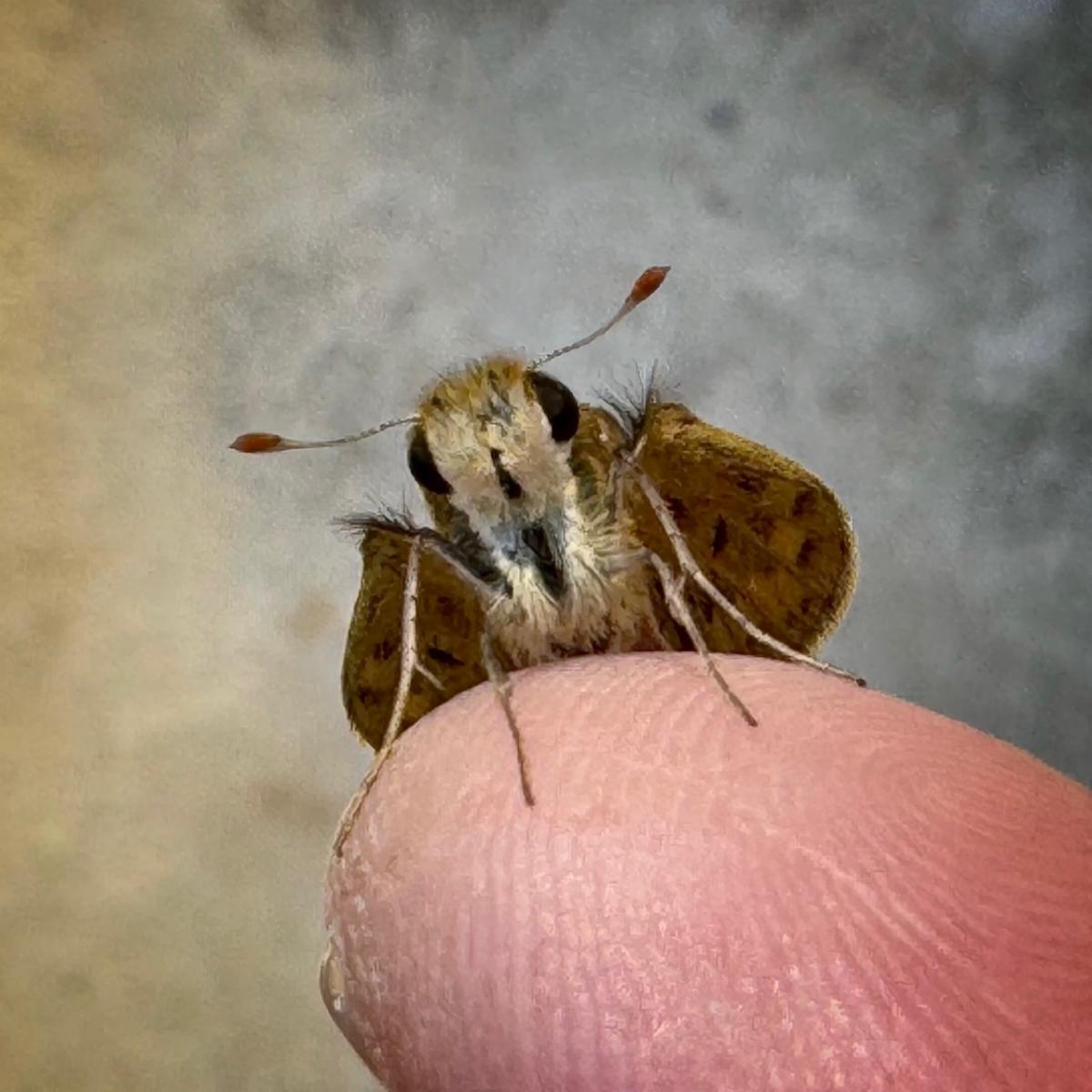
Newly emerged, late season Fiery Skipper
coaxed onto Mike O'Brien's finger for a “selfie.”
| |
|
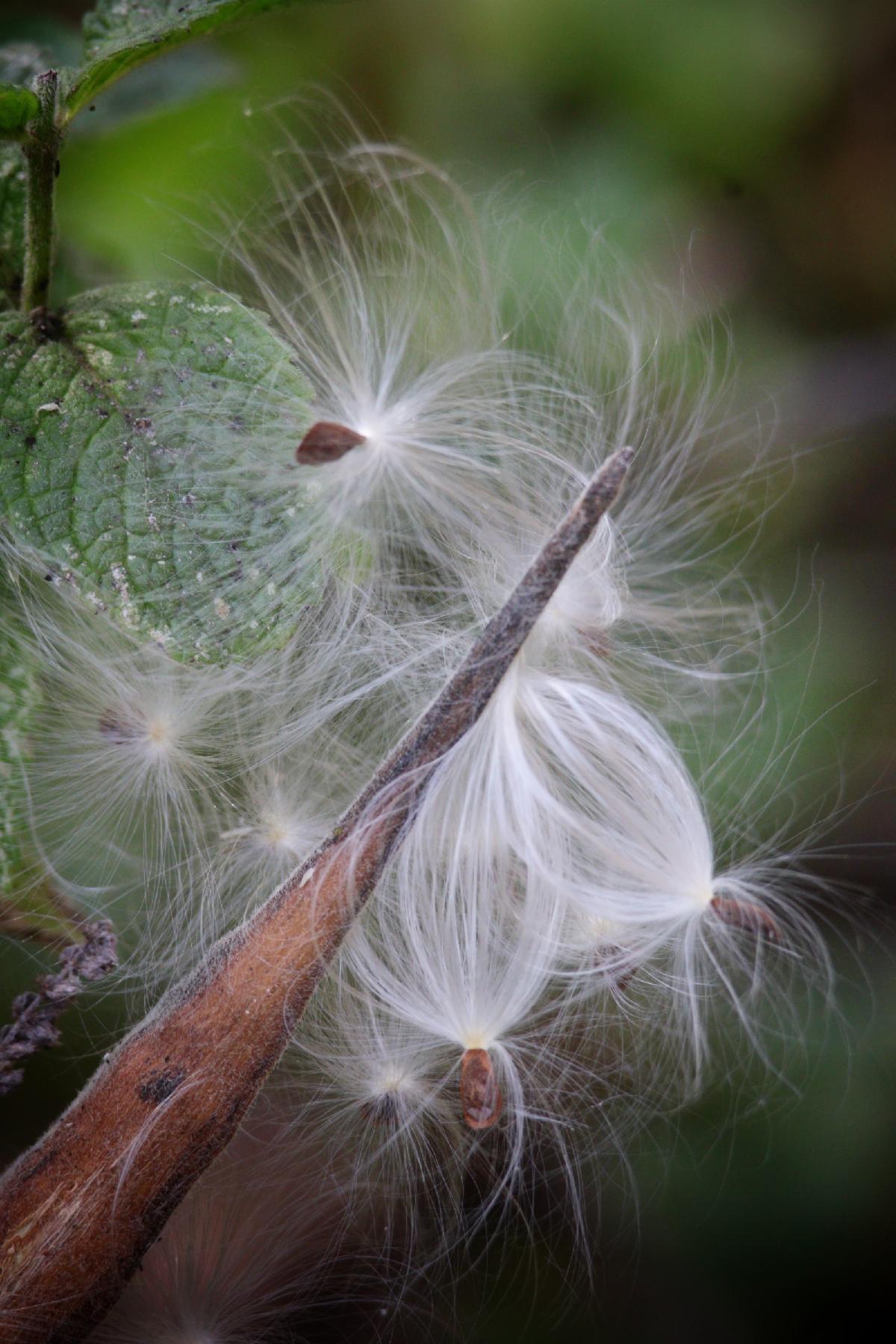
Feathery floss attached to brown seeds emerging from the seed head of Butterflyweed (Asclepias tuberosa). The floss acts as a parachute to catch the wind and disperse the seeds which then detach upon landing.
Photo by Mike O'Brien.
| |
|
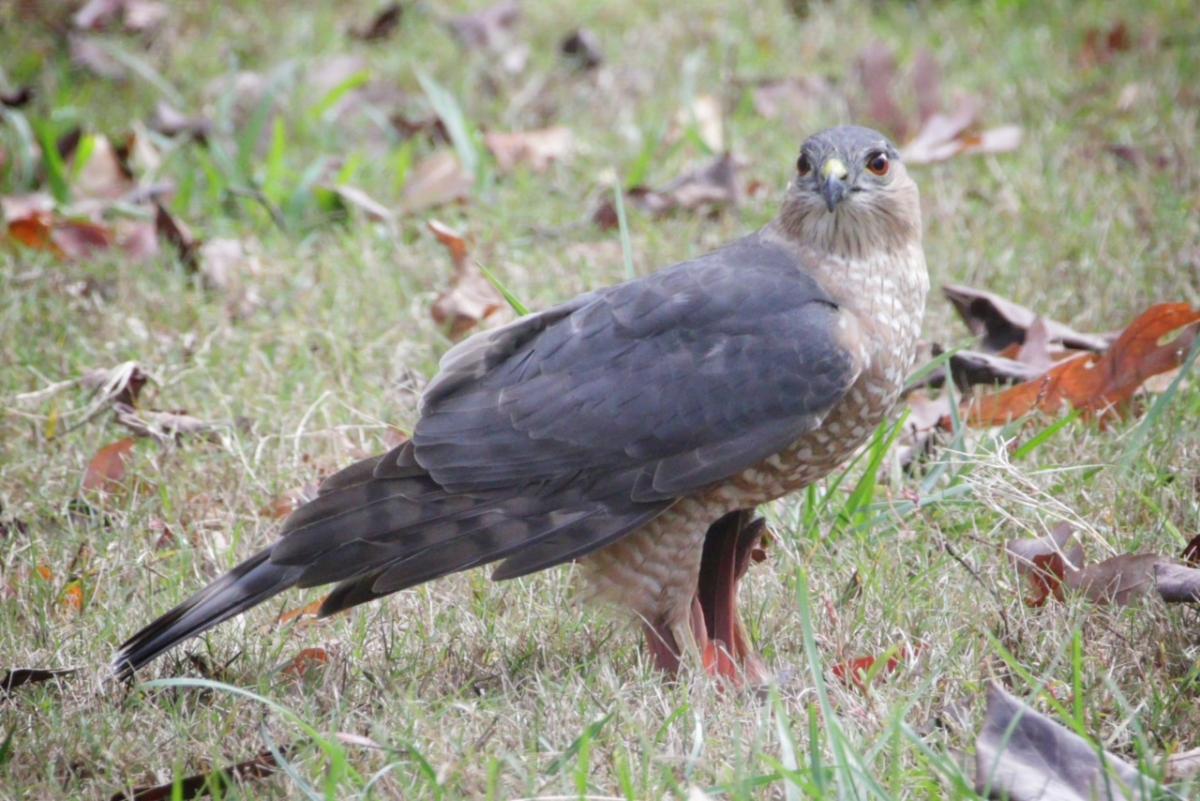
Sharp-shinned Hawk with its captured prey under its talons. A close look at the hawk’s legs shows a vertical, reddish-brown tail between them and a hint of red in the grass in front of its feet, likely a Northern Cardinal based on the feather colors and tail length.
Photo by Mike O'Brien.
| |
|
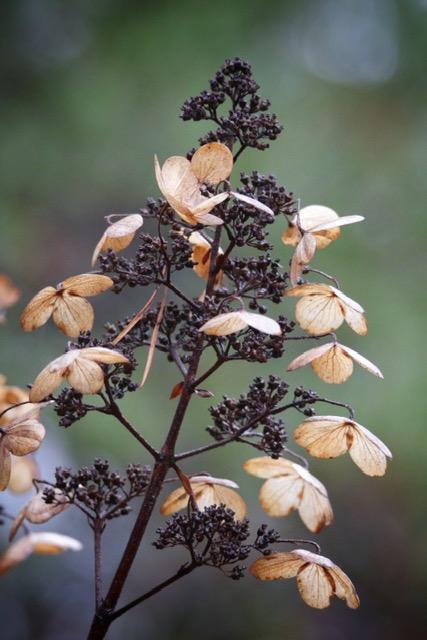
Hydrangea with dry flower heads.
Photo by Mike O'Brien.
| |
|
Becoming a Wild Ones member shows your commitment to the native plant movement and is a great way to connect with a helpful and knowledgeable native plant community that will prove invaluable in your native garden journey!
Benefits of a Wild Ones membership include:
-
Access to the current electronic issue of the quarterly Wild Ones Journal
- Invitations to workshops, garden tours, seed exchanges, plants sales, and stewardship project
-
Discounts for partner educational webinars such as NDAL, etc. and Wild Ones chapter programs
-
Participation in an annual national photo contest
-
Access to the Wild Ones Member Center for learning resources
- Participation in Wild for Monarchs and Native Garden recognition programs
- Involvement in citizen science and networking with conservation partners
- Receiving Wild Ones National e-Newsletters
-
Invitation to Wild Ones' private Facebook discussion group and the national Wild Ones Annual Member Meeting
- Networking opportunities and camaraderie with like-minded people who care about native plants and our planet
Additional benefits for members of the Tennessee Valley chapter:
-
Discounted admission to all Certificate in Native Plants classes year-round.
-
Free admission at members-only programs, including local and regional guided hikes, garden visits (Landscapes in Progress), the annual meeting, an annual plant swap, and other member social events.
-
Annual Welcome Party and Orientation for new members.
-
Monthly email Member Update, with news about chapter activities.
- All members of the family who live at the same address are entitled to member benefits!
Your membership dollars help forward our mission of promoting the restoration of native landscapes by allowing us to:
-
Provide free, educational resources and learning opportunities that are open to the public from respected experts like Wild Ones Honorary Directors Doug Tallamy, Neil Diboll, Heather Holm and Donna VanBuecken
-
Support the efforts of over 65 local Wild Ones chapters in 23 states
-
Publish a quarterly, award-winning, online journal featuring current native plant information and resources
-
Share free, professionally-designed native garden templates for multiple regions in the United States.
| |
The Tennessee Valley Chapter of Wild Ones is 100% volunteer run!
Here are a few ways you can get more involved in the chapter
and in our Chattanooga Pollinator Partnership.
| |
Follow our chapter on social media: | |
Follow Wild Ones on social media: | |
|
NOTE: Please do not unsubscribe!
This is the only method you have for receiving important communications from
the Tennessee Valley Chapter of Wild Ones!
Please add contact@tnvalleywildones.org
to your address book -
This is needed to keep our emails out of your SPAM folder.
| | | | |