Welcome to February’s newsletter, with lots to share!
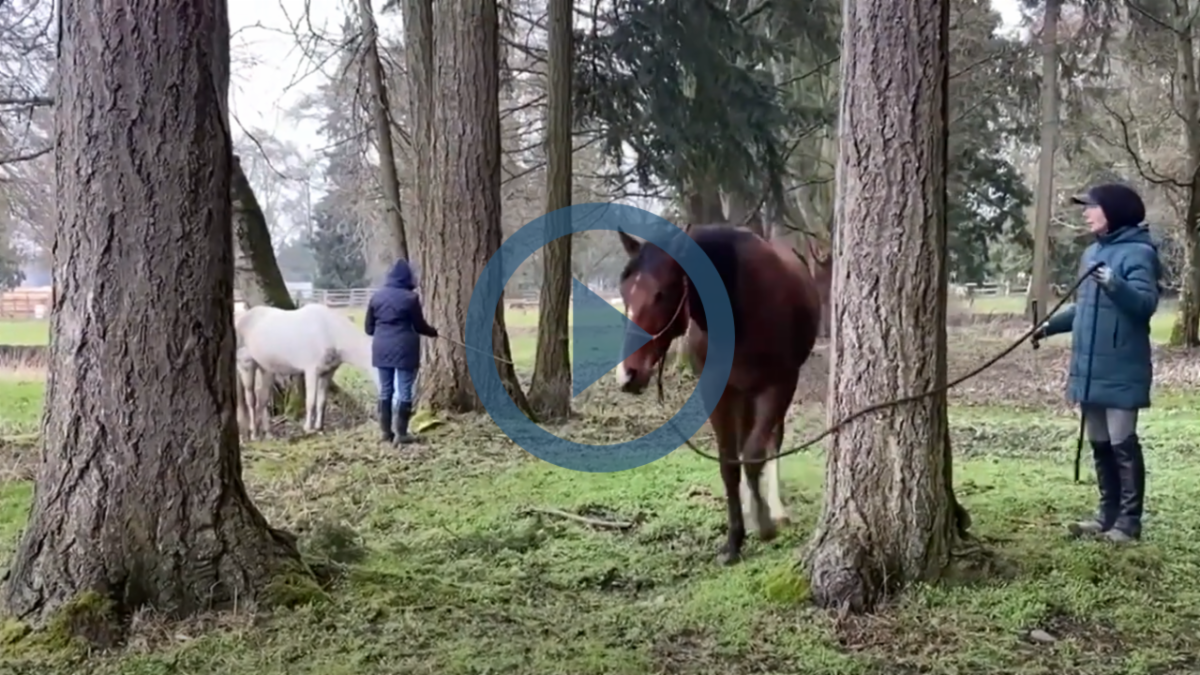
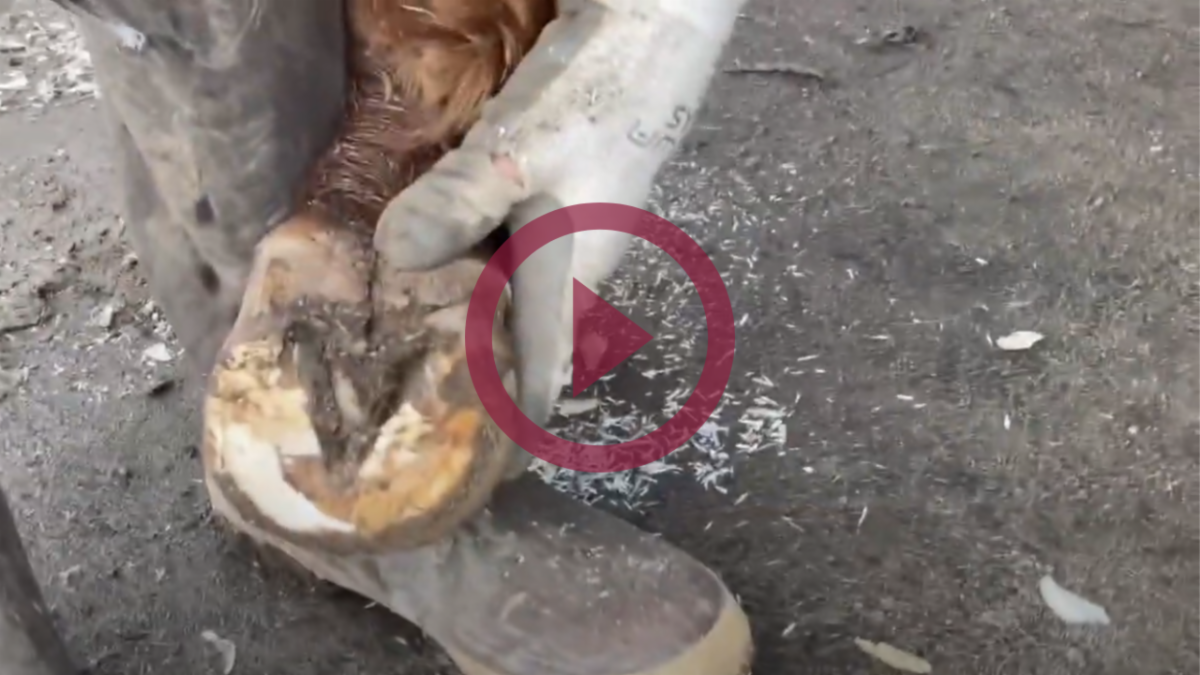
We’ve had some beautiful, sunny days that remind us that spring is not too far off. We even managed to video part of a class in the Emerald Forest—see my article and video link below! It was a really fun day and so great to be back in the trees. I also caught a neat moment with Jerry during Feet First class last week, when he discovered an abscess emerging from one of our older horse’s hind feet—video link below.
Rate increases. Every now and then I need to adjust rates at the Farm, and this is one of those times. As of February 1, rates are as listed on our updated rate sheet. We went through all of the documents on our downloads page, by the way, in case you need any updated copies.
We’ve got some slots open in Martin Black’s clinic next month, so if you’d like to participate in all or some of this special horsemanship event, or audit, let me know!
Yours in good health and horsemanship,
Mary Gallagher
|
|
|
|
Please note: Monday and Thursday evenings from 6-8 pm, the arena is reserved for SHS Equestrian Team
- Every Friday: Horsemanship class 10:30-12:30
-
Feb 27: Feet First Hoof Care Class 11:00-3:00
- March 9-13: Martin Black Clinic
|
|
|
|
|
|
Martin Black Horsemanship Clinic
March 9-13, 2022
We are so looking forward to Martin Black’s return to Freedom Farm! Martin has a unique and helpful gift for illuminating how horses move, and helping us apply that knowledge to getting things done, whether working cows or any other horsemanship task.
Want to reserve?
Got questions?
|
|
|
|
|
|
Feet First Hoof Care Class
With Jerry Schmidt and Mary Gallagher
February 27, 11 AM to 3 PM
|
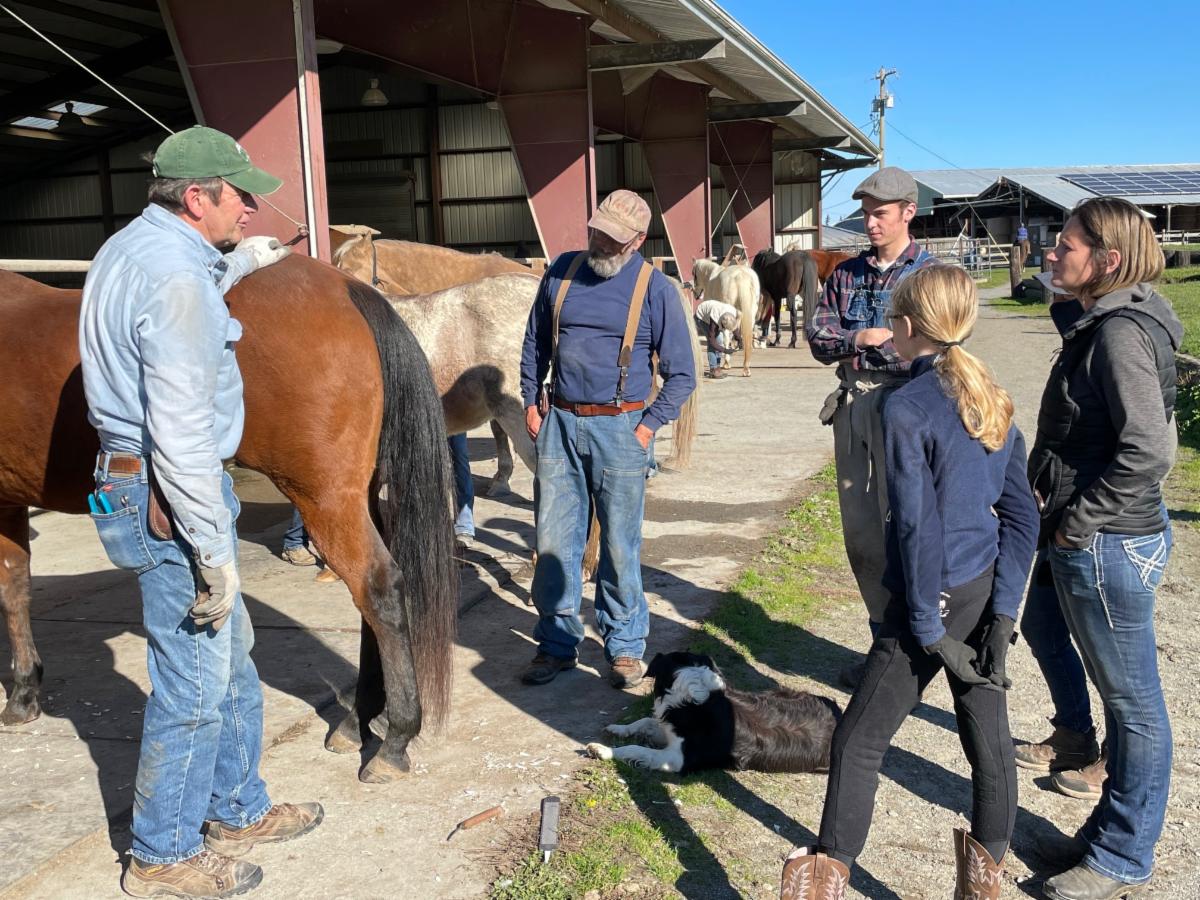
Jerry Schmidt and Mary Gallagher teach you how to care for your barefoot horse, from cleaning to balancing the hoof through regular maintenance you can do between trims. |
|
|
|
Trees Can Help Your Horse Find the Feel |
|
|
|
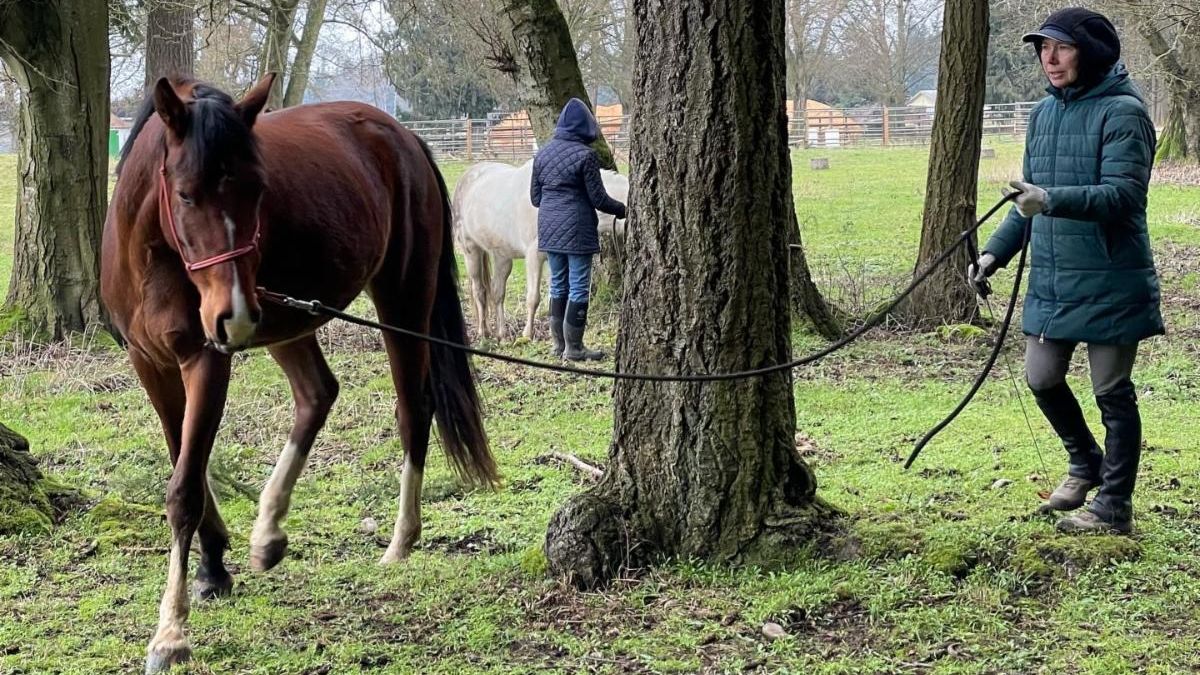
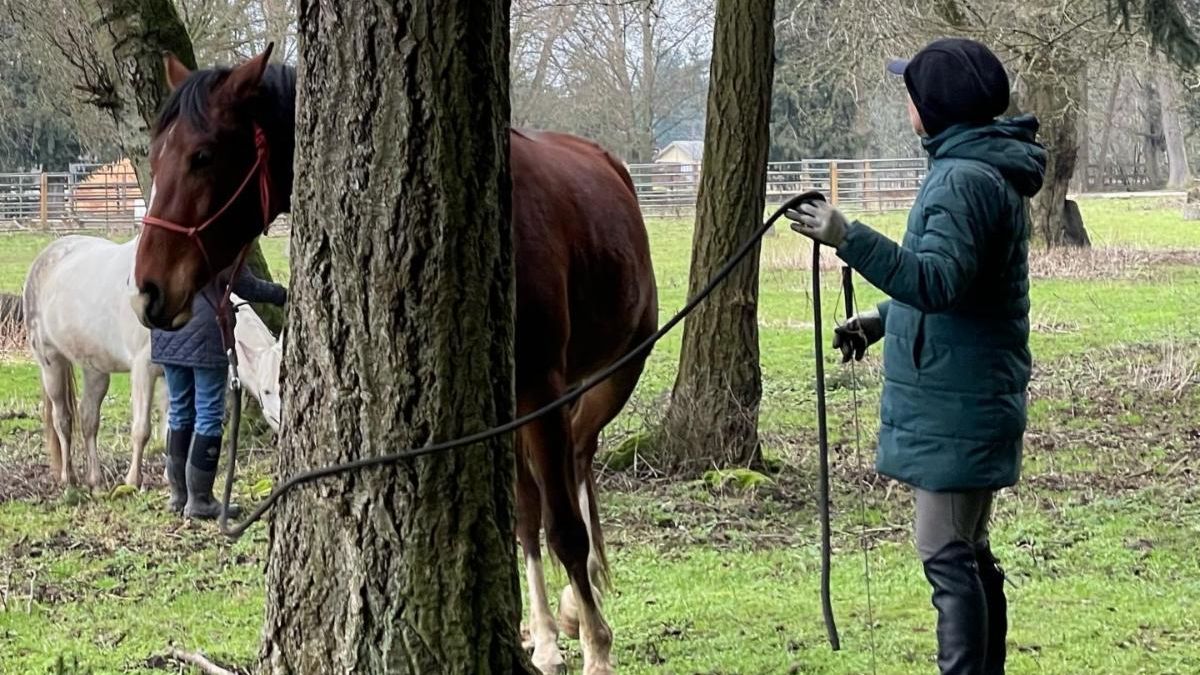
Here at Freedom Farm we are blessed with a wooded playground we call the Emerald Forest. It has provided everyone here with the added benefit of exposing their horses to natural obstacles as well as a quiet retreat to strengthen their relationship with their horses. So with improved weather this month, it was a pleasure to get back out into this beautiful training area. Trees are wonderful obstacles: you can go around or between them, under their branches, over their exposed roots or fallen branches. Today I will share with you one of my favorite ways of using going around a tree to help the horse develop a softer feel.
The basic setup is to ask the horse to walk around the tree, while we remain stationary—provided the tree has a strong trunk and is unyielding to the tension of a rope. A tree like this can be a very solid natural obstacle that provides a clear boundary to help us humans stay more neutral and out of the way.
Although the tree is rigid, the horse can still feel through the rope to the human connection, and we can adjust the feel to meet our horse’s needs. They ultimately differentiate between the unyielding boundary of the tree, and the human offer of softness through the slip in the rope.
During this exercise, you can observe resistance, flexion, weight shift, balance, engagement, and softness. (Again, watch the video to see what I mean.)
|
|
Here's how it works.
(Remember, the trick is to set it up and wait.)
- Send the horse around the tree with a good amount of line;
- As the rope begins to wind around the tree the slack comes out of the rope creating tension, and resistance in the horse. As the horse goes further around the tree the tree creates leverage, and the horse will need to adjust to the shorting of the rope.
- Allow the rope to slip a little bit as your horse’s awareness comes up. This will encourage the horse to shape himself to adjust to the feel on the rope (flexion);
- The horse's natural desire to find his way back to comfort causes him to adjust his feet and rebalance for stability (weight, balance). All of these movements require he engage, or feel the amount of rope he has to work with, and adjust accordingly. This takes time for the horse to process so you need to remain in neutral—no fixing or rescuing!
- After he's flexed, shifted and rebalanced, the horse will soften and return around the tree, seeking further comfort. Allow him to think through the problem—don’t be in a hurry.
- When he is relaxed again, Repeat the process, sending him back around the tree. The horse’s feel through the rope this time will be heightened; not wanting to be caught off guard again he will respect the limitation of the rope and adjust more readily. With each additional send around the tree, he becomes more aware of the feel, and softens more willingly.
|
|
|
|
Hoof Care With Jerry Schmidt:
Discovering an Abscess
|
During our monthly Feet First Hoof Care class, Jerry reviews a student trim, discovering an abscess in the process of taking down the heel. |
|
|
|
|
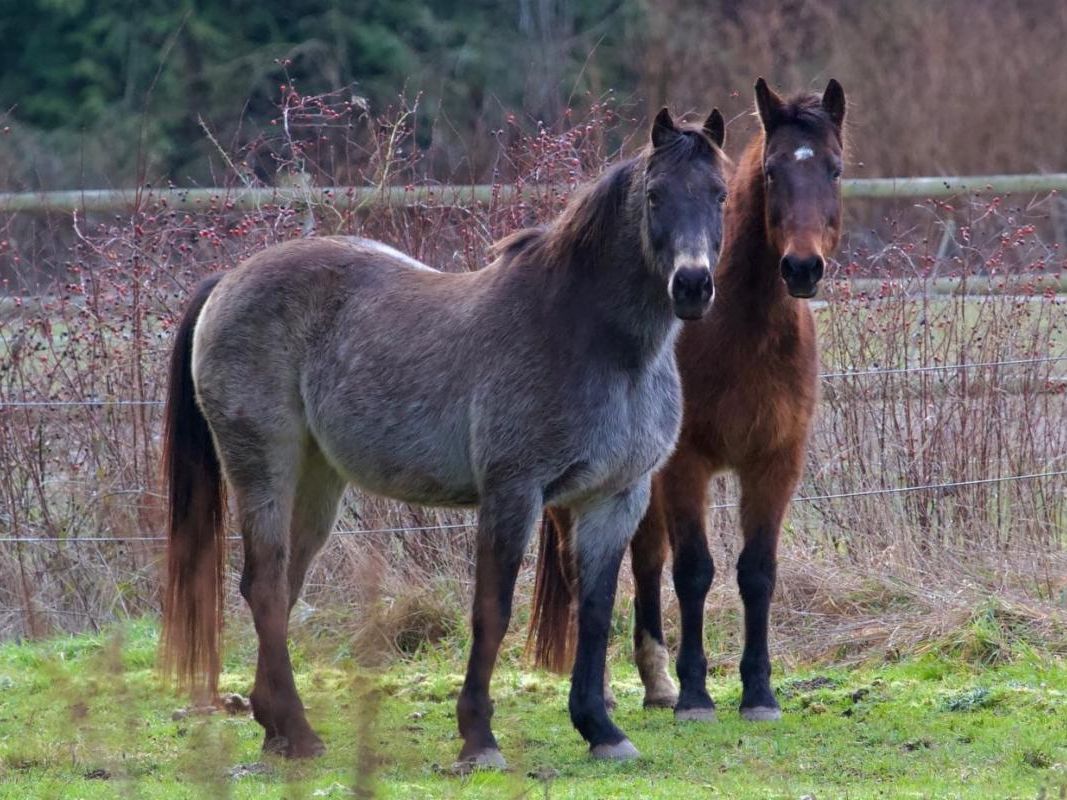
Grasshopper and Amen say spring is not far away! |
|
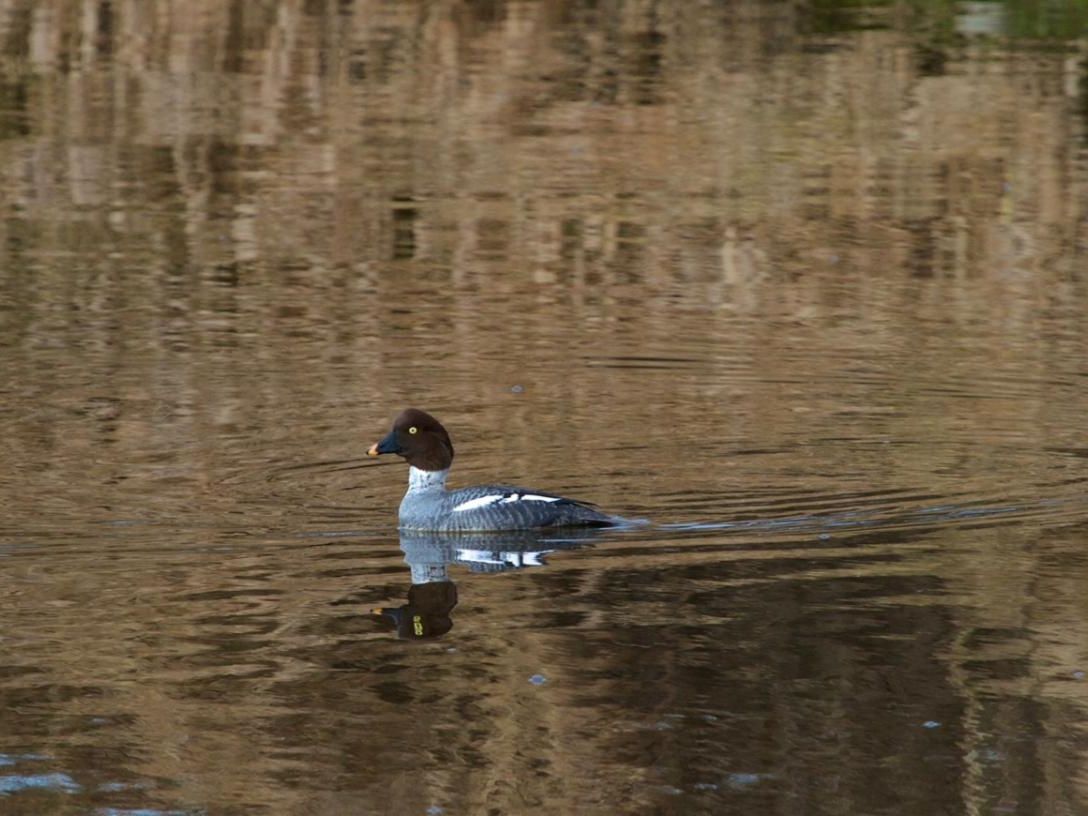
A Golden Eye in our irrigation pond! |
|
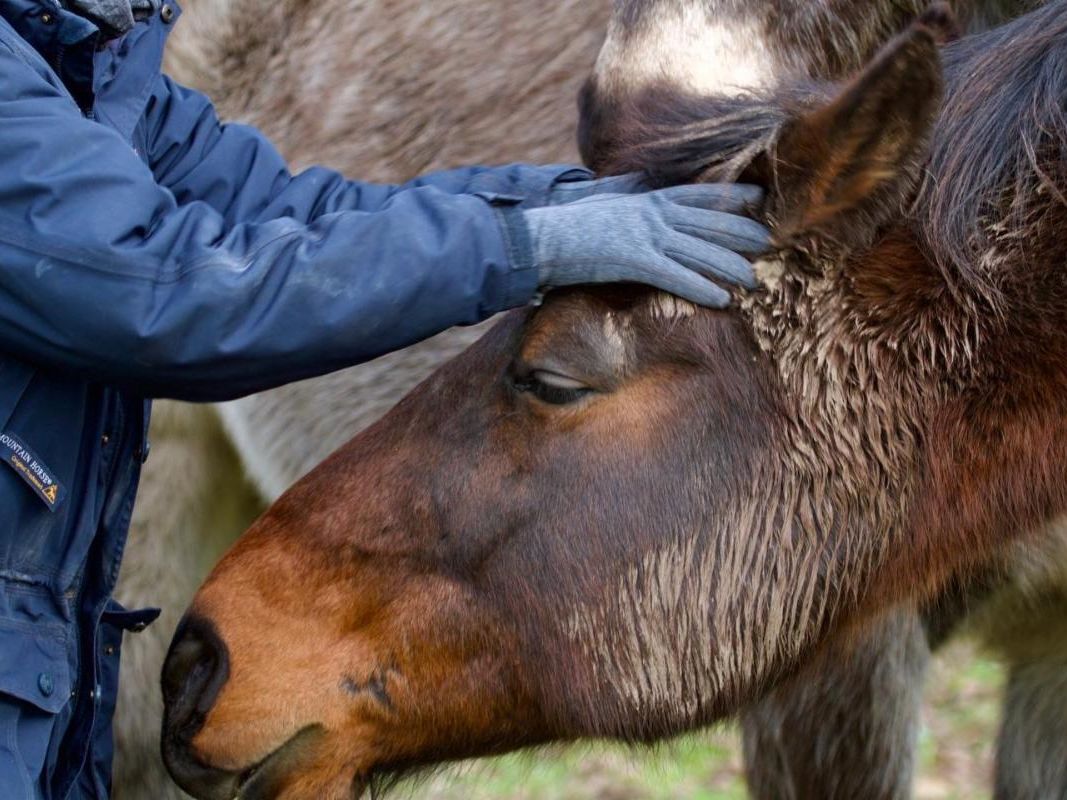
Amen says, ‘mhmm, right there….’ |
|
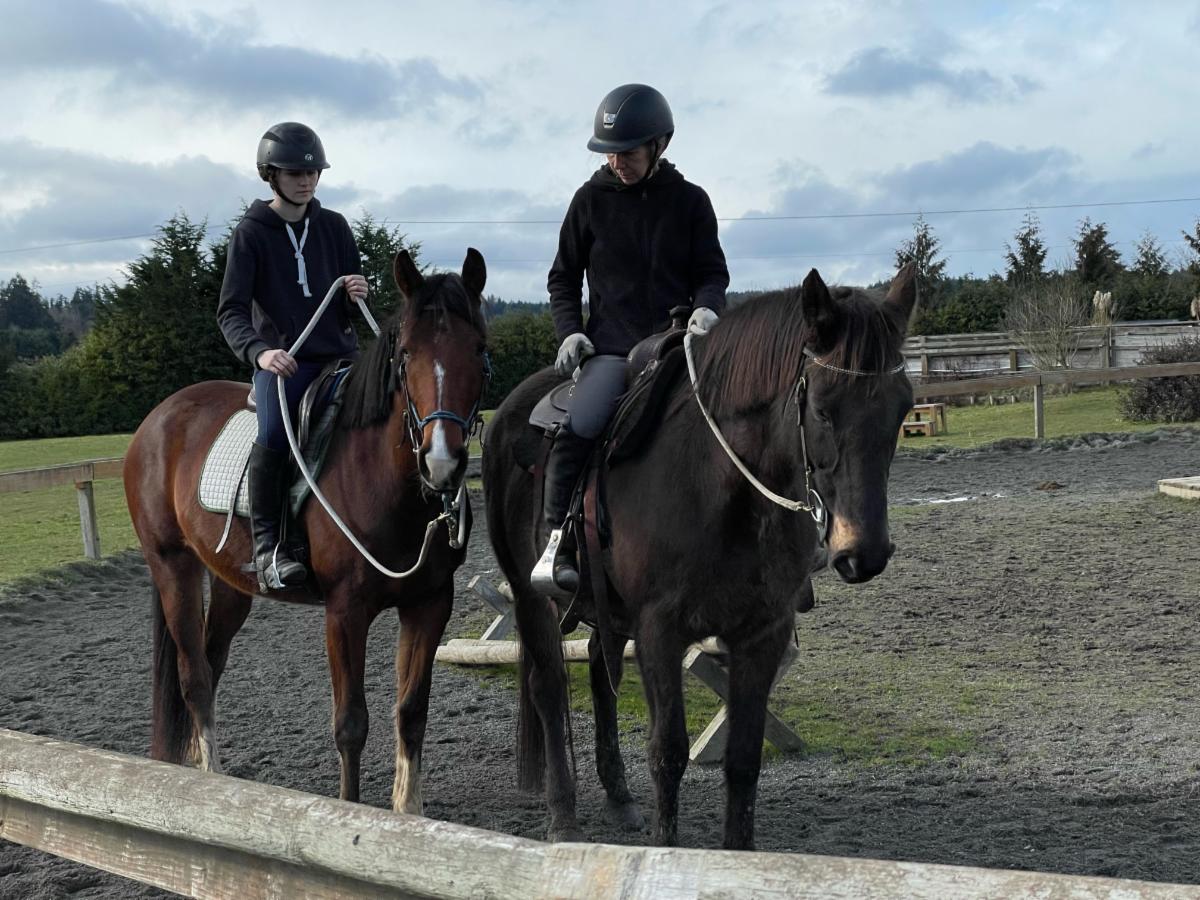
Mo’Czart’s day at school, learning to walk, trot, and stand quietly. |
|
|
|
|
We'd Love to Hear From You! |
|
|
|
This newsletter is a work in progress. Let us know what you think! |
|
|
|
|
|