"Instead of bringing Americans together, public schools—and the district lines that sort kids into them—increasingly accelerate the process of pushing them apart. In some states, altering district lines requires amending the constitution, making better borders difficult to achieve. In others, parents are trying to secede from established districts into wealthy white enclaves that preserve tax revenues for themselves. Ultimately, school districts are choices about what children deserve.”
-Kevin Carey writing for
Time Magazine.
The article explains how inequality can be exacerbated by
school district borders
, through the lens of one small community in Michigan. On a related topic, a Harvard survey found that parents may
say one thing and do another
.
|
|
|
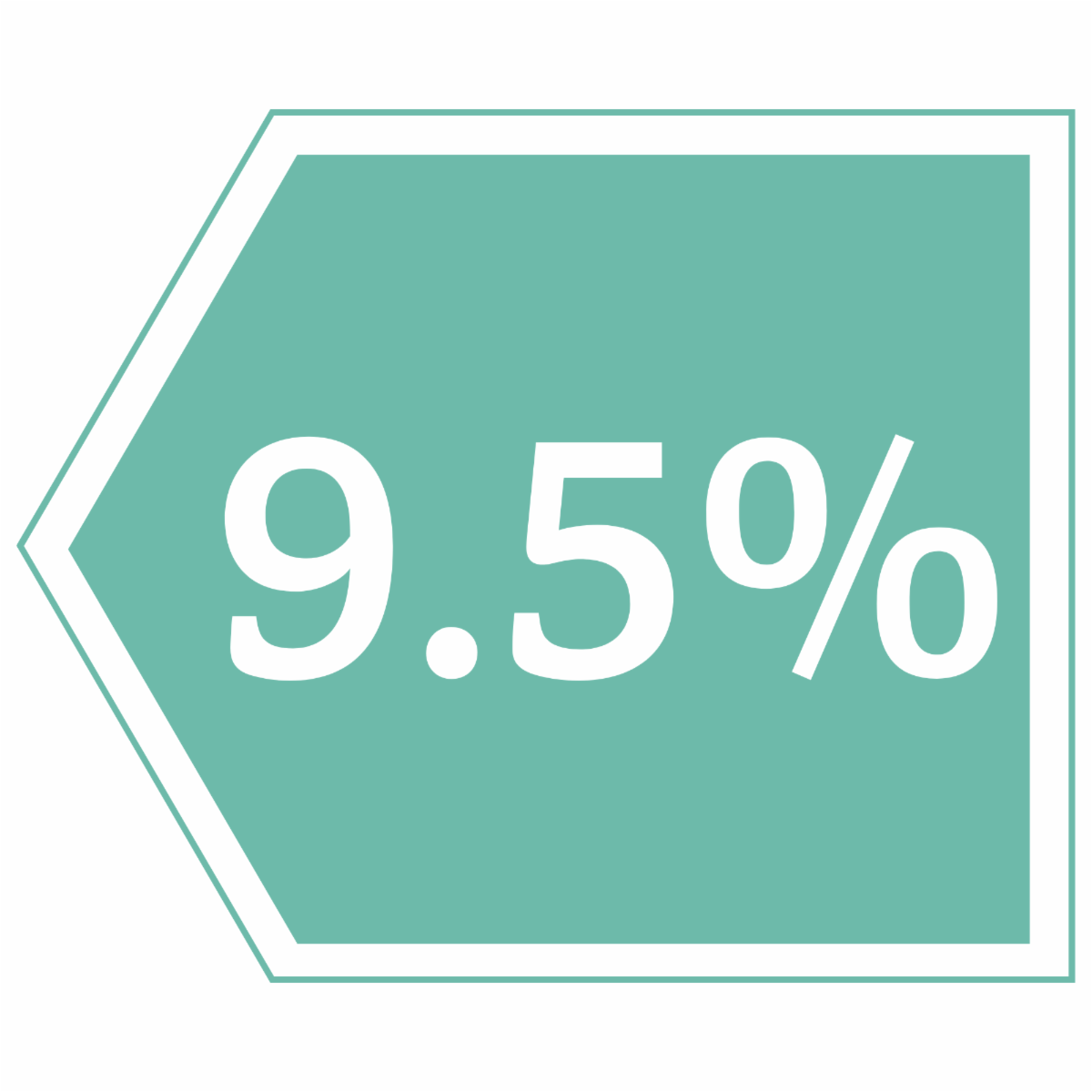
The estimated percentage of
Ohio parents
who quit a job, didn’t take a job, or changed jobs because of child care issues, according to the Center for American Progress.
|
|
|
Direct democracy
A group wanting to impose term limits on Ohio lawmakers is a
step closer
toward getting the issue put on the ballot this fall, having received certification from the Ohio Attorney General. The proposal will now undergo a certification process; after that would come signature collection.
Student/child wellness
Last year, Gov. Mike DeWine invested $675 million across the biennium for schools to spend on student wellness. At a recent children’s
mental health conference
, the governor said he would push for that funding over the long-term, specifically noting that “he would not sign a budget without continued funding for wraparound services” (quote from Gongwer News).
There’s a
new credential
for Ohio early childhood teachers wanting to demonstrate and grow their ability to support the social-emotional needs of young children. Gov. DeWine just launched the “
Infant Mental Health Credential
,
” for which educators can apply through the Ohio Child Care Resource and Referral Association (OCCRRA).
Infant mortality
Last week, the Ohio Department of Health
published
its 2018 report on infant mortality. While the overall rate dropped across the state, the rate for Black babies in particular – who were twice as likely to die before their first birthday as white babies – remains unconscionable. The 46-page report is a tough but important one to read and understand.
|
|
The
Canton Repository
editorializes
about Groundwork Ohio’s new "
Ready, Set, Soar
” initiative to drive awareness about investing in early childhood. The article says that “Fully implementing the recommendations in Ready, Set, Soar Ohio would require a more substantial financial investment on the state’s part, but we believe that would be money well spent.” The Crane Center has signed onto the coalition, which represents over 70 partners.
Child Trends has a
persuasive read
about the need to increase participation in the Earned Income Tax Credit, as a strategy to lift children out of poverty. “According to IRS estimates of
participation rates
in tax year 2018, more than six million households eligible for the EITC (one in five) did not receive it.”
|
|
A new
loan program
in Minnesota would provide up to $2,000 (as a forgivable loan) to licensed providers opening a new child care business.
Education Week
has a good
run-down
of recent (ish) policy changes enacted by states as it relates to reading instruction. Meanwhile, the
Canton Repository
has an
article
on recent instructional changes in Stark County.
New York City is
planning a large expansion
of pre-K for three-year-olds. Few states or cities focus on this age group, which can create issues with continuity of care – not to mention that it places pretty lofty expectations on what can be accomplished from one year (or nine months) of preschool. We hope this article is right, that “The expansion... could, however, inspire other cities and states to open up more classrooms for 3-year-olds. As public pre-K programs have grown over the past 20 years, most states have focused on adding classrooms for 4-year-olds.”
Here’s a worthwhile
read
about California if you’re interested in how early childhood programs are governed from a state level. The governor wants a new agency to oversee programs; not everyone agrees.
|
|
Crane Center scientists
Hui Jiang
,
Laura Justice
,
Kelly Purtell
, and
Randi Bates
were just published in
Clinical Pediatrics
on a study focusing on whether
exposure to environmental toxicants
, such as those found in pesticides or household cleaners, may be a contributing factor to disruption in language and cognitive development for children from low-income homes
.
Of the 190 low-income mothers in the sample, exposure to toxicants was reported by about 20% of mothers at or around pregnancy, and 30% when their children were between 1 and 2 years old. The authors found that
toxicant exposure was significantly associated with lags
in language and cognition even when controlling for socioeconomic factors.
|
|
This edition written by: Jamie Davies O'Leary, Associate Director of Policy and Caitlin Lennon, Communications & Policy Specialist
|
|
Follow us on Twitter @CraneCenterOSU
|
|
|
|
|
|
|