|
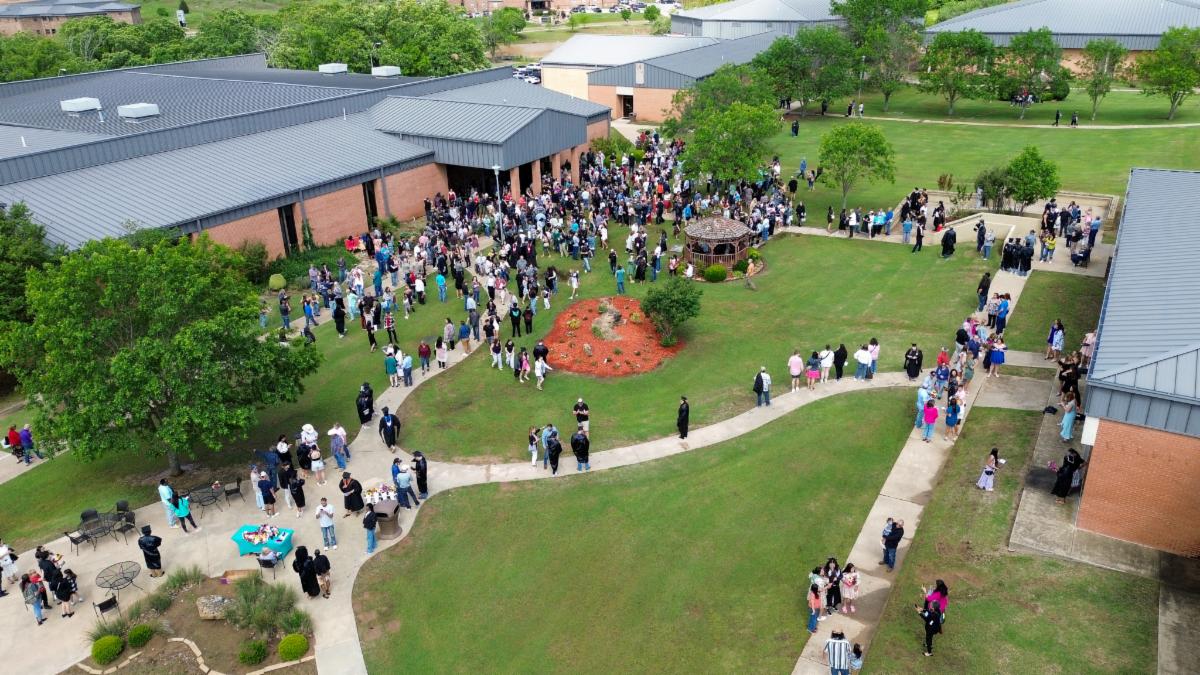
Graduation marks a powerful milestone in the life of every rural community college. Across the country, rural community college students have recently crossed the stage to receive their diplomas. Some juggled parenting, elder care, and school. Many navigated unreliable internet, housing insecurity, or a car that broke down one too many times. Others worked two jobs to support themselves and their families while trying not to fall behind on assignments or sleep. Faculty and staff cheer them on, proud not just of their academic achievements, but of their resilience and grit.
Graduation proves their potential. Now they need systems that match their ambition. What is next for our graduates?
Too often, rural graduates face a dilemma. Their credentials are strong, but the local job market is narrow. They want to stay rooted, but opportunity lies elsewhere. For many, this creates a kind of post-graduate limbo: staying might mean underemployment; leaving could mean disconnecting from family, culture, or place. This is not a failure of students; it's a challenge for all of us who support them.
We know that too many rural graduates face limited local job markets, housing shortages, childcare gaps, and digital divides. The credential may be earned, but the infrastructure to support long-term success is often still missing. And when the only opportunities lie elsewhere, it shouldn’t surprise us when young talent leaves.
At RCCA, we see this as a call to action. The Alliance Academies were created to help rural colleges do more than educate; they help them lead. Each Academy is a cohort of practitioners working together to strengthen their college’s capacity for the long haul: raising private dollars for workforce initiatives, building sustainable student success models, and developing strategies to keep talent rooted locally.
Earning a diploma is a beginning, not an end. Our students are showing up, stepping up, and moving forward. Rural colleges need to move forward as well. Through the Alliance Academies and beyond, RCCA is committed to helping with the tools, training, and community to help colleges build a future where rural graduates can stay, grow, and thrive.
| | | |
🏛️ Welcome Our New RCCA Board Members
We're excited to welcome three new members to the RCCA Board of Directors. These leaders bring deep experience, strong community ties, and a passion for rural higher education.
| | |
Justina Wilhelm
President
Iḷisaġvik College
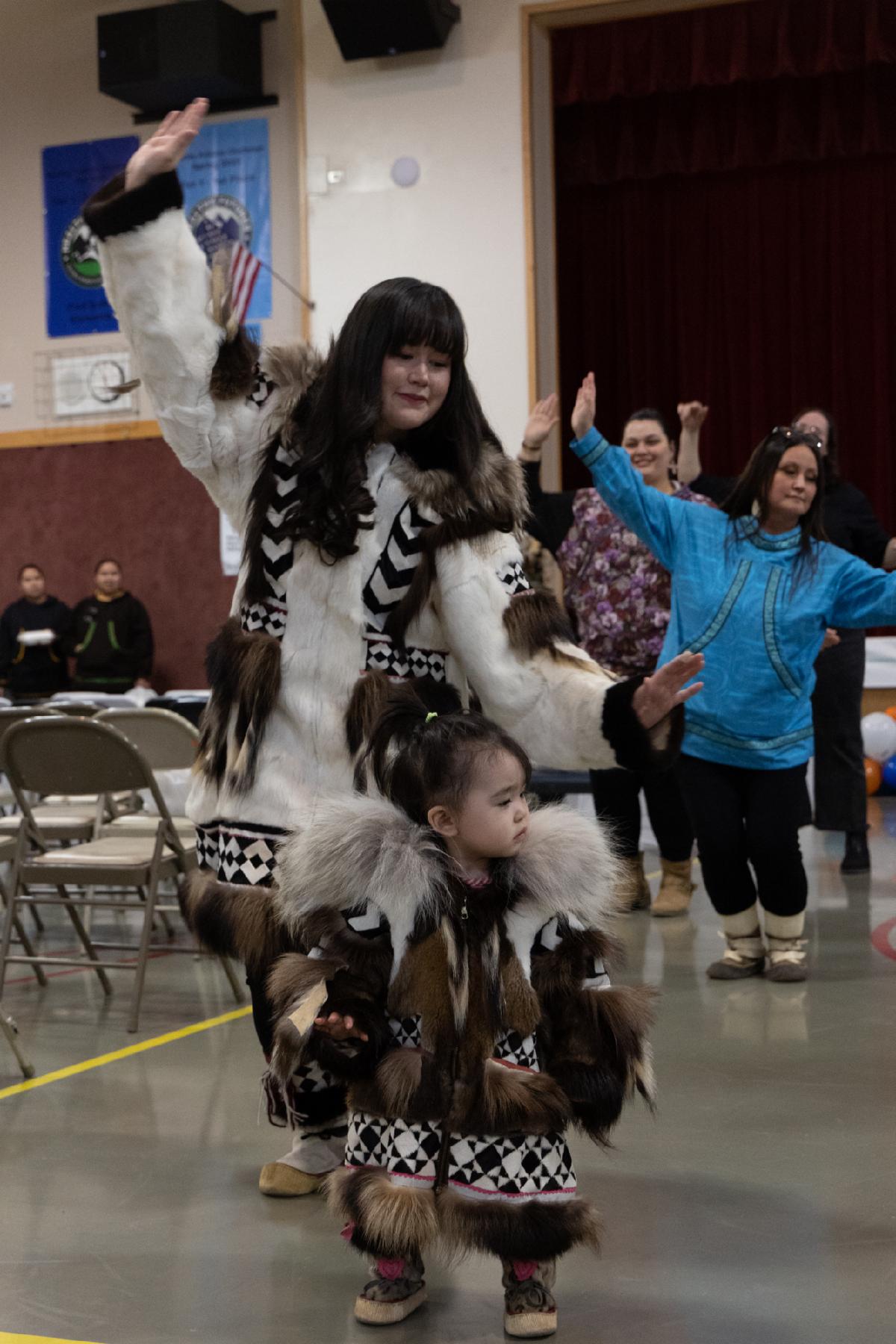
Justina Wilhelm is a lifelong resident of Utqiaġvik, Alaska, formerly known as Barrow. Wilhelm currently serves as the President of Iḷisaġvik College, Alaska’s only Tribal College. Wilhelm is a first-generation college student. She received her undergraduate degree from the University of Hawaii, Hilo, and her MSW from the University of New England.
Wilhelm has worked the entirety of her career on the North Slope of Alaska, encompassing over 20 years of experience in local government, non-profit, and Tribal education. Wilhelm worked for the North Slope Borough Health Department for 14 years in direct care, compliance, and as Deputy Director. Wilhelm joined Iḷisaġvik College in 2017, working first in institutional advancement, and then as VP of Administration. She was appointed President of the college in 2020. Wilhelm is known for her inclusive servant leadership and strategic focus. She leads with integrity and promotes collaborative relationships that support tribal higher education.
Wilhelm is actively engaged in the community and the region. She is an imiun, or a whaling captain’s wife, married to Ross Wilhelm, and together they are Captain and Wife of Makalik Crew. They have four children. Wilhelm serves locally on the Utqiaġvik City Council, the North Slope Borough School District School Advisory Council, and the Arctic Women in Crisis Board. She is also an active board member for American Indian Higher Education, VOICE of the Arctic Inupiat, Rural Community College Alliance, and is a former ASPEN alumnus.
|
| |  | Iḷisaġvik College is a federally recognized Tribal college and the only higher learning institution on the North Slope of Alaska. Iḷisaġvik serves the region by providing endorsements, certificates, associate degrees, a single baccalaureate degree (Bachelor of Business Administration), workforce training, continuing education classes, an extension program, and pre-college programming (summer camps and youth outreach). We are accredited by the Northwest Commission on Colleges and Universities. We serve an average of 1,300 students each year through our academic and workforce education programs. The majority of Iḷisaġvik’s student body consists of nontraditional college students. Seventy-three percent of our students are first-generation college students, and over seventy percent work full- or part-time in their local communities. Most of our students are Alaska Native and/or American Indian (64% during the 2023-2024 academic year), and the majority fall between twenty-five and thirty-five years old. Approximately 30% of our enrollment is traditional college age (18-24 years old). Our most popular academic programs are Business Administration and Business Management, Allied Health, and Iñupiaq Studies.
| | |
Ryan J. Ruda
President
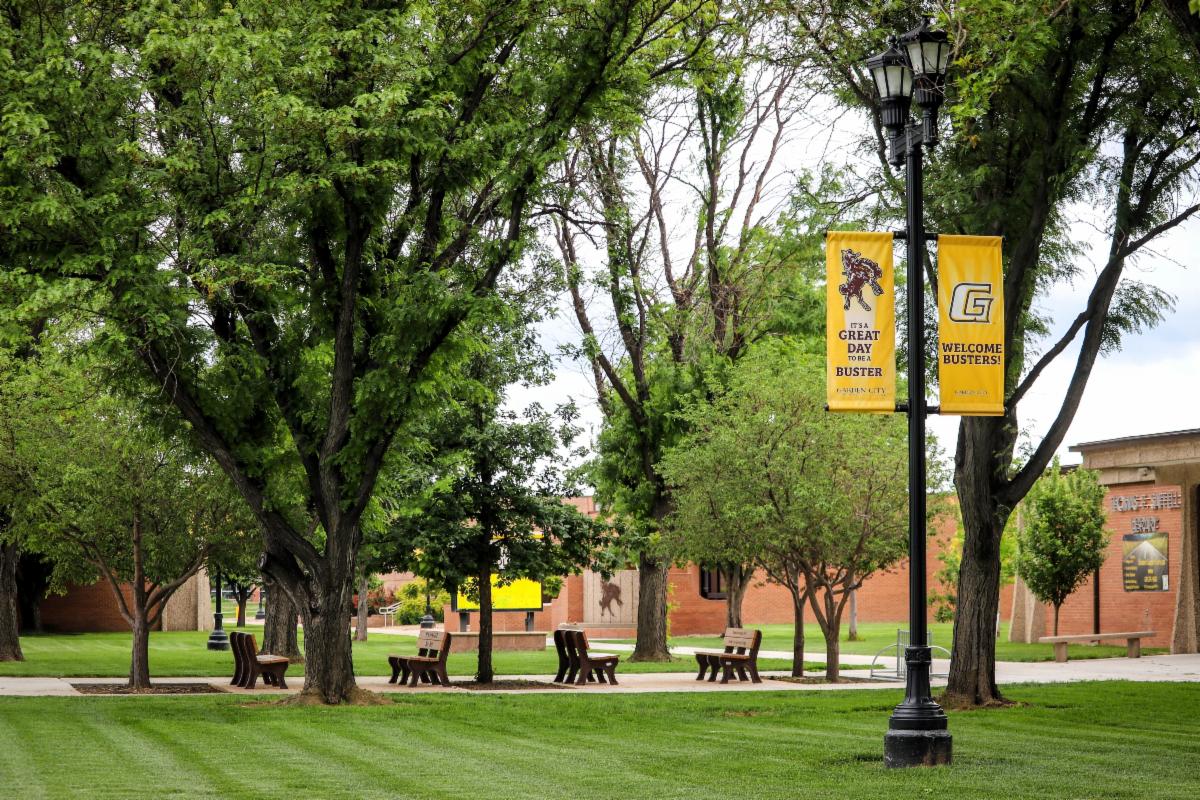
Garden City Community College
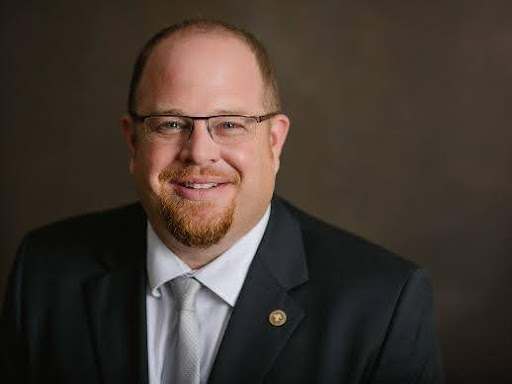
Dr. Ryan Ruda was named the President of Garden City Community College in Garden City, Kansas, in February 2019, a position he had held on an interim basis since the summer of 2018. Dr. Ruda has served in numerous capacities on the campus over the past 25 years. He began his time at GCCC as a counselor and moved into the Director of Counseling role in 2003. From there, he served in various leadership positions, including Vice President for Student Services and Athletic Director. Prior to his selection as President, he served as the Vice President for Instruction and Student Services.
When Dr. Ruda entered the presidential role at Garden City Community College, he brought with him a renewed focus on student-centered and value-driven decision-making at all levels—faculty, staff, and administration. Dr. Ruda exemplifies the “BroncBUSTER” values embraced across the GCCC campus. He is a servant leader, a highly relatable individual, and his passion for student success is felt throughout the institution.
Since 2018, the college has added nine new academic programs and developed a campus-wide Strategic Enrollment Management plan, resulting in the largest enrollment in GCCC’s 105-year history in 2024. Additionally, over $4.3 million in funding through partnerships, grants, and capital campaigns has been secured, leading to the construction of a new STEM Success building. The college has also partnered with four-year universities to offer in-person bachelor’s and master’s degree completion programs in business, agriculture, elementary education, social work, nursing, and secondary education.
Civic and community involvement is important to both Dr. Ruda and his wife, Amanda. She has served as a coach in Holcomb schools and is a junior class sponsor. Dr. Ruda has served in various community organizations, including Big Brothers/Big Sisters, the Holcomb Recreation Board, and currently serves on the Holcomb School Board and the Chamber of Commerce Board.
Dr. Ruda and his wife, Amanda, consider Finney County home, where they have raised their three daughters and built a life grounded in education, service, and community.
| | | |
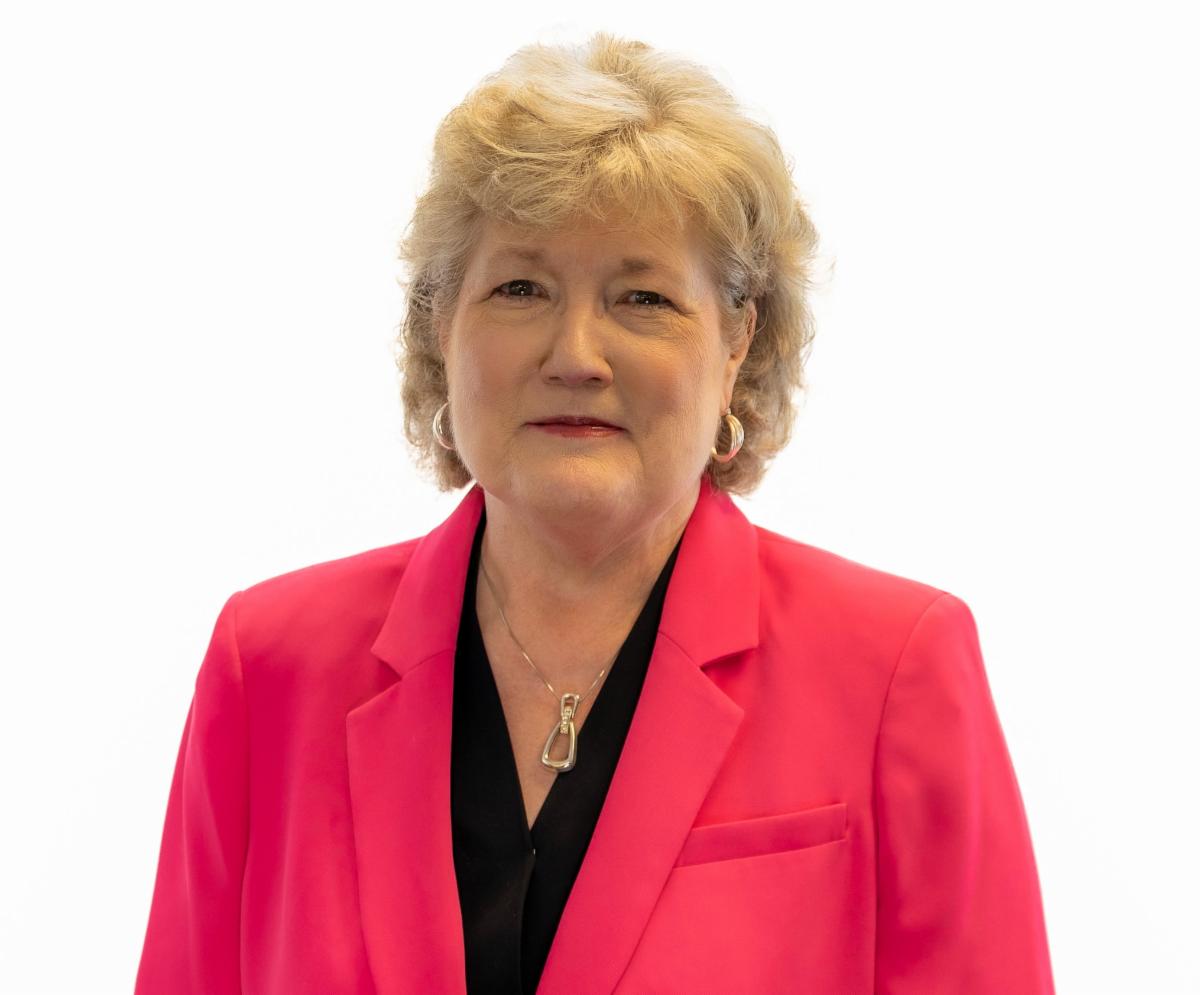
Lana Reynolds
President
Seminole State College
Lana Reynolds became the first female president of Seminole State College in 2017, marking a significant milestone in the institution’s history. Her tenure as president followed more than 30 years of employment at SSC, during which she served in multiple key administrative roles. Reynolds holds a bachelor’s degree in English from Oklahoma Christian University and a Master of Arts in Journalism from the University of Oklahoma. In 2023-24, she chaired the Oklahoma State Regents for Higher Education Council of Presidents. She is a Past Chair of the Council of Two-Year Presidents and the statewide Leadership Oklahoma organization. She will lead the Oklahoma Academy in 2025-26.
Throughout her career, Reynolds has earned recognition for her leadership and community service. She was named Seminole’s “Citizen of the Year” in both 1991 and 2008 and received the Distinguished Alumni Award from Oklahoma Christian University in 2017. Her influence has been acknowledged statewide, with The Journal Record naming her one of “50 Women Making a Difference” in Oklahoma in 2000, 2012 and 2013—an honor that placed her in the publication’s Circle of Excellence.
| |
Reynolds has served as president of the Seminole Chamber of Commerce, the Seminole Rotary Club, and the Oklahoma College Public Relations Association. She has also chaired the Oklahoma State Regents Communicators Council and is a founding board member and past president of the Jasmine Moran Children’s Museum. A graduate of Leadership Oklahoma Class XVII, Reynolds resides in Little, Oklahoma, and continues to be a dynamic advocate for education and community engagement.
For me, Seminole State College is more than just a place of employment—it’s home. Over the course of nearly four decades here, I’ve watched students walk through our doors with big dreams and leave with the confidence and skills to make those dreams a reality. Our campus isn’t just where education happens; it’s where lives are transformed, where friendships are forged, and where purpose is discovered. I’ve had the honor of seeing countless students overcome challenges, achieve personal and academic goals, and become leaders in their communities.
What makes this institution truly meaningful is the people—our dedicated faculty and staff, our resilient students, and our supportive community. We are a family that believes in lifting each other up. Every initiative, every program, every step we take is rooted in the belief that higher education can be a powerful force for good.
| |
|
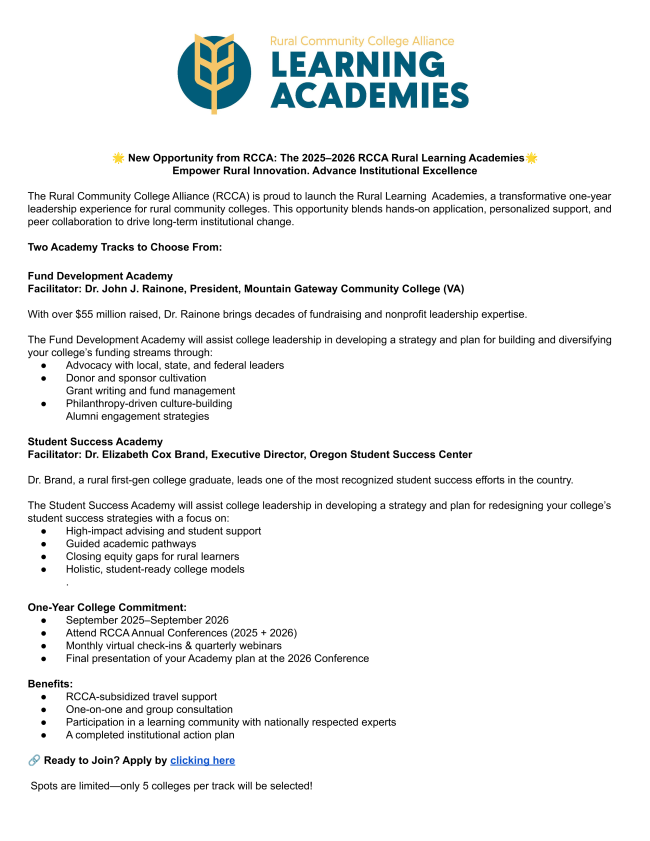
RCCA Rural Learning Academies
The Rural Community College Alliance (RCCA) is proud to launch the Rural Learning Academies, a transformative one-year leadership experience for rural community colleges. This opportunity blends hands-on application, personalized support, and peer collaboration to drive long-term institutional change.
Spots are limited, but applications are still being accepted!
👉 Learn more and apply today!
| | | |
|
Impacts and Consequences of One Big Beautiful Bill Act Pell Changes
From our friends at ACCT: “Impacts and Consequences of One Big Beautiful Bill Act Pell Changes” breaks down how proposed changes to Pell Grant eligibility could impact community college students, especially part-time learners.
👉 Read the full article on ACCT Perspectives.
| | | | Resources and Opportunities | |
|
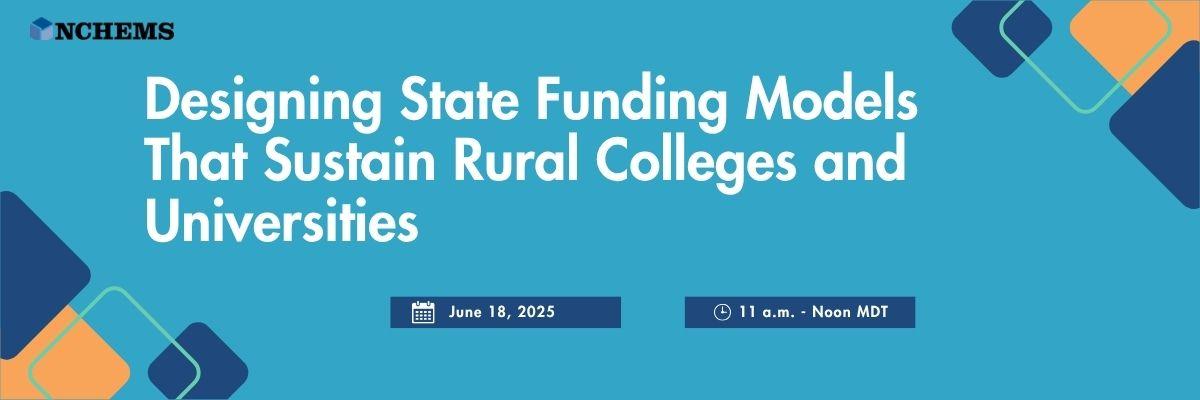
Webinar: Designing State Funding Models That Sustain Rural Colleges and Universities (webinar sponsored by NCHEMS)
Date & Time: Jun 18, 2025 12:00 PM in Central Time (US and Canada).
Nearly half of the students pursuing bachelor's degrees are enrolled in regional colleges and universities. These institutions receive, on average, $1,091 less in state funding per full-time equivalent student compared to non-regional institutions. Many of these institutions are in areas that meet federal, state, and other definitions of "rural," meaning they are often located far from urban centers. Increasingly, higher education leaders at the state, system, and institutional levels are working on strategies to design state funding formulas that meaningfully address these gaps. Join this webinar to learn more about how to define rurality and potential state funding strategies that have the potential to sustain rural colleges and universities.
| | | | |
National Science Foundation: Fire Science Innovations through Research and Education
The U.S. National Science Foundation is hosting a grant opportunity to support science and engineering research in eligible states and territories. This funding aims to help communities build research capacity, foster collaboration, and drive long-term growth in STEM fields. Applications are due by July 1, 2025.
👉 For more details, visit the grant opportunity page.
| |  | |
Grant Opportunity for Tribal Colleges
The USDA Tribal College Initiative Grant program provides funding for construction, renovation, and infrastructure projects that strengthen educational services at Tribal Colleges. Eligible institutions can use funds to improve campus facilities and better serve their communities.
👉 Explore the details and apply: USDA Tribal College Initiative Grants
| | |
Important Dates From ACCT
| |
|
Get Your Story Featured on RCCA
Share Your Good News!
Is something exciting happening at your rural community college? Whether it’s a student success story, an innovative program, a new partnership, or an event worth celebrating, we want to hear from you! The Rural Community College Alliance (RCCA) is committed to uplifting the inspiring work happening at our member colleges.
Use the form below to share your college’s positive news with us. We’ll spotlight selected stories in upcoming newsletters, on our website, or on social media!
| | | |
|
Stay Connected with RCCA on Facebook!
Join the conversation and stay up-to-date on everything happening in the Rural Community College Alliance community by following us on Facebook! From exciting conference updates and educational webinars to success stories and resources tailored for rural colleges, our page is your go-to place for staying informed and engaged.
Follow us at @RuralCommunityCollegeAlliance and be part of our growing network of educators, leaders, and advocates committed to rural student success!
| | | | Follow the RCCA Facebook Page | | | | |