|
Welcome to the latest CMHIS Community Connect newsletter, your bimonthly source for tools, insights, and opportunities to strengthen mental health practices.
In this issue, you’ll find highlights from CMHIS’s first year of support, details on an upcoming Midwest Hub learning opportunity, and a Hub spotlight on a new learning series exploring Indigenous mental health and culturally grounded approaches to care.
This edition also includes a new story from our “Success Stories from the Field: Sustaining Mental Health Service Delivery” campaign, featuring a rural integrated care model in Kansas.
Each issue brings practical examples and timely resources to support your work. As always, CMHIS is here to support a connected community advancing accessible, effective mental health care.
| | Reflecting on Year 1 — and What’s Ahead | |
Dear Colleagues,
As we look ahead to 2026, we’re sharing highlights from CMHIS’s first year of implementation support and what’s next.
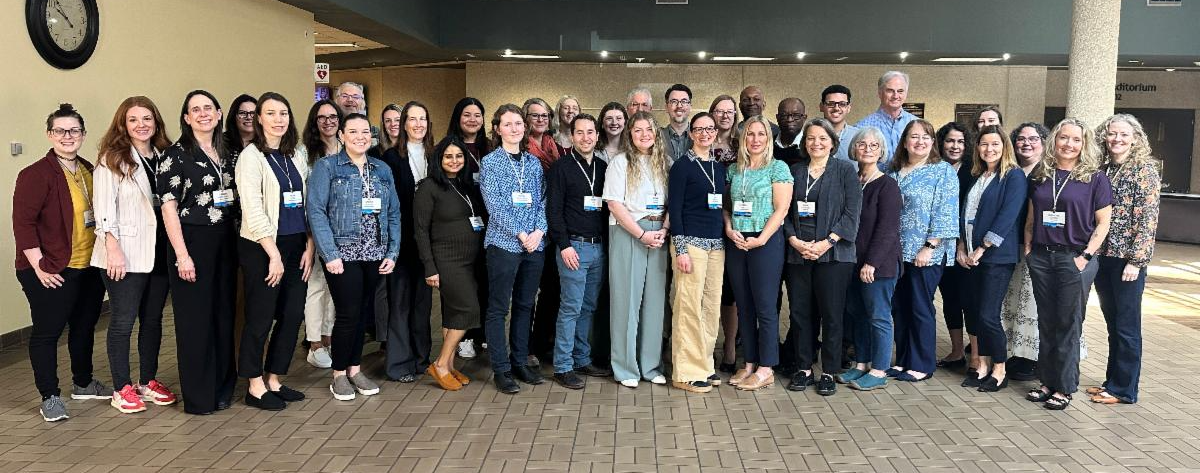
Over the past year, CMHIS and its five bi-regional Hubs partnered with mental health systems nationwide to provide tailored, practical support focused on the “how” of practice change. This work supported organizations navigating complex challenges related to planning, coordination, sustainability, and scale.
CMHIS Year One Highlights include:
- Launching a national needs assessment to better understand what implementers value and where support is most needed
- Establishing a Consultative Monitoring Board to remain aligned with field priorities
- Delivering hands-on consultation, learning communities, and coaching to over 1,100 people on key implementation topics such as community engagement, quality improvement, fidelity to effective practices, and sustaining services
- Expanding the CMHIS resource library with 47 practical tools aligned with our eight core topics
You can explore these highlights and more on our new Impact page, which brings together summaries of CMHIS’s work across Hubs and initiatives:
| | We'll continue sharing updates throughout the year. | | At CMHIS, all of our learning opportunities and resources are free. | | Upcoming Event: Evidence-Based Practice Implementation Support Learning Community | | |
Series starts Feb. 10 | 10–11:30 a.m. CT
The Midwest Hub is launching a new learning opportunity for teams seeking hands-on support to strengthen the implementation of evidence-based mental health practices. Beginning Feb. 10, this free, multisession learning community will guide participants through practical strategies to plan for, implement, and sustain evidence-based practices in real-world settings.
Participants will engage with implementation experts, take part in structured learning activities, and work alongside peers to address common challenges such as aligning teams, selecting implementation strategies, and navigating system-level barriers. The series is designed to help teams move from intention to action, with a focus on applying implementation science principles to day-to-day practice.
This series is open nationally to mental health leaders, supervisors, implementers, and partners involved in planning or delivering evidence-based services.
| | Southwestern Plains Hub: The Interconnected Path to Wellness | | |
Apply by Jan. 30
Series starts March 5 | 1–2:30 p.m. CT
Join the Southwestern Plains Hub for a six-session virtual learning series exploring the historical, cultural, and system-level influences shaping Indigenous mental health and what it takes to implement culturally grounded, sustainable practices. Participants will examine barriers within care systems, the role of community and culture in healing, and practical strategies to support effective implementation in Indigenous contexts.
This series is open nationally to professionals working in health care, education, and community-based settings who support Indigenous communities. If you are interested, please review and submit the learning series application by Friday, Jan. 30.
| | Integrating Behavioral Health in Rural Kansas: Building a Sustainable System from the Start | | |
CMHIS is bringing you another story from its recently launched campaign, “Success Stories from the Field: Sustaining Mental Health Service Delivery.”
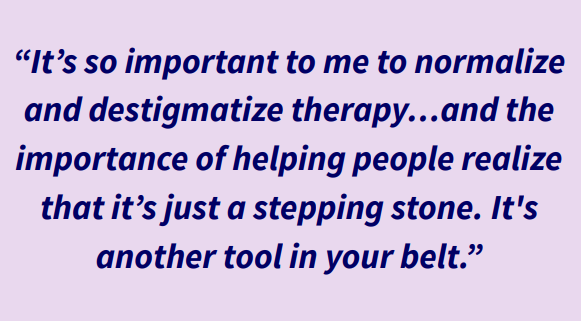
Building sustainable behavioral health systems in rural communities requires planning from the start. In the heart of Kansas, Greeley County Health Services is integrating behavioral health into medical care, making mental health a routine part of the patient experience. With support from a SAMHSA grant, the program is building strong community partnerships, expanding access to services, and reducing stigma. Early progress shows growing demand and engagement, as well as a promising model for rural integrated care.
Read the full story to learn how rural communities can normalize behavioral health while building systems that last.
| | |
We’d love to hear from you! Is there something you want us to cover in an upcoming CMHIS newsletter? Send us your thoughts, stories, or feedback.
What to Expect Next Month
In February, you’ll receive the newsletter from your local Hub, with updates and highlights from your bi-region.
We’ll be back in March with more CMHIS news, stories, and insights. In the meantime, feel free to visit our website, send us an email, or follow us on LinkedIn.
Request Support
The Center for Mental Health Implementation Support (CMHIS) and our bi-regional Hubs offer assistance to grantees funded by SAMHSA’s Center for Mental Health Services and any organizations that oversee or directly provide mental health services. We can help your organization or system improve the delivery of mental health care by supporting you in preparing for, implementing, and sustaining effective prevention, treatment, and recovery programs and services.
Please review our guidelines and submit a request.
| | This project is supported by Grant Number SM090078 from the Substance Abuse and Mental Health Services Administration (SAMHSA) of the U.S. Department of Health and Human Services. Its contents are solely the responsibility of the authors and do not necessarily represent the official views of SAMHSA/HHS or the U.S. Government. | | | | |