ICTA September 2026 Edition
There’s More Than One Future of Cinema
| | |
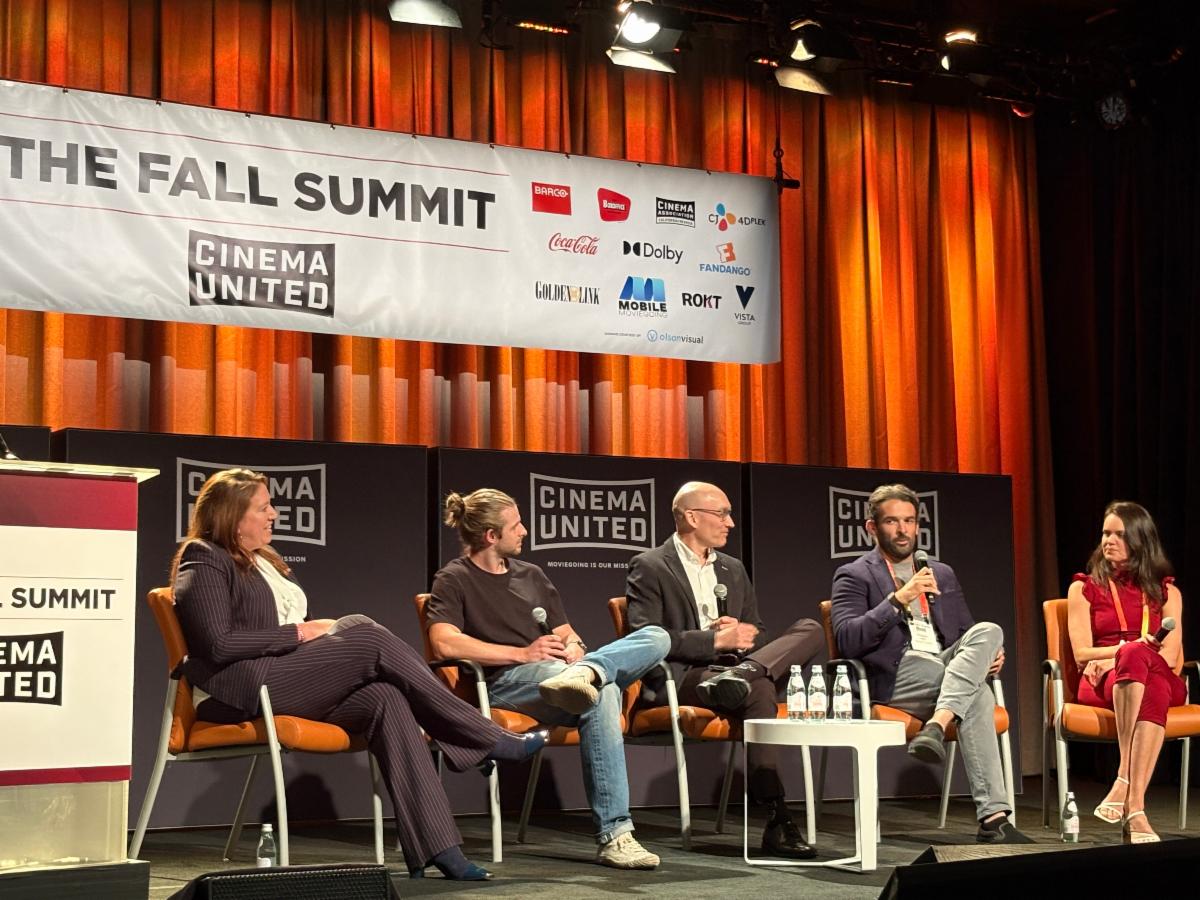
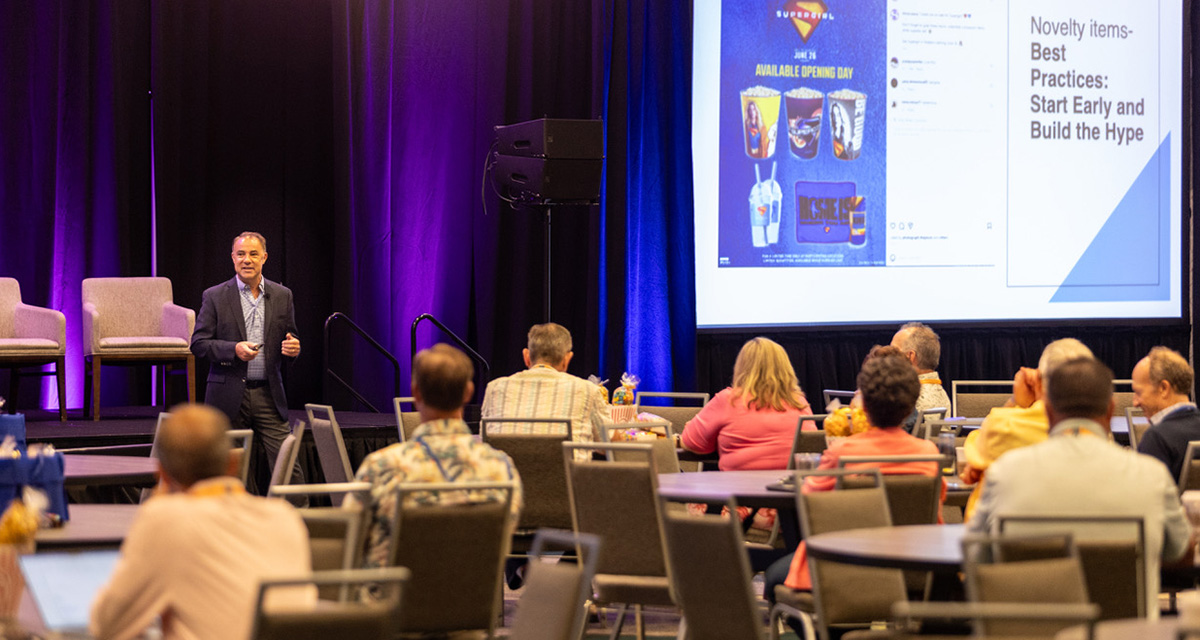
ICTA at the Cinema United Fall Summit. Photo Credit: Lynn Blakesley | |
Hello
September did not point in one direction, and that turned out to be the story.
Direct-view LED reached North America with acoustic transparency intact. A theatre in Ohio brought back reel-to-reel 70mm and posted the best revenue in its 26-year history. Disney put its own premium label on screens it does not own. Regal handed idle showtimes to an outside programmer. Cineplex opened its books. And in Los Angeles, ICTA sat at the front of the room on AI.
Last month we wrote that the industry was deciding what kind of capacity to build. This month it started deciding what kind of business to be.
Our promise remains the same:
👉 One place for people who love cinema technology.
👉 Only the insights that help you run better, more future‑proof theatres.
| | The Big Picture: The Cinema Business is Changing the Value of the Visit | |
AI in Practice at the Cinema United Fall Summit | |
On 30 September, ICTA President Carrie Dietrich moderated “AI in Practice: Ways This Tool Can Work for You” at the Cinema United Fall Summit in Los Angeles.
The session deliberately moved past AI theory to focus on practical applications for exhibition: audience discovery and digital presence, forecasting and film booking, theatre operations, and exhibitor-built tools.
Panelists were Maximilian Allen of Allen Theatres, Matthew Liebmann of Vista Group International, Robert Lytle of Brenden Theatres, and Michelle Villegas of The Boxoffice Company. ICTA was well represented, with Allen Theatres and Vista Group International both ICTA member companies. Thank you to Cinema United for inviting us to join the conversation and to Amanda Martin, Frank Tees, and Mark Mayfield for coordinating the session.
The discussion builds on ICTA’s ongoing work through FutureScript, where the emphasis has been less on what AI might eventually do and more on what cinema professionals are already building and using.
From FutureScript to the Fall Summit, the goal is the same: move the AI conversation from “What is this?” toward “How can I actually use this?”
| | | |
ICTA FutureScript | Should We Use This AI? Episode 4 | |
How cinema teams evaluate AI before it reaches the business.
AI tools are arriving faster than most organisations can evaluate them. Every week brings another platform, another promise and another pitch claiming to transform marketing, operations, customer experience or decision-making.
For cinema leaders the important question is not “What can AI do?” It is “Should we actually use it?”
Episode 4 moves FutureScript from experimentation to evaluation. Co-hosts Mark Collins, Owner of Collins Theatre Systems and Keerthana Mahadevan, Founder and CEO of Segmentide, are joined by Mark Cribb, Manager of AI Solutions & Applications at Marcus Theatres for a candid look at how AI solutions are actually assessed inside an operating cinema business.
The conversation covers what gets a use case tested, what stops an idea before it becomes a pilot, how to read a vendor’s claims, and the considerations that decide it: business value, data and privacy, security and governance, integration, operational readiness, accuracy, human oversight, cost against expected value, and whether it scales.
Both sides of the table. Operators evaluating the pitch, and suppliers making it.
🗓️ Thursday, 29 October 2026 · 🕚 11:00 AM ET · 📍 Virtual
| | | | Infinity Vision's First Test: 52% of the Gross | |
|
Matt Kalavsky, SVP & General Sales Manager, The Walt Disney Studios, and Andrew Cripps, Head of Theatrical Distribution, The Walt Disney Company, present Infinity Vision at CinemaCon 2026
Getty Images for CinemaCon
| |
In July and August we followed a premium market that was running out of capacity. September added a new player trying to steer that demand: the studio.
Disney's Infinity Vision certification had its first commercial run with Avengers Endgame: Encore. The re-release played on 3,060 North American screens and grossed $26 million, topping the domestic chart, with $86 million globally. More than 1,300 of those screens were certified as meeting Infinity Vision standards, and they brought in $13.5 million. That is 52 percent of the box office from 43 percent of the screens. Deadline estimated that IMAX and PLF screens combined drove about 60% of the weekend take.
Why it matters: This is the first time a studio has put its own premium label across exhibitor-owned PLFs at scale, and the first data says audiences respond to it. For exhibitors with a proprietary large format, certification can be the difference between a room the studio actively markets and one it does not. For manufacturers and integrators, Disney's technical criteria (screen size, brightness and immersive audio) now work as a de facto upgrade checklist ahead of the biggest December release of the year. The question to watch is whether other studios adopt the label or build competing ones.
| | | | | The Record Summer Was a Premium Summer | |
|
Obsession, Spider-Man Brand New Day, Backrooms, Michael, Odyssey and Toy Story 5
Focus Features/Sony/A24/Lionsgate/Universal/Disney/Getty
| |
The final summer numbers arrived in September, and they confirm what July and August suggested.
Summer 2026 set an all-time domestic box office record of $4.76 billion. Comscore reported it was the first summer on record in which each of the four core months (May through August) earned more than $1 billion domestically. Spider-Man: Brand New Day and The Odyssey together contributed more than $1.5 billion of that total, over 30 percent.
Why it matters: Even the trade press reached the same conclusion. Deadline noted that whatever the current supply of premium screens is, there is demand for more. A record summer built on a few event titles also concentrates risk, as we noted in August. But for capital planning, the evidence is consistent: the premium tier is where incremental revenue lands.
| | | | | SCREENX Scales Up, and Starts Pairing Up | |
|
“Spider-Man: Brand New Day” and “The Odyssey.”
Sony (L) | Universal (R)
| |
Two announcements bookended the month for CJ 4DPLEX in North America.
On 30 September, CJ 4DPLEX and Cinemark announced an agreement to add 20 new SCREENX auditoriums, 17 in the U.S. and three in Latin America. Six of the U.S. auditoriums are scheduled to open in 2026, bringing Cinemark's domestic SCREENX footprint to 30 in time for Avengers: Doomsday. One location is pointed squarely at the creative community: CJ 4DPLEX highlighted bringing SCREENX to Cinemark's Playa Vista theater so studio executives, filmmakers and talent on L.A.'s Westside can experience the format firsthand.
Why it matters: Two shifts are visible here. First, premium formats are starting to stack: SCREENX paired with Atmos means panoramic image and immersive audio in the same room, which changes specification, installation and calibration requirements. Second, a format with a dedicated content slate ("shot for" rather than converted) gives exhibitors a scheduling argument, not just a technology argument. For integrators, a 20-screen rollout with a hard December deadline is a near-term services opportunity.
| | | | | Acoustically Transparent LED Reaches North America | |
|
Over the summer we followed GDC Technology's acoustically transparent Tricorne Premium LED from a planned 30-meter screen in Nuremberg (July) to India's first installation in Chennai (August). In September it arrived in North America.
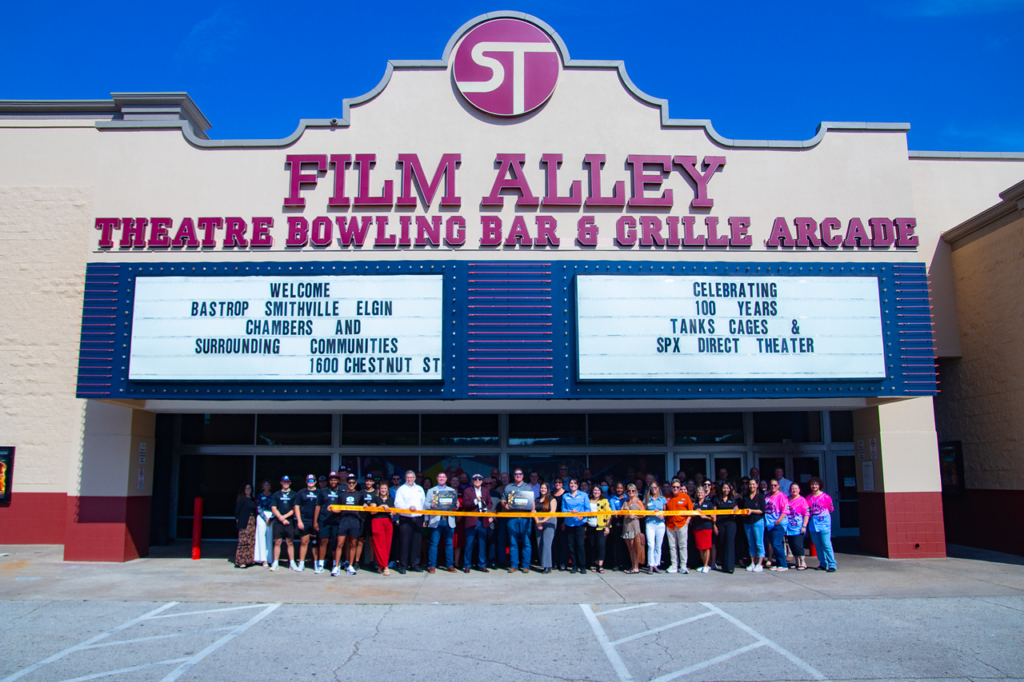
On 30 September, GDC announced that Schulman Theatres has installed North America's first acoustically transparent cinema LED screen at Film Alley Bastrop in Texas. The 87-seat SPX Direct auditorium uses a Tricorne Premium LED screen with an ultra-fine 2.5 mm pixel pitch. Because the screen is perforated, the loudspeakers sit behind the image in the traditional position, instead of above, below or around the display as conventional cinema LED requires.
Why it matters: The first North American installation is not a flagship megaplex. It is an 87-seat room at a regional independent circuit. That matters more than a showcase: it shows direct-view LED with conventional behind-screen audio can be specified for small and mid-sized premium rooms, not just landmark halls. For integrators and audio members, acoustically transparent LED keeps the existing speaker layout and calibration practice in play, which changes the retrofit conversation for exhibitors weighing LED against RGB laser.
| | | | | 70mm Proves Old Technology Can Create New Revenue | |
|
Originally reported June 2026, included here for September.
And then there is the other end of the technology timeline.
Phoenix Theatres opened a new 70mm auditorium at Great Northern Mall in Ohio, debuting it on 16 July with Christopher Nolan's The Odyssey and becoming the only location in Northeast Ohio presenting the film in 70mm on traditional reel-to-reel equipment. The idea was championed by Great Northern General Manager Isaiah Champe. According to Phoenix Theatres, the run helped produce the largest box office revenue in the company's 26-year history.
That makes this more than a nostalgia story. Phoenix did not chase the newest format. It built the scarcest one available in its market, and the format itself became part of the event.
Why it matters: This was a capital decision, not a sentimental one, and it competed for the same money an RGB laser or LED refit would have taken. For members with film handling, projector refurbishment or large-format servicing capability, the Odyssey run has demonstrated demand that outlasts the title. The lesson is not that every cinema should install film. It is that in a month when the industry debated which premium format to back, a regional independent won its market by picking the one nobody else could offer.
| | |
Sources to read more:
Cleveland
https://www.cleveland.com/entertainment/2026/06/phoenix-theatres-great-northern-mall-to-debut-70mm-format-with-the-odyssey.html
| | | | Dolby Vision+Atmos Reaches Japan, Inside Someone Else's Brand | |
|
Announced 10 September. Cinema Sunshine becomes the first theatrical exhibitor in Japan to adopt the Dolby Vision+Atmos solution, opening "BESTIA IN Dolby Vision+Atmos" in Theater 12 at Cinema Sunshine Misato in Saitama on 6 October. BESTIA is Cinema Sunshine's own premium brand, operated by Sasaki Kogyo Co., Ltd.
The naming convention is the story. Vision+Atmos is the licensable version of the Dolby Cinema experience, and it lets an exhibitor put Dolby specification inside a house format rather than operating a Dolby Cinema under Dolby's brand. Megabox took it first globally in Korea, The Movie Experience SLO was the first US adopter, and Japan now follows. Dolby reports more than 880 theatrical features released or confirmed in Dolby Vision and Dolby Atmos, including all 20 of the highest-grossing films worldwide in 2025, so the content pipeline arrives with the room.
Why it matters: This is the premium portfolio question from CinéShow resolving in a specific direction. Disney's Infinity Vision certifies exhibitor-owned screens and markets them under a studio label. Dolby Vision+Atmos does the inverse, licensing a technology standard into an exhibitor's own brand and letting the house name lead. Both models separate the specification from the signage, and both are competing for the same auditorium. For exhibitors the question is which brand the audience is being taught to look for. For integrators and audio members, each adoption carries a defined specification, calibration and ongoing service requirement, and a house-branded room is an easier sell into mid-sized circuits than a full Dolby Cinema commitment.
| | |
Sources to read more:
Dolby
https://news.dolby.com/en-WW/270400-cinema-sunshine-becomes-japan-s-first-exhibitor-to-adopt-dolby-vision-atmos-theatrical-solution/
| | | |
|
The ICTA Los Angeles Seminar Series returns January 11–13, 2027, at the Universal Hilton in Universal City, California.
And we’re not interested in building the entire program in a vacuum. Programming and our LA field trip schedule are taking shape now, so this is the time to tell us what would make LASS’27 valuable to you.
📖 What do you want to learn?
🎬 Where should ICTA visit?
🎤 Want to present?
💡 You bring the idea. We'll help build the conversation.
Already have a presentation in mind? The traditional Call For Technical Papers is OPEN: Submit a Presentation
👉 You bring the idea. We’ll help build the conversation.
| | | |
🏆 NACA 2026 | Call for Entries | |
The 6th Annual ICTA North American Cinema Awards are open for nominations.
We’re looking for projects that demonstrate outstanding cinema design, refurbishment and innovative uses of technology.
Categories:
Best New Build Cinema
Best Cinema Refurbishment
Best Use of Technology
Eligible projects must have been completed between 1 November 2025 and 31 October 2026.
Nomination deadline: 17 November 2026
And remember, technology doesn’t have to live in the projection booth to qualify. Best Use of Technology can recognise innovation throughout the theatre: auditoriums, lobbies, ticketing, software, hardware, physical elements and operations.
If your company worked on a project worth celebrating, don’t assume someone else will nominate it.
| | | | Paramount–Warner Gets Its Guardrails, in Writing | |
|
In August, Cinema United put four exhibitor priorities on the table for the Paramount–Warner Bros. Discovery merger. In September, a version of those priorities became an enforceable court settlement.
On 21 September, Paramount settled with a coalition of 12 state attorneys general led by New York and California. The theatrical terms are the ones exhibitors asked for. The combined company must produce and distribute at least 30 films a year, including 20 wide releases, and 20 percent of those films must be big-budget tentpoles. Wide releases must open in more than 2,000 theaters and carry a 45-day exclusive theatrical window, and they cannot reach any subscription streaming service, including Paramount+, sooner than 90 days after release. The settlement also covers pricing to theaters and adds at least $300 million a year in U.S. film production spending.
Why it matters: This is the first time release volume, windows and theatrical pricing have been written into an enforceable merger remedy. For exhibitors and the suppliers who sell to them, it puts a floor under the 2027–2031 slate assumptions behind current capital plans. The open question, raised in CNBC's coverage, is what happens after the five-year agreement ends. Equipment financed today will still be in service when those guardrails expire.
| | | | | Netflix Puts Its Movies on the Scoreboard | |
|
(L-R) 'The Adventures of Cliff Booth' and "Narnia' are two movies for Netflix this year, the latter landing an Imax release.
Netflix/Disney
| |
For years, Netflix released films into cinemas without reporting what they earned. In September, that changed.
Netflix will publicly report box office grosses for six upcoming theatrical releases, including Greta Gerwig's Narnia: The Magician's Nephew and David Fincher's The Further Mis-Adventures of Cliff Booth. The windows are getting longer too. La Bola Negra will get a 46-day theatrical run, the longest Netflix has given any film, and Narnia and the animated Charlie film are set for 50-day and 47-day runs respectively. According to Deadline, the change follows from Netflix having two wide releases next year in Narnia and Charlie and the Chocolate Factory.
Why it matters: Reported grosses make Netflix releases look much more like conventional theatrical engagements, and exhibitors can now plan and book them on the same data they use for studio titles. Combined with Narnia heading to IMAX, it suggests the largest streamer is starting to treat premium screens as part of its release strategy. For exhibition, the most important number will be how many films eventually follow these six.
| | | | | Exhibitors Start Filling Their Own Screens | |
|
A record summer did not fix exhibition's underlying problem: too many empty seats on ordinary days. In September, the two largest U.S. circuits tested two very different answers.
Regal Cinemas, the Independent Film & Television Alliance (IFTA) and France's CNC launched a "Future of Distribution" pilot at the Lumière Summit in France. Participating Regal venues will hand a defined number of idle screens and showtimes to a neutral programmer whose only brief is to maximize attendance. That programmer can book wide releases, documentaries, repertory titles and special events, with no obligation to studio relationships or circuit priorities. The pilot's case rests on hard numbers: North American attendance fell to about 770 million admissions in 2025, roughly 37 percent below 2019, while screen counts stayed stable and average occupancy ran just 11 to 15 percent. Celluloid Junkie noted that the participating locations, the programmer and the measurement method have not yet been announced.
AMC is taking the opposite route: becoming a distributor itself. Its new label, Leawood Films, will acquire theatrical rights only to films that are already fully financed or completed, and will place them in AMC and other circuits in the U.S. and abroad. It is advised by former Warner Bros. Pictures Group chairman Toby Emmerich, former Disney marketing president Ricky Strauss, and Kyle Davies, formerly of Paramount and Bleecker Street. AMC says the label is designed to add to its studio relationships rather than compete with them. First releases are not expected before 2027 or 2028.
Why it matters: Both moves treat empty seats as a supply problem exhibitors can solve themselves, rather than waiting for more wide releases. More titles, shorter runs and event programming mean more frequent content ingest, more complex scheduling and more KDM management. For TMS, scheduling, content delivery and NOC providers, utilization is becoming the metric that matters, and the circuits that can measure it best will be best placed to act on it.
| | | | | The Quietest Important Announcement of the Month | |
|
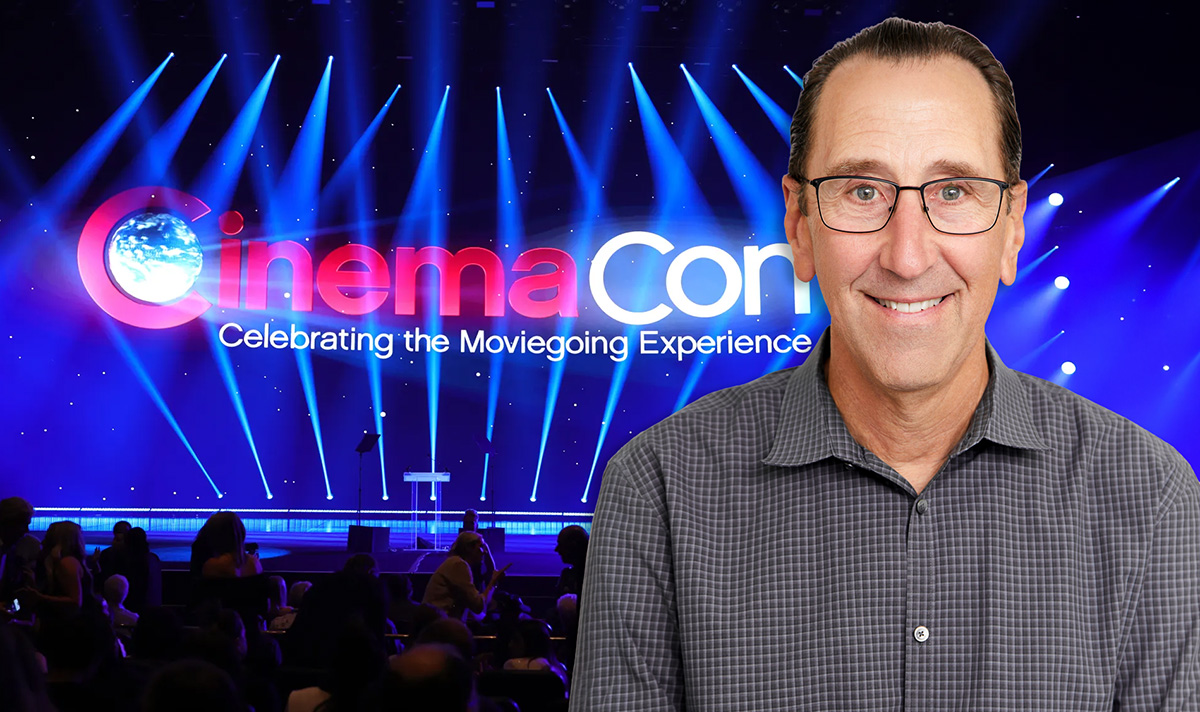
Cinema United used this week’s Fall Summit in Los Angeles to announce several leadership changes, most significantly that longtime CinemaCon Managing Director Mitch Neuhauser will retire following the 2028 show. Matt Pollock, who has worked alongside Neuhauser for nearly two decades, becomes co-managing director immediately and will take over the lead role after Neuhauser departs on 30 June 2028.
Why it matters: CinemaCon is where this membership books its year, and the succession is now settled two shows out. Neuhauser retires after 2028, with Matt Pollock stepping up immediately after nearly two decades alongside him, which removes the planning risk before anyone had to price it in. The two promotions matter more than the titles suggest: a new SVP, External Affairs covering advocacy and education, and a VP, Membership and Global Affairs with an international mandate. Against the SCREEN Act and a widening global remit, members with a policy interest or an international growth plan now have a named contact for each.
| | | | | Canada's Largest Circuit Puts Itself in Play | |
|
Cineplex ended its strongest summer by opening the door to a sale.
On 23 September, Cineplex named Bill Walker chief executive, effective immediately, succeeding longtime CEO Ellis Jacob, who stays on as special advisor to the board through the end of 2026. At the same time, the board launched a strategic review that will consider a range of alternatives, including a potential sale of the company, with Goldman Sachs and TD Securities as co-financial advisors. Walker previously ran Landmark Cinemas, Canada's second-largest exhibitor, for nine years, including its 2017 sale to Kinepolis.
The timing is notable. Just nine days earlier, Cineplex had reported CAD $98 million in August box office, the highest monthly total in its history. The Globe and Mail noted months of speculation about a sale, and Bloomberg had earlier reported that Cineplex was sounding out Regal Cineworld and Cinemark. Cineplex said there is no timetable and no assurance the review will lead to a transaction.
Why it matters: A sale of Canada's largest circuit would be one of the biggest North American exhibition ownership changes since the pandemic, and it comes from a position of strength rather than distress. For suppliers, ownership reviews tend to slow large capital decisions until the outcome is clear, and a new owner can mean new preferred vendors, premium-format brands and service contracts. Members with Cineplex business should watch this one closely.
| | | | | Automation Without the Buzzword: The Lobby Becomes the Test Lab | |
|
In August we argued that cinema's first AI dividend may come from reducing friction rather than creating spectacle. September's CinéShow coverage showed what that looks like on the ground, even when nobody calls it AI.
At the panel "The Cost of Guessing in Theatre Operations," CinemaPlus's Brandon Calder said the conversion funnels his company reviews sometimes show 65% to 87% of customers who start an online ticket purchase abandoning it before checkout. He offered this as evidence to investigate, not as an industry-wide rate. On the physical side, Epic Theatres' Dan Herrle shared figures from NCG Cinemas showing revenue up 51% at one test location and 165% at another after moving to a grab-and-go concession model, with the system paying for itself in roughly two months.
Why it matters: The groundwork for operational AI (clean transaction data, self-service hardware, measurable conversion funnels) is being laid now, under the label of efficiency. Exhibitors that can measure lost sales will be the first able to use AI forecasting and dynamic tools well. For POS, kiosk, app and analytics suppliers, the pitch is shifting from "features" to measurable throughput per labor hour.
| | | | | AI Eyewear Becomes an Auditorium Problem | |
|
AI's most immediate effect on the auditorium may not come from studios or software. It may come from the audience.
Celluloid Junkie reported that UK cinema operators are beginning to restrict camera-enabled smart glasses, including Meta's increasingly popular AI eyewear, as the devices raise new questions about piracy, privacy and accessibility. The UK Cinema Association acknowledged that the glasses can benefit people with specific access requirements, but said operators are mindful of the privacy and piracy issues. Unlike a raised smartphone, smart glasses are hard for staff to spot, and the outlet expects the issue will not stay confined to the UK.
Why it matters: This is a real accessibility conflict. Some of the same devices that could support captioning or audio description for guests with disabilities can also record a screening. North American exhibitors will need a policy before they face their first incident. For anti-piracy and security technology suppliers, it raises a new detection question that existing infrared watermarking and staff checks were not designed for. It also connects directly to the BYOD accessibility conversation from Milwaukee: personal devices are coming into the auditorium either way.
| | | | | The 248 Million Missing Tickets, and the AI Pitch to Win Them Back | |
|
The summer record has a less flattering twin statistic, and an ICTA member put it at the centre of its September analysis.
Vista's proposed response is explicitly AI-driven. Its Vista Intelligence models are designed to help exhibitors decide what to programme, which guests to target, and whether an offer will create an extra visit rather than simply discount one that was already coming. Assisted Scheduling recommends programmes and screen allocation using demand, attendance and movie-similarity signals, with programmers staying in control. Campaign tools use propensity, churn and lifetime-value signals to decide which guests need a prompt and which need no offer at all.
Why it matters: This is the clearest example yet of AI being sold to exhibitors as a fix for a specific business problem rather than a general efficiency promise. It also reframes premium: Vista argues that every film need not be sold as a premium event, and that promoting the industry that way can discourage casual moviegoing. Read alongside Regal's programming pilot and AMC's Leawood Films, it points to the next phase of the recovery: filling seats on ordinary days. For technology suppliers, utilization, measured with data, is becoming the metric that sells.
| | | | | ICTA Sustaining Member Highlight | | |
Beyond Premium: The Next Frontier of Cinema Profitability
Araceli Vaello, VP Solutions, CinemaNext
The cinema industry's technology conversation has focused heavily on premium experiences in recent years.
RGB laser. HDR. LED cinema screens. Immersive audio.
But while exhibitors continue investing in technologies that audiences can see and hear, another opportunity is emerging behind the scenes: making cinemas simpler, smarter and more efficient to operate.
Today's auditoriums combine projection systems, audio processors, lighting, HVAC, servers, network equipment and many other technologies. Keeping all these systems running efficiently throughout the day can be a challenge, especially across multiple locations.
For many exhibitors, automation was traditionally about starting a show.
Today, it is becoming much more than that.
Modern automation platforms can coordinate complete auditorium operations, integrate with existing workflows, reduce manual intervention and ensure that equipment operates only when it is actually needed.
The result is not only greater operational consistency, but also lower energy consumption, reduced equipment wear and simplified day-to-day management.
This is where CinemaNext Solutions' PAA40+ takes a different approach.
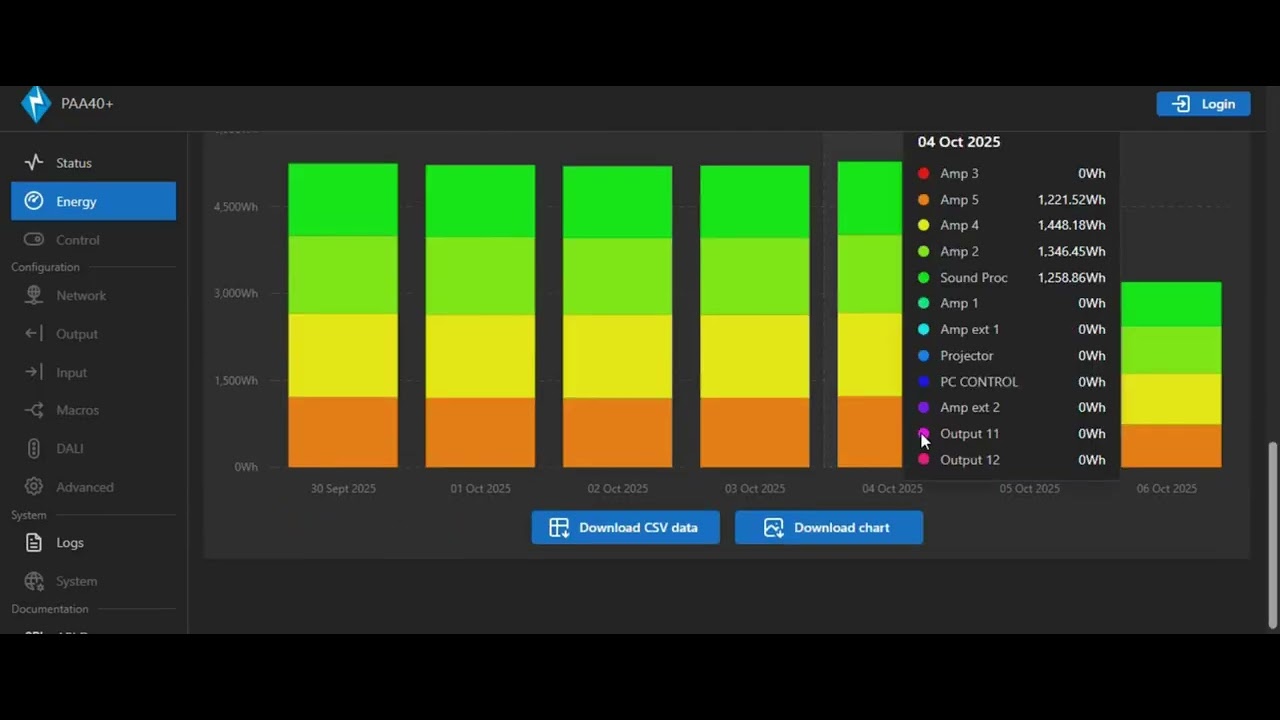
Designed for both independent cinemas and large circuits, PAA40+ helps exhibitors automate and manage auditorium operations whether they use a TMS or not. The platform can control virtually every technical element within an auditorium, including projectors, audio systems, amplifiers, lighting, HVAC interfaces, masking and other connected equipment.
By automatically following cinema schedules and adapting to programming changes, PAA40+ ensures that equipment is powered only when required, eliminating unnecessary operating hours without adding complexity for theatre staff.
The impact can be significant. In real-world deployments, cinemas have achieved energy savings of up to 70%, particularly in locations where technical systems were traditionally left running around the clock. For many exhibitors, these reductions translate into a fast and measurable return on investment, followed by recurring operational savings year after year.
Beyond energy optimisation, PAA40+ also enables remote monitoring, centralised control and standardised operations across multiple locations, helping exhibitors do more with existing resources while maintaining a consistent guest experience.
Why it matters
As the industry continues investing in premium presentation technologies, exhibitors are increasingly looking beyond the audience experience and focusing on operational performance.
The next gains in profitability may not come solely from new formats or higher ticket prices.
They may also come from operating existing technology more intelligently.
Because the next premium upgrade might be the one audiences never notice.
And for an increasing number of exhibitors, intelligent automation is proving to be one of the fastest and most practical ways to reduce operating costs while improving efficiency at the same time.
| | Welcome Our Newest ICTA Members | | |
ICTA continues to grow, bringing new expertise, ideas and technologies into our global cinema technology community.
| | |
Relevant DS
Relevant DS is a SaaS digital signage company bringing a new approach to cinema’s traditional one-sheet. Its Dynamic One-Sheet Scheduler turns poster displays into programmable digital experiences that can incorporate artwork, trailers, countdowns, promotions, merchandise and QR experiences based on location, showtime and daypart.
A fitting addition to this month’s technology conversation: even one of the most familiar objects in a movie theatre, the movie poster, is being reimagined.
Welcome to ICTA, Relevant DS! Check them out HERE
| |
Fastest Dog Services Inc.
Fastest Dog Services is a software engineering and consulting firm with more than 25 years of experience developing operational and enterprise technology solutions, including more than 11 years supporting the cinema industry. Its experience spans cinema operations, digital signage, device monitoring and command-and-control platforms.
As cinemas become more connected and operational technology moves toward centralised monitoring and automation, that behind-the-scenes software expertise is becoming increasingly important.
Welcome to ICTA, Fastest Dog Services! Check them out HERE
| |
Around the ICTA Community
OneCinema GmbH, a trusted software partner for over 500 cinemas across 13 countries in Europe and North America, has successfully deployed its Theater Management System (TMS) at Filmhuis Alkmaar, an independent arthouse cinema in Alkmaar, Netherlands, with OneCinema Signage set for installation later this year.
Read the Celluloid Junkie story
https://celluloidjunkie.com/wire/onecinema-empowers-arthouse-cinema-operations-with-tms-and-signage-installation-at-filmhuis-alkmaar/
Cineplex Entertainment: New CEO and Strategic Review
Bill Walker succeeds Ellis Jacob as the board explores alternatives including a potential sale
Read the Celluloid Junkie story
https://celluloidjunkie.com/digest/cineplex-names-bill-walker-ceo-as-board-explores-a-sale/
Regal Cinemas: Future of Distribution Pilot
Regal, IFTA and France's CNC will hand idle screens and showtimes to a neutral programmer to test whether programming alone can lift attendance
Read the Variety news
https://variety.com/2026/film/news/regal-cinemas-ifta-cnc-pilot-reverse-falling-theater-admissions-1236853853/
Paramount Studios: Theatrical Commitments Written Into Settlement
At least 30 films a year, 45-day windows and per-film penalties, approved by a federal judge on 30 September
Read the Variety news
https://variety.com/2026/film/news/paramount-warner-bros-merger-judge-approves-settlement-ags-1236893467/
Universal Pictures: First Studio of 2026 Past $5 Billion
Universal became the first studio to cross $5 billion at the 2026 global box office, the third time in its history it has passed the mark.
Read the Box Office Pro story
https://www.boxofficepro.com/the-biggest-movies-coming-to-theaters-september-2026/
Movie One-Sheets Just Got a Director’s Cut
New ICTA member Relevant DS launched its Dynamic One-Sheet Scheduler and a creative alliance with eclipse advertising, delivering digital one-sheets that adapt by location, showtime and daypart, now running on the Screendollars network and at Apple Cinemas Van Ness IMAX.
Read the EIN Presswire story
https://www.einpresswire.com/article/937351699/movie-one-sheets-just-got-a-director-s-cut
Phoenix Theatres Great Northern Mall to debut 70mm format with ‘The Odyssey’
Phoenix Theatres Great Northern Mall will debut its new 70mm auditorium with Christopher Nolan’s “The Odyssey” on July 16. Tickets went on sale Thursday on the cinema’s website.
Read the Cleveland story
https://www.cleveland.com/entertainment/2026/06/phoenix-theatres-great-northern-mall-to-debut-70mm-format-with-the-odyssey.html
Have member news to share?
Send ICTA your company announcements, installations, partnerships, product developments and other industry updates for consideration in an upcoming issue.
| |
|
In July we wrote that capacity, not demand, was this industry’s binding constraint. In August we wrote that the industry was deciding what kind of capacity to build.
September answered differently than expected. Several operators decided not to build at all.
Disney did not add screens. It certified screens it does not own, put its own label on them, and took 52 percent of a weekend’s gross from 43 percent of the rooms. Regal did not add capacity either. It handed idle showtimes to an outside programmer. AMC decided to supply its own films rather than wait for more. And Cineplex, coming off the strongest August in its history, decided the most valuable thing it could do with its estate was find out what someone else would pay for it.
At the same time, a three-screen arthouse in the Netherlands automated its scheduling, an 87-seat room in Texas installed North America’s first acoustically transparent LED screen, and a theatre in Ohio bolted a 70mm projector back together and posted the best revenue in its 26-year history.
That is the month. Not one future, several, and most of them achieved by using what already exists more intelligently rather than buying more of it.
For this membership that raises the bar again. When the growth story is utilisation rather than installation, the sale is won on lifecycle economics, serviceability, measurable throughput and marketing support. The technology conversation became a business-case conversation in August. In September it became a utilisation conversation. Members who can show the numbers will define the next cycle.
| | | | You're reading the ICTA Monthly Newsletter | |
Thank you for supporting us!
With 4,100+ engaged readers, this newsletter has become something bigger than we imagined; a growing community of cinema professionals staying curious, connected, and ahead of what’s next. If something in this edition sparked an idea or added value, share it with someone who should be part of this journey. Every share helps bring more voices into the future of cinema.
If you received this email as a forward, you can join the list directly!
Subscribe now to receive future issues straight to your inbox.
| |
If you want to be featured in our future editions, please get in touch!
Thank you for being part of the ICTA community, and for helping shape the future of cinema technology.
Carrie Dietrich
President, ICTA
| | | | |