Driving Cleaner. Connecting Communities.
Creating Opportunity. | | |
What if a cleaner ride was closer than you think?
A cleaner, more reliable ride can open doors to new opportunities. Through vehicle incentives, charging assistance, education, and community partnerships, DCAP is helping income-qualified Californians explore cleaner transportation options that fit their needs.
In this October edition, discover how Clean Cars 4 All (CC4A) can help make cleaner transportation more accessible, meet a DCAP participant whose story inspires us, explore EV charging options, and find opportunities to connect with our team and community partners at upcoming events.
Whether you're considering a cleaner vehicle for yourself or sharing resources with someone who could benefit, DCAP is here to help you take the next step toward a cleaner transportation future.
| | |
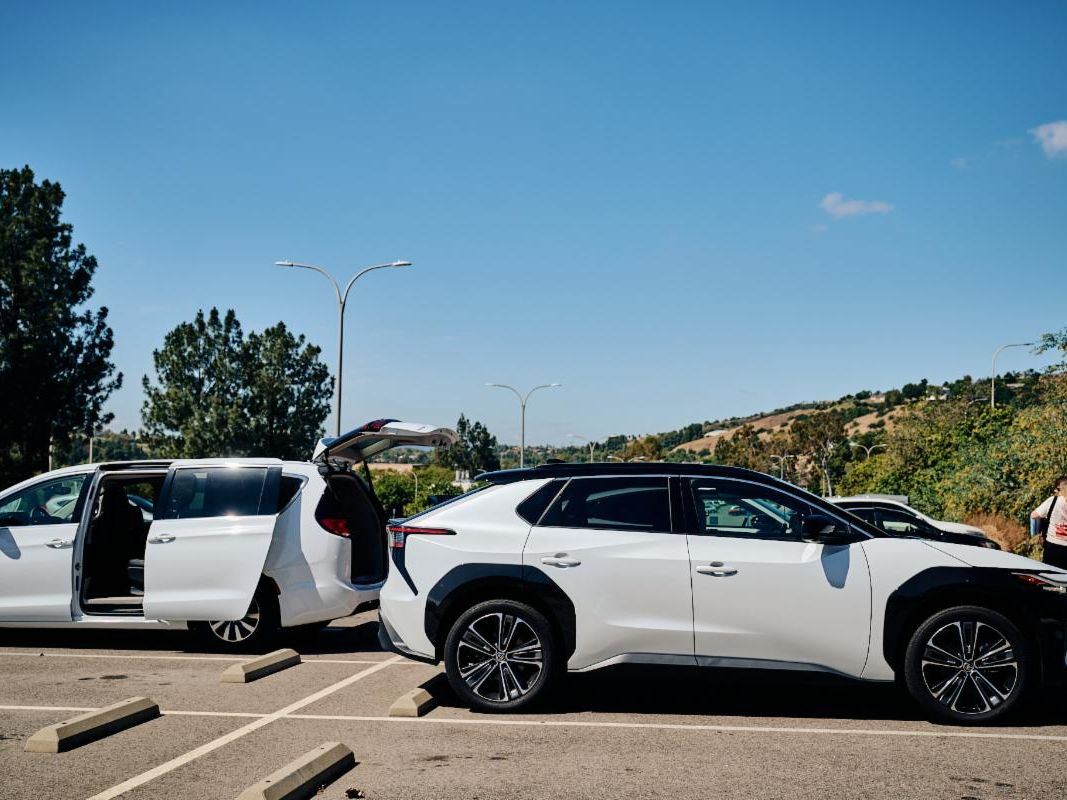
Drive Electric Ventura October 17
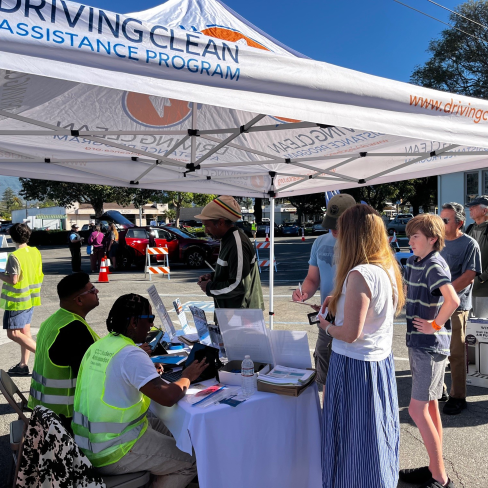
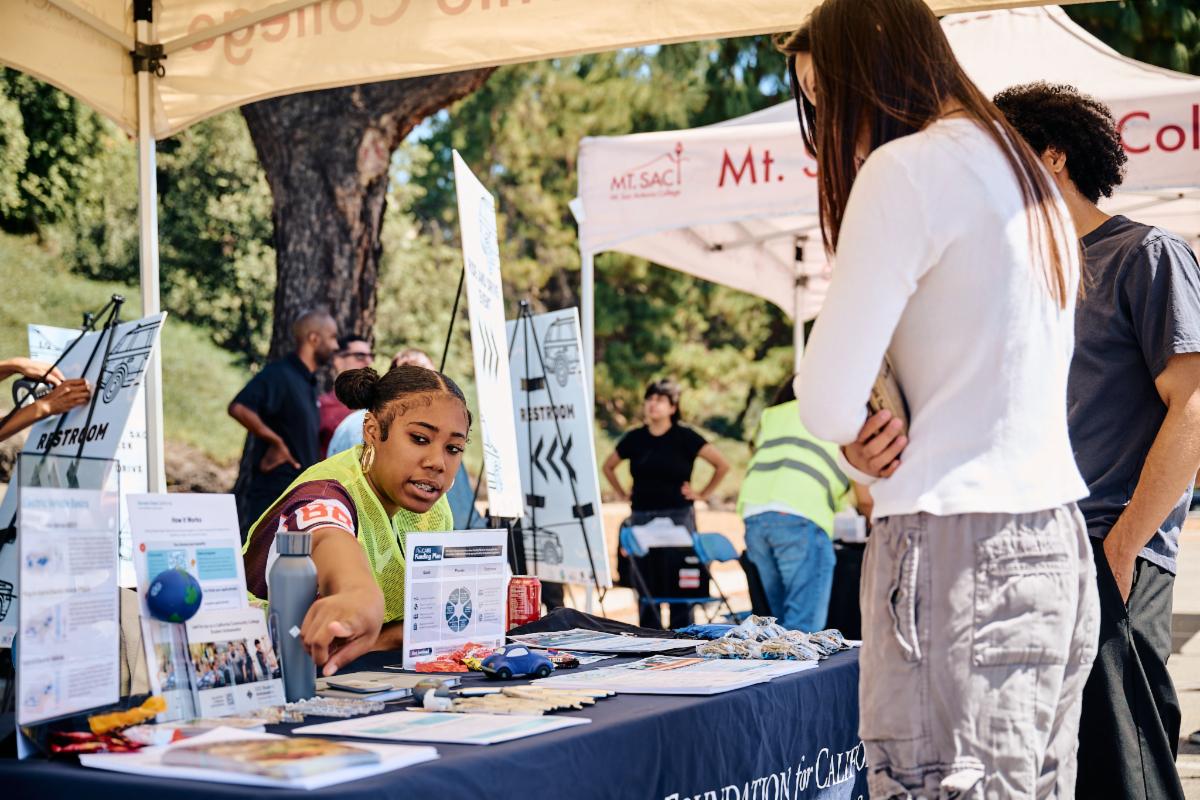
Celebrate National Drive Electric Month with DCAP and partners at a free EV Ride & Drive and resource fair. Test drive EVs, explore incentives, and learn about charging options.
Get the details and join us below!
| | |
California Clean Air Day is October 7, 2026
California Clean Air Day is a reminder that the choices we make, including the vehicles we drive, can add up to healthier air and stronger communities.
Take the Clean Air Pledge!
| | |
Health Education Council: Connecting Communities to CC4A
HEC helps eligible Sacramento-area residents learn about CC4A and get support navigating the application process.
Read our partner spotlight.
| | |
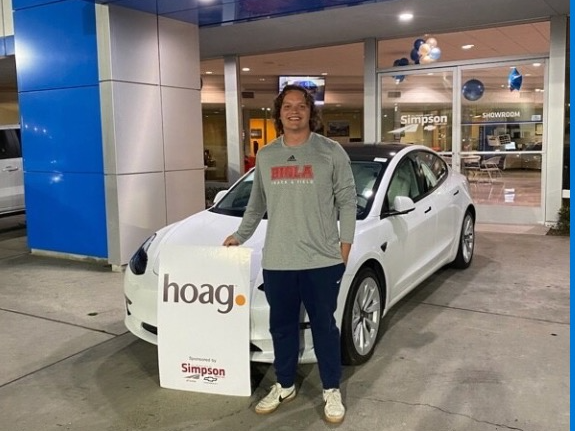
“I feel totally blessed and really grateful for the help I got." – Christine B.
A cleaner vehicle can mean more than transportation. It can provide greater reliability, support daily responsibilities and help families move forward toward a cleaner, more affordable transportation future.
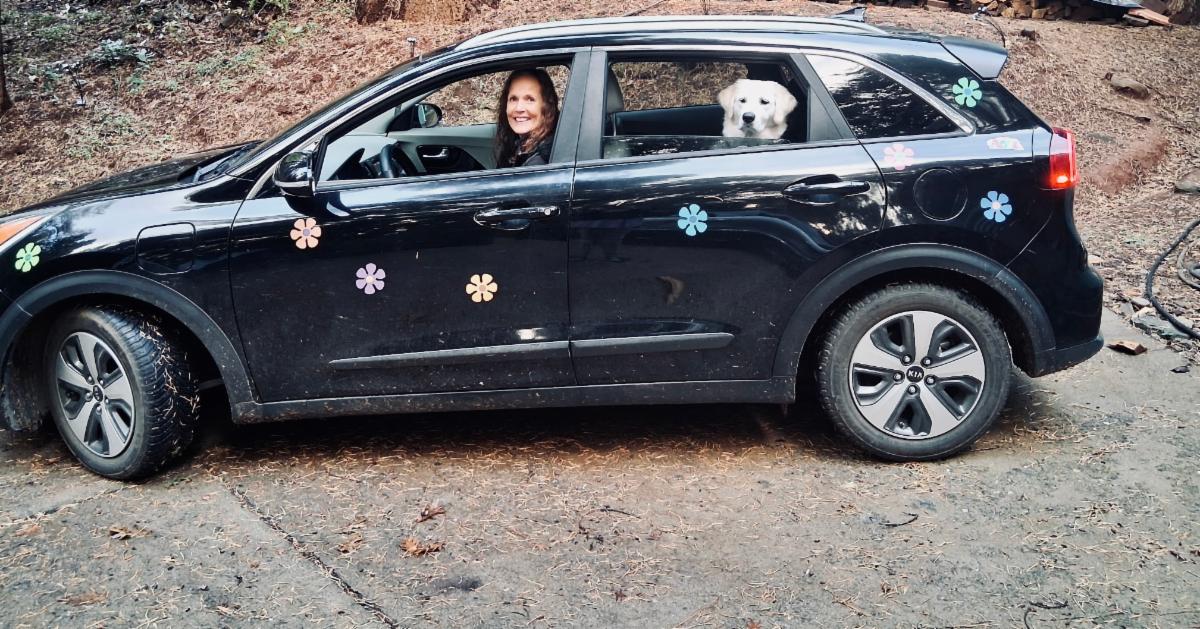
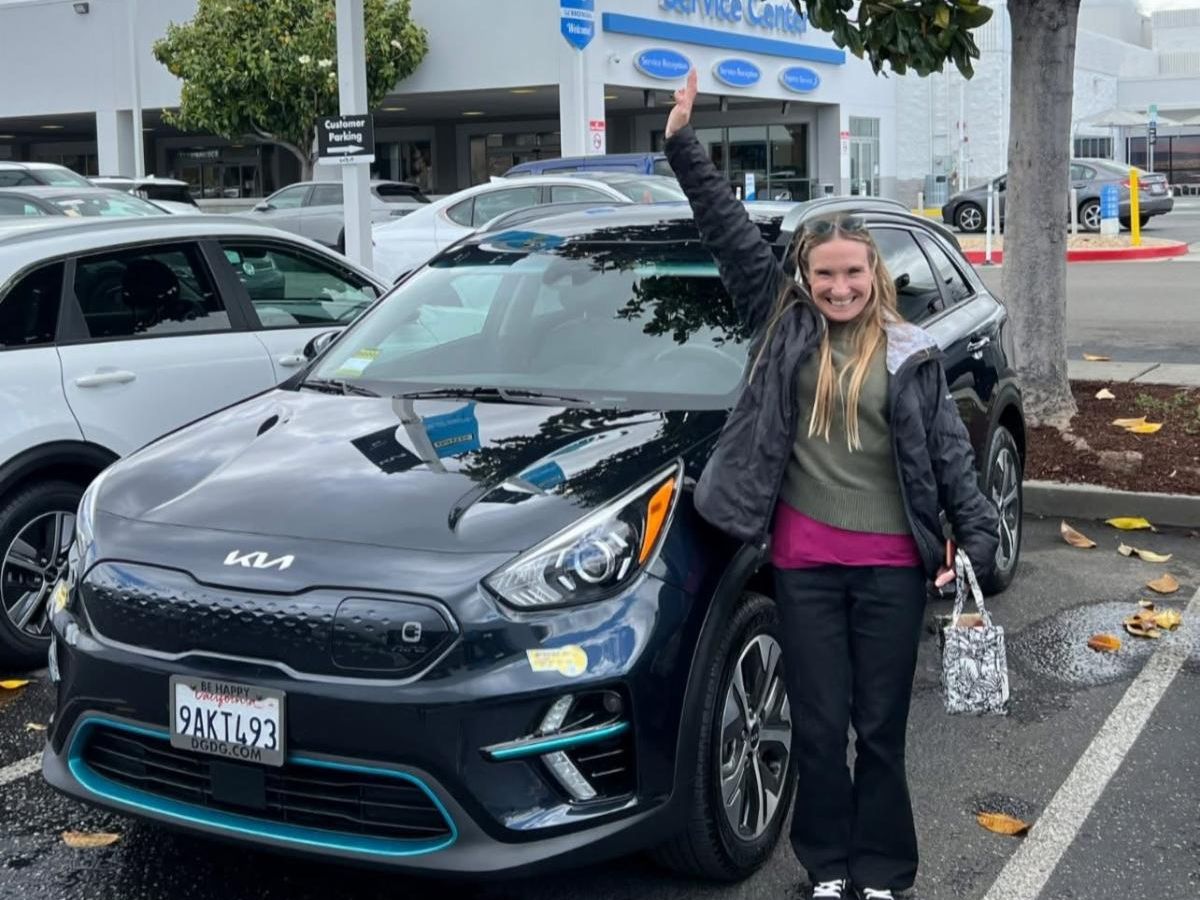
For Christine, a single mom in rural El Dorado County, DCAP was life changing. She needed a reliable car to drive her disabled daughter to frequent medical appointments but couldn’t afford to replace her old gas vehicle. “When I saw the program finally opened in my county, I was so excited,” she says.
With help from the DCAP team, Christine purchased a 2018 Kia Niro Plug-In Hybrid. “It’s clean, efficient, and perfect for us,” she says. “I feel totally blessed and really grateful for the help I got.”
READ CHRISTINA'S STORY
| |
Connecting Communities to Clean Transportation:
A Conversation with HEC
The Health Education Council (HEC) helps connect communities with resources that can make clean transportation more accessible. In this month’s Partner Spotlight, we’re highlighting HEC’s work and hearing directly from the team about their approach, community connections, and role in helping Californians access clean transportation opportunities.
| |
Tell us a little about the Health Education Council (HEC) and the communities you serve. What role does community partnership play in HEC’s work?
The Health Education Council (HEC) is a nonprofit organization based in Sacramento, California, serving communities throughout the greater Sacramento region.
HEC works to improve health outcomes in underserved neighborhoods by empowering residents and communities to identify and create solutions that address their most pressing needs. HEC recognizes that the health of a community is shaped by the conditions in which people live, work, learn, and connect, and that meaningful change requires sustained investment, collaboration, and trust.
HEC’s work focuses on five key areas: Health Access, Social Connection, Economic Well-Being, Community Safety, and Wellness Education. Through these areas, HEC works alongside residents and community partners to increase access to resources, strengthen social connections, create opportunities, promote safety, and support healthier communities.
Partnership and collaboration are central to HEC’s approach. HEC brings together residents, community-based organizations, schools, local government, health care providers, public health agencies, and other sectors to develop solutions that reflect the unique needs and strengths of each community. By building trusted relationships and supporting community-led ideas, HEC works to create more equitable and accessible opportunities for people to improve their health and well-being, regardless of where they live.
What inspired HEC to partner with DCAP, and what role does HEC play in helping Clean Cars 4 All (CC4A) participants access clean, affordable transportation?
HEC works with underserved communities across the greater Sacramento region on a range of issues, including food access, workforce development, health care access, and economic stability. Through this work, we have seen how transportation can be connected to many of these challenges. Without reliable and affordable transportation, community members may have difficulty getting to work, accessing health care, purchasing healthy food, or taking advantage of other resources and opportunities. For many individuals and families, improving transportation access can therefore be an important step toward greater health and economic stability.
HEC was interested in partnering with DCAP because Clean Cars 4 All (CC4A) aligns closely with this work. The program provides an opportunity to address transportation needs while also supporting cleaner air in communities that have historically experienced a disproportionate share of environmental and transportation-related challenges.
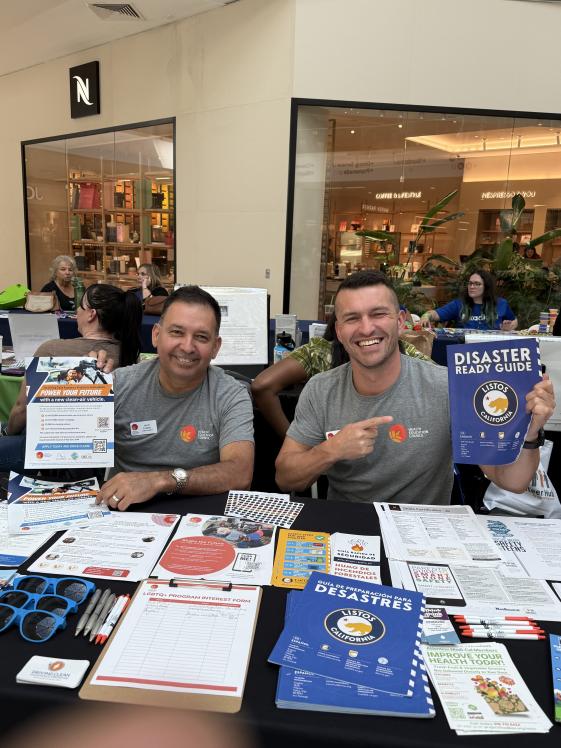
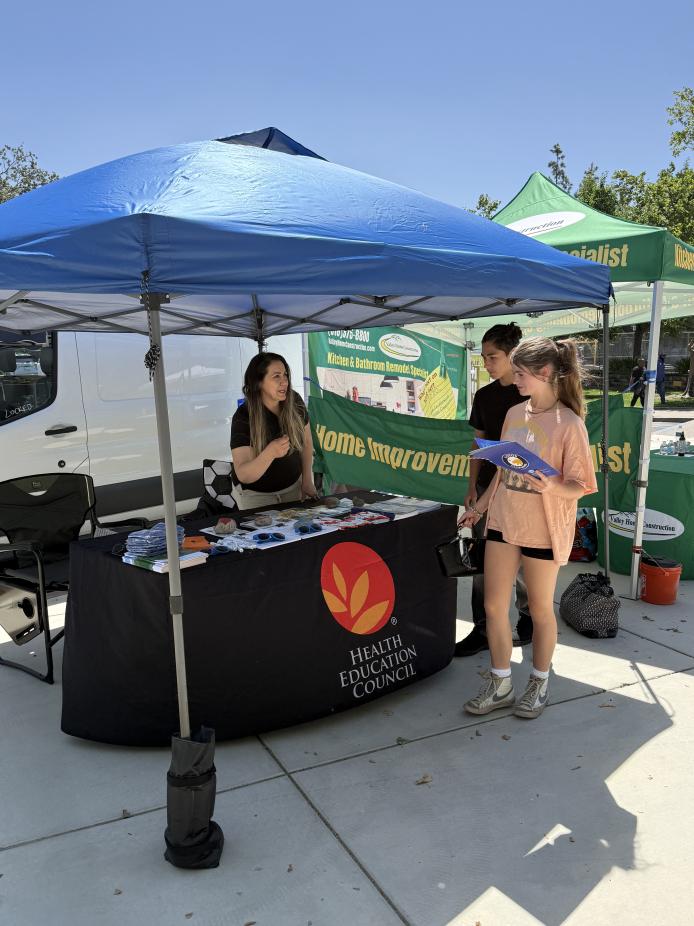
HEC promotes CC4A through community events, health fairs, partner meetings, food distributions, and other trusted community settings. We introduce the program as an opportunity for eligible residents to access more reliable and affordable transportation while also contributing to improved air quality. HEC's role is largely focused on outreach, education, and connecting community members with the program. We work to make sure residents are aware of the opportunity, understand the basic eligibility and benefits, and know where to go for additional information and assistance with the application process.
Through this partnership, HEC is grateful to support an initiative that addresses both individual transportation needs and broader environmental health goals. We believe programs like CC4A can be particularly valuable when they are connected to trusted community organizations and made accessible through the places and partnerships residents already rely on.
READ THE FULL HEC INTERVIEW ON OUR WEBSITE.
| | |
Powering Your Clean Ride
Plug in At Home or On the Go
Making the switch to a clean vehicle means getting familiar with your charging options, too. From charging at home to plugging in on the go, here’s a simple breakdown of the basics.
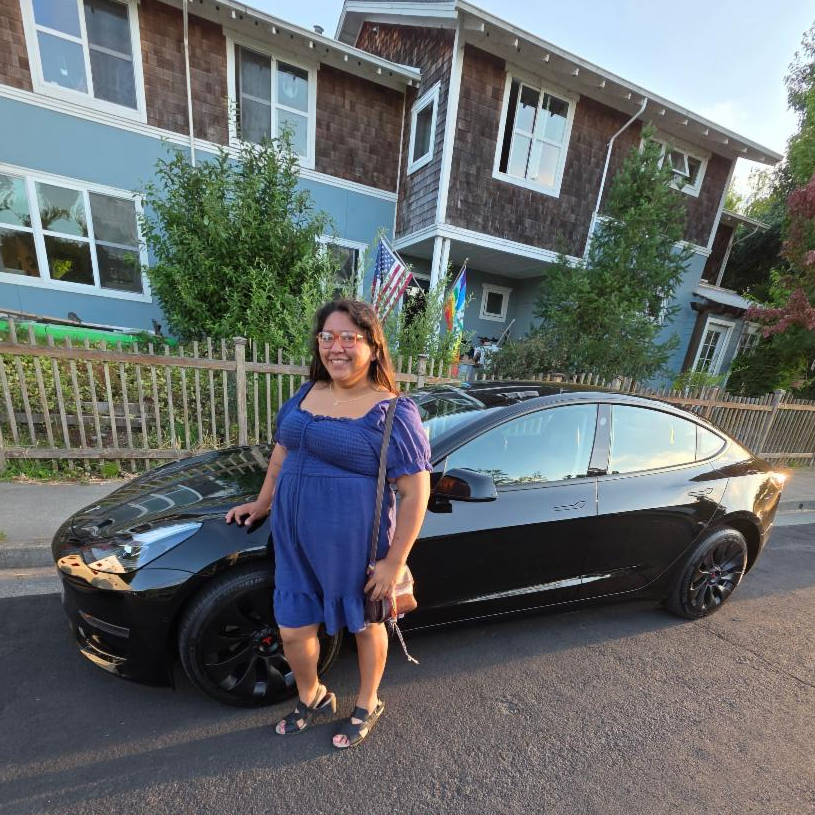
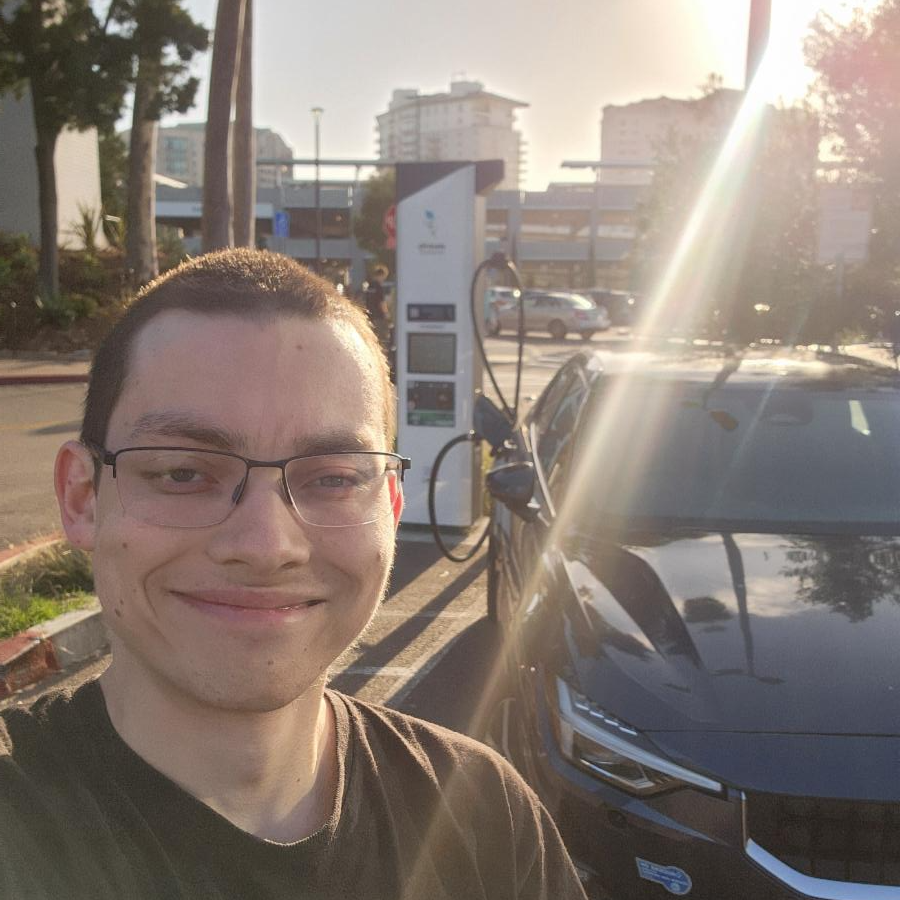
| | Actual DCAP participant who received funding. | |
PLUG IN AT HOME
-
Convenient: No need to make a separate stop; simply charge at home overnight and start your day ready to go.
-
Potentially lower cost: Can be less expensive than some public charging options.
-
Requires a place to park: You’ll need access to a suitable electrical outlet or charging equipment.
-
Installation may be needed: Depending on your setup, you may need a dedicated charger or electrical upgrades.
| |  | Actual DCAP participant who received funding. | |
CHARGE ON THE GO
-
Accessible: Useful for road trips, errands and longer drives.
-
More charging options: Choose from chargers in many locations.
-
Faster options available: Some chargers can add significant range in a shorter amount of time.
-
May have a fee: Some public chargers are free, while others charge by time, energy or session.
-
No home setup required: Public charging can be especially helpful if home charging isn’t an option.
| | | Did you know that DCAP charging assistance is available for eligible participants? | | FAQ Spotlight: Clean Cars 4 All | | |
Can I qualify for Clean Cars 4 All (CC4A)?
CC4A helps eligible California residents replace older, higher-polluting vehicles with cleaner transportation options. Eligibility depends on factors such as household income, where you live, and the vehicle you’re replacing.
How much can I receive through CC4A?
Eligible participants may receive incentives toward a clean vehicle, with additional assistance potentially available for charging or other mobility options. The amount depends on your eligibility and the vehicle or transportation option you choose.
Want to see if CC4A is right for you?
Visit the DCAP FAQ for more answers about eligibility, incentives, and the application process.
| | |
Have Questions?
We Have Answers.
Get answers to frequently asked questions about DCAP, including eligibility, incentives, vehicles, and the application process.
| | | Eligibility and Requirements | | Actual DCAP participant who received funding. | |
Who is Eligible?
Eligible applicants for DCAP must be California residents, and income qualified, which means having an income at, or below, 300% Federal Poverty Level (FPL).
Click Here to Check Eligibility
| | Actual DCAP participant who received funding. | |
Transportation Resources
Did you know? The DCAP Dealership List is updated regularly.
Check it out here for the most up-to-date partner dealership locations across California.
| | |
DCAP Dealerships
Do you know a dealership that should join? Refer them today.
Visit DCAP Dealership page or email dealership@drivingcleanca.org.
| | Follow us on social media to stay updated! | | |
The Community Housing Development Corporation's (CHDC) Driving Clean Assistance Program (DCAP) is a California Air Resources Board-funded clean-air vehicle incentive program to help low-income Californians, especially those in underserved, Tribal and disadvantaged communities, access clean-air vehicles.
This is an unmonitored inbox. Replies will not be received.
For questions or assistance, please visit our website and use the Contact Us form.
| | | | |