|
201 TRADE CASE UPDATE
The American Sheep Industry Association (ASI) officially asked the U.S. Trade Representative (USTR) to investigate the impact of lamb imports on U.S. producers in October 2025. In July 2026, USTR recommended an International Trade Commission (ITC) investigation. The ITC is now collecting testimony and data, will hold a public hearing, and determine whether increased lamb imports are a substantial cause of serious injury to the domestic industry.
ASI is leading this effort and is fully engaged throughout the investigation process.
The ITC is only surveying U.S. packers and importing entities. There are no ITC surveys being distributed to U.S. sheep producers or feeders. ITC is surveying packers and importing entities.
ASI’s trade case team has developed a Growers and Feeders Injury Questionnaire. More information regarding this survey will be shared soon.
There are more than 20 parties that have filed an entry of appearance in the case, including ASI. These parties consist of governments and organizations.
ASI members do not need to join other organizations to support the case or to have their interests represented through ASI. State associations, members and sheep producers at large are already represented by ASI during the ITC hearing.
The ITC investigation follows a very specific process and timeline that has been outlined on our website.
ASI is raising funds through the ASI Guard Dog Fund to support the legal and economic work necessary to pursue the Section 201 case. Producers and industry supporters who want to help strengthen this effort can contribute specifically to the Section 201 Trade Case.
To stay informed of developing information, follow ASI on social media (Facebook, Instagram, LinkedIn) and on our website.
| | |
SCRAPIE UPDATE
At this time there is no new information regarding the positive scrapie case confirmed on July 31. ASI Animal Health Council Co-Chairs continue to emphasize the animal identification practices nationwide. “The importance of official scrapie tags cannot be understated,” said Cindy Wolf, DVM. “These tags have made trace back to the flock of origin possible in order to stop further spread,” added Roselle Busch, DVM.
ASI will continue working with APHIS and the Oregon Department of Agriculture to support the investigation.
| | FDA Issues Emergency Use Authorization for Drug to Prevent New World Screwworm in Multiple Species, Including Sheep | | |
The U.S. Food and Drug Administration today issued an Emergency Use Authorization (EUA) for CLiK Extra wound spray for application on or around wounds for the prevention of New World screwworm (NWS) infestations in sheep, cattle, goats, swine, camelids, cervids, American bison, bighorn sheep, and Sonoran pronghorn.
“Under President Trump’s leadership, we are giving American farmers, ranchers, veterinarians, and wildlife managers the tools they need to fight back,” said Acting FDA Commissioner Kyle Diamantas, J.D. “Today's emergency use authorization provides a new tool for preventing the spread of New World screwworm infestations, and we will continue to work to combat this threatening pest.”
Based on the totality of the scientific evidence available, the FDA has concluded it is reasonable to believe that CLiK Extra wound spray may be effective in the prevention of NWS myiasis when used as authorized, and the known and potential benefits of the product outweigh its known and potential risks.
A Note from ASI’s Animal Health Co-Chair, Dr. Rosie Busch:
CLiK Extra wound spray is a new product that will be a great option to consider with your veterinarian as part of a NWS prevention plan. The meat withdrawal is 86 days after application, so it may be a good option for navels on newborns or young animals that benefit from management procedures, such as castration, tail docking, or ear tagging, that create a wound. For adults that do not have a nearing harvest date this may be a good option to prevent NWS flystrike in wounds caused by birthing, shearing, plant awns, or footrot control. Studies have shown that treated animals remain free of NWS for up to 18 days following application. The animals need to remain dry for up to an hour after application in order for it to have its expected efficacy. See the fact sheet from FDA for more information.
| | |
ASI continues to be in regular communications with federal leaders at USDA's Animal and Plant Health Inspection Service (APHIS) and the FDA's Center for Veterinary Medicine (CVM) regarding issues that have arisen since the first detection.
ASI developed a NWS sheep producer guide and treatment info resource that you may access here. The guide is also available in Spanish.
All of ASI’s resources and links to additional information at USDA and FDA can be found on our website here.
Current Status (as of August 13):
- 3 active cases
- 45 inactive cases
- Most recent detection: August 5, 2026
Find more information at screwworm.gov.
| | US Farm Agency Says Texas Sterile Fly Facility to Open in Spring 2027 | | |
The U.S. Department of Agriculture (USDA) said in a post on X on Monday that a Texas facility to breed sterile flies to combat screwworm will open ahead of schedule in spring 2027. Previously, the agency said the plant would open at the end of next year.
The main tool used to combat screwworm is the dispersal of sterile screwworm flies, which are mostly produced in Panama at a plant that churns out 100 million flies per week.
The planned Texas plant would produce an additional 100 million sterile flies per week by the end of 2027, according to the post on X from the USDA's New World Screwworm Rapid Response account.
| | Wildlife Conflict Bill Would Fund Non-Lethal Tactics to
Protect Livestock | |
A bipartisan bill co-authored by Montana Senator Steve Daines and California Senator Adam Schiff could provide up to $20 million a year to fund nonlethal ways of stopping wild predators from killing domestic livestock nationwide.
Wolves killed 68 livestock in 2025, according to the most recent Montana Fish, Wildlife and Parks report. That was lower than the average for the past decade. The state Livestock Loss Board paid ranchers $92,917 for federally confirmed kills of cattle, sheep and dogs in 2025. Federal Wildlife Services agents killed 43 wolves in response to the livestock incidents.
The senators introduced the Human-Wildlife Conflict Reduction Act on August 4. The bill would promote using range riders, guard dogs, electric fencing and similar measures to protect cows and sheep from attacks by wolves and bears.
| | The Future of Public Lands Ranching and Pastoralism: What do you want the world to do in the next 25 years? | |
Rangelands cover around half of Earth’s land surface, host unique biodiversity, store carbon, regulate water cycles, and sustain the livelihoods, nutrition, and cultural identities of millions of people. For generations, pastoralists have stewarded these landscapes through their mobility and knowledge, managing nearly one billion animals worldwide and contributing to food security. Today, rangelands and pastoralist communities are under increasing pressure from climate change, land degradation, animal diseases, and competing land uses.
As part of the International Year of Rangelands and Pastoralists, the Public Lands Council invites you, researchers, practitioners, policymakers and civil society organizations to share their experiences, ideas and aspirations to help shape a shared vision for the future of rangelands and pastoralism.
The survey takes 5-10 minutes to complete: share your perspective here!
| | ASI is working year-round to advance producer priorities across the country. Here’s what’s happening, what it means, and what’s next. | | Senate Passes Continuing Resolution To Avert
Government Shutdown | | In the very early hours of Saturday, July 8, the Senate passed a stopgap measure to avoid a government shutdown and fund most federal agencies through December 11, before the end of the fiscal year. The continuing resolution passed on a largely bipartisan vote of 90-6 immediately before the chamber left Washington for its August recess. In addition to federal government funding, a temporary delay of a federal ban on certain intoxicating hemp products was included in the legislation. Now with both chambers having passed a funding extension, Congress will have until December to come to an agreement on Fiscal Year 2027 spending. | |
|
ALB and ASI Launch Sheep IQ, a New Producer-Focused Resource Hub
The American Lamb Board and the American Sheep Industry Association have joined forces to launch Sheep IQ, a new website designed to give sheep producers one trusted site to find practical education, tools, and expert guidance.
Built with producers in mind, Sheep IQ brings together resources for producers that support stronger flocks, better management, and more productive operations. The new site organizes content around the topics producers care about most, including sheep management, productivity practices, and lamb and wool quality. In addition, the site offers resources for emerging producers and a comprehensive section of tools and resources.
| | | | Your weekly snapshot of key market rates and reports (U.S. and global) to help you stay ahead of pricing and demand shifts. | | |
Wool Market Recess
The market will now pause for a three-week recess, with reports resuming the week of August 17.
About the EMI: The AWEX Eastern Market Indicator (EMI) is the key benchmark index of Australian wool auction prices and is widely used as a global wool market indicator.
| | LDP Payments Available This Week | | Ungraded Wool, Grease Prices in $ Per Pound | | | Ungraded Wool | $0.2659 LDP Available | | | Unshorn Pelts, Prices in $ Per Pelt | | | Unshorn Pelt | $1.826 LDP Available | | | Note: Producers must visit their Farm Service Agency office and fill out the appropriate paperwork before the wool or unshorn lambs are sold to claim the Wool LDP (when available). | |
|
USDA Weekly Sheep, Lamb, & Wool Market Summary
The report is generally updated on Friday afternoon.
| | |
ASI Wool Calculator
Adjust micron, yield and quality of wool percentage with ASI's Wool Calculator to estimate the value of your wool today, or the potential value of wool if genetics or management practices were changed.
| | |
Aug 13: Hand Dyeing Wool & Other Fiber, Claremore, OK - More info
Aug 13: Washing Fiber Class, Claremore, OK - More info
Aug 22: 51st Annual Virginia Performance Tested Ram Lamb & Ewe Lamb Sale and Sheep Field Day, VA - More info
Sep 11-13: Hall of Breeds Showcase, Jefferson, WI - More info
Sep 11-13: Pen of 3 Commercial Carcass Evaluation, Jefferson, WI - More info
Sep 11-13: Wisconsin Sheep & Wool Festival, Jefferson, WI - More info
Sep 12-13: 31th Sheep & Fiber Festival, Ringoes, NJ - More info
Sep 12: Indiana Sheep Association Annual Lambing School, Lafayette, IN - More info
| |
| |
|
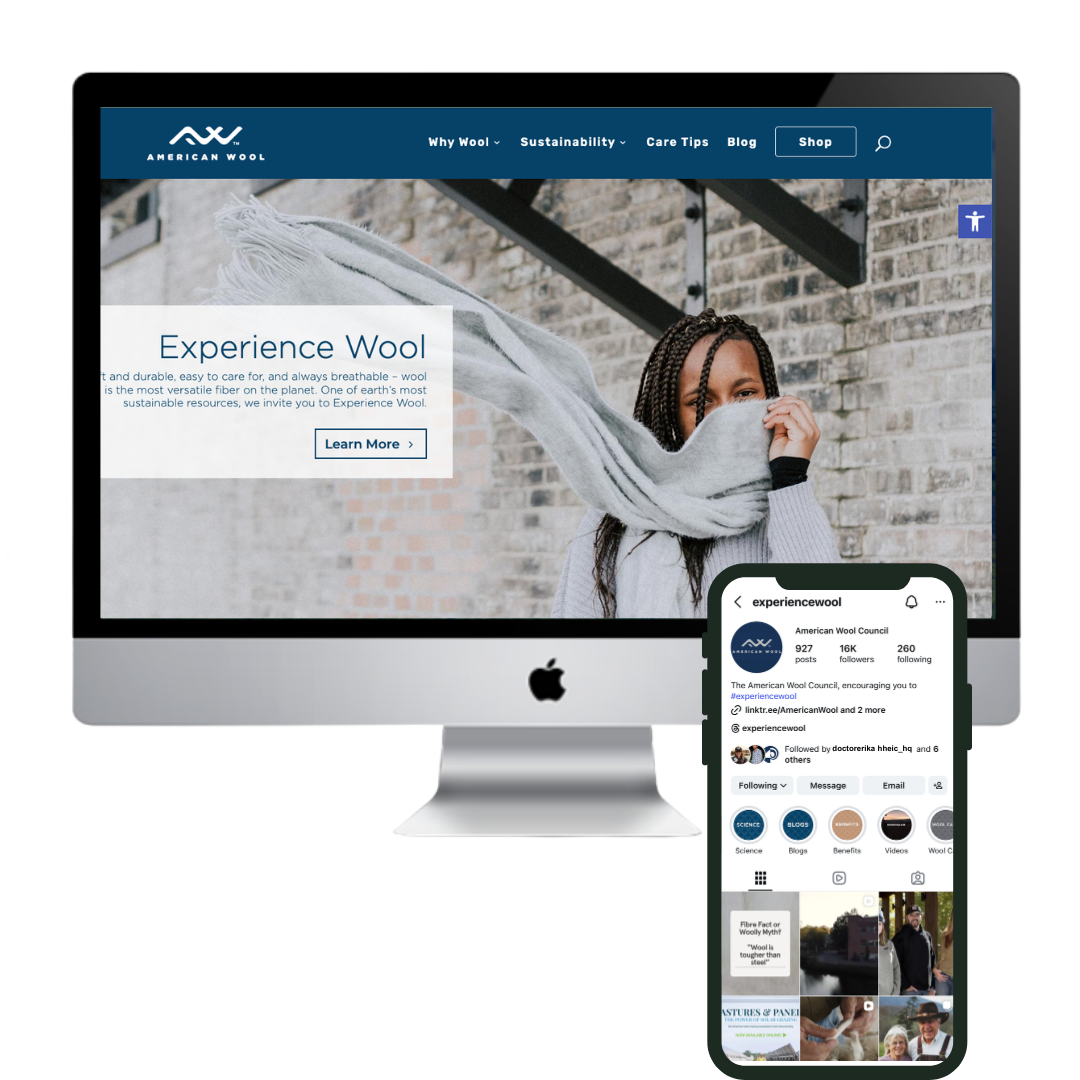
Experience Wool is ASI’s consumer hub: wool education, product inspiration, and American wool stories in one place.
Explore at americanwool.org and follow @experiencewool.
| | | | | | |
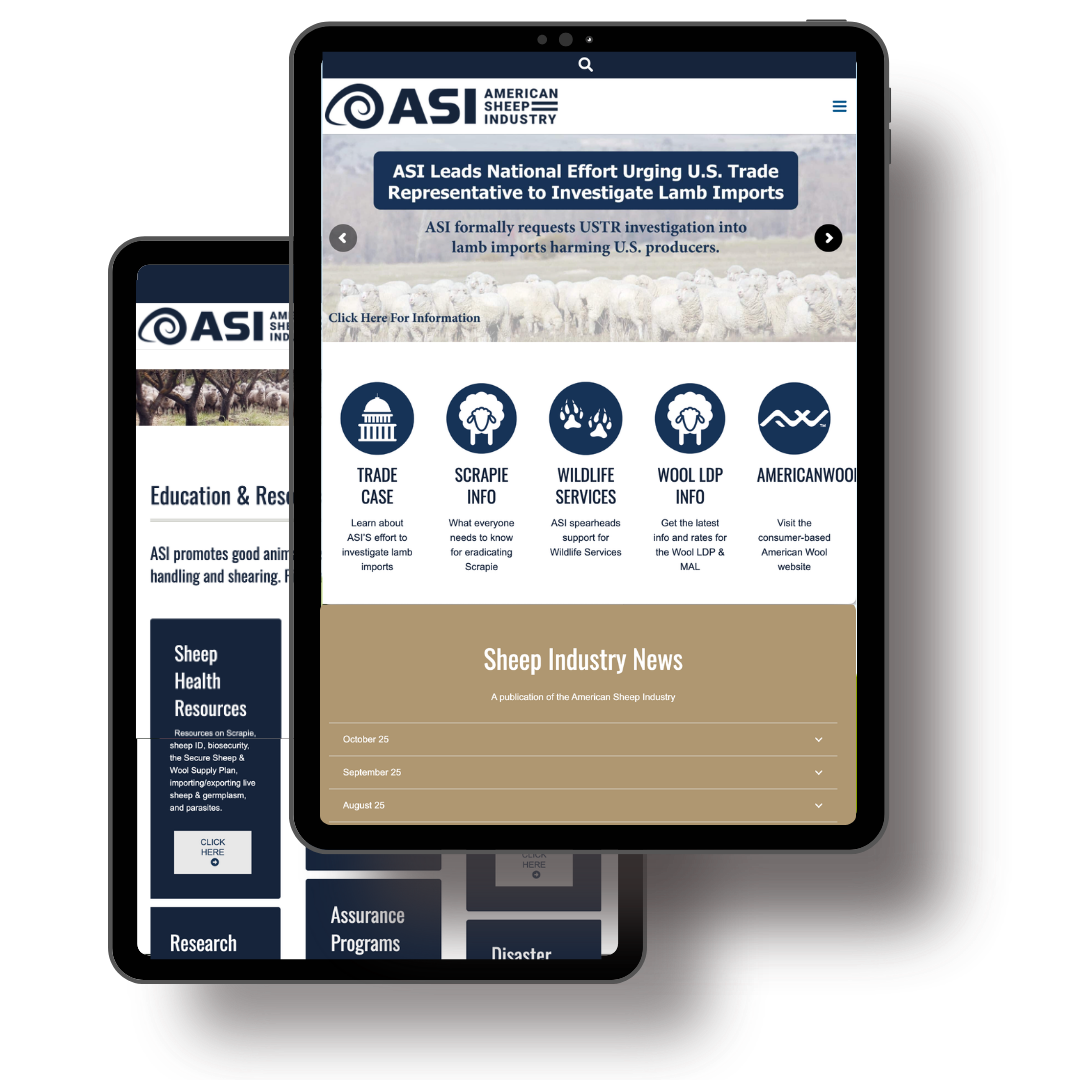
Get educational info, industry contacts, policy updates, breeder information, and more at sheepusa.org
| | | ASI operates in accordance with Federal civil rights law and U.S. Department of Agriculture civil rights regulations and policies, and complies with all equal opportunity, non-discrimination and affirmative action measures applicable to it under these. ASI is an equal opportunity employer and provider. |
| | | |