Welcome to the University of Oklahoma Carceral Studies Consortium Newsletter. The Carceral Studies Consortium strives to build a community for intellectual exploration that includes faculty, staff, graduate students, community members, practitioners, and organizers.
Carceral Studies is concerned with the independent function and nexus of the political and social systems that organize, shape, sustain, and entrench practices of punishment, surveillance, incarceration, and harm.
|
|
|
|
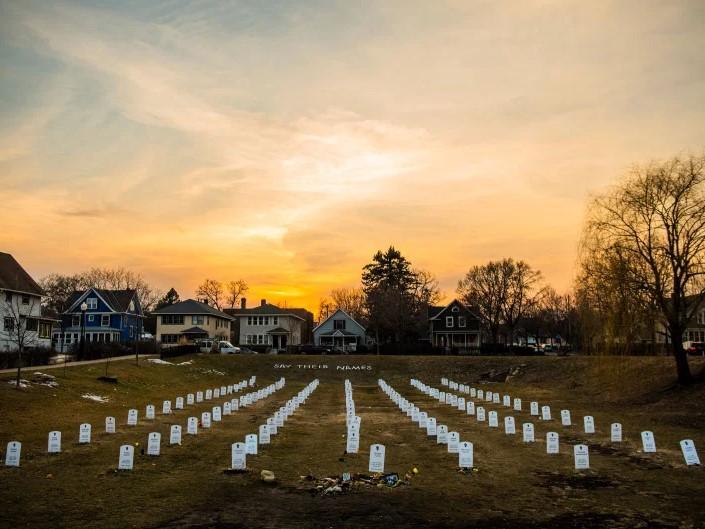
Since June 2020, police in the U.S. have killed people at virtually the same rate as over the past five years. Andrew Chow notes that many reforms that were promised in the wake of the killing of George Floyd and a mass uprising across the country have stalled, both at the state and federal level. Chow argues: “There are many reasons to doubt that these numbers will improve any time soon, especially given new waves of high-profile police killings, local legislation to protect police, and another reversal in public opinion regarding Black Lives Matter.” Some state legislatures have passed laws to increase police power. Yet at the local level some activists have seen success, such as Denver’s program to allow 911 operators to dispatch mental health clinicians and paramedics.
|
|
|
|
Citizen, a crime and neighborhood watch app, is piloting an on-demand private security force for its app users to summon this private force, and one of those private companies Citizen uses, Los Angeles Professional Security, is seeking the ability to arrest people and take them to jail. The service allows people to subscribe for $200 a month, and the subscription law enforcement service allows subscribers to call LAPS rather than police. Arguing for the ability to arrest people, founder of LAPS laments: “Private security has zero authority on a public space.” A former Citizen employee told Motherboard: “The broad master plan was to create a privatized secondary emergency response network.”
|
|
|
|
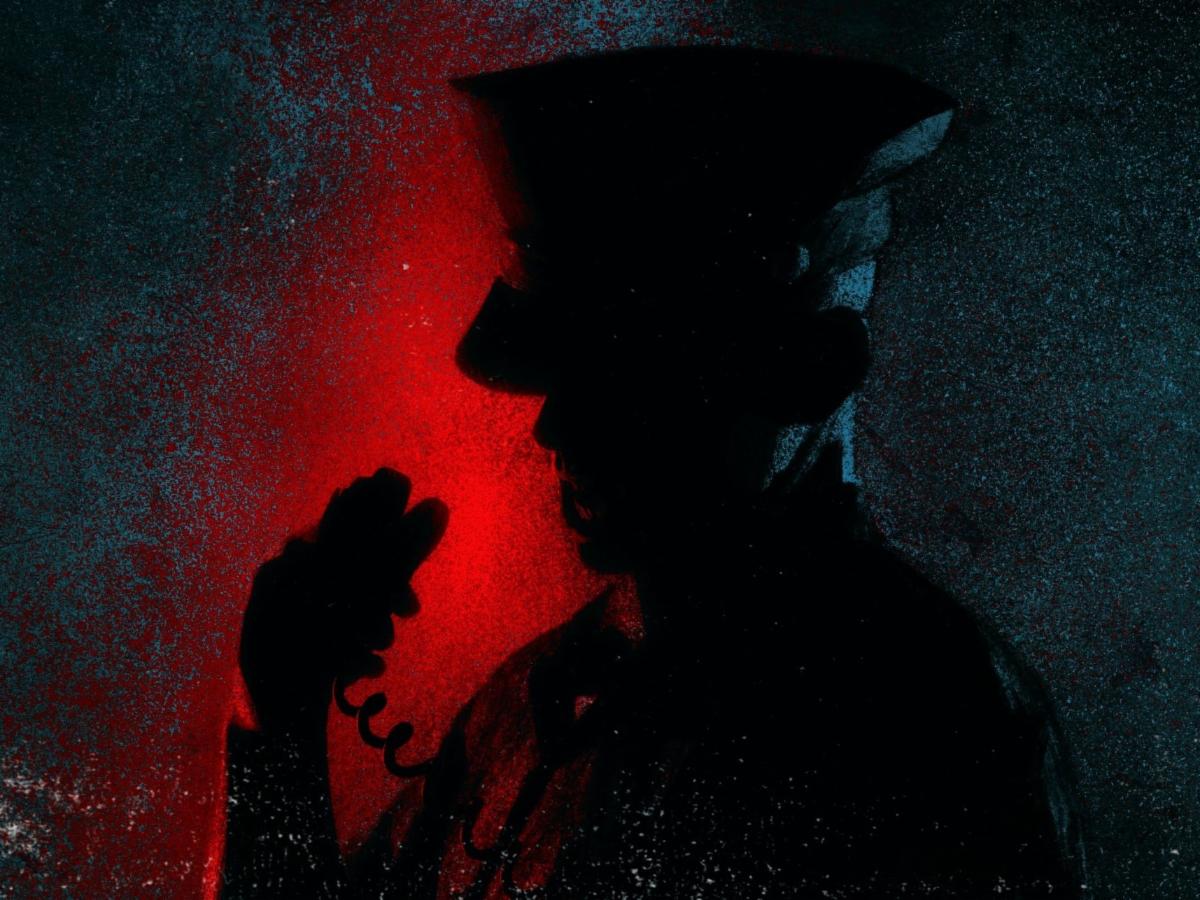
Police statements, according to Stuart Schrader, “stretch, manipulate, and abuse plan language,” such as with the statement after George Floyd’s killing that announced: “Man Dies After Medical Incident During Police Interaction.” Police use stories and myths about themselves and their work to secure legitimacy, and this legitimacy yields public compliance and power. The core of policing, Schrader concludes, “is social control.” Beyond lying in statements about the nature and reality of police work, police lie about how hated they are as well as the threat to them and thus the threat to public safety. Lies, such as exaggerations about the danger of policing (the 16th most dangerous job), affect behavior and training that emphasize danger. Schrader concludes: “The irreducible essence of policing is not law enforcement itself but discretion over which laws to enforce, over how to achieve order. Discretion is the ability to decide in the moment whether to act, and how.”
|
|
|
|
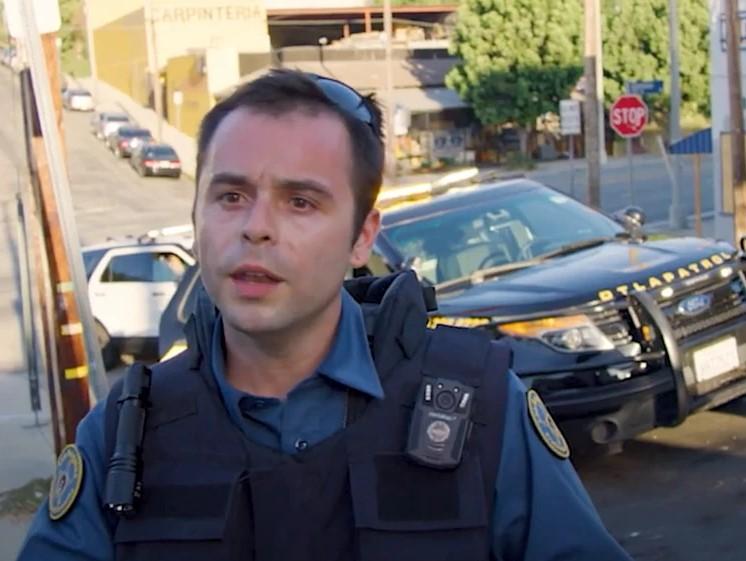
This podcast uses newly unsealed internal affairs files from California to examine how officers are investigated and disciplined. California’s Senate Bill 1421 offered the public an opportunity to see and hear the police disciplinary process, which had been hidden to that point. Police officers, as the first episode shows, have numerous protections such as many avenues of appeal, the right to delay interrogation, and the right to an attorney during questioning. The second episode, which delves into two investigations into sexual misconduct cases by California Highway Patrol Officers, reveals that the women who came forward were met with suspicion and intimidation. Surkey Lewis and Sandhya Dirks conclude that the victims in these investigations are not seen as victims deserving of justice but rather as witnesses to potential police misconduct.
|
|
|
|
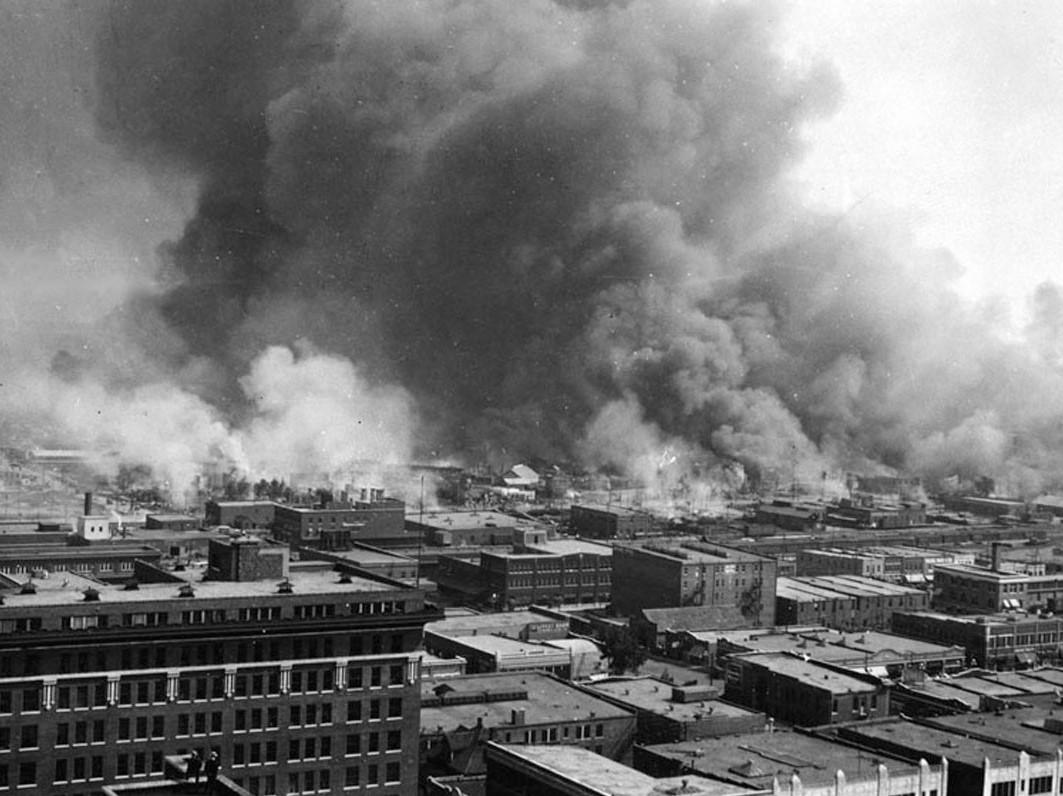
This year marks 100 years since the Tulsa Race Massacre where approximately 300 Black people were killed while Black churches, schools and businesses were burned. In this moment of collective remembrance of the massacre, Robin D.G. Kelley argues against the idea that the event is “unknown”: “why do we continually repeat the assertion that this history is completely unknown, a secret, or so shameful no one wants to talk about it? Because the issue has never been about not knowing; it is about a refusal to acknowledge genocidal, state-sanctioned racist violence in the United States, a refusal to recognize the existence of fascism in this country.” The discourse of the event and devastation of Black Wall Street, moreover, reveals a deeper class politics which obscures the fact that the majority of Black Tulsans displaced and harmed were working people. How we proceed with repair, Kelley argues, depends on how we remember, yet “reparations are easier than decolonization, which is the answer to the question of where do we go.”
|
|
|
|
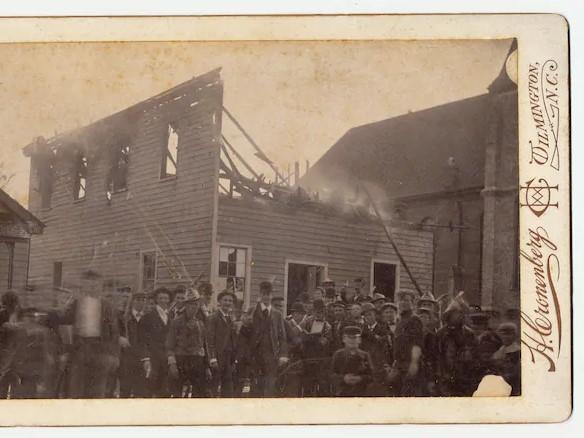
With the commemoration of the centennial of the Tulsa Race Massacre, many Americans are reckoning with and learning about the U.S.’s long history of racist rampages. Gillian Brockell offers an introduction to many racist massacres and rampages in the U.S. between the 1870s and 1920s. This list of is not exhaustive, yet it offers insight into the ways racist violence has been employed to political, social, and capitalist projects. Political actors, police, and the press oftentimes whipped up false hysteria and narratives about Black success, which led to destructive violence. While the Tulsa Race Massacre was and is a central event in U.S. history, its deadly and racist violence was no aberration.
|
|
|
|
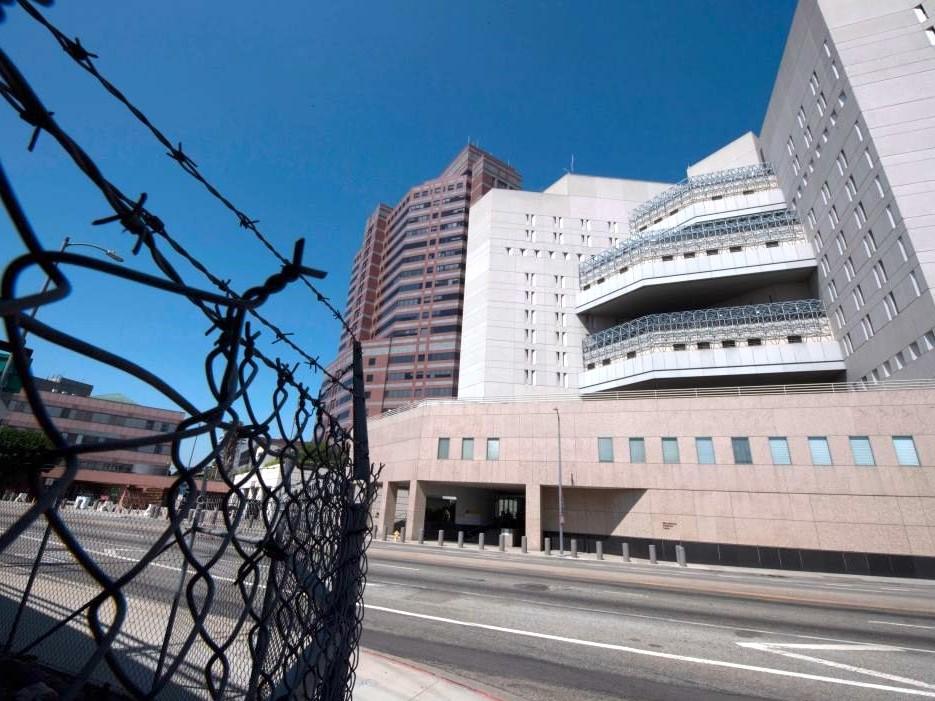
Mass incarceration is a public health concern for everyone, yet it is ignored in the national conversations about rebuilding public health, pandemic preparedness, and biosecurity. Jails, prisons, and ICE facilities have, according to Reinhart, “become the most effective incubators of COVID-19.” Daniel Chen’s new study shows that the high number of COVID-19 cases inside these facilities have spawned similarly disastrous cases and deaths on the outside. This relationship is because, as Reinhart notes, “Carceral facilities are not sealed off from the outside world — they are highly porous and health conditions among incarcerated people are always in constant interrelation with community health.” Nearly eleven million people are cycled through jails alone each year; 405,000 guards circulate between these facilities and their communities each day. This study of Chicago and Cook County Jail notes that “the cycling of arrested individuals through Cook County Jail in March 2020 accounted for 13 percent of all documented COVID-19 cases in Chicago by August 2020.” This process, too, exacerbated racial disparities of the pandemic because of the racial inequalities in policing and incarceration.
|
|
Announcements & Opportunities |
|
Carceral Studies Graduate Student Fellowship
Application Deadline Extended to June 7
The Carceral Studies Consortium offers an outstanding graduate student with interest in advancing Carceral Studies a 12-month, .20 FTE position (8 hours per week). This CSC Graduate Student Fellow serves as the student representative on the Carceral Studies Board of Directors, as well as provides critical support for CSC initiatives throughout each academic year (July 1 to June 30).
|
|
|
ABOUT
The Consortium Newsletter will offer a roundup of a few selected articles that reflect today’s news, organizing, and thinking related to the carceral state. We understand that freedom work is built on education and engagement. Education requires an understanding of contemporary issues informed by their historical context. We hope that these curated articles will help you analyze the issues that we face and understand the community that we strive to construct.
Join the conversation!
We encourage feedback, suggestions, and article suggestions. Please reach out to carceralstudies@ou.edu with any ideas, thoughts, or recommendations.
If anyone you know is interested in receiving this newsletter and other information from the Carceral Studies Consortium, please forward them this email and they may click this link to subscribe.
|
|
Land Acknowledgment
The University of Oklahoma is on the traditional lands of the Caddo Nation and the Wichita & Affiliated Tribes. This land was also once part of the Muscogee Creek and Seminole nations. It also served as a hunting ground, trade exchange point, and migration route for the Apache, Cheyenne, Comanche, Kiowa, and Osage nations. Today, 39 federally-recognized Tribal nations dwell in what is now the State of Oklahoma as a result of settler colonial policies designed to confine and forcefully assimilate Indigenous peoples.
|
|
The University of Oklahoma is an equal opportunity institution. ou.edu/eoo |
|
|
|
|
|
|