Coast Posts
- A Newsletter From FEC

April 2025

Monthly News Updates

News from Future Earth Coasts International Project Office
Shanghai | East China Normal University
Subscribe to Our Newsletter!

Highlights:


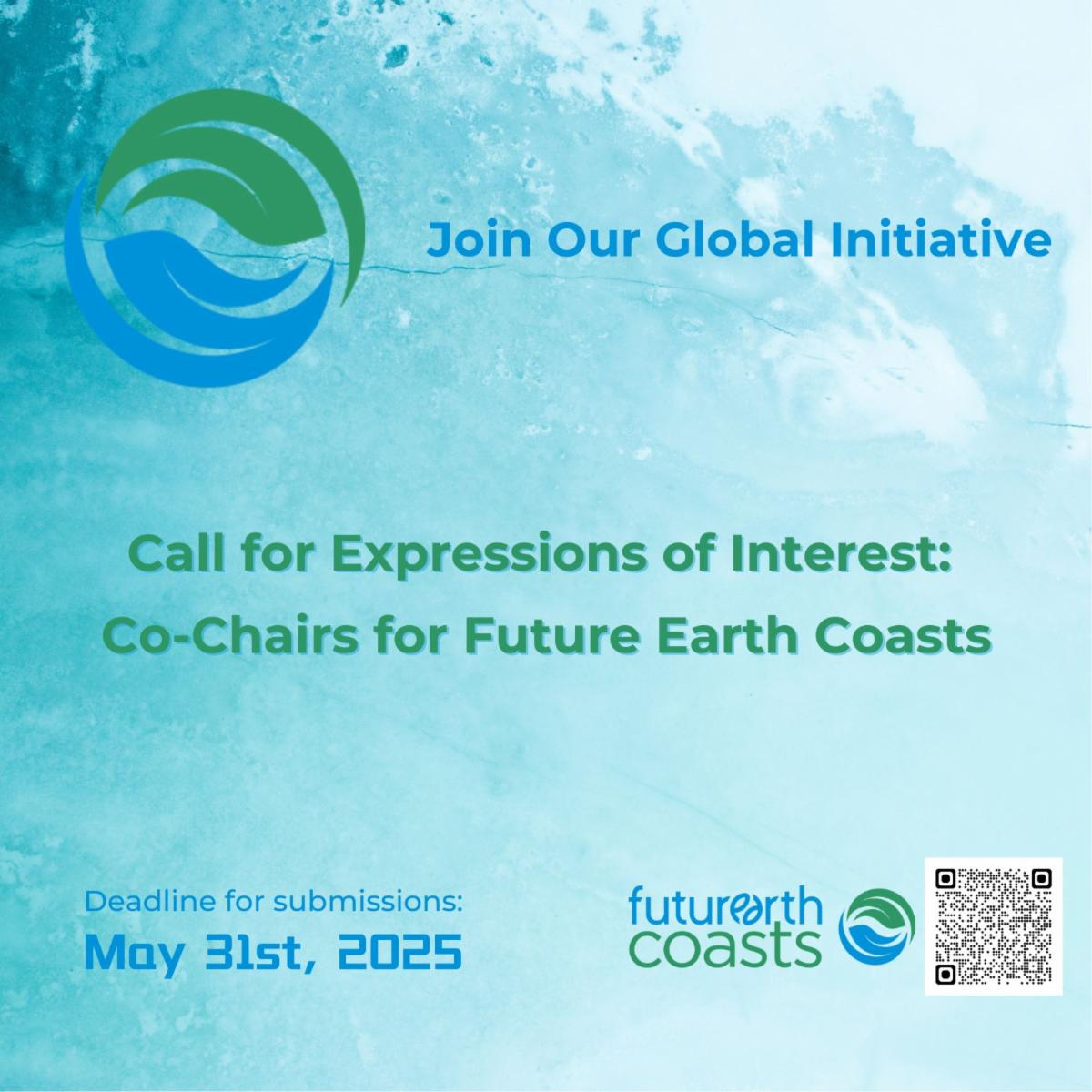
  • Call for Expressions of Interest: Co-Chairs for FEC 
  • Join Us for the FEC and SIMSEA Youth Joint Seminar Series
  • Invitation to the Inaugural FEC-SIMSEA Youth Joint Seminar on May 13th
  • Join the “Tour de Coasts” Panel Discussion at SRI 2025: Advancing Global Coastal Sustainability
  • Prof. Alaa Salem Joins FEC as New Academy Member
  • Anthropocene Coasts: Call for Papers – Tour de Coasts
  • FEC New Publication | Meta-analysis of vegetation responses to experimental nitrogen enrichments done in salt marshes under different sea level rise regimes reveal interaction of N supply and sea level rise
  • FEC New Publication | Coastal cliff erosion: a bibliometric analysis and literature review
  • FEC New Publication | Practitioner perspectives of wellbeing in rapidly changing Australian coastal communities
  • FEC New Publication | Novel marine-climate interventions hampered by low consensus and governance preparedness
  • FEC New Publication | Enhance responsible governance to match the scale and pace of marine–climate interventions
  • FEC New Publication | On the long and winding road: unravelling the late emergence of Neolithic agriculture in the Nile Delta
  • Updates from FEC Fellows: Dr. Baker Matovu
  • Updates from FEC Working Groups: Just Transitions
  • Updates from FEC Supported Networks: Decade Collaborative Center for Coastal Resilience, European University for Smart Urban Coastal Sustainability
  • Call for Submissions | 1st International Symposium on Ecosystem-Based Coastal Defense
  • Online Course | Coastal Ecosystem Mapping with Remote Sensing Tools


What have we been up to

Call for Expressions of Interest: Co-Chairs for FEC

Future Earth Coasts (FEC) is inviting Expressions of Interest from qualified and motivated individuals to serve as Co-Chairs of its Executive Committee.


Role of FEC Co-Chairs


FEC Co-Chairs play a key leadership role in shaping the strategic direction, scientific agenda, and community engagement of FEC. As ex officio chairs of the Executive Committee, Co-Chairs are expected to actively lead and guide FEC’s strategic goals and initiatives. Working collaboratively with the FEC Vice-Chair, Co-Executive directors, and International Project Offices, the Co-Chairs help ensure that FEC continues to grow as a dynamic and influential global network.


Key responsibilities include:

  • Chairing the FEC Executive Committee meetings as required
  • Facilitating dispute resolution procedures, if necessary
  • Maintaining strategic oversight of FEC plans and activities
  • Representing FEC as a figurehead at relevant scientific and stakeholder events
  • Working closely with the other Co-Chair and Vice-Chair to distribute tasks and responsibilities
  • Providing support, guidance, and mentorship to the FEC Co-Executive directors


To learn more about the role, please reach out to one of the following:


Click here to read more.


Join Us for the FEC and SIMSEA Youth Joint Seminar Series

We are pleased to announce the FEC and SIMSEA Youth Joint Seminar Series – an empowering joint initiative tailored for undergraduate/postgraduate students and early career researchers who study coastal and marine environments in Asia and Oceania. This seminar series is part of the Future Earth-funded cross-cutting initiative “Meta-Network” – a pioneering network of networks that connects science, policy, and practice to foster a more resilient and sustainable future.


Building on the past success of FEC Fellows Sessions and SIMSEA program, we are excited to extend this opportunity for strategic career development, professional guidance, and vibrant networking for the youth in Asia and Oceania. We warmly invite all youth in Asia and Oceania to contribute to the FEC and SIMSEA Youth Joint Seminar Series. We aim to explore, develop a capacity, and establish a network of the youth in Asia and Oceania who are engaged in coastal and marine environment studies.


Get involved and showcase your expertise! We invite you to propose a topic for a one-hour webinar deigned to inspire dialogue and collaboration. Each session will include a 30-minute presentation, followed by 15 minutes of Q&A, and conclude with a 15-minute “Call to Action” session. This final segment encourages participants to co-develop tangible next steps—such as co-authoring a review paper, initiating a collaborative research project, or organizing a joint session at an (inter)national conference. This is your chance to not only share your work, but to spark new initiatives and build lasting connections across the region. Please reach out to morioka@jamstec.go.jp to express your interest in contributing to the FEC and SIMSEA Youth Joint Seminar Series.


Click here to read more.


Invitation to the Inaugural FEC-SIMSEA Youth Joint Seminar on May 13th 

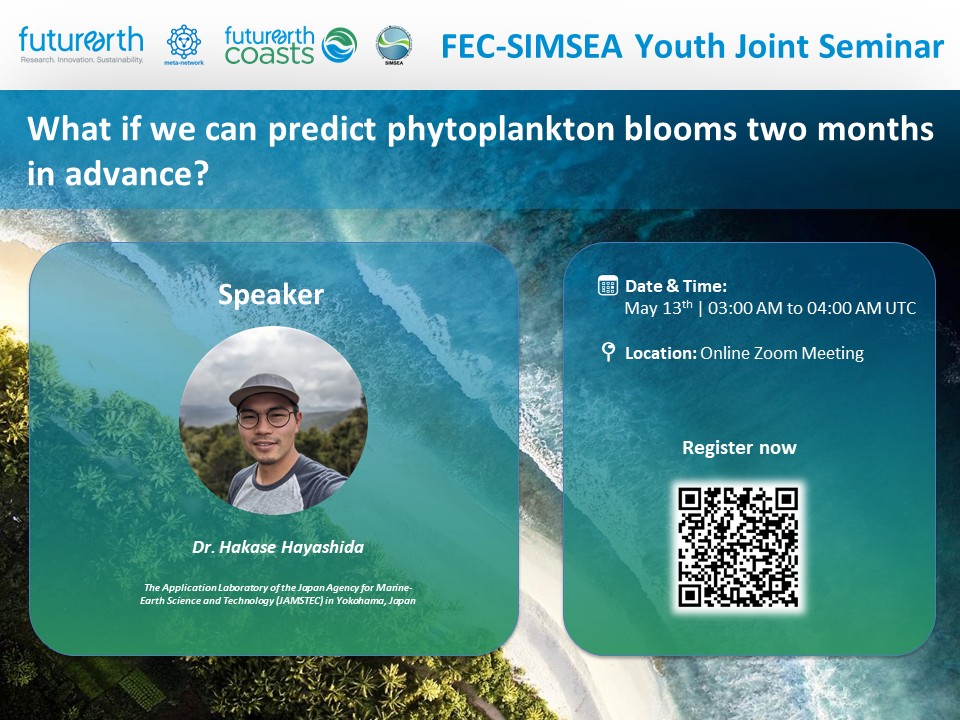
Can we predict phytoplankton blooms two months in advance? Discover the science behind this exciting possibility with Dr. Hakase Hayashida from JAMSTEC, Japan, at our inaugural FEC-SIMSEA Youth Joint Seminar on May 13th (03:00–04:00 AM UTC). Learn about the Japan Coastal Ocean Predictability Experiment (JCOPE), its cutting-edge ocean forecasting system, and its emerging integration of marine biogeochemistry. This free, youth-focused event is part of the Future Earth “Meta-Network” initiative to bridge science, policy, and sustainability. All are welcome—students, early career researchers, and ocean enthusiasts alike!


Click here to read more.


Join the “Tour de Coasts” Panel Discussion at SRI 2025: Advancing Global Coastal Sustainability

Future Earth Coasts invites researchers, policymakers, and sustainability leaders to attend a pivotal panel discussion at the 2025 Sustainability Research and Innovation Congress (SRI 2025). Marking its fifth anniversary—and its inaugural U.S. convening—SRI 2025 will take place in Chicago, Illinois, from June 16–19, 2025, fostering action-oriented and inclusive sustainability solutions.


Event Details:

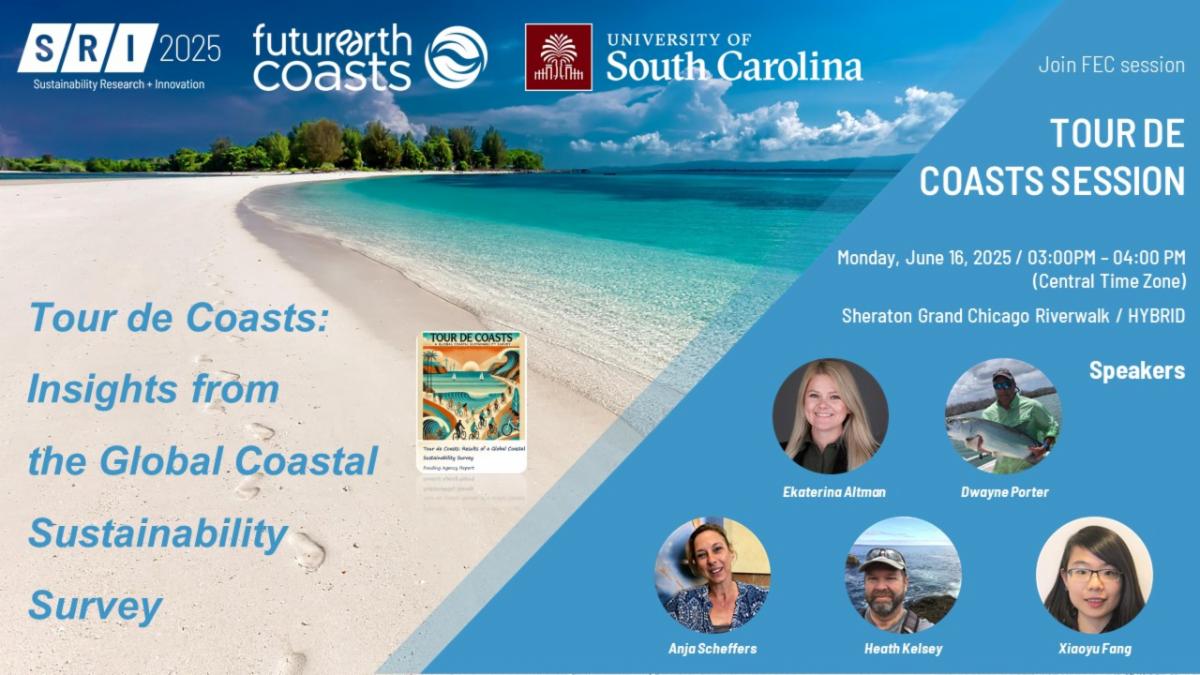
📅 Date & Time: Monday, June 16 | 3:00–4:00 PM (Central Time Zone) 

📍 Location: Sheraton Grand Chicago Riverwalk, SRI 2025, Chicago, Illinois (Hybrid)

🌊 Session Title: Tour de Coasts: Insights from the Global Coastal Sustainability Survey


Coastal regions worldwide confront escalating threats, including sea-level rise, ecosystem degradation, governance disparities, and socioeconomic inequities. Launched in 2024 by Future Earth Coasts and the University of South Carolina, the Tour de Coasts initiative examines these challenges through a comprehensive, global lens. Drawing on insights from over 200 experts across 79 countries, this session will present key findings from the Global Coastal Sustainability Survey and spotlight community-driven resilience strategies.


Why Attend?

  • Gain a global perspective on pressing coastal sustainability issues.
  • Explore integrated solutions combining local knowledge, scientific research, and policy innovation.
  • Engage in interactive dialogue with researchers, practitioners, and policymakers shaping coastal futures.


Click here to read more.


Prof. Alaa Salem Joins FEC as New Academy Member

Future Earth Coasts (FEC) proudly announces Prof. Alaa Salem as the newest addition to the FEC Academy. Alaa Salem is a professor of sedimentary geology in the Faculty of Science at Kafrelsheikh University in Egypt. Alaa received his Ph.D. degree from the University of Texas at Austin, USA. His research interests fall within sedimentary and environmental geology, and evolution of coastal wetlands. Alaa has gained several international experiences from world-class High Education Institutes in many countries as in USA, Sweden, Germany, UK, China, and Poland. He has published on sedimentary petrology, on the ecological safety measures from the sediments of coastal lagoons of the Nile Delta, and on the Holocene climate change and its influence on early agriculture from the Nile Delta.

Prof. Alaa Salem

With his extensive expertise in coastal and sedimentary systems, global collaborations, and dedication to addressing pressing environmental challenges, Prof. Salem’s membership in the FEC Academy will significantly advance our collective efforts to promote sustainable coastal resilience. His leadership in international research and education aligns seamlessly with FEC’s vision, and we look forward to his contributions in shaping innovative solutions for vulnerable deltaic regions worldwide.


Click here to read more.


Anthropocene Coasts:

Call for Papers – Tour de Coasts

Anthropocene Coasts is launching a new special collection titled Tour de Coasts.  

This special collection is supported by FEC and provides a forum for knowledge exchange about priority coastal sustainability concerns and aims to create a comprehensive understanding of coastal sustainability challenges and opportunities from a global perspective.


For this Special Collection, Anthropocene Coasts invites manuscripts of all aspects of coastal sustainability challenges and opportunities globally including but not limited to: governance; individual, cultural, community, and ecological health; effective and inclusive communication; human behavioral change; food, water, and housing security; ecological analyses; economics and financial incentives; potential for managed coastal retreat; technology and increased connectivity; coastal disease threats and health benefits; use crises to inform; and modeling. 

The submission deadline for this collection is July 21, 2025. You can access the topical collection via this link. 


Guest Editors 


Dr. Katya Altman, Bureau of Ocean Energy Management, USA 


Dr. Dwayne Porter, University of South Carolina, USA  

Dr. Heath Kelsey, University of Maryland, USA

Dr. Anja Scheffers, Southern Cross University, Australia 

Dr. Xiaoyu Fang, East China Normal University, China  

Submit Your Manuscript

FEC New Publications

Meta-analysis of vegetation responses to experimental nitrogen enrichments done in salt marshes under different sea level rise regimes reveal interaction of N supply and sea level rise

Ivan Valiela, Kelsey Chenoweth, John Day

Prof. John Day

Abstract


Agricultural-style fertilization studies to assess responses of salt marsh vegetation to increased nitrogen supply have been done in many coastal regions of the world. Initial enrichment experiments first revealed the role of nitrogen (N) supply as a key control of vegetation responses. A review of results from 43 N-fertilization studies carried out in a variety of coasts worldwide found increased responses by above-ground salt marsh vegetation in 94.5 % of the enrichments. The responses, although variable, increased significantly as N supply increased, confirming the limiting function of N supply. Enrichments with urea, a mix of N forms, or ammonium were more effective than enrichment with nitrate. Synthesis of compiled data suggested an interaction of N supply with sea level rise may be important. Sea level rise >3.4 mm yr−1 damped the ability of above-ground salt marsh vegetation to respond to increased N supply, and it is possible that critical thresholds (about 15 mm yr−1) for above-ground marsh vegetation may be reached by 2100. Below-ground vegetation responses were not greatly affected by N enrichment in the data compiled, but as sea level increases in the future, data trendlines suggest a possible future threshold (perhaps about 9 mm yr−1) in submergence that would impair below-ground vegetation responses. These findings suggest that sea level rise effects may overwhelm the positive effects of increased N supply, an interaction that may impair salt marsh vegetation function, leading to increasing future submergence of these valuable habitats. These results emphasize the urgency for new mitigation strategies.


Click here to read more.


Coastal cliff erosion: a bibliometric analysis and literature review


Sibila A. Genchi, Alejandro J. Vitale & Gerardo M. E. Perillo

Prof. Gerardo M. E. Perillo

Abstract


Cliffed (and rocky) coasts are geomorphic features occurring in about 80% of the coastline of the world and are strongly influenced by a broad range of both natural and anthropogenic processes that may cause serious erosion problems. Since the sea wave motion is a fundamental driver of cliff erosion, the cliffs become sensitive to increasing of global sea levels and to extreme weather events, which are both associated with global warming. Because of its importance, a considerable amount of investigations on coastal cliff erosion (CCE) were reported during the last decades. A bibliometric analysis is an useful tool to identify patterns of a given theme from a large body of academic literature. There is no previous evidence of a global bibliometric analysis in the literature in English on themes of CCE. Therefore, the aim of this article was to carry out a bibliometric analysis from Scopus database of CCE for the period 2000–2023. Once obtained, two filtering steps for selection of documents consisting of a custom R script implementation and a careful reading of the remaining documents were applied. During the search, a dynamic approach that puts emphasis on the processes operating on rocky coasts was selected instead of an evolutionary geological perspective. The final list reached 583 documents. A second aim was to discuss the research trends and challenges based on the latest highly-cited documents. As main result, the trend of the scientific production in the theme of CCE had an increasing interest over the last years, with an average compound annual growth rate of 15.6%. On the other side, the results demonstrated that even though the USA took the second place, European countries (United Kingdom, Italy, France, Portugal, Spain and Poland) lead the ranking; therefore, there is a scarcity of knowledge about the theme in large regions such as South America and Africa where seacliffs are dominants.


Click here to read more.


Practitioner perspectives of wellbeing in rapidly changing Australian coastal communities


Carmen E. Elrick-Barr, Timothy F. Smith, Dana C. Thomsen

Dr. Carmen E. Elrick-Barr

Prof. Timothy F. Smith

Abstract


Coastal communities are situated in dynamic socio-ecological contexts at risk from the impacts of climate change and other hazards. Meaningful strategies to maintain and/or improve community wellbeing are more important than ever; and so too is understanding the impact of chosen strategies. Past research has highlighted divergence in the how problems impacting the coast are framed in policies that direct management action; hampering the ability to holistically improve wellbeing (across social, economic and environmental grounds). Yet calls to better understand whether perceptions of those responding to change also diverge, and implications for improving wellbeing in coastal areas, remain unanswered. To address this gap, we interviewed key stakeholders that respond to change (coastal managers) and seek to improve wellbeing (community service providers) in Australia's fastest growing coastal areas and used Maslow's Hierarchy of Needs theory to examine divergence and convergence in perceptions of needs attainment as indicative of progress towards improved wellbeing. All stakeholders identified inequity in the ability of community members to meet their needs, but the impact of coastal hazards on community needs were perceived differently. Coastal managers perceived greater impacts on higher order needs (self-esteem and self-actualisation) while community service providers perceived greater impacts on lower order needs (physiological). These differences shape the prioritisation of responses and highlight the need for improved multisectoral understanding and collaborative strategies to improve wellbeing in coastal areas.


Click here to read more.


Novel marine-climate interventions hampered by low consensus and governance preparedness


Emily M. Ogier, Gretta T. Pecl, Terry Hughes, Sarah Lawless, Cayne Layton, Kirsty L. Nash & Tiffany H. Morrison 

Prof. Emily M. Ogier

Abstract


Novel marine-climate interventions are now being rapidly implemented to address both the causes and consequences of warming oceans. However, the governance implications of proposed upscaling of such interventions are uncertain. We conduct a survey of 332 intervention practitioners, revealing five types and 17 sub-types of interventions proposed or deployed in 37 marine systems globally. Most (71%) report marine-climate interventions aimed at supporting species and ecosystem adaptation, with 29% aimed primarily at climate mitigation and societal adaptation. Perceptions of climate benefits vary widely, with low consensus across practitioners on the climate goals of specific interventions. Intervention decision-making also remains focused on technical feasibility to meet minimum permitting requirements, with limited appraisal and management of broader ecological, cultural and social risks and benefits of intervention. Practitioners also warn that many marine-climate interventions are currently being tested and deployed in an under-regulated pseudo-scientific bubble.


Click here to read more.

Enhance responsible governance to match the scale and pace of marine–climate interventions

Emily M. Ogier, Gretta T. Pecl, Terry Hughes, Sarah Lawless, Cayne Layton, Kirsty L. Nash & Tiffany H. Morrison


The policy problem


Rapidly changing climatic and oceanic conditions form a clear and urgent mandate for novel interventions to sustain marine ecosystems and the communities that depend on them. Scientific and not-for-profit organizations are already trialling a wide array of new marine–climate interventions. However, the planned upscaling of many of these interventions has highlighted a ‘pacing problem’, whereby the rate of innovation and deployment is outpacing governance preparedness to anticipate and responsibly manage actions and their impacts. Overcoming these pacing and upscaling challenges is of global importance because new marine–climate interventions pose multiple and cumulative risks and high opportunity costs for marine ecosystems, as well as communities and rights holders at local, regional, global and climate policy scales. However, systematic understanding of the development and deployment of marine–climate interventions remains low. There has been limited empirical investigation into how to understand and resolve the pacing problem between marine governance and climate intervention technology.


Click here to read more.


On the long and winding road: unravelling the late emergence of Neolithic agriculture in the Nile Delta


Xiaoshuang Zhao, David Kaniewski, Yanna Wang, Nick Marriner, Alaa Salem, Said E. Alassal, Yan Liu, Feng Jiang, Jing Chen, Qianli Sun, Maotian Li, Ian Thomas, Brian Finlayson, Hader Sheisha, Christophe Morhange, Thierry Otto, Frédéric Luce, Zhongyuan Chen

Prof. Alaa Salem

Abstract


Despite the Nile Delta's abundant natural resources, the emergence of Neolithic agriculture did not evolve in tandem with neighboring regions, long raising questions about the underlying factors contributing to this delay. We analyzed pollen and non-pollen microfossils of three Predynastic sites (Buto - Tell el-Fara'in, Sais - Sa el-Hagar and Kom el-Khilgan) to track the environmental factors hindering the emergence and development of herding and farming in the Nile Delta before 7000 cal. BP. High-resolution-dated microfossils showed that during the African Humid Period, the delta experienced environmental instability, characterized by remarkably high Nile discharge and rapid sea-level rise, impeding early human occupation of the deltaic plain. Sea-level stabilization and declining Nile discharge beginning ca. 7000 years ago promoted herding as an opportunistic activity in coping with and exploiting the delta's uninhabitable environmental setting. This pastoral livelihood transitioned to sedentary farming that prevailed a millennium after the deltaic setting became stable.


Click here to read more.

Coastal Radar

Updates from FEC Fellows

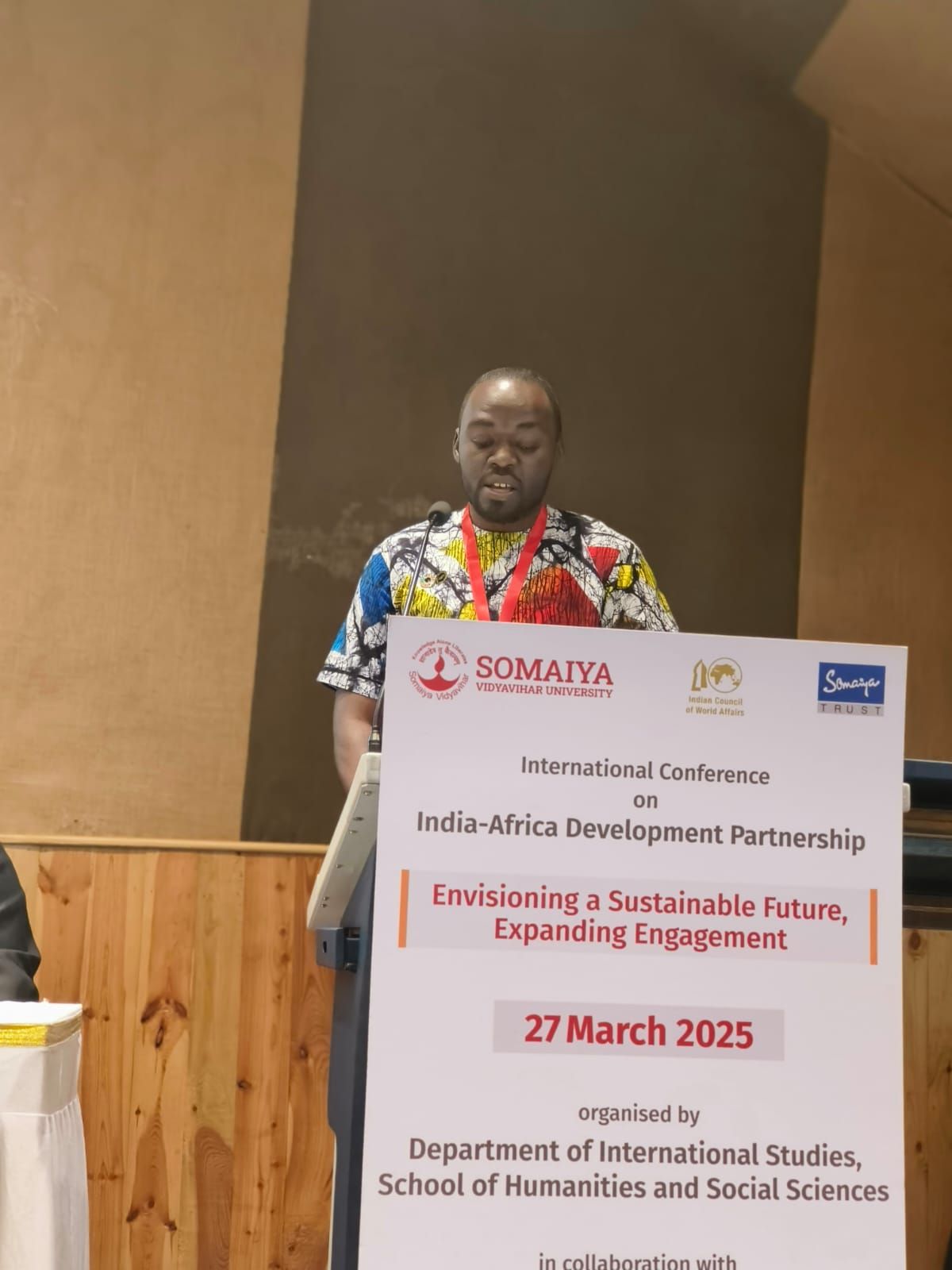
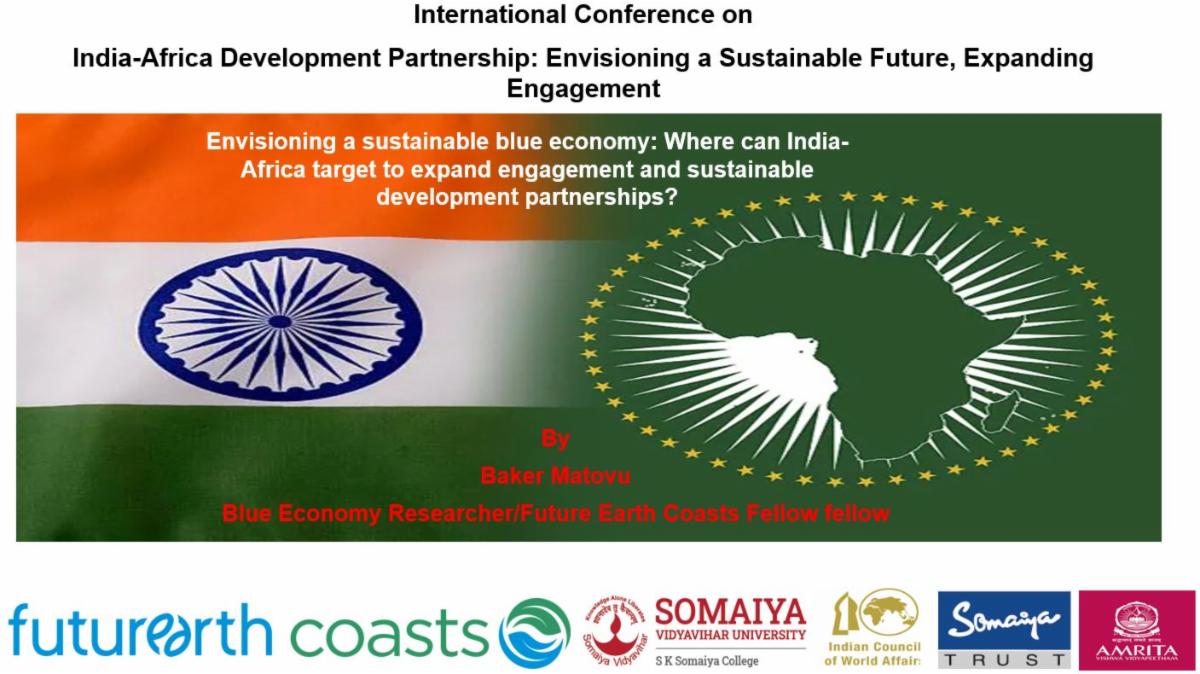
On March 27, 2025, FEC Fellow Dr. Baker Matovu was invited as a keynote speaker and panelist at the International Conference on India-Africa Development Partnership, held in Mumbai, India, where novel insights on envisioning a sustainable future and expanding collaborative engagement were showcased. 


Dr. Baker Matovu discussed how the blue economy could promote sustainable South-South cooperation futures and expand inclusive engagement, especially in the Indian Ocean Rim region.

Apply to become a FEC Fellow

Updates from FEC Working Groups 

Proceed with caution: emerging marine-climate projects outpacing effective governance

Oceans are at the forefront of many new climate-related projects, but the speed that these projects are being developed and expanded is outpacing the ability to govern them effectively – and manage their potential impacts on marine ecosystems and communities.


A new study published in Nature Climate Change highlights the wide variety of marine-climate interventions proposed or already deployed across 37 marine systems – and shows that the speed of innovation is outstripping the ability to manage it responsibly. This includes verifying their real value in capturing and storing carbon dioxide over time, and ensuring appropriate regulations are in place to prevent unintended marine ecosystem impacts.


“Our rapidly changing climate and warming oceans have created a clear and urgent need for innovative actions to sustain marine ecosystems and the communities that depend on them,” said lead author, Associate Professor Emily Ogier, a marine sociologist at the University of Tasmania’s Institute for Marine and Antarctic Studies (IMAS).


The study team surveyed 332 marine-climate project practitioners worldwide about this rapidly emerging field. They gathered information on the types of projects being developed or deployed, and their locations, stages of development, climate goals and governance arrangements.


“We found there were limited efforts to understand and solve the pacing problem between marine governance and climate intervention actions,” said IMAS marine ecologist and co-author, Professor Gretta Pecl, a member of the FEC Just Transitions Working Group.


Modified from the following link: https://www.utas.edu.au/about/news-and-stories/articles/2025/proceed-with-caution-emerging-marine-climate-projects-outpacing-effective-governance


Click to learn more about the FEC Just Transitions Working Group.

Updates from FEC Supported Networks

Decade Collaborative Center for Coastal Resilience

Sustainable Coastal Growth and Resilience: The In-Person Week in Bertinoro 

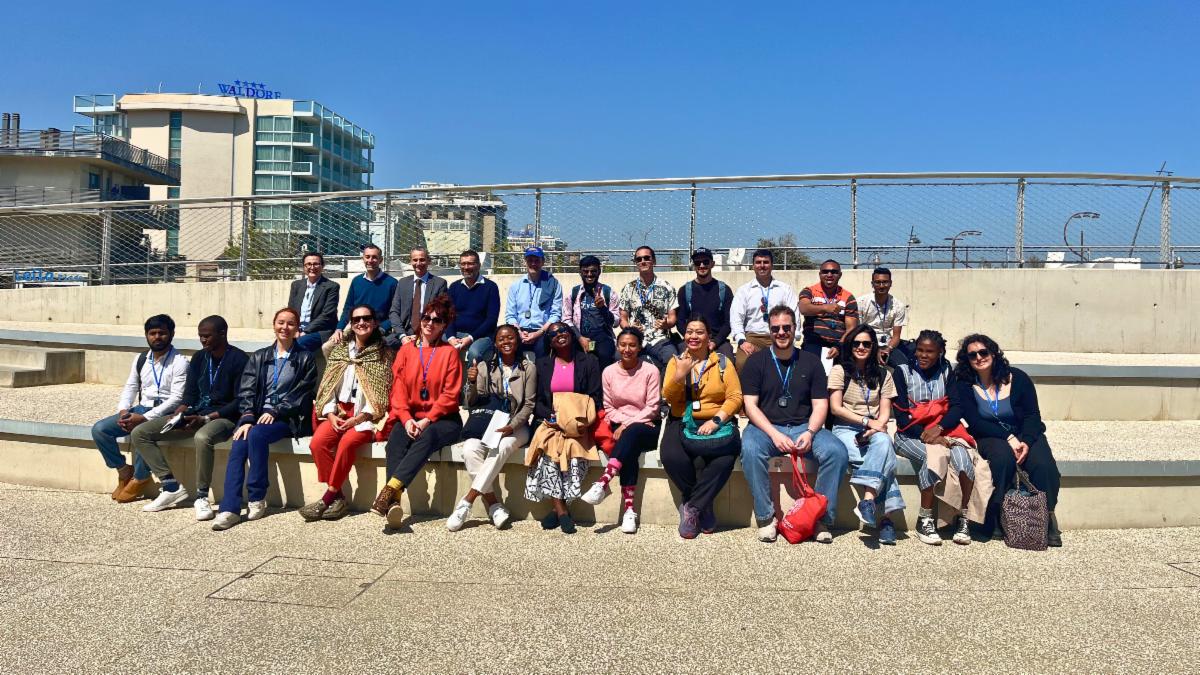
The hybrid course, Sustainable Coastal Growth and Resilience, was organized by the Decade Collaborative Centre for Coastal Resilience. Held in Bertinoro, Italy, from 7 to 11 April 2025, this immersive workshop concluded an 8-week online phase hosted on the OceanTeacher Global Academy platform. The in-person session featured expert-led lectures, group work presentations, and field visits to the Rimini Blue Lab, PSBO site, and Parco del Mare.


Click here to read more.


European University for Smart Urban Coastal Sustainability (EU-CONEXUS)


EU-CONEXUS Cultural Festival & Blue Limassol Forum focusing on Coastal Sustainability


EU-CONEXUS (European University for Smart Urban Coastal Sustainability) Cultural Festival will take place from 13 to 15 May 2025 in Limassol, Cyprus, hosted by Frederick University. This three-day event will celebrate arts, culture, and coastal sustainability through exhibitions, workshops, concerts, sports, and performances, featuring students from the nine EU-CONEXUS partner universities.

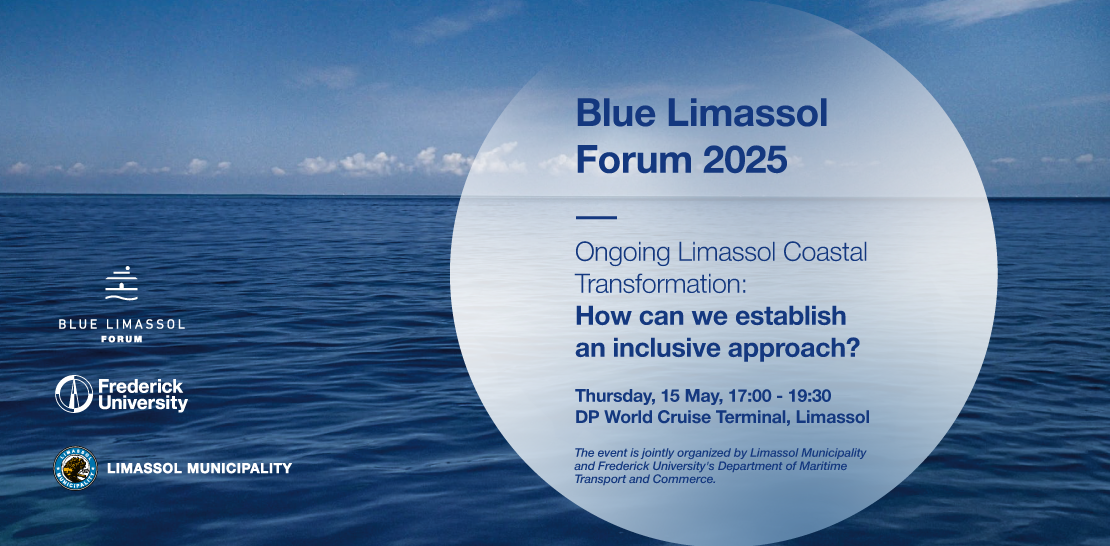
On 15 May, Frederick University, in collaboration with the Municipality of Limassol, will also host the Blue Limassol Forum, bringing together state officials, academics, and experts to discuss sustainability and the blue economy. During the Forum, Dr Costas Kadis, EU Commissioner for Fisheries and Oceans, and Prof. Radu Vacareanu, Chair of the EU-CONEXUS Governing Board, will deliver key addresses. The event will be hybrid. Register here to receive the event link for online participation.

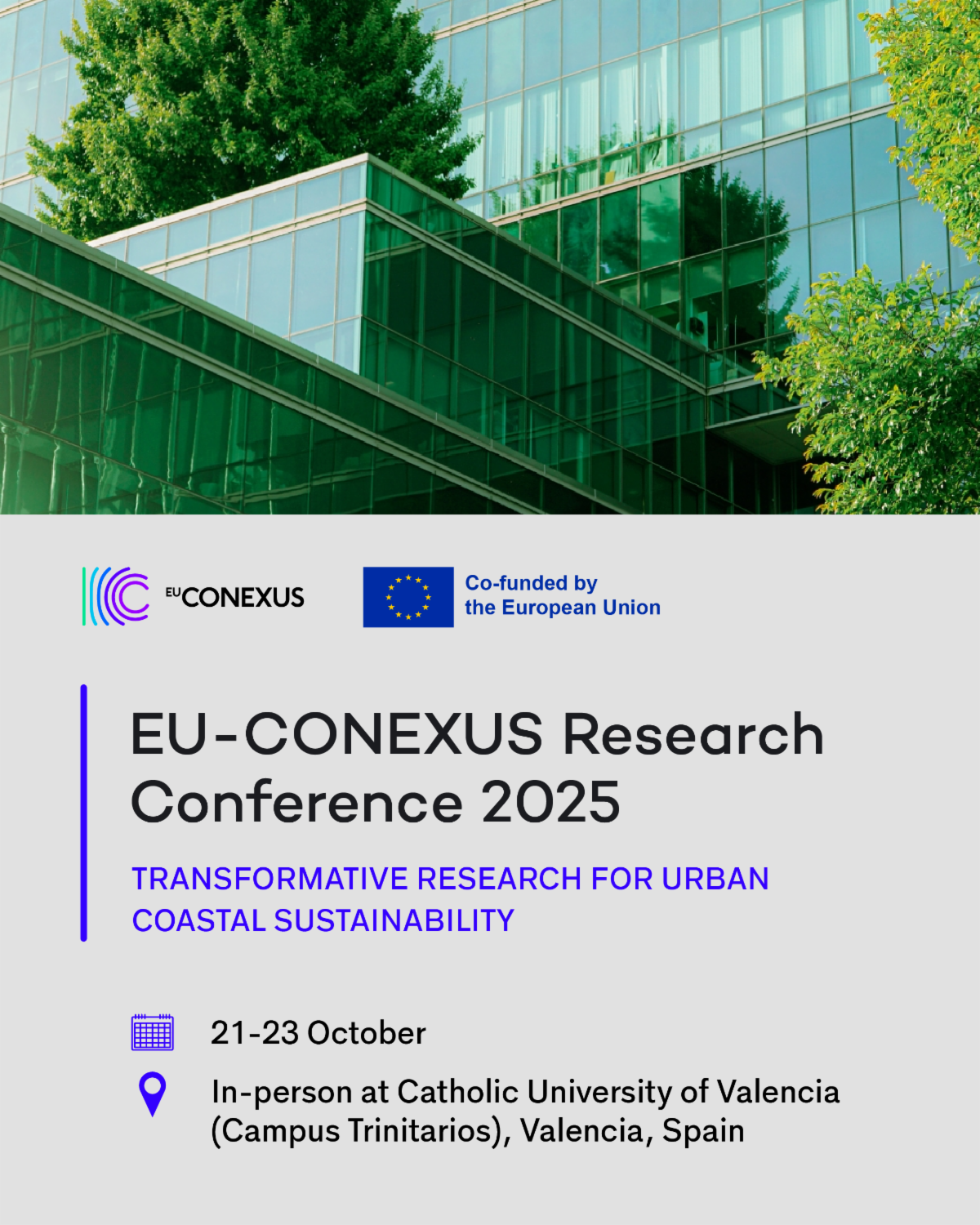
EU-CONEXUS Conference 2025: Transformative Research for Urban Coastal Sustainability


The EU-CONEXUS Research Conference will take place from 21 to 23 October 2025 in Valencia, Spain.


This interdisciplinary event will focus on reimagining how coastal cities address sustainability challenges. Topics will include Data-Driven Decision Making, Sustainable Health and Disease Management, Smart Infrastructures, Community and Stakeholder Engagement, and Sustainable Economic Models.


Click here to read more.

Affiliate your activity with FEC

Conferences

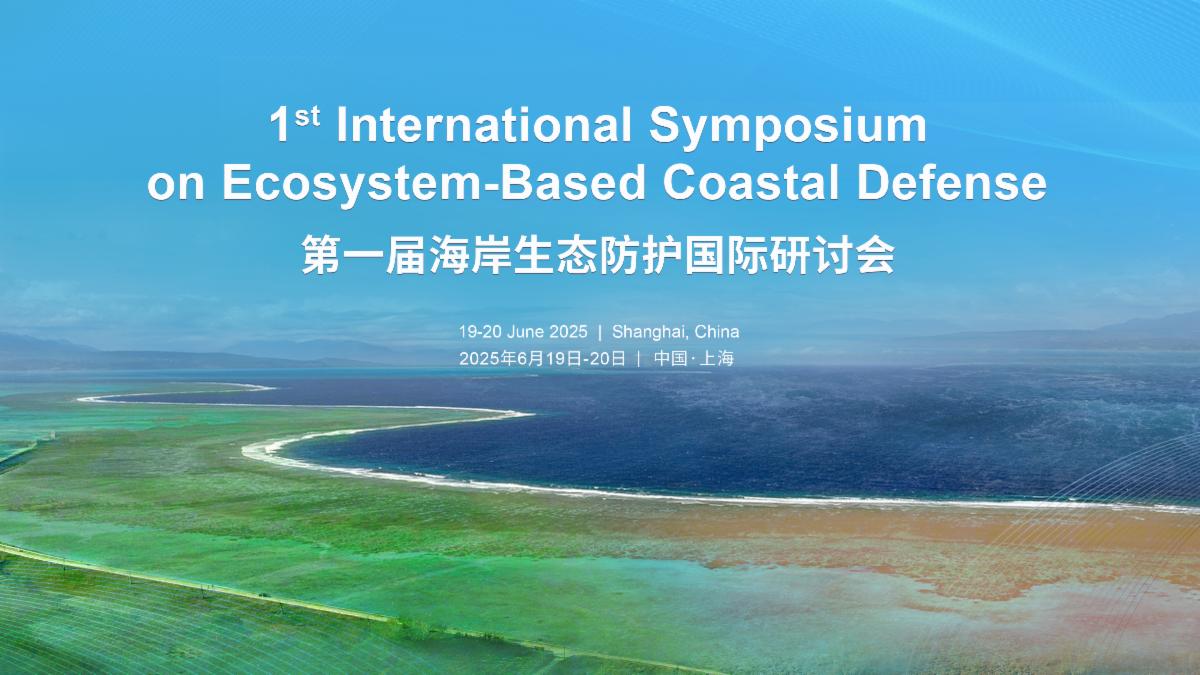
Call for Submissions | 1st International Symposium on Ecosystem-Based Coastal Defense

Introduction

The 1st International Symposium on Ecosystem-Based Coastal Defense aims to address the severe challenges faced by estuarine and coastal systems, including climate change, sea-level rise, coastal wetland biodiversity loss, coastal erosion, and intensive human activities. The symposium seeks to promote the integration of natural coastal ecosystems with traditional protective engineering through nature-based sustainable theories and methods. It aims to strengthen the link between scientific research, policy-making, and practical applications by proposing innovative and interdisciplinary solutions. The goal is to enhance coastal resilience, improve disaster prevention and mitigation capabilities, and promote sustainable coastal development.


Themes

• Ecosystems-Hydrodynamics-Morphodynamics Interactions 

• Multiple Functionalities of Ecosystem-Based Coastal Defenses

• Risk Assessment of Ecosystem-Based Coastal Defense

• Sustainable Solutions of Ecosystem-Based Coastal Defense 


Keynote Speakers (more to be confirmed)

  1. Prof. Heidi Nepf, MIT, The USA 
  2. Prof. Stijn Temmerman, University of Antwerp, Belgium
  3. Prof. Jinhai Zheng, Hohai University, China


Click here to submit an abstract.

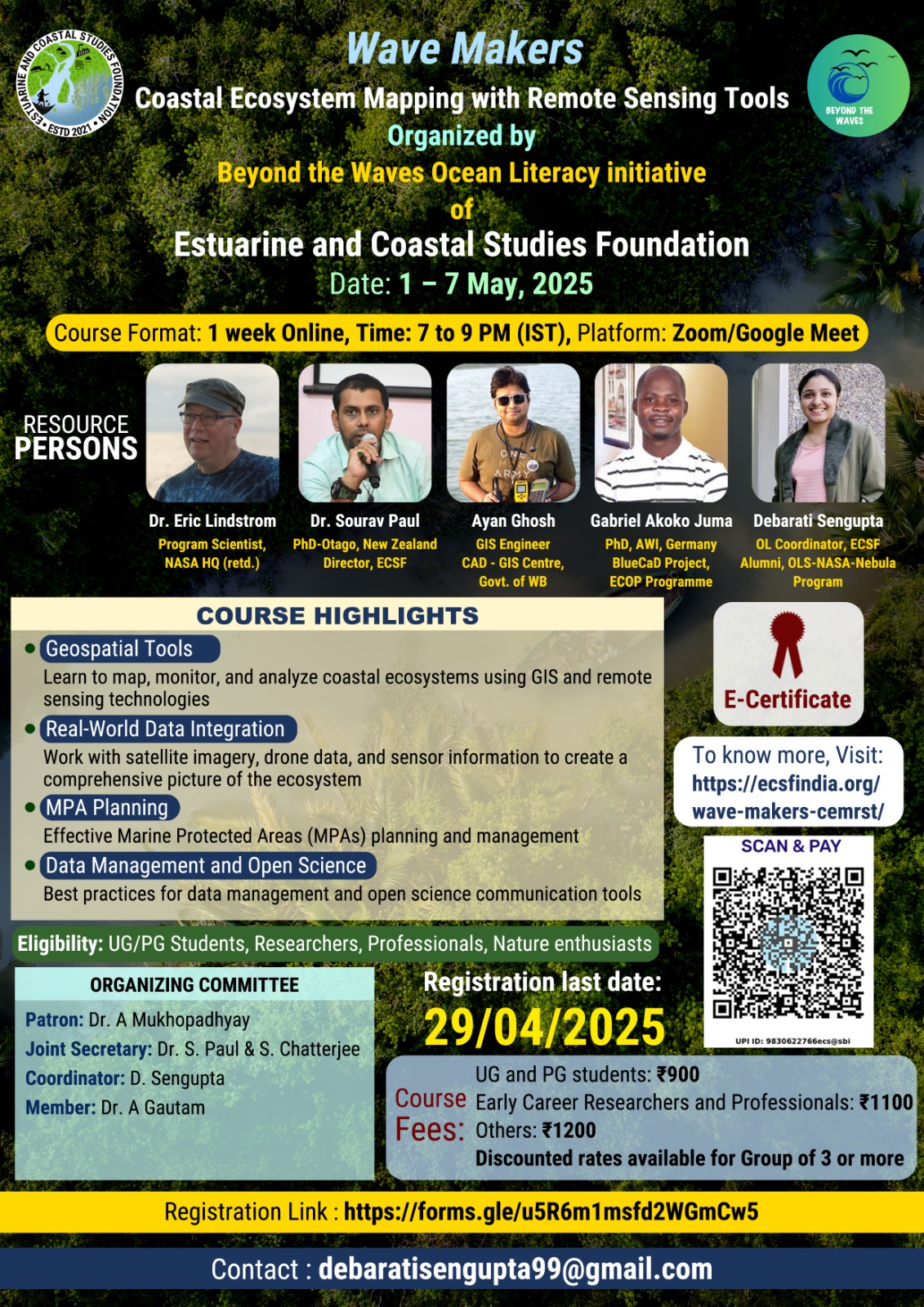
Online Course | Coastal Ecosystem Mapping with Remote Sensing Tools

The Estuarine and Coastal Studies Foundation, India, is going to conduct an online course on ocean climate education with an emphasis on mangrove mapping. If you are interested in being a part of this course, please contact the coordinator.


New FEC Publications (Since April 2024)

○ Elrick-Barr, C. E., Smith, T. F., & Thomsen, D. C. (2025). Practitioner perspectives of wellbeing in rapidly changing Australian coastal communities. Ocean & Coastal Management, 266, 107668.

https://doi.org/10.1016/j.ocecoaman.2025.107668

○ Genchi, S. A., Vitale, A. J., & Perillo, G. M. (2025). Coastal cliff erosion: a bibliometric analysis and literature review. Anthropocene Coasts, 8(1), 1-18.

https://doi.org/10.1007/s44218-025-00072-2

○ Ogier, E. M., Pecl, G. T., Hughes, T., Lawless, S., Layton, C., Nash, K. L., & Morrison, T. H. (2025). Novel marine-climate interventions hampered by low consensus and governance preparedness. Nature Climate Change, 1-10.

https://doi.org/10.1038/s41558-025-02291-4

○ Ogier, E. M., Pecl, G. T., Hughes, T., Lawless, S., Layton, C., Nash, K. L., & Morrison, T. H. (2025). Enhance responsible governance to match the scale and pace of marine–climate interventions. Nature Climate Change, 1-2.

https://doi.org/10.1038/s41558-025-02292-3

○ Valiela, I., Chenoweth, K., & Day, J. (2025). Meta-analysis of vegetation responses to experimental nitrogen enrichments done in salt marshes under different sea level rise regimes reveal interaction of N supply and sea level rise. Science of The Total Environment, 975, 179198.

https://doi.org/10.1016/j.scitotenv.2025.179198

○ Zhao, X., Kaniewski, D., Wang, Y., Marriner, N., Salem, A., Alassal, S. E., ... & Chen, Z. (2025). On the long and winding road: unravelling the late emergence of Neolithic agriculture in the Nile Delta. Quaternary Science Reviews, 359, 109368.

https://doi.org/10.1016/j.quascirev.2025.109368


FEC Publications (April, 2024 - March, 2025)

○ Anthony, E., Syvitski, J., Zăinescu, F., Nicholls, R. J., Cohen, K. M., Marriner, N., ... & Maselli, V. (2024). Delta sustainability from the Holocene to the Anthropocene and envisioning the future. Nature Sustainability, 1-12.

https://doi.org/10.1038/s41893-024-01426-3

○ Backler, S., Davies-Vollum, K. S., & Raha, D. (2025). An evaluation of coastal resilience policies in Anglophone West Africa through a regional comparative analysis. Marine Policy, 176, 106648.

https://doi.org/10.1016/j.marpol.2025.106648

○ Baker, M., Bleischwitz, R., Lukambagire, I., Etta, L. A., & Lutalo, B. (2025). Decomposing sand mining complexities to chart ocean sustainability narratives and pathways in the coastal zones of Africa. The Extractive Industries and Society, 23, 101646.

https://doi.org/10.1016/j.exis.2025.101646

○ Banerjee, S., Lahiri, R., Choudhury, A. K., Mondal, A., Kim, J. W., MubarakAli, D., & Satpati, G. G. (2024). Unraveling the potential of cyanobacteria as food and investigating their production and nutritional properties. Biocatalysis and Agricultural Biotechnology, 103421.

https://doi.org/10.1016/j.bcab.2024.103421

○ Day, J., Anthony, E., Costanza, R., Edmonds, D., Gunn, J., Hopkinson, C., ... & White, J. R. (2024). Coastal Wetlands in the Anthropocene. Annual Review of Environment and Resources, 49.

https://doi.org/10.1146/annurev-environ-121922- 041109

○ Day, J. W., Xu, Y. J., Keim, B. D., Brown, V. M., Giosan, L., Mann, M. E., & Stephens, J. R. (2024). Emerging climate threats to the Mississippi River Delta: Moving from restoration to adaptation. One Earth.

https://doi.org/10.1016/j.oneear.2024.03.001

○ Elegbede, I. O., Al Jufaili, S. M., Jolaosho, T. L., Tesleem, B., Adekunle, A. F., Modupe, O. O., ... & Halimat, A. A. (2025). Health-related dimensions of fishers for sustainable commercial fisheries in the Atlantic Gulf of Guinea: Ecological and social assessments. One Health, 20, 100972.

https://doi.org/10.1016/j.onehlt.2025.100972

○ Eriksen, S. H., Simpson, N. P., Glavovic, B., Ley, D., Carr, E. R., Fernández-Carril, L., ... & Degvold, F. (2024). Pathways for urgent action towards climate resilient development. Nature Climate Change, 1-4.

https://doi.org/10.1038/s41558-024-02190-0

○ Fivash, G. S., Stoorvogel, M. M., de Smit, J. C., van Rees, F., van Dalen, J., Grandjean, T. J., ... & van Belzen, J. (2024). Abiotic origins of self‐organized ridge‐runnel patterns on tidal flats. Limnology and Oceanography, 69(6), 1378-1389.

https://doi.org/10.1002/lno.12581

○ Harvey, N and Thom, B (2024) Coastal Governance in Federated Countries. In: Baird, Daniel and Elliott, Michael (eds.) Treatise on Estuarine and Coastal Science, 2nd Edition, vol. 7, pp. 307–326. Oxford: Elsevier.

https://doi.org/10.1016/B978-0-323-90798-9.00098-6

○ Issifu, I., Dahmouni, I., & Sumaila, U. R. (2025). Assessing the ecological and economic transformation pathways of plastic production system. Journal of Environmental Management, 374, 124104.

https://doi.org/10.1016/j.jenvman.2025.124104

○ Khalifa, A., Meselhe, E., Hu, K., Day, J., & Allison, M. (2025). The Great Mississippi River Flood of 1927: Morphodynamic Analysis of The Caernarvon Crevasse Event. Estuarine, Coastal and Shelf Science, 109234.

https://doi.org/10.1016/j.ecss.2025.109234

○ Leyva Ollivier, M. E., Newton, A., & Kelsey, H. (2024). Assessment of the Chesapeake Bay watershed socio-ecological system through the Circles of Coastal Sustainability framework. Frontiers in Water, 6, 1269717.

https://doi.org/10.3389/frwa.2024.1269717

○ Liu, P., Zhang, J., Liu, Y., Sun, Q., Zhang, D., Li, Y., ... & Chen, J. (2024). Sediment source-to-sink patterns along the Southeast China coast during the late quaternary: New insights from sediment geochemistry and OSL ages in the Ningde Bay. Palaeogeography, Palaeoclimatology, Palaeoecology, 112577.

https://doi.org/10.1016/j.palaeo.2024.112577

○ Liu, S., Hu, Z., Grandjean, T. J., Wang, Z. B., van Zelst, V. T., Qi, L., ... & Bouma, T. J. (2025). Dynamics and drivers of tidal flat morphology in China. Nature Communications, 16(1), 2153.

https://doi.org/10.1038/s41467-025-57525-y

○ Maire, E., Robinson, J. P., McLean, M., Arif, S., Zamborain-Mason, J., Cinner, J. E., ... & Hicks, C. C. (2024). Managing nutrition-biodiversity trade-offs on coral reefs. Current Biology.

https://doi.org/10.1016/j.cub.2024.08.031

○ Matovu, B., Bleischwitz, R., Lukambagire, I., Etta, L. A., Alkoyak-Yildiz, M., Tarek, R., ... & Suresh, A. S. (2025). Linking the blue economy to Women's empowerment to create avenues for the realization of ocean sustainability targets in the global south. Ocean & Coastal Management, 262, 107582.

https://doi.org/10.1016/j.ocecoaman.2025.107582

○ Matovu, B., Lee, M. A., Mammel, M., Lukambagire, I., Lutalo, B., Mwangu, A. R., ... & Muhoozi, Y. (2024). Mobilizing Evidence-based Knowledge for Sustainable Wetlands Co-management and Co-governance amidst increasing Anthropogenic and Environmental Stressors: Key Lessons from Mityana District, Uganda. Environmental Challenges, 17, 101014.

https://doi.org/10.1016/j.envc.2024.101014

○ Perillo, G.M.E., Piccolo, M.C., 2024. Global variability in estuaries and coastal settings. En: Whitfield, A.K., Elliott, M. (eds.) Treatise on Estuarine and Coastal Science, 2nd Ed. Vol.1 18-24 Elsevier.

DOI 10.1016/B978-0-323-90798-9.00038-X

○ Perillo, G.M.E., Gao, S., Cuadrado, D.G., 2024. Tidal flats: geomorphology and dynamics. En: Uncles, R.J., Mitchell, S., French, J. (eds.) Treatise on Estuarine and Coastal Science, 2nd Ed. Vol.2 809-842 Elsevier

DOI10.1016/B978-0-323-90798-9.00034-2

○ Politi, E., Brito, A. C., Gomes, M. R., Lebreton, C., & Falcini, F. (2024). Listening to stakeholders: Development of water quality indicators for transitional environments using satellite data. Ocean & Coastal Management, 253, 107140. https://doi.org/10.1016/j.ocecoaman.2024.107140

○ Raha, D., Davies-Vollum, K. S., Hemstock, S. L., Boateng, I., Islam, M. T., & Pierce, C. A. (2024). We need collaboration and co-creation to address challenges facing coastal communities. Nature Human Behaviour, 1-9.

https://doi.org/10.1038/s41562-024-01875-y

○ Scordo, F., Seitz, C., Abasto, B., Spetter, C. V., Cintia Piccolo, M., Buria, L., & Perillo, G. M. (2024). Nutrients limiting the growth of planktonic and benthic-littoral primary producers in Patagonian Andean Lakes. Inland Waters,1-31.

https://doi.org/10.1080/20442041.2024.2418681

○ Scordo, F., Seitz, C., Buria, L., Piccolo, M. C., & Perillo, G. M. (2025). Climatic and human impacts on Patagonian terminal lakes. Science of The Total Environment, 966, 178714.

https://doi.org/10.1016/j.scitotenv.2025.178714

○ Stoorvogel, M. M., de Smit, J. C., Wiesebron, L. E., van Belzen, J., van de Koppel, J., Temmerman, S., & Bouma, T. J. (2025). Plant species, inundation, and sediment grain size control the development of sediment stability in tidal marshes. Ecological Applications, 35(1), e3078.

https://doi.org/10.1002/eap.3078

○ Stoorvogel, M. M., van Belzen, J., Temmerman, S., Wiesebron, L. E., Fivash, G. S., van IJzerloo, L., ... & Bouma, T. J. (2024). Salt marshes for nature-based flood defense: Sediment type, drainage, and vegetation drive the development of strong sediment beds. Ecological Engineering, 207, 107335.

https://doi.org/10.1016/j.ecoleng.2024.107335

○ Stoorvogel, M. M., Willemsen, P. W., van Belzen, J., Temmerman, S., de Jonge, J. M., van de Koppel, J., & Bouma, T. J. (2025). Nature-based mitigation of shoreline erosion risks in tidal marshes created by managed realignment vs. sediment nourishment. Ecological Engineering, 210, 107439.

https://doi.org/10.1016/j.ecoleng.2024.107439

○ Valderrama-Landeros, L., Flores-de-Santiago, F., Ávila-Flores, G., Flores-Verdugo, F., Alcántara-Maya, J. A., Troche-Souza, C., ... & Suarez, E. (2024). IUCN Red List of Ecosystems, Mangroves of the Warm Temperate Northeast Pacific.

https://doi.org/10.32942/X2B03V

○ van Belzen, J. (2024). Ragworms Anecdotes. Journal of Trial and Error.

https://doi.org/10.36850/d17f-489b

○ Velilla, E., Snethlage, J., Poelman, M., van der Meer, I. M., van der Werf, A., Deolu‐Ajayi, A. O., & van Belzen, J. (2025). Too salty to farm: rethinking coastal land use in response to soil salinization. Restoration Ecology, e70006.

https://doi.org/10.1111/rec.70006

○ Venevsky, S., Berdnikov, S., Day, J. W., Sorokina, V., Gong, P., Kleshchenkov, A., ... & Giosan, L. Don River Delta Hydrological and Geomorphological Transformation Under Anthropogenic and Natural Factors: Century and Decadal Perspectives. Available at SSRN 4474057.

https://doi.org/10.1016/j.ocecoaman.2024.107364

○ Wolanski, E., & Kingsford, M. J. (Eds.). (2024). Oceanographic processes of coral reefs: Physical and biological links in the Great Barrier Reef (2nd ed.). CRC Press.

https://www.routledge.com/Oceanographic-Processes-of-Coral-Reefs-Physical-and-Biological-Links-i/Kingsford-Wolanski/p/book/9781032340746

○ Xue, L., Li, T., Li, X., Bi, Y., Su, L., Song, Y., ... & Shi, B. (2024). Short-term evolution pattern in salt marsh landscapes: the importance of physical constraints. Landscape Ecology, 39(5), 1-16.

https://doi.org/10.1007/s10980-024-01898-w

○ Zhang, W., & de Vriend, H. (Eds.). (2024). Delta sustainability: A report to the Mega-Delta Programme of the UN Ocean Decade. Springer Singapore.

https://doi.org/10.1007/978-981-97-7259-9

○ Zhao, Y., Peng, Z., Chen, X., Fang, D., Liu, S., Wang, X., & He, Q. (2024). Parameterisation and evolution of non-breaking wave nonlinearity over flexible vegetation. Coastal Engineering, 192, 104543.

https://doi.org/10.1016/j.coastaleng.2024.104543

○ Zhou, Z., Grandjean, T. J., de Smit, J., van Belzen, J., Fivash, G. S., Walles, B., ... & Bouma, T. J. (2024). Sediment dynamics shape macrofauna mobility traits and abundance on tidal flats. Limnology and Oceanography, 69(10), 2278-2293.

https://doi.org/10.1002/lno.12669

○ Zhu, Q., Xing, F., Wang, Y. P., Syvitski, J., Overeem, I., Guo, J., ... & Gao, S. (2024). Hidden delta degradation due to fluvial sediment decline and intensified marine storms. Science Advances, 10(18), eadk1698.

https://doi.org/10.1126/sciadv.adk1698


FEC Official Journal

Anthropocene Coasts

special column

Anthropocene Coasts, the official journal supported by Future Earth Coasts, is archived by 17 databases, such as Emerging Sources Citation Index (ESCI), SCOPUS, Google Scholar, Catalogue of Chinese High-Quality Sci-Tech Journals (Geosciences), CLOCKSS, CNKI, Wanfang, CNPIEC, Dimensions, EBSCO Discovery Service, Naver, EBSCO Discovery Service, OCLC WorldCat Discovery Service, Portico, ProQuest-ExLibris Primo, ProQuest-ExLibris Summon, TD Net Discovery Service.


Official Website:

https://www.springer.com/journal/44218

Submission system:

https://www.editorialmanager.com/anth/default1.aspx

FEC Official Journal
 

Anthropocene Coasts Seeks Associate Editors

Anthropocene Coasts, Future Earth Coasts' first official journal, is a Green Open Access journal hosted by East China Normal University. The journal publishes multidisciplinary research addressing the interaction of human activities with our estuaries and coasts.


To help build on the success of Anthropocene Coasts and to explore more exciting international opportunities representing the journal, we’re seeking more international Associate Editors who will recruit high-quality papers and increase the journal’s impact. Candidates will also be expected to coordinate with the Editors-in-Chief, Prof. Shu Gao and Prof. Ian Townend, to oversee manuscript review and make recommendations for manuscript reviewing.


Main responsibilities:


  • Secure high-quality journal content. Actively support the journal during your term of office by soliciting submissions to the journal, leading or encouraging others to lead special collections and promoting the journal to peers, colleagues, and the wider coastal research community.
  • Raise the journal’s profile in your country and internationally.
  • Safeguard the integrity of the peer review process. Ensure it is rigorous, timely, unbiased, and confidential.
  • Attend our editorial board webinars and work with the Editors-in-Chief to help journal develop.


Click here to read more.


Call for Papers:

Special Collection: Coastal governance in the Global South


GUEST EDITORS:


Professor Sian Davies-Vollum


Dr Debadayita Raha


Dr Steve Puttick


For this Special Collection, Anthropocene Coasts invites manuscripts of all aspects of coastal governance and management in the Global South including but not limited to: coastal policy, governance for sustainable development, resource management, managing climate change (adaptation and mitigation), human-centred and community led governance, strategies for sustainable coastal livelihoods, health and wellbeing, and studies generating primary data that can inform coastal management.


Anthropocene Coasts is especially interested in studies that bridge basic theoretical research and management sciences. We encourage submissions from the Global South.


Update Milestones:


  • August 30, 2024: Open call for abstracts closes; submit MS for 2x independent review
  • 30 June 2025: Manuscript submission deadline


Click here to read more.

Topical Collection: Contaminants and sediment transport in estuaries and deltas


GUEST EDITORS:


Prof. Sergey Chalov


Dr. Evgeniya Panchenko


Prof. Michal Habel


Estuaries and deltas are vulnerable to environmental changes caused by economic activities and climate change. Sediments and a significant portion of contaminants transported as particulates are delivered to the deltas throughout the catchment. Some of the contaminants from rivers pass through estuaries into coastal waters and affect the highly productive marine ecosystem. Many deltas serve as secondary sources of sediment and pollutants. The study of sediment and contaminant transport is therefore essential for understanding the impacts on estuarine biodiversity. Research and monitoring of contaminant transport is crucial for the development of effective management strategies to maintain ecosystem sustainability.


For this Special Collection, Anthropocene Coasts invites manuscripts that focus on the protection and restoration of estuarine ecosystems and biodiversity, modern methods of pollution monitoring and sustainable management, physical and chemical mechanisms of sediment and contaminant transport, impacts of human activities and climate change on water quality and dynamics of sedimentation in estuaries and deltas.


Submission deadline: 17 October 2025


Click here to read more.


Online Resources

"World Large River and Delta Systems Source-to-Sink Online Talk Series" continue to update!

Links:

(1) Bilibili: https://space.bilibili.com/441864512

(2) YouTube:https://tinyurl.com/s2stalks


For more resources in 2022: https://meas.ncsu.edu/sealevel/s2s/talks.html

Most of our subscribers are coasts-related researchers. If you would like to put some recruitment information or share some latest news about coastal research in FEC monthly newsletter, please feel free to contact us through fecchina@ecnu.edu.cn.

FEC IPO is supported by:
 
Follow us on Wechat !
「FEC微信公众号」


FEC IPO-China

联系方式:

FEC 国际项目办公室(中国)| 河口海岸学国家重点实验室
华东师范大学
东川路500号 上海 | 200241

邮箱 | fecchina@ecnu.edu.cn
Contact details:

FEC IPO (China)
State Key Laboratory of Estuarine and Coastal Research
East China Normal University
No.500, Dong Chuan Rd. Shanghai | 200241

Email | fecchina@ecnu.edu.cn
 
 
Facebook  Twitter  Linkedin