|
|
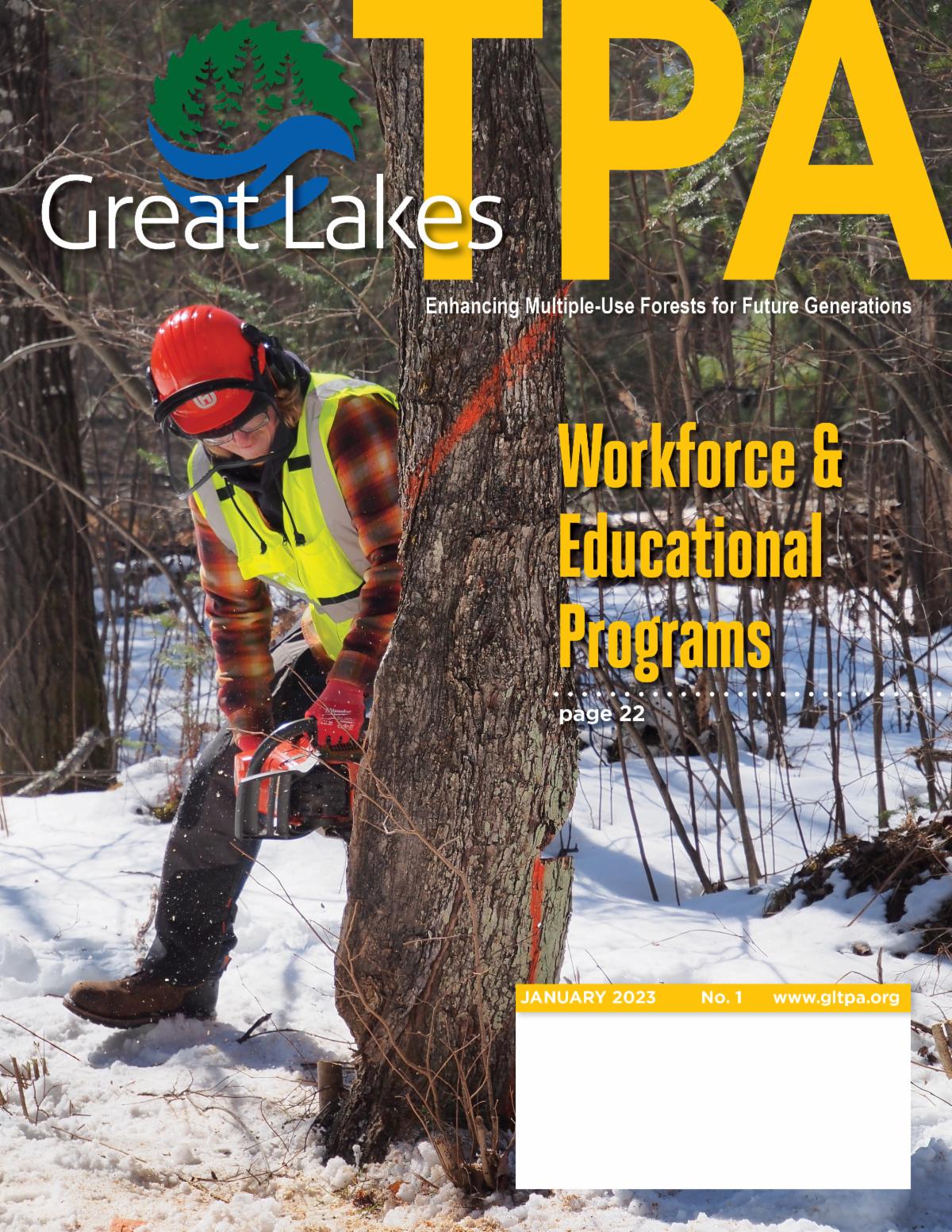
January 2023; GLTPA welcomes new president Troy Brown and all GLTPA board members. A continuous concern in the forest industry is workforce. Read about the new Wisconsin Forestry Center Program designed to educate and train participants so they are able to enter the industry as skilled workers.
Don't miss the final Wood in Wildlife by Gary Zimmer, featuring the Woodchuck. Mike Monte interviews Vern Applekamp and read The Story Behind the Story about wild turkeys. This content packed issue of the TPA Magazine kicks off the new year with a bang. We hope you enjoy!
|
|
|
Visit our Website: www.gltpa.org |
|
|
|
|
From the President's Desk
Troy Brown
|
“Knowledge; The Tool of Choice for Proactive Leadership”
It is an honor to serve as the president of the GLTPA. I’ve been a board member for many years, and it’s been a privilege to work with Henry and the staff at GLTPA. As a member of the board of directors and a past treasurer of this great organization, I’ve had the opportunity to get to know some great people and understand the components that make GLTPA run. There has been a strong line of leaders before me who have shown how to be the acting president of this great association. I thank every one of you for your outstanding leadership. Mainly I want to thank Matt Jensen, the immediate past president. Matt, I have taken good notes, and thank you for your superior leadership.
For those who don’t know me, I am the president of Kretz Lumber Co., Inc. I started in the forest products industry in 1986, piling lumber on the green chain at Kretz Lumber. I worked my way up through the ranks to become the president at Kretz in 2004. To make a long story short, in 1990, my job at the mill was to pay our loggers, haulers, and landowners for the logs hauled to the Kretz mill. This experience introduced me to how the timber industry functions. Most importantly, I have treasured the relationships formed with many of those first outstanding individuals I met over 30 years ago and that are still active today.
For the next two years, this monthly article will include topics such as state and federal legislation items, de-regulation, timber access, current trends, and government philosophy. As of the November election, we are working with a republican assembly and senate along with a democratic governor in Wisconsin. In Michigan, we are democratic across the board. At the federal level, we are republican in the house and democratic at the senate and presidential levels. However, this is not news to anyone reading this article.
|
|
|
|
GLTPA Director Notes
Henry Schienebeck
|
Greetings,
Happy New Year and all the best for a healthy and prosperous 2023! Change will occur in the coming year and the question is, will it be for better or worse? Perhaps a better question is how much change will be driven by fear and how much by necessity?
While the office team was sorting through some memorabilia stored at the GLTPA building, they came across an “American Lumberman” publication dated March 24th, 1923. One of the articles in the document was titled “Big Problems Handled in a Big Way At Annual Meeting.” The article was in reference to the 21st annual National Lumber Manufacturers Association meeting which was called to order by President J.W. Blodgett. Mr. Blodgett, a Grand Rapids MI resident, was apparently re-elected as President by the association and was providing his opening remarks. The following is an excerpt from the article.
“The President’s Address”
President Blodgett in prefacing his formal address said that while reports of department heads would show something of the association’s service to the industry, they could not adequately reflect the watchfulness exercised to protect the legitimate interests of the lumberman. Entering into his report, Mr. Blodgett continued:
“The secretary-manager will in his report cover the chief activities and accomplishments of your organization during the last year. His report together with those of the departmental heads, will give you a general idea of how this association has served the industry which supports it. You cannot, however, gain from these reports any conception of the incessant watchful care involved in protecting our industry against unfair and unjust attacks-many of which, perhaps, arise from ignorance, but which because of lack of animus are even more harmful. For illustration, when the average person sees a tract of logged off land he mentally at least, dubs the operator a vandal and a public enemy. The planter who picks a cotton crop really stands in exactly the same position as the logger. In response to this universal demand, each has supplied a common necessity, one clothing and the other shelter.”
|
|
|
Dedicated to Meeting Your Industry Needs |
|
|
|
|
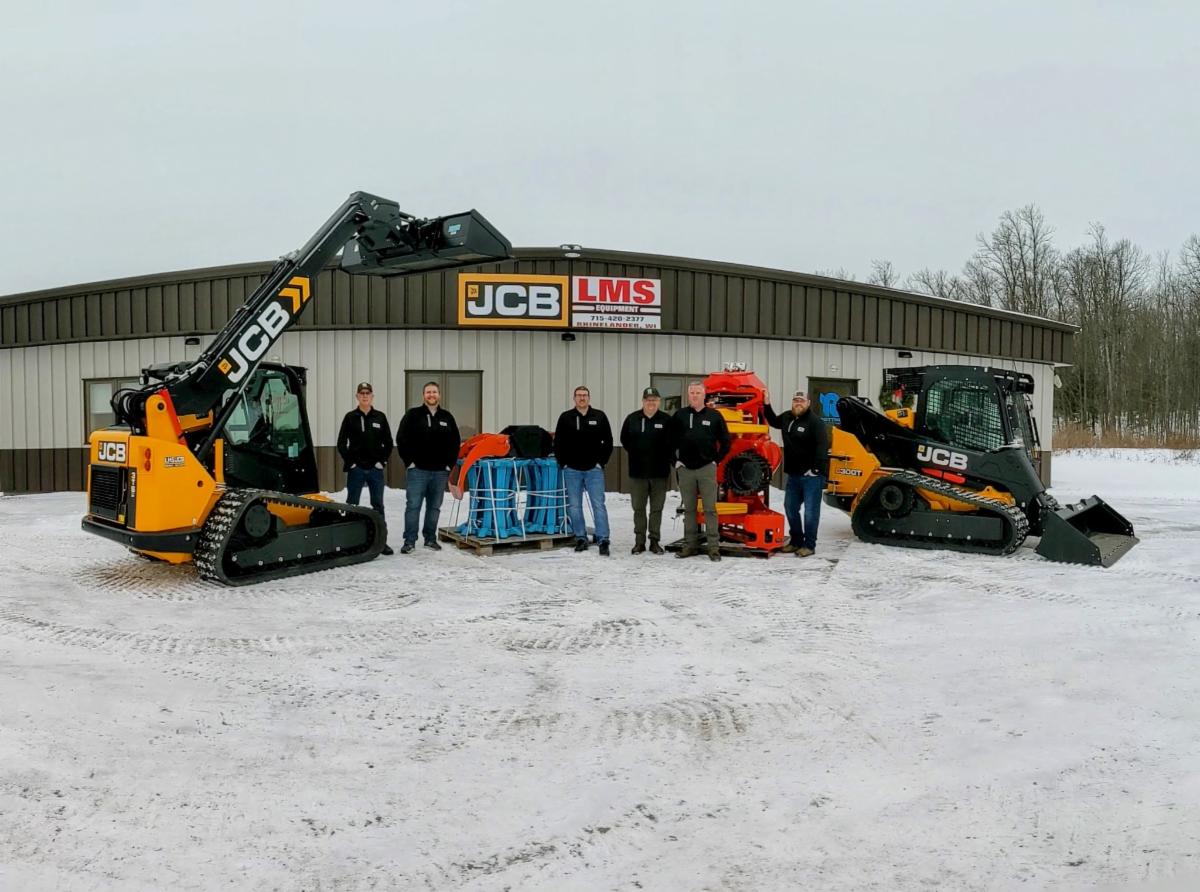
In the heart of “America’s Dairy Land” in a small town called Rhinelander, you’ll find LMS Equipment. Our Rhinelander community is famous for its connection with the logging industry and the lumber boom of the 19th century. From there, it became an important logging center in the Northwoods, and many businesses have formed based on the timber industry in our area. New businesses bring new opportunities, and owners quickly show a need for support in areas that haven’t yet come into fruition. That’s how LMS Equipment got started! Our customers had a need for quality products within the forestry, construction, landscaping and even snow removal sectors and we answered that call.
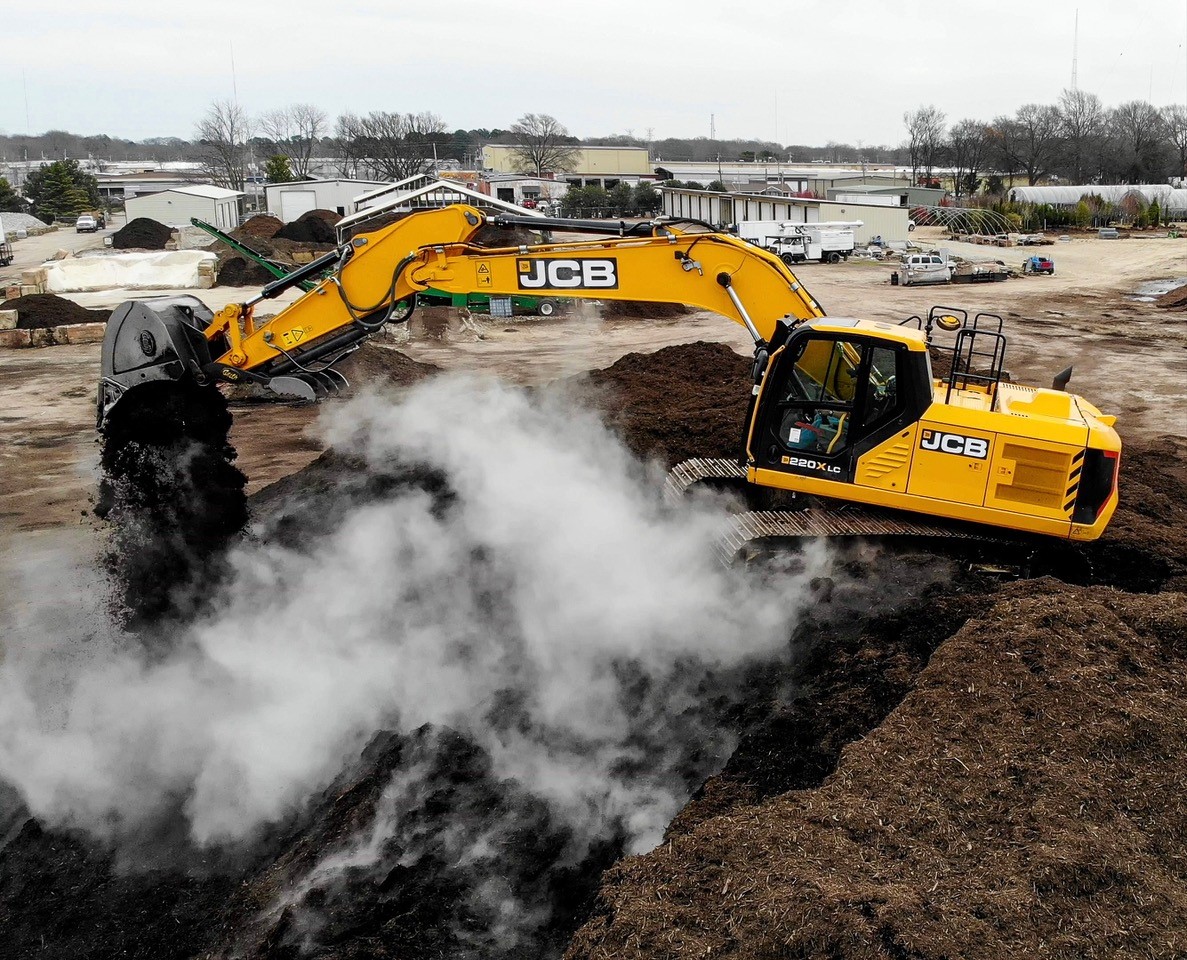
Our offering at LMS Equipment has grown overtime to include many different brands to fit our customers’ needs. Here, you’ll find brand names like: JCB heavy equipment, FAE mulching heads and remote-controlled units, Pewag forestry tracks, JD Souza grapples, Chevron lubricants, JP Skidmore harvest heads, SP Maskiner harvester heads and forestry supplies, including Oregon Products, GB Forestry, Iggesund Forest and GEM bars and chains.
|
|
|
Wisconsin Forestry Center Launches Career Pathway Program to Address Workforce Shortage |
|
By Megan Espe
Outreach Education & Communications Program Manager
Wisconsin Forestry Center
UW-Stevens Point
For Wisconsin residents, the logging and forest products sector is big business. In 10 counties, it’s the No. 1 employer, and it ranks among the top 10 employers in 31 counties. This natural resource requires sustainable management by trained professionals.
However, an aging workforce and declining populations have resulted in significant employee shortages and skill gaps, an issue exacerbated by the pandemic. Based on surveys and industry reports, employers in all forestry sectors have an urgent need for skilled workers, particularly entry-level employees.
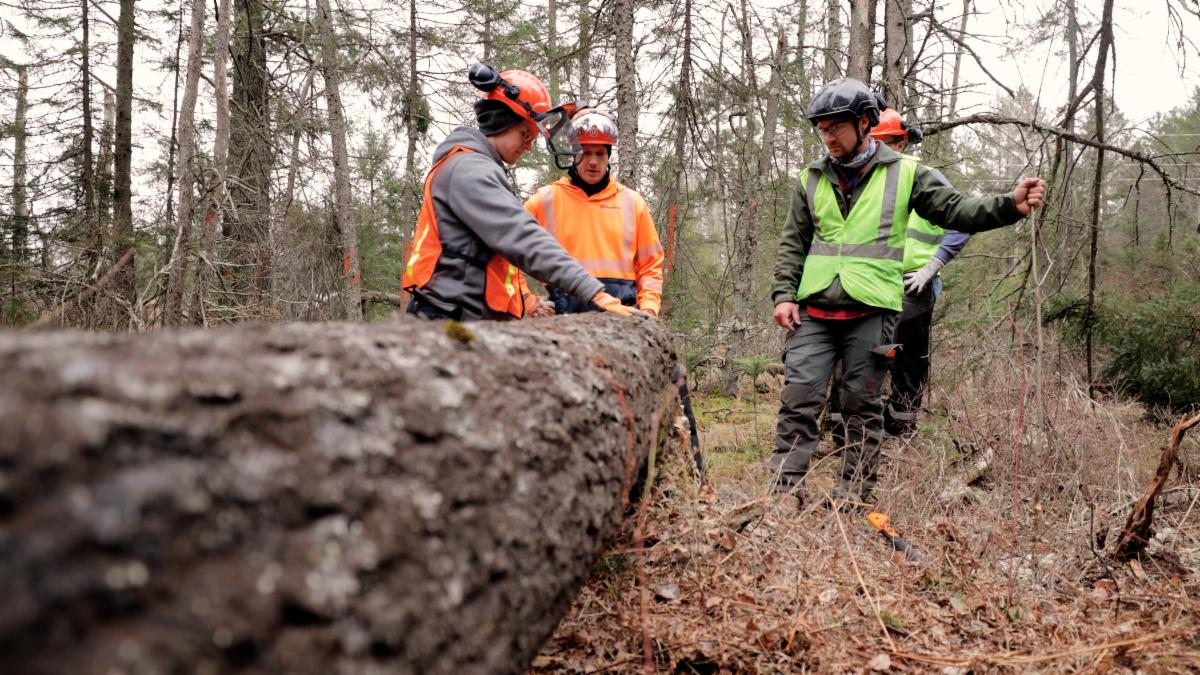
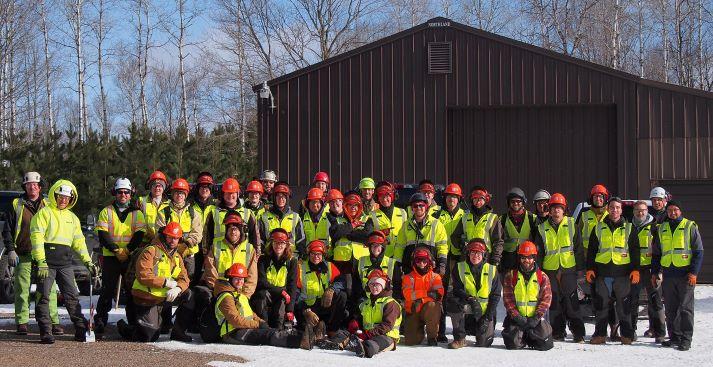
The Wisconsin Forestry Center (WFC) at UW-Stevens Point has launched the Wisconsin Forest Careers Pathway Program to address the urgent need for skilled workers. With support from a three-year $8 million state Workforce Innovation Grant and in collaboration with partners such as the Great Lakes Timber Professionals Association, the pathway program will educate students and train workers for a forestry career pathway with growth potential.
For years, forestry employers visiting the UW-Stevens campus have said their business growth is hampered by a lack of skilled entry-level employees, according to Les Werner, WFC director and a forestry professor in the College of Natural Resources.
“Today the message is sounding more dire,” Werner said. “The future of their businesses and that of the industry rests on the ability to secure trained, productive employees to backfill positions or take over operations.”
The pathway program has three focus areas: educating high schoolers through applied curriculum, training entry-level employees through immersion programs, and raising public awareness of the forest industry and its careers.
|
|
Great Lakes Timber Professionals Association
PO Box 1278, 3243 Golf Course Road Rhinelander WI 54501
PHONE # 715-304-2861
|
|
|
|
|
|
|