Atlantic Hurricane Season | |
|
This week marks the beginning of Atlantic Hurricane Season, which runs May 15 – November 30. While we often think of hurricanes occurring later in the year, it is officially time to prepare. Here are five easy steps to start your preparations for the 2023 Hurricane Season:
-
Determine Your Risks. Hurricanes are not just a coastal problem. Evaluate your local risk of things like flooding, falling trees, power outages, and reduced ability to travel.
-
Develop Your Evacuation Plan. Decide now where you will go in case of an emergency or evacuation. Remember to think about your pets, as well, as most shelters do not permit them.
-
Assemble Your Disaster Supplies. If a hurricane hits, you’ll need supplies for the storm, as well as the duration of the recovery and cleanup period to follow. Consider your supply of non-perishable food items, as well as other supplies you would need if you’re without electricity and running water for any amount of time.
-
Get Your Insurance Checkup. Call your insurance companies to make sure your homeowner or renter policy is updated. You many also think about doing the same for vehicle, life, or property insurance.
-
Download Your 2023 Hurricane Evacuation Guide. The Virginia Department of Emergency Management (VDEM) has created a very helpful, step-by-step guide to stay as prepared for and safe during a hurricane as possible. You can download and print your own copy HERE.
| |
Healthy and Safe Swimming | |
|
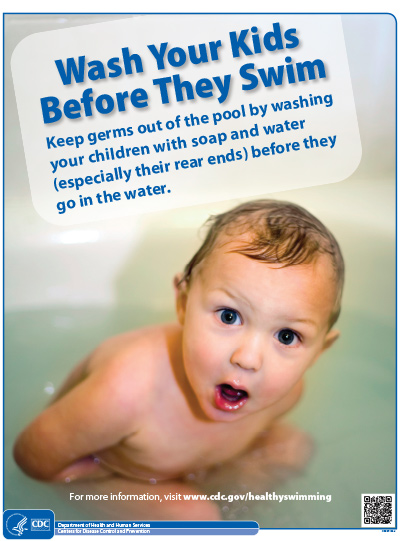
May 22-28, 2023 marks the 19th annual Healthy and Safe Swimming Week. Across the country, communities use this time to collaborate and engage in discussion about how to lower the risks of water-related illness and injury, while enjoying all the health benefits of water-based activity.
Working together, we can help to prevent waterborne sickness. To prevent illness while swimming, there are a few things to remember:
-
Don't swim if you have had vomiting or diarrhea. Even if we can’t see them, the germs are there.
-
Don’t swallow water at the pool or splash pad. It can take up to several days for chlorine to kill all the germs that might make us sick, so even a small mouthful of contaminated water can mean big problems.
-
Shower with soap and water BEFORE and AFTER enjoying a swim. When we don’t clean up, we can easily carry germs with us.
-
Provide continuous and close supervision. Avoid slips and falls by not running, and always keep an eye on anyone enjoying the water.
For more information on how to stay safe and healthy this summer, you can visit VDH’s webpage on Safe Swimming, or the Center for Disease Control and Prevention (CDC)’s website on water safety.
| |
Calling all new or expecting parents- did you know BRHD has your baby safety needs covered? | |
|
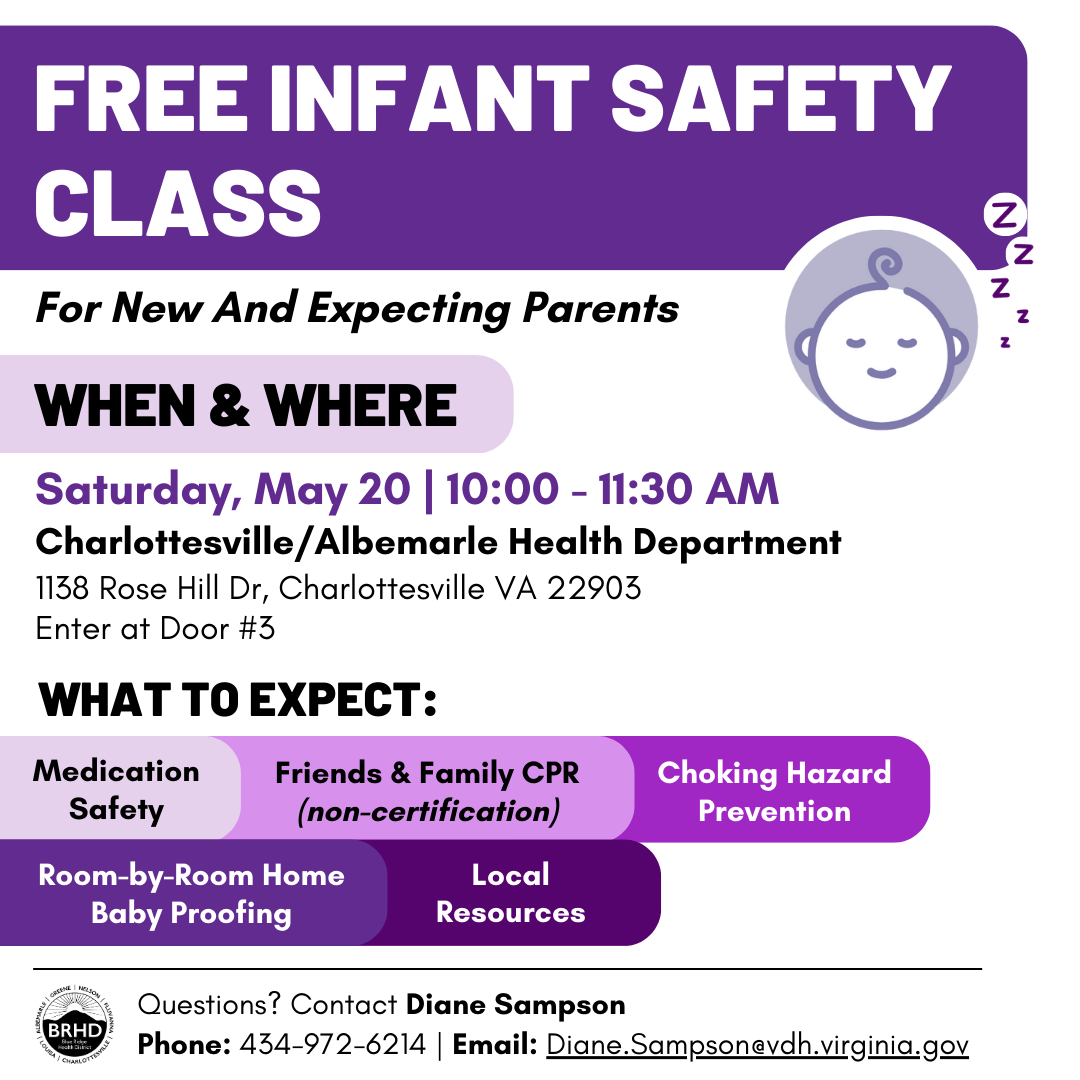
Free Infant Safety Class
BRHD’s Maternal Child Health (MCH) Program is hosting an in-person comprehensive Infant Safety Class! This class is free and open to any new or expecting parents, grandparents, or others who may be caring for newborns in our District. It will cover a variety of topics, including:
- Safe medication storage & administration
- Choking hazard prevention
- Room-by-room home baby proofing
- American Heart Association (AHA) Friends & Family CPR (non-certification)
- How to prepare for an emergency
- Local and national resources
This event will take place on Saturday May 20 from 10:00-11:30AM inside the Charlottesville/Albemarle Health Department (1138 Rose Hill Dr, Charlottesville). Enter through Door #3. Spots are still open- fill out the Infant Safety Class Registration Form to RSVP. For any questions, contact Maternal and Child Health Program Coordinator Diane Sampson at Diane.Sampson@vdh.virginia.gov.
| |
|
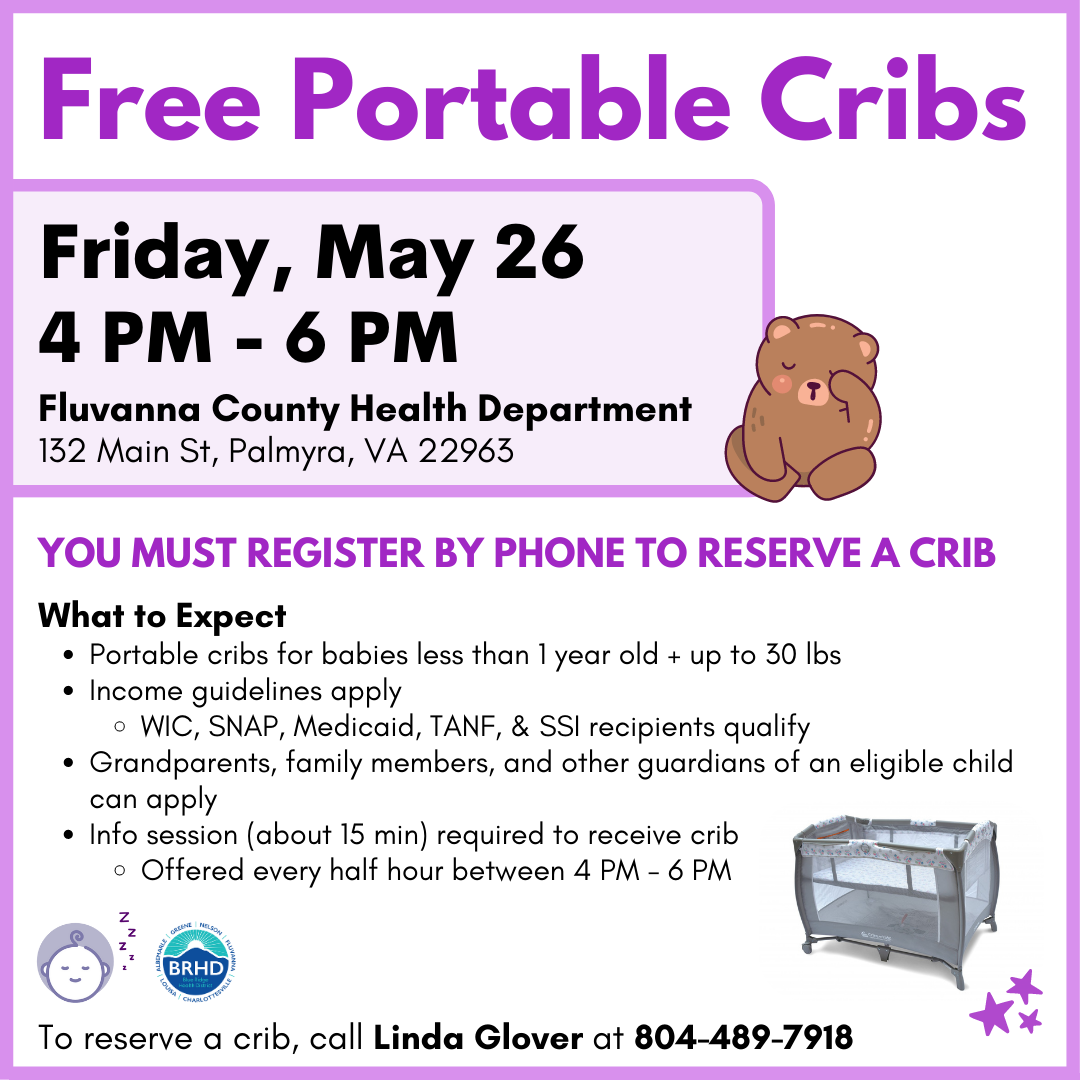
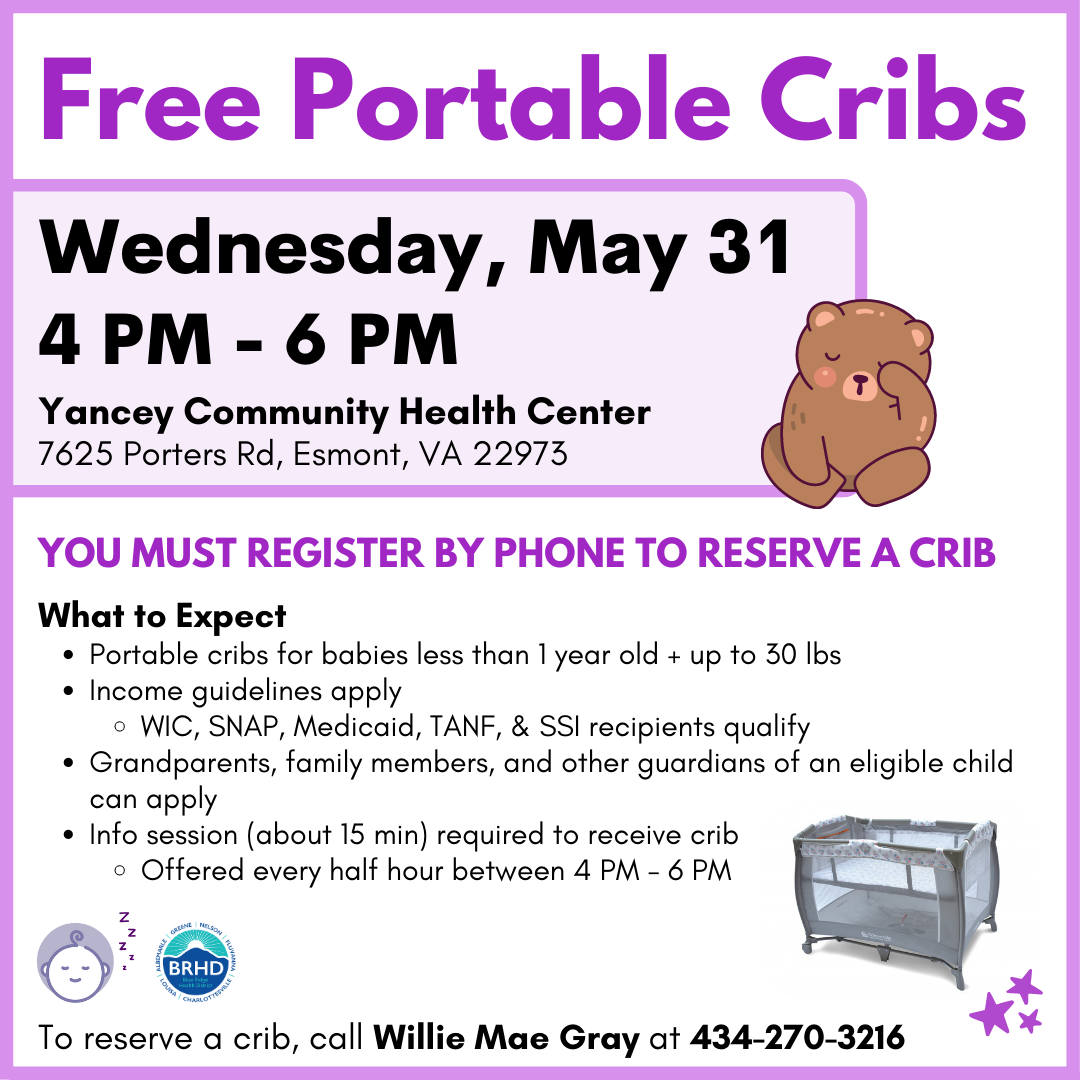
Free Portable Crib Distribution Events
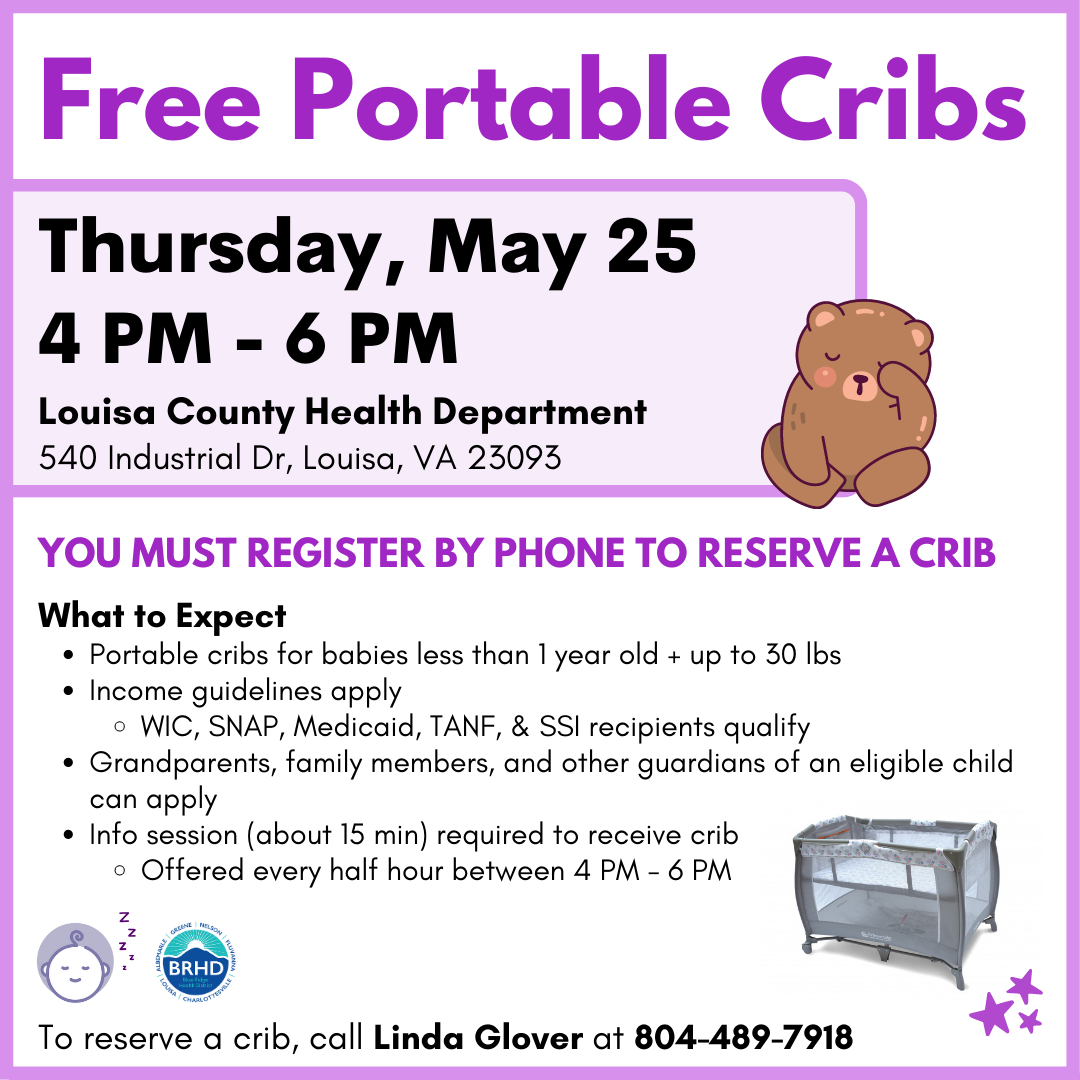
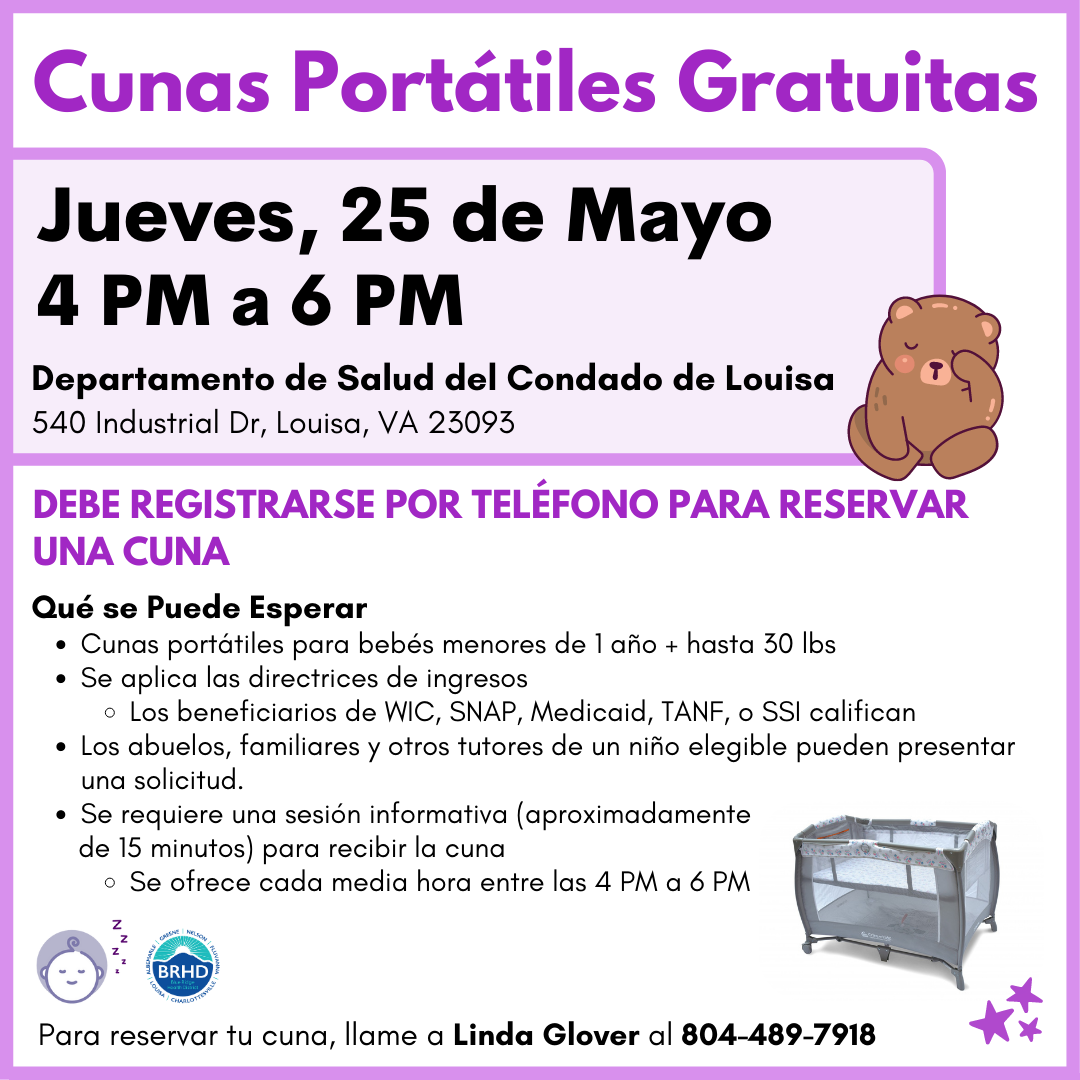
Our Maternal Child Health’s Safe Sleep Program is traveling around the District with our Community Health Workers (CHW) hosting Free Portable Crib Distribution Events!
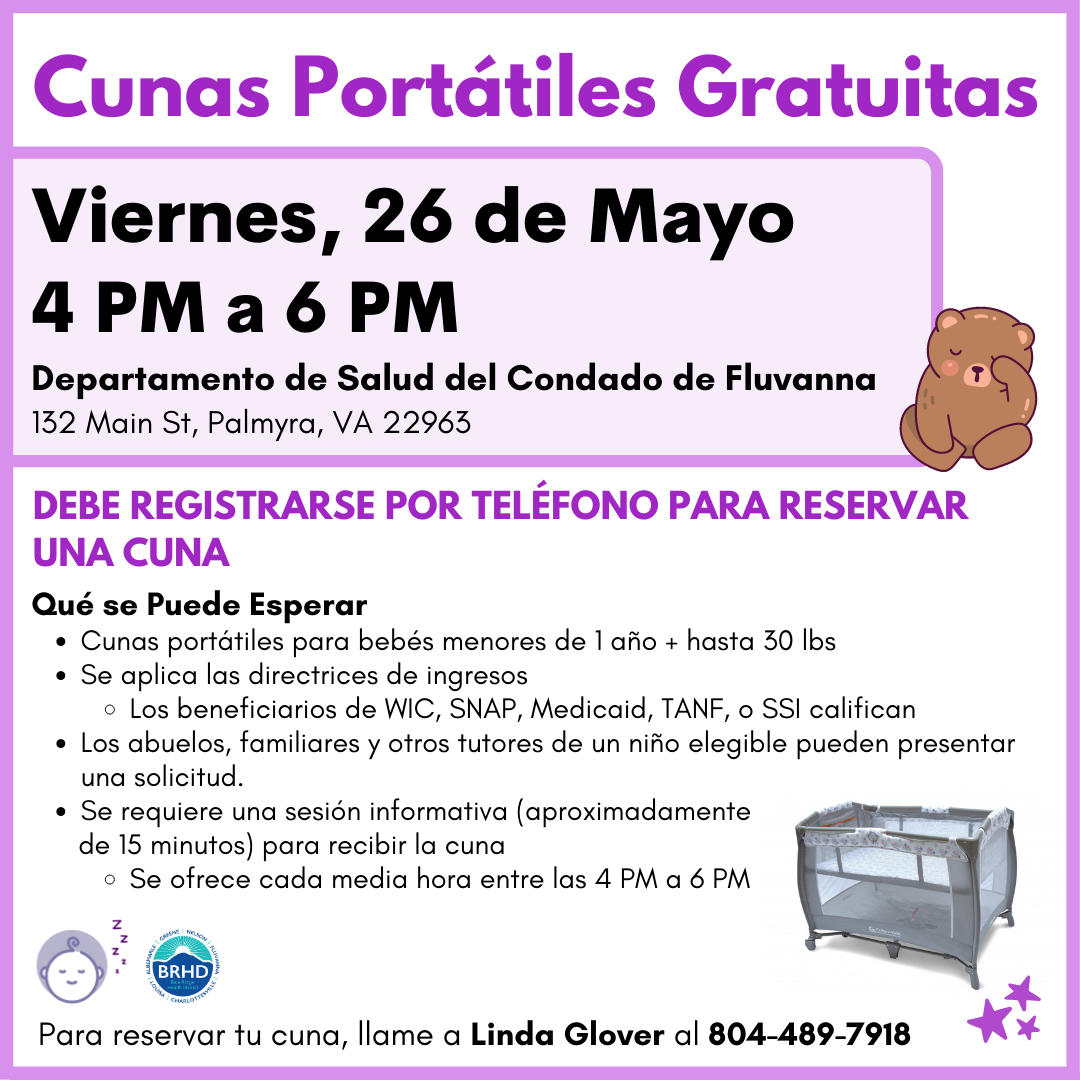
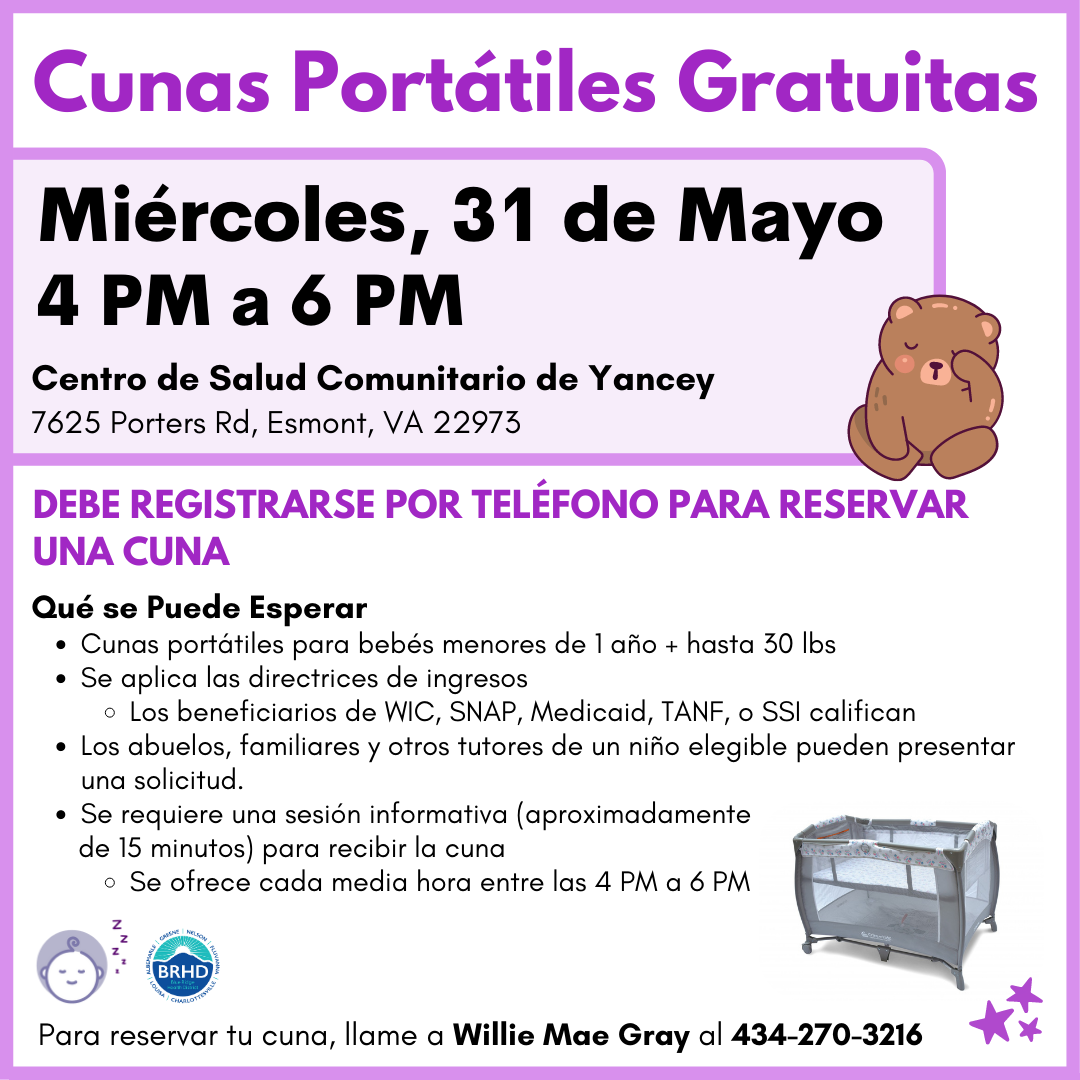
Portable cribs are designed for babies less than a year old and under 30 lbs. Income guidelines apply and WIC, SNAP, Medicaid, TANF, and SSI recipients qualify. A brief 15-minute information session is required to receive a crib. Each event will offer an info session every half hour between 4-6PM. Parents, grandparents, other family members, and guardians of eligible children are welcome.
Supplies are limited- you must register by phone to reserve a crib. Check out the schedule below:
| |
|
Thursday, May 25 from 4-6PM at the Louisa County Health Department
540 Industrial Dr, Louisa
Call CHW Linda Glover at 804-489-7918 to register.
| |
|
Friday, May 26 from 4-6PM at the Fluvanna County Health Department
132 W Main St, Palmyra
Call CHW Linda Glover at 804-489-7918 to register.
| |
|
Wednesday, May 31 from 4-6PM at the Yancey Community Health Center
7625 Porters Rd, Esmont
Call CHW Supervisor Willie Mae Gray at 434-270-3216 to register.
| |
CDC Releases Updated Guidance to Improve Indoor Ventilation | |
|
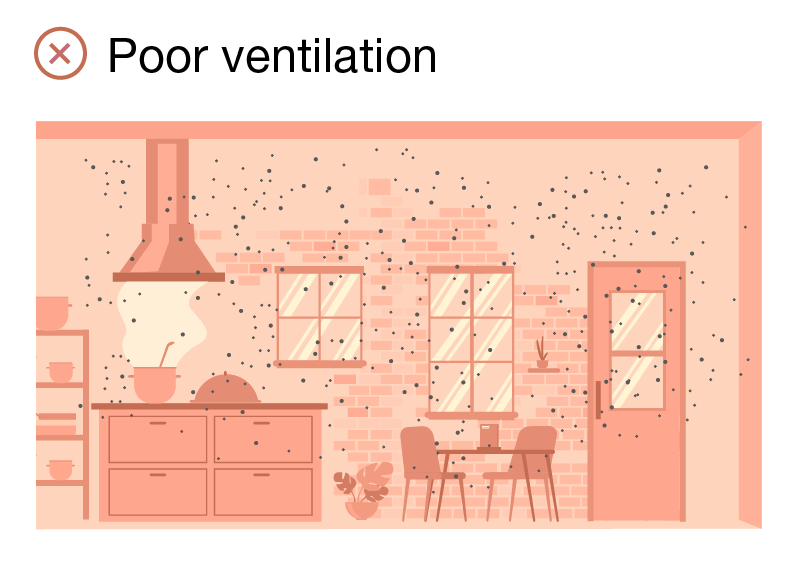
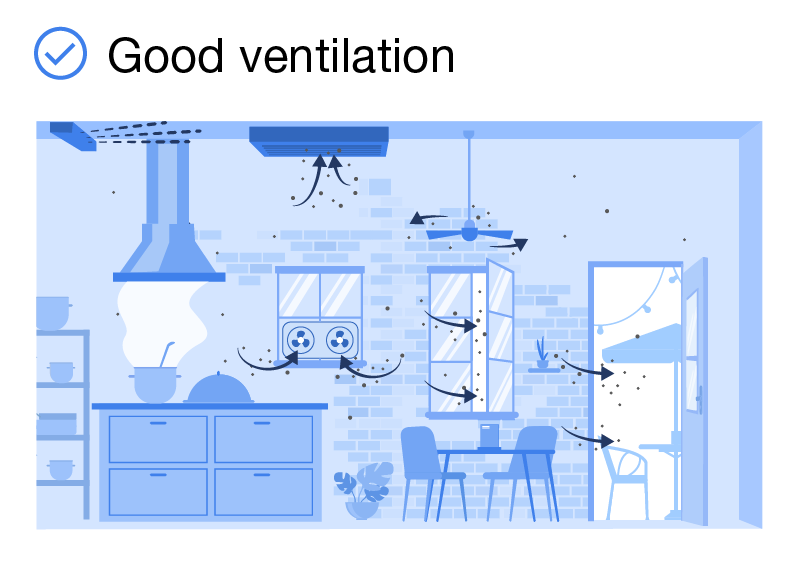
On May 11, CDC released new recommendations for improving indoor ventilation and air quality. Proper ventilation is key to reducing transmission of infectious respiratory diseases and providing our community with another layer of protection against illnesses like COVID-19.
Droplets and small particles that people breathe out can contain viruses. The United States Environmental Protection Agency (EPA) recognizes viral COVID-19 particles can linger in the air after a sick person has left the room- sometimes remaining airborne for hours. Because people can get sick from breathing in these droplets and viral particles, using protective ventilation strategies can prevent them from accumulating in indoors. Follow the strategies below to upgrade your ventilation system and reduce viral transmission:
7 Strategies to Enhance Ventilation:
-
Aim for 5. Aim to deliver 5 or more air changes per hour (ACH) of clean air to rooms in your building. This will help reduce the number of viral particles in the air. You may need to use a combination of ventilation (air supply, filtration, and air treatment) strategies to reach this target.
-
Upgrade filters. Use filters rated MERV-13 or higher, when possible. Using higher-rated filters in your heating or air conditioning system can remove more germs in the air than lower-rated filters.
-
Turn your HVAC system “ON”. Set your ventilation system to circulate more air when people are in the building. You can do this by setting the thermostat’s fan control to the “ON” position instead of “AUTO.” This will make the fan operate continuously but can increase fan energy use, so limit use to when needed.
-
Add fresh air. Bring more clean outdoor air into spaces by opening windows and doors and using exhaust fans. Even small openings can help.
-
Add air cleaners. Air cleaners (also known as air purifiers) filter air with high-efficiency filters that remove germs from the air. Choose one that’s the right size for your space.
-
Install UV air treatment systems. UV air treatment systems can kill germs in the air. They can also provide a high level of effective air changes per hour while using little energy.
-
Use portable carbon dioxide (CO2) monitors. A portable CO2 monitor can help you determine how stale or fresh the air is in rooms. Readings above 800 parts per million (ppm) suggest that you may need to bring more fresh, outdoor air into the space.
Low cost and low energy strategies are available. Learn more about using CDC’s building recommendations in your setting.
| |
|
If you have a passion for public health, joining our team might be your next professional step! We are currently hiring positions throughout the District.
Learn more about these opportunities and how to apply by visiting our website.
| | | | |