|
Your Monthly Letter Straight from the Tap |
| | |
RSA General Manager Tim Clemons Passes Away
The water and wastewater industry lost a defining leader on June 10, 2026, with the passing of Tim Clemons at age 68. A devoted husband, father, and community pillar, Tim dedicated 26 years to the Rapidan Service Authority (RSA), including nine years as General Manager. During his tenure, he guided the organization through a modernization effort, infrastructure expansions, and long-term planning for the region.
Tim took over RSA during a period of tightening regulations and rapid regional growth. He rejected short-term band-aids in favor of long-term investments that expanded system capacity while protecting local water quality. To him, keeping the water clean today and building for the next thirty years were the same job.
Beyond his technical background, Tim was defined by how he led people. He knew that an authority’s real strength comes from its staff. He was able to command a room with clear direction while using a sharp, well-timed sense of humor to ease high-stress situations. That approach built a culture of respect, accountability, and strong morale. He was also focused on the future, investing time into mentoring the next generation of utility staff so RSA would stay strong long after his tenure.
His impact reached well beyond RSA's facilities. Tim was a deeply engaged civic leader, serving as Chairman of the Board for the Mountain View Nursing Home. The depth of those relationships was on full display the night before his passing, when roughly 60 members of the Mountain View community gathered at his bedside to sing to him.
Tim was just weeks away from a well-earned retirement scheduled for early July. While he didn't get to enjoy that next chapter, the operational and cultural foundation he built at RSA remains solid. The Board of Members, management, and staff owe him an immense debt of gratitude. As RSA moves forward, it does so with clear direction, reliable infrastructure, and a team fully prepared to carry his work forward.
| |
Under New Management
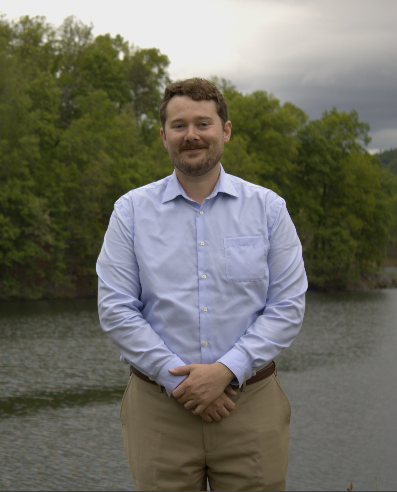
Stepping into a leadership role under any circumstances is a serious responsibility. Stepping into the shoes of a leader like Tim Clemons is uniquely humbling. Having started my career with the Rapidan Service Authority in treatment plant operations back in 2009, I had the privilege of working alongside Tim for many years. As RSA navigates this period of transition, my immediate focus is to honor the foundation he built by ensuring operational continuity, stability, and steady service to our community.
While this transition comes at a painful time, the organization Tim left behind is built to last. Thanks to his succession planning and forward-thinking leadership, RSA has strong infrastructure, clear strategic direction, and a deeply dedicated team. My commitment to the residents of our region is to execute those plans openly and effectively.
A public utility is more than pipes, pumps, and treatment plants—it is the backbone of a community's health, safety, and economic future. My years in operations taught me firsthand what it takes to keep these systems running safely day in and day out. Combining that hands-on experience with my education in public administration, I know that technical execution and strong public governance must go hand in hand.
Good public service relies on public trust, but that trust isn't built behind closed doors. I hear the frustration from customers who feel RSA hasn't been transparent enough about where their hard-earned dollars are going or how we are preparing for the future. In the past, our focus was almost entirely on the quiet, technical work of keeping the systems running. Moving forward, that isn't enough. I promise you an RSA that is open, accessible, and accountable. You deserve to know how your investment is being spent, what infrastructure we’re building, and how we’re safeguarding this region’s future—and we are going to start showing our work.
Leadership transitions naturally bring questions about what comes next, but the path ahead for RSA is clear. We will continue modernizing our infrastructure, supporting our staff, and proactively preparing for our region's growth.
I am proud to lead this organization forward. Working together with our Board of Members and our talented staff, we will make sure RSA continues delivering the clean, reliable water this community depends on every day.
-David Jarrell, General Manager
| | |
Drought Conditions in Central Virginia
State of affairs
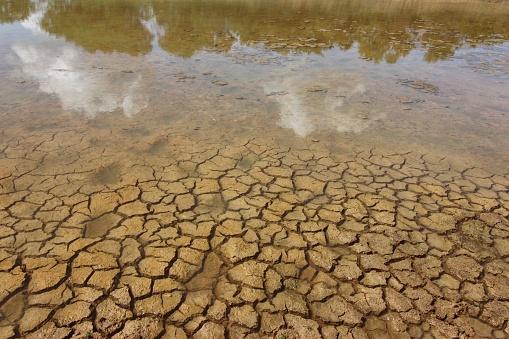
Virginia is currently experiencing its most significant drought since 2002.1 Conditions vary across the Commonwealth, but Extreme Drought exists mostly in Central and Southside Virginia, while Southwestern, Hampton Roads, and Northern Virginia are mostly in Moderate and Severe Drought, as designated by DEQ. With over 99% of Virginia experiencing drought to some degree, DEQ has declared a drought warning advisory across most of Commonwealth, which means the "onset of a significant drought event is imminent." To our south, the Roanoke region is under a drought emergency status.
As we all know, Virginia is a water-rich state, and so our economy has been built around assuming about 40–45-inches of rain a year. However, precipitation is approximately 8.5 inches below the average amount for the water year (started Oct 1st, 2025), and this is affecting Virginians across the Commonwealth — especially the agricultural industry.2 Due to the lack of rainfall and therefore grass to graze, some cattlemen have been forced to move their livestock to hay and feed for the entire year — which they normally only rely on for a couple of months. As demand for hay and feed increases due to the drought, farmers are forced to compete and look further west for food, dramatically increasing their expenses and threatening their operations.
As we left Spring and entered Summer, rain has become sparser, and the heat is turning up — affecting public health, utility bills, and increasing evapotranspiration (total water loss from the land to the atmosphere). Governor Spanberger has announced and urged voluntary conservation steps — a possible sign of mandatory restrictions in the future. Drought constraints are not enforced at the state level, aside from certain industries, and it is left mostly to the local governing bodies to enforce their own restrictions. However, a state emergency declaration would push most localities to move towards mandatory restrictions as well.
Droughts in Virginia
Even as a water-rich state, we're still no strangers to droughts. The last serious drought Virginia experienced was in 2002, when Mark Warner declared a statewide Drought Emergency after ongoing dry conditions, and Central Virginia experienced a severe water shortage, including the Town of Orange and Charlottesville reaching levels that only provided two more months of drinking water. The 2002 drought also brought about many changes to how Virginia deals with droughts, the most important being the formation of the Virginia Drought Assessment and Response Plan (DARP),3 which is now responsible for declaring drought stages and recommending water conservation and restrictions — making us much more proactive than reactive in our responses.
We've been through many other droughts in the last 100 years.4 They include the drought of 1966 — which forced emergency rationing in Hampton Roads, 2010 — which mainly affected the Coastal Plane Aquifer , and 2019 — which mostly affected the Rappahannock. The "drought of record" was in 1930, when dry conditions across the US helped fuel the Dust Bowl and other severe weather events. Droughts have been increasingly common since the 1960s, and it will require Virginia to continue to adapt to these ongoing challenges.
Where we're heading
RSA serves several water systems across Madison and Orange Counties, and they are all impacted differently by drought. While our reservoir serving the Town of Madison is still full, flow rates in the Rapidan River generally continue to decline — with the occasional spike thanks to rainfall. The Wilderness water plant and Town of Orange water plant that serves the Route 20, Route 15, and Gordonsville water systems both rely on the Rapidan River and may go under voluntary or mandatory water restrictions if conditions do not improve.
Our current drought has its origins in a severe lack of rainfall from October 2025-April 2026, when much of the state experienced a roughly 10-inch deficit in rainfall — the second worst since record keeping began in 1890.5 We're looking at more prolonged lack of rain and above average temperatures heading through to next spring, according to the National Oceanic and Atmospheric Administration's Climate Prediction Center. However, nobody can predict the weather a year out, and all droughts are cyclical. In the meantime, using common sense water conservation practices, such as checking for leaks, limiting outdoor use, and using appliances like washers and dishwashers only when they're full is the best way to save money and keep our supply flowing.
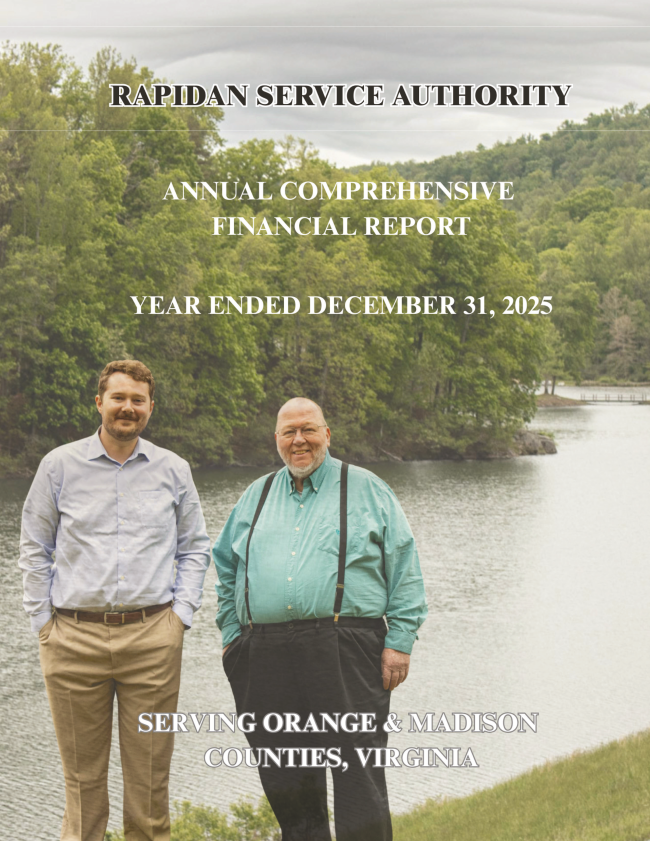
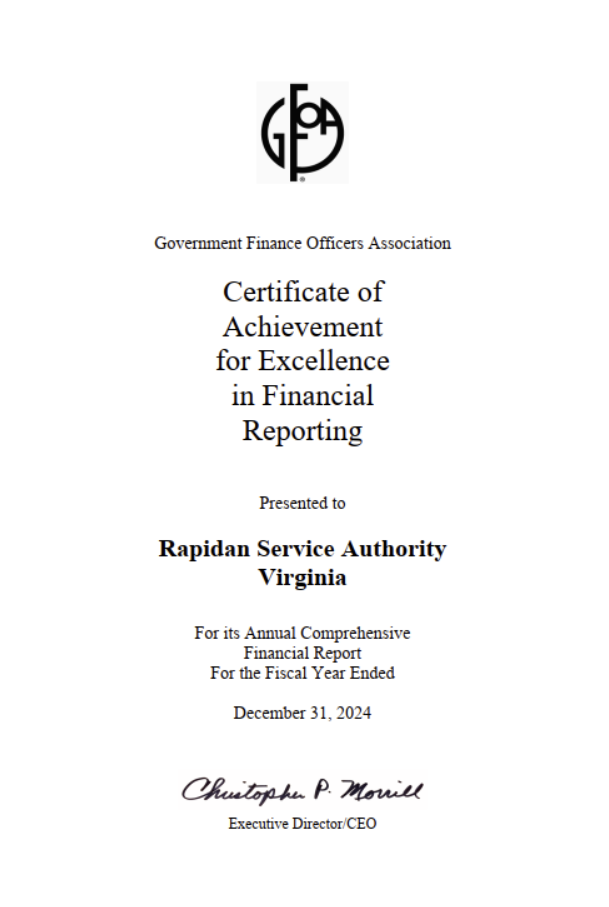
| | Annual Financial Report & Award | | RSA is very happy to present our 2024 Certificate of Achievement for Excellence in Financial Reporting from the Government Finance Officers Association — for our 41st consecutive year. As a not-for-profit, public waterworks company, we believe in the importance of transparency, completeness, and compliance in our financial reporting. You deserve to know where your money is going, and that it's being used for responsible management of public infrastructure. A copy of the Annual Comprehensive Financial Report can be found at https://www.rapidan.org/financial-reports. | | |
Madison Water & Sewer
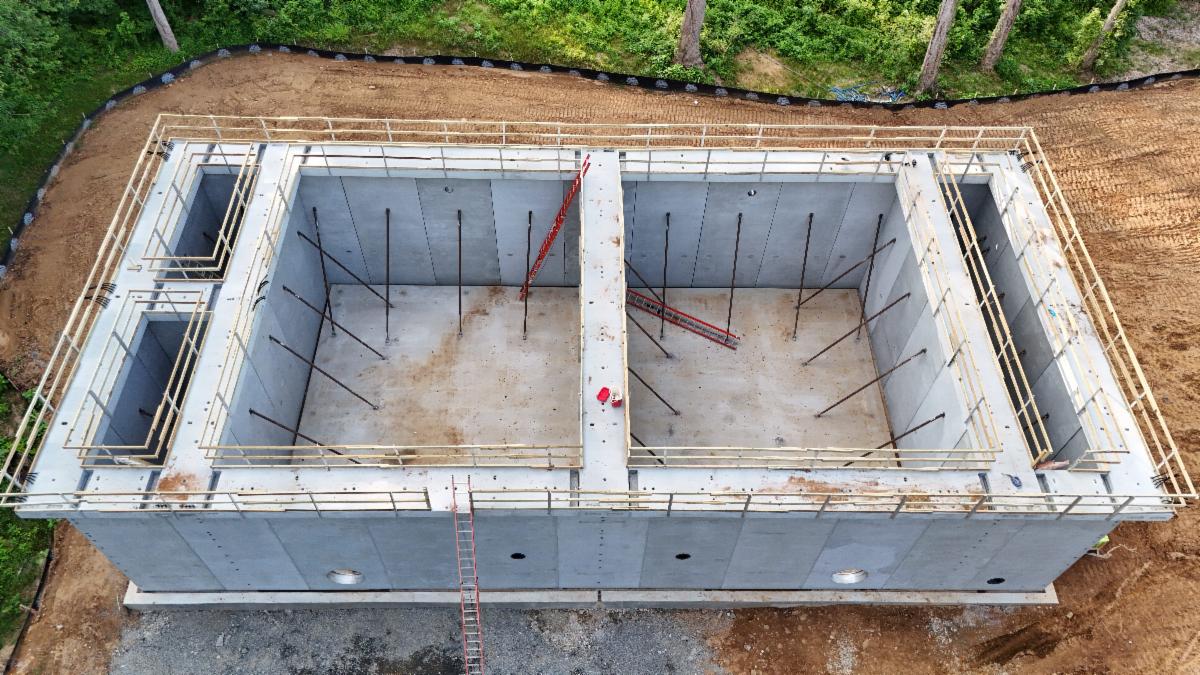
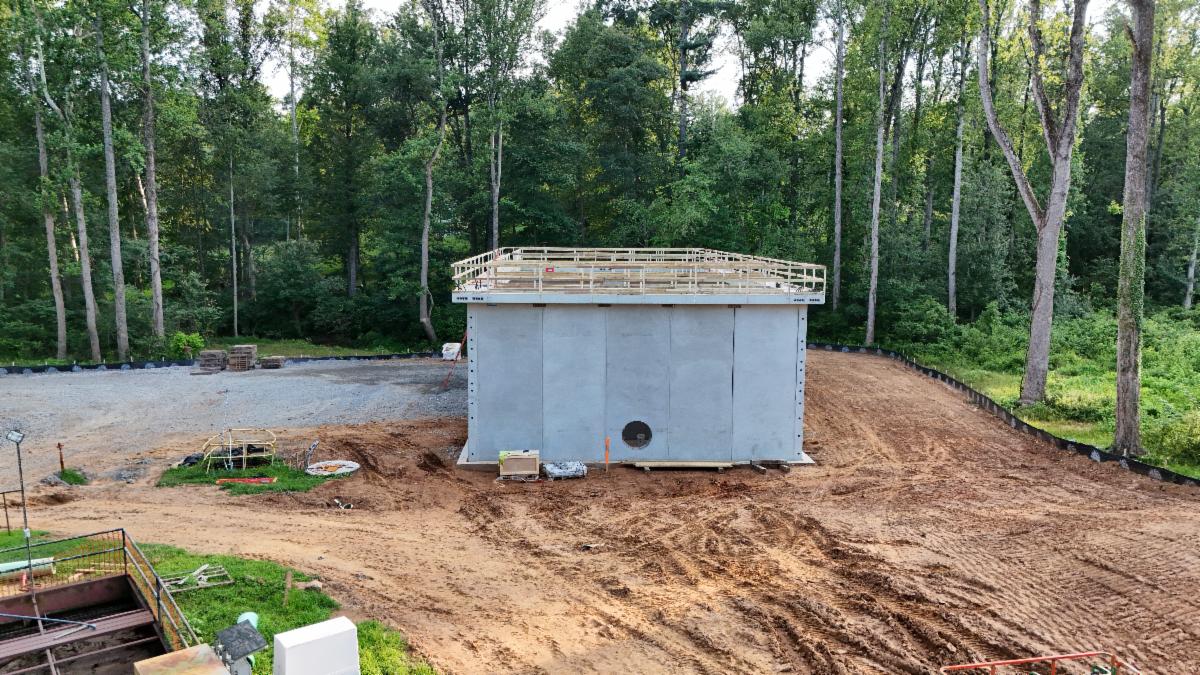
Long-planned infrastructure improvements are moving forward in our Madison service area. Shown above, the wastewater treatment plant recently had a new treatment tank installed. The existing plant was built in the 1970s and cannot be rehabilitated or expanded due to its compact layout. The new plant will replace the old plant on the same site and will be able to treat sewage to a higher standard, along with being large enough to meet future growth.
Other projects in Madison include extending water service north on Rt 29 Business from Waverly Yowell Elementary School toward Rt 29 and Fishback Road, replacing aging water mains in the Maple Drive subdivision and on Thrift Road, and adding a generator and other electrical improvements at the water treatment plant.
| |
|
Route 20 Water
The Route 20 water system outside of the Town of Orange has been served by groundwater wells since its installation in the 1980s. To ensure a more resilient water supply, RSA has installed a new metering and pressure reduction vault that will allow RSA to purchase water from the Town of Orange. Since the early 1970s, RSA has provided this water from the Town of Orange to customers on Route 15 and the Town of Gordonsville.
| |
Lake of the Woods Sewer
Since the implementation of a dedicated fee (LOW Vac Sewer Fee) in 2009, RSA has spent over $5.7M upgrading the sewer system in Lake of the Woods. This includes over 58,000 feet of new or upgraded vacuum sewer mains, over 11,000 feet of gravity sewer mains, replacement of failing collection tanks, and improvements to pump stations. Before RSA acquired the system in 1987, collection tank overflows had reached a peak of roughly 60 per day. After significant investment and diligent upkeep, the average in 2026 is 0.7 overflows per day.
The next major investment in this system will be the replacement of aging pump stations. With the proceeds of the new "LOW Vac Sewer Upgrade" fee, RSA will direct a Master Planning effort to identify opportunities for further optimizations of the vacuum sewer system, conversions to conventional gravity sewer, and replacement of aging sewer pump stations throughout Lake of the Woods.
| |
Wilderness Water
An engineering study is underway regarding the addition of granular activated carbon to reduce Disinfection Byproducts (DBP) such as Haloacetic Acids. RSA has been awarded loan funding from the Virginia Department of Health to proceed with design of the "Phase 2" facility. The recently completed "Phase 1" upgrade increased plant capacity from 1.58 million gallons per day (MGD) to 2.5 MGD, added microfiltration membrane treatment, added new chemical storage and feed systems, and upgraded pumps and electrical equipment. Phase 2 will build upon the Phase 1 improvements and will be meant to address DBP and taste/odor concerns.
|
| |
Joe Gonzalez, East Operations Manager
My favorite think about working at RSA is that they reward hard work and dedication. I am an example of this. I knew absolutely nothing about water and wastewater when I began working for RSA. I started as a maintenance technician trainee and RSA provided the on-the-job training and knowledge to get me where I am today, as the East Operations Manager. The other part of RSA that I really enjoy is the comradery that you get working with water and wastewater professionals. When the going gets tough RSA employees work hard and efficiently together to keep operations running smoothly and service interruptions to a minimum. In the last 16 years I have been with RSA I have been involved in quite a few great accomplishments. The one thing I am most proud of is how our vacuum sewer maintenance technicians effectively operate the vacuum collection system in Lake of the Woods. It's not an ideal system for the topography of the land in LOW. However, RSA has put a ton of time and effort into getting the system where it is today, and there's a night and day difference since when I began in 2009.
I like to spend my spare time with my kids. I guess you could say it’s a hobby? Keeping them active in sports and helping coach little league teams has kept me quite busy. If I do find time to myself you can usually find me fishing in the Rapidan River.
| | |
Leo Davis, West Operations Manager
I began working at Rapidan Service Authority back in 1986. I started as a water and wastewater treatment operator and moved my way up to West Maintenance Manger over time. What's kept me at RSA for so long is two things; the people are fantastic to work with, and I love the satisfaction that comes from a job well done. Whether it's a water line break or regular maintenance, I get a real sense of satisfaction after fixing something that's broken and keeping operations running smoothly. One of my favorite stories working here is when our late General Manager Tim Clemons first started working here. There was a water leak out in a cow field — during a pretty bad storm. It was about 25 degrees and pouring rain, and Tim wanted to be more hands on than our previous manager, and wanted to inspect the leak in person, but he wasn't really prepared for such bad weather, having lived in Florida for so long. He stayed out there for about half an hour with us then had to head back inside for cover.
I love playing tennis in my spare time, I play almost every single day. My knees and shoulders are starting to feel it, but it's kept the rest of me in good shape.
| | |
Must Read
The 2026 drought isn't localized to Virginia. According to this Virginia Tech article, over 60% of the United States is experiencing drought conditions6, with more than 20% in an extreme drought. The western US and the Southeast are also experiencing droughts — the West had record low snowfalls this year and relies on snowpacks for much of their drinking water — and on the East Coast the La Nina brought precipitation normally meant for the South, up farther north. It's not just a lack of rain contributing to the drought either; higher average temperatures means quicker evapotranspiration (the rate water evaporates from plants, water, and soil into the atmosphere).
These aggravating effects are seen most evidently in the Colorado River Basin7, where a historically warm winter has exasperated the strain on this already dwindling and vital water source. Over 40 million people depend on the Basin for water in the states of Wyoming, Colorado, Utah, New Mexico, Arizona, Nevada, and California, as well as 5.5 million acres of irrigated farmland. The river is managed by 19-year-old regulations that are set to expire at the end of this year, and the Bureau of Reclamation is tasked with creating a new strategy to manage the overburdened river — decisions that could include dramatic cutbacks that send states suing each other over water resources. This could have a national effect, as the majority of our nation's winter vegetables come from this region.
You Should Know
Steps are being taken globally to create more reliable water practices. The UN is meeting in December8 of this year to discuss their 2030 Agenda for Sustainable Development.
A new challenge for drinking water suppliers globally is PFAS, often referred to as "forever chemicals." Originally these were a by-product from industrial manufacturing of Teflon but now exist in everything from yoga pants to food packaging. Because these chemicals stay in our environment and our water for nearly forever, actions are finally being taken to remove them.9
A more recent technological impact to our water sources is coming from data centers. Virginia is the data center capital of the world, which brings in about $40 billion in overall economic impact statewide ($1.5 billion in direct taxes, and over 112,000 jobs) a year10. However, these benefits come with downsides, mainly the large amounts of energy and water they rely on. As our drought continues and our energy demands are catching up to our supply, most Virginians agree that stricter regulations are needed to control their growth. The truth is that some data centers use energy-heavy and water-light cooling systems, some the opposite, and some are a hybrid. Regardless, a minimum standard of requiring data center applications to include energy-use and water-use estimates seems a no-brainer11. SB553 was passed this session12 with that in mind, however it only applies to existing data centers.
Other Water News
| | | Rapidan Service Authority | 2445 S Seminole Trail | Madison, VA 22727 US | | | | |