Center for the Developing Mind February 2023 Newsletter

Center for the Developing Mind
Banner. Valentine s Day. happy valentine s day inscription with red hearts on wooden background. The concept of celebration and love.

One of the many goals that we have at Center for the Developing Mind is to educate not only the child with special needs, but also to provide guidance and understanding to the parents and the grandparents who come to us wanting explanation and direction with the new diagnosis of their child (grandchild). This month's collegiate article provides a greater understanding of how and why the ADHD brain operates differently from a neuro-typical brain. In honor of Valentine's Day, we will also be reviewing an article written by our own Dr. Esther Hess that acknowledges both the neuro-physical differences within the special needs community while acknowledging the desire to be seen as no different when it comes to 'Falling in Love'. This month's 'Ask the Developmental Doc' speaks to a father who is torn between his desire to protect his twice exceptional son from the greater world while also wanting his adult child to have the opportunity to date and experience emotional validation. 


Sending best wishes for your health and safety,


Esther Hess, Ph.D. and the staff at Center for the Developing Mind

Ask the Developmental Doc, February 2023: Monitoring my Special Needs Son At his first Prom

Dear Developmental Doc:

My son is 17 years old and has high functioning autism. He attends a regular high school program and there is a girl in his homeroom class who he has sporadically tutored in math over the semester. She appreciates my son’s brains but I think he has mistaken her gratitude for affection. He talked obsessively for weeks about asking her on a date for Valentine’s Day and I was frankly surprised when she actually agreed to go out with him. Now I’m fearful that he will inevitably embarrass himself. I know that part of life is learning to grow through hard experiences, but how much do I interfere when it comes to my son who really is socially clueless?


Doris H., Long Beach, CA  


Dear Doris:

Being high functioning on the autism spectrum disorder scale is typically characterized by the severe inability of the impacted individual to comprehend social nuances while at the same time having the capacity for great academic intelligence. Teenagers with this condition need more support than their neuro-typically developing peers. Consequently, I don’t consider your involvement as interfering. In fact, I recently had a very similar scenario play itself out in my office, when a dad brought his son with developmental delays to see me in anticipation of this young man’s first date. We took the opportunity and more importantly the motivation associated with going out, to address long standing social skill concerns. Together, the three of us came up with a couple  of concrete suggestions that I think you’ll find very helpful as you help your son navigate this new experience.


  1. Use your son’s motivation to succeed on his date to talk about good hygiene. Often, because of underlying sensory regulatory issues, adolescents with developmental delays can be tactilely defensive and reluctant to wash their bodies, shampoo their hair, use deodorant/cologne and/or shave on a regular basis. While he may not necessarily be bothered by his bodily odors, explain to your son how important it is to keep himself clean and neat and how by doing so he will make a good impression. Help him further, by creating a visual schedule that can be placed in the bathroom that charts how often he needs to take care of his personal needs. Many teens with developmental delays are visual learners and get very organized once they have a clearer ‘map’ of social expectations.
  2. Role- play the date with your son. By creating a step by step guide for the evening, you are giving an opportunity to practice and improve on what typically are very limited social skills. The advantage of you practicing with your son is that the information you will share with him, will in all likelihood be far more appropriate and accurate then the direction that he might receive from watching over sexualized sitcoms or dramas on the Internet.

Undoubtedly, there will be many bumps and bruises along your son’s social journey.


And while we certainly can’t nor should we even try to protect from all of life’s hard knocks, it’s actually o.k. to offer a steadying hand along the way.  


Best of luck on the journey! 


Esther Hess, Ph.D.  a.k.a. The Developmental Doc

How is the ADHD brain different? 
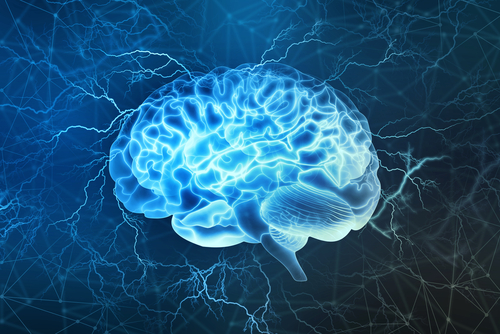
Human brain digital illustration. Electrical activity_ flashes and lightning on a blue background.

An in-depth look at the underlying causes of ADHD symptoms in children


by Faith Wilkins


Ever since it was first diagnosed in the 1960s,ADHD (attention-deficit hyperactivity disorder) has been a controversial topic. Even experts often debate over how the disorder should be defined and what causes it.


While we don’t completely understand what causes ADHD symptoms — difficulty regulating attention and emotions, hyperactivity, impulsivity — we do know that it’s a neurodevelopmental disorder. That means that the brains of kids with ADHD develop differently from those of other kids. Researchers have started to identify the structural and chemical differences in the brain that may cause the symptoms associated with ADHD.


Differences in Brain Structure


Many of the characteristics of ADHD are related to executive functioning. This refers to a set of mental skills that include working memory, emotional control, and complex problem-solving. Essentially, executive functions are the skills we all use to manage day-to-day tasks, such as time management, staying organized, and planning. While there are several different parts of the brain that contribute to executive functioning, the prefrontal cortex is especially important in regulating these skills.


Research has shown that in children with ADHD, the prefrontal cortex matures more slowly than typically developing kids. It is also significantly smaller in size. Similarly, the cerebellum, hippocampus, and amygdala are also thought to be smaller in volume in kids with ADHD.


Like every part of the brain, the cerebellum is involved in many different functions, but its role in the regulation of movement may be especially relevant to ADHD symptoms. A smaller cerebellum could contribute to difficulty with what’s called “motor response inhibition,” which refers to the ability to suppress actions that interfere with a current task, such as staying seated during a class lesson. Smaller hippocampus and amygdala sizes can cause impairment in the regulation of memory, emotion, and behavior, which is a common symptom of kids with ADHD.


While these regions of the brain may remain smaller in people with ADHD, studies have shown that they do continue to grow and mature as children get older. By adulthood, the difference in size when compared to individuals without the disorder has appeared to be less significant.


Differences in Brain Connectivity


Another way to measure functionality in the brain is through activity and connectivity. Scientists use functional magnetic resonance imaging (fMRI) to measure changes in brain activity through blood flow. When an area of the brain is active, the level of blood flow to that region increases. In people with ADHD, studies usingfMRI technology have shown irregular activity in several regions of the brain involved in motor,cognitive, and emotional regulation.


There is a collective network of structures in the brain that is unusually active in children with ADHD. This is called the default mode network (DMN), and it was first discovered by accident when researchers noticed high levels of brain activity while their study participants were simply resting.


The DMN is a relatively new concept and there is still some debate over which parts of the brain may be involved. It is thought to be the most active when we let our minds wander. In neurotypical children, this network shows lower levels of activity while they’re engaged in a task that requires paying attention, and higher levels of activity when they’re awake but simply daydreaming or recalling a memory. In children with ADHD, the network still shows a high amount of activity during active tasks that require focused attention. This difference may explain why kids with ADHD struggle to focus or concentrate in the classroom.


The unusual DMN activity seen in people with ADHD may also be explained by what’s called its “functional connectivity” to other networks in the brain. The concept of functional connectivity refers to the idea that certain areas in the brain are connected if their functional behaviors are frequently correlated with each other. This could be a positive or negative correlation. For instance, there is another network in the brain called the “task-performing network” that allows us to perform attention-demanding tasks. In terms of functional connectivity, the DMN normally has a negative correlation to this network. This means that the DMN is less active while the task-performing network is more active. In children with ADHD, the DMN is thought to have a reduced negative correlation with this network due to weakened connectivity. This means that it’s more active than it’s supposed to be, which can lead to lapses in attention during goal-oriented tasks. Therefore, the minds of children with ADHD may wander during a task that demands attention, like homework.


Studies have also discovered that in people with ADHD, there is an unusually high level of functional connectivity between the brain regions that form part of a mechanism called the “selective visual attention system.” This system allows us to determine what’s important to notice or pay attention to in the moment. Irregular connectivity within this system may cause children with ADHD to notice irrelevant things in their field of vision, making it hard to know what to focus on.


Differences in Neurochemistry


In addition to differences in structure and connectivity, chemical imbalances in the brain may also play a role in causing ADHD symptoms.

Serving as our control center, the brain needs to both send and receive electrical signals or “messages” throughout the body. The brain is able to do this via nerve cells (neurons). However, there are gaps between neurons. Neurotransmitters are the chemical messengers that fill the gap and allow for messages to be passed along.  


One very important neurotransmitter is dopamine, which has several functions. There are pathways in the brain that allow the transport of dopamine from one region to another to relay important information. There are four major dopamine pathways, and two of them are thought to contribute to the impairment of cognitive functioning we often see in kids with ADHD.


The first pathway is called the “dopamine reward pathway.” When we experience something that’s pleasurable such as eating tasty food, an increased amount of dopamine is released along this pathway and activates feelings of pleasure and euphoria. It is theorized that these feelings of pleasure are reinforced by the connection between a part of the brain that processes pleasure and the hippocampus, which plays an important role in memory. That is, we remember what food is associated with this feeling of pleasure and it motivates us to eat it again.


The second pathway, known as the “mesocortical pathway,” connects an area of the brain that’s rich in dopamine to the prefrontal cortex. Via the transmission of dopamine, this pathway helps the prefrontal cortex facilitate executive functions such as cognition, working memory, and decision-making.

In children with ADHD, these two pathways are thought to be disrupted, which can lead to impairment of cognitive and motivational functioning. Scientists believe that these disruptions could be due to an unusual number of dopamine transporters in the brains of people with ADHD. A dopamine transporter is a protein that is responsible for removing dopamine from the gap between neurons and terminating dopamine transmission. An increased number of these transporters can lead to unusually low amounts of dopamine in the brain.


One piece of evidence for this theory is that stimulant medications such as Adderall are often successful in reducing ADHD symptoms, and these medications suppress the reuptake, or removal, of dopamine.

While we may not know the exact causes of ADHD symptoms, advances in research have given us a better understanding of the disorder. Identifying the structural and chemical differences in the brains of children with ADHD will not only validate their struggles but may also lead to significant improvements in treatment.

Announcements

Sunday evening 2/5/23, 8pm: Los Angeles Frum Therapist Network presented Dr. Esther Hess. Dr. Hess gave an introductory lecture on DIR/Floortime; A Developmental/Relational Play Therapy Model in the Treatment of ASD and Sensory Processing Disorders in Children and Adolescents.

Great Recent Photos

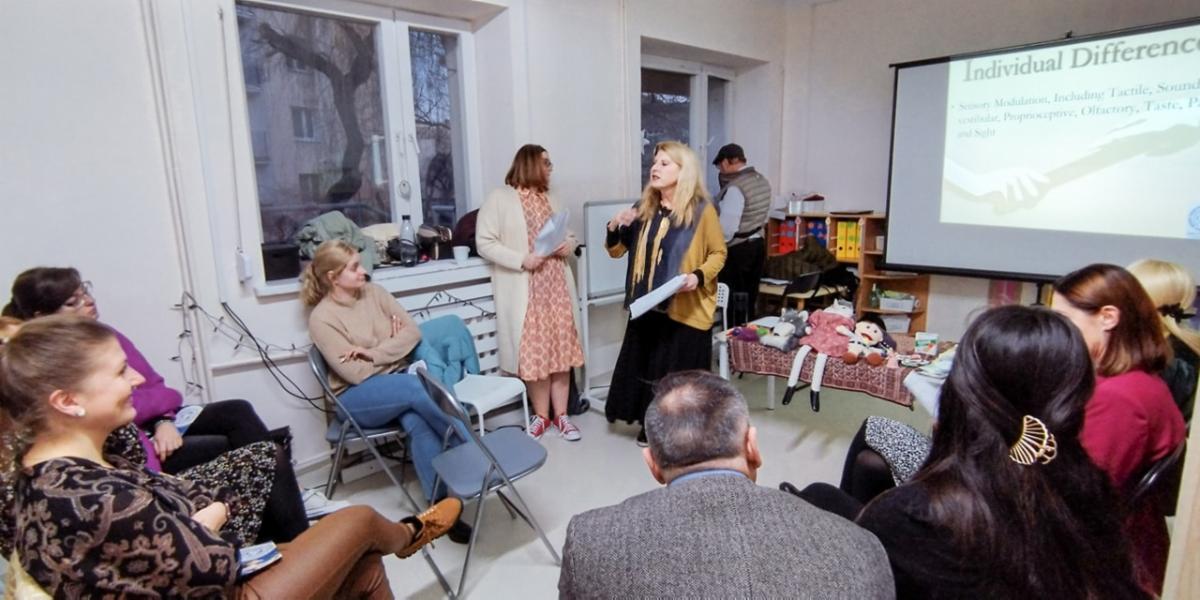
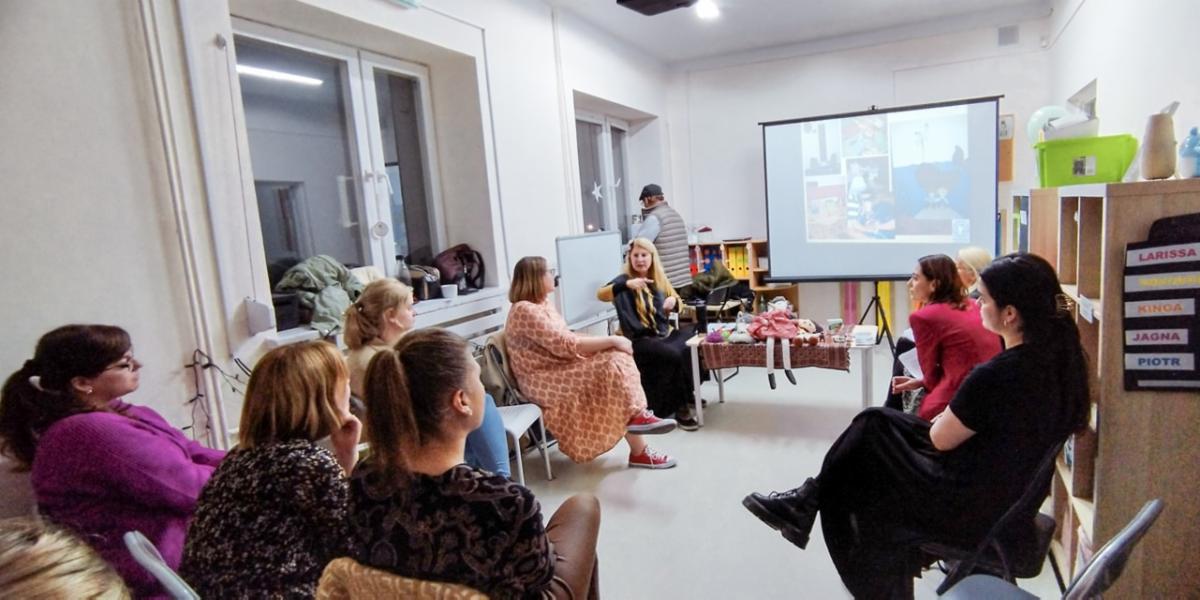
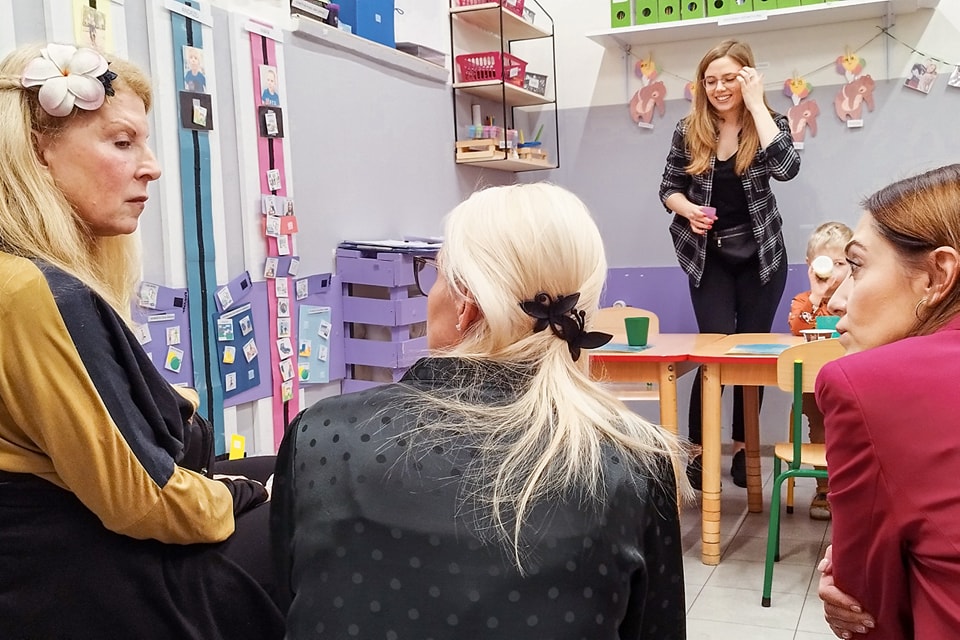
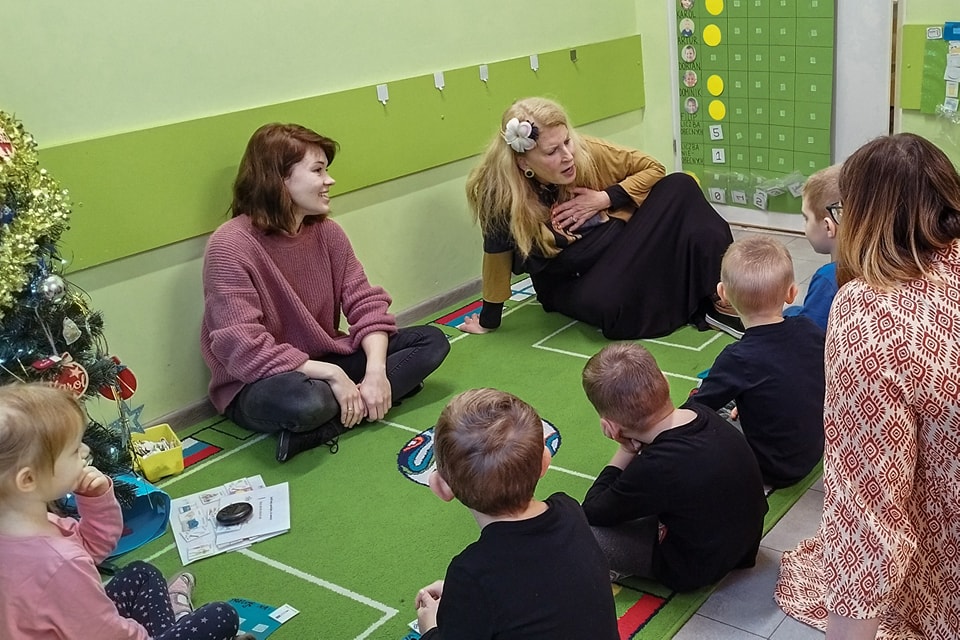
Great pics of Dr. Hess's "Mission of Care". Here she is seen working with the special needs community in both Lodz and Warsaw, Poland.

Groups
Friends Hipster Teenager Buddies Concept

Online Groups

Dr. Esther Hess continues to facilitate a weekly online support group for caregivers of special needs adults impacted by the COVID-19 pandemic, sponsored by Ogden Manor Home Care. For more information about this resource, please contact Dr. Hess directly at Drhess@centerforthedevelopingmind.com

In-person Groups

Dr. Hess will offer a six week mix gender support group for parents/grandparents of children newly diagnosed with ADHD starting Tuesday evenings 2/7/23. There are both in-person and virtual options for attendance. Topics to be covered will include the first 100 days after the initial diagnosis and how to thoughtfully choose therapeutic supports for your child. For additional information please contact Dr. Hess directly at Drhess@centerforthedevelopingmind.com.

Dr. Hess will offer a six week mix gender support group for parents/grandparents of children newly diagnosed with ADHD starting Tuesday evenings 2/7/23. There are both in-person and virtual options for attendance. Topics to be covered will include the first 100 days after the initial diagnosis and how to thoughtfully choose therapeutic supports for your child. For additional information please contact Dr. Hess directly at Drhess@centerforthedevelopingmind.com.

Movie Recommendation

In keeping with the Center's recognition of both the strengths and challenges of the ADHD brain, we would like to recommend a wonderful family film; "How to Train your Dragon". Follow the struggles and ultimate triumphs of Hiccup as he works through his attentional challenges and hyperactive tendencies to save his village from potential doom.


We'd like to know what your family is doing to keep warm and dry these wet, winter days.


Please share your strategies directly with Dr. Hess at 

Drhess@centerforthedevelopingmind.com

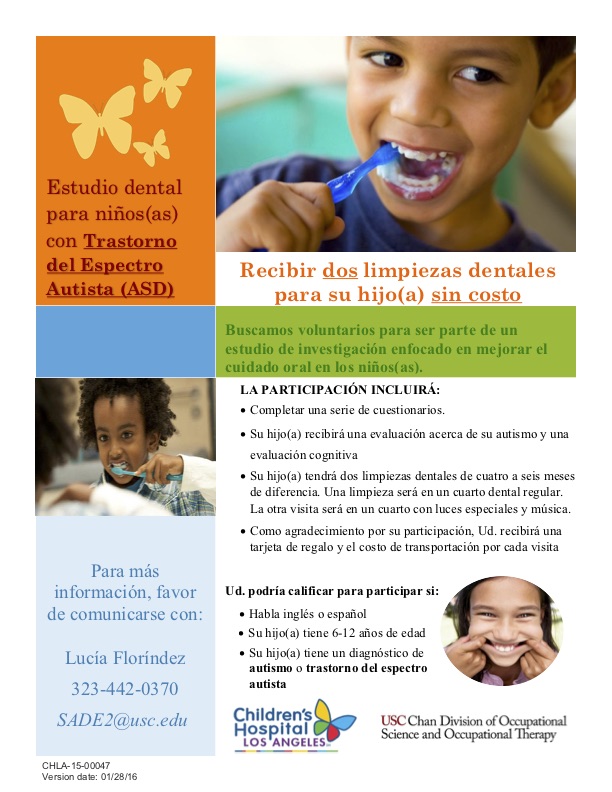
FREE Dental Cleanings for Children
Career Opportunities

Center for the Developing Mind is Seeking Occupational Therapists

There are immediate openings at Center for the Developing Mind for California licensed occupational/physical therapists. Ability to work weekends, a plus. Salary and benefits are compensatory to experience.


For more information, please contact Dr. Esther Hess at (310) 652-7581 and/or Drhess@centerforthedevelopingmind.com

Center for the Developing Mind is Seeking Speech and Language Therapists

Center for the Developing Mind is Expanding It's Speech and Language Services. We are looking for licensed SLPs to work in our state of the art facility. Treatment model based on DIR/Floor Time. Ability to work weekends, a plus. Salary and benefits are compensatory to experience.


For more information, please contact Dr. Esther Hess at (310) 652-7581 and/or Drhess@centerforthedevelopingmind.com.

Are You Looking To Expand Your Own Private Practice While Being Part of a State of the Art Team For Children?
Center for the Developing Mind is now licensing space within a multidisciplinary facility. Suites available for speech pathologists, occupational therapists, physical therapists, and educators. For more information please contact Dr. Esther Hess: (310) 652-7581
Support Center for the Developing Mind

Center for the Developing Mind Foundation is the non-profit arm of our clinic, servicing children, adolescents and young adults with developmental and/or regulatory delays who might otherwise not get the support they need. Your donation during these precarious times can make all the difference in the world.


Thank you, in advance.


To learn more or to make a donation please visit centerforthedevelopingmind.com/non-profit.