|
||||
|
October 2026 What We Already HaveOn counting what stands, before we decide what to tear down |
||||
|
From Ana I was at a report launch this summer when a room full of housing researchers applauded a fact that, on its face, should have depressed everyone in it: the median home in Los Angeles County was built in 1966. I found myself sitting with Cameron Yap, Data and Systems Manager at USC's Neighborhood Data for Social Change, and instead of hearing that number as bad news, I heard it as the argument I've been making all year, just with real data behind it for once. The greenest building is the one already built, and it turns out it's often the most affordable one too. What Cameron's team measured this year, in the State of Los Angeles County Housing and Neighborhoods report, SOLACHAN 2026, gives real numbers to something I've felt in every adaptive reuse deal I've worked: our region's oldest buildings aren't liabilities waiting to be cleared. They're the infrastructure of affordability we already paid to build. 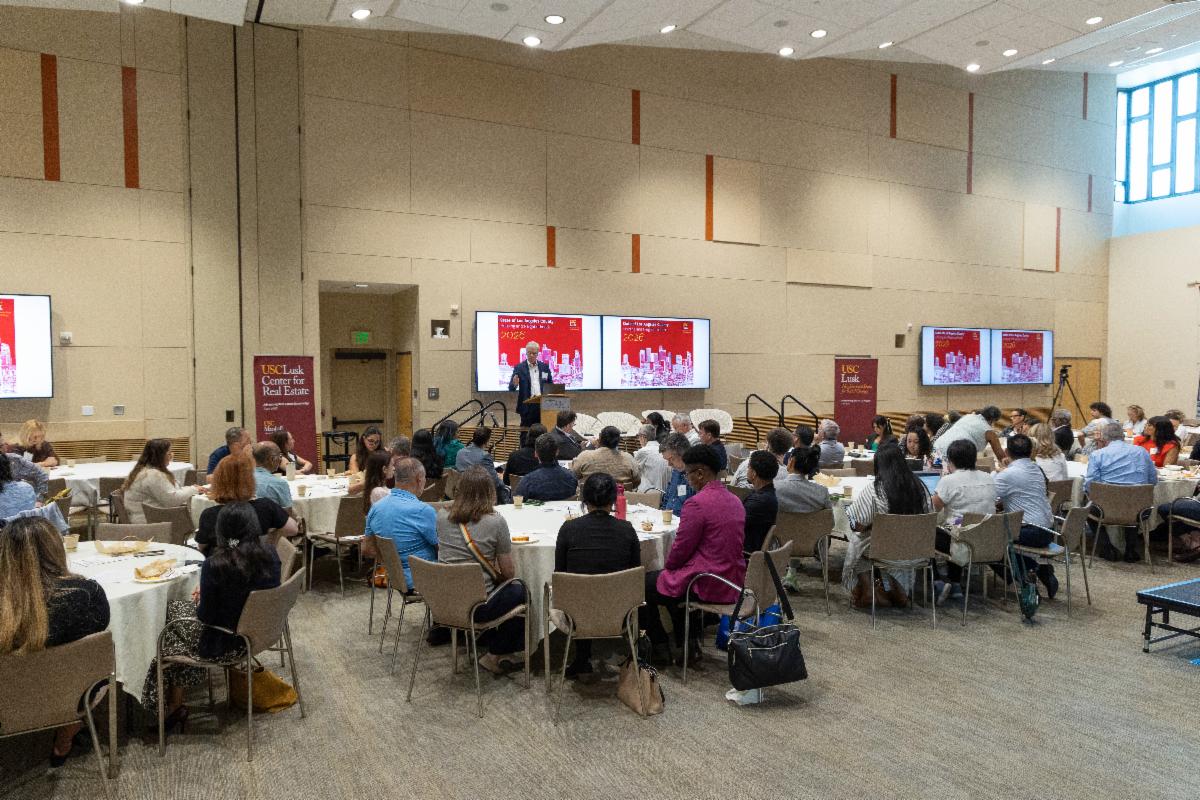

Los Angeles has never cleanly measured naturally occurring affordable housing, or NOAH: older rental buildings that stay affordable simply because of their age and size, with no government subsidy attached. Here is what NDSC's team found this year:
When we lose a NOAH building, we are not just losing square footage. We are losing housing stability that no amount of new construction replaces quickly, or cheaply, especially not in a county this slow to build. This is the case I keep making to Pasadena's City Council as the Climate Action Plan, or CAP, moves toward finalization: a carbon ledger that tracks what demolition costs us against what retrofit and reuse preserve isn't an abstraction, it's the difference between a three year permitting slog and a building that's already standing and already zoned. |
||||
|
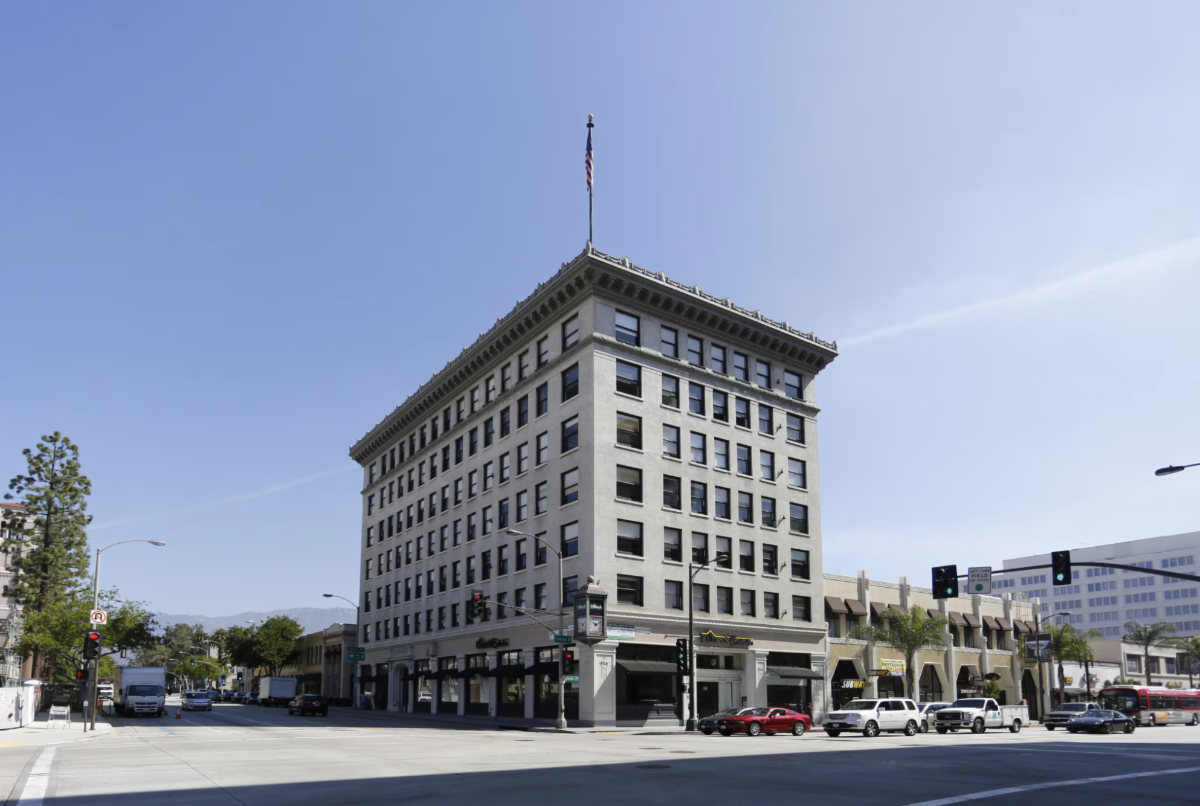
A Case in Point Parsons TowerI've made this argument before to City Council using Parsons' Old Pasadena campus as the example, and honestly, it's the building I keep coming back to when people ask me what adaptive reuse actually looks like at scale. This summer it stopped being hypothetical. Here's where things stand:
That's one way to read an aging, underused campus with 660 parking stalls and its own specific plan, a custom zoning designation written just for this site. I'd offer another. Parsons itself is 52, younger than the county's median home, and it already has entitlements and parking a from scratch project would spend years fighting for. Self storage and other dark space uses are still worth exploring for the tower's large floor plates. But given what this month's housing data shows about how badly this region needs supply, adaptive reuse into residential deserves a serious look too. If the CAP is going to build a real carbon ledger, Parsons is the building to test it on. What would it actually cost, in embodied carbon, the emissions already locked into the materials and construction of a standing building, and in dollars, to reuse four existing structures instead of clearing the site for new ones? Nobody's answered that yet. The building is just sitting there, empty, waiting to find out which way this goes. |
||||
|
Civic Spotlight Neighborhood Data for Social ChangeUSC's data engine for a county that has never had one 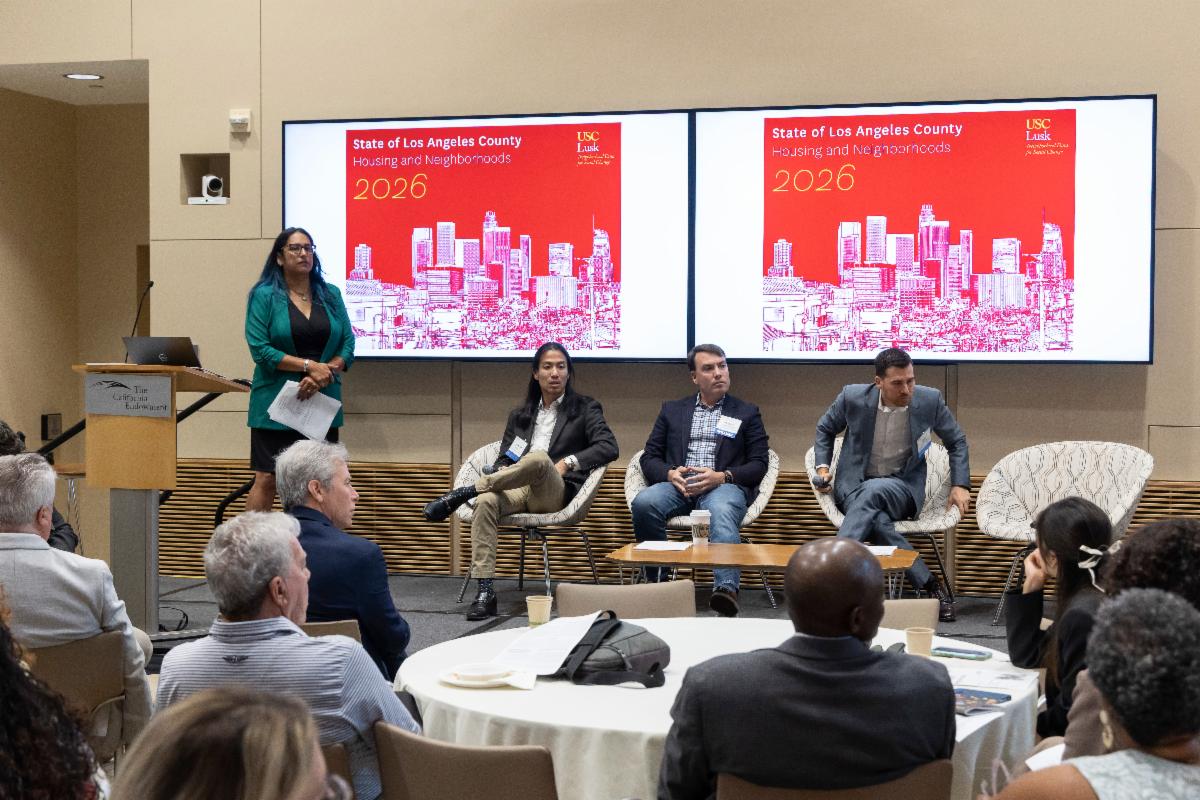
NDSC is a USC affiliated research group that has spent years building the public data infrastructure LA never had, a free, block level map of housing, health, and economic conditions across the county. Their SOLACHAN report is the closest thing this region has to an annual physical for its housing stock, and it is free to explore. Thank you to Cameron Yap and the whole NDSC and USC Lusk Center for Real Estate team for the work behind these numbers, and for the conversation that started this piece. |
||||
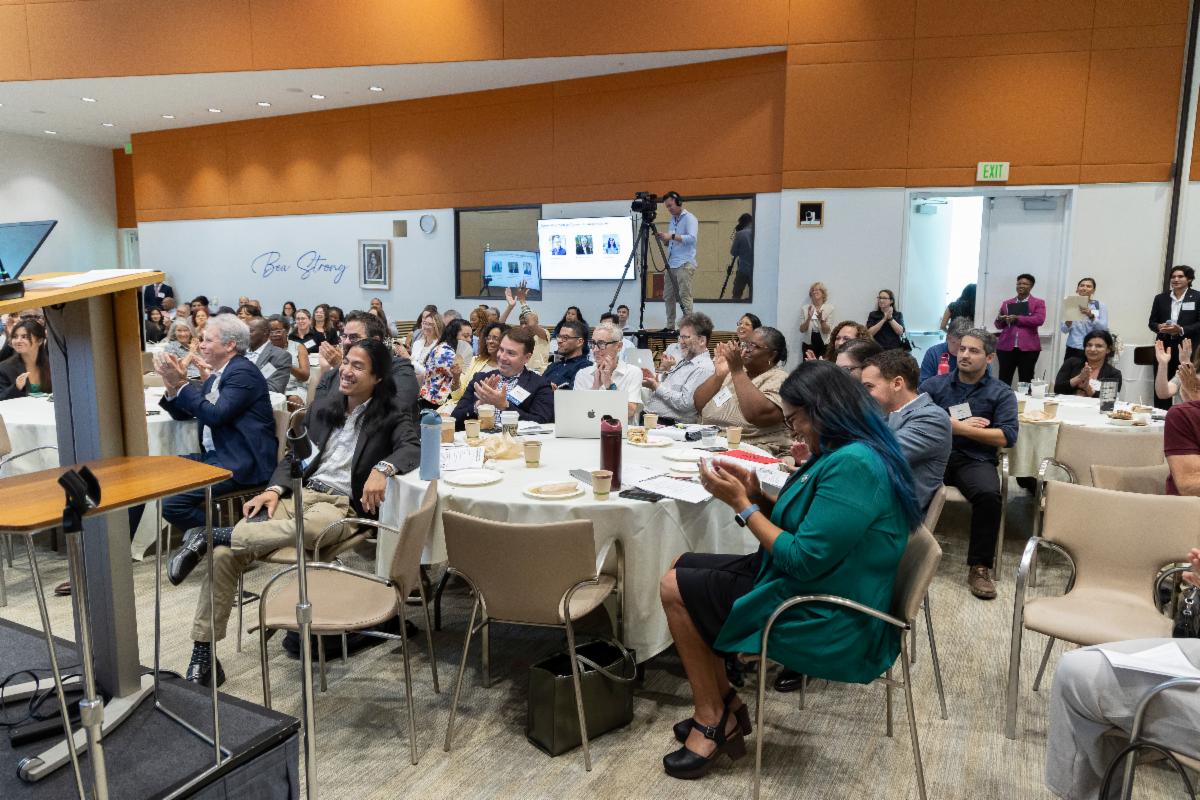
On the Ground The most affordable apartment in Los Angeles County is the one nobody tore down.Pasadena's Adaptive Reuse Ordinance gave us the policy. The CAP is the chance to give it implementation muscle: a carbon ledger, a real deconstruction program, and labeling standards that hold our supply chain accountable. Parsons Tower's empty floors are sitting proof we're not short on buildings, just on the will to count what they're already worth. What we count, we can change. |
||||
|
Current Listings For Lease in Southern CaliforniaThe built environment is only as strong as the communities it serves.
|
||||
|
In Practice The greenest building is the one already built.My approach to commercial real estate is the same as my approach to everything else in this newsletter. Think long. Account for what you cannot immediately see. Value what compounds over time, relationships, locations, buildings, land, community. What I do not know, I will find out. What my clients need, I will work to understand before they have to ask twice. If you are looking for space, representing a tenant, or simply want a broker who thinks about the built environment the way you do, I would love to connect. I start with, "How can I help you?" |
||||
|
Senior Associate, NAI Capital Commercial 225 S. Lake Ave., Suite M270, Pasadena, CA 91101 asoulriver@naicapital.com | 626.399.5283 | Cal DRE #02042495 You are receiving this because you are part of Ana's civic, professional, or community network. |