| |
An Initiative Organized by | | A look at the work, conversations, and connections shaping the No Health = No Justice Initiative | | | | |
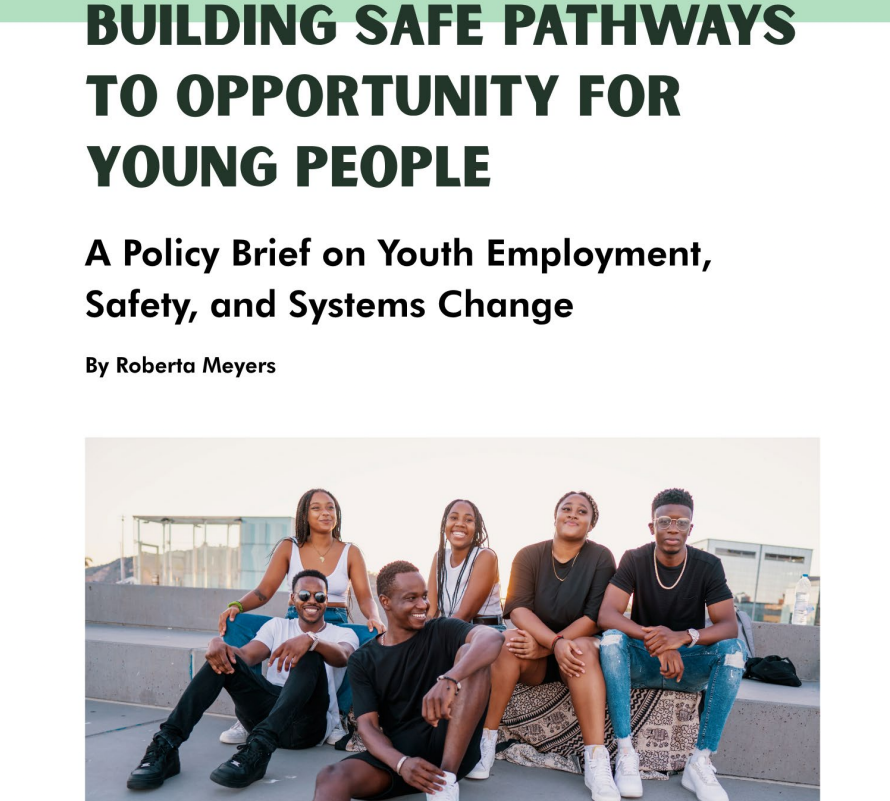
BUILDING SAFE PATHWAYS TO OPPORTUNITY FOR YOUNG PEOPLE A Policy Brief on Youth Employment, Safety, and Systems Change
By: Roberta "Toni" Meyers
Earlier this year, the No Health = No Justice Initiative brought together young people in Metro Atlanta and Washington, D.C. for a series of listening sessions. The young people spoke about surveillance, limited mobility, economic instability, and deep mistrust of institutions. They also identified employment, mentorship, structured activities, and safe opportunities to participate in their communities as important pathways to stability, belonging, and long-term success.
This policy brief brings together insights from youth forums, advisory council meetings, and conversations with community stakeholders.
Click here to read the brief.
| | |
Atlanta Accepts Fulton County $68M Offer for City Detention Center
ft. Roberta "Toni" Meyers
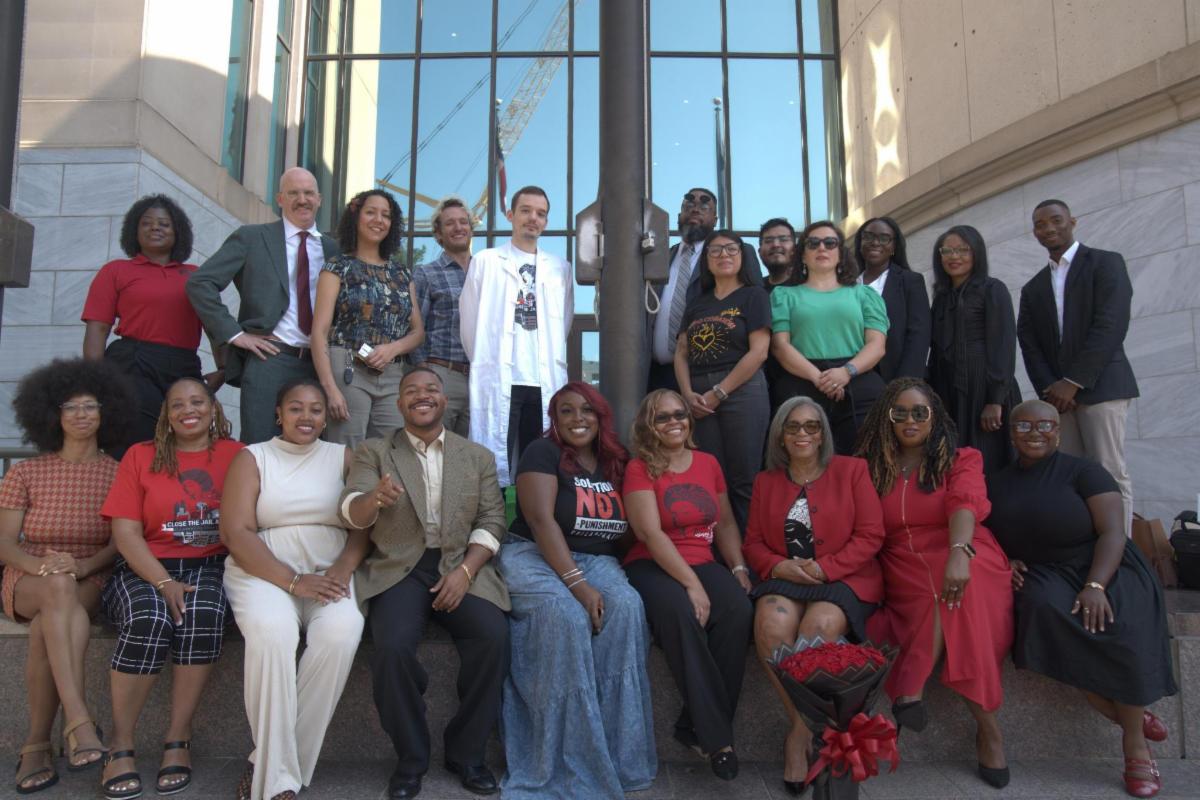
The No Health = No Justice Initiative is a proud partner of Community Over Cages, a coalition of national and local organizations united in our commitment to decarceration in Atlanta and ending mass criminalization in Fulton County.
Members of the coalition and other community stakeholders recently provided testimony at an Atlanta City Council meeting following the city’s acceptance of Fulton County’s $68 million offer to purchase the Atlanta City Detention Center.
Click here to read and watch the full report.
| | | |
Hearing From Our Partners
| | |
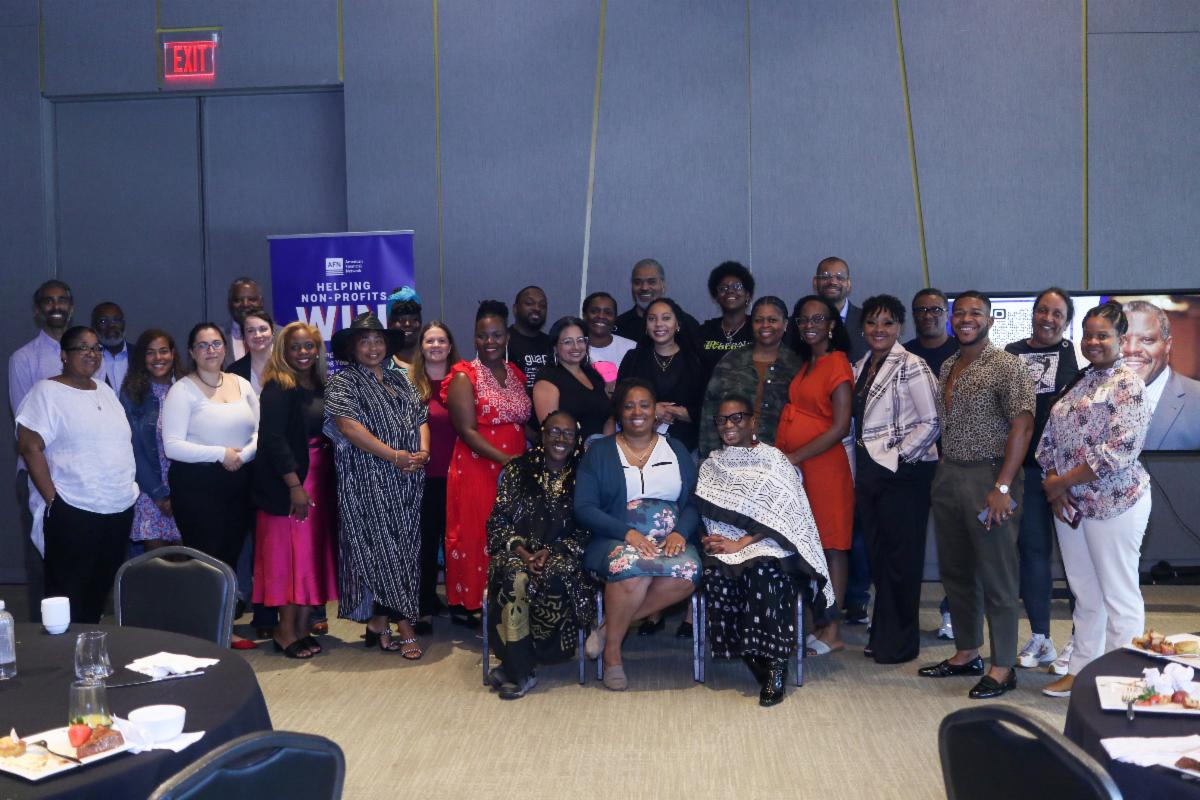
In recognition of Women’s History Month, the Legal Action Center’s No Health = No Justice Initiative hosted a Partners’ Table discussion to bring awareness to the health experiences of women in carceral settings. During this conversation, advocates amplified the need to protect the rights of women and girls in vulnerable situations, such as incarceration, to maintain bodily autonomy and access to essential healthcare and health-related resources.
| | | | | |
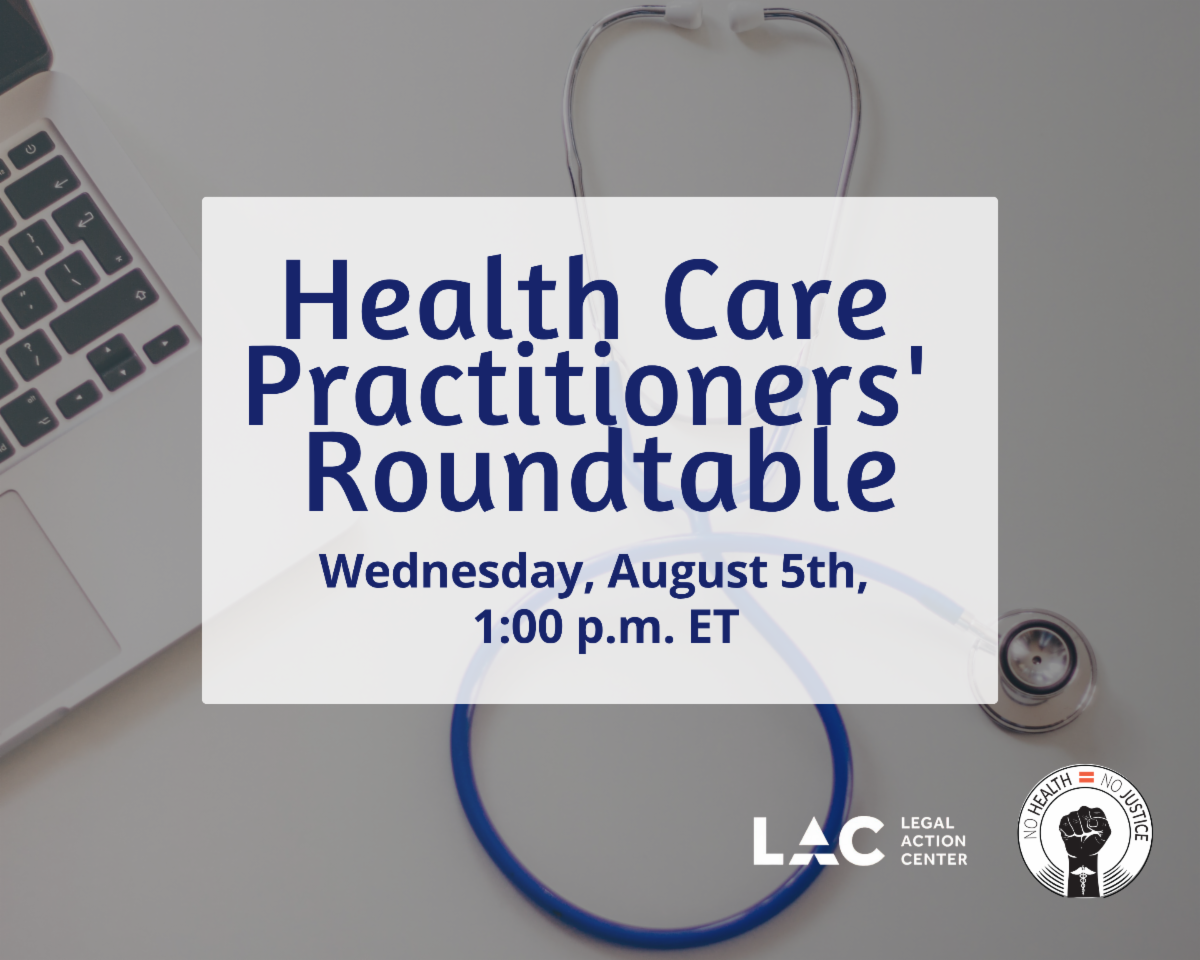
In August, our team hosted our second Health Care Practitioners’ Roundtable. During this event, we discussed emerging strategies to protect health care coverage and improve connections to care for justice-involved populations in the current political landscape. We also reviewed updates on Medicaid Section 1115 Reentry Waivers and the impact of H.R.1 and new Medicaid work reporting requirements. We will continue to host these conversations quarterly.
If you know of any health care providers who may be interested in joining us, please share this registration form with them. Click here to access the form.
| | |
The No Health = No Justice Initiative hosts quarterly Partners' Tables to bring together a geographically diverse community of health and justice advocates to receive group technical assistance and collaborate on strategies to advance shared policy priorities. Please click here if you are interested in joining us for our next conversation.
| | |
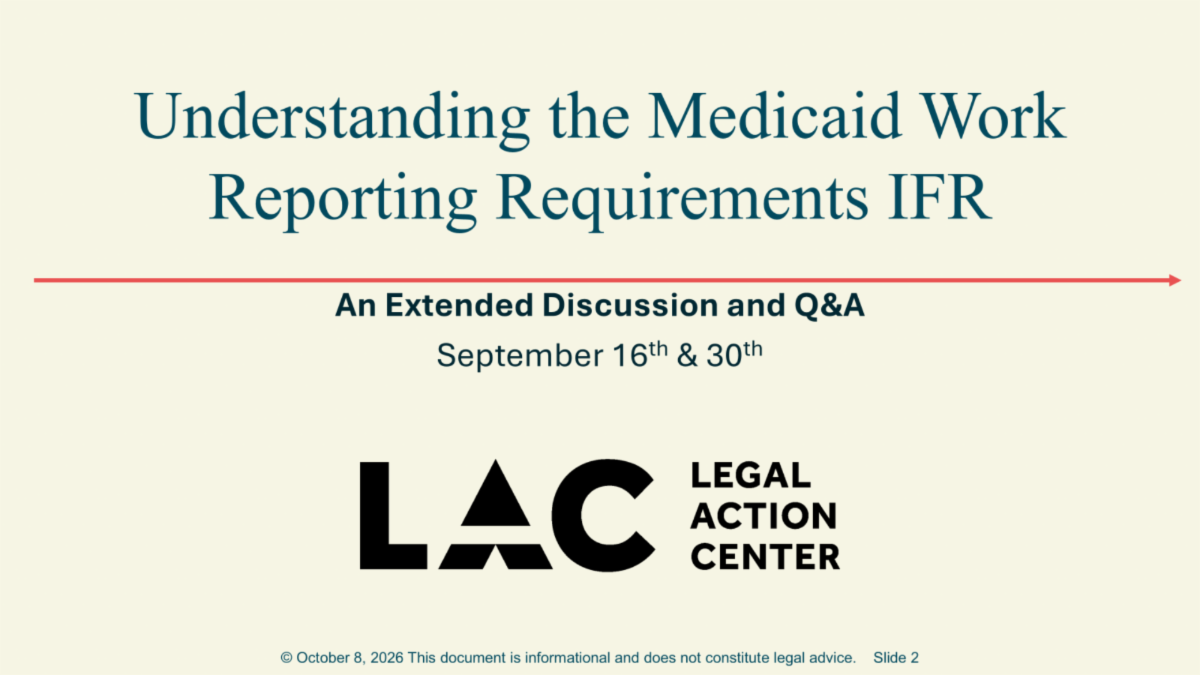
We recently co-hosted a two-part webinar series, discussing the implications of the new Medicaid work requirements, established in H.R. 1, and their impact on people with a substance use disorder (SUD) and those recently released from incarceration. During this series, we discussed strategies to protect access to treatment and efforts to safeguard coverage during reentry and beyond. Please click the links below to access:
Sept. 16th webinar and materials:
Medicaid Work Requirements & SUD: An Extended Discussion and Q&A
Sept. 30th webinar and materials:
Medicaid Work Requirements & Formerly Incarcerated Individuals
| |  | |
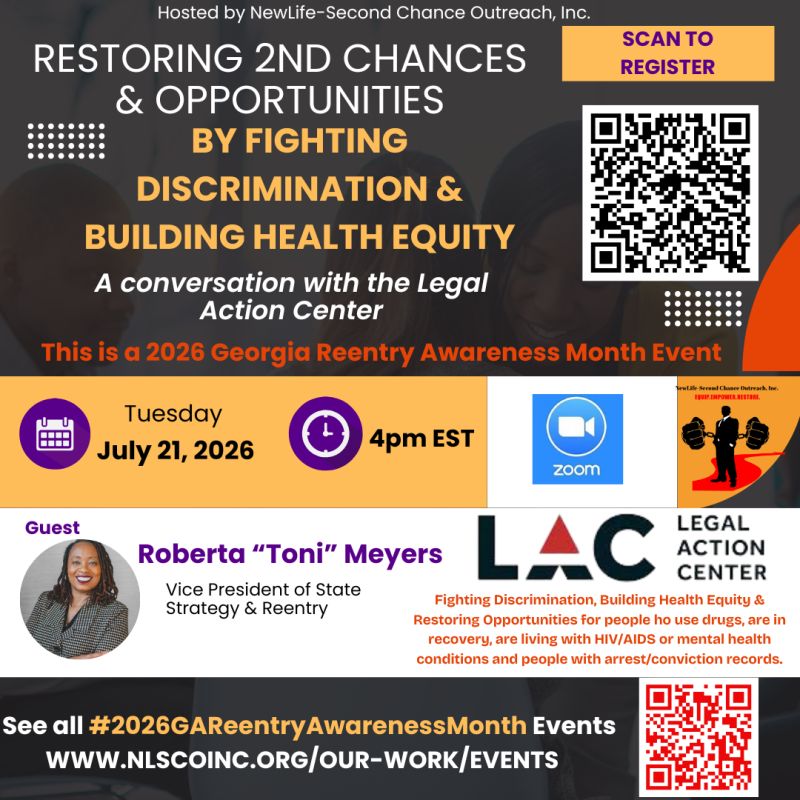
Supporting local advocacy efforts is central to the No Health = No Justice Initiative's work. We are grateful for the opportunity to partner with New Life-Second Chance Outreach, Inc., on July 21 for "Restoring 2nd Chances and Opportunities by Fighting Discrimination & Building Health Equity" conversation. During the event, our Vice President of State Strategy, Roberta Meyers, discussed LAC's work to fight discrimination, advocate for equitable health outcomes, and shrink the reach and harm of the criminal legal system.
| | | |
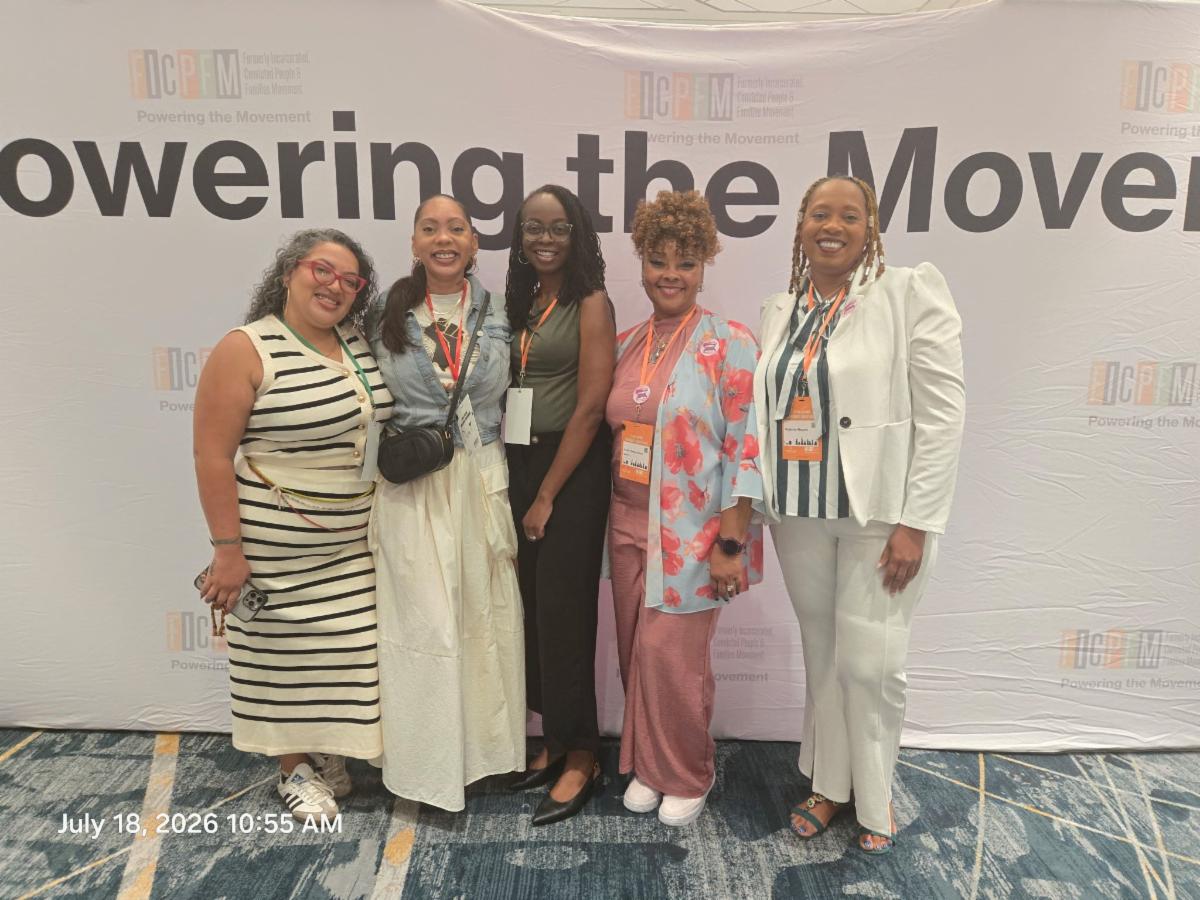
This summer, our Deputy Director of State Strategy, Victoria Palacio Carr, joined the Formerly Incarcerated, Convicted People & Families Movement (FICPFM)'s "Still Rising" convening in Chicago to moderate a panel on health, healing, and community safety for justice-impacted communities.
We are always grateful to connect with other advocates championing harm reduction and community-based care!
| | | |
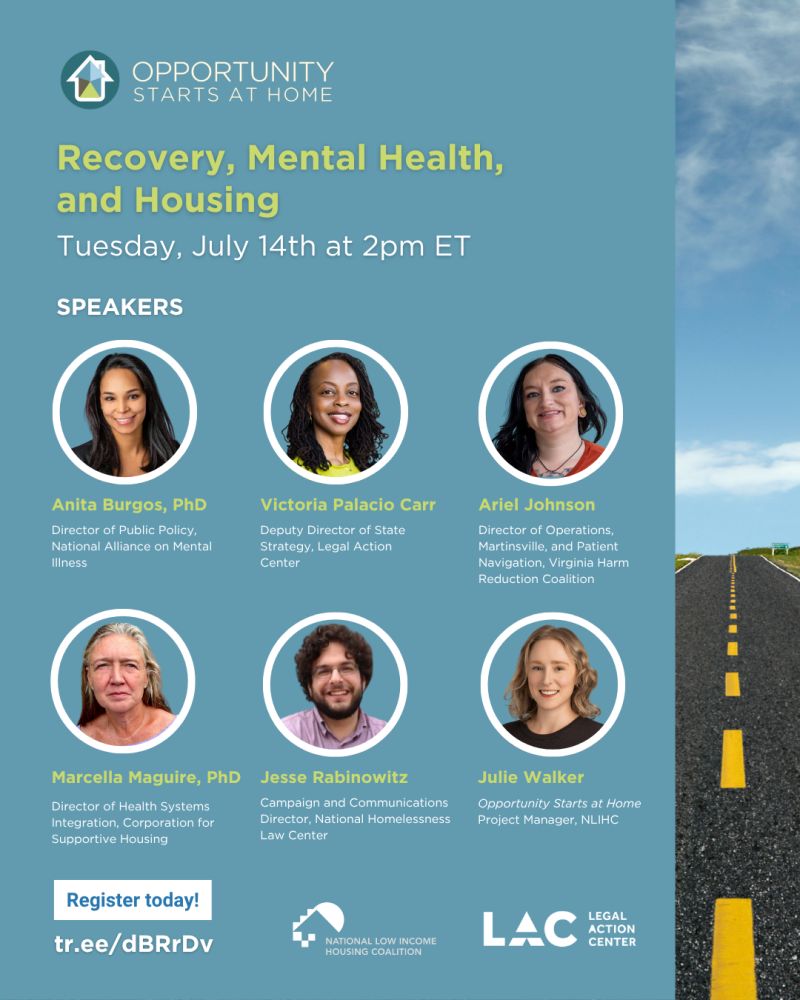
On July 14, our initiative co-hosted a webinar, Recovery, Mental Health, and Housing with the Opportunity Starts at Home Campaign. During this webinar, we brought cost sector advocates together to discuss the connection between access to affordable housing and recovery for people with substance use disorders and/or mental health conditions.
Please click here to view the recording and to view our fact sheet on the topic.
| | | |
Conversations at the Intersection
Health, Criminal Legal System Reform, and Reproductive Justice
The No Health=No Justice Initiative’s objectives are to advance decarceration efforts by ensuring people are no longer criminalized and incarcerated for conditions related to their health; people’s health information, privacy rights, and right to access health care are protected; and no one is excluded from full participation in society because of an arrest or conviction record. Similarly, the tenets of a reproductive justice framework recognize that individuals should have the human rights to bodily autonomy (and informed consent), to parent or not parent with dignity, to children in safe environments, and to be safe from laws and policies that deter people from health care (e.g., laws that criminalize prenatal substance use or mandate reporting to child welfare systems) that force people to avoid prenatal care and harm reduction services.
As a result, in May 2026, a member of the No Health=No Justice Initiative team attended an innovative interdisciplinary training program sponsored by the National Association of Criminal Defense Lawyers, Morehouse School of Medicine, and If/When/How: Lawyering for Reproductive Justice on pregnancy loss cases at the intersection of medicine and criminal prosecution. This reproductive justice training, “From Patient to Defendant: When Clinical Care Becomes Criminal Evidence,” examined how pregnancy-related health care cases (particularly those involving substance use) move from information noted in medical charts to patient prosecution.
Among other information, during the training participants learned through plenary and break-out sessions various approaches to strengthen trial strategy in medically complex cases, ways to promote responsible documentation and patient-centered care in high-risk environments, and how medical records and clinical decision-making become legal evidence.
| |
|
Access to Health Care & Housing
The Legal Action Center (LAC) fights for the rights of people who use drugs, are in recovery, are living with HIV/AIDS or mental health conditions, and have arrest or conviction records. We combat discrimination and advocate for equitable health outcomes while working to drastically reduce the reach and harm of the criminal legal system. This work includes ensuring that the communities we support have access to opportunities, including safe and stable housing.
In support of this work, our Vice President of Health & Justice Policy, Gabrielle de la Guéronnière, and Deputy Director of State Strategy, Victoria Palacio Carr, have partnered with National Alliance of State and Territorial AIDS Directors (NASTAD) to facilitate trainings on H.R.1's Medicaid work reporting requirements for their Housing and Overdose working group. We value being in community with housing providers and advocates working with people who need additional housing supports. Please email Victoria Palacio Carr at vpalacio@lac.org if you are interested in partnering with us on future trainings.
| | | | |
States Must Protect Medicaid for People Returning Home from Incarceration
By: Roberta Meyers and David Muhammad
Our VP of State Strategy & Reentry, Roberta "Toni" Meyers, recently co-authored a piece for the National Commission on Correctional Health Care. The piece highlighted bipartisan support for Medicaid Reentry, which helps people access health care more easily after release from incarceration; it outlined the Medicaid work reporting exemption most helpful for those returning home and highlighted the choices states still have in implementing H.R.1's new Medicaid work reporting requirements. Please click here to read the full article.
| | | |
Mapping Medicaid Reentry
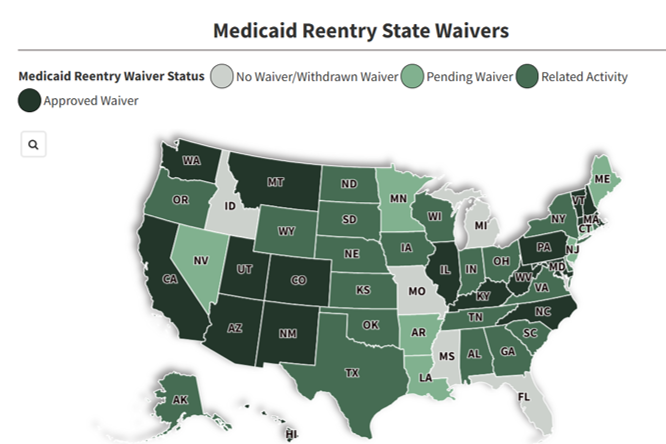
This summer, our team released a Medicaid Reentry map to help health and justice stakeholders nationwide stay up to date on Medicaid reentry implementation plans and opportunities for public engagement.
Click here to view the map.
| | | | | |