Turtle Tracks Newsletter


October 2026

undefined

FOLLOW US ON FACEBOOK TO KEEP UP TO DATE ON FUTURE EVENTS!

Looking Back on an Extraordinary Nesting Season

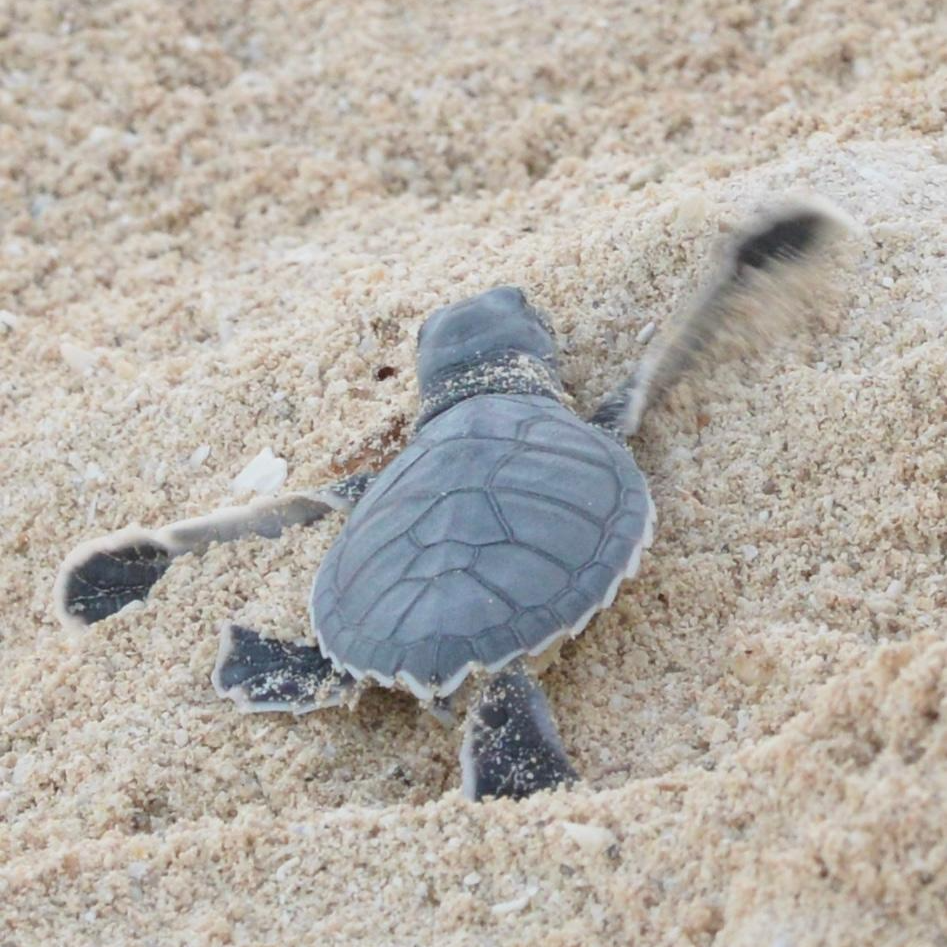
As the 2026 sea turtle nesting season in the Florida Keys draws to a close, we’re looking back on a season unlike any other.


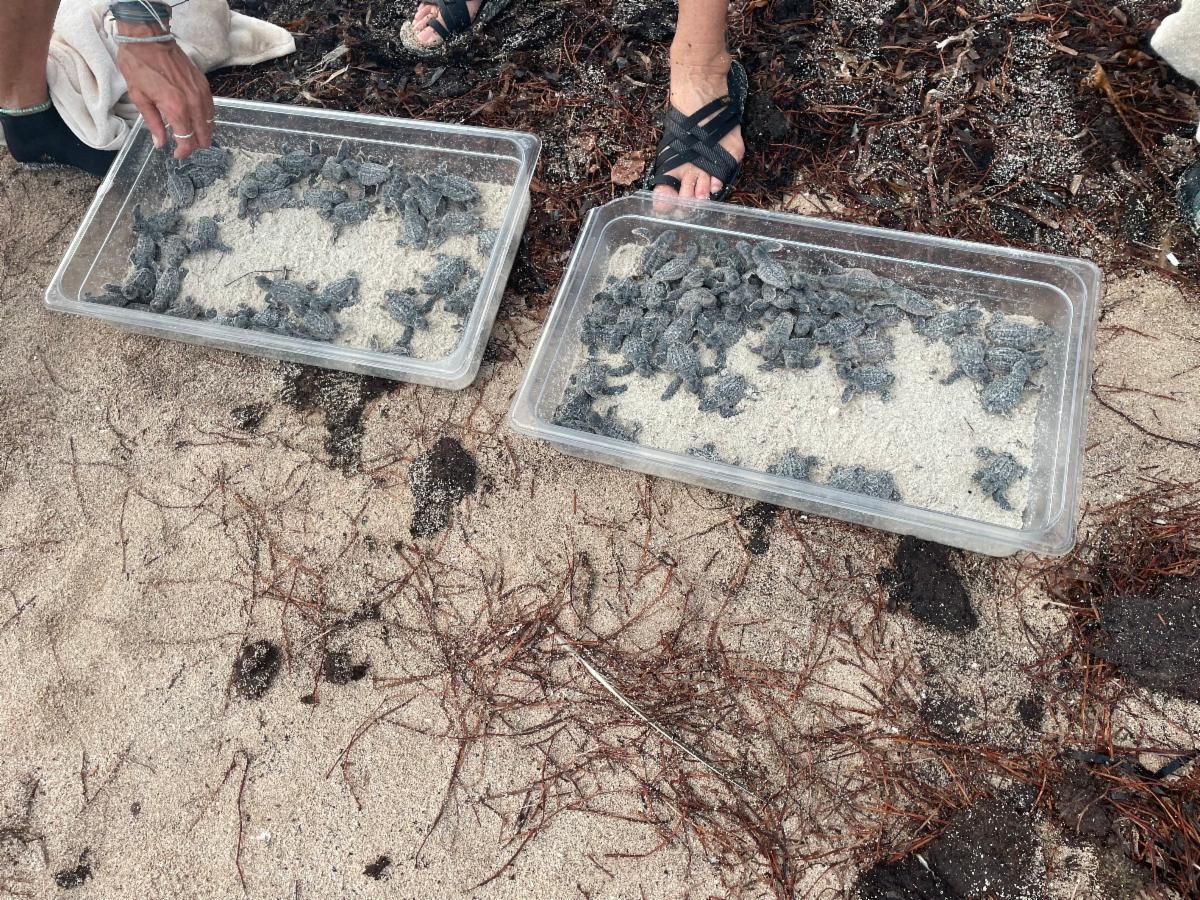
This year brought extraordinary challenges to our small stretches of sandy shoreline. Record amounts of sargassum accumulated on many of our beaches, creating obstacles for nesting females and emerging hatchlings. At the same time, we witnessed a heartbreaking number of hatchling disorientations caused by artificial lighting.


While communities throughout the Keys continue to discuss the sargassum issue and what, if anything, can be done to lessen its impact in the future, we already know how to prevent lighting disorientations.


The solution is simple: keep our beaches dark.


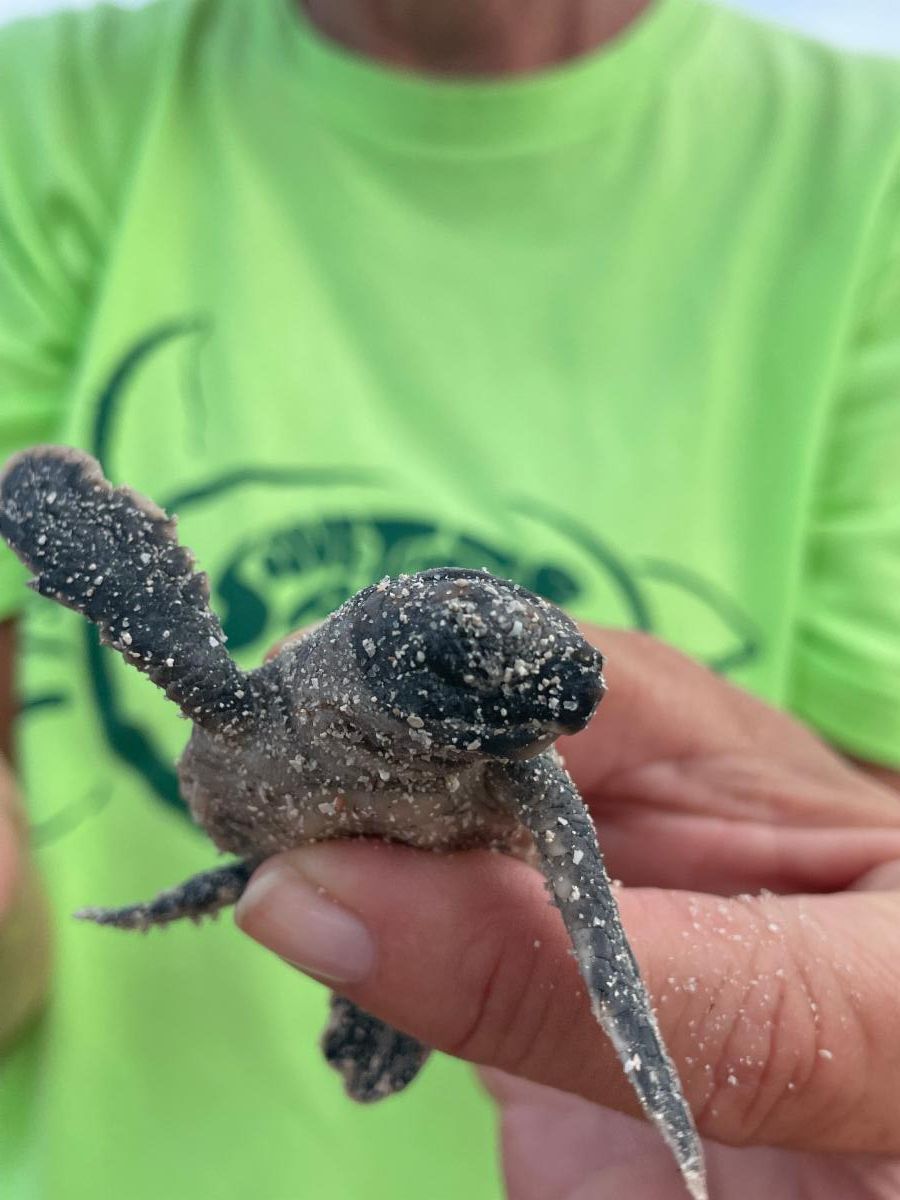
Artificial light visible from the beach can draw newly hatched sea turtles away from the ocean and toward dangerous roads, buildings and other developed areas. It can also disorient nesting females, drawing them away from the water or discouraging them from nesting altogether. Both situations can lead to injury or death.


Florida Keys communities have sea turtle lighting ordinances designed to prevent exactly this. We need residents, businesses, rental properties and visitors to understand why these protections matter—and to care enough to follow them.


We are incredibly grateful to everyone who took action this season by turning off, shielding or changing problematic lighting. Those seemingly small changes can make a tremendous difference.


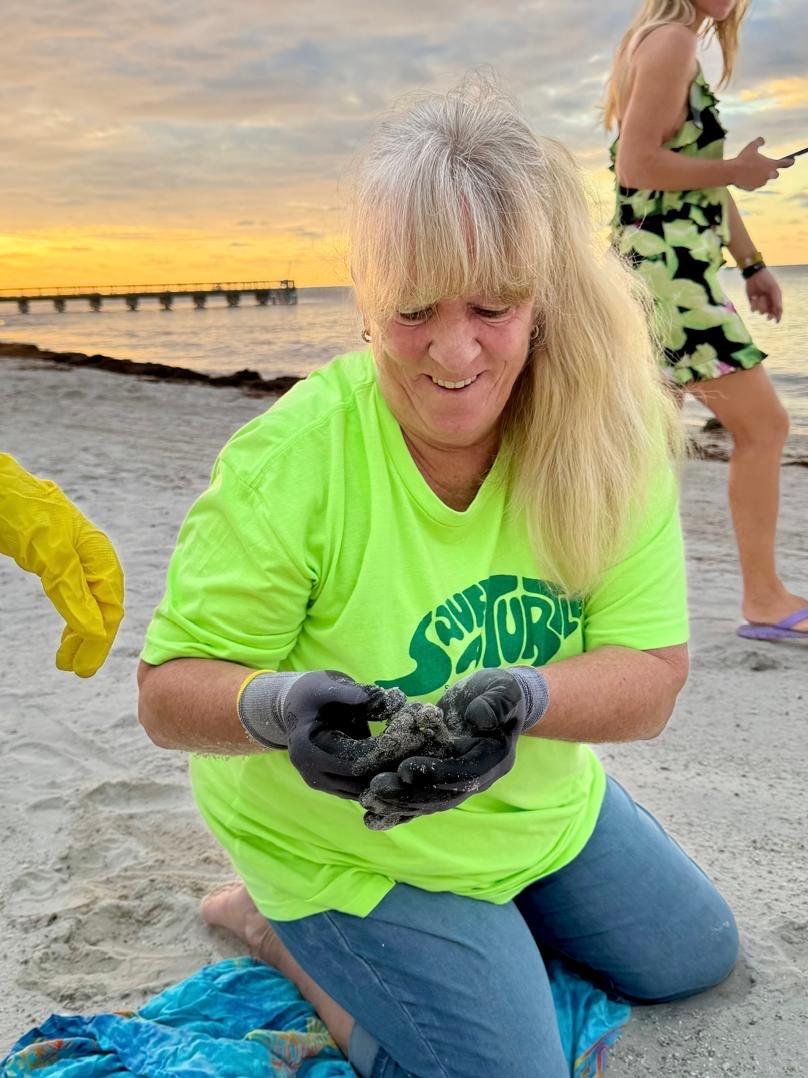
And, of course, we cannot say thank you enough to our dedicated Save-A-Turtle volunteers. Through early mornings, long days and some very challenging situations, they worked tirelessly throughout the season to monitor and protect these precious sea turtles.


As nesting season comes to an end, the responsibility to protect our shoreline continues. Please help us keep Florida Keys beaches Clean, Dark & Flat for sea turtles and all the other marine life that share this special place with us.

Every light turned off, every piece of trash picked up and every obstacle removed makes our shoreline a little safer. 💚🐢


Lighting Guidelines -
https://myfwc.com/wildlifehabitats/wildlife/sea-turtle/lighting/


Photo Credit - Save-A-Turtle Volunteers

Sea Turtles Make History on the U.S. West Coast

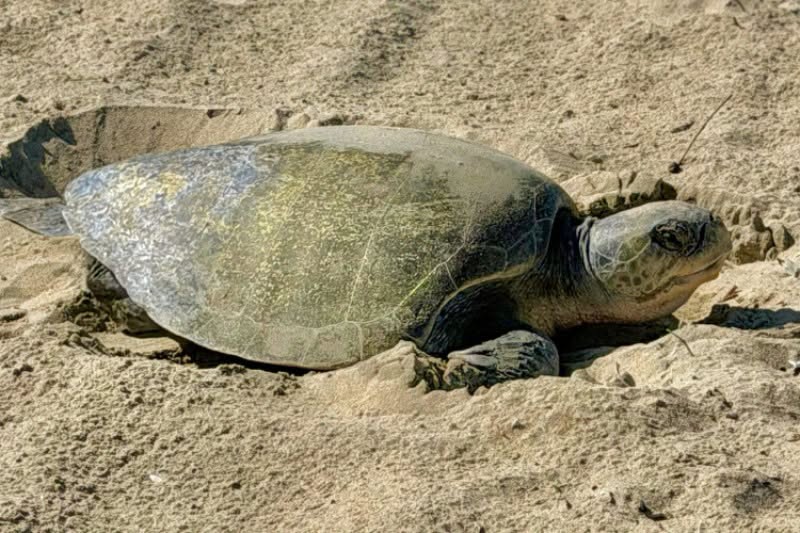
An olive ridley sea turtle was observed digging a nest and laying eggs on the beach near Seal Beach, in Orange County, California on September 16, 2026. This is the first-ever recorded nest for any sea turtle species on the U.S. West Coast. Three days later and about 8 miles away, a second turtle was observed nesting near the Huntington Beach Pier. The nests were fenced, roped off, marked with interpretative signage, and ocean conditions monitored.


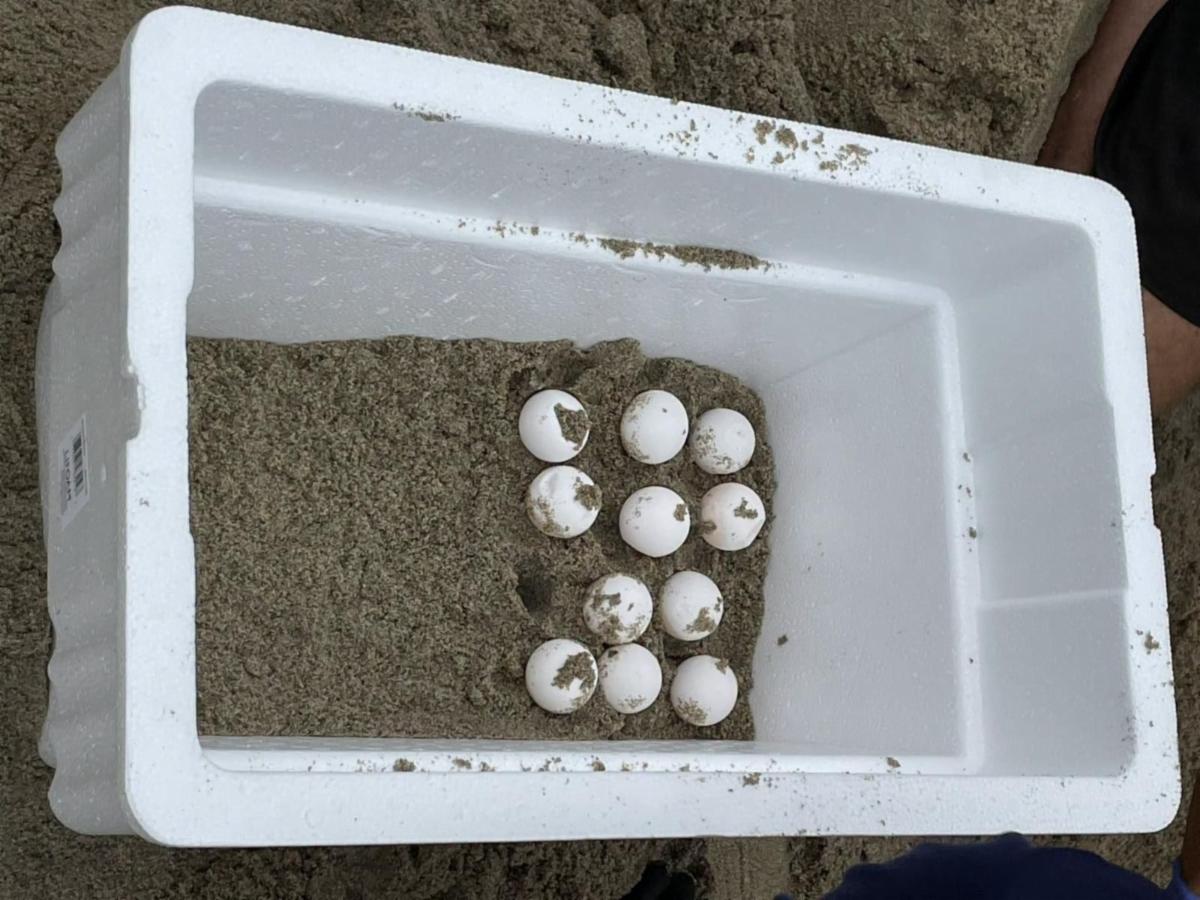
Out of an abundance of caution, an inter-agency team of scientists collected the eggs and transferred them to the Aquarium of the Pacific in Long Beach on September 25. The eggs will be under the care of Aquarium staff during their incubation period, which typically lasts 45–60 days. If they successfully hatch, the hatchlings will be released on the beaches where the eggs were laid to make their journey across the sand to the ocean.


Read more HERE


Photos courtesy of the interagency team that monitored and protected the turtles and eggs

Share the Water, Protect Our Wildlife 🐢 💙🐬

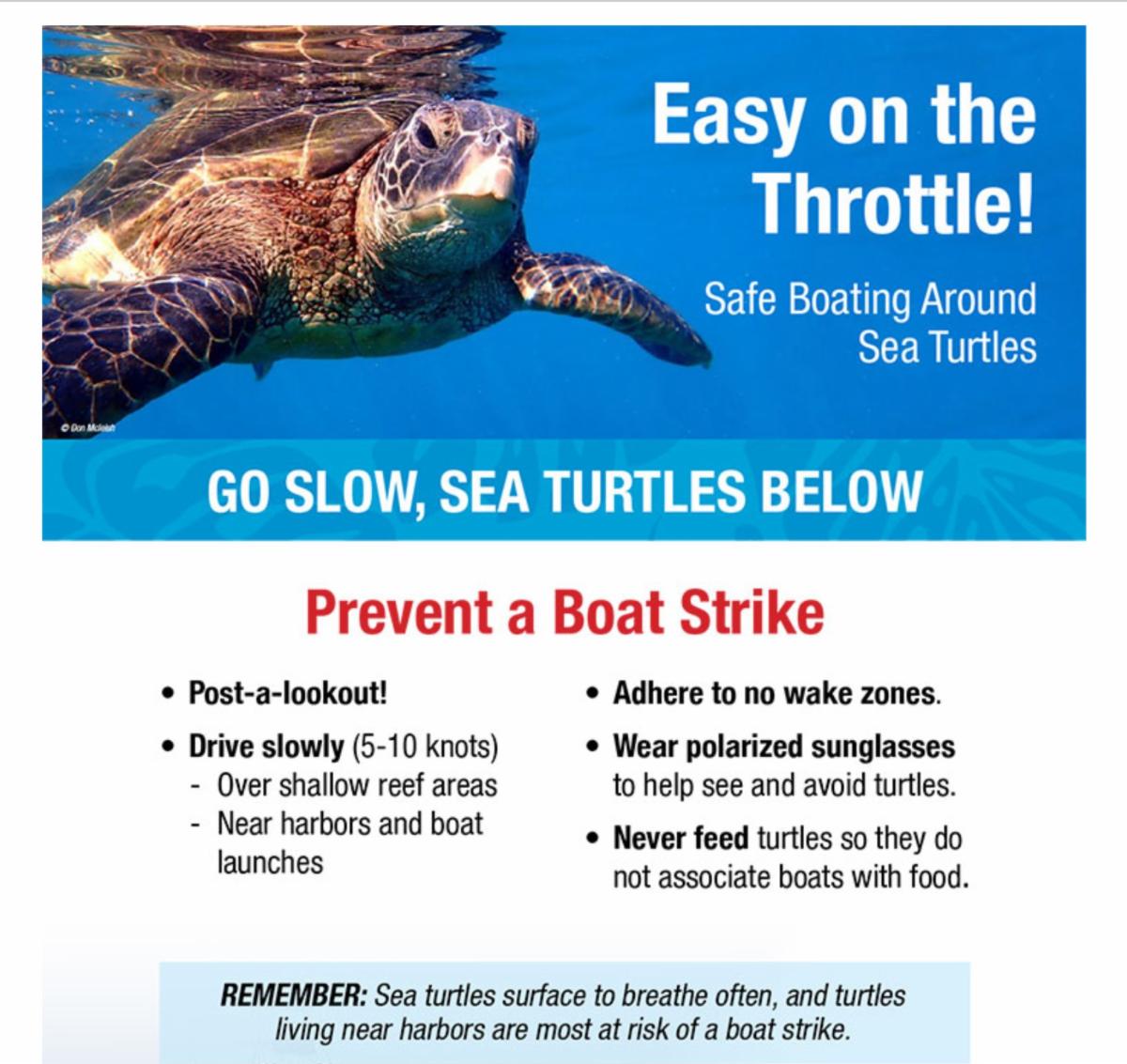
Outreach poster developed by NOAA Fisheries and the Hawai'i Division of Boating and Ocean Recreation

Outreach poster developed by NOAA Fisheries and the Hawai'i Division of Boating and Ocean Recreation

The waters of the Florida Keys are home to sea turtles, dolphins, manatees, and countless other marine animals. Unfortunately, boat strikes continue to cause serious injuries and deaths—but responsible boating can make a difference.


Help protect our marine wildlife every time you’re on the water:


👀 Stay Alert – Watch carefully for surfacing wildlife and unusual shapes in the water.


🚤 Slow Down – Follow posted no-wake and slow-speed zones, especially in areas where marine wildlife is commonly found.


📞 Report Injured Wildlife – If you encounter an injured or stranded sea turtle, dolphin, manatee, or other marine animal, contact the FWC Wildlife Alert Hotline at 888-404-FWCC (3922).


A little extra awareness on the water can help keep Florida Keys wildlife safe. Share the water and give them space! 💙🐢

October 2026 Board Meeting

Save-A-Turtle Board Meeting

(meeting link is static and good for each monthly meeting)

Monday, October 5, 2026

6:30 - 8:30PM

Zoom Link

Meeting ID: 829 7023 2616

Passcode: 210787

One tap mobile

+13052241968,,82970232616#,,,,*210787# US

+16469313860,,82970232616#,,,,*210787# US


2026 Save-A-Turtle Board Members

President: Dawn Bowles

Vice President: Heather Skelley

Treasurer: Jill Reilly

Secretary: Brenis Hill

Board Member: Harry Appel

Board Member: Jennifer DeMaria

Board Member: Chelsea Oatman


Technical Advisor: Sue Schaf

🐢💚 Stay Connected & Support Sea Turtles 🐢💚

Love sea turtles? Stay connected with Save-A-Turtle on Facebook and Instagram for conservation updates, turtle facts, behind-the-scenes moments, and simple ways you can help protect sea turtles and their habitat.


You can also support our work by shopping turtle-inspired merchandise in the Save-A-Turtle Online Store.


Follow. Shop. Share. Every little action helps us make a difference for sea turtles in the Florida Keys! 🐢💚

10 Tremendous Turtle Facts

To report sick, injured or dead sea turtles in Florida

call FWCC at 888-404-FWCC (3922)

Connect with us!!!
Facebook  Instagram