ConTex Conversations

September 2025

 
To celebrate the achievements of our doctoral fellows, we periodically feature conversations with various members of the ConTex family. They talk to us about their research, goals, and enthusiasm for binational research.


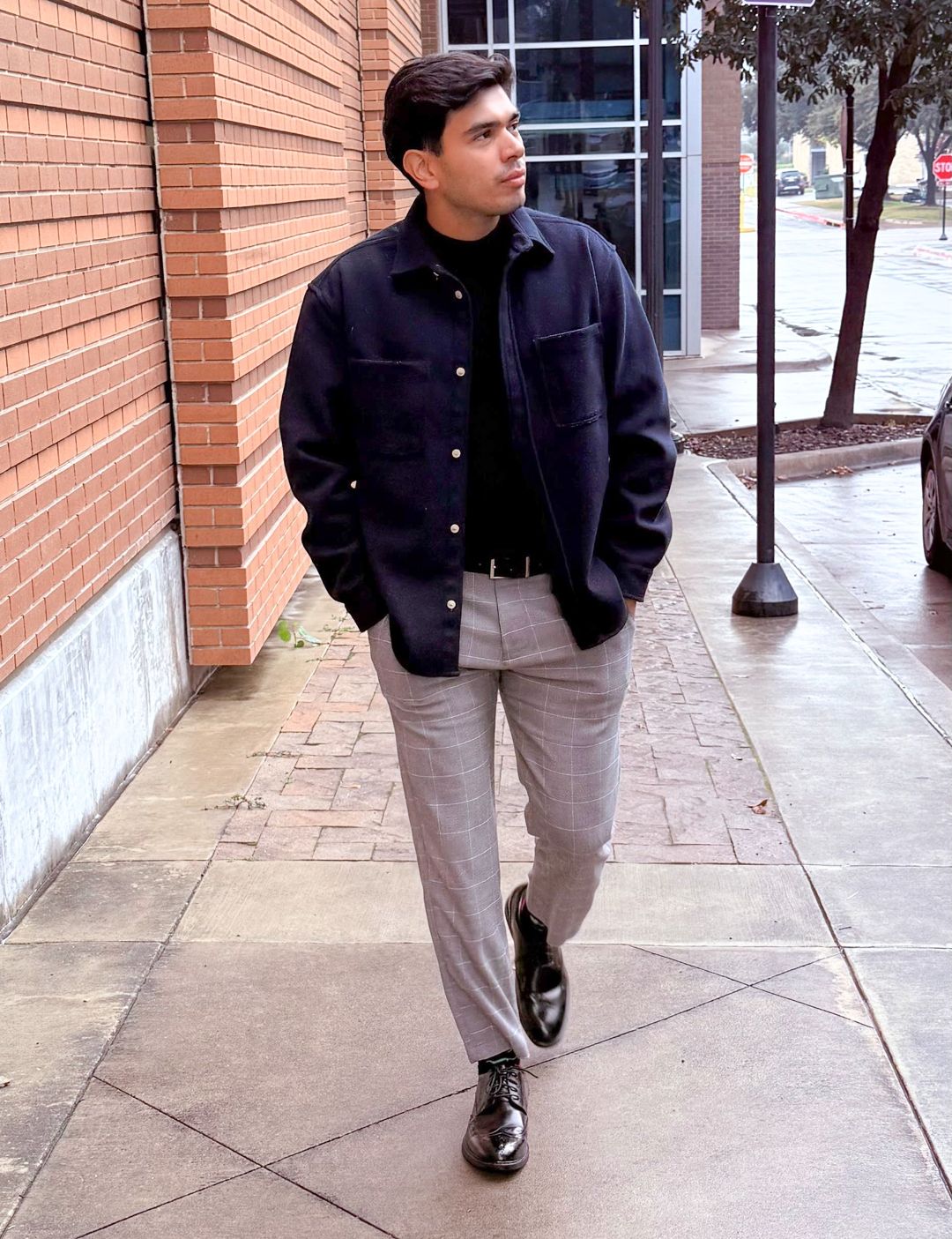
Javier Sainz Cornejo

Hometown:

Guadalajara, Jalisco 


Degree Program:

Ph.D. in Civil Engineering


Institution:

The University of Texas at Arlington


Advisor:

Dr. Juan Antonio Balderrama García Méndez  


Tell us about your research project and why it is important to you?  


My research focuses on improving the resilience of areas vulnerable to different types of natural disasters, such as hurricanes and earthquakes. In particular, I study how structures are affected when faced with combined scenarios, not just one type of event. The main objective is to quantify the vulnerability of buildings and better understand how they might respond in extreme situations by analyzing their collapse mechanisms.


I had the opportunity to work on a case study in Acapulco, Mexico, after Hurricane Otis. The results show that current design codes and practices are not sufficient to deal with these types of complex situations in regions at risk for more than one natural hazard. This makes it necessary to rethink how buildings are designed to ensure safer and more adequate performance.


This project is important to me because I believe it can have a real impact, both in Mexico and the United States. With the increase in the frequency and intensity of these natural events, it is essential that structures are equipped to protect the communities that inhabit them.


Have you presented or published your research anywhere? Tell us about the experience.  


I haven't had the opportunity to present my main research project yet, but I hope to do so soon. However, I have participated in other programs that have given me valuable experience. In 2023, I collaborated in a project involving laboratory tests, and it was very exciting to see my name included in the resulting publication.


In addition, last summer I had the opportunity to participate in a program to do damage assessment in Acapulco after Hurricane Otis. It was a very enriching experience, both technically and personally, as it allowed me to see firsthand the real impact of natural disasters and the importance of the work we do as structural engineers.


What would you say is something interesting about your area of study that most people don't know? 


Something that many people don't know is that during an earthquake, it is completely normal for a building to move. In fact, they are designed to do so, within certain limits. The movement helps the structure dissipate energy and prevents it from collapsing.


Sometimes this can scare those inside, but it does not necessarily mean that the building is failing. On the contrary, if it moves and remains standing, it is probably functioning as designed.


Tell us about your academic or professional collaborations with Mexico.  


Last summer, I had the opportunity to collaborate with the University of Florida on a damage assessment in Acapulco after Hurricane Otis struck in October 2024. During this field visit, we analyzed the damage to different types of buildings in the coastal area and identified several structural design deficiencies, especially in relation to lateral loads.


This experience was very valuable, as Otis revealed a false perception of resilience and safety in many buildings in Acapulco and other areas of the Mexican Pacific that are exposed to both hurricanes and earthquakes. I believe that these types of collaborations are key to raising awareness and improving design practices in vulnerable regions. 


What attracted you to Texas and The University of Texas at Arlington?  


What attracted me most was the opportunity to continue learning in the field of structural engineering and to get involved in research projects with real impact. In addition, I had already had the opportunity to work with my supervisor before, and that connection was very important to me. Being able to collaborate with someone with whom I already had a good working relationship made the decision easier. It is always positive to continue learning in an environment where you already feel supported and valued.


What have been some good things you didn't expect from Texas or UT Arlington? 


Something that pleasantly surprised me was the great cultural diversity that exists, both in Texas and at UT Arlington. It is very easy to meet people from different parts of the world and establish meaningful connections. As an international student, I felt welcome from the start.


I was also struck by the support offered to international students, whether in academics, immigration issues, or personal adjustment. That support makes a big difference when you are far from home.


What have been the biggest challenges of studying at UT Arlington and living in the United States?  


The biggest challenges have been adapting to the culture and language, as well as mobility, since in Texas you need a car to get around easily. I also had a hard time understanding the importance of credit history, which is essential for basic things like renting or opening a bank account.     


How has the support of ConTex and Secihti impacted you?  


The support from ConTex and Secihti has been very important to me, especially financially. As a graduate student abroad, you have many concerns that can distract you from your studies, but this scholarship has given me peace of mind to better focus on my work and advance my research.


What kind of work do you hope to do in the future, and how do you hope your research will benefit people in the U.S. and Mexico? 


In the future, I hope to devote myself to the responsible design of buildings that reduce the vulnerability and risk of Mexican communities in the face of natural disasters. I would like to work as a consulting engineer specializing in structures, leading projects to design buildings resistant to lateral and vertical loads.


Whether in an engineering firm or in my own company, an important part of my work will be to train young engineers, through agreements with local universities, to help develop professionals who are prepared and committed to structural safety.


I believe that my research can benefit both Mexico and the United States by contributing knowledge that helps improve design standards and practices in regions exposed to hurricanes, earthquakes, and other natural disasters, thus protecting more people and their property.     


What advice would you give to other Mexican students considering studying in Texas?  


I would tell them that if they have the opportunity to pursue a graduate degree in Texas, they should definitely take advantage of it. Texas offers many opportunities, not only academically, but also professionally, thanks to the large number of industries and diversity of sectors.


It is also a place where you can grow personally, because you will meet people from all over the world and have a very enriching cultural experience. Although there may be challenges at first, the community here is very welcoming and there are many resources to support international students.


Conversaciones ConTex

Septiembre de 2025

 
Para celebrar los logros de nuestros becarios de doctorado, periódicamente publicamos conversaciones con diferentes miembros de la familia ConTex. Ellos nos hablan de sus proyectos de investigación, de sus metas y de su entusiasmo por la investigación binacional.
 

Javier Sainz Cornejo

Lugar de Nacimiento: Guadalajara, Jalisco


Programa de Estudios: Doctorado en Ingeniería Civil 


Institución:

La Universidad de Texas en Arlington


Asesora:

Dr. Juan Antonio Balderrama García Méndez


Cuéntanos acerca de tu proyecto de investigación y por qué es importante para ti.


Mi investigación se enfoca en mejorar la resiliencia de zonas vulnerables a distintos tipos de desastres naturales, como huracanes y sismos. En particular, estudio cómo las estructuras se ven afectadas cuando enfrentan escenarios combinados, no solo un tipo de evento. El objetivo principal es cuantificar la vulnerabilidad de los edificios y entender mejor cómo podrían responder en situaciones extremas, a través del análisis de sus mecanismos de colapso.


Tuve la oportunidad de trabajar en un estudio de caso en Acapulco, México, después del huracán Otis. Los resultados muestran que los códigos de diseño y las prácticas actuales no son suficientes para enfrentar este tipo de situaciones complejas en regiones expuestas a más de un riesgo natural. Esto hace necesario repensar cómo se diseñan los edificios para asegurar un desempeño más seguro y adecuado.


Este proyecto es importante para mí porque considero que puede tener un impacto real, tanto en México como en Estados Unidos. Con el aumento en la frecuencia e intensidad de estos eventos naturales es fundamental que las estructuras estén acondicionadas para proteger a las comunidades que las habitan.


¿Has presentado o publicado tu investigación en algún lugar? Cuéntanos sobre la experiencia.  


Aún no he tenido la oportunidad de presentar mi principal proyecto de investigación, pero espero hacerlo pronto. Sin embargo, he participado en otros programas que me han dado experiencias muy valiosas. En 2023, colaboré en unas pruebas de laboratorio y fue muy emocionante ver mi nombre incluido en la publicación del proyecto.


Además, el verano pasado tuve la oportunidad de participar en una evaluación de daños en Acapulco tras el huracán Otis. Fue una experiencia muy enriquecedora, tanto a nivel técnico como personal, ya que me permitió ver de cerca el impacto real de los desastres naturales y la importancia del trabajo que hacemos como ingenieros estructurales.


¿Qué dirías que es algo interesante sobre tu área de estudio que la mayoría de la gente no sabe?  


Algo que muchas personas no saben es que durante un terremoto es completamente normal que un edificio se mueva. De hecho, están diseñados para hacerlo, dentro de ciertos límites. El movimiento ayuda a que la estructura disipe energía y no se colapse.


A veces eso puede asustar a quienes están dentro, pero no necesariamente significa que el edificio está fallando. Al contrario, si se mueve y sigue en pie, probablemente está funcionando como fue diseñado.   


Cuéntanos sobre tus colaboraciones académicas o profesionales con México.  


El verano pasado tuve la oportunidad de colaborar con la Universidad de Florida en una evaluación de daños en Acapulco después del impacto del huracán Otis, en octubre de 2024. Durante esta visita de campo analizamos los daños en distintos tipos de edificaciones en la zona costera y pudimos identificar varias deficiencias en el diseño estructural, especialmente en lo relacionado con cargas laterales.


Esta experiencia fue muy valiosa, ya que Otis hizo evidente una falsa percepción de resiliencia y seguridad en muchas construcciones de Acapulco y otras zonas del Pacífico mexicano que están expuestas tanto a huracanes como a sismos. Creo que este tipo de colaboraciones son clave para generar conciencia y mejorar las prácticas de diseño en regiones vulnerables.


¿Qué te atrajo a Texas y a UT Arlington?  


Lo que más me atrajo fue la oportunidad de seguir aprendiendo en el área de ingeniería estructural y de involucrarme en proyectos de investigación con impacto real. Además, ya había tenido la oportunidad de trabajar anteriormente con mi supervisor, y esa conexión fue muy importante para mí. Poder colaborar con alguien con quien ya tenía una buena dinámica de trabajo hizo que la decisión fuera más fácil. Siempre es positivo continuar aprendiendo en un entorno donde ya te sientes apoyado y valorado.    


¿Cuáles han sido algunas cosas buenas que no esperabas de Texas o de UT Arlington?  


Algo que me sorprendió gratamente fue la gran diversidad cultural que hay, tanto en Texas como en UT Arlington. Es muy fácil conocer personas de diferentes partes del mundo y establecer conexiones significativas. Como estudiante internacional, me sentí bien recibido desde el principio.

También me ha llamado la atención el apoyo que se ofrece a los estudiantes internacionales, ya sea en lo académico, en temas migratorios o en adaptación personal. Ese acompañamiento hace una gran diferencia cuando estás lejos de casa.


¿Cuáles han sido los mayores desafíos de estudiar en UT Arlington y vivir en los Estados Unidos?  


Los mayores desafíos han sido adaptarme a la cultura y al idioma, además de la movilidad, ya que en Texas es necesario tener carro para moverse fácilmente. También me costó entender la importancia del historial crediticio, que es esencial para cosas básicas como rentar o abrir una cuenta bancaria.


¿De qué manera te ha impactado el apoyo de ConTex y Secihti?  


El apoyo de ConTex y Secihti ha sido muy importante para mí, especialmente en lo económico. Como estudiante de posgrado en el extranjero tienes muchas preocupaciones que te pueden distraer del estudio, pero esta beca me ha dado tranquilidad para enfocarme mejor en mi trabajo y avanzar en mi investigación.


¿Qué tipo de trabajo esperas hacer en el futuro? ¿De qué manera esperas que tu investigación beneficie a las personas en los Estados Unidos y México?  


En el futuro, espero dedicarme al diseño responsable de edificios que reduzcan la vulnerabilidad y el riesgo de las comunidades mexicanas ante desastres naturales. Me gustaría trabajar como ingeniero consultor especializado en estructuras, lidereando proyectos para diseñar edificios resistentes a cargas laterales y verticales.


Ya sea en una empresa de ingeniería o en mi propio despacho, una parte importante de mi trabajo será capacitar a jóvenes ingenieros, a través de convenios con universidades locales, para ayudar a formar profesionales preparados y comprometidos con la seguridad estructural.


Creo que mi investigación puede beneficiar tanto a México como a Estados Unidos al aportar conocimiento que ayude a mejorar las normas y prácticas de diseño en regiones expuestas a huracanes, sismos y otros desastres naturales, protegiendo así a más personas y sus bienes.


¿Qué consejo le darías a otros estudiantes mexicanos que estén considerando estudiar en Texas?  


Les diría que, si tienen la oportunidad de hacer un posgrado en Texas, definitivamente la aprovechen. Texas ofrece muchas oportunidades, no solo en lo académico, sino también en el ámbito profesional gracias a su gran industria y diversidad de sectores.

Además, es un lugar donde pueden crecer personalmente, porque van a conocer gente de todo el mundo y vivir una experiencia cultural muy enriquecedora. Aunque pueda haber desafíos al principio, la comunidad aquí es muy acogedora y hay muchos recursos para apoyar a estudiantes internacionales.   


Facebook  Twitter