Welcome to the University of Oklahoma Carceral Studies Consortium Newsletter. The Carceral Studies Consortium strives to build a community for intellectual exploration that includes faculty, staff, graduate students, community members, practitioners, and organizers.
Carceral Studies is concerned with the independent function and nexus of the political and social systems that organize, shape, sustain, and entrench practices of punishment, surveillance, incarceration, and harm.
|
|
|
|
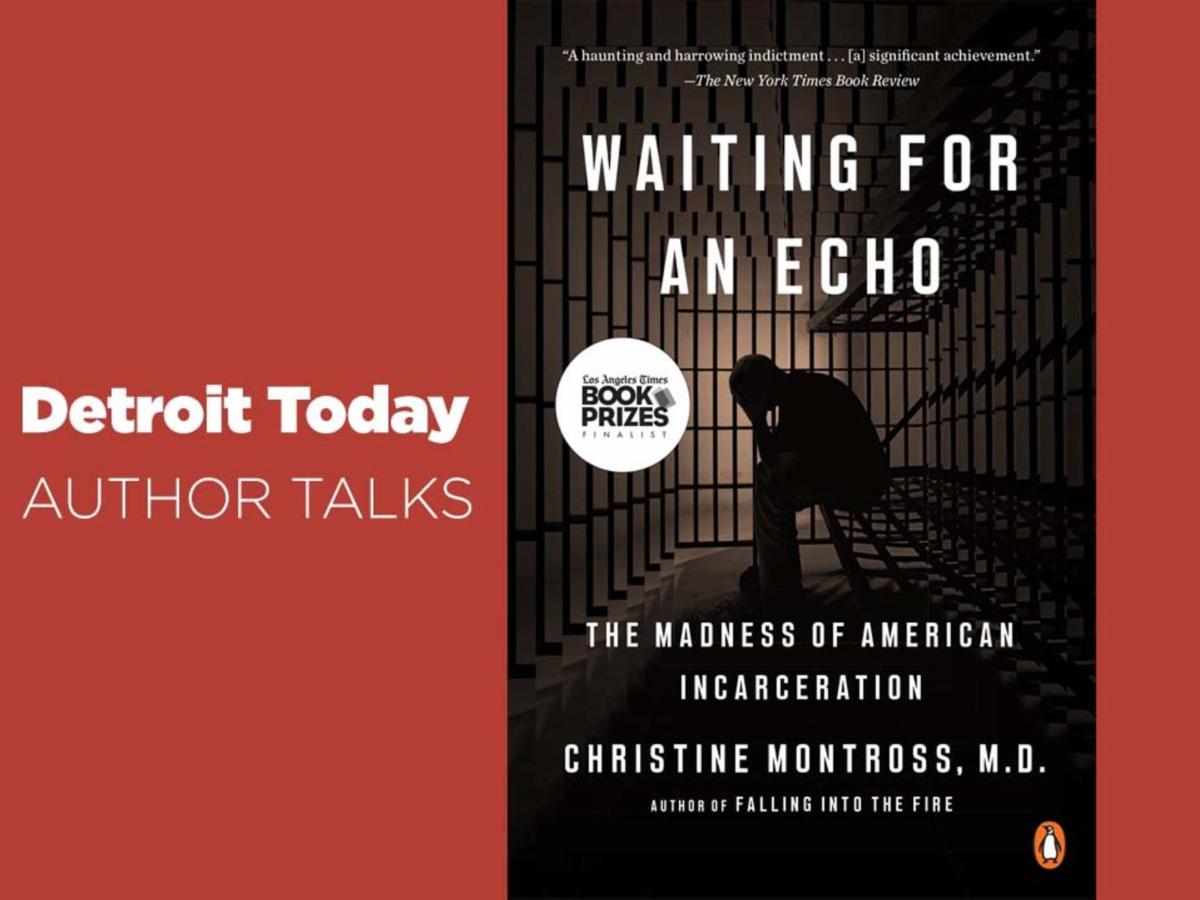
Psychiatry professor Dr. Christine Montross investigates how the organization of prison harms incarcerated people struggling with mental illness. Montross found that the only difference between the mentally ill within the prison and those that she regularly treats was that the former group had contact with the police. She also found that the prison environment exacerbated mental health issues for both those with and without mental health illnesses. Montross arrived at the conclusion that the "jails and prisons [do not] focus on safety and justice, which we say our goals are, but rather on suffering and vengeance. We want people, as a society, to really suffer when they're in prison." Indeed, one former officer in the prison system said that the entire incarceration system is such a violent experience that it felt as though the prison was for everybody involved; it was "just a question of what side of the bars you are on." Montross, however, points to Scandinavia as an example for a path forward in addressing recidivism rates as well as the contact between mentally ill individuals and law enforcement agencies. The proposed model is one where "we stop meeting hard with hard and start meeting hard with soft." For example, emergency support services should respond to mental health concerns rather than punitive forces meeting these individuals with hostility that can often result in the harsh conditions of incarceration.
|
|
|
|
Formerly incarcerated individuals continue to suffer the effects of jails and prison including post-traumatic stress disorder (PTSD) due to the conditions of their sentence. Research published in The International Journal of Law and Psychiatry found “a discrete subtype of PTSD that results from long-term imprisonment.” This type of PTSD involves “symptoms such as distressing dreams, sleep disturbances aligned with the schedules of prison, and emotional numbing." However, PTSD is not solely borne by the formerly incarcerated as the distress from imprisonment has a ripple effect that includes spouses and families. Crystal Bermudez, the spouse of a formerly incarcerated person, expressed that after the family was reunited, she "began experiencing symptoms that she attributed to PTSD: migraines, difficulty focusing, crippling depression that would keep her in bed all day, high blood pressure, and panic when having to enter a big store or walk through a metal detector." Part of this trauma relates to the stigmatization of those connected to incarcerated persons as they feel "fear that employers might fire them for associating with incarcerated persons" or harassment from the prison staff themselves during visits when "sometimes they weren't told that their partner had been transferred to another prison, losing them in the system for weeks or months at a time." Affected families attempt to navigate their challenges by banding together through communities such as "the social network and nonprofit Strong Prison Wives and Families, [where] they share advice - for the duration of the sentence and after homecoming - on how to balance the huge responsibilities of caring for their partner with taking time for themselves."
|
|
|
|
Jacob Silverman contends that law enforcement agencies present advancements in the technology that police use as beneficial for the greater good of communities. Still, Silverman argues, these developments disguise an extension of policing power and intrusive community surveillance. Although law enforcement technology is often thought of as body cameras or tactical gear, some agencies are utilizing crime predictive programs to target expected offenders or events. According to Silverman, the tech developers advertise their product’s purpose as "liberat[ing] policing from corruption, classism, racism, and even the subjectivities of eyewitness testimony." However, Silverman explains that "predictive algorithms and precrime programs have been repeatedly shown to draw from skewed data, perpetuating racial bias and contributing to overpolicing, criminalization, and harassment of people who are totally innocent. Some programs produce 'threat scores' based on proprietary criteria that aren't even shared with the cops using them." Thus, after reviewing multiple specific flaws in the advancement of "dystopian gadgets," Silverman offers the solution of "decreas[ing] contact between civilians and armed agents of the state. That means disarming [the] police and taking a scalpel to their budgets – instead sending other kinds of professionals to respond to many emergencies."
|
|
|
|
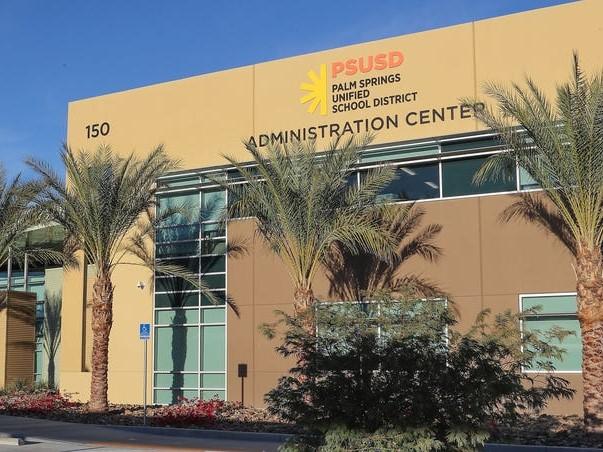
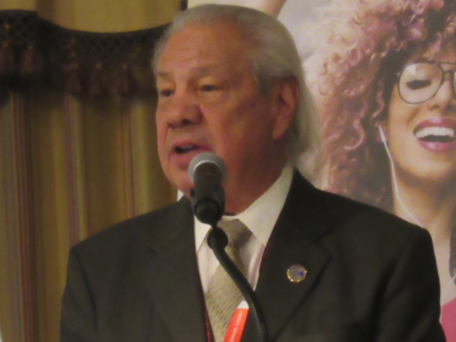
The Palm Springs Unified School District has ended its agreement with its local law enforcement agencies. District official Levaughn Smart explained that the " officer's role and scope of work at the schools" has been inappropriately applied to "school-level violations, not criminal-level violations." In addition, Smart stated the SROs incorrectly prioritized their role as one of "law enforcement" over "…serv[ing] as educators and counselors." The decision to remove SROs received criticism from the local law enforcement agencies and professionals. However, the district conducted a survey of staff, parents, and students prior to the official decision that found that those in favor of SROs were concerned with active shooter scenarios while those against SROs referenced the criminalizing "school to prison pipeline." Although Smart did offer alternatives to quell safety concerns, the ultimate message was to focus on students' education. He told the Board, "that is what we do [educate]. We don't do security. We do not do police work."
|
|
|
|
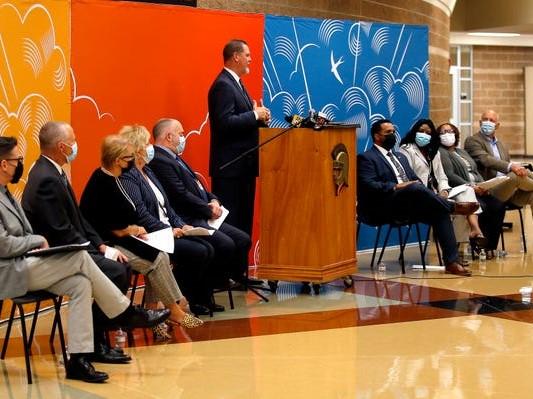
Nuria Martinez-Keel of The Oklahoman summarizes eight changes that will affect the safety and education of studies this fall which span from school schedules to COVID-19 policies to restrictions on education. Amidst concerns for COVID-19 exposure, Superintendent Sean McDaniel assured a continuation of previously instated health and safety measures as well as the incorporation of "ionization system[s] that filter airborne particles and pathogen" with quarantine policies in case of exposure. Public health and vaccination concerns aside, public schools will be navigating the effect of House Bill 1775, which placed "restrictions on lessons about race and gender in classrooms." Although the Oklahoma City District has created a "robust complaint system and investigators on staff to look into alleged issues [concerning compliance through classroom materials or teachings] " the district "decried the bill as a way to discourage conversations about racism and other sensitive topics." As the district attempts to serve the students, families, and school staff, they recognize the uncertainty of the changes posed at the start of the academic year.
|
|
|
|
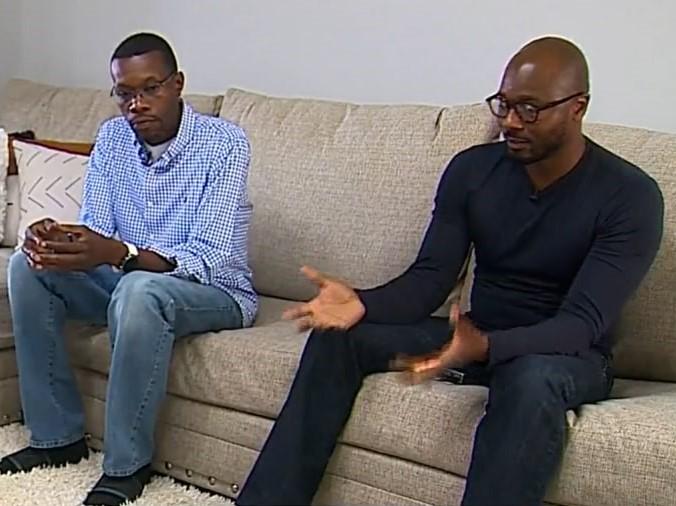
When real estate agent Eric Brown was showing a house to the potential buyer, Roy Thorne and his son, they were perplexed to discover that multiple police officers were shielding themselves behind their SUVs with their guns drawn on the residence. Brown, Thorne, and his son, all Black males, were at first concerned that a possible criminal had sought shelter in the unlocked house but quickly realized that they were the targets. The three men focused solely on exiting the interaction with their lives as officers kept their weapons aimed until all three were handcuffed. Before Brown was placed in a squad car, he finally convinced the officers to retrieve his credentials from his pocket and release the trio from custody. The police department apologized and explained that they had received a call from a neighbor concerned that the house was being burglarized, citing previous burglary incidents and a former squatter. However, Brown argued, "he, his friend, and his friend's son had been racially profiled," even after they had "waved to neighbors outside" upon their arrival. Brown concluded with a familiar sentiment from police interactions as he stated, "I went from being afraid for my life to shellshocked to this is not right to now slightly angry."
|
|
|
|
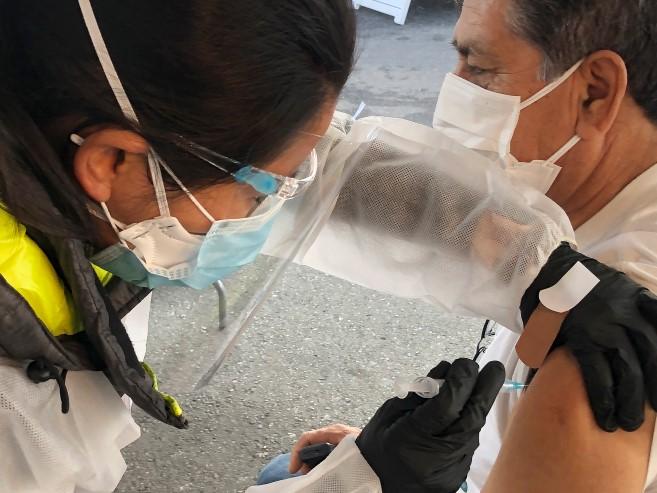
As recent studies point to the infectious realities of incarceration facilities, city and state mandates are attempting to reduce COVID-19 outbreaks by requiring law enforcement officials to receive vaccinations. However, groups such as the San Francisco Deputy Sheriff's Association spoke out against a mandate that "city employees who work in the jails or other high-risk settings are required to be vaccinated by Sept. 15 or risk losing their jobs." Their union said that approximately "160 of 600 sheriff employees are rejecting the vaccine due to religious or other beliefs, and would rather wear masks or test weekly." According to the Associated Press at KTLA 5, "if deputy sheriffs are forced to vaccinate [,] a percentage of them will retire early or seek employment elsewhere." San Francisco's Department of Human Resources responded that "there is undue and unacceptable health and safety risk that is imposed upon the city, our employees and the public we serve, by those who are not vaccinated against COVID-19." In addition, officials directly from the sheriff's department weighed in on the matter with confirmation that they were working towards satisfying the conditions of the vaccine mandate.
|
|
|
|
According to the Brennan Center for Justice, more than 400 voter suppression bills have been introduced in state legislative sessions as of July 14th, 2021. Levi Rickert reports that these voting restrictions are particularly harmful to Native people. The restrictions are often disguised as security measures to prevent unfounded claims of voter fraud, but legal scholars such as John Echohawk argue that many of these bills are "obvious" in their discrimination. Referencing to a voter suppression bill from North Dakota, Echohawk stated, "it was very obvious. They knew most of our reservation residents did not have street addresses so they passed a law that said you cannot vote unless you have an ID with a street address, not a post office box number on it." Traditional street addresses are not the only barrier, as the Native American Voting Rights Coalition produced a report "cit[ing] several factors that discourage political participation in elections." Senator Ben Ray Luján (D – NM) plans to re-introduce the Native American Voting Rights Act of 2019, a bill that has remained untouched since May of 2019, to respond to voter discrimination). Echohawk expressed the act as their "only hope" to undo the legal actions against their democratic rights.
|
|
Announcements & Opportunities |
|
IRISE Post-Doctoral Fellow, Social Movement Support La
The University of Denver Interdisciplinary Research Institute for the Study of (In)Equality is accepting applications for a two-year postdoctoral research fellow. The selected fellow would be joining the Social Movement Support Lab, which "fights systemic racism by partnering with the communities most directly affected by it and providing them with the support they need to create transformative social change."
|
|
|
Justice and Mobility Fund
Formerly incarcerated persons face severe disruptions to economic stability through limitations in education, stable housing, connections to employment opportunities, public benefits, and more. Recognizing this issue, The Ford Foundation, Blue Meridian Partners, and the Charles and Lynn Schusterman Family Philanthropies have committed $250 million to support organizations that boost economic mobility, advance racial equity, and scale the most effective solutions for formerly incarcerated persons.
|
|
|
ABOUT
The Consortium Newsletter will offer a roundup of a few selected articles that reflect today’s news, organizing, and thinking related to the carceral state. We understand that freedom work is built on education and engagement. Education requires an understanding of contemporary issues informed by their historical context. We hope that these curated articles will help you analyze the issues that we face and understand the community that we strive to construct.
Join the conversation!
We encourage feedback, suggestions, and article suggestions. Please reach out to carceralstudies@ou.edu with any ideas, thoughts, or recommendations.
If anyone you know is interested in receiving this newsletter and other information from the Carceral Studies Consortium, please forward them this email and they may click this link to subscribe.
|
|
Land Acknowledgment
The University of Oklahoma is on the traditional lands of the Caddo Nation and the Wichita & Affiliated Tribes. This land was also once part of the Muscogee Creek and Seminole nations. It also served as a hunting ground, trade exchange point, and migration route for the Apache, Cheyenne, Comanche, Kiowa, and Osage nations. Today, 39 federally-recognized Tribal nations dwell in what is now the State of Oklahoma as a result of settler colonial policies designed to confine and forcefully assimilate Indigenous peoples.
|
|
The University of Oklahoma is an equal opportunity institution. ou.edu/eoo |
|
|
|
|
|
|