If this message is clipped, click "View Entire Message" at the bottom of this email. | | |
Disability Network Eastern Michigan (DNEM) has a new event calendar!
Check out and register for upcoming programs, events, and volunteer opportunities. You will need to create an account before you can register for your first activity. Making an account is free and easy. We are happy to help you set it up if you need it.
| | |
Feeling stuck and ready for a change in a Just-Gettin-By World?
Discover practical strategies and tools to create a path toward the future you want. Getting Ahead is not a budgeting class; it is a life-changing program!
Who Can Participate? (6-12 participants)
- Adults (18+) living in Huron, Tuscola, Sanilac, or Lapeer counties
- Income at or below the poverty line or within the ALICE population
- Able to attend a weekly 2-hour in-person session in Lapeer County
Dates:
- December 2026: 3, 10, 17
- January 2027: 14, 21, 28
- February 2027: 4, 11, 18, 25
- March 2027: 4, 11, 18, 25
- April 2027: 1, 8; April 15: Graduation Celebration
Time: 1:30 pm - 3:30 pm
Location: 800 West St., Suite A, Lapeer, MI 48446
| | |
Join us for a fun, adaptive bowling experience for individuals of all abilities. No prior bowling experience is required. All equipment is provided.
The cost is $12 per bowler, payable to the bowling alley on the day of the event. This cost includes 2 bowling games and shoe rental.
| |
November 6 & December 4, 2026
12:00 - 2:00 pm
Imperial Lanes, Clinton Township
| |
Questions about Adaptive Bowling?
Contact the RecConnect Team
REC-IT@DNEMichigan.org
586-268-4160
| Virtual Games & Social Hour | Join us online to connect, play games, and have fun. Everyone is welcome. | |
November 10 & December 8, 2026
(Second Tuesday of the month)
6:00 - 7:00 pm on Zoom
|
Questions about Virtual Games & Social Hour?
Contact the RecConnect Team
REC-IT@DNEMichigan.org
586-268-4160
| | |
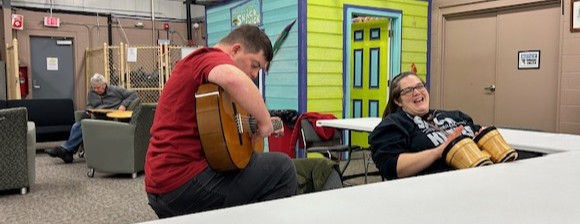
Join us for a fun and welcoming drumming program for adults with intellectual disabilities and other cognitive impairments.
Enjoy hand drumming and musical activities in a supportive, social setting. No musical experience is needed. Connect with others, create rhythms, and experience the joy of making music together.
The group meets on the third Tuesday of the month through December.
November 17 & December 15, 2026
5:00 - 6:00 pm | DNEM Troy Office
| |
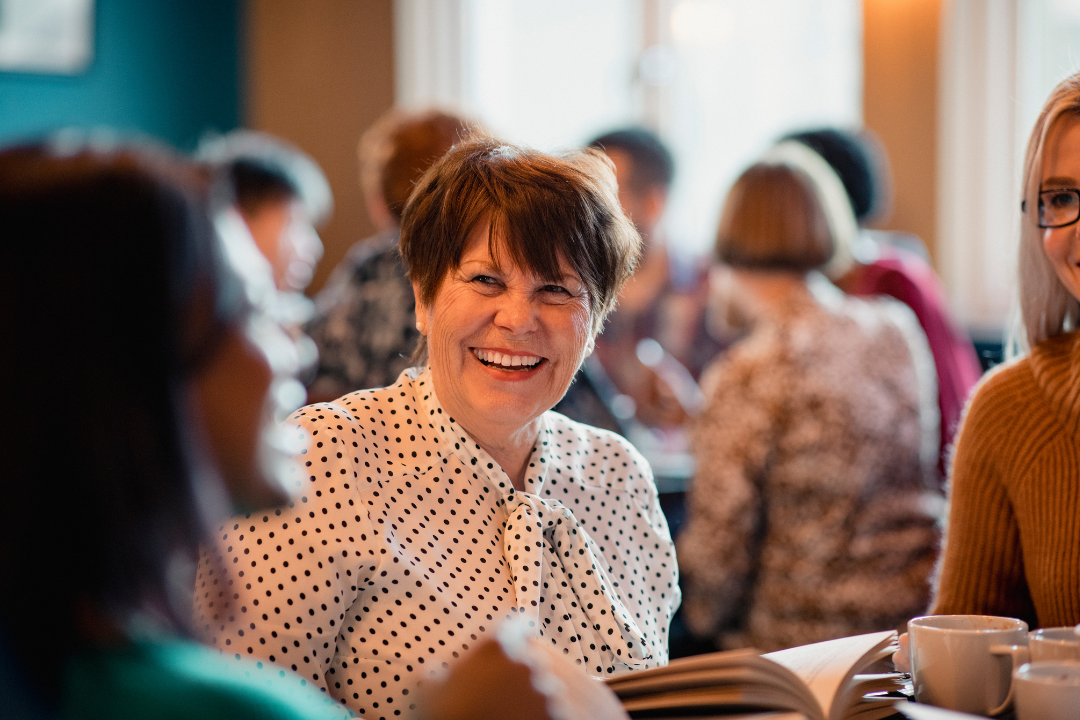
Disability-Themed Book Club | |
Love reading and connecting with others? Join our new disability-themed book club at the Sandusky Public Library. Join for one or two months!
-
November 6 & 20, 2026: "Wonder" by R.J. Palacio
-
December 4 & 18, 2026: Group Choice — you help pick our next read!
|
Questions about Disability-Themed Book Club?
Contact the RecConnect Team
REC-IT@DNEMichigan.org
810-987-9337
| | Veterans Adaptive Sports Program | | |
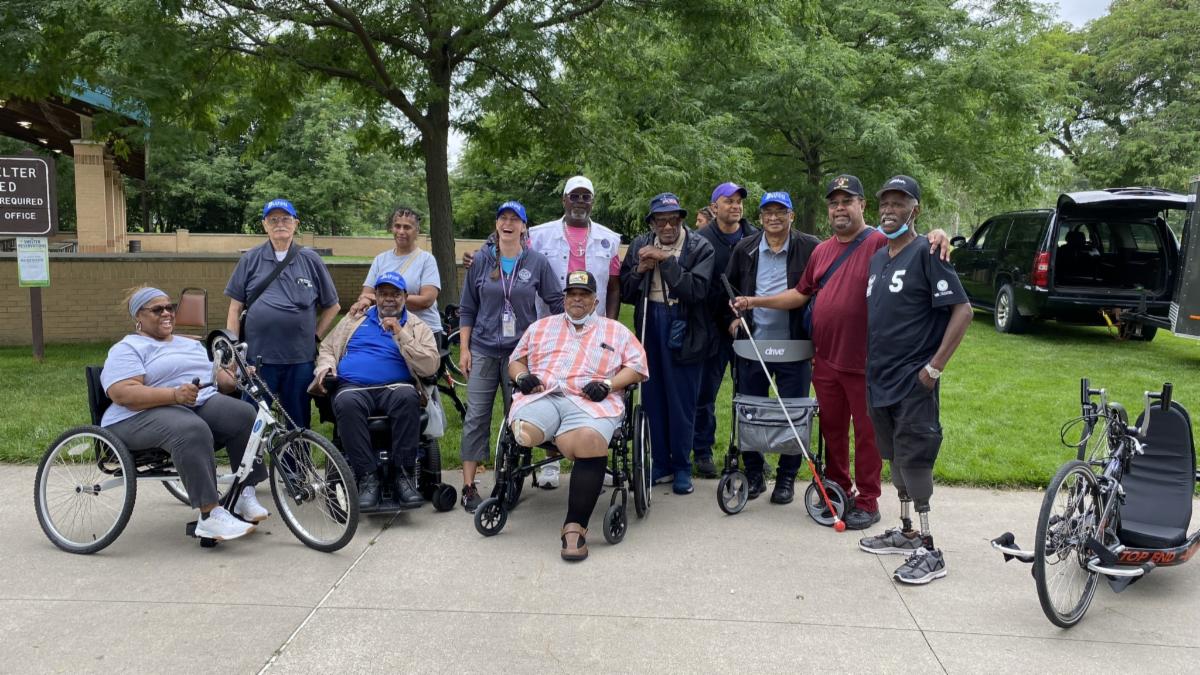
DNEM is excited to now offer a variety of free adaptive sports and recreation opportunities for veterans and active-duty service members!
Activities include archery, fishing, golf, cycling, and kayaking. They are opportunities to stay active, develop new skills, try adaptive equipment, and connect with others.
Indoor programs: November 2026 - April 2027
Outdoor programs: May 2027 - September 2027
Check out our next newsletter for more information.
|
Questions or Veterans Adaptive Sports Program requests?
Contact the RecConnect Team
REC-IT@DNEMichigan.org
586-268-4160
| | Is the AI You Just Built Accessible? | | |
Do you use AI tools a lot? Most of us do now. You can get much more accessibility help from them than most people get. Most teams ask AI to “write some HTML” or “describe this image.” Then they take whatever comes back. That leaves real value on the table. The trick is to be clear about what you want. (The request you type to an AI tool is called a prompt.) Here are a few prompts and patterns that work.
First, two quick terms:
- A screen reader is software that reads what is on a screen out loud, for people who are blind or have low vision.
- Alt text is a short written description of an image. A screen reader can read it out loud.
Getting accessible code
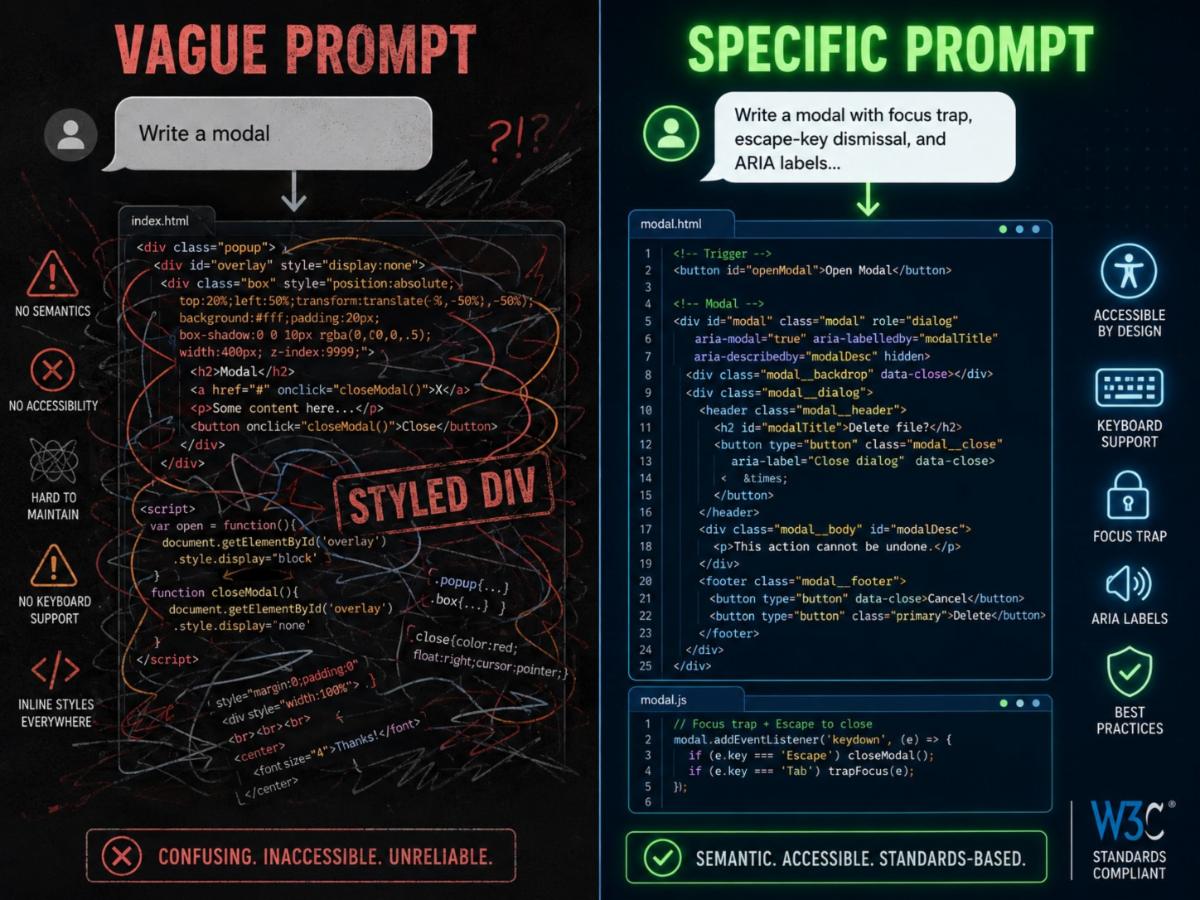
- Don’t ask: “Write a modal.” (A modal is a popup box that opens on top of a page.)
- Do ask: “Write a modal dialog. Keep the keyboard focus inside it while it is open. Let the Escape key close it. Add ARIA labels. Send focus back to the button that opened it when it closes.” (ARIA is code that tells screen readers about parts of a page.)
The first prompt gets you a plain box. The second gets you something a screen reader can use. You do not need to memorize the rules. Naming what you want is usually enough.
A few other useful asks:
- “Use semantic HTML. Real headings, buttons, and lists, not plain boxes dressed up to look like them.” (Semantic HTML means using the right code tag for each part of a page.)
- “Make this work with a keyboard. Show me the tab order.”
- "Add ARIA only where it is really needed. Use plain HTML first.”
Getting better alt text
- Don’t ask: “Write alt text for this image.”
- Do ask: “Write alt text for this image. Here is the context: it sits in a section about how sales grew this quarter. The alt text should say what the image tells the reader. Not just what it shows.”
Alt text is about purpose, not just looks. AI does not know your purpose unless you tell it. For images that are just decoration, you can ask: “Is this image just decoration, or does it carry real information? If it is decoration, suggest empty alt text. If it carries information, write alt text based on its purpose.”
Plain-language rewrites
- Don’t ask: “Make this simpler.”
- Do ask: “Rewrite this at a sixth-grade reading level. Use short sentences. Spell out any acronyms the first time you use them. Keep the meaning. Cut anything that does not help the reader.”
You can push further: “Now read your rewrite. Did any jargon slip through? Cut it.” (Jargon means special words that only experts use.)
Checking work you already have
AI can catch problems you missed. Try:
- “Check this HTML for accessibility problems. List them worst first.”
- “Read this page the way a screen reader would. What is confusing, missing, or out of order?”
- “Here is a list of alt text from our site. Flag any that tell the reader nothing useful.”
These work better than asking “Is this accessible?” That question tends to get a vague yes.
One pattern that works for almost anything
When you want a more careful answer, ask the AI to explain its thinking. Try: “Write accessible HTML. Then tell me which tags you chose and why.”
It is a small trick. But it makes the AI think through the structure. Without it, the AI often just copies the most common example, which is often not accessible.
You can also ask it to grade its own work: “Now look back at what you wrote. What could be more accessible?” You will be surprised how often it catches things the second time.
Here is the thread through all of this. AI will do as much accessibility work as you ask it to. Most people do not ask. If you do, the boring parts get a head start. That leaves you more brain space for the parts only you can do.
| Read other articles in our AI & Accessibility series: | Have Questions about AI and Digital Accessibility? | | |
Contact Amy Maes, Access and Advocacy Services Director
| | Oakland University Wheelchair User Survey | | |
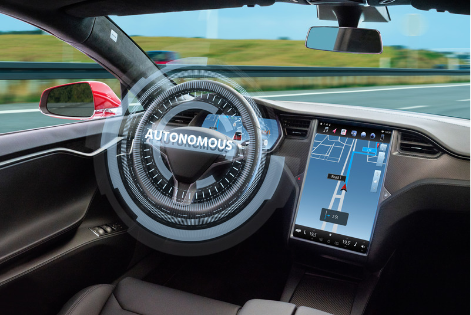
A group of senior mechanical engineering students at Oakland University is working to make a self-driving vehicle prototype more accessible for people who use wheelchairs.
The students are looking for feedback from wheelchair users about the challenges they may face when getting into, getting out of, and using a vehicle. Personal experiences can help the students identify barriers and ways to improve the vehicle's design.
Your input matters! Click the button below to take the survey. Also, feel free to share the survey with others who may be interested in providing their input.
| | Holiday Fun Fundraiser for DNEM | | |
Onyx-Suburban Skating Academy & Suburban Ice Macomb present:
2026 Holiday Spectacular
Saturday, December 12, 2026
1:00 pm
Looking for a holiday tradition that gives back?
Proceeds from this year's show will support Disability Network Eastern Michigan. Thank you, Onyx-Suburban Skating Academy & Suburban Ice Macomb, for choosing DNEM as this year’s beneficiary.
Come cheer on some incredible skaters while supporting independence for people with disabilities.
Tickets are $10 each. They may be purchased at Suburban Ice Macomb December 1-12, 2026. See you at the rink!
| | Disability Network Eastern Michigan has a team of Community Information Specialists ready to assist you in finding resources. We can support inquiries about advocacy, accessibility, housing resources, transportation, high school transition, community transition services, veteran services, and more. Call us! | | |
Oakland and Macomb County:
586-268-4160
| | |
Thumb Region:
810-987-9337
| | Hours: Monday - Friday: 8:00 am - 4:00 pm | |
Accommodations: Please contact DNEM with accommodation requests.
| |
Do you need support now?
Or are you worried about a loved one who may need crisis support?
| | Your Consumer Experience Defines Our Success | | It is our pleasure to serve the community as we believe people with disabilities should have the same options, and control over choices in their own lives as do people without disabilities. We hope you will share your experience with us, allowing us to connect with others who will benefit from our services. Please take a moment to provide a Google review. | | Disability Network Eastern Michigan is committed to promoting independent living by breaking down barriers and opening paths towards personal choice through resources, advocacy, information, support, and education. | | Follow our social media pages to remain up-to-date with everything happening at DNEM. | | | | |