Dear colleagues,


I hope the break brought you joy, rest, and renewal, and that you found yourselves nestled in connection with supportive people—whether family, friends, or chosen community.


After the hustle and bustle that the holidays bring for many of us, I've been thinking about silence. Admittedly, the introvert in me craves silence after many joyous days of socializing… but I’m not talking about the comfortable kind that comes after sinking into our favourite cozy spot after a long day, or the peaceful hush of naptime. I’m talking about the kind of silence that happens when we're asked, "How are you?" and we say "Fine" even though we're not.


January has a way of amplifying that silence. The ‘new-year-new-you’ rhetoric is everywhere, but the darkness, cold, and post-holiday slump makes this a relatable and important time for conversations about mental health. Blue Monday and Let’s Talk Day are, after all, right around the corner.


I have a personal relationship with anxiety and depression, and my first memories of these big feelings are from a time before I started Kindergarten. I’ve spent decades learning about what I need to stay well and leaning on various supports when necessary (three cheers for therapy!), but I often go back to Little Vanessa’s early days and think fondly of the caregivers who were able and available to hold space for my feelings, worries, and wonders.


Mental health isn't just about tough times or diagnoses, though. We all have mental health. Every single one of us, at every age, all the time. Just like we all have physical health that exists on a continuum (some days we feel strong and energized, other days we're fighting off a cold), our mental health shifts and changes too. It's about how we're doing: our capacity to regulate emotions, our sense of safety and connection, our ability to show up in relationships.


Those caregivers who held space for Little Vanessa weren't "fixing" me or solving a problem. They were supporting my mental health by creating conditions where I could feel safe, seen, and connected even when things felt big and overwhelming. That's what we do every day in early childhood settings - we're actively supporting the development of children's mental health through every interaction, every moment of co-regulation, every time we help a child make sense of their feelings.


So, when I think about all of you working with our youngest learners, supporting the development of their mental health every single day, I am reminded that mental health is relational. Especially for young children, we can't separate their mental health from ours. They're woven together in every interaction. Dr. Jean Clinton reminds us that relationships are the active ingredient in child development.


But relationships require two nervous systems, and both of them matter.


So how do we tend to both nervous systems? How do we support children's mental health when ours is stretched thin by short days, long winters, and the weight of this work?


Sometimes it starts small: noticing your own signs of dysregulation (mine are holding my breath and clenching my jaw). Finding your people - the folks who get it - and actually reaching out. Naming what's hard, not just to vent, but to problem-solve together.


And sometimes it's about noticing our professional friends who might need an extra hand right now, if you’ve got the bandwidth to offer it. The colleague who's quieter than usual. The one juggling a lot at home. Small gestures matter: checking in with genuine curiosity, offering to cover a break, picking up an extra double-double on the way to work to signal "I see you." We can't fix everything for each other, but we can show up.

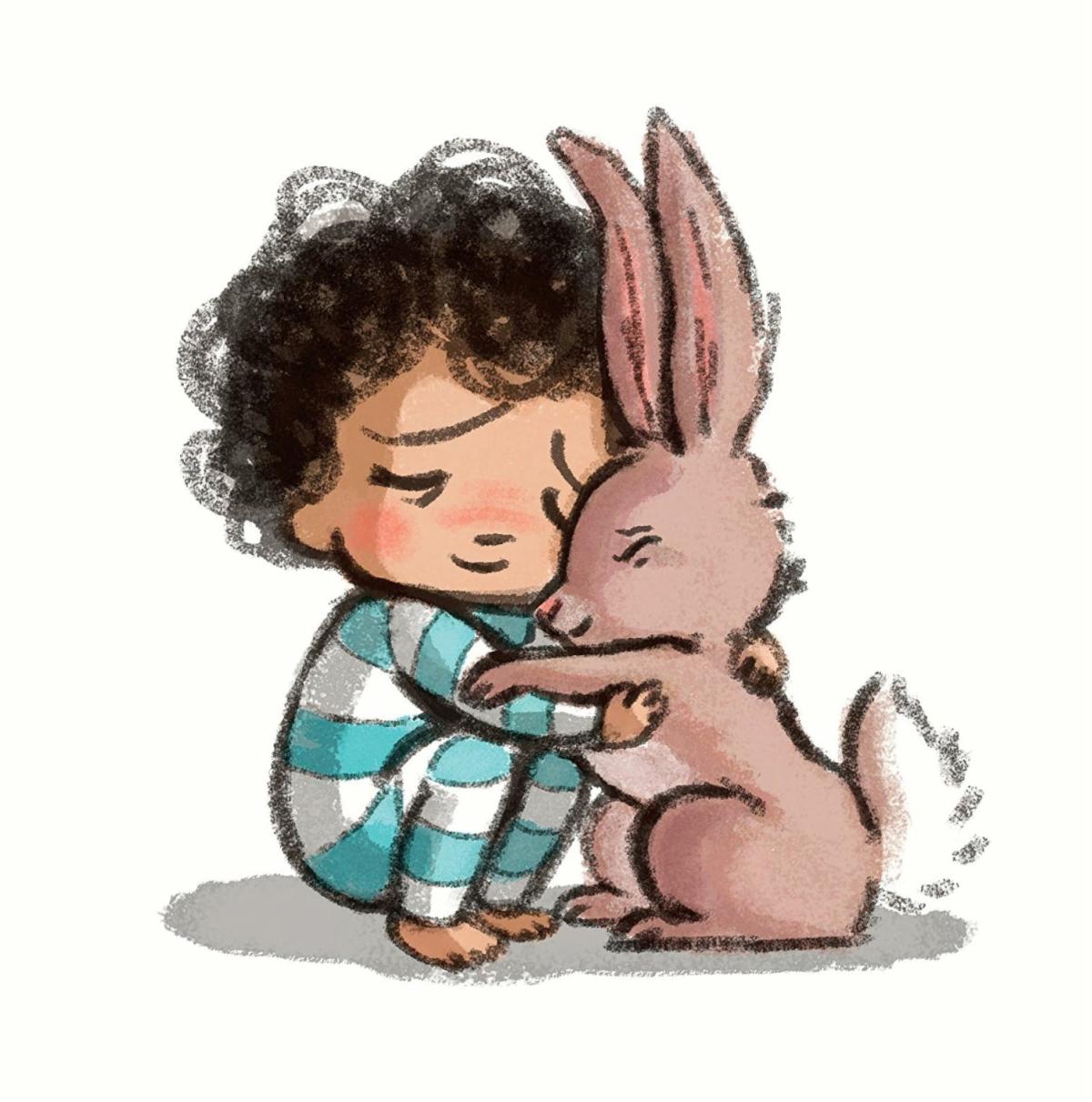
In The Rabbit Listened, what Taylor needs most isn't advice. It's someone who will sit close and stay. Someone who listens without trying to fix. This month, may we all find our rabbits. And may we be that for each other too.


This month's resources include strategies for co-regulation, supporting children through big feelings, and tending to your own mental health. Because both nervous systems matter.

With care,

Vanessa


🔎 Want to shape what shows up in your inbox?


I'd love to hear from you - and I'll enter you in a draw for a $50 resource of your choice for your program (books, loose parts, art supplies, whatever your space needs).

Just reply to this email with ONE of these:

  • One thing from this newsletter that resonated with you
  • One topic you'd love to see covered in future newsletters
  • One practice or moment from your program you'd be willing to share (even just a sentence!)

Draw date: February 1st.


Submit your thoughts here: vanessa.fraser@muskoka.on.ca


🚙Spotlight on Practice

The Drive Home Debrief 


Here's something I've found helpful over the years: on my drive home, instead of spiraling about the 25 things I didn't get to (and will be waiting for me tomorrow), I reflect on five things I did do today to build connection or create safety for a child.


Sometimes they're big: "I sat with Marcus through his big-feelings-meltdown, and he eventually crawled into my lap."


Often, they're small: "I noticed Aisha needed an extra minute at drop-off." "I slowed down transitions after lunch." "We danced together and it totally shifted the vibe of our classroom for the afternoon."


I’m not one for toxic positivity or pretending the hard stuff isn't real. I’ve found this practice has worked to train my brain to more easily notice the relational work that often goes uncounted - the work that arguably matters the most.


Your turn: What are five things you did today (or this week) to build connection or create safety? They don't have to be impressive – every little thing you do makes a difference.

⭐Try this...

Narrate your own regulation. When you notice yourself getting dysregulated, name it out loud (to yourself or to the children): "I'm feeling overwhelmed right now. I'm going to take some deep breaths." This models that adults have feelings too and shows children what regulation looks like in real time.


Create a "reset space" for yourself. Just like children benefit from cozy corners, what would help you? A chair by the window? A spot in the staff room with your favourite mug? A photo that grounds you? You deserve a place to catch your breath too.


Bring your own regulation practice into the classroom. What helps you reset outside of work? Yoga stretches? Dancing? Drawing? Breathing exercises? Weave it into your daily routine with the children. Not as a special activity, but as part of the rhythm of your day. Kids love these practices, and you get to model (and benefit from!) the very things that help you stay regulated.


Try a "connection before correction" pause. Before redirecting a behaviour, make soft eye contact and take a deep breath. Sometimes those mirror neurons and that split second of connection changes everything - for both of you.


Ask one family: "What helps your child feel calm?" You might learn about a song, a phrase, a gesture, or a routine from home that you can bring into your practice. It might deepen your relationship with the family and gives the child another tool for regulation.

📖Story Time

Stories That Build Emotional Foundations

Mental health isn't just an adult topic - children are navigating big emotions, building their sense of safety, and learning about connection every single day.


These books help children understand that all feelings are okay, that asking for help is brave, and that everyone needs support sometimes. They model co-regulation, normalize struggle, and celebrate the power of just being present with someone who's hurting.

🎧Tune in and Learn on the GO!

Prefer listening over reading? Here are a few podcast episodes that explore anti-bias education in early childhood:


Leading Inspired Learning: Rethinking Relationships (26 mins) In this episode, Raluca and Atticus Faulkner, RECE, explore supporting children's mental health needs in early years programs. Atticus discusses the relationship building that supports children with emotion recognition and regulation.

Apple Podcasts | Spotify | Pocket Casts


Leading Inspired Learning: Mental Health (We All Have It!) with Charity Paolini (49 mins) In this episode, Ally hosts Charity Paolini to discuss mental health and well-being. They dive into how we all have mental health (even children), how educators can support their own mental health, how we can begin having conversations with children about mental health, and ways to shift your words and actions to support children’s well-being.

Apple Podcasts | Spotify | Pocket Casts


The Everything ECE Podcast: Infant and Early Mental Health with Sophie Rayner-Grignon of The ECC (32 mins) The discussion sheds light on the unique needs of infants. Sophie Rayner-Grignon shares valuable insights on how early childhood educators (ECEs) can better support the youngest learners and foster environments conducive to their mental health and overall development.

Apple Podcasts | Spotify | Pocket Casts


The Inclusion Podcast: Non-Verbal Ways to Support Behaviour in the Classroom (19 mins) While this podcast is geared toward K-12 educators, the principles of nonverbal communication and co-regulation apply beautifully to early childhood settings. Listen for insights on how your body language speaks louder than words. Packed with strategies you can try right away.

Apple Podcasts | Spotify | Pocket Casts 

🔗Learn MORE!

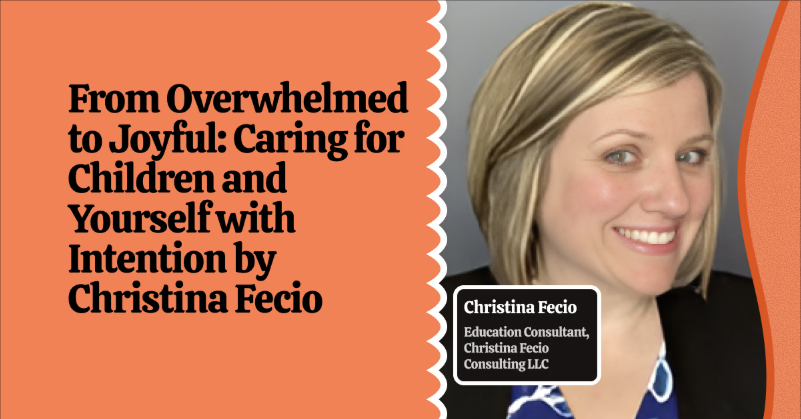
Small Things, Great Love with Christina Fecio (Early Childhood Investigations)

Jan 8, 2026 @ 2-3:30PM (Live and Recorded) 


Your heart can feel stretched thin in this work. This session is an invitation to pause and reconnect with why you do what you do. Join author and educational consultant Christina Fecio as she explores simple, heartfelt practices that transform everyday moments into something meaningful. You don't need more time or a longer to-do list, just a gentle reminder to reclaim simplicity and joy.


You'll learn how small, intentional actions support children's sense of safety and belonging, while also protecting your own wellbeing. This isn't about doing more; it's about doing what matters, with great love. Come as you are, and leave with fresh energy, practical ideas, and a renewed sense of purpose.  Register here!

➕Additional Resources

🌐 ZERO TO THREE: Infant and Early Childhood Mental Health

ZERO TO THREE is a leading national organization dedicated to supporting the healthy development of babies and toddlers from birth to three. Their work spans child care, early learning, trauma, child welfare, and physical health, but their infant and early childhood mental health section is particularly rich with resources for educators. Explore research-based articles, professional development opportunities, and practical tools for understanding and supporting the social-emotional development of our youngest learners.


🌐 Sesame Workshop: Emotional Well-Being Resources

Sesame Workshop (the nonprofit behind Sesame Street) offers an extensive collection of family-friendly resources spanning early learning, health, and social-emotional development. Their emotional well-being section provides videos, printables, articles, and activities designed to help children build foundations for mental health through play, connection, and self-compassion. These evidence-based, engaging resources make complex topics accessible for both children and the adults who care for them.


🌐 Kids Help Phone: Mental Health Support for Young People

Kids Help Phone is Canada's leading e-mental health service for children, teens, and young adults. While their support services target children and youth ages 5-25 (offering 24/7 phone, text, and chat counselling), their resource library includes valuable information for caring adults supporting young people's mental health. Browse articles, tools, and strategies on topics ranging from anxiety and grief to supporting Indigenous youth and navigating difficult conversations. A Canadian resource with a wealth of accessible, practical guidance.

Email us at: vanessa.fraser@muskoka.on.ca or childrensprograms@muskoka.on.ca

FREE Upcoming Professional Development

Opportunities from our wider community to connect, learn, and be inspired. Most webinars can be watched ‘on demand’ at any time after the live webinar, as long as you’re registered!

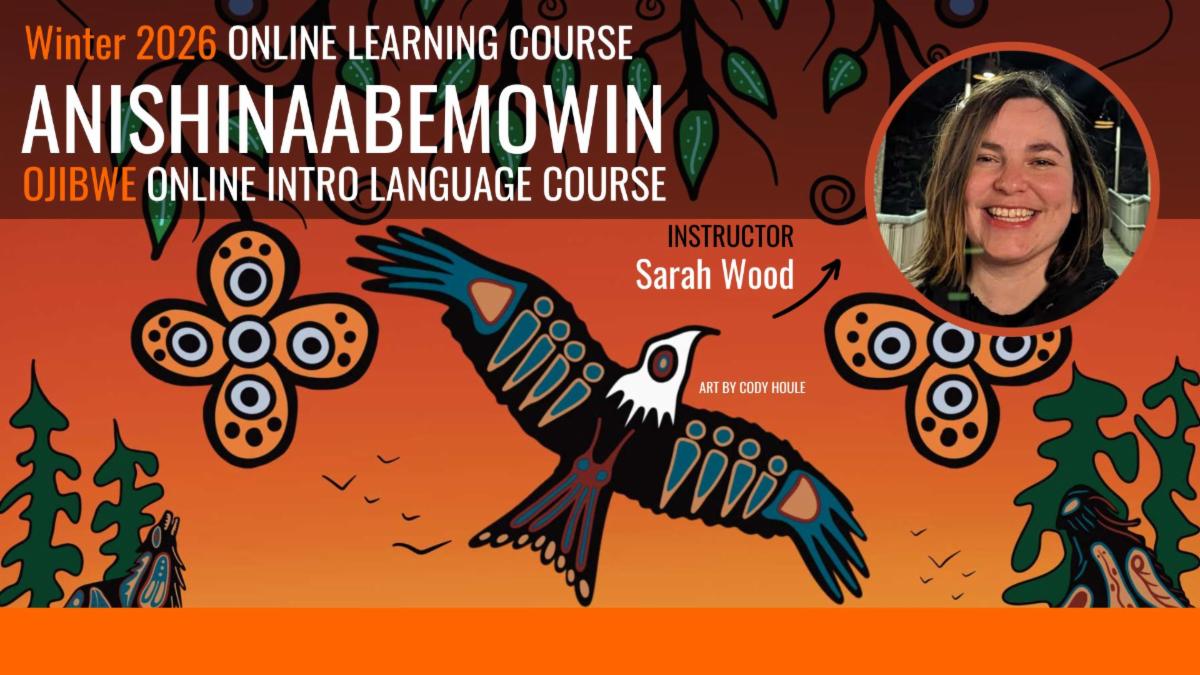
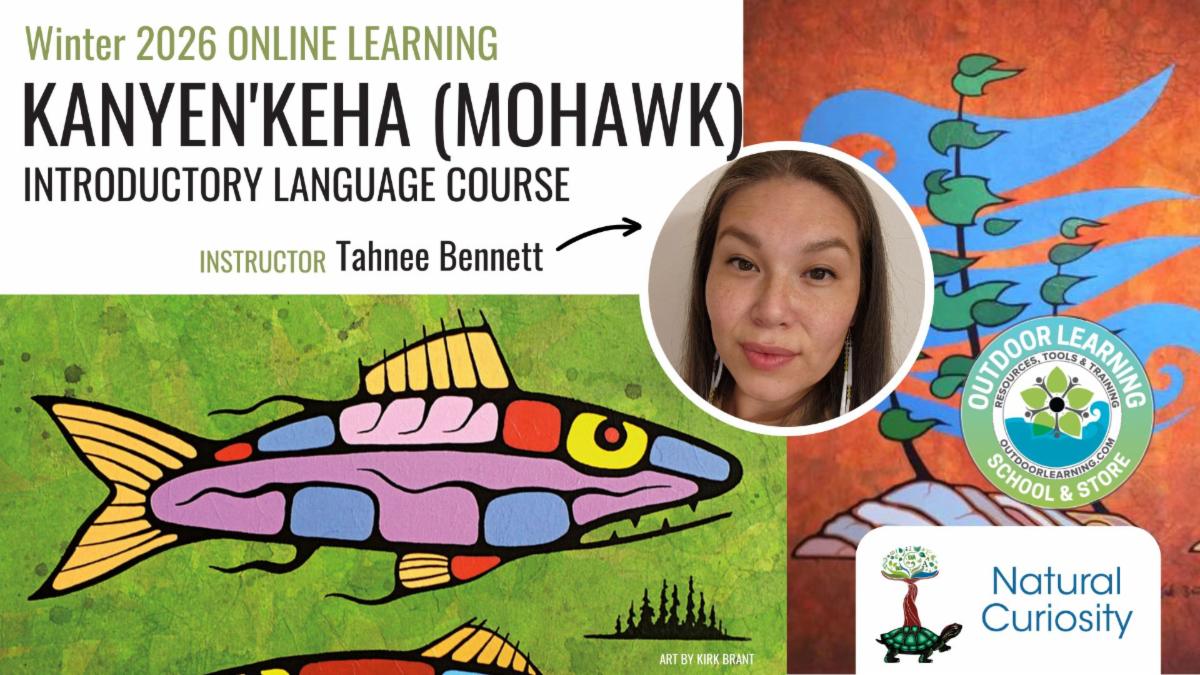
Indigenous Language Courses

Support language revitalization!

📘A Closing Thought


We can't do this work alone, and we were never meant to. Mental health - yours, the children's, your colleagues' - thrives in connection, not isolation.


This month, maybe the most radical thing we can do is break the silence. Check in on a colleague. Accept help when it's offered. Name what's hard. Be someone's rabbit.


The children will benefit from our care for each other as much as from our care for them. 💞 


Stay Connected

Let's keep in touch!!

What resonated with you this month?

What questions are you sitting with?

We'd love to hear from you.


➕Did someone forward this newsletter to you, but you want to be added to our distribution list? Want to make sure you hear about workshops? Sign up here - Newsletter and Workshops.


🔎Looking for past newsletters? Dig into our archive.

The Archive

📬Email us!

childrensprograms@muskoka.on.ca or vanessa.fraser@muskoka.on.ca

 
How did you like this months Newsletter?
1-star        2-stars        3-stars        4-stars        5-stars

Please note that the information contained in this newsletter is intended to encourage conversation and self-reflection and is not to be considered as advice.