The agency threw out previous recommended limits on doses but encouraged “nonopioid therapies” wherever possible
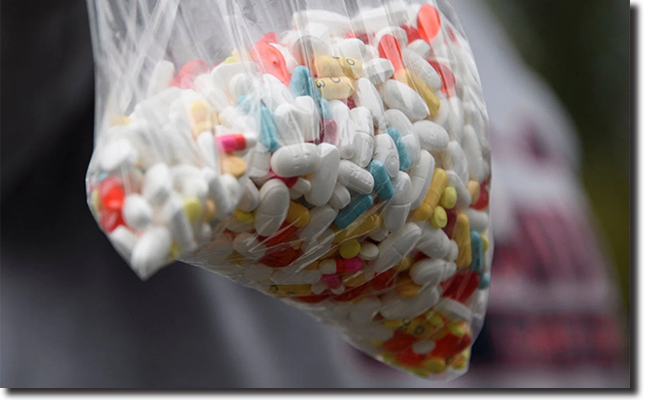
The federal government on Thursday proposed new guidelines for prescribing opioid painkillers that remove its previous recommended ceilings on doses for chronic pain patients and instead encourage doctors to use their best judgment.
But the overall thrust of the recommendations was that doctors should first turn to “nonopioid therapies” for both chronic and acute pain, including prescription medications like gabapentin and over-the-counter ones like ibuprofen, as well as physical therapy, massage and acupuncture.
Though still in draft form, the 12 recommendations, issued by the Centers for Disease Control and Prevention, are the first comprehensive revisions of the agency’s opioid prescribing guidelines since 2016. They walk a fine line between embracing the need for doctors to prescribe opioids to alleviate some cases of severe pain while guarding against exposing patients to the well-documented perils of opioids.
|
|
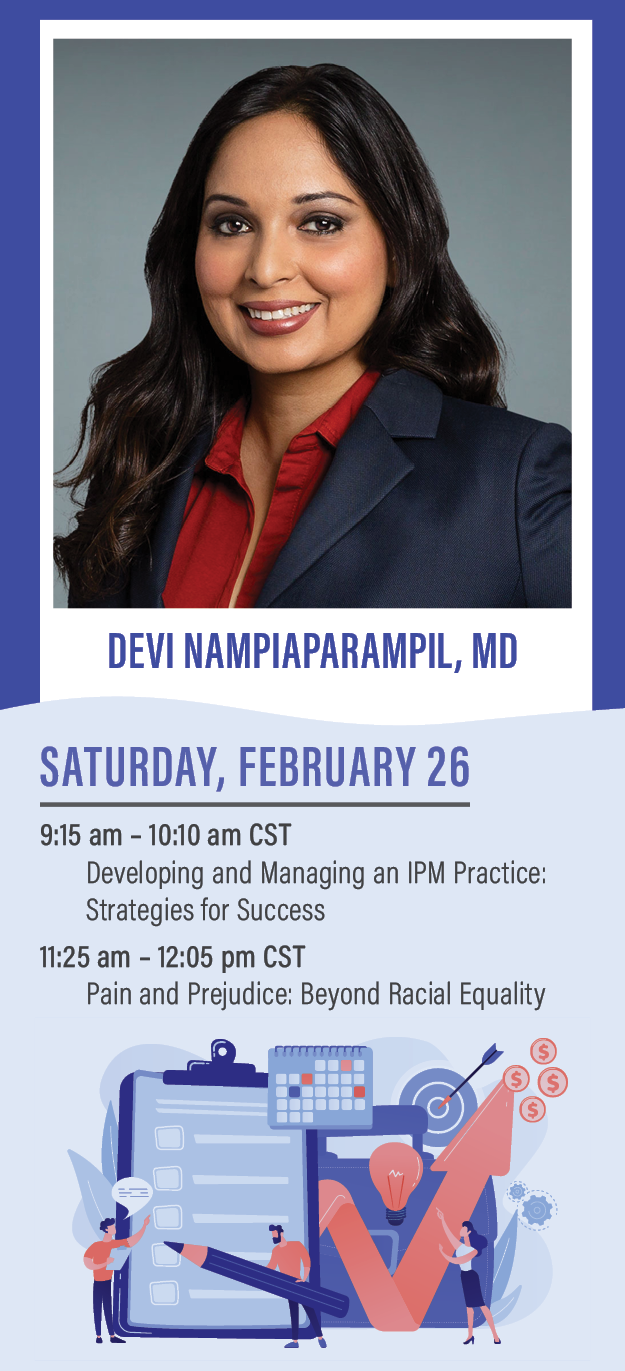
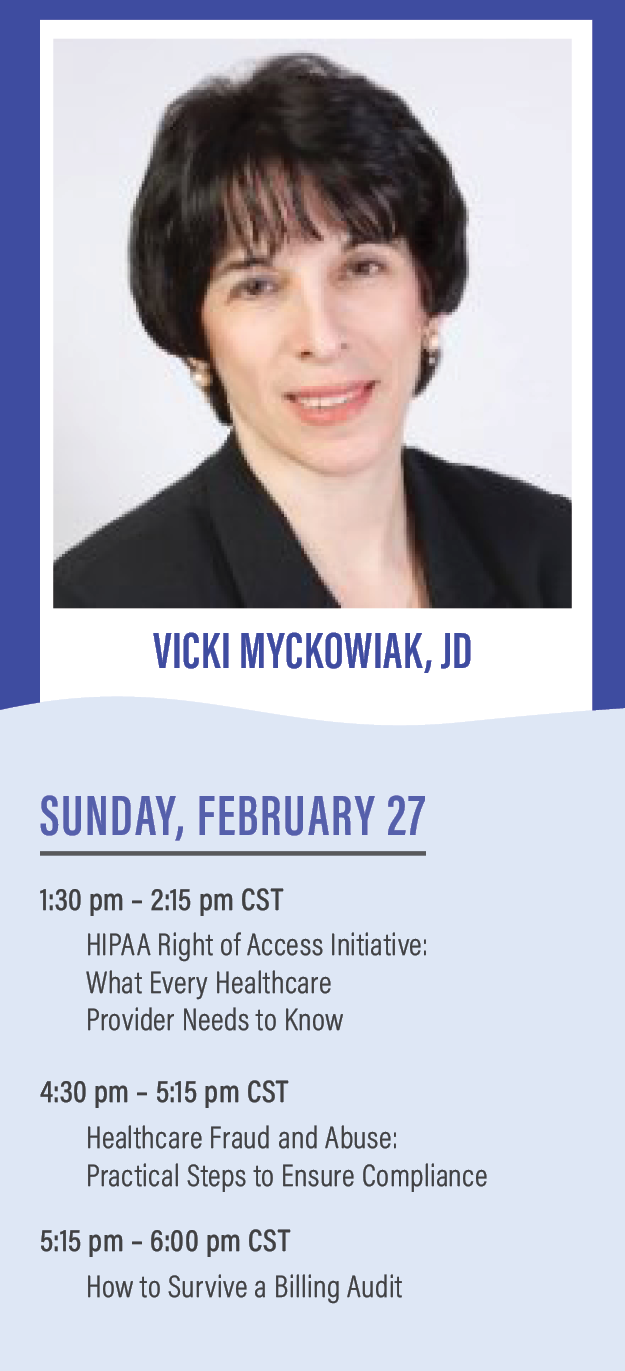
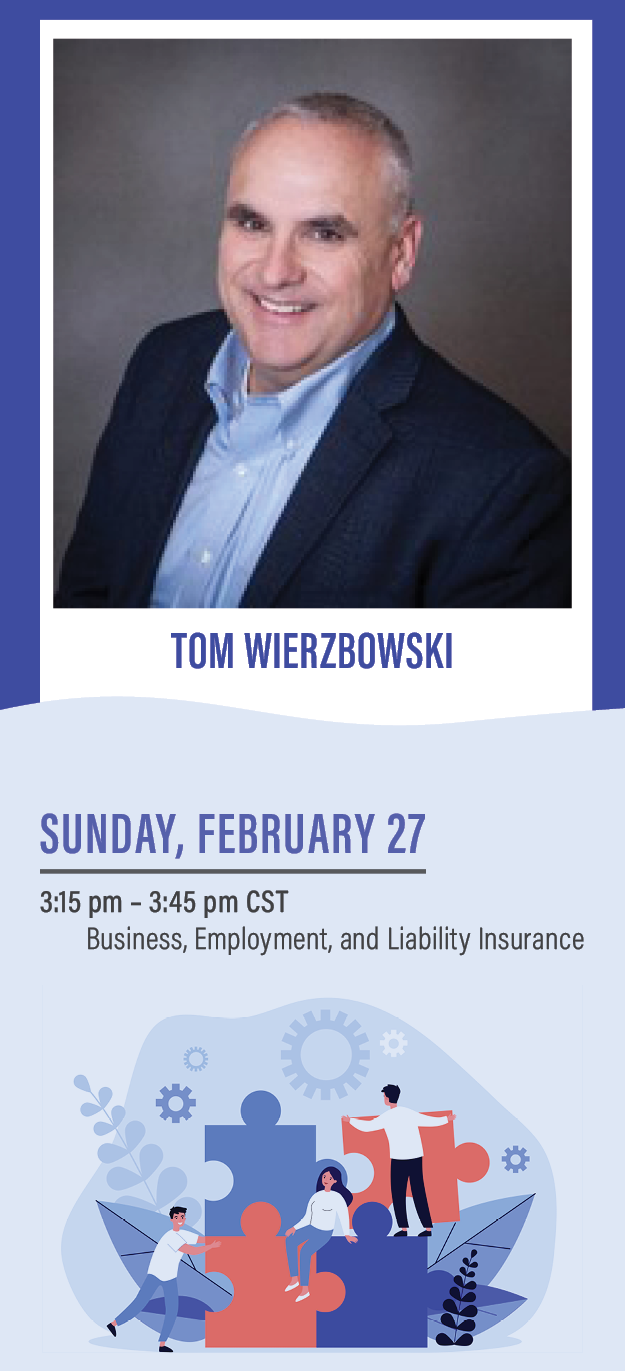
FEATURED SPEAKERS INCLUDE: |
|
Call for Abstracts & Poster Presentations
Less than 2 weeks left to submit your proposals!
|
|
Proposals accepted through
March 1st
|
A $50 submission fee is required upon completion of the form. |
Questions can be directed to
Savannah Gold
at 270.554.9412 ext 4219 or
|
|
- Top 3 will present during the general session on the final day.
- Top 10 will present during the abstract breakout session.
-
Rapid review and publication in the Pain Physician journal will be extended to the Top 10 authors accepted for meeting presentations.
|
|
The National Government Services (NGS), along with other Medicare Administrative Contractors (MACs), is hosting a Multijurisdictional Contractor Advisory Committee meeting regarding sacroiliac joint injections and procedures.
This meeting will be hosted by teleconference/webinar on Thursday, March 10, 2022, from 1:00 to 4:00 pm CST, (2:00 to 5:00 pm EST), (12:00 to 3:00 pm MST), or (11:00 am to 2:00 pm PST). Click here to register for the CAC meeting. You don’t have to be on the CAC to attend. However, if you are a CAC member, you may have received additional information.
To prepare for this important meeting, ASIPP is holding an informational webinar on Tuesday, February 22, at 5:30 pm CST. A presentation will be made on various issues including: procedures to be covered, evidence available, ability to respond to the questions considered. Please register and attend this important webinar.
This is the only opportunity prior to the multijurisdictional Contractor Advisory Committee meeting for you to listen to all the evidence and ask questions. You may register for the ASIPP Webinar using the following link.
After registering, you will receive a confirmation email containing information about joining the webinar.
We hope that you will attend. In the meantime, let us know if you have any questions.
|
|
Laxmaiah Manchikanti, MD
Chairman of the Board and Chief Executive Officer, ASIPP, SIPMS
Co-Director, Pain Management Centers of America
Medical Director, Pain Management Centers of Paducah and Marion,
Ambulatory Surgery Center and Pain Care Surgery Center
Clinical Professor, Anesthesiology and Perioperative Medicine
University of Louisville, Kentucky
Professor of Anesthesiology-Research
Department of Anesthesiology, School of Medicine
LSU Health Sciences Center
2831 Lone Oak Road
Paducah, KY 42003
270.554.8373 ext. 4101
|
|
Amol Soin, MD
President, SIPMS
First Executive Vice President, ASIPP
Ohio Pain Clinic
8934 Kingsridge Drive, Suite 101
Centerville, OH 45458
|
|
|
Variant is now dominant in South Africa, but cases are still falling there
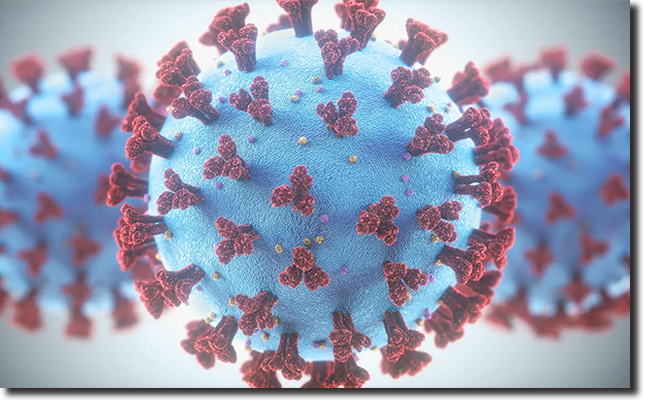
The Omicron sublineage BA.2, which raised alarms because of its transmission advantage, accounts for just 4% of cases in the U.S., and experts suggested it's not likely to reverse the current downward trend of cases overall.
BA.2 has certainly increased in prevalence, but it's been a slow trajectory, according to CDC data. BA.1.1, another Omicron sublineage, actually became the dominant strain in the U.S. in mid-January, the agency reported, with the original lineage, B.1.1.529, currently accounting for about 23% of U.S. cases.
"The BA.2 Omicron variant is increasing in prevalence slowly in both CDC and private data," tweeted Scott Gottlieb, MD, former FDA commissioner and current Pfizer board member. "While it may become a dominant strain in time, it appears increasingly unlikely that it will cause a significant change in the downward trajectory of the current epidemic wave."
|
|
From early inoculations to modern medical devices
The contributions made by African and Black American medical professionals to health and wellness are many. While determining just how many lives these trailblazers saved is impossible, we know that without their imagination, knowledge, and desire to help others many lives would have been lost. Since it is Black History Month, now is the perfect time to recognize and celebrate some of the numerous contributions the Black community has afforded the medical industry and the world overall.
Around 1716 – Onesimus
Onesimus is an African slave who, in 1706, is gifted to Cotton Mather, the Puritan minister. Mather recognizes that Onesimus is exceptional and considers him an individual with intelligence. As such, Mather begins instructing Onesimus, teaching him how to read and how to write, thus ensuring that Onesimus represents the Mather household well.
|
|
The U.S. Food and Drug Administration on Friday authorized Eli Lilly and Co's (LLY.N) COVID-19 antibody drug for people aged 12 and older at risk of severe illness, adding a tool that has been found to work against the highly contagious Omicron variant.
The FDA authorized bebtelovimab for emergency use in patients with mild-to-moderate COVID-19 who are at high risk of progression to severe disease, including hospitalization or death.
Bebtelovimab should be used when alternative COVID-19 treatment options approved or authorized by the FDA are not accessible or clinically appropriate, the agency said.
|
|
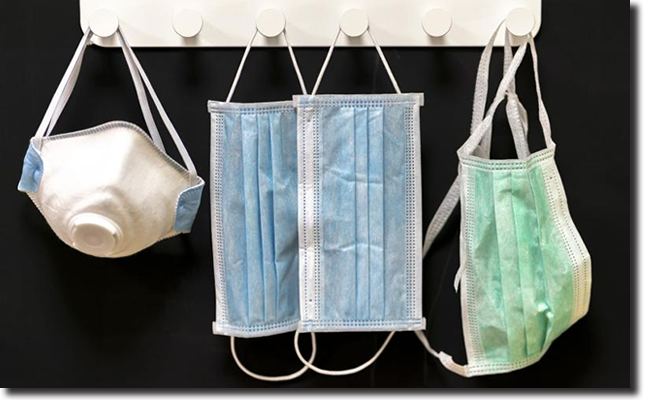
New COVID-19 case numbers in the United States have dropped nearly two-thirds from just weeks ago, and the drop has set off heated conversations across the United States on when and if mask mandates should stop.
On Monday, governors from four states — Connecticut, Delaware, New Jersey, and Oregon — said they would end mandatory masking in schools by the end of February or March. Pennsylvania decided to remove its statewide mandate last month.
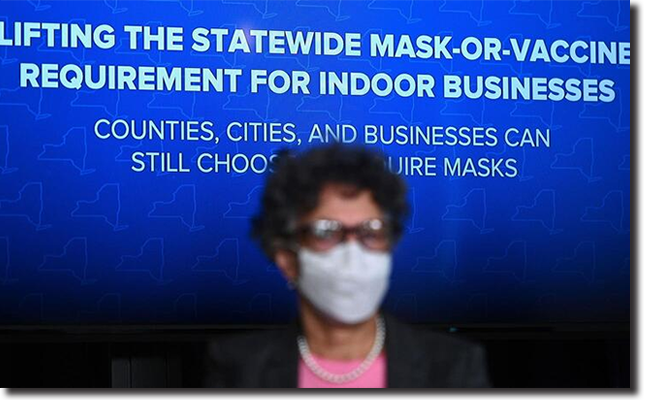
In Illinois, Gov. J. B. Pritzker is fighting in court to keep his mask mandate for schools in place. New York Gov. Kathy Hochul of New York allowed a statewide mask or proof of vaccination mandate for all indoor public locations to expire on Thursday.
|
|
But of those with confirmed cases, SARS-CoV-2 antibodies still seen at a median 9 months
About half of unvaccinated adults who thought they had COVID-19 were proven wrong by antibody tests, researchers found.
In a survey of people recruited on social media, 45% of people who thought they'd had COVID, but never confirmed it, actually had no anti-spike antibodies, reported Dorry Segev, MD, PhD, of Johns Hopkins University in Baltimore, and colleagues, in a JAMA research letter.
Overall, antibodies were detected in 99% of people who said they had a positive COVID-19 test result, in 55% who believed they had COVID-19 but who were never tested, and in 11% who thought they never had SARS-CoV-2 infection.
|
|
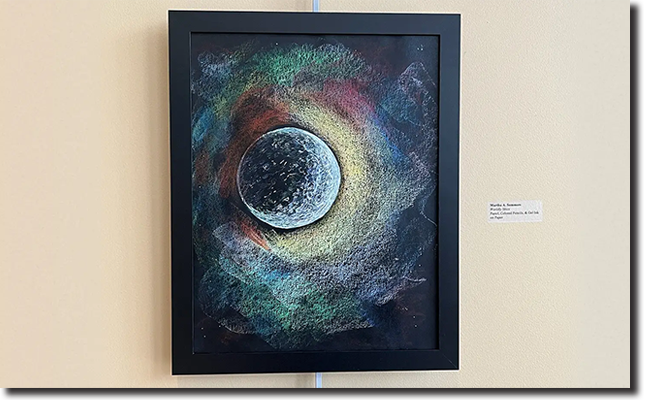
Swapping the heating pad for pastels and colored pencils
Almost 60% of healthcare workers who contracted COVID-19 but felt well enough to go back to work still tested positive on rapid antigen tests after isolating for 5 days, researchers found.
In one large urban medical center, 43% of rapid antigen tests during the Omicron wave were positive for vaccinated COVID-positive healthcare workers from days 5-10, with the largest proportion of positive tests on day 6 (58%), reported Emily Landon, MD, of the University of Chicago, and colleagues, writing in a pre-print on medRxiv.
The findings call into question the CDC's recent change in isolation guidelines for the general public, which suggest that individuals with COVID-19 can end isolation after just 5 days if they're asymptomatic or have resolving symptoms without a negative test.
|
|
- ASIPP Members Only Site Information - |
|
-
To log in for the first time you will need to click “forgot password” at the bottom of the login window.
- Check your email and then log in as directed.
-
If you have problems logging into your account, click here.
|
|
Pain Medicine Case Reports (PMCR) and Editor-in-Chief Alaa Abd-Elsayed, MD, PhD would like to invite you to submit case reports and case series to the PMCR journal. Your article will be published free of charge.
Open access journals are freely available online for immediate worldwide open access to the full text of published articles. There is no subscription fee for open access journals. Open access journals are no different from traditional subscription-based journals: they undergo the same peer-review and quality control as any other scholarly journal.
Interested in becoming a member of the PMCR Editorial Board?
Editorial board members are asked to review 2-6 manuscripts per year. Please submit your most up-to-date CV to sgold@asipp.org for consideration.
For more information or to submit your articles, click here.
|
|
| CASE REPORT |
Robert Ycaza, MD, and Niek E. Vanquathem, BA
Abstract
BACKGROUND: Shoulder pain has an estimated population prevalence of up to 26%. The most common source of shoulder pain is the rotator cuff, which is a group of muscles and tendons that surround the shoulder joint, accounting for over two-thirds of cases.
CASE REPORT: A 65-year-old man presented with sharp, localized pain on abduction of the left shoulder due to a left rotator cuff tear. A diagnostic nerve block provided 100% short-term pain relief. Subsequently a peripheral nerve stimulator trial was offered to the patient, which was successful. The permanent peripheral nerve stimulator was implanted at the supraspinous fossa with the middle electrodes at the suprascapular notch. A receiver was inserted into the inner lumen of electrode array and the neurostimulator was coiled and fixated to the fascia. The following stimulation settings were used: frequency at 1.5 kHz, pulse width at 30 µs, and amplitude of 3.5 mA.
CONCLUSION: At one year after implant, the patient had close to 100% pain relief and reported excellent mobility of the shoulder. Wirelessly powered peripheral nerve simulation was a successful option for this patient suffering from debilitating left shoulder pain due to a left rotator cuff tear.
KEY WORDS: Chronic shoulder pain, glenohumeral osteoarthritis, peripheral nerve stimulator, suprascapular neuralgia
|
|
| OBSERVATIONAL STUDY |
David M. Schultz, MD, Jonathan M. Hagedorn, MD,
Alaa Abd-Elsayed, MD, and Scott Stayner, MD, PhD
Abstract
Background: Cervical epidural steroid injections have long been utilized to treat intraspinal inflammation causing cervicalgia and/or cervical radiculopathy, and much has been written about safety and efficacy. There are published opinions, without evidence basis, that these injections should not be performed above C7-T1 for fear of dural puncture, spinal cord injury, and other complications that might occur more frequently at higher spinal levels. However, many experienced interventional pain physicians believe that epidural injections targeted to the level of spinal inflammation may be more effective. Although medication injected at the lowest cervical level C7-T1 may ascend to higher spinal levels, it often does not since inflammation and swelling at the cervical level of pathology may increase epidural pressure causing the injectate to move caudally down the path of least resistance.
Objectives: We sought to provide evidence for safety of posterior interlaminar epidural steroid injections at spinal levels at and above C7-T1 and to outline a 'best practices' approach to posterior cervical epidural injection based on experience with over 12,000 injections over 2 decades. We provide a discussion of cervical spinal anatomy, preferred technique for injection, and briefly review published literature to date regarding safety and efficacy of this procedure.
Study design: Retrospective case series.
Setting: Single center, private practice institution.
Methods: To document safety of interlaminar cervical epidural injections at levels above C7-T1, we conducted a retrospective study where we queried our electronic medical record database for information regarding 12,168 interlaminar cervical epidural steroid injections performed on 6,158 unique patients during a 14-year period by 5 different board-certified interventional pain physicians using similar technique within a single medical practice. Each injection was performed using fluoroscopic guidance with cervical epidurography routinely performed prior to injection of a therapeutic steroid and local anesthetic mixture. We found 129 minor complications (complications that did not require medical care beyond the post-anesthesia care unit [PACU] and 7 complications which we considered serious (required care beyond PACU stay), although no patients suffered paralysis or death. There was no correlation between spinal level of injection and complication rates.
Results: Our most common spinal level for injection was C5-6, followed closely by C6-7. Hundreds of injections were performed at spinal levels above C5-6 with the most cephalad level C2-3.
Limitations: Retrospective design.
Conclusion: Our article supports the contention that interlaminar cervical epidural injections above C7-T1 are safe. Complication rates were not increased with cervical injections cephalad to C7-T1.
Keywords: case series; cervical pain; cervical radiculopathy; chronic pain; complications; interventional pain; outcomes; Cervical epidural steroid injection.
|
|
| PROSPECTIVE STUDY |
Bilal B. Butt, MD, David Kagan, Joel Gagnier, PhD,
Ronald Wasserman, MD, Ahmad Nassr, MD, Rakesh Patel, MD,
and Ilyas Aleem, MD
Abstract
Background: Although patient-reported outcomes (PROs) have become important in the evaluation of spine surgery patients, the accuracy of patient recall of pre- or post-intervention symptoms following epidural steroid injection remains unknown.
Objectives: The purpose of this study was to: 1) characterize the accuracy of patient recollection of back/leg pain following epidural steroid injection; 2) characterize the direction and magnitude of recall bias; and 3) characterize factors that impact patient recollection.
Study design: A prospective cohort study.
Setting: Level 1 Academic Medical Center.
Methods: Using standardized questionnaires, we recorded numeric pain scores for patients undergoing lumbar epidural steroid injections at our institution. Baseline pain scores were obtained prior to injection, 4-hours and 24-hours postinjection. At a minimum of 2 weeks following the injection, patients were asked to recall their symptoms preinjection and at 4 hours and 24-hours postinjection. Actual and recalled scores, at each time point, were compared using paired t tests. Multivariable linear regression was used to identify factors that impacted recollection.
Results: Sixty-one patients with a mean age of 61.4 years (56% women) were included. Compared to their preinjection pain score, patients showed considerable improvement at both 4 hours (Mean Difference [MD] = 2.18, 95% Confidence Interval [CI] 1.42 to 2.94) and 24 hours (MD = 2.64, 95% CI 1.91 to 3.34) postinjection. Patient recollection of preinjection symptoms was significantly more severe than actual at the 2-week time point (MD = 1.39, 95% CI 4.82 to 6.08). The magnitude of recall bias was mild and exceeded the minimal clinically important difference (MCID). No significant recall bias was noted on patient recollection of postinjection symptoms at 4 hours (MD = 0.41, 95% CI -1.05 to 0.23). Patient recollection of symptoms was also significantly more severe than actual at 24 hours (MD = 0.63, 95% CI -1.17 to -0.07), mild magnitude of bias that did not exceed MCID. Linear regression models for differences between actual and recalled pain scores reveal that for recall at 4 hours postinjection, older patients were better at recalling pain.
Limitations: Baseline pain scores were completed in person, in front of a provider. The short-term pain scores were completed while at home, and then recalled scores were obtained by phone call encounter. Telephone surveys can lead to interview bias. All patients received incentive for completion of study. It is unclear if patient incentives have any impact on patient recall. Patients were contacted 2 weeks postinjection; this time point is standard at our institution, but could vary depending on practice location. Lastly, the enrolled patients did not all share the same indication for injection, and pain was not stratified between back and leg pain.
Conclusions: Relying on patient recollection does not provide an accurate measure of preinjection status after lumbar epidural steroid injection, although patients did recall their 4-hour postinjection status. These findings support previous studies indicating that relying on patient recollection does not provide an accurate measure of preintervention symptoms. Patient recollection of postintervention symptoms, however, may have some clinical utility and requires further study.
Keywords: injection; lumbar; nonoperative; patient-reported outcomes; Recall bias.
|
|
Since this malpractice insurance program officially launched in November 2018, ASIPP has signed up hundreds of providers with an average savings of 30%. This is professional liability insurance tailored to our specialty and will stand up for us and defend our practices.
Norcal Mutual is A-Rated by AM best and is licensed in all 50 states. To read a few important points to keep in mind about the program, including discounts, administrative defense, cyber coverage, aggressive claims handling, and complimentary award-winning risk management CME activities, click here.
|
|
ASIPP® has formed a partnership with Henry Schein and PedsPal, a national GPO that has a successful history of negotiating better prices on medical supplies and creating value-added services for independent physicians. Working with MedAssets, PedsPal provides excellent pricing on products like contrast media that alleviate some of the financial pressures you experience today.
|
|
ASIPP® is now offering our members the benefit of a unique revenue cycle management/ billing service.
We have received a tremendous amount of interest in the ASIPP® billing and coding program.
Click here to learn more about the negotiated rate for practices and more!
|
|
|
up-to-date news related to you, your practice, and your patients!
|
|
|
|
|
|
|