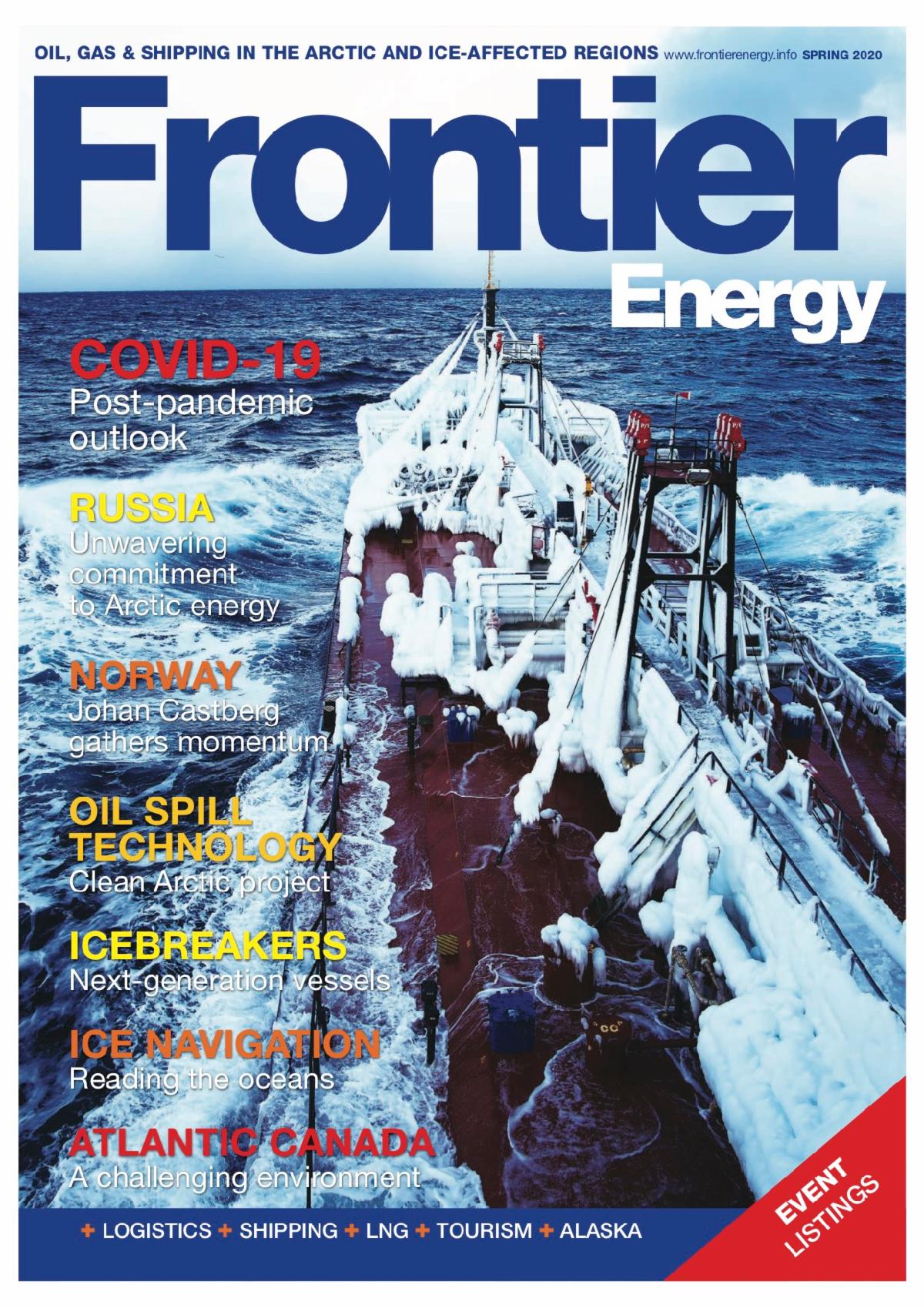
NEW ISSUE SPRING 2020
Unique news and features including
* COVID 19 - Post pandemic outlook
* RUSSIA - Commitment to the Arctic
* ICEBREAKERS - Next gen vessels
* NORWAY - Johan Castberg
* ICE NAVIGATION - Reading the oceans
* ATLANTIC CANADA - Challenging
Click HERE to read the latest issue
of Frontier Energy magazine!
In the light of the Covid-19 pandemic, our industry is facing unprecedented challenges. We will continue to report on events and wish that you, your families and work colleagues stay well and healthy.
|
|
OIL, GAS & SHIPPING IN ARCTIC & ICE-AFFECTED WATERS |
|
NEWS FROM ACROSS THE ARCTIC REGION |
|
 |
In an interview with Arctic.ru General Director of the Institute of Regional Problems Dmitry Zhuravlev talked about the situation in the Russian Arctic.
Arctic.ru: Is the Russian Arctic a special territory, a mega region?
Zhuravlev: Of course, it is. We can call it a mega region for two reasons. First, because of its importance. The Russian Arctic abounds in undeveloped wealth, and is a key to our regions beyond the Urals. Many Trans-Ural transport arteries are part of the Northern Sea Route (NSR). he second reason is its peculiar nature. The geographical and climate conditions are common to all northern areas regardless of what Russian region they are a part of. The North is different from all other areas. It requires different approaches to management and funding. Click here for the full interview.
|
|
|
|
During Russia’s currrent chairmanship of the Arctic Council, 11 regions will host events dedicated to economic cooperation, climate change and the environment in the Arctic, human capital development and emergency prevention.
Norway's Equinor’s internal investigations following the fires at Hammerfest LNG and Tjeldbergodden have now been concluded and the results submitted to the Petroleum Safety Authority.
The fire at Hammerfest LNG occurred on 28 September, while the fire at Tjeldbergodden took place on 2 December 2020.
BBC news reporter Frank Gardner's new spy novel Outbreak is set in the Arctic, the UK and points east and is available now. Available to buy from all good bookshops.
|
|
|
|
BIDEN SLAMS ON BRAKES ON ANWR WORK ... |
|
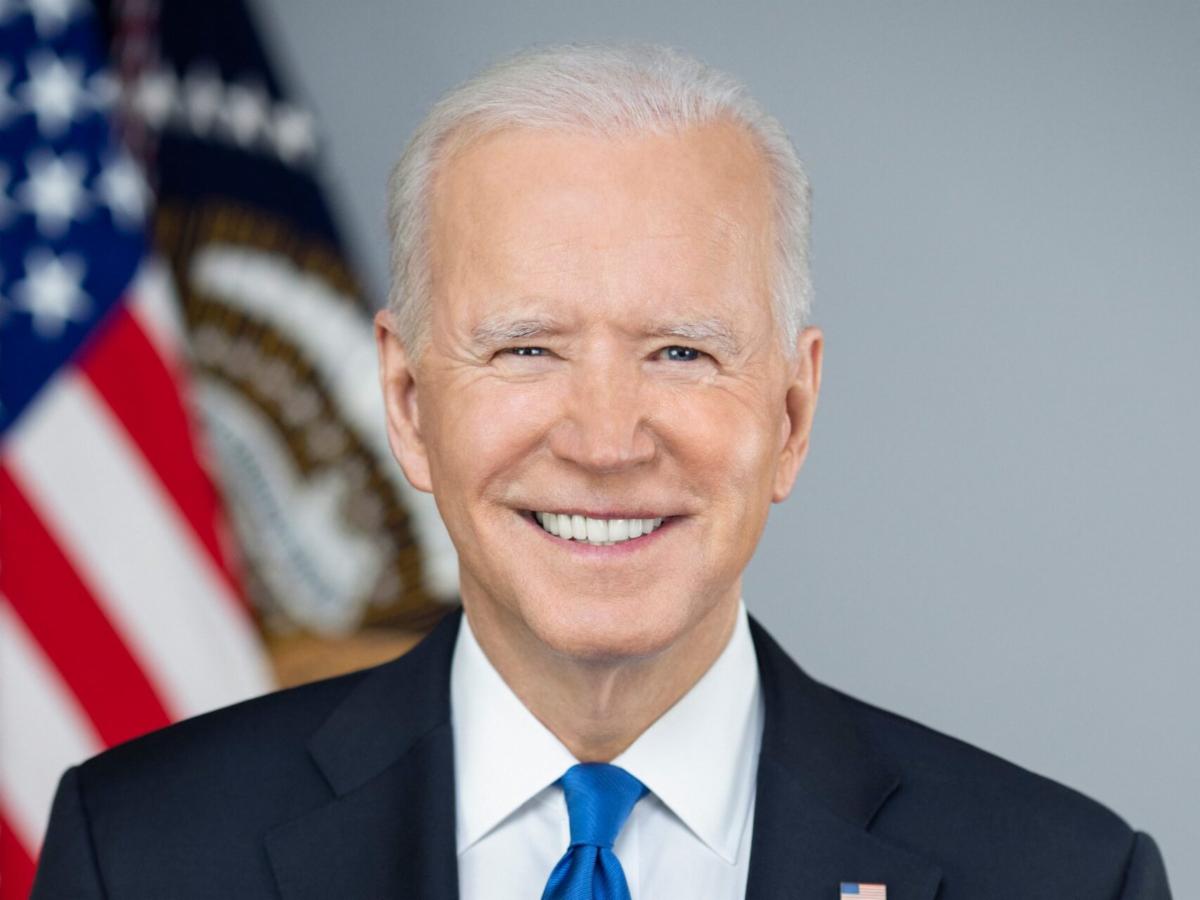
US President Joe Biden's administration is suspending oil and gas leases that were handed out in an Alaska wildlife refuge during the final days of the Trump administration pending an environmental review.
The action reverses one of former President Donald Trump's signature efforts to expand fossil fuel development in the United States, and delivers a setback to the Alaskan state government which had hoped opening the enormous refuge would help revive its declining oil industry, reports Reuters.
Under an Interior Department order issued Tuesday, the agency is temporarily halting action on nine leases spanning more than 400,000 acres (161,870 hectares) of the Arctic National Wildlife Refuge, while it conducts a fresh environmental analysis of the program.
|
|
... LEASEHOLDERS NOTIFIED, LEGAL ISSUES |
|
Biden's Interior Department said it had notified the leaseholders, which include an Alaska state agency.
The review, which will examine "legal deficiencies" in the previous administration's environmental analysis of leasing in ANWR, will determine whether the leases would stand, be voided, or be subject to mitigation measures, the statement said.
President Joe Biden vowed to permanently protect the refuge during last year’s campaign, and on his first day in office issued an executive order directing the Interior Department to review Arctic refuge oil development decisions by his predecessor.
However, his administration has defended a separate Trump-era decision to greenlight a massive ConocoPhillips Alaska Inc. oil development in the National Petroleum Reserve -- a top priority for the state’s Republican congressional delegation, including senior Senator Lisa Murkowski, reports Bloomberg.
Interior Secretary Deb Haaland said in the order that she had “identified multiple legal deficiencies” in the administrative record supporting the leases, including insufficient environmental analysis.
|
|
'ICE THINNING FASTER THAN EXPECTED' |
|
Sea ice in the coastal regions of the Arctic may be thinning up to twice as fast as previously thought, according to a new modelling study led by London University/ UCL researchers.
Sea ice thickness is inferred by measuring the height of the ice above the water, and this measurement is distorted by snow weighing the ice floe down. Scientists adjust for this using a map of snow depth in the Arctic that is decades out of date and does not account for climate change.
In the new study, published in the journal The Cryosphere, researchers swapped this map for the results of a new computer model designed to estimate snow depth as it varies year to year, and concluded that sea ice in key coastal regions was thinning at a rate that was 70% to 100% faster than previously thought.
researchers used a novel snow model previously developed by researchers at UCL and Colorado State University, SnowModel-LG, which calculates snow depth and density using inputs such as air temperature, snowfall and ice motion data to track how much snow accumulates on sea ice as it moves around the Arctic Ocean. By combining the results of the snow model with satellite radar observations, they then estimated the overall rate of decline of sea ice thickness in the Arctic, as well as the variability of sea ice thickness from year to year.
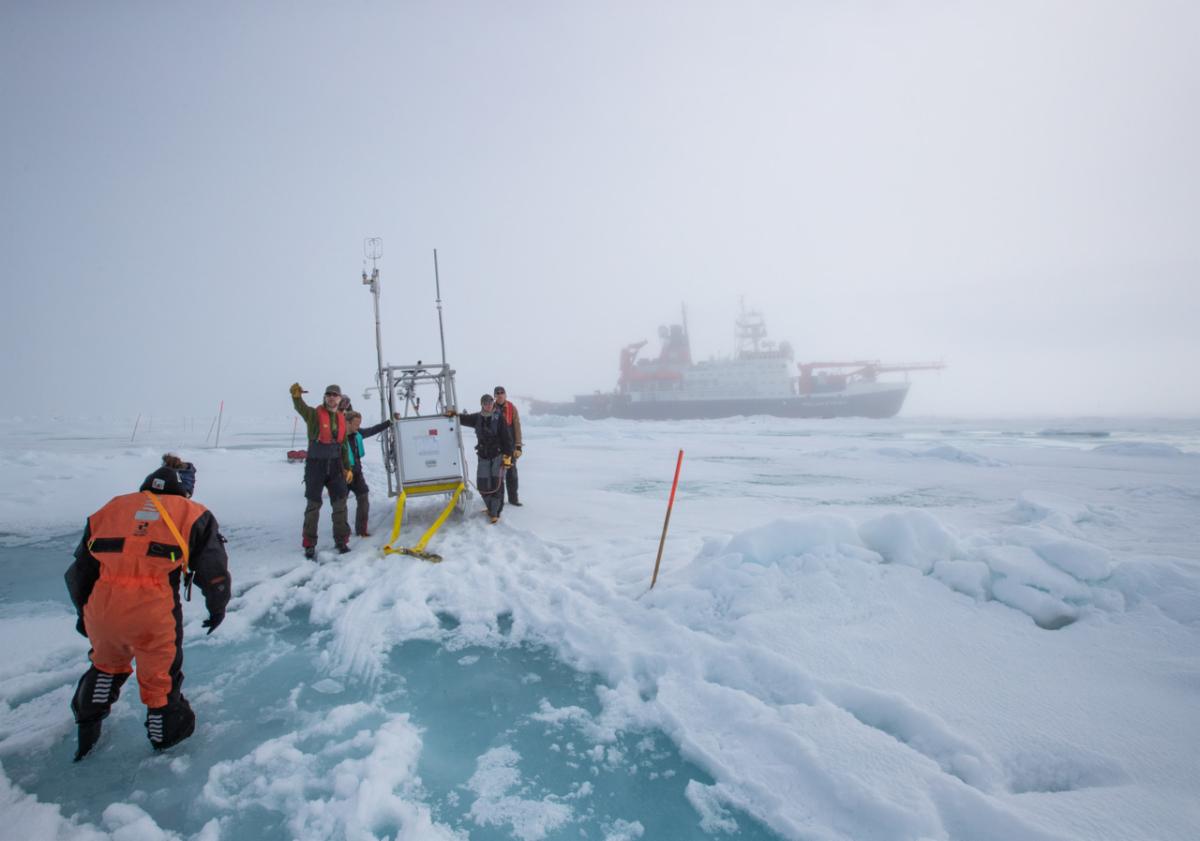
Robbie Mallett (UCL Earth Sciences), the PhD student who led the study; Professor Stroeve and co-author Dr Michel Tsamados (UCL Earth Sciences) spent several weeks investigating snow and ice in the Arctic onboard the German research vessel Polarstern, which explored the central Arctic Ocean in 2019 and 2020. (A group of Logistics and Atmos team members moves instruments on the ice. Credit: Alfred-Wegener-Institut / Lianna Nixon)
|
|
Russian oil producer Gazpromneft has agreed with gas producer Novatek to set up an Arctic offshore joint venture and will together develop the North-Vrangelevskiy area, reports Reuters.
The companies plan to conduct exploration work in the eastern part of the East Siberian Sea and western part of the Chukchi Sea, Novatek said. The water depth within the area is 20-90 metres.
|
|
MOSCOW TO HOST ARCTIC COUNCIL MEETING |
This month Moscow will host an international forum marking the start of Russia’s chairmanship of the Arctic Council in 2021-2023. Environmental protection, including climate change, will be a priority of its work. The forum, Russia’s Arctic Council Chairmanship: An Environmental Agenda for Russia and the World, will focus on this subject.
On June 25, themed sessions will take place with the support of Russia’s Ministry of Natural Resources and Environment and the Foreign Ministry. The participants will discuss the Arctic’s sustainable development, including its marine and coastal environments and shipping activities. The agenda will also include specially protected nature areas in the Barents Sea region and the Arctic, the preservation of plants and animals, and the basics of an ecosystem approach. The climate agenda will be another important topic. All events will be held in a hybrid format and posted online.
|
|
|
|
THE ARCTIC OCEAN - CLIMATE WARNING |
|
This event which took place this week, aimed to link shipping’s black carbon emissions with the IMO’s short-term measures to reduce the impact of greenhouse gas emissions with the Arctic climate emergency.
At the end of May, Arctic Foreign Ministers announced that the Arctic is now warming three times faster than the planet as a whole. When it comes to the climate, the Arctic is the planet’s early warning system - and it is clear that the Arctic is in crisis.
Sea ice, glaciers, permafrost and the Greenland ice sheet are decreasing rapidly due to global heating, leading to global impacts such as sea-level rise and extreme weather patterns.
The Arctic climate crisis requires urgent action to rapidly reduce both carbon dioxide and black carbon emissions from all sources including international shipping. Greenhouse gas emissions, along with black carbon emissions, from shipping are contributing to Arctic warming.
Speakers included:
Austin Ahmasuk, Marine Advocate, Kawerak, Inc.
Pam Pearson, Co-chair, Climate and Clean Air Coalition, Agricultural Initiative and Director, International Cryosphere Climate Initiative.
Bryan Comer, Marine Program Lead, International Council on Clean Transportation (ICCT)
Tristan Smith, Associate Professor at UCL Energy Institute, London and Director at UMAS maritime consultancy
Moderator:
John Maggs - Senior Policy Advisor, Seas at Risk / President, Clean Shipping Coalition
|
|
Events Calendar : Conferences, Forums, Meetings |
|
EVENT: Arctic Development Expo
June 15 - 16
Inuvik, Northwest Canada (online)
The Arctic Development Expo typically takes place in Inuvik, Northwest Territories, Canada as we strive to make knowledgeable decisions to enhance circumpolar life and create innovative solutions for our northern realities. We look to develop the Arctic through sustainable means and will do so by concentrating on the following four themes: Natural & Renewable Resources, Climate and Energy Innovations, Indigenous Leadership and Circumpolar Governance and Knowledge Economy.
Click here for more information.
EVENT: International Conference on Polar Engineering and Infrastructure Development
July 18 - 19
Toronto, Canada (online)
This conference is a federated organisation dedicated to bringing together a significant number of diverse scholarly events for presentation within the conference program. Events will run over a span of time during the conference depending on the number and length of the presentations. With its high quality, it provides an exceptional value for students, academics and industry researchers.
Click here for more information.
EVENT: Sakhalin Oil and Gas
September 28 - 30
Sakhalin, Russia (In person & online)
After more than 25 years of success and innovation in Sakhalin’s oil & gas sector, how can the industry continue to thrive with resilient and sustainable business strategies? But what impact will decarbonisation have on the oil & gas industry in the Russian Far East? What are the threats and opportunities? What role will new technologies play? What are the latest updates on oil & gas projects in the Russian Far East and what are the future plans? All this, and much more, will be discussed and debated at the 25th Anniversary Far Eastern Energy Forum - SAKHALIN OIL & GAS 2021, the only top-level international gathering for the energy sector in Russia’s Far East.
Click here for more information.
|
|
Your copy should address 3 key questions: Who am I writing for? (Audience) Why should they care? (Benefit) What do I want them to do here? (Call-to-Action)
Create a great offer by adding words like "free" "personalized" "complimentary" or "customized." A sense of urgency often helps readers take an action, so think about inserting phrases like "for a limited time only" or "only 7 remaining!"
|
|
|
|
|
|
|