Roots & Rivers
Haverhill Conservation in Action
| |
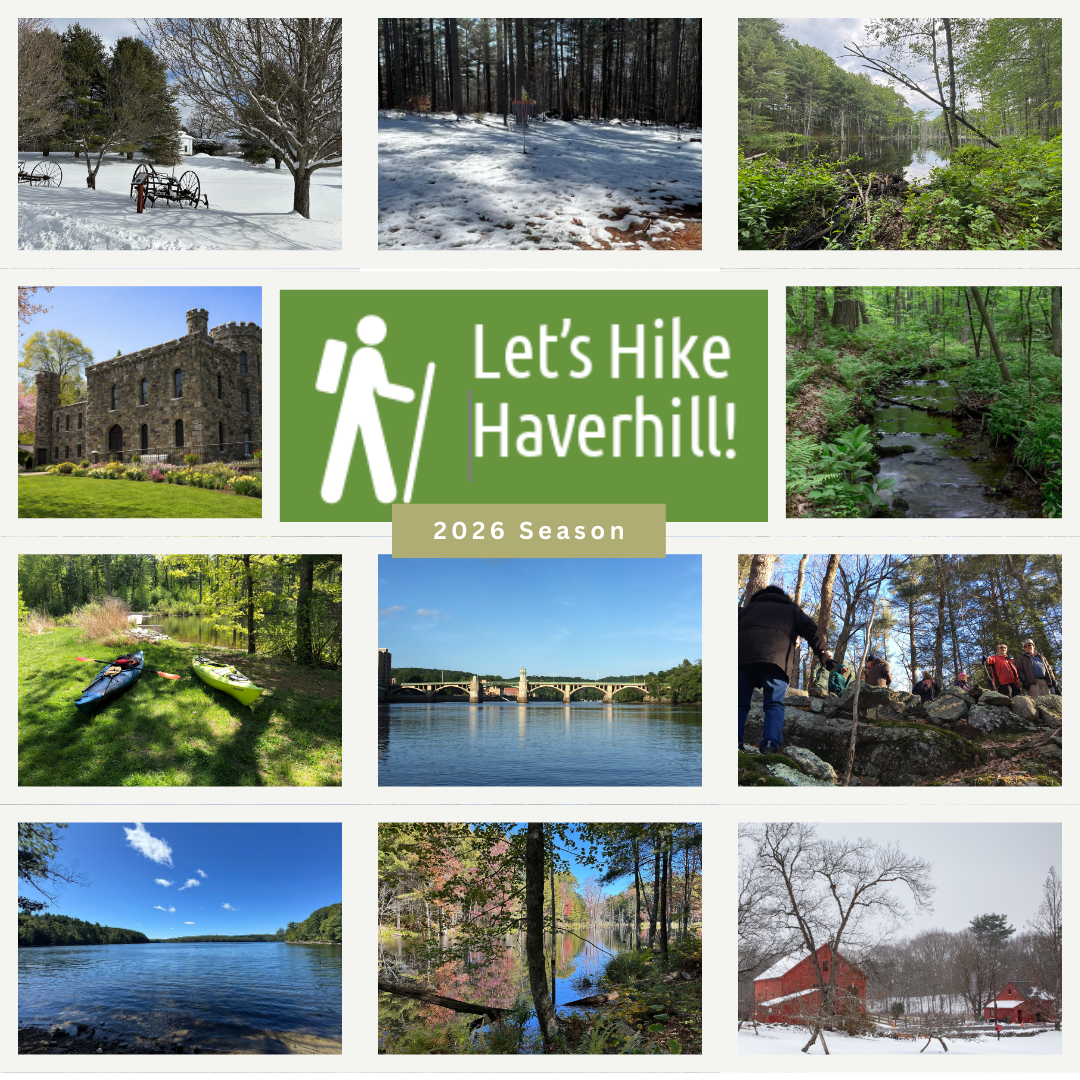
Let's Hike Haverhill in 2026!
Join Team Haverhill and Essex County Greenbelt Association for FREE monthly guided hikes around Haverhill's beautiful open spaces. Spots fill quickly, so sign up as soon as registration opens!
July's hike at Crystal Lake registration opens on June 13th at 6AM! This hike will be led by Haverhill Trails Steward, Karl Brunelle!
Click here to see the scheduled hikes and sign up!
| |
| |
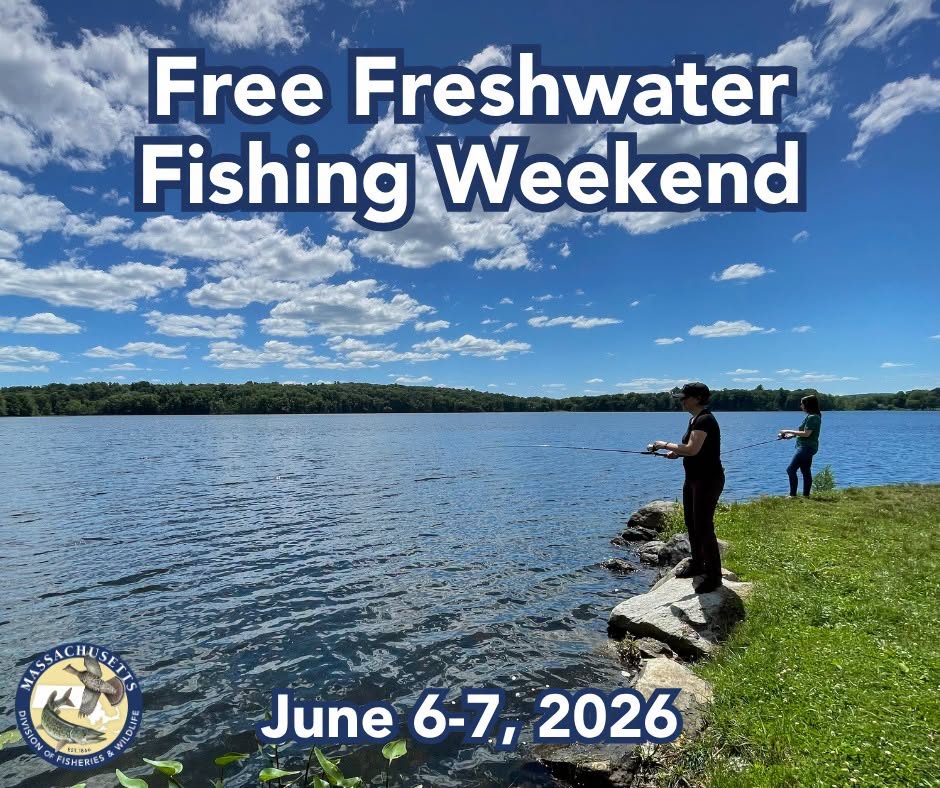
New to Fishing? Don't Miss Free Fishing Weekend!
Saturday, June 6th & 7, 2026
Free Freshwater Fishing Weekend is coming up! From June 6-7, you don’t need a fishing license to fish any public freshwater lake, pond, river, or stream throughout the state. All other rules apply, including catch limits. Get details at mass.gov/try-fishing
Fish Haverhill's waters! Find local fishing spots at this link:
Hunting and Fishing
| |
| | | |
Wild About the Edible Avenue! with Russ Cohen
Tuesday, June 23, 2026 from 4-6 p.m.
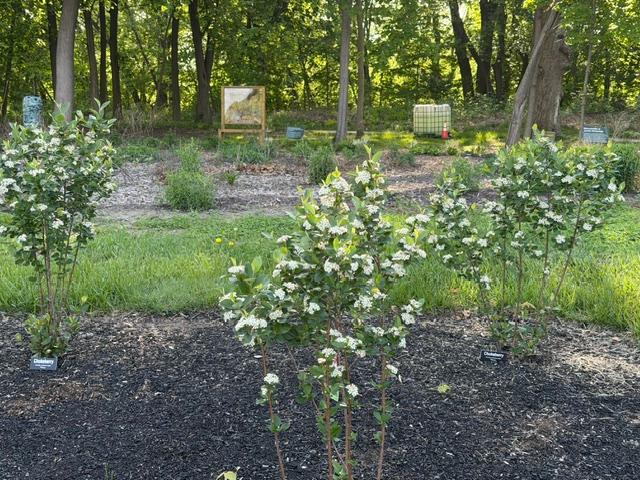
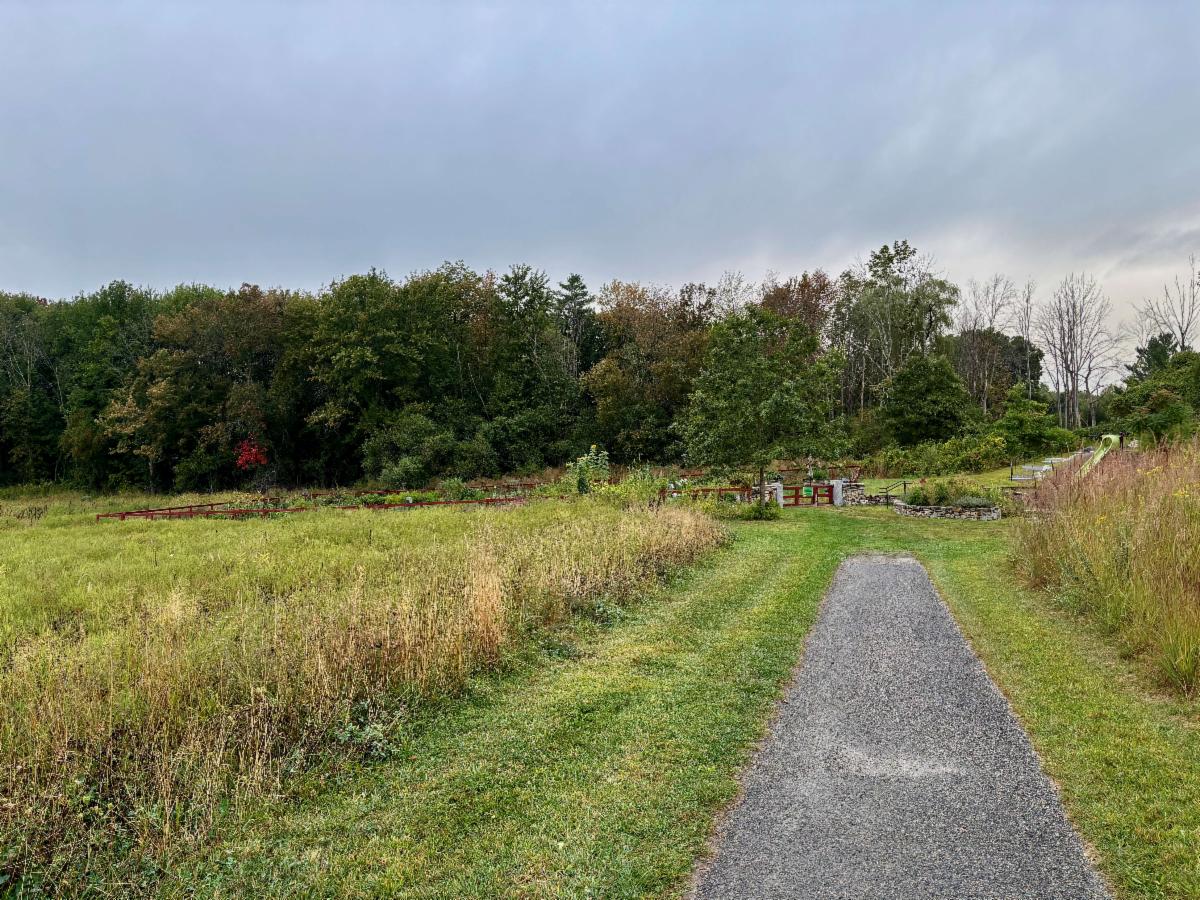
The Haverhill Garden Club and Team Haverhill are hosting their first educational program at the Edible Avenue and Eco-Labyrinth at Riverside Park. Russ Cohen – a well-known naturalist, environmentalist, and wild foods enthusiast is going to lead the program, “Wild About the Edible Avenue!,” on Tuesday, June 23 from 4-6 p.m. The event is free – but space is limited – RSVP through the link: bit.ly/edible26
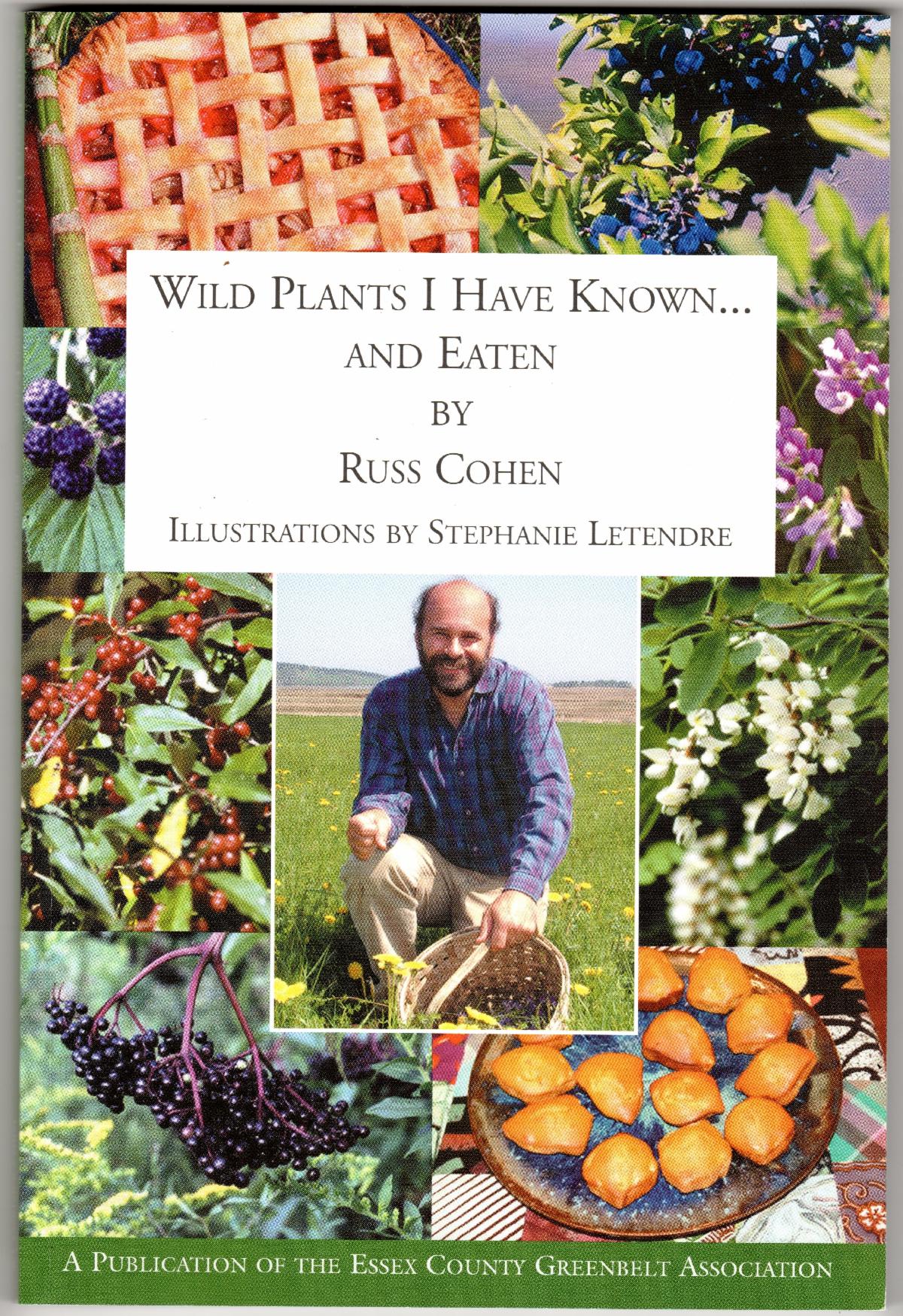
Russ, the author of a really helpful book on foraging for edible plants, “Wild Plants I Have Known...and Eaten,” recently walked the area and made an inventory of (mostly wild) edible plants he spotted along the Avenue and in adjacent areas along the Merrimack River. He found more than three dozen species and says there is a great potential for further diversification of the site with additional native edible species.
As part of the program, Russ will show the group some of the keys for identifying edible plants, share information on which portions are edible, and explain which seasons they are available and how to prepare them. He will also share guidelines for safe, ethical and environmentally-responsible foraging and distribute helpful educational handouts.
Last, but certainly not least, Russ will share a batch of his famous black walnut honey squares, plus some black/yellow birch twig tea. Fingers crossed – the group may even get to try out some of the Edible Avenue’s Juneberries (aka Serviceberries, Amelanchier spp.) if the fruit is ripe!
Learn more about the Edible Avenue
| |
| |
Climate Conscious Landscaping: Drought resistant and stormwater resilient yards
As drought becomes a regular occurrence in our region, adapting our land use habits to be better prepared for a changing climate is critical. There are many ways we can improve land use in our yards to support our shared environment while keeping it attractive. Here are a few of our favorites that benefit our watershed, wildlife habitat, and overall resilience to drought and heat:
| |
| | |
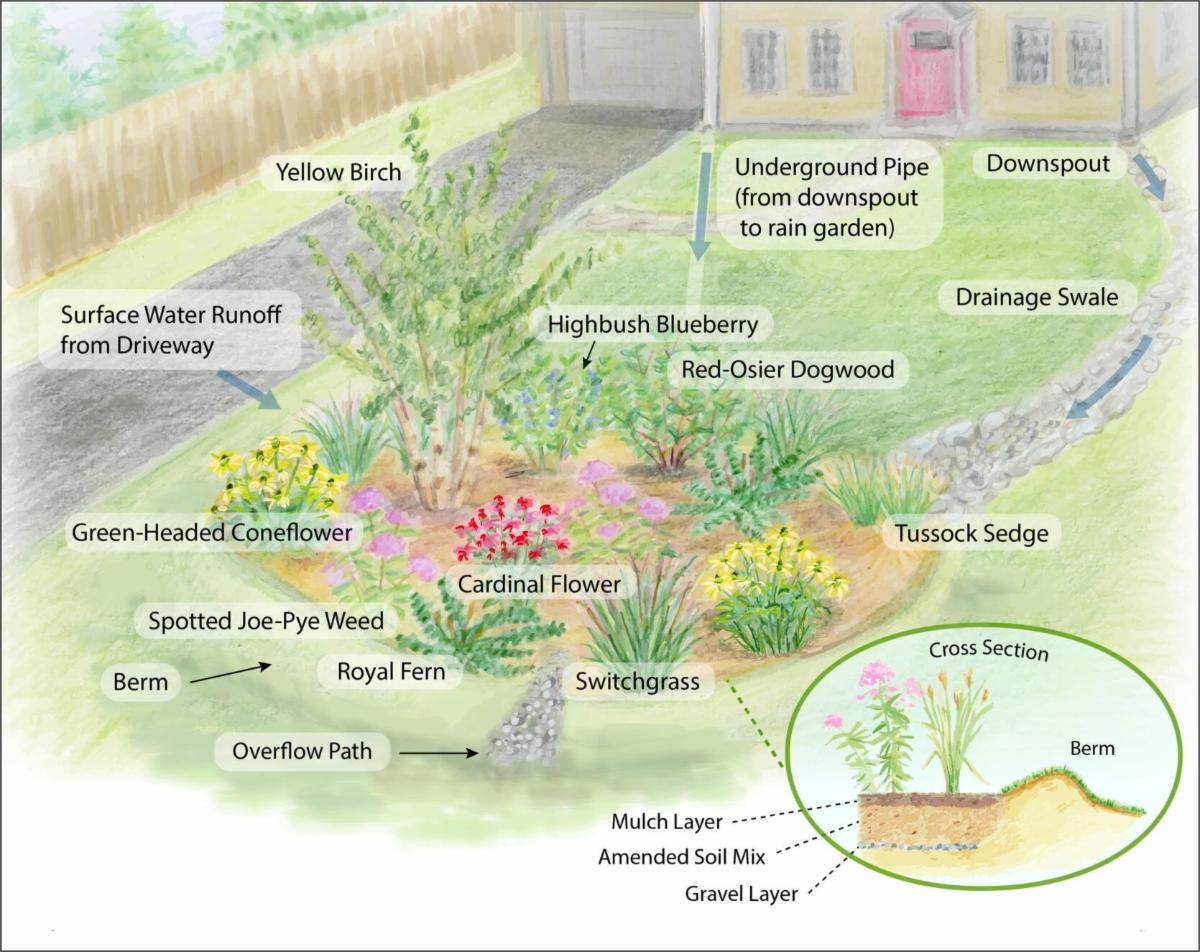
1.) Be water-smart, recharge stormwater: Use water-smart landscape design, Rather than having water run amuck or off property and into a storm drain, use different methods to put water back in the ground. Vegetated swales, gutters with downspouts into a drip trench, rain gardens, and reducing impervious areas are a few ways to help recharge groundwater. Densely planted methods like rain gardens and vegetated swales also help to remove pollutants, create small-scale habitat, require minimal maintenance, and are aesthetically pleasing.
| |
| | |
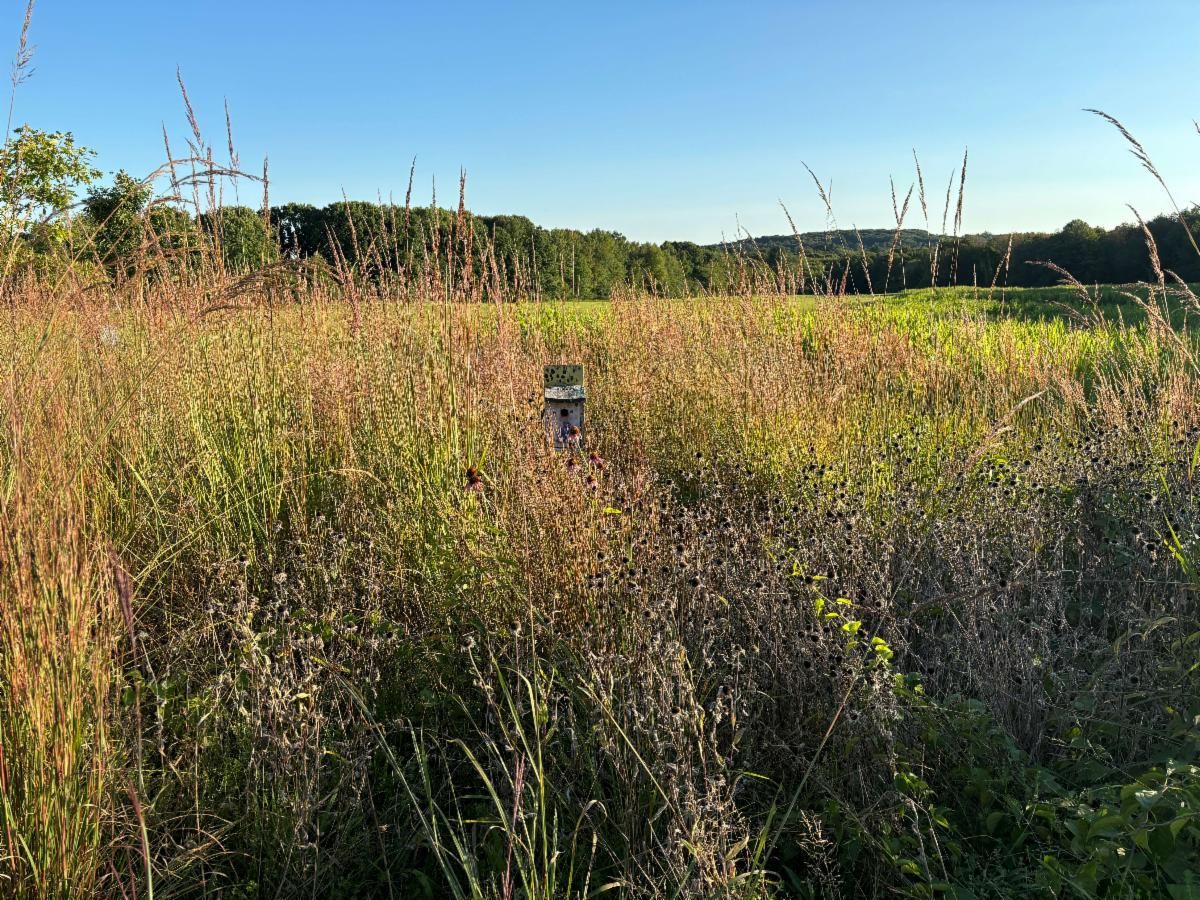
2.) Remove lawn, replace with native plantings: Traditional lawns require a lot of manual upkeep, water, and fertilizer. Their shallow roots and likeliness to become compact over time reduces its ability to infiltrate water into the ground. Native grasses, wildflowers, shrubs, and trees are adapted to our variable climate and require little to no additional water or fertilizer to grow beautifully, while adding much needed habitat in urban and suburban environments for wildlife and pollinators. Large areas of leafy plant cover intercepts precipitation, allowing water to seep into the ground slowly rather than all in one downpour. Find great resources at Grow Native Massachusetts.
| |
| | |
3.) Practice 'green' lawn techniques: Where you're unable to remove turf, the less mowing, water, and fertilizer the better! 'Greener' lawn care to reduce water and fertilizer input includes limiting the area of lawn you mow to walkways and play areas rather than the entire space, mowing it to the correct height, leaving grass clippings behind, ensuring the soils not compacted, and adding compost. The deeper, more extensive roots of longer grass plus fresh clippings help to retain water while providing nutrients. Adding a mix of species diversity to lawns, especially ones that are drought resistant, will also help reduce the water demand and boost resilience of your lawn. Bonus points for letting it grow into meadow habitat and adding native wildflowers to benefit wildlife and pollinators!
| |
| |
Mandatory Water Restrictions in Effect: Locally and across the Northeast Region
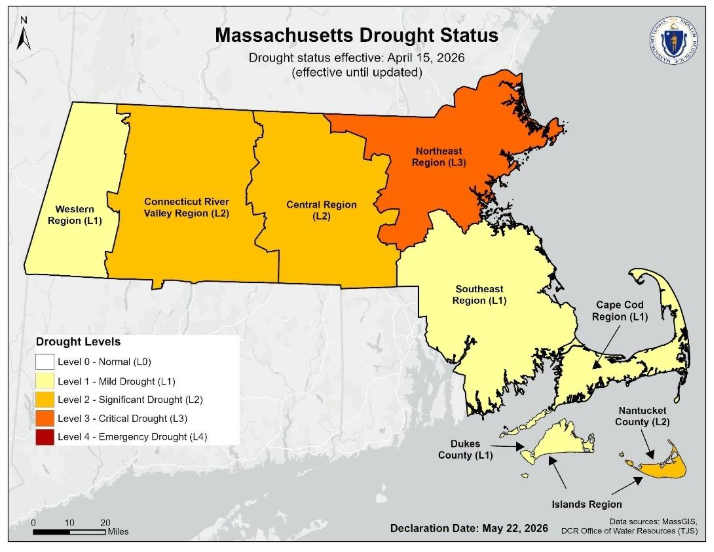
We all have a responsibility to preserve the integrity of our natural resources. Though the recent rainfall has been helpful, the drought conditions across the region have worsened.Water conservation is critical to lessen our impact on our public water supply and the wildlife habitat within the bodies of water from which we draw. All non-essential outdoor water use is prohibited
The City of Haverhill remains in Emergency Drought, and mandatory water use restrictions continue to be in effect. Go to the Water Department's webpage for the latest drought update.
| |
| | |
Get Involved with Haverhill's Trails Stewards
Do you love spending time in Haverhill’s parks and open spaces? Give back to the trails you hike, bike, birdwatch, or ski by becoming a Haverhill Trails Steward!
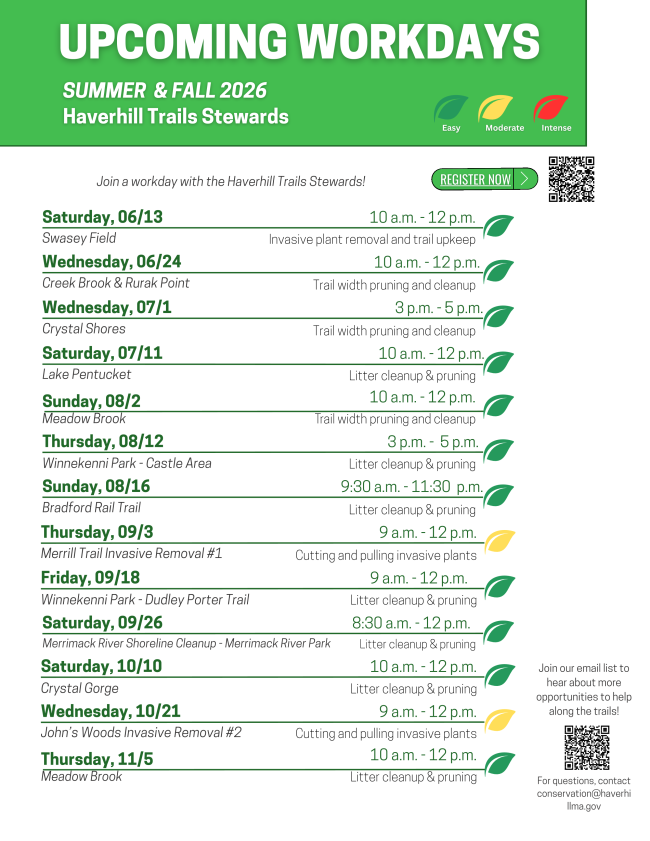
Stewards help us in many ways, such as reporting fallen trees and other trail concerns, picking up litter, clearing sticks and debris off the path, and performing light trail pruning. Stewards meet regularly for group workdays to tackle larger projects like invasive species removal and trail building as a team.
Our schedule of summer and fall trail workdays is up! Sign up for our mailing list to learn about more opportunities and get updates about cleanups.
| |
| | |
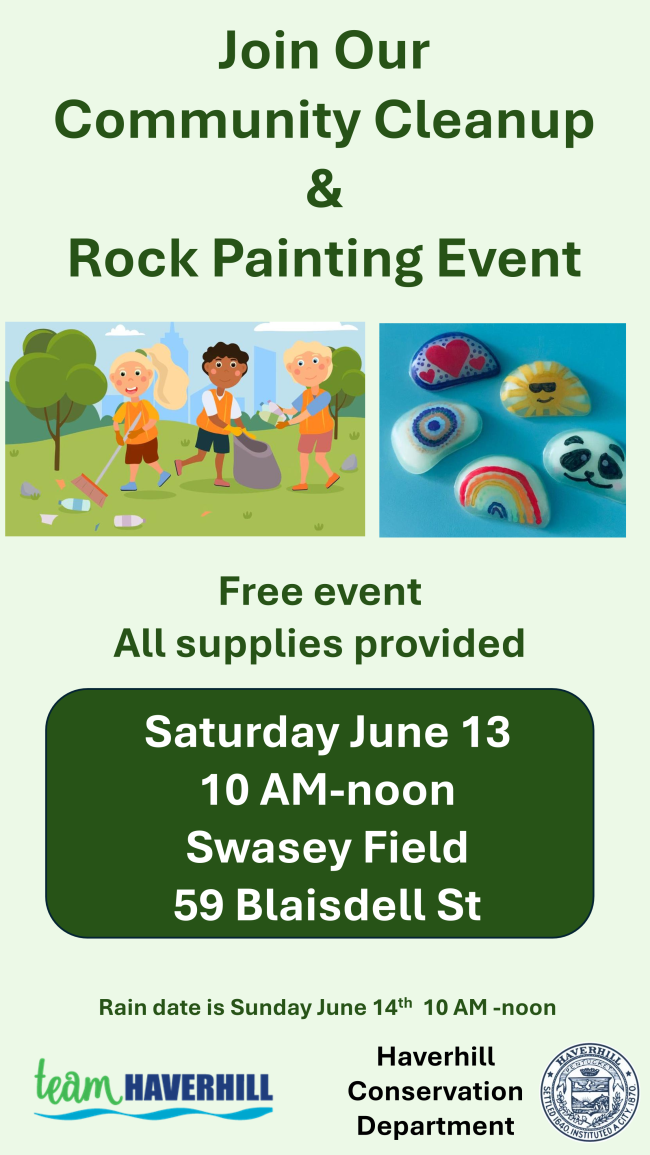
Community Cleanup & Rock Painting Event
Saturday, June 13, 2026 from 10AM-12PM
Team Haverhill and the Haverhill Trails Stewards will be at Swasey Field (59 Blaisdell Ave) from 10AM-12PM on June 13th painting rocks and cleaning up the park and trails!
The event is FREE and all supplies will be provided; we hope to see you there!
The rain date is that following Sunday, June 14th at the same time.
| |
| |
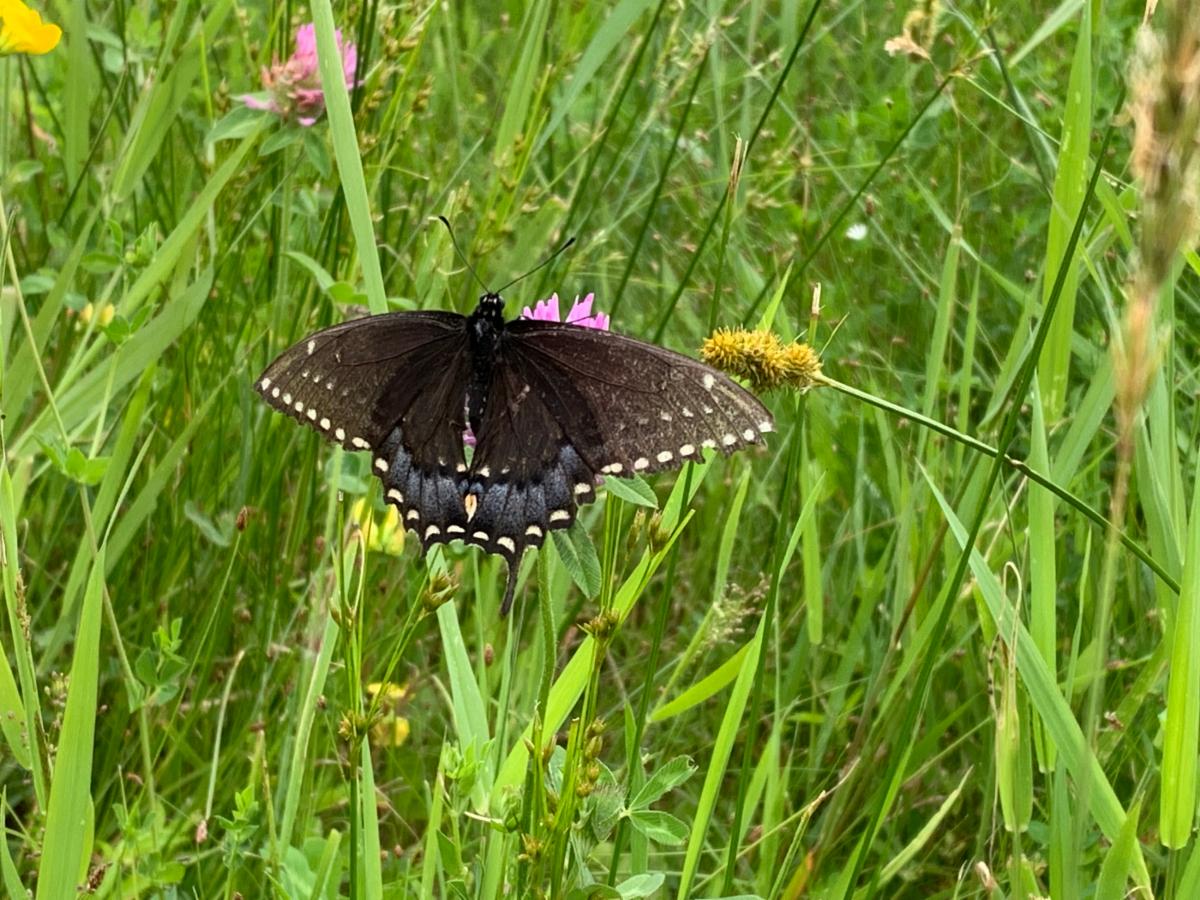
Happy Pollinator Month!
What is a weed? A plant whose virtues have not yet been discovered.
–Ralph Waldo Emerson
Pollinators are any insect or animal who moves pollen from one flower to another, assisting (and often required for) plant reproduction. Without pollinators, our world would look much different! At least 75% of flowering plants and trees need pollinators to reproduce, and about a third of the food we eat requires pollination from an insect or animal.
Creating pollinator gardens with native plants, ensuring floral resources are available throughout the year, minimizing use of pesticides and herbicides, removing invasive species, enhancing overwintering habitat by leaving the leaves and deadwood are all simple, easy ways to support pollinators.
Learn more about pollinators and how you can help them at home with resources from the Massachusetts Pollinator Network.
| |
| |
Haverhill Farmers Market Opens Saturday June 20th!
Stop by the Bradford Common on Saturday mornings from 9AM to 1PM to pick up locally made foods and goods. Learn about this year's vendors at the following link: Haverhill Farmers Market - Team Haverhill.
| |
| |
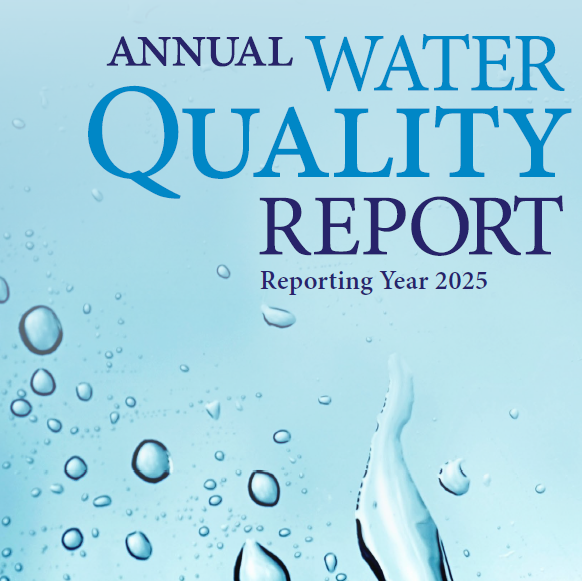
Haverhill's 2025 Annual Water Quality Report
The City of Haverhill is pleased to announce that the 2025 Annual Water Quality Report (also known as the Consumer Confidence Report) is now available for all water customers. A copy has been mailed to all residents.
This report covers water quality data from January 1 through December 31, 2025, and provides detailed information on the source of Haverhill's drinking water, the substances tested for, detected levels compared to federal and state standards, and steps the City takes to ensure safe, clean water for residents and businesses.
Residents who would like a printed copy mailed to them, or have questions, regarding the report may contact the water treatment plant directly at 978-374-2385.
The City of Haverhill is committed to transparency and to providing safe, reliable drinking water to our community. We encourage all residents to review this report and reach out with any questions.
Find the report here: Water Quality Reports | City of Haverhill
| |
| | | | |