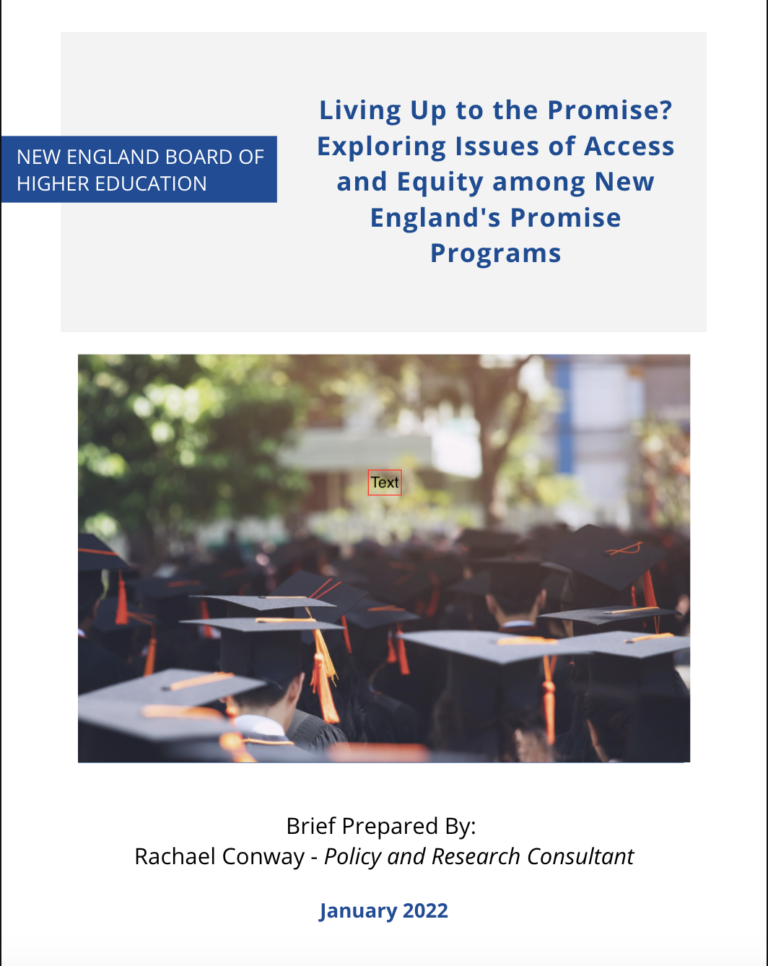
Free college policies—commonly known as “promise” programs—are important promoters of equity in higher education, according to a new NEBHE report titled “Living Up to the Promise? Exploring Issues of Access and Equity among New England’s Promise Programs.” The report's author, NEBHE Policy and Research Consultant Rachael Conway, points out that some specific elements help ensure that promise programs truly encourage equity, especially for students from low-income backgrounds. These elements include: providing financial support beyond the costs of tuition and fees, supporting adult learners and undocumented students, and never converting student financial support into loans that need to be repaid.
|
|
The nonprofit Farm to Institution New England (FINE) recently launched the New England Farm and Sea to Campus Data Center, a new system for collecting, measuring and reporting farm-to-campus activity. “Farm to campus” is a growing movement to mobilize the influence and power of colleges and universities to shape the food system. Research done before the Covid-19 pandemic shows that New England colleges with dining services served more than 87 million meals and spent nearly $400 million on food and beverage annually. Decisions about what food to buy, where to buy it and from whom help shape supply chains, affect the health and nutrition of those eating at the institutions, and can support the communities of which the institutions are an integral part. In addition, colleges and universities are educating and shaping opportunities for future food systems leaders, food businesses and food consumers.
|
|
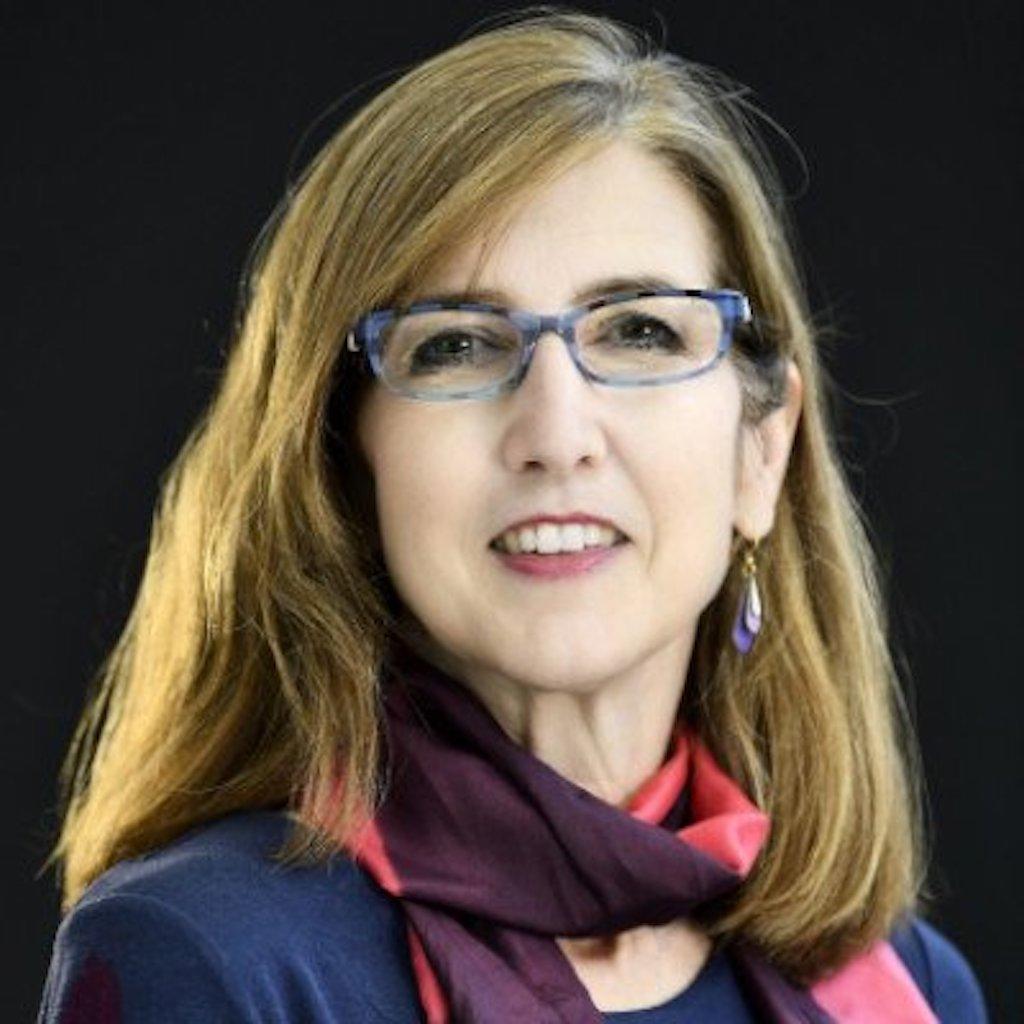
Framingham State University Trustees tapped Nancy Niemi, current provost and vice president for academic affairs at the University of Maryland Eastern Shore, an HBCU (historically Black college and university) to be the Massachusetts institution's eighth president, succeeding F. Javier Cevallos, who announced he's retiring after this academic year. ... New Hampshire Secretary of State Bill Gardner, the longest-serving secretary of state in the U.S., announced he will leave office to be succeeded by Deputy Secretary of State David Scanlan. ... See more on these and other changes in NEJHE's Comings and Goings tally of new appointments in New England higher ed and beyond.
Pictured: Nancy Niemi
|
|
|
NEBHE is looking to hire a Director of the Regional Student Program, NEBHE's longest-running program, also known as Tuition Break. We're looking for someone who can strategically plan for the program's continued success; develop surveys and reports; engage key stakeholders, including administrators and enrollment managers at the region's public colleges and universities, school counselors and college advisors; and expand outreach and promotion to college-bound students, families and other constituents. See the full position description here.
NEBHE also seeks a Director of Policy & Research: someone who can anticipate emerging issues, interpret policy developments, develop research reports, presentations and best practice tools for postsecondary education leaders, state policymakers and the public and direct NEBHE's Policy & Research team. See the full position description here.
NEBHE also seeks an Open Education Consultant to support NEBHE’s Hewlett Foundation grant-funded activities. The consultant will assist in planning an Open Education summit that includes a focus on Diversity, Equity and Inclusion (DEI), assist in writing briefs, reports, update and create new content for the Open Education webpages on the NEBHE site, represent NEBHE at Open Education meetings and serve as a member of a proposal development team to expand Open Education usage in the region. See the full description here.
|
|
|
Blasts from the Past ... Remembering an Insurrection |
|
|
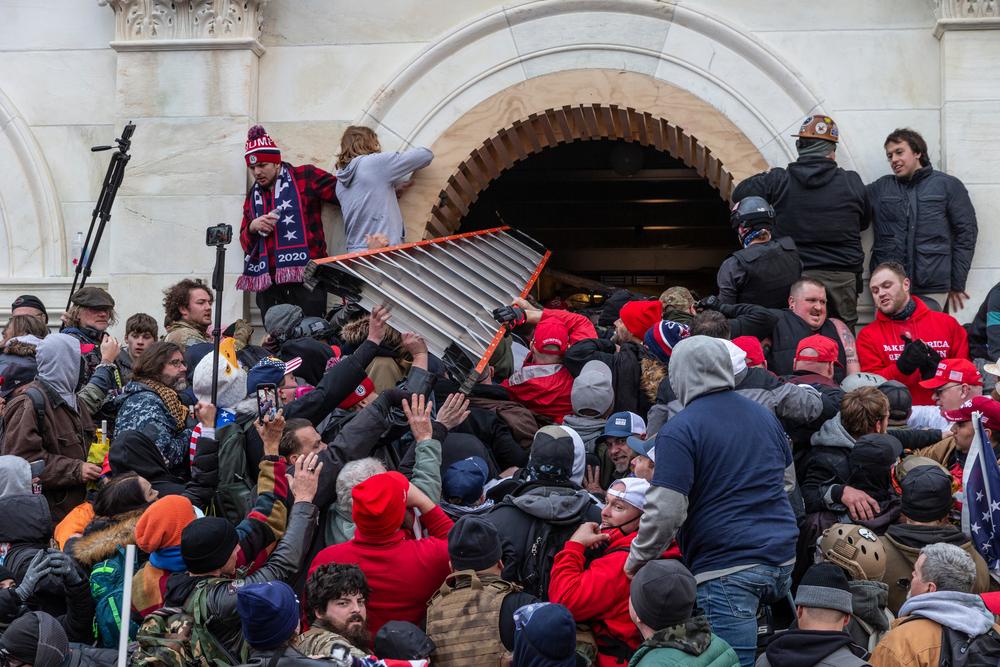
Jan. 6, 2021 marked a day in American history that no one imagined happening: a modern-day civil war riot. The attack on the U.S. Capitol left many people angry, worried and confused … NEBHE Senior Fellow Charles Desmond and environmental expert Thomas Jorling, both advisors to the law firm Murphy, Hesse, Toomey & Lehane, LLP, explain why the real heroes were the "dedicated individuals, many of whom are volunteers, [who] check voter registration lists, distribute and oversee collection ballots, monitor the physical security of the ballot boxes and machines and count ballots, all with a profound sense of the critical importance of the process." Desmond and Jorling add: "Unlike the president and his enablers, these workers, and the thousands who stood in line for hours to exercise the right to vote, revere our Constitution and the central role free and fair elections play in assuring the future of this country we call the United States of America. These patriotic citizens do not seek recognition; they consider it their civic duty to assist in ensuring that each federal, state or local election adds to the promise of government of, by and for the people."
|
|
|
There has been a growing consensus among authorities, especially in the Trump era, that the U.S. is in an epistemological crisis that threatens our democracy," writes historian and former professor George McCully, founder and CEO of the Catalogue for Philanthropy. McCully quotes former President Barack Obama's assertion that "if we do not have the capacity to distinguish what’s true from what’s false, then by definition, the marketplace of ideas doesn’t work. And by definition, our democracy doesn’t work. We are entering into an epistemological crisis." If this is true, McCully suggests, it's up to the academic and journalistic communities to accept their share of accountability and do a more effective job of teaching and promoting thinking on the basis of evidence.
|
|
|
Persistent racism, nationalism, deindustrialization, economic inequality, and the inability of governing elites to adequately address these forces are among the causes of anti-democratic tensions under the Trump administration, according to Franklin Pierce University sociology professor Douglas F. Challenger. But the main cause, Challenger argues, is a lack of good civic education in schools and universities. "A robust, new version of civic education would go a long way to help reverse the civic recession we’ve been in, serve as an antidote to creeping authoritarianism and inspire democratic engagement now and in the future," he writes.
|
|
|
NEJHE NewsBlast is a summary of NEJHE content and other news around NEBHE prepared weekly by NEJHE Executive Editor John O. Harney and emailed every Wednesday to opinion leaders and practitioners. When responding to NEJHE content, please make sure that your remarks are relevant, courteous and engaging. Individuals are responsible for their comments, which do not represent the opinions of the New England Board of Higher Education. We urge commenters to briefly note their occupational or other interest in the topic at hand. Please refrain from offensive language, personal attacks and distasteful comments or they may be deleted. Comments may not appear immediately. Thank you for staying engaged.
|
|
NEJHE NewsBlast is sponsored by
|
|
For more information about partnering with NEBHE, click here
or send an email message to our events coordinator Marla Phippen.
|
|
© 2020 New England Board of Higher Education |
|
|
|
|
|
|
|