|
|
Pacific Naturopathic Newsletter
Number 161 • February 2023
---------------
Water, Water Everywhere!
|
|
IN THIS MONTH'S NEWSLETTER:
☞ Dr. Connie muses on Water: Spirit and Health
☞ The Magic of the Myers Cocktail
☞ Dr. Marcel: Nature's Oldest and Most Effective Remedy
☞ Dr. Marcel: The Wet Sock Treatment for Colds, Sinusitis and Flus
☞ Dr. Connie: Dehydration
☞ Dr. Marcel: The Adjunctive Cancer Care Program at Pacific Naturopathic
☞ Yoga with Bhawani Hannah Isaacson
☞ Our Hawaii Retreat Center: The "Water Island"
☞ Anandini: Column will return next month
☞ Thermography: How to prepare for your exam
☞ Jane: Column will return next month
|
|
COVID Rules for Patient Visits
Dear friends,
If you are even slightly symptomatic or have tested COVID positive in the past 10 days, please do not come to the clinic seeking care. We are not first responders and patients coming to the clinic for IV therapy or in-person appointments must be protected. Thank you for observing this important rule.
We are following the protocols as set by Sutter Health.
- We are still offering either in-person patient visits or consultations via Zoom or FaceTime. Your choice.
- Masks are required in the clinic. No more temperature checks upon arrival.
- Intravenous therapy is still being offered to non-symptomatic patients in our office. New IV patients are also welcomed.
Please phone for information: 650-961-1660
______________________________
|
|
What this newsletter is about...
The title of this newsletter is from Samuel Taylor Coleridge's depressing poem, "The Rime of the Ancient Mariner" that many of us were forced to read at some point during our formal educations. We had to deal with lines like "water, water everywhere and not a drop to drink," instead of poems like this by Hafíz, “For a day, just for one day, talk about that which disturbs no one and brings some peace into your beautiful eyes."
Water, water everywhere is what we are experiencing in Northern California this winter. It is raining now, as we put this newsletter together. We are grateful. We will have plenty of precious water all summer this year.
From a health perspective, Dr. Connie leads off this month by looking at water from a metaphysical and spiritual ritual perspective; Dr. Marcel looks at water from a hydrotherapy and health point of view; Dr. Marcel then explains how to use a simple, elegant and amazingly effective form of hydrotherapy; Dr. Connie then writes on the dangers of dehydration. Anandini's and Jane's columns will return next month.
FUNDRAISING ANNOUNCEMENT -- FINAL CALL FOR HELP!
(Repeated from January Newsletter)
Many of you know that Dr. Marcel is Cuban. Every 2-3 years he, his two sisters and Dr. Connie make a trip to Cuba carrying suitcases full of medicine, clothing and simple necessities that are hard to come by on the island due to the American embargo imposed over 60 years ago. Things like underwear, toothbrushes and over-the-counter medicines are just not available, except on the black market. We also carry cash to disburse among Dr. Marcel's many relatives that they judiciously use to purchase food and medicine and help other people as well. If you feel so inclined to help in this regard, please send a donation via PayPal (mjh111842@gmail.com) or bring a check or cash to the clinic before we depart. Even a small amount will be more helpful than you can imagine. We are leaving for Cuba on Friday, February 24. Many thanks in advance...
--------------
FLASH -- FLASH
Dr. Marcel's new book on prostate cancer is now available! Scroll down to read more about it!
--------------
Of course, you'll find our regular updates on our Hawaii vacation rental, thermography, health products we like and the wonderful Myers Cocktail. Humor and and inspiration also have their own regular places in the newsletter.
-----------------
Think happy, healthy thoughts!
Find opportunities for laughter!
Express love and appreciation often!
Smile when you read this!
Dr. Connie, Dr. Marcel, Dr. Sage, Jane,
Anandini, Bridget, Gabe and Marina
Your Pacific Naturopathic Team
|
|
About Pacific Naturopathic |
Pacific Naturopathic is a true, old-style family business. We've been serving in California since 1993. Dr. Marcel and Dr. Connie are the docs, their son, Gabe, is systems manager, Gabe's wife, Marina, is the thermography tech, Dr. Marcel's sister, Jane, is our mind/body specialist and our 29- month-old grandson, Quinn, (pictured here at a playground tunnel) is the minister of joy.
|
|
|
Our doctors have years of experience in helping provide information to our patients to help them make informed choices on which path to pursue. We are experts in evidence-based alternative and adjunctive cancer care.
|
|
Our lovely Hawaii vacation rental has woven its magic with our guests for 15 years!
Book through our office for special savings by phoning 650-961-1660.
Speak with Dr. Marcel for more information.
|
|
Serving the Bay Area since 1993. Experience counts in the field of medicine. We have also shared our knowledge by mentoring many other doctors over the years.
|
|
Dr. Marcel's just published book....
An Integrative Approach to Treating Prostate Cancer
by Dr. Marcel Hernandez, ND
• What is a prostate and what does it do?
• Is a prostate biopsy safe?
• What does the Gleason score mean?
• How is the PSA interpreted?
• What new therapies are available for treating prostate cancer?
• Is surgery the right approach for me?
• What are the side effects of conventional therapies for prostate cancer?
• What evidence-based natural treatments are available for prostate cancer?
This is a must-have book for men with prostate cancer, for their caretakers, for health care providers and anyone seeking to understand how an integrative approach combining both conventional and alternative therapies to treating cancer offers far better outcomes.
Available from Amazon HERE
|
|
Dr. Connie's musings...
On Water:
Spirit and Health
______
by Dr. Connie Hernandez, ND
|
|
As one of the five elements, water has always had a place in healing. From ancestral times, spas and hydrotherapy centers have offered hot and cold immersion baths and treatments, sitz baths, foot baths, steam baths, wet sheet treatments and other wraps, colonics, water fasting, and much more.
These treatments enhance physical health, but also soothe emotions. Historical water cure facilities offered residential social and cultural experiences as well as physical treatments.
Water is also an integral part of the ritualistic purification practices of many spiritual traditions. Japanese Shinto monks bathe under waterfalls. Christians are baptized in water. Tahur, the water used by Muslims for daily ablutions can be from precipitation in the form of rain or snow or hail or from the earth, whether from river, spring, lake or oceans. Per Allah “We sent down water from the sky to purify you” Hindus bathe in the Ganges and use water to purify ritual objects and themselves. Purity, calmness and clarity are some of the spiritual qualities of water.
As one of the five elements, and as the element of the second, sacral or water chakra (Svadhishthana, literally the dwelling place of the self), water has profound effect on body, mind and spirit. In Eastern medicine, water must be balanced with earth, air, fire and ether. When the water element is out of balance, you might experience low back pain, weak knees, emotional detachment and a feeling of isolation. Acupuncture, acupressure, and mudras specific to dehydration or to water retention are of benefit. Diets which include pure water, dark berries and root vegetables, salt water fish, nuts and seeds are also helpful.
The water chakra is naturally associated with the bladder and kidneys, but also the reproductive organs. The chakra is blocked by fear, and the water represents flow, fluidity and flexibility. Working with the energy centers of the body through meditation, yoga and other breath movement exercises helps regulate the chakras and allows energy to flow.
Hydrating with pure water is an obvious step toward bodily purification. Conversations can be had comparing oxygenated water, hydrogen water, alkaline water, blessed water, water purified with ultraviolet or solid carbon filters, water from natural sources versus city water, water stored in glass versus plastic, and in containers of various colors. But the need for hydration is not disputed.
Water can be used in multiple simple ways for self-healing. Bathing in oceans, lakes or rivers and the ocean is invigorating. It is an otherworldly experience to receive water massage (watsu) while floating and cradled by a skilled therapist. Floating in a flotation tank has similar effect. Bathing in baking soda and magnesium flakes in your own bathtub is calming. Steam and infrared saunas release toxins along with the sweating they cause. (Masters tell us that we should find a way to sweat twice daily) Feng shui advises placing water fountains in your home to keep the good energy flowing.
If you are drawn to water cures, you will find resources in Eastern and Ayurvedic medicine and spirituality, and in the nature cures of naturopathy.
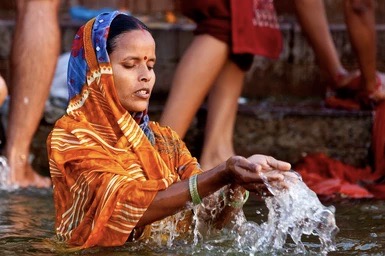
(Photo: bathing in the Ganges River in India)
Dr. Connie: 650-961-1660
|
|
Protect Yourself and Your Family
by Boosting Your Body's Reserves
of Immune System Supporting Nutrients
• • • • •
|
|
|
|
Myers Cocktail:
Safe, Powerful, Effective
|
The Myers Cocktail has been around for more than 40 years and is the most popular IV cocktail in our clinic. Read this detailed information sheet and you will see why.
• • •
Want to learn more about the Myers Cocktail? Alan Gaby, MD, has written the definitive, easy-to-read MONOGRAPH about it.
• • •
Please phone 650-961-1660 for more information. A full description of our intravenous therapy offerings is available HERE
|
|
|
|
Water: Nature’s Oldest and Most Effective Remedy
_____________________
|
TexMarcel Hernandez, N.D.
|
|
Countless books and articles have been written about the healing powers of water. Ancient cultures in Greece, China and Japan were among the first to develop techniques for therapeutic applications of water. In Europe, the practice rose to prominence during the 18th and 19th centuries as physicians of the day studied the science of water therapy.
For hundreds of years, people have traveled great distances to drink or bathe in water from mountains, wells and springs that are imbued with special energy. Many people believe that water has the ability to absorb prayers and cleanse unwanted energy in addition to its healing properties.
Mohammed said that a garden with fountains signified Paradise on Earth. In Islamic countries, many of which are arid, water plays both a physical and metaphysical role. Necessary for irrigation and life support, water was also required for ablution (ritual purification) and bathing as part of daily spiritual practice. For this reason, Muslim leaders secured constant access to water immediately upon developing a community.
From a medical point of view, water helps thin the blood and move nutrients and oxygen through the body. Water significantly affects energy levels and enhances brain function. It helps relieve constipation and prevent kidney stone formation. It is crucial to drink a lot of water after an injury or surgery, so that cell-repairing nutrients can be easily brought to the recovering areas. That’s just a small part of the part water plays in our health.
In our travels throughout the world, Dr. Connie and I have studied how traditional cultures have used water as part of their rituals and health practices. Our search has taken us to traditional Arab baths (hammans) in Spain where we lay on heated marble slabs while streams of hot water were poured over us. In other hammans in Spain programmable showers with numerous water jets prepared us for the various temperatures of the plunge tubs. In Japan, we visited many hot spring resorts whose mineral-rich water was thermally heated by volcanoes. In the Hungarian countryside, we bathed in mineral baths whose unique combination of elements was reputed to cure cancer. In Lourdes (France) we had an early morning bath in the frigid spring where the Virgin Mary appeared to Bernadette.
The focused use of water for its therapeutic effects is called hydrotherapy. Hydrotherapy harnesses the life-giving power of water and uses it to provide relief and comfort to those who suffer from all manner of spiritual, emotional and physical aches and pains.
From day one as naturopathic doctors, we have implemented the use of water as part of our therapeutic regimens for our patients. This is especially true at our Hawaii vacation rental and retreat center where infrared sauna, hot tub and cold plunge are offered to guests.
The healing properties of hydrotherapy are based on its mechanical and thermal effects. The body reacts in several ways to alternating applications of hot and cold water – especially in its vasoconstrictive and vasodilative effects. Hot water is used to quiet and soothe the body and to slow down the activity of internal organs. Cold is used to stimulate and invigorate and increase internal activity within the body. When alternated, hot and cold stimulate the immune system, influence the production of stress hormones, improve circulation and digestion, and lessen the body’s sensitivity to pain.
Other benefits of hydrotherapy include powerful detoxification actions, muscle (and mental) relaxation, increase of metabolic rate and digestive activity, cell hydration, boosting of immune system activity and improving internal organ function by stimulating blood supply.
Hydrotherapy may play a part in treating a wide variety of conditions, including depression, anxiety, immune system problems, arthritis, colds and flus, both chronic and acute headaches, digestive disturbances, joint, muscle, and nerve problems, sleep disorders and stress, both chronic and acute pain, fibromyalgia, asthma, bronchitis, high blood pressure and inflammatory conditions.
Interested in trying hydrotherapy? There are countless hydrotherapy techniques. Here are just two of them.
One easy way to experience hydrotherapy benefits is to turn off the hot water for the last 15 seconds of your shower. Stimulation and improved mental clarity are guaranteed. Following this article, the simple but amazingly effective wet sock treatment is another form of hydrotherapy used relieve sinus congestion and frontal headaches.
One word of caution: people with severe heart problems and the very elderly can also greatly benefit from hydrotherapy but a narrower range of contrast between hot and cold applications must be employed and they should be monitored by a health care professional.
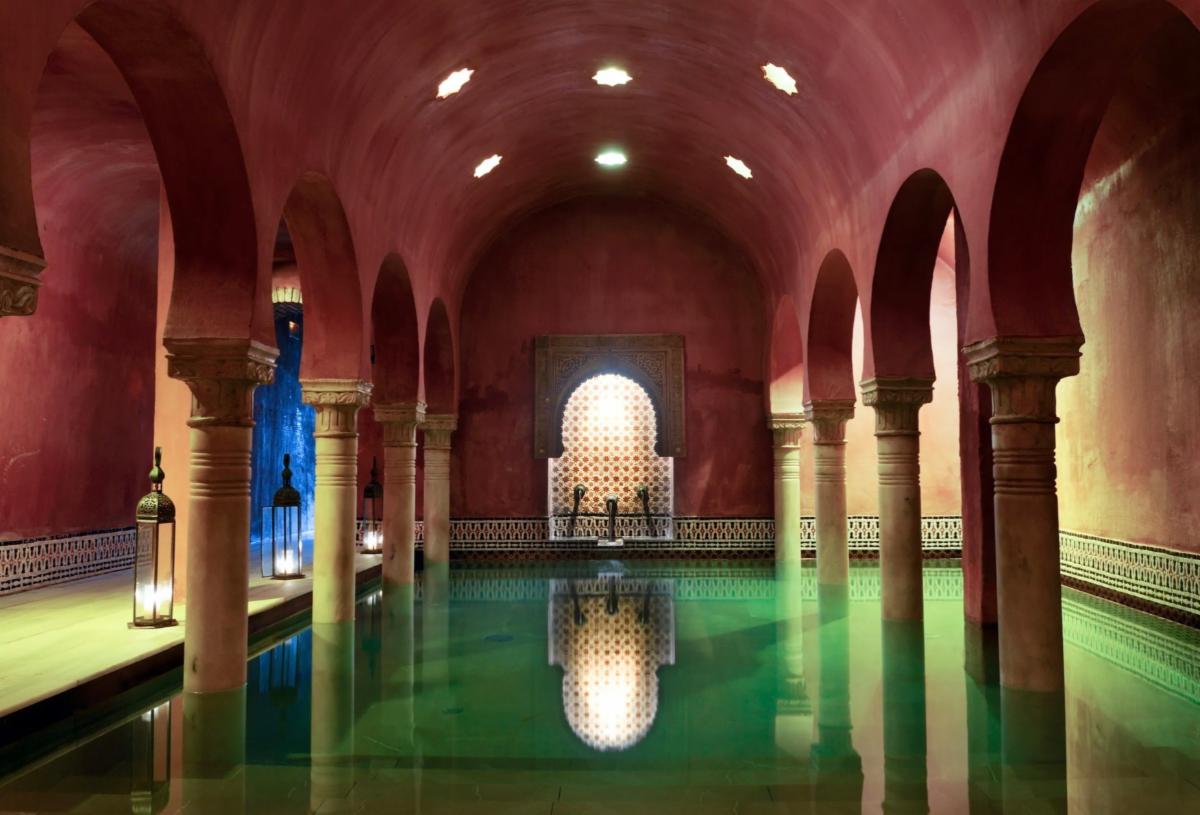
(Photo: A typical hamman -- a Turkish bathing facility)
-----
Dr. Marcel: 650-961-1660
|
|
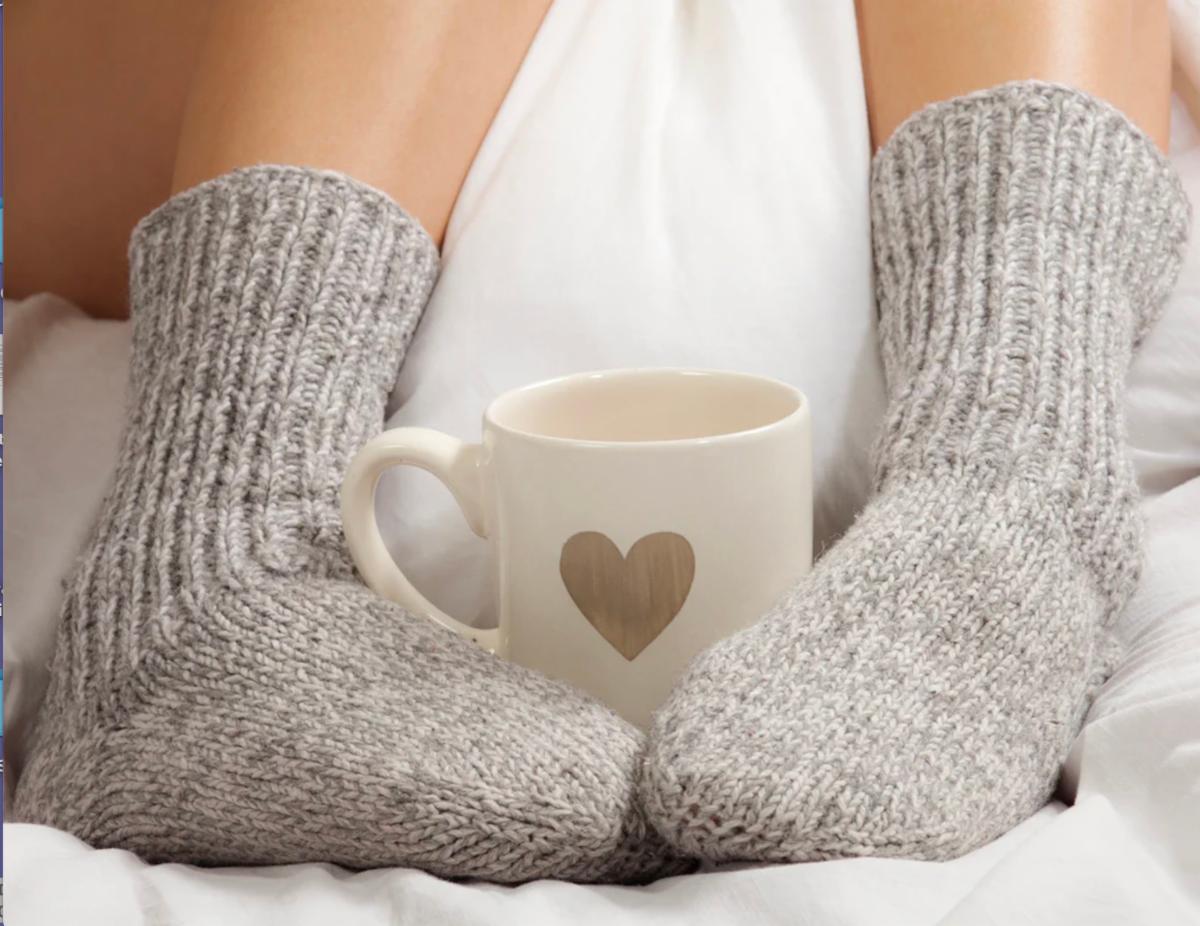
The Wet Sock Treatment for Colds, Flus and Sinusitis
Marcel Hernandez, N.D.
The wet sock treatment is one of the most useful hydrotherapy treatments and may be used with people of all ages, from infants to the elderly. It requires very simple supplies found in any home. It is a very relaxing therapy, and infants and children who may have had trouble sleeping on previous nights because of congestion will drop off to sleep. Be prepared for initial vocal resistance from little ones. This resistance will last for just a short time as the therapy begins to work its magic.
The wet sock treatment relieves head and sinus congestion, headaches, earaches, PMS, sore throat, prostate hypertrophy and other conditions where there is congestion. It also relieves stress, prevents and shortens upper respiratory infections, warms chilled persons and soothes abdominal pain.
Equipment Needed
1. Foot tub, basin or bathtub may be used
2. Hot water
3. Cold water
4. A pair of thin cotton socks, soaked in cold water
5. A pair of thick, dry wool or cotton socks
6. A warm blanket
7. A towel
General Instructions
1. The wet sock treatment should be carried out in the evening just before bed or at other times when the patient can remain at home and not have to move around.
2. The warmly-dressed patient sits in a chair or on the side of a tub with his/her feet in hot water (100 to 110 degrees) and a blanket draped around the shoulders. Hotter is better, though take care not to burn the skin. Infants may be immersed in hot water. The water should be 3 to 8 inches above the ankle bones. Keep feet in water for 10 minutes. The feet should be a rosy color.
3. Take the feet out of the hot water and dry quickly. The thin cotton socks, which have been soaking in cold water, are wrung out and immediately put on the feet.
4. The thick, dry cotton socks are immediately put on over the thin cotton socks.
5. The patient should them lie down and take a nap, read or go to sleep. Within 2-3 hours body heat will dry the socks and they may be removed, if uncomfortable.
Contraindications: Insulin-dependent diabetes, Buerger's disease, arteriosclerosis of lower extremities, loss of feeling in legs, skin rashes.
____________________________________________________________
|
|
Dehydration
by Connie Hernandez, ND
-----------------------
|
|
There’s no hard and fast answer to the question “how much water should I drink?” Patients often confess that they should be drinking more water. Their “should be” is generally based on the generic admonition to drink eight 8-ounce glasses of water a day. That could be either too much or not enough for a given individual.
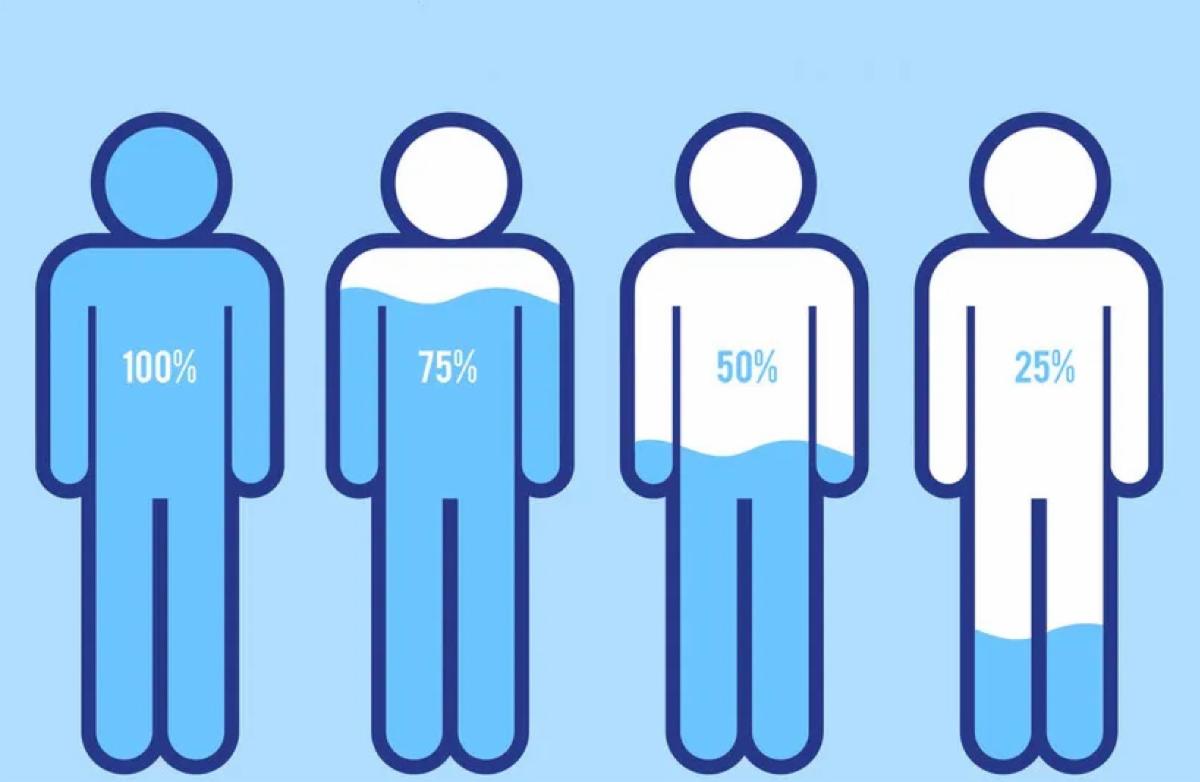
The idea is to prevent dehydration. An adult body is about 60% water. The beautiful, pliable skin of babies and toddlers reflects the high water content of their bodies (75%), while the dry and rigid skin of the elderly reflects a water content that has decreased through life (55%).
Water cleanses the body, facilitating the release of toxins. Dehydration is a major cause of dryness of lips, mouth, eyes and skin. Headaches, bad breath, dizziness, and fatigue are common in dehydration. Consequences of dehydration include low blood pressure, cardiovascular risk, constipation, joint pain, muscle cramps, impaired mental function, depression, delayed wound healing, eye styes, poor tissue oxygenation and visual issues.
All of the listed problems have multiple causes, so how would you know that you are dehydrated? With dehydration, blood draws are difficult, and I.V. therapies even more so. If you pinch the skin of your hand and the skin peaks and does not quickly return to normal, you are dehydrated. Thirst is also an indication that you have already lost some of your body fluid. If you have scant, infrequent urination, or dark colored urine (when not caused by intake of B vitamins or medications), you are probably dehydrated. Healthy adults tend to urinate every 2-3 waking hours.
Sodium levels on a blood test can be revealing. While the conventional range of normal is between 135 and 145, optimal is from 137 to 142. Those with numbers outside the top of the range display signs of biologic aging and are more prone to chronic disease and premature death. (Overhydration can also be problematic, causing low sodium which can result in headache, nausea and more severe consequences.)
There are many reasons that people become dehydrated. Many of us have been trained, for convenience, to ignore the body’s thirst signal and thus just don’t intake adequate fluids. Water may be lost through fever, sweating, vomiting and diarrhea, or use of diuretics. Stress hormones impact aldosterone, the hormone which helps manage the balance of water and salts in the kidneys. Age, size, and loss of muscle mass all affect water loss, as does health status in general and activity level.
While the National Academies of Science advise 2.7 liters of water for women and 3.7 for men, the factors listed above must be taken into consideration. As a rule of thumb, 80% of fluid intake may be from beverages, and 20% from foods. Soups and smoothies count, and fruits such as watermelon and veggies such as cucumber are filled with fluid.
Good guidelines are to respond to your body’s thirst signals by drinking, and by drinking before and during exercise, and between meals (45 minutes before and after eating) Take small sips rather than glugging your water. Room temperature water gives greater benefits than ice water. Drink while sitting to hydrate internal organs. When you drink while standing, fluids hydrate your joints.
If you are aware of all of these parameters, and still dehydrated, try using electrolytes. LyteShow can be purchased on line. Electrolyte Synergy (by Designs for Health) is good for athletes and those who sweat excessively. Another good option with several flavor alternatives is Optimal Electrolyte Powder (by Seeking Health). You’ll notice that these formulas emphasize potassium over sodium. Food based electrolyte drinks include miso soup, tomato juice mixed with sauerkraut juice and coconut water.
Make some changes in your fluid intake, try using electrolytes, and address any underlying conditions you may have that could affect your water balance. You’ll feel better in so many ways.
-------------
Dr. Connie: 650-961-1660
_______________________________________
|
|
The Adjunctive Cancer Program at Pacific Naturopathic
----------
by Marcel Hernandez, ND
|
|
When welcoming a new cancer patient into Pacific Naturopathic, I tell them that like the four legs of a chair offer support for the body, the four components of our adjunctive cancer care program offer support for the cancer experience.
The first leg of the program is oral supplementation. Regardless of internet hype, oral supplements are not going to cure cancer. Rather, they perform support functions like addressing nutrient deficiencies, decreasing inflammation, preventing angiogenesis, stimulating the immune system and, in some cases, causing some cancer cell apoptosis.
The second leg of the program is the mind/body connection. This part of the program is the most difficult for new patients to understand and implement as western medicine almost entirely addresses illnesses on the physical level. The scientifically proven fact is that stress undermines the immune system predisposes people to opportunistic illnesses. Also, old tapes playing in consciousness that are reflective of cancer-caused anxiety contribute to poor outcomes. We do have an extremely effective mind/body treatment program at Pacific Naturopathic, but few people take advantage of this opportunity. Working on the mental/emotional level is just not part of our society’s approach to dealing with cancer.
The third leg of the program is the nutritional component. The dietary approach for cancer developed at Pacific Naturopathic is mostly common-sense healthy eating – low carbs, lots of fruits and vegetables, adequate non-red meat protein, healthy oils, eating mostly organic and avoiding food additives of all kinds and more. The foundation of the cancer diet is a modified Mediterranean diet, long regarded as the healthiest diet in the world. For patients from ethnic backgrounds, we help them modify their traditional diets to be more in tune with cancer care.
The fourth leg is the intravenous therapy program. The heart of the IV program is intravenous vitamin C, regarded in countless studies as therapeutically effective in treating most cancers. We also offer IVs that address the peripheral neuropathy caused by chemotherapy and IVs that address nutrient deficiencies resulting from the cancer experience.
Not mentioned above are other elements essential to cancer therapy like a consistent exercise program, having a dedicated support community and the importance of integrating a spiritual component into the overall scenario.
------------
Dr. Marcel: 650-961-1660
|
|
Drs. Connie and Marcel's Big Island Vacation Rental
Hawaii should be called
"the water state"
|
|
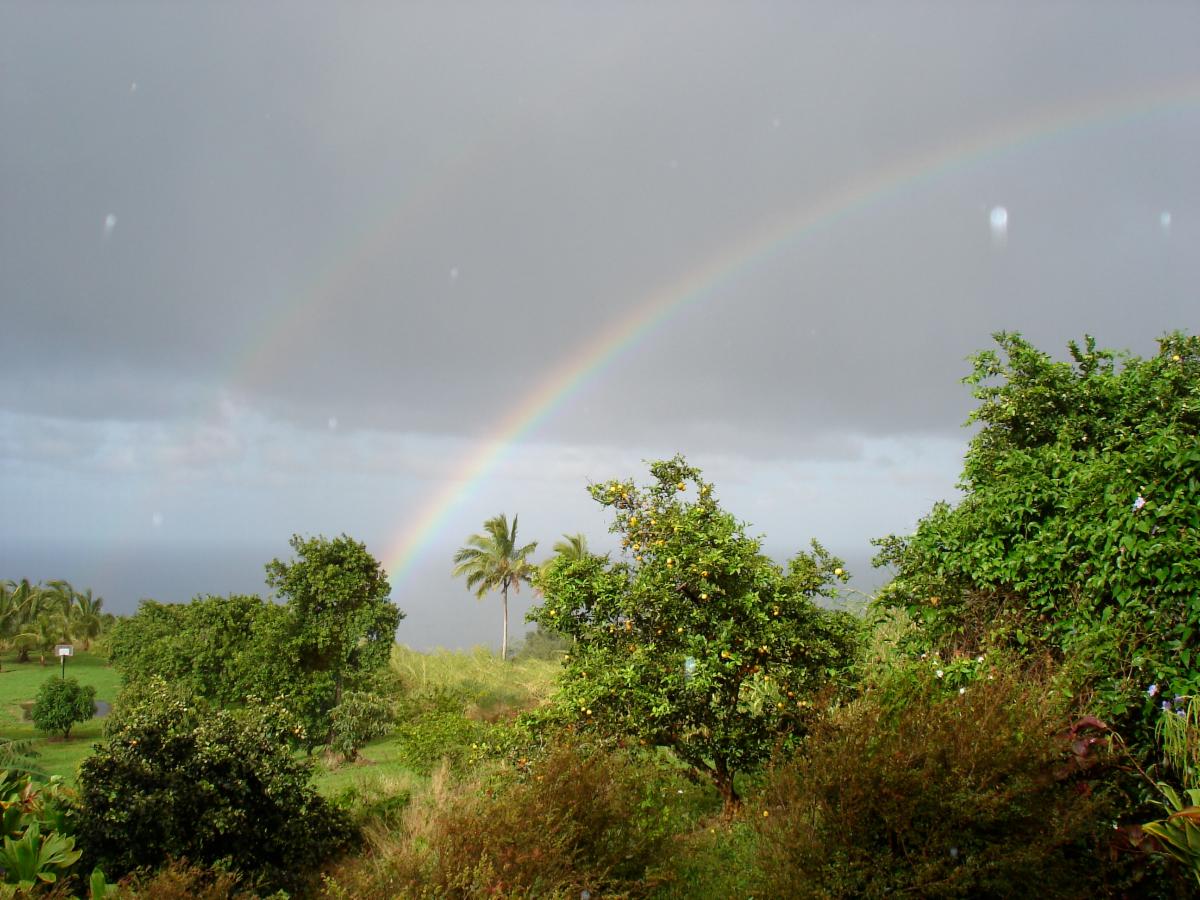
In Hawaii, misty drizzles and pounding rains (fall mostly at night) meet with the tropical sun to bless the land with rainbows.
Waterfalls, gushing rivers, pounding surf and gentle waves offer abundant opportunity to connect with the water element. Thalassotherapy (bathing in sea water) is a time-honored therapy.
At Pacific Naturopathic Retreat Center, you can devise your own water-based treatment protocols. Our private mini spa offers the opportunity to support your immune system by alternating soaks in the hot tub with dips in the cold tub or a splash under the cold shower. For pure relaxation, enjoy the hot tub under the stars at night. If you seek to detox and support the immune and cardiovascular systems, make use of the infrared sauna. For multiple health benefits, try dew walking on the grass in the early morning. Tune to the water and to the overall elemental nature of life in Hawaii, and you’ll realize benefits to your health.
Check the calendar (below) for openings at the vacation rental View House.
(photo: Rainbow view from the lanai of our Hawaii guest house)
-----
and see if there’s an opening for you.
-----
Contact us directly at Pacific Naturopathic (650-961-1660) if you’re interested in staying at our Hawaii retreat. Please email Dr. Marcel directly at HawaiiND@mac.com with questions.
If you want to see more photos click HERE, but booking directly through us, not this site, will save you a chunk of money in fees.
______________________________________________________________
|
|
Breast Thermography at Pacific Naturopathic
- How to prepare for your thermography exam -
-----
|
Breast thermography risk assessments are based in part on temperature differentials between the breasts. It is therefore important to follow simple protocols before your breast thermography exam to avoid influences which may impact your temperature.
On the day of the breast thermography exam, you should avoid hot showers, hot tubs, saunas and steam baths, heating pads or hot water bottles. Do not shave your underarms or use deodorant or other creams or lotions. Do not drink hot beverages or beverages containing caffeine or alcohol, or smoke cigarettes or take in products containing nicotine. Avoid cell phone use and eating or chewing gum. Ideally, do not wear a bra or a tight top prior to the exam. Avoid heated car seats before coming in for your exam. Reschedule if you are having a fever. Let the technician know if you are having a hot flash during the exam.
Keeping your temperature stable by avoiding external influences, and cooling of the thermography room prior to the exam help ensure more accurate results on the breast thermography exam.
• • •
The thermography scheduling is changing. Please check with the front desk if you are interested in scheduling.
• • •
Read more about
breast thermography at
Pacific Naturopathic HERE
To schedule an appointment: 650-9611660
|
|
Chinese medicine perspective...
Anandini's column will return next month
by Anandini Wadera, LAc
|
|
To schedule with Anandini, please contact her directly at
anandiniw@gmail.com or 650-922-1129
Visit Anandini's web site: http://anandiniwadera.com
|
|
One of our favorite products....
This is so gentle and lovely! We rub it over our hearts before bed for calm, sweet sleep.
Aurum Lavender Rose Cream is a fantastic soothing support for staying centered and promoting well-being. For temporary relief and protection from stress and tension, rub over the heart area every morning and evening or as needed. Aurum Lavender Rose Cream is a great product to help with the stresses of the holidays, traveling, new experiences and any moment you may need emotional strength. Also a great gift idea for your loved ones. Contains homeopathic potencies of horse chestnut, horsetail, St. John's wort, gold and myrrh. Also contains peat extract, lavender oil, geranium oil, rose oil and frankincense in a nongreasy cream base.
Available in our office for $27.
|
|
|
|
Mind/body perspective...
Jane's column will
return next month
by Jane Hernandez, CCHT
|
|
• • •
For more information about Jane Hernandez and her work click HERE
• • •
Schedule directly with Jane at 510-676-1460
|
|
Unusual Medical Practices
_____________
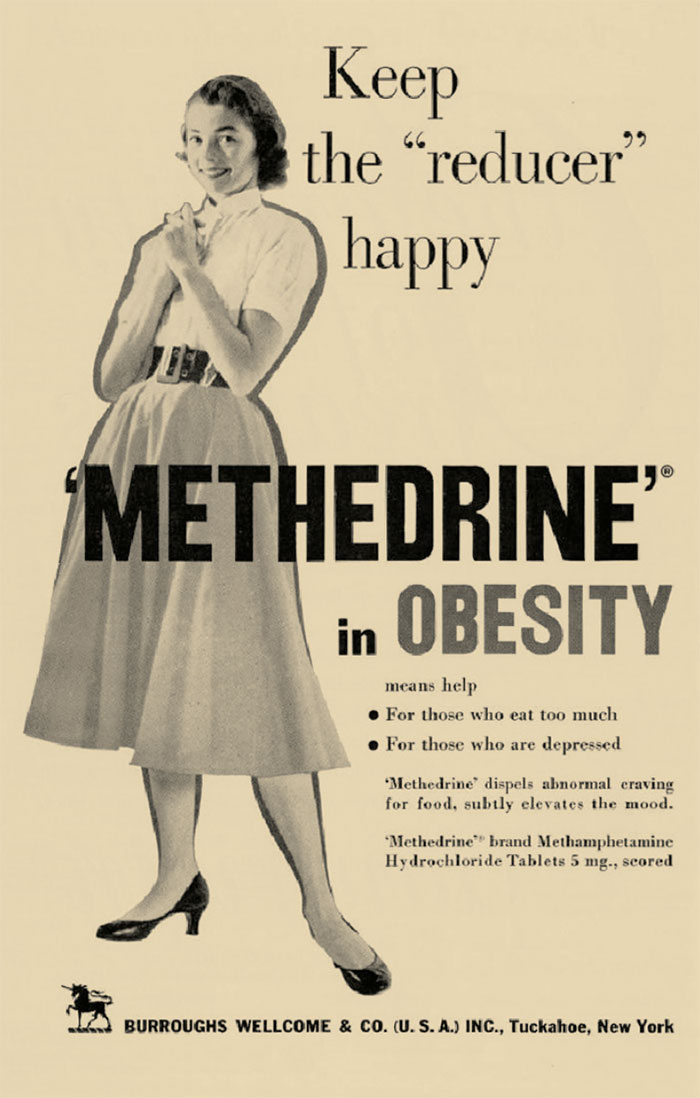
Methamphetamine for Weight Loss
Methamphetamine was first synthesized by a Japanese chemist in 1893. Early on, before the adverse effects of the drug were taken into consideration, meth was used to treat a variety of ailments, such as narcolepsy and asthma, and was also used as a weight-loss drug.
|
|
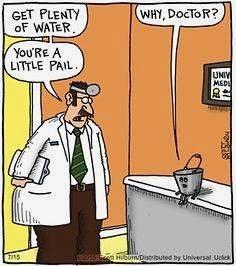
Medical Humor: A Break From Reality |
|
Pacific Naturopathic
&
The Hernandez Center
for Adjunctive Cancer Care
1580 W. El Camino Real, Suite 7
Mountain View, CA 94040
650-961-1660
|
|
|
|
|
|
|