News from around the Region | Stay up to date with our roundup of planning news and development projects from around the region. | | | Updated Policies & Criteria for Environmental Corridors
Now in Effect | |
Environmental corridors are connected areas of open space in urban and growing communities. They include environmentally sensitive lands, natural resources that need protection from development, and areas used for recreation and open space. As part of its role in administering the Dane County Water Quality Plan, CARPC sets requirements and guides the implementation of environmental corridors.
The 2026 Policies & Criteria for Environmental Corridors are now in effect following approval by the Wisconsin DNR. The updated policies provide clearer guidance and reflect current practices, available data, and stakeholder input.
| | | Reflecting on Our First-Ever Maydm Intern Experience | |
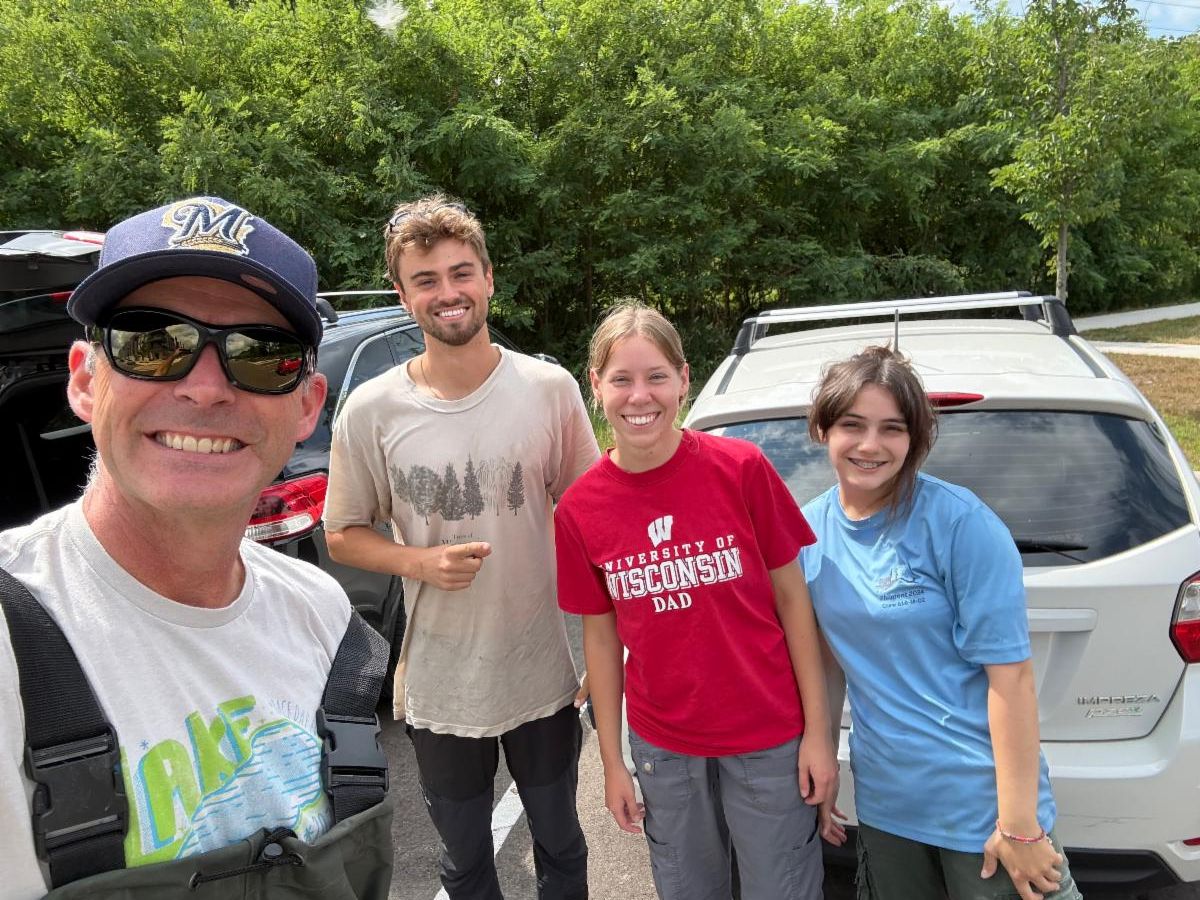
This summer, we welcomed Zaida Hendrickson to CARPC through Maydm, a local nonprofit that helps girls and youth of color explore careers in STEM.
It was our first time hosting a Maydm intern, and Zaida jumped right in. Over the course of the summer, she helped with land use mapping, urban service area analysis, comprehensive plan reviews, and road-stream crossing assessments. Her work took her from learning new mapping tools in the office to heading into the field in a pair of waders.
Reflecting on her experience, Zaida said, “CARPC has challenged me to become a better speaker and given me the confidence, skills, and imagination to move forward into my next chapter: studying chemical engineering at UW–Madison.”
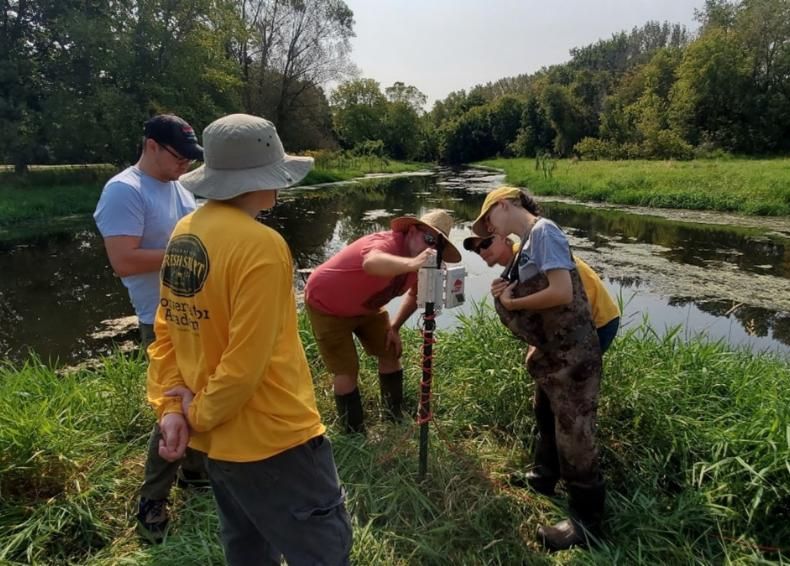
| | Zaida joins CARPC Environmental Resources Technicians Isaac and Ella in the field to check monitoring equipment at Starkweather Creek. | | CARPC Featured in Environmental Monitor Magazine | |
CARPC’s Starkweather Creek chloride (salt) monitoring project was recently featured in Environmental Monitor magazine! The article takes a closer look at how our team is tracking salt moving through the creek and into Lake Monona, and how that data can support future efforts to reduce salt pollution.
It also highlights the many partnerships that make this work possible, including our new “Adopt-a-Meter” program. Through the program, community groups help cover ongoing costs and maintain monitoring equipment at sites along the creek. And, of course, the article covers some of the more unexpected parts of creek monitoring, like beavers chewing through sensor cables!
| | | Last Call: 2027 Community Assistance Requests | |
There’s still time to submit your ideas! CARPC is accepting requests for planning and technical assistance for projects happening in 2027. All Dane County communities and nonprofits are invited to request support, and we also welcome fee-for-service opportunities in Rock, Jefferson, Dodge, Sauk, and Columbia counties.
From comprehensive planning and community engagement to mapping, data support, specialized reports, and more, our team is here to help. Big project or small, we’d love to hear what you’re working on! Send us your ideas by October 1.
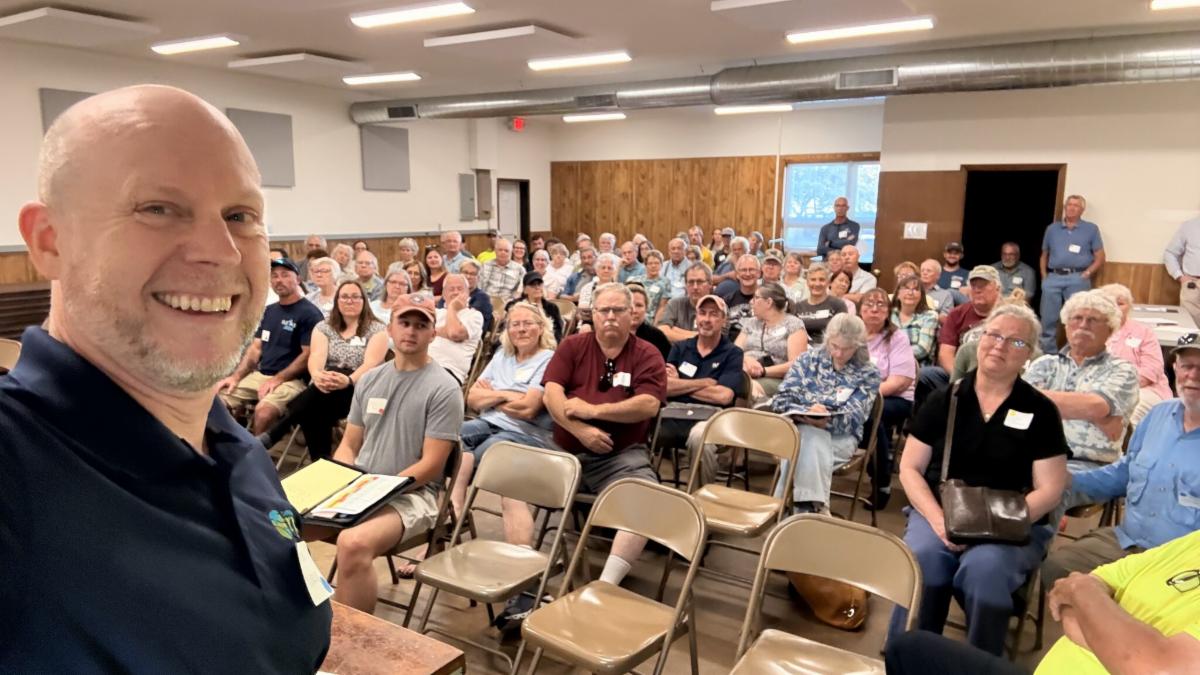
| | CARPC Executive Director Jason Valerius facilitates a public meeting for the Town of Montrose’s comprehensive plan update. | | Wisconsin Stormwater Week is Here! | |
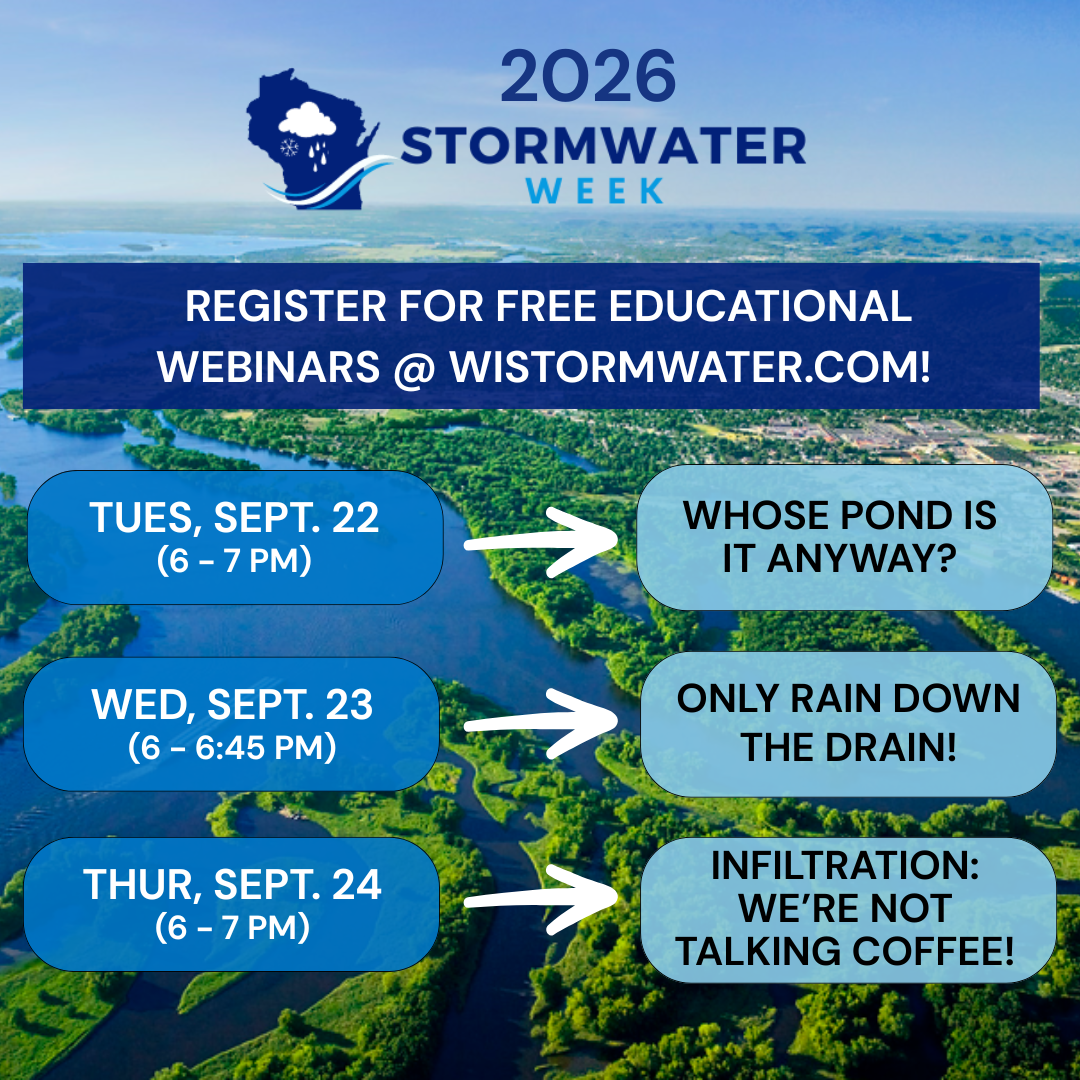
Wisconsin Stormwater Week kicks off tomorrow, Saturday, September 19, and runs through September 27! This statewide effort raises awareness about stormwater pollution and the simple steps we can all take to protect local waters.
Webinars and events will take place throughout the week, and this year’s call to action is to join your local Adopt-a-Storm Drain program and help keep storm drains clear of debris and pollution.
| | | Wisconsin DNR Small Business Environmental Council Meeting | |
Students, entrepreneurs, and small business owners are invited to attend a free event, either in person or virtually, from 10 a.m. to noon on Wednesday, September 30.
The event will cover environmental requirements that commonly affect small businesses and give attendees a chance to ask questions directly to Council members and Wisconsin DNR experts. You’ll also hear from Madison College President Dr. Jennifer Berne and DNR Secretary Karen Hyun and connect with others in the local small business community.
| | | |
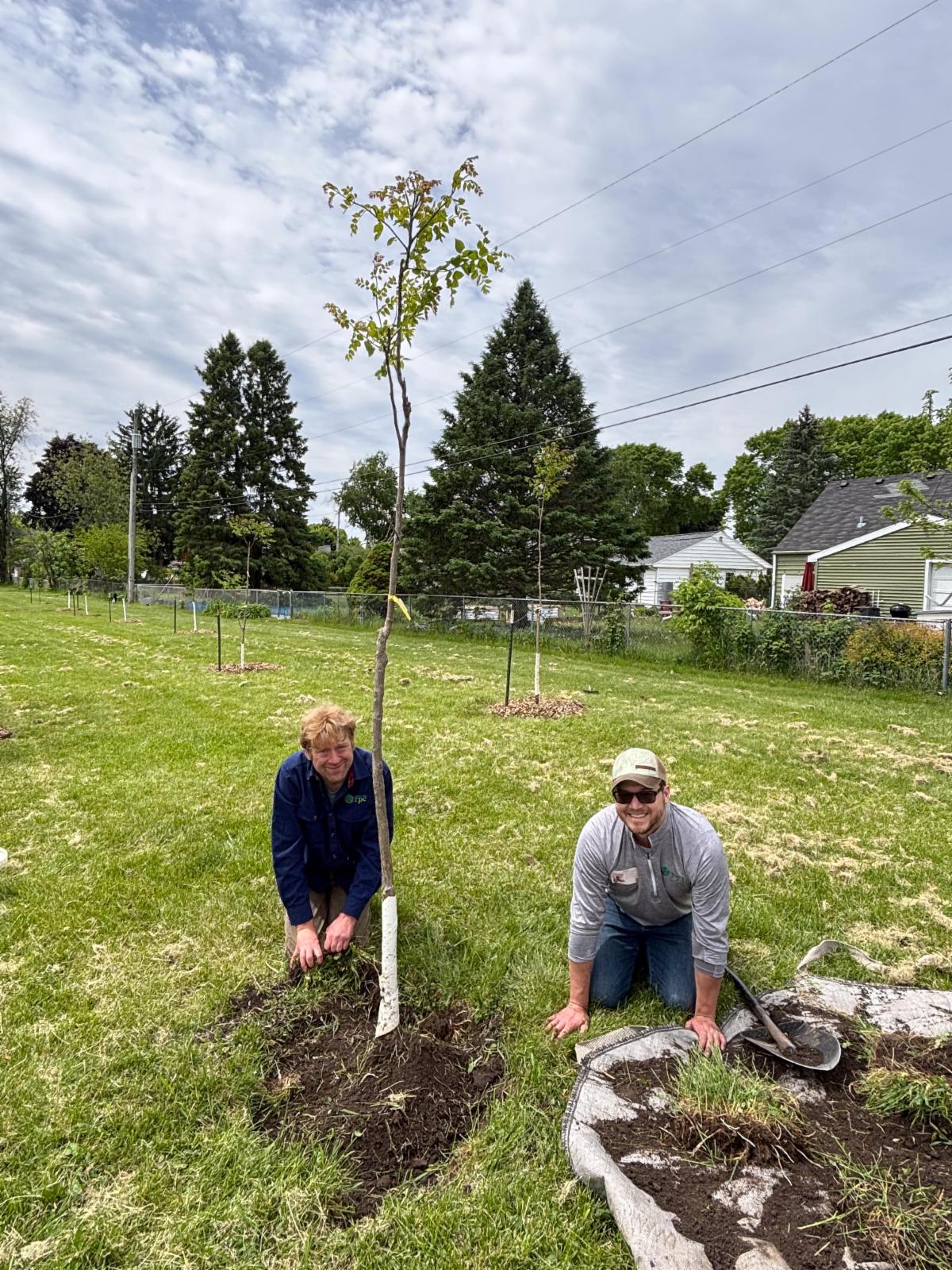
Looking to plant a tree? Dane County Land & Water Resources is offering free bare-root trees to local schools, municipalities, community organizations, nonprofits and businesses.
The trees are intended for areas across Dane County where they’re most needed. They must be planted in a publicly owned space or somewhere visible or open to the public. Available species are listed on the first page of the application.
Applications are due October 5, 2026. Forestry staff will follow up in mid to late October if trees that match your project’s needs are available. Tree pickup will also take place in mid to late October.
| | | Upcoming Winter Equipment Open House | |
The Dane County Highway Department and WI Salt Wise are teaming up to host a Winter Equipment Open House from 9 to 11 a.m. on Tuesday, October 20, at the Dane County Highway Eastside District Campus.
It’s a chance for local communities, policymakers, and anyone involved in winter maintenance to see equipment up close and learn from others doing similar work. Attendees can swap ideas, talk about what’s working in their communities and pick up practical tips and best practices to bring back to their own teams.
| | |
|
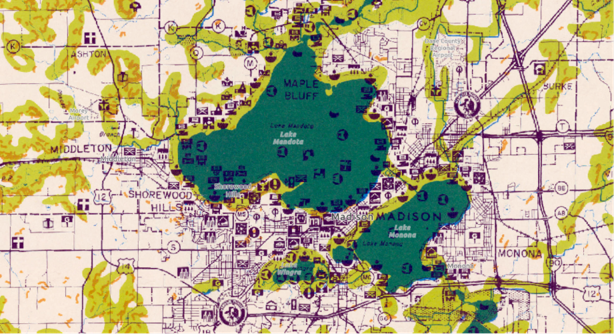
This summer, CARPC’s Maydm intern Zaida Hendrickson digitized a statewide environmental resources map dating back to 1964. The original 12-foot-tall map was commissioned by Governor Gaylord Nelson as part of the Wisconsin Landscape Resource Inventory, an effort to help state legislators prioritize lands to purchase for public outdoor recreation.
Phil Lewis, the legendary landscape architect who designed the Nine Springs E-Way in southern Dane County, led a team of students in identifying more than 38,000 natural features to create the original map, as detailed in the 1964 Wisconsin Blue Book. Their work also delineated a statewide network of environmental corridors, laying the foundation for the environmental corridor system we use today.
| | | | Brownfields Grant Program | |
Do you know of a property that’s sitting vacant or underused because of environmental contamination? The Brownfields Grant Program can help cover the cost of preparing it for redevelopment. Funding may be used for environmental investigations, cleanup and monitoring, hazardous waste removal, soil remediation, vapor mitigation and demolition that supports redevelopment.
Cities, villages, towns, counties, Tribal entities, individuals and businesses are eligible to apply. Grants are generally available for up to $250,000, and applications are accepted year-round.
| | |
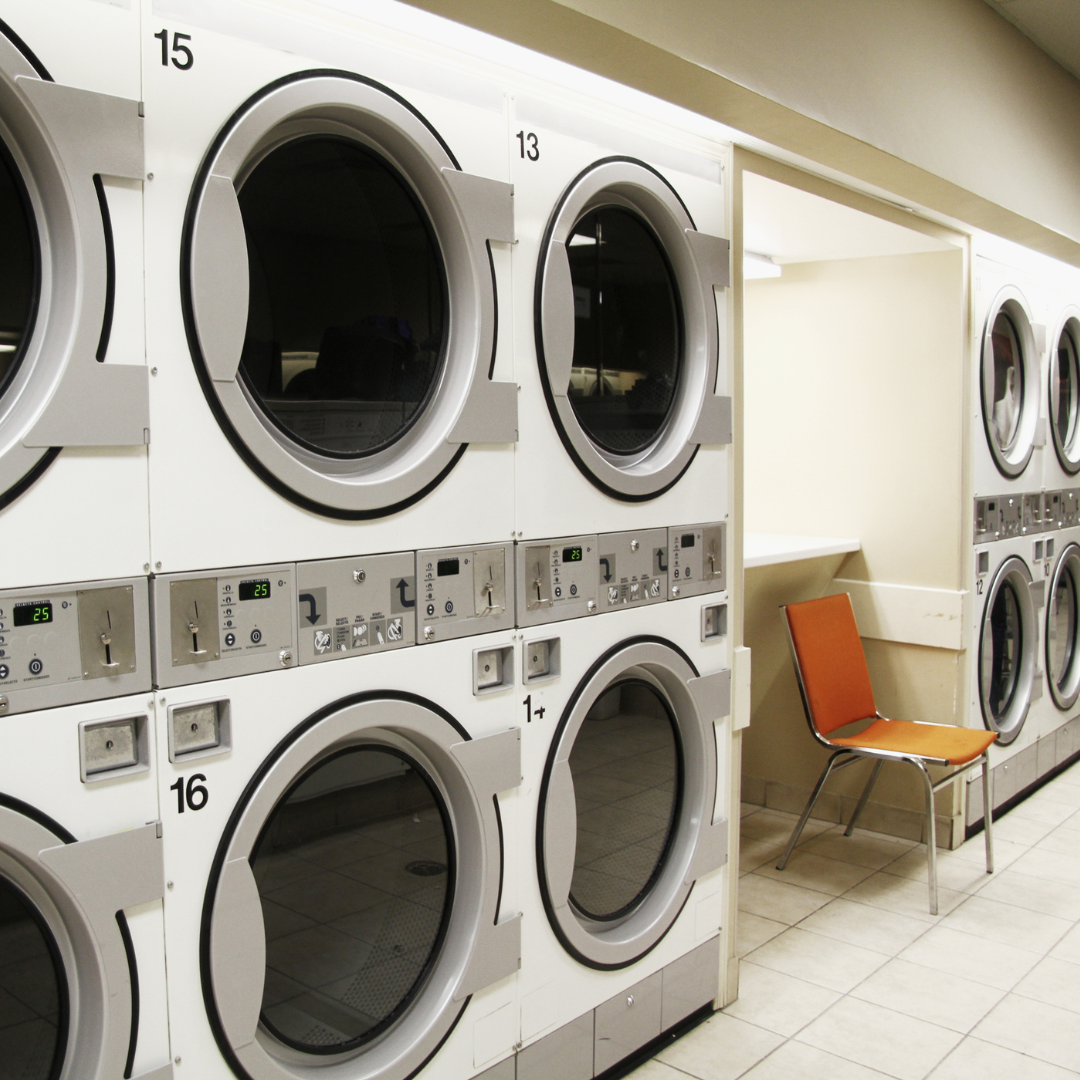
The former Waunakee laundromat is
one local project that received
Brownfields Grant funding.
| | |
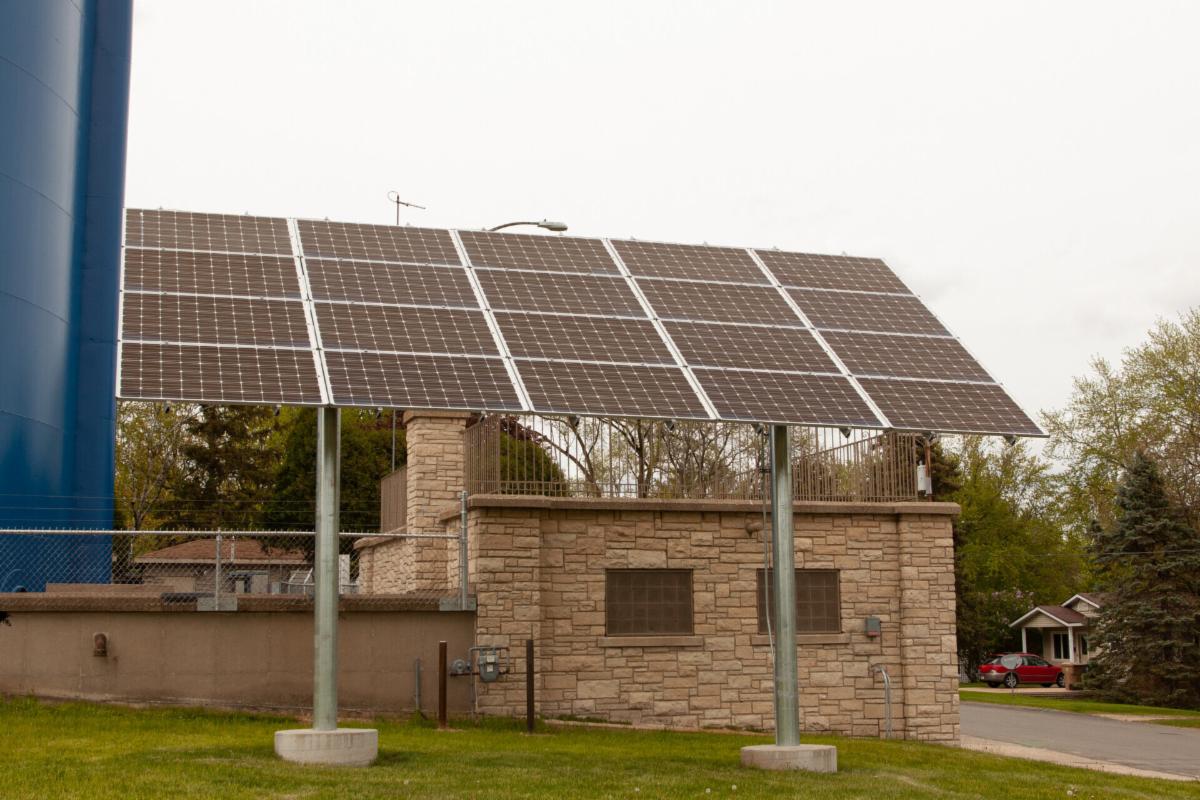
Thinking about switching to solar? The Solar Moonshot Program helps nonprofits across the country make the move to clean energy by supporting the installation of solar energy systems.
The program offers grants and low-interest recoverable grants to help cover costs not offset by the federal Investment Tax Credit. Grants of up to $25,000 are typically available, with award amounts based on each organization’s funding needs.
Priority is given to projects that have additional funding sources, are located in Communities of Concern, or serve youth and schools. Applications are accepted year-round.
| | |
Looking for more funding opportunities? Explore our Grants Database to find opportunities by project type, including transportation, stormwater, energy, planning, tree canopy, and more.
| | | | Greater Madison MPO Corner | | See Your Community From a Different Perspective | |
Week Without Driving is a nationwide challenge that invites everyone, especially transportation planners and decision-makers, to go without driving for a week, a day, or even one trip. It’s a chance to experience our transportation system from the perspective of the 30–40% of Dane County residents who don’t drive.
This year’s challenge is happening October 1–8, with events taking place across Dane County throughout the week, including Walk & Roll Audits led by AARP Wisconsin. You can also take the challenge yourself and share what you learn with the Greater Madison MPO.
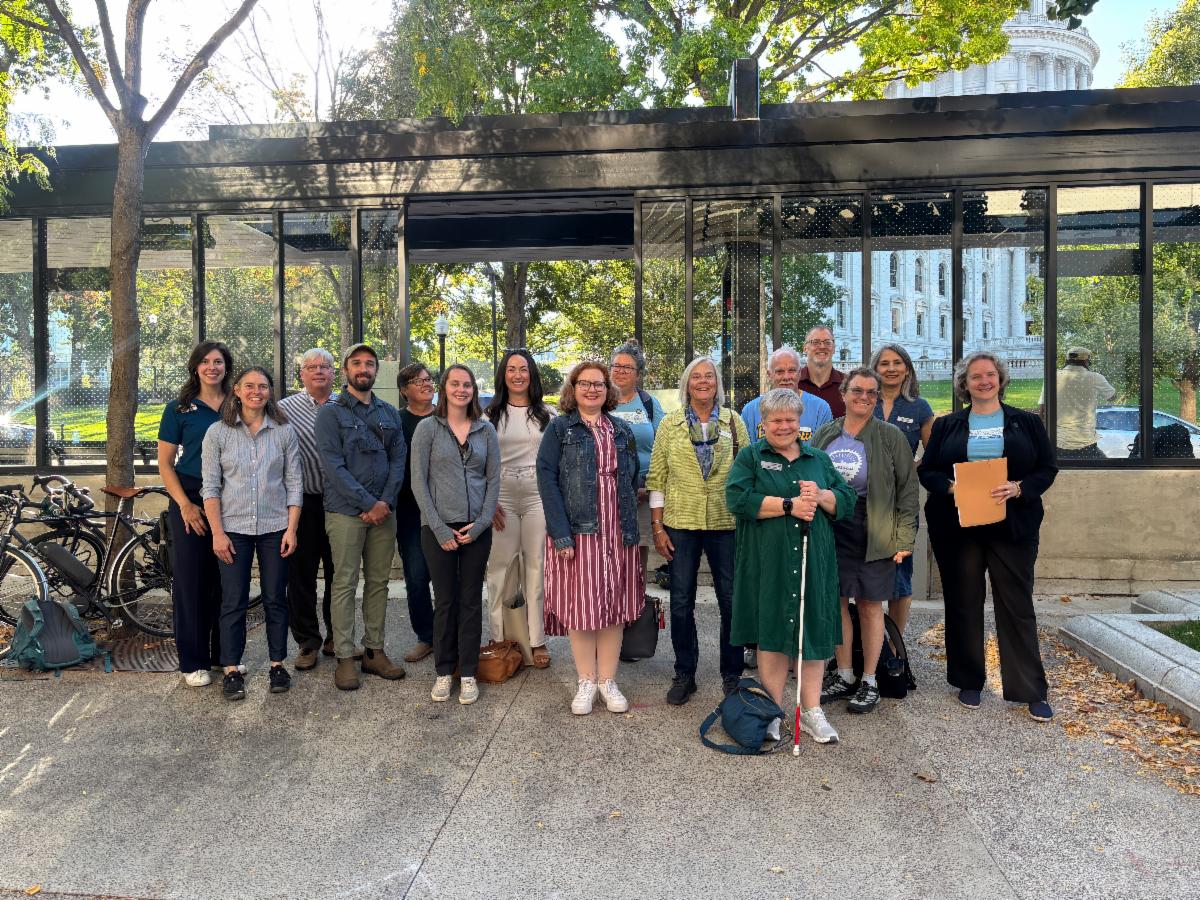
| | Local elected leaders and advocates from across Dane County at a 2025 Week Without Driving press conference. | | |
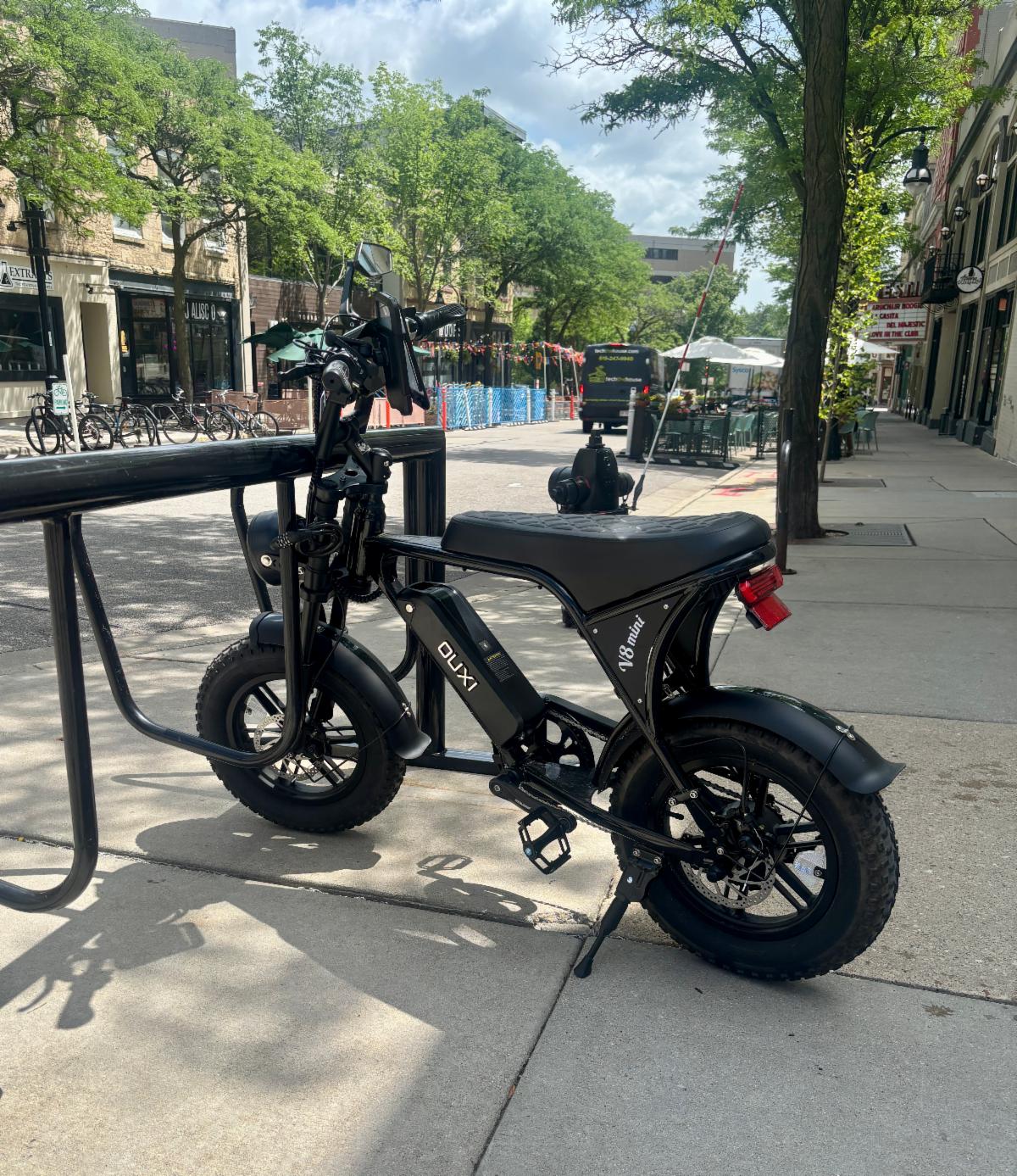
After questions about e-devices came up at last year’s CARPC-MPO Fall Forum, the Greater Madison MPO began taking a closer look at the topic. Since then, the team has created guidance to help communities understand their options for regulating e-devices, along with a public-facing website that breaks down the different types of devices, where they can be used, and how to tell them apart.
Have more questions? Transportation Planner Ben Lyman is available to speak with local boards and committees about all things e-devices, including what communities can and can’t regulate under current state law.
| | | SEPTEMBER COMMISSION MEETING SUMMARY | | |
Held a public hearing on a proposed amendment to the Oregon Urban Service Area (Featherwood Trails)
Received a presentation on Regional Development Framework Key Performance Indicators
| |  | |
Adopted the CARPC 2027 Budget
Adopted a resolution recognizing October 1-8, 2026, as a Week Without Driving in the Greater Madison Region
| | |
Thursday, October 8, 2026, at 6 p.m.
In person location TBD + virtual via Zoom.
Visit our Meeting Info page for the most up-to-date meeting information.
| | | | | |