News from The RADish Ranch
 

September 7, 2026

134th Edition

triangle-border-blue.gif

Greetings!,


Have you ever thought that since your child is out of control that you must have to control them?


Have you found yourself taking more and more control of your child, trying your best to help them, and your out-of-control child just seems to escalate?


When our kiddos with RAD/DTD or other trauma and attachment-related issues are increasingly out of control, we sometimes think that as parents and caregivers we need to step in and take more control in order to keep everyone safe and (somewhat) sane.


What if you don't have to? What if by giving your child a controlled environment and opportunities for healthy control, you can minimize out-of-control behaviour and control battles?


Read on to find out what we mean!


Enjoy!

Karen Poitras
President & Founder of The RADish Ranch
triangle-border-blue.gif

Where does the need for control come from?

"Out of control" behaviour can come from your child desperately needing to feel in control of something - anything - due to being out of control of their early life circumstances. When a child didn't have control over what happened to them (trauma, abuse, neglect, loss, etc.), it can spark a great need to feel in control of life.


Trauma takes away an individual's sense of power and empowerment; through a desperate attempt to regain this, children will take control of anything, anyone, and everything they can.


When we use trauma-responsive therapeutic leadership, parenting, and techniques to help our kiddos gain a healthy sense of empowerment and control over their lives, we boost them on their way to healing.

What is your role as a parent or caregiver?

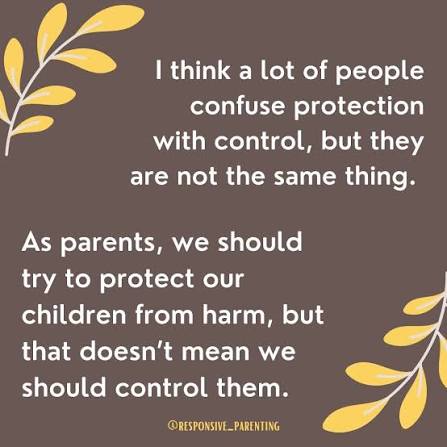
"Therapeutic leadership is not about controlling a child, but about controlling a child's environment to promote safety, development, connection, and success."


Your role is not to control your child, but rather to control the environment and self to provide safety and opportunities for bonding, success, and healing.


Your role is also to model healthy control, including self-control, impulse-control, and emotional control.


Therapeutic parenting is based on authoritative leadership, which is defined as “a child-centered approach characterized by high demands and high responsiveness, blending clear boundaries and rules with warmth, support, and open communication.”


It is important to understand that therapeutic care is not about manipulating or coercing your child into certain ways of behaving. Shame and blame cannot be used to change behaviours or create safety. When negative or controlling attitudes are displayed toward children, the ability to bring safety and healing to your child are negated. Therapeutic parenting is all about promoting positive ways of being by using positivity and encouragement to foster strength and resiliency.

Handing over healthy control

Handing over healthy control to your child allows them to build and regain their lost sense of power. Children learn

  • "I can change my life."
  • "I can choose to make my life easier or harder."


This leads to the facilitation of intrinsic motivation: the motivation to act in a certain way or make certain choices because one feels better by doing so. This promotes autonomy, mastery, and purpose.


Handing over healthy control can look like this:

  • "Here is some lunch for you. You can choose to eat it or not eat it, it's up to you."
  • "You can take you time with that brain shifter and do it when you're ready."
  • "Your can do this chore fast and snappy, or take a long time, the choice is yours."
  • "I want you to stay in your room, whether you sleep or not is up to you."


By handing this control back to your child, they gain that sense of empowerment and mastery when they are able to have the choice.


Along with handing over healthy control, your role as a parent is also to hold boundaries and stay calm and loving. Don't join in the drama, don't threaten, don't bribe, and don't change your boundaries.


Slow down, take a deep breath, and give your child the gift of time and choice to learn healthy control.

Five things your child is in control of


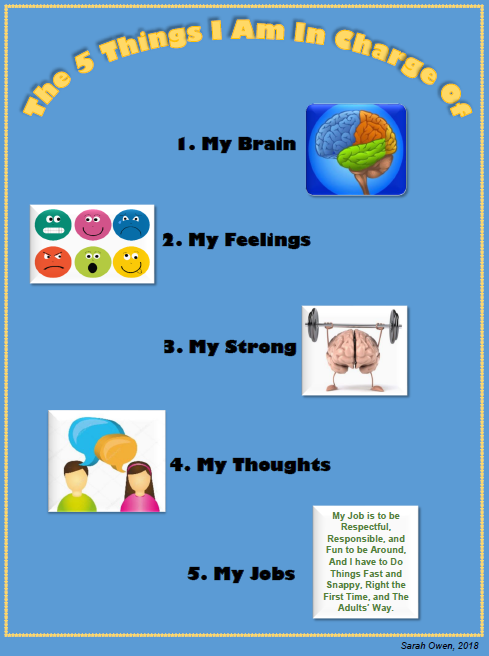
This great list (from therapist Sarah Owen) helps kids and parents to understand what the basics of healthy control are.


As I tell kids, "When you can be in healthy control of these five things, then I'll know you'll be ready to be in control of other things, like choosing a movie for family movie night or choosing a game for the family to play, or choosing what friends you can play with."

Upcoming Programs & Resources

Books to Boost Your Parenting!


"We bought the therapeutic parenting book, “What Are They Doing? The What, Why, and How of Therapeutic Parenting.” I came home, started reading it, and honestly started crying happy tears. It made me realize that I wasn’t a “bad” parent, just a therapeutic one. I have been doing so many of those out of survival and knowing it sometimes worked." -Therapeutic Mom

Here is some information that can help family and friends better understand RAD and Therapeutic Parenting!

Questions about any of our content? Contact Karen at info@theradishranch.org
Follow us on Facebook and Instagram
Facebook  Instagram  
 
“Behold, I will bring health and healing; I will heal them and reveal to them the abundance of peace and truth.”
Jeremiah 33:6

The RADish Ranch | www.theradishranch.org | info@theradishranch.org

LinkedIn Share This Email