|
A short video I recently shared on social media encouraged people to "Claim Nature": to see Bermuda's natural spaces as places that belong to all of us. The responses were thoughtful and encouraging, but some questioned whether it was possible for Bermuda to have a ‘nature gap’. After all, we live on a small island surrounded by beaches, parks and nature reserves. It is a fair question.
If the nature gap is simply about access, then Bermuda is fortunate. Most of us are only minutes from the sea or an open space. Compared with city-dwellers worldwide, we enjoy extraordinary access to nature.
But perhaps the nature gap is measured less in miles than in connection.
During my time living in Hawaii, I encountered a way of thinking that has stayed with me ever since. Traditional Hawaiian culture does not separate people from the natural world in the way Western thinking often does. Rather than seeing nature as somewhere "out there", people are understood to be part of an interconnected living system.
That perspective has profoundly influenced how I think about conservation in Bermuda. Perhaps our greatest challenge is not bringing people closer to nature. Perhaps it is helping people remember that they have never been separate from it.
I believe conservation in the 21st century is no longer defined simply by the habitats we restore or the species we save. It is also defined by our ability to close the gaps between people and nature.
I see those as The Five Gaps of Conservation.
The Access Gap asks: Can I get there?
The Knowledge Gap asks: Do I understand what I am seeing?
The Belonging Gap asks: Do I feel this place is for me?
The Opportunity Gap asks: Can I participate through learning, volunteering or community action?
And finally, the Stewardship Gap asks the most important question of all: Do I believe I have a role in protecting nature?
These are not five separate problems. They are five expressions of the same challenge, a weakening relationship between people and the natural world.
- People protect what they value.
- People value what they understand.
- People understand what they experience.
- And people experience what they feel invited to be part of.
That is why modern conservation must be about more than restoring habitats; it must also be about restoring relationships.
This philosophy increasingly shapes the work of the Bermuda National Trust. Whether we are engaging volunteers, creating opportunities for young people, embracing citizen science or telling more inclusive stories about our shared natural and cultural heritage, the goal is ultimately the same: helping people build lasting relationships with Bermuda's remarkable natural heritage.
That was the intention behind my message to "Claim Nature". Not to suggest ownership of the natural world, but something much deeper. To recognise that these places belong to all of us and that we, in turn, belong to them.
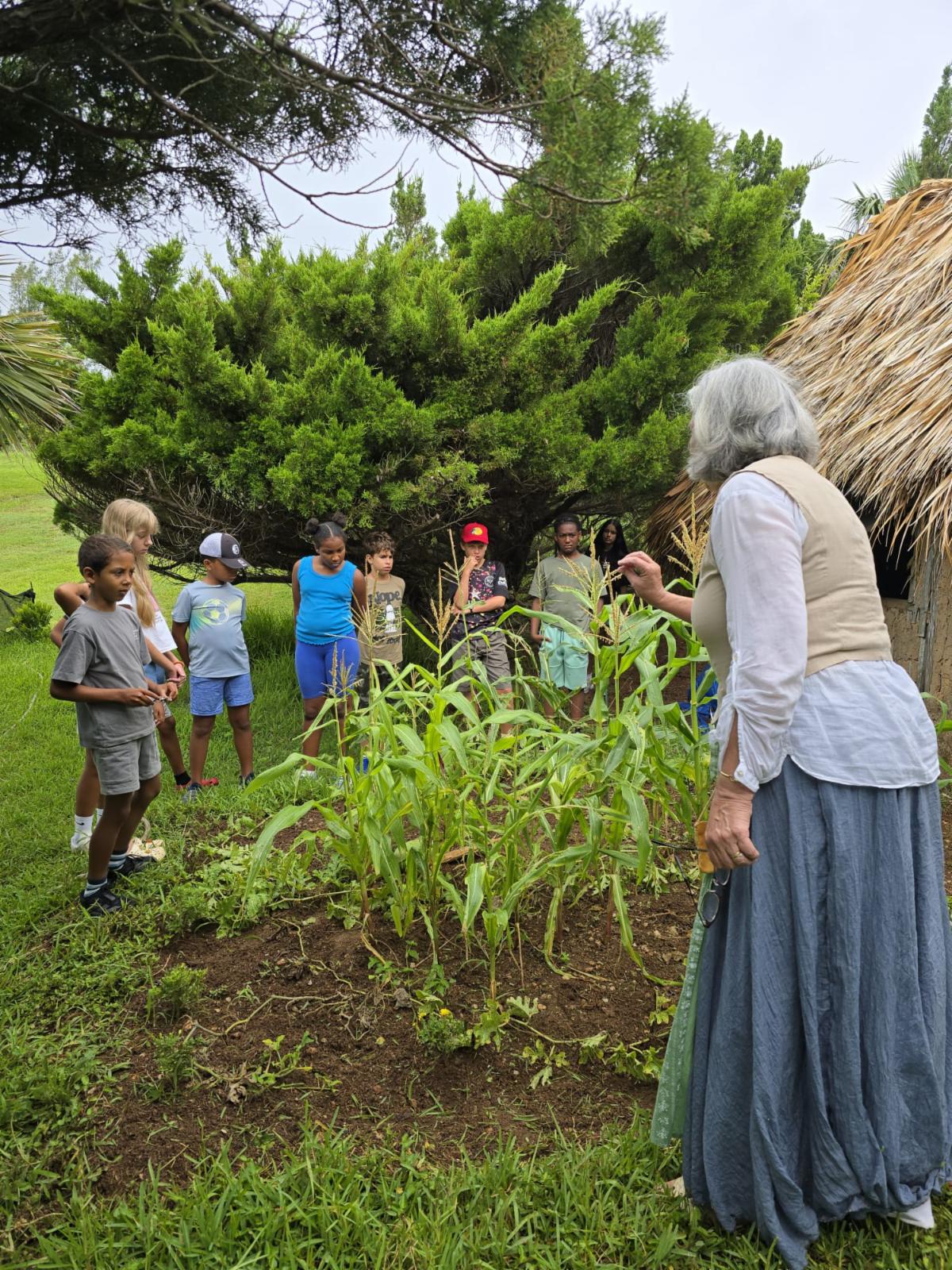
If every Bermudian feels welcome beneath the shade of a cedar, finds wonder in a mangrove pond, introduces a child to the life of a rocky shoreline or volunteers to restore a nature reserve, the five gaps begin to close naturally.
Perhaps that is the next chapter of conservation. Not simply protecting nature from people, but helping people rediscover that they have always been part of it. Because people do not protect places that are separate from them. They protect places that feel like home.
|