NACD's 76th Annual Meeting is right around the corner, but there is still time to register! The meeting, hosted in partnership with the Association of Florida Conservation Districts, will be held in Orlando, Florida from February 12-16, 2022, at the Hilton Orlando Lake Buena Vista at Disney Springs Resort. The theme for this year's meeting is "Conservation Defined For All" and will be integrated into sessions and activities at the event!
Conference pre-registration is open until January 21 at the discounted price of $520. Starting January 22 , the cost to register on-site increases to $575. Register now to save and secure your entry into the Conservation Expo, NACD General and Concurrent Sessions, Monday’s Leadership Lunch, and NCF Live Auction, and NACD Training Sessions and Workshops. |
NACD is still planning for an in person event for this year’s Annual Meeting with COVID-19 precautions and protocols in place for the well-being of attendees. For everyone's safety, there will be a daily pre-screening questionnaire and all attendees will be asked to wear a mask or face covering throughout the meeting. We will also be requesting proof of vaccination or a negative test prior to arrival. More information regarding COVID-19 precautions will be sent to registered attendees soon.
The January 21 deadline to reserve a hotel room for the meeting is quickly approaching! Visit NACD’s Annual Meeting webpage to learn more, view the agenda, register, and reserve your room. |
INFRASTRUCTURE INVESTMENT AND JOBS ACT FUNDING OPPORTUNITIES: NRCS WATERSHED PROGRAMS |
The Infrastructure Investment and Jobs Act recently passed both chambers of Congress and was signed into law by President Biden. The infrastructure package includes billions of dollars in investments for the resilience of natural systems. NACD’s Government Affairs Team will be releasing a series of blog posts to break down funding opportunities for districts through the infrastructure law as agencies such as the U.S. Department of Agriculture (USDA), the U.S. Department of the Interior (DOI), and others work to get this funding implemented on the ground.
The Infrastructure Investment and Jobs Act includes $918 million in funding for the three USDA Natural Resources Conservation Service (NRCS) watershed programs. The funding represents a significant investment of discretionary funding for these programs in addition to the allotted funding they receive through the Farm Bill. Conservation districts interested in pursuing watershed projects can reach out to their District Conservationist and State NRCS Office to explore funding requests. Initial project funding selections will be made in January 2022, but NRCS will continue accepting funding requests on a rolling basis as long as funds are available.
The act includes funding for:
- Watershed and Flood Prevention Operations Program
- Watershed Rehabilitation Program
- Emergency Watershed Protection Program
Read the full post on NACD's blog to learn more about the Act and the watershed programs as well as success stories from other conservation districts. |
Conservation districts who have received an Urban Agriculture Conservation (UAC) grant as part of a joint initiative through NRCS provide great examples of community-oriented projects while often developing resources from which districts can benefit. |
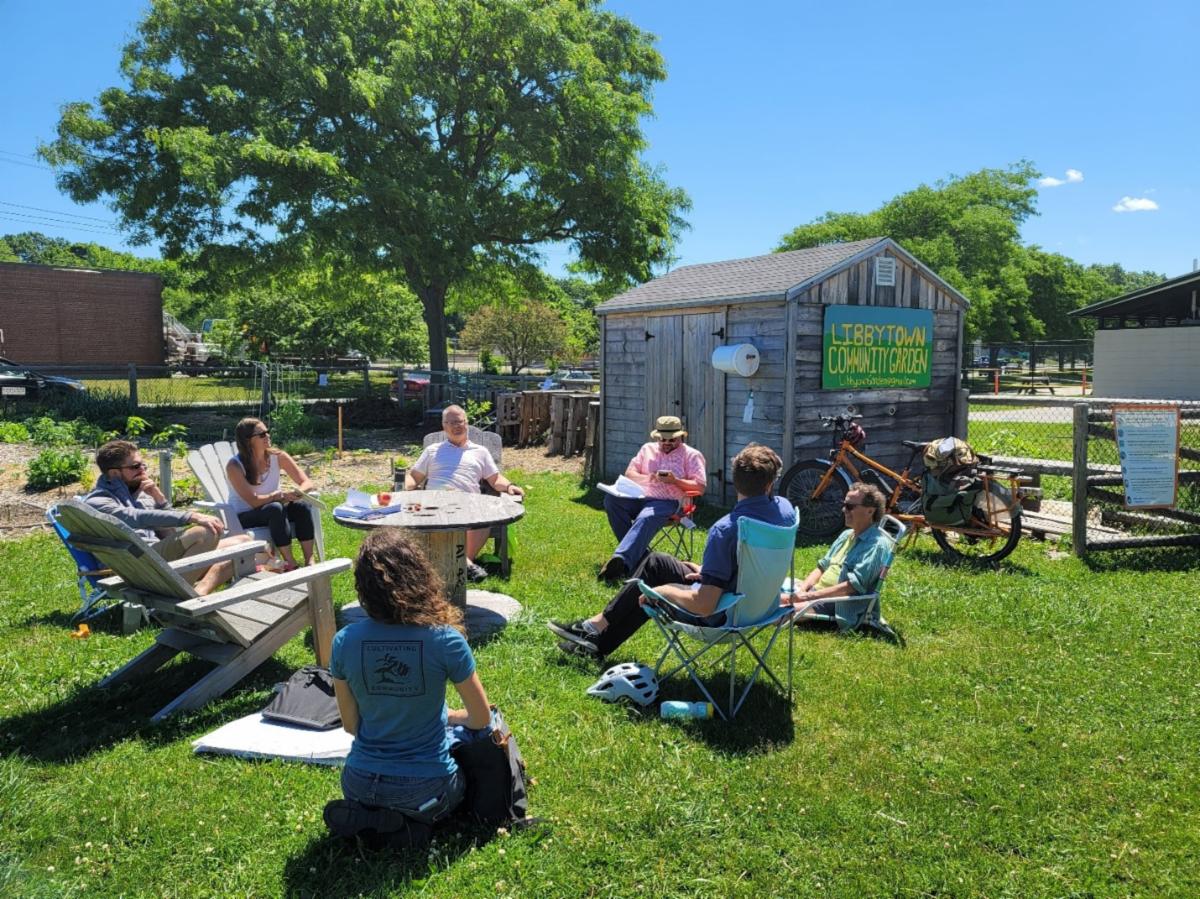
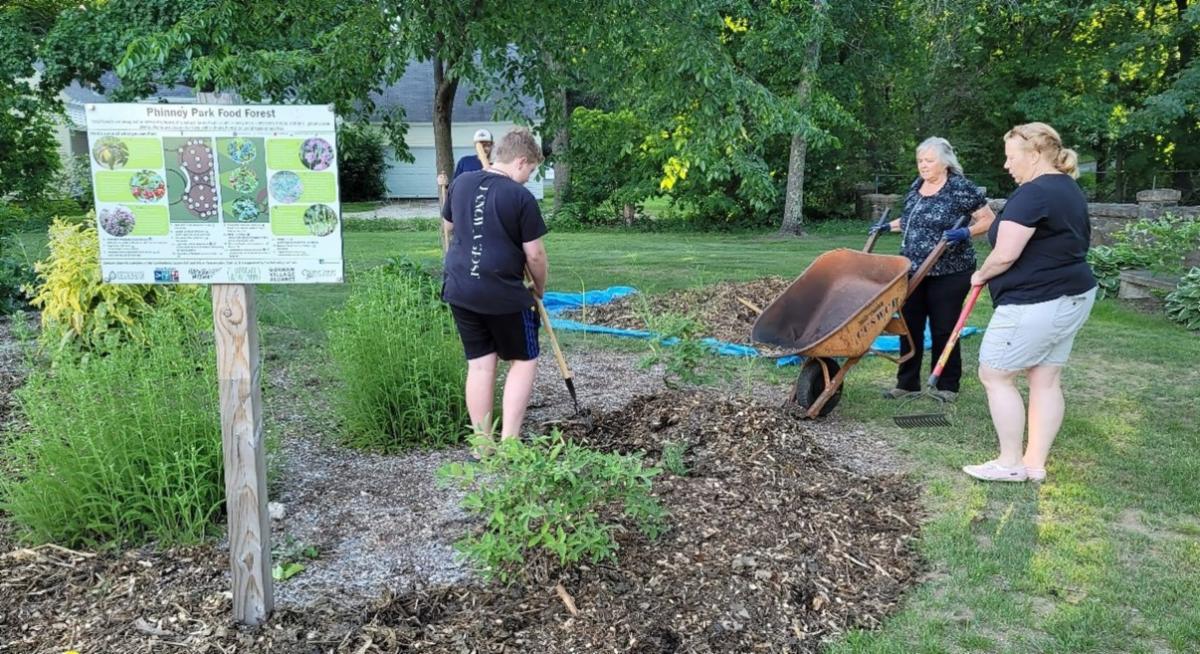
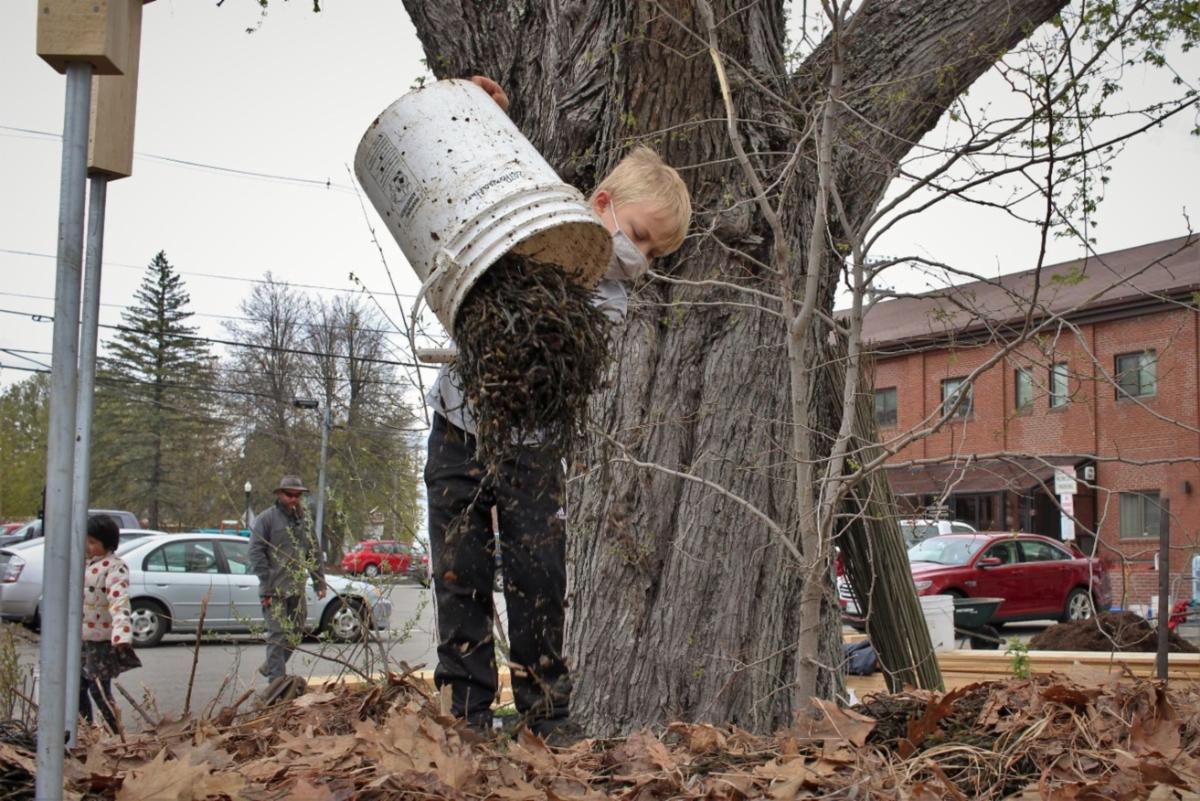
The Cumberland County Soil and Water Conservation District (CCSWCD), who received a UAC grant in 2020, developed one such resource, a Community Agriculture Planning Toolkit. The project built upon CCSWCD’s previous community agriculture work which began in 2016 with a previous UAC grant through the initiative.
The Planning Toolkit compiles information from previous agriculture work to provide municipalities with an adaptable template to implement community agriculture programs. It includes a Toolkit User Guide, 16 Community Agriculture Modules, a Community Agriculture Plan (CAP) Template, and several attachments to guide municipalities through the process to develop a CAP.
CCSWCD tested the toolkit in four pilot communities by writing a CAP for Portland, South Portland, Gray, and Gorham. This helped to refine the toolkit for practical application. Each of the pilot communities were also provided with staffing support and supplies to implement a community agriculture project. Municipal staff, regional organizations, and community members provided valuable support for this project.
|
In June 2021, CCSWCD presented an overview of the project that summarized the key deliverables and lessons learned. Some examples of the key recommendations and lessons for other conservation districts interested in promoting community agriculture planning are:
- The CCSWCD model depends on community engagement: tap into existing interests in local food, agriculture, and “victory gardens.”
- Many areas are currently seeing greater community engagement with outdoor spaces, “quality of place,” and interest in volunteerism coming out of COVID.
- Community agriculture can be used as an economic development tool and to meet climate change goals.
- Online collaboration tools for research (Dropbox) were not as effective as holding in-person partner meetings.
- Plan-making appeared to be the most interesting aspect of the project for our partners, and the district could have easily spent much more time on it.
- Individuals are encouraged by staff and community engagement, but it is best to identify a point person and department for future work on community agriculture in each community to prevent the CAP from ending up in a “sitting-on-the-shelf” scenario.
Throughout this project we worked to promote project sustainability. The CAPs are intended to be living documents, updated as community needs change and action items in the plans are completed. They are designed to be updated every 10 years, ideally with community needs' input gathered at regular 2-year intervals through surveys or other engagement techniques.
|
Project manager Damon Yakovleff shared the following at a wrap up meeting for a municipal plan.
“I appreciate everyone’s hard work and time commitment to completing this project," he said. "Big picture, this is how we can work to meet the state climate change to increase local food production from 10 percent in 2020 to 30 percent by 2030. I also appreciate that the plan can help organizations work together more efficiently to create a more sustainable food system for us and future generations.”
|
|
NACD Offices Closed For MLK Day |
NACD’s offices will be closed on Monday, January 17 in observance of Martin Luther King, Jr., Day. |
Jeff Rice becomes Lifetime Member of Friends of NACD! |
Thank you to Jeff Rice for becoming a Lifetime Member of Friends of NACD! Rice represents the state of Kentucky on NACD’s Board of Directors. He is the vice chair of the Daviess County Conservation District, and owner of Rice Agri-Marketing, selling seed, agricultural products, and agronomic services in the Green River area of Kentucky.
Friends of NACD are individuals who support the nation’s nearly 3,000 conservation districts through cash donations to NACD. These donations support individual conservation districts through the Friends of NACD District Grants Program. Since Fiscal Year 2020, Friends of NACD has awarded $20,000 in grant funding to eight districts across the country. Consider becoming a Friend of NACD today!
|
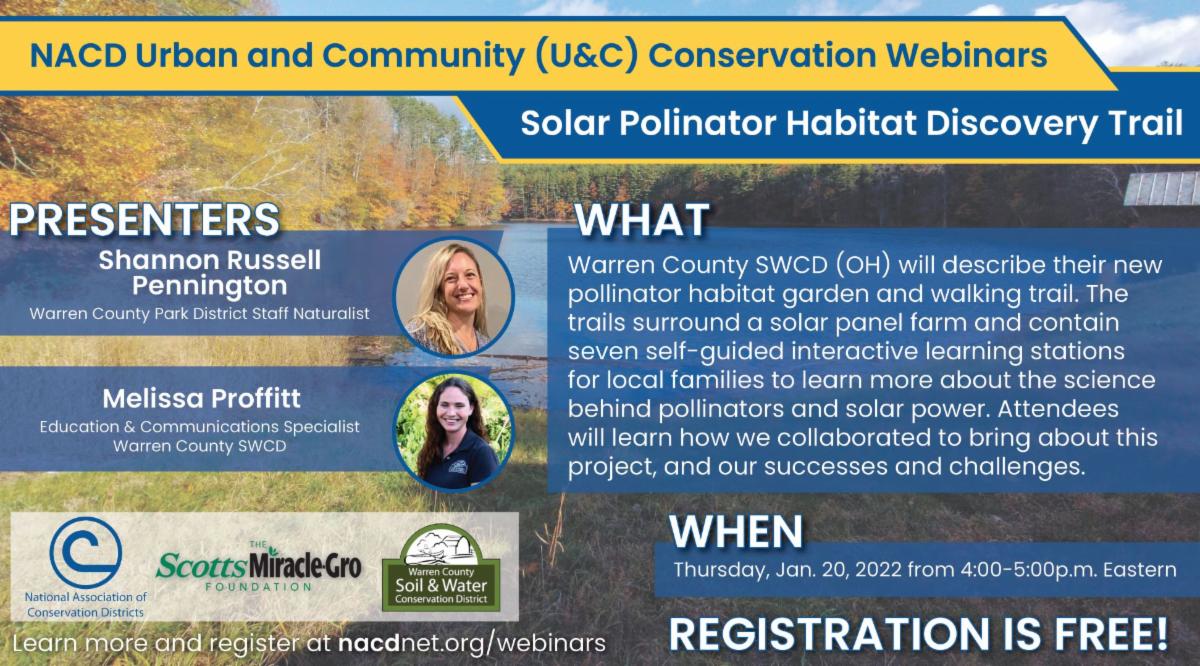
Upcoming: Solar Pollinator Habitat Discovery Trail Urban Webinar |
Join Shannon Russell Pennington and Melissa Proffitt for January's Urban and Community (U&C) Conservation webinar on Thursday, January 20 at 4 p.m. Eastern. Pennington, a staff naturalist with Warren County Park District, and Proffitt, Education & Communications Specialist for Warren County Soil and Water Conservation District (SWCD), will discuss their new pollinator habitat garden and walking trail.
NACD’s U&C Conservation webinar series, sponsored by The Scotts Miracle-Gro Foundation, highlights programs related to urban and community conservation, outreach to underrepresented clients, small-scale natural resource concerns, stormwater management and other related themes.
Learn more about this webinar, watch past U&C webinars, and submit a webinar proposal on our website.
|
Sustainable Urban Forests Coalition Calls for Presenters |
The Sustainable Urban Forests Coalition (SUFC) announced their 6th annual Networking Calls for Collaboration/Calls to Dialogue to be hosted at the SUFC Virtual Annual Meeting in March 2022.
SUFC will select up to four presenters to feature their respective programs, perspectives, research ideas, case studies, new technologies, philosophies, policies, or campaigns to be featured at the Annual Meeting. Each of the four chosen project representatives will present an overview of their respective project, along with a “Call for Collaboration/Calls to Dialogue” to the SUFC membership, supporters, and meeting attendees.
Learn more and submit a proposal here.
|
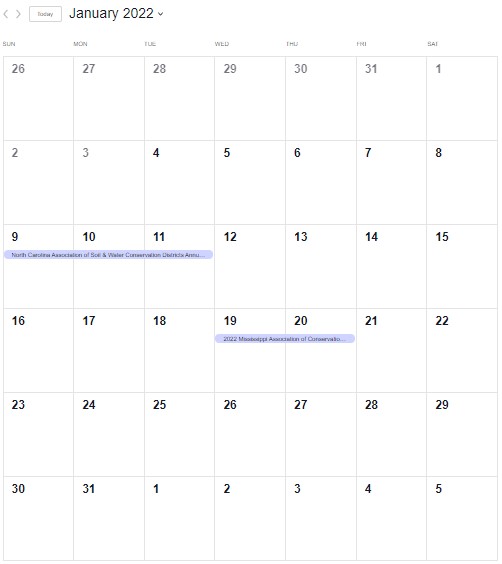
Promote your conservation district or state association's tree sale, annual meeting, webinar, field day, or more on NACD's Calendar of Events!
|
|